

The Charming And Historic European City Rick Steves Calls A 'Cultural Powerhouse'
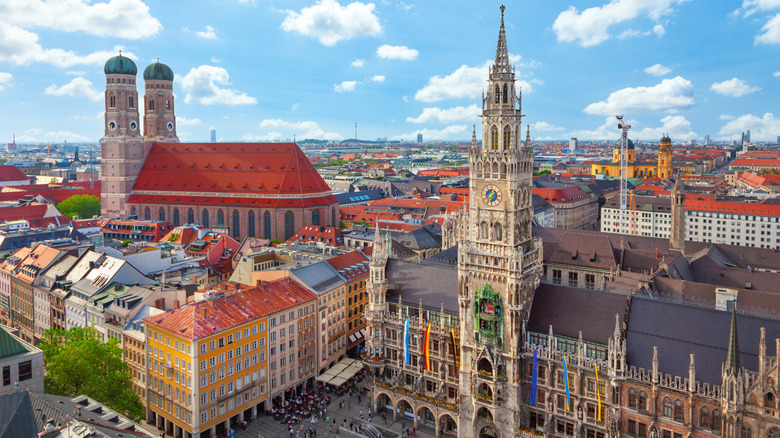
Progress is inevitable in our technological age, but that doesn't mean traditions or culture must take a backseat. In fact, according to writer and travel host Rick Steves, one city in Germany is a "cultural powerhouse" that continues to be unashamed of its historical roots as it looks toward the future: Munich. As Steves says in his blog, the Bavarian capital is a city that is simply "comfortable just being itself."
When in Munich, visitors are immediately aware of the culture that surrounds them. This is in part thanks to the massive neo-Gothic town hall in its central square. Here, Steves points to the many outdoor cafes and communal spaces where locals and tourists gather to enjoy the sites. Munich's buildings are surprisingly young, despite their look. That's because a majority of the city was rebuilt after the allied bombings of World War II. Today, you can walk a refreshed version of the same, car-free street plan that existed hundreds of years ago.
Munich is likely known to most tourists as the home of its world-famous and often-copied Oktoberfest that takes place each fall (which has become a tradition in Chicago, arguably the best place to celebrate Oktoberfest outside of Germany). But despite its huge tourism industry and 1.5 million residents, Steves says the city manages to feel small, thanks to its commitment to pedestrians and cyclists. It's also home to multiple museums and art galleries that create an atmosphere of easily accessible cultural experiences.
Multiple universities and museums make Munich a cultural hub
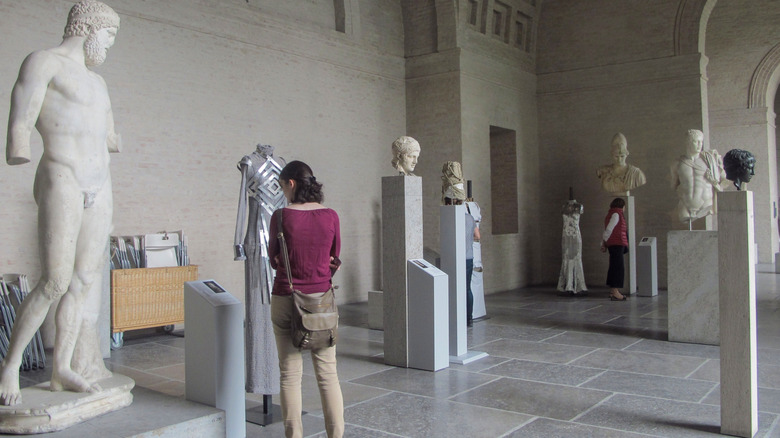
There is no doubt that Munich celebrates culture. Considered one of Europe's most important cultural hubs, Munich has an impressive list of opportunities to explore history that go back 5,000 years. This dedicated section of the city called the Kunstareal is home to more than 40 galleries, six universities, and 18 museums. No wonder Rick Steves says this city is one of the most "historic, artistic, and entertaining" in Germany.
Determining which attractions to see, of course, comes down to personal preference. But the Glyptothek is considered among the most important, especially for those interested in art history and sculpture. One of the largest collections of ancient sculptures is displayed in the Glyptothek, and in the summer, an open-air stage is home to theatrical productions.
For those interested in paintings, the Alte Pinakothek showcases more than 700 paintings dating back to the Middle Ages. Universities and theaters also offer access to culture and the arts with rotating displays and exhibits throughout the year. The proximity in which the cultural attractions are available have rightly earned Munich the title of the world's most walkable city. And while there are far too many cultural attractions to cover here, the Kunstareal keeps an updated guide covering all of its cultural offerings on its website.
Markets and festivals in Munich
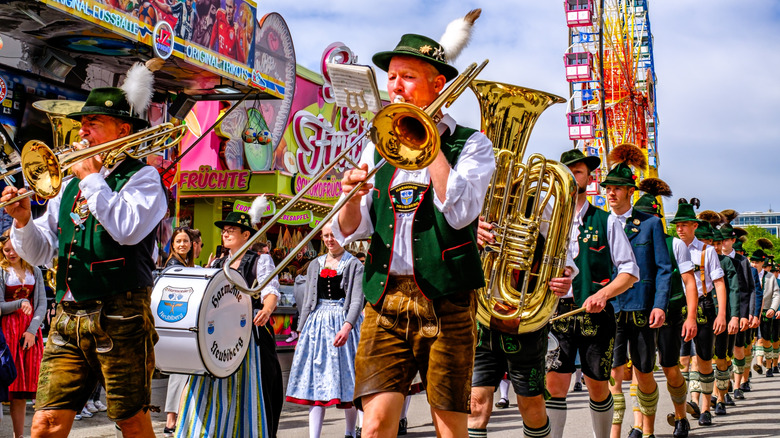
Oktoberfest is likely the most well-known festival in Munich. The fall event brings in more than 6 million people each year, making it the world's largest folk festival. But it's not just the beer and autumn weather that attract people to Munich. Festivals abound throughout the year, meaning there is not a bad time to visit the Bavarian capital. On his website, Rick Steves recommends doing your own research before deciding which festival is right for you, since dates and ticket prices can shift.
Beginning in late November and running through Christmas Eve each year, Munich's Christkindlmarkt at Marienplatz Square continues a tradition that dates back to 1757. The Christmas market takes over the pedestrian areas and is suitable for all ages. And three times a year – spring, summer, and fall — the Auer Dults traditional folk markets take over the city. These events focus on shopping, festival attractions, and community. The city's Viktualienmarkt, or market, is a regular centerpiece and is a great way to spend a day interacting with locals, according to Steves.
Munich International Airport, a 40-minute train ride outside downtown, puts everything the city has to offer within reach. While exploring the multiple cultural experiences within the hustle and bustle of the city is attractive, it's important to remember that there are also opportunities to escape into nature from Munich. One such place is a scenic Alpine hike to the south with breathtaking mountain views.