
Why Rick Steves Wants Travelers To Think Twice About Booking An Airbnb In Europe
The influence of social media showcasing exotic destinations, the breaking down of traditional travel barriers — including the rise of remote work and budget travel options — and the growing popularity of short-term rental platforms have all reshaped the way we travel. What once were hidden gems in far-flung paradises, known only to locals and the most seasoned of travelers, are now accessible to nearly anyone with a valid passport and decent Wi-Fi connection.
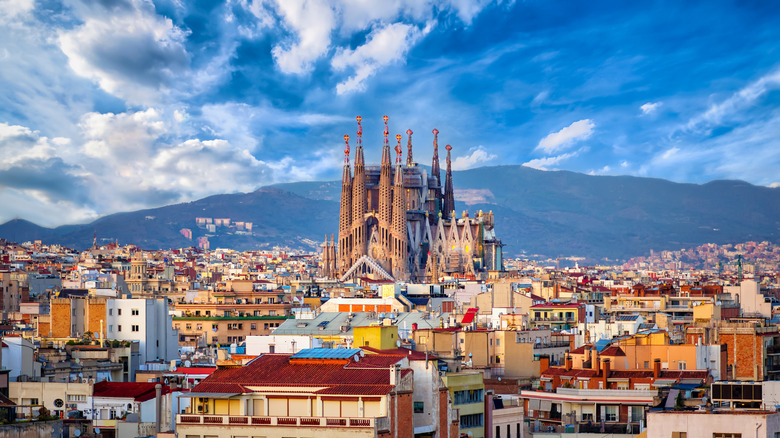
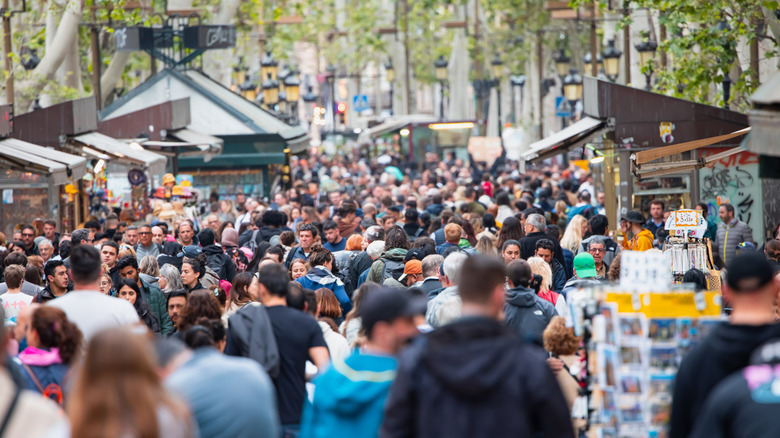
These evolutions, both good and bad, have inevitably led to the overtourism of remote spaces and overconsumption of local resources, which in turn contribute to rising housing costs, displacement of locals, and the erosion of cultural authenticity. Back in 2018, travel expert Rick Steves sounded the alarm on the ethics surrounding Airbnb. "You can see this in Rome (around Piazza Navona), in Amsterdam (the Jordaan district), in Barcelona (the Ramblas isn't what it used to be) — and in many other once-vibrant and charming neighborhoods that now are just plain touristy," he wrote in a blog post. In a related video, he explains how platforms like Airbnb contribute to these problems, pointing out that they have "a devastating impact on the fabric of communities" because landlords make more money getting rid of "traditional tenants" and renting out to short-term travelers.
Since Steves' initial plea for travelers to stop booking Airbnbs, the battle against overtourism, especially in Europe, has only grown in size, scope, and volume. Spain alone blocked over 66,000 Airbnb listings in 2025, citing negative impacts on local resources and infrastructure, including traffic congestion, overburdened public services, and the rising cost of living for permanent residents. From stricter license regulations to all-out bans, countries across Europe are limiting where, how, and even if short-term rental platforms like Airbnb can operate.
The local impact goes beyond rising housing costs

As a full-time slow traveler who spent two months living in Barcelona, I've seen and felt the impact of overtourism (myself an unintentional contributor) firsthand. I respect and integrate into local cultures and customs, while limiting any negative impacts on the community and environment. Like many others, I travel because I love new experiences and value different viewpoints, not because I want to exploit "cheap" loopholes or contribute to the gentrification of neighborhoods. Yet, more and more reports and studies show that this is exactly the effect platforms like Airbnb have on local communities.
Even though I didn't stay on the over-touristed La Ramblas while in Barcelona, the effects of overtourism could still be felt in almost every corner of the sprawling city. From my temporary home in Barcelona's Gothic Quarter, where almost 17% of total homes are listed on Airbnb (per a 2016 study), I would walk down Passeig de Joan de Borbo to popular Barceloneta Beach, passing light poles and traffic signs plastered with handmade signs and professional flyers filled with anti-tourism messaging. Amid restaurants and shops eager to welcome tourists in, those signs made it all too clear that the majority of Barcelonians simply want "Tourists [to] Go Home!"
While Rick Steves acknowledges that "Airbnb can facilitate genuine cultural connection," the impact of short-term rental platforms isn't limited to overcrowding and housing costs; its sentiment spreads to the very real, everyday financial pressure felt by many residents. In areas with heavy tourism, the demand for local products and services, including groceries, dining, and daily essentials, often increases prices, with inflated costs regularly passed on to the local community. This reality was echoed in conversations with my friend Sara, a lifelong Catalonian, who shared how rising prices across Barcelona have created daily strains and obstacles for both her and her loved ones.
The solution lies in individual choices and actions
For all the criticisms of short-term rental platforms, not all the blame for overtourism and rising housing costs can be shouldered by companies like Airbnb alone. Speaking to Business Insider, Airbnb CEO Brian Chesky pushes back: "We support modern, targeted regulations that protect housing without blocking hosts from occasionally sharing their homes."
As Airbnb and similar platforms have gained in popularity, brand-name hotels, family-owned bed and breakfasts, and boutique retreats alike have had to adjust pricing and incentives to compete. For example, Airbnbs and hotels in the Gothic Quarter tend to have similar pricing for like accommodations when considering short-term travel. However, for slow or long-term travelers like myself, Airbnb and similar platforms still offer significant savings over traditional hotels. Whatever the overall impact of these platforms ultimately is, as Rick Steves mentions in his initial post, "each traveler has to decide whether Airbnb is right for them."
While the "right" solution will likely require institutional change, immediate impact begins on the human level. We must decide how to balance potential negatives with positives. As the price of convenience rises, we need to understand the invisible costs of our choices. If you stay in an Airbnb, choose one owned by an individual or small company, rather than a large property management company or real estate firm. Spending time and money with community vendors and small restaurants also reinvests resources back into the local economy. Getting to know residents may even lead to discovering a family-owned bed and breakfast or lesser-known attraction that enriches your stay. As Steves suggests, we need to decide what we truly value in travel: an authentic experience or a temporary escape? The answer will ultimately impact the quality and sustainability of travel now and into the future.