

Rick Steves' Advice For Booking A Budget-Friendly Hotel In Europe

Travel can be expensive, and some of us save up for years to afford a trip overseas. With airfare, meals, hotels, and site-entry fees to consider, the money can really add up. Thankfully, there are ways to save quite a bit when you travel to Europe — and one of these methods is by picking a budget hotel. In fact, according to travel pro Rick Steves, doing so may be the best decision you can make.
On his website, Steves writes: "The best travelers are not those with the thickest wallets, but those with a knack for connecting with locals and their culture." You can stay in a big, expensive place, of course. However, if you're going to be out and about most of the trip, seeing the sights and enjoying a different country, your hotel is nothing more than just a crash pad for when you return at night, exhausted from your new experiences. To that end, Steves writes that you might as well "choose a two-star hotel rather than a three-star one," and save big in destinations like Paris, where the difference can be upwards of $60.
That said, you may have to change your expectations a bit. Two-star hotels in Europe may not have all the amenities that you're used to. For example, you might not have a service desk that is open all night, or room service in case you get snacky after midnight. We recommend you visit a local grocery store when you get into town to pick up some new treats to try, and keep them in your room for just such an occurrence. Another thing they may lack is air conditioning, which should be fine much of the year. However, Steves' protégé, Cameron Hewitt, recommends asking for a fan as soon as you check in. They do often have a few, and they can come in handy during the hotter months.
Budget-friendly hotels and other less-expensive options
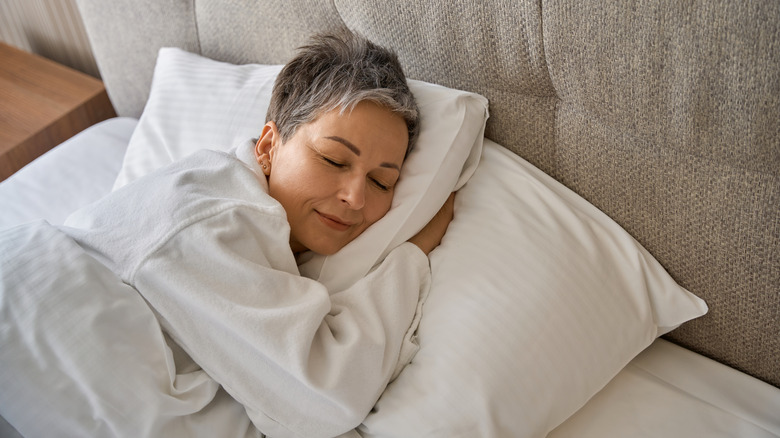
One of the best things about choosing a smaller hotel is that you can call directly and ask if they have any discounts available on specific dates or if you're paying with cash. Similarly, Steves also suggests looking into family-run hotels, which can be even more affordable. Sure, you may not get mints on your pillow, but you're likely to find it a lot more charming than you would a fancier place.
Additionally, another type of accommodation Steves recommends is bed and breakfasts, since you're more likely to run into locals (not other tourists) and potentially even make some new friends. Plus, you'll also get to sample food that isn't just from a restaurant. They may even offer up suggestions for local dinner spots and other things you should check out that are off the beaten path. Along with Steves' recommendation to splurge on a local tour guide, finding a small accommodation where you can chat with the owners helps ensure you're not just hitting the same places everyone else is.
Finally, another option Steves mentions is hostels. "Don't count out hostels just because you've aged out of the backpacking crowd; most offer clean, functional private rooms (and hostel age limits are a thing of the past)," he writes. In fact, there are some pretty incredible hostels around the world that you might pick over a three-star hotel anyway. Do keep in mind, however, that some smaller places may have you sharing a bathroom with other guests, or have a private bathroom that is down the hall. You may also have to climb stairs rather than take an elevator. In the end, though, you're in another country — and it's the experience you're after, not the luxury.