14 Best Attractions & Things to Do in Zadar
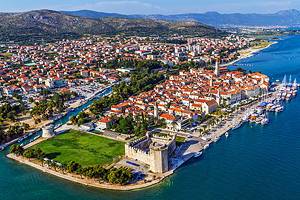
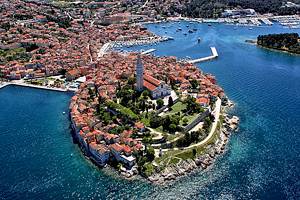
This medieval city is perched on a peninsula that sticks out into the Adriatic Sea. Its charming Old Town is webbed with car-free cobblestone streets just begging to be explored. Within the city's ancient walls are enchanting cafes peppered throughout hidden plazas, old medieval churches, and even Roman ruins, including the site of an ancient Roman forum.
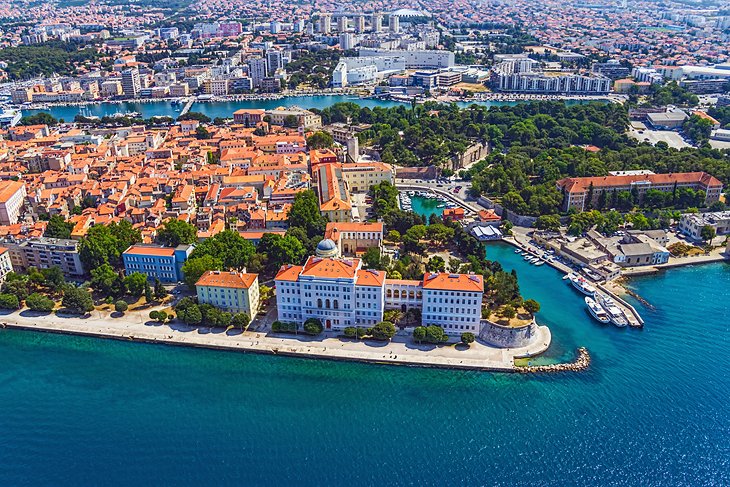
Evidently, Zadar, the largest metropolis in northern Dalmatia, had a moment in time when it was still flying under the tourist radar. It's safe to say that moment is over — but for a very good reason. Zadar is absolutely magical.
Zadar was one of my favorite places to visit in Croatia for its juxtaposition of the old world and the new. In addition to its preservation of the past, Zadar is a celebration of modernity, from its large-scale art installations to its museums, beautiful nearby beaches, and a fantastic string of islands.
Explore more great places to visit in and around this vibrant city with our list of the top attractions and things to do in Zadar, Croatia.
See also: Where to Stay in Zadar
- 1. Art Installations: The Sea Organ and Greeting to the Sun
- 2. City Walls and Gates
- 3. Church of St. Donatus
- 4. Zadar Cathedral
- 5. Zadar Archaeological Museum
- 6. Relax on Kolovare Beach
- 7. Explore Kornati National Park
- 8. The Roman Forum
- 9. Visit the Church of St. Chrysogonus
- 10. Church of St. Simeon
- 11. Take a Day Trip to Zadar Archipelago
- 12. The Church of St. Mary & Benedictine Monastery
- 13. People's Square
- 14. The Museum of Ancient Glass
- Where to Stay in Zadar for Sightseeing
1. Art Installations: The Sea Organ and Greeting to the Sun
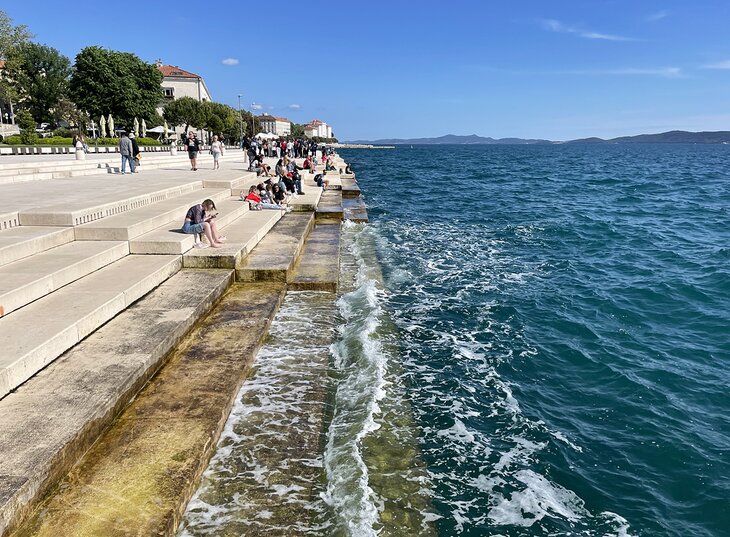
Believe it or not, the number one reason to visit Zadar these days is not to get lost in the past, but to focus on the present. For Zadar, these are the remarkable, and often peculiar, art installations that can be found throughout the city.
Zadar's famous Sea Organ is the number one attraction in the city. Installed on the seafront in 2005, it is a must-see. It's called the Sea Organ because as the waves crash against the cascading steps, they hit a series of underwater tubes. Each tube creates a different tone and together it makes a surreal soundtrack to the experience.
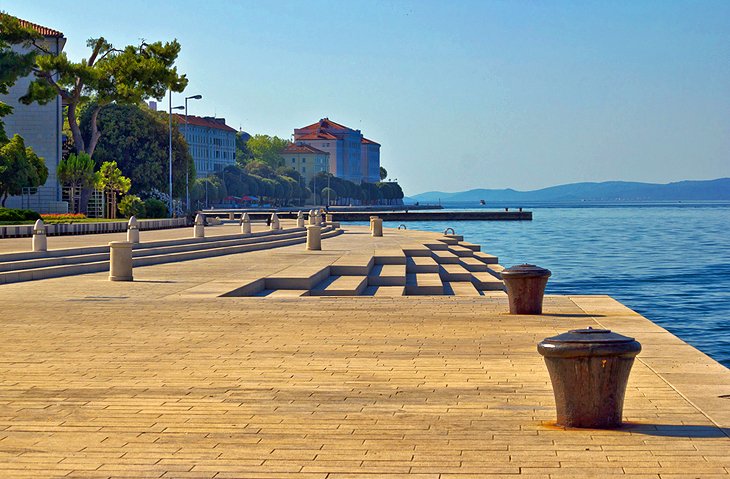
Another art piece to view in Zadar is the Greeting to the Sun, a circular installation of 300 multi-layered glass plates and solar cells that, come nightfall, light up.
Much more than works of public art, these two spots are incredibly popular for tourists and locals to come and hang out. When I visited, the steps were strewn with people stopping for a reflective moment in the late afternoon light, reading books, chatting with friends, or having a snack. It's a social scene as much as it is a statement piece.
Address: Obala kralja Petra Krešimira IV, 23000, Zadar, Croatia
2. City Walls and Gates
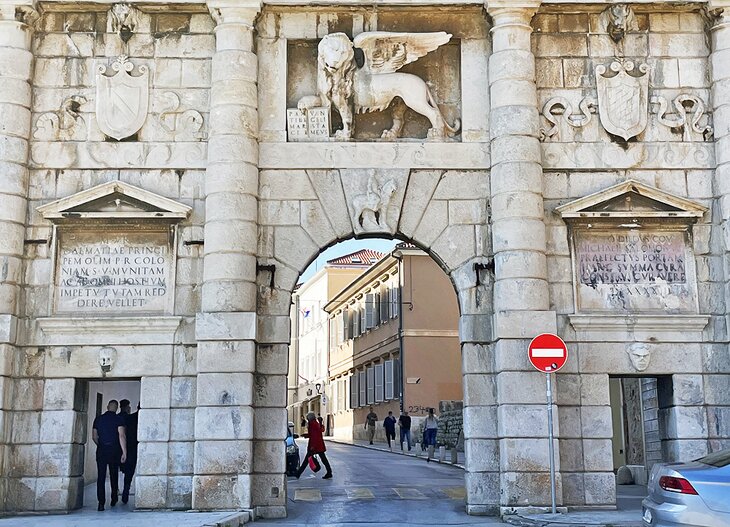
You cannot get into Zadar's Old City without crossing the old city walls through one of its four magnificent City Gates. The oldest section of the wall was built by the Romans, and it is near the footbridge along the eastern wall.
But the most impressive gate to the city is the Land Gate, which was once the main entrance to the city. The gate sits next to the tiny Foša Harbor and dates back to the 16th century.
Tip: You'll find a parking lot here in front of the small marina, which gives perfect access to the Land Gate.
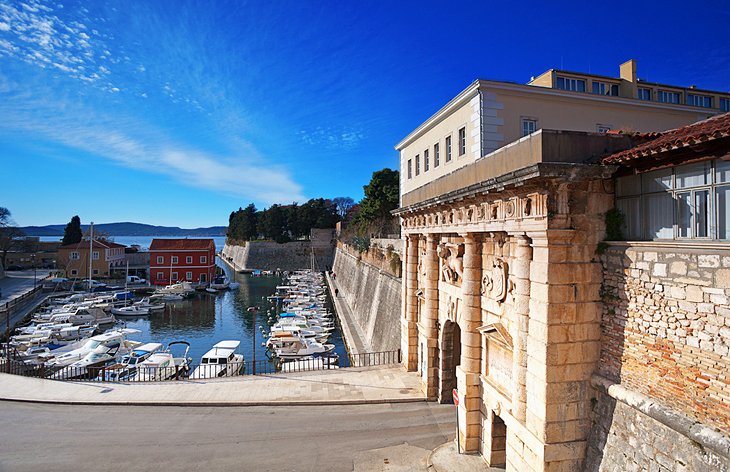
The other three gates include the Sea Gate, the Bridge Gate, and St. Rocco's Gate. Also worth visiting is Zadar's famous Sea Gate (Morska Vrata), known as the Gate of St. Chrysogonus (Vrata Sv Krsevana). Built in 1560 using an existing Roman arch for a base, the gate includes many interesting features, including a relief of the emblem of Venice, the Lion of St. Mark's; a memorial to sailors; and a commemorative plaque paying tribute to Pope Alexander III's visit to Zadar.
3. Church of St. Donatus
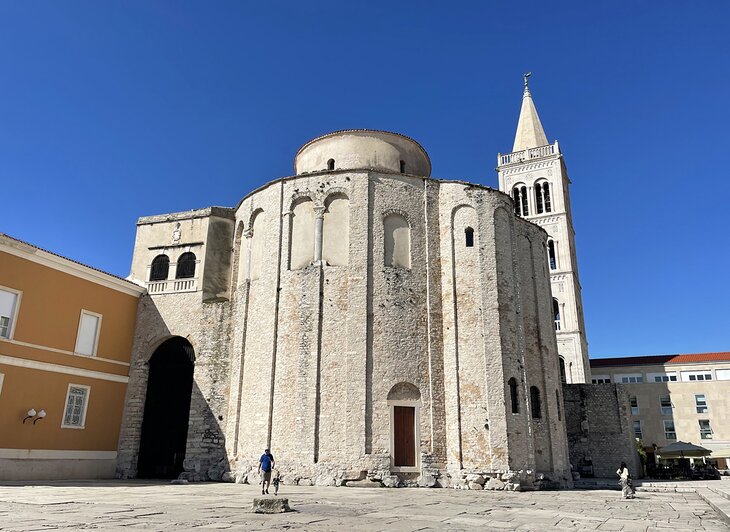
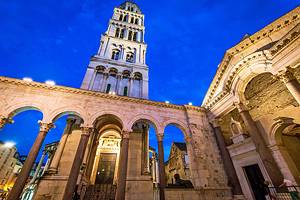
For me, the Church of St. Donatus was one of the most impressive sites in Zadar. It's beautifully preserved and one of the most important examples of Byzantine architecture found in this part of Croatia. The church dates back to the 9th century and is famous for its circular form.
What's great about the church is that it sits within the old Roman forum, so you can see the change of empires (from Roman to Byzantine) right before your eyes. Simply fascinating.
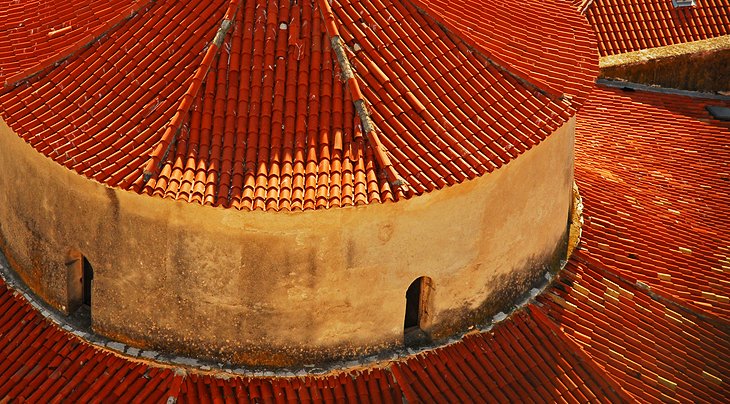
This part of the city has many of Zadar's other top attractions so you don't need to go very far to hit them all in one swoop.
Address: Trg Rimskog Foruma, 23000, Zadar, Croatia
4. Zadar Cathedral
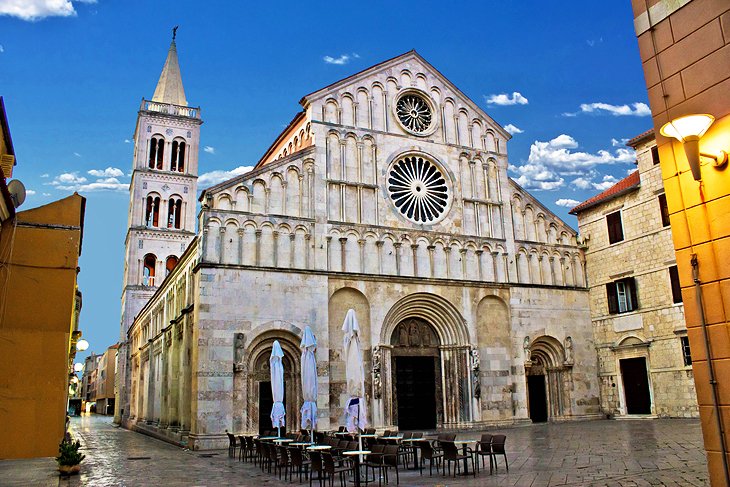
Speaking of nearby attractions, the Zadar Cathedral is directly behind the Church of St. Donatus.
Zadar Cathedral (Katedrala sv. Stošije), which is also known as the Cathedral of St. Anastasia, blends a number of architectural periods into its fabric. Construction initially began with the Byzantines back in the 9th century, but it was rebuilt again during the 12th and 13th centuries in Romanesque style.
Of particular interest is the cathedral's fine façade with its three entrances and numerous blind arches, as well as two beautiful rose windows. The top one is in Gothic style, while the lower one is Romanesque. Interior highlights include the ninth-century remains of St. Anastasia, the stone altars, and the impressive wood-carved choir.
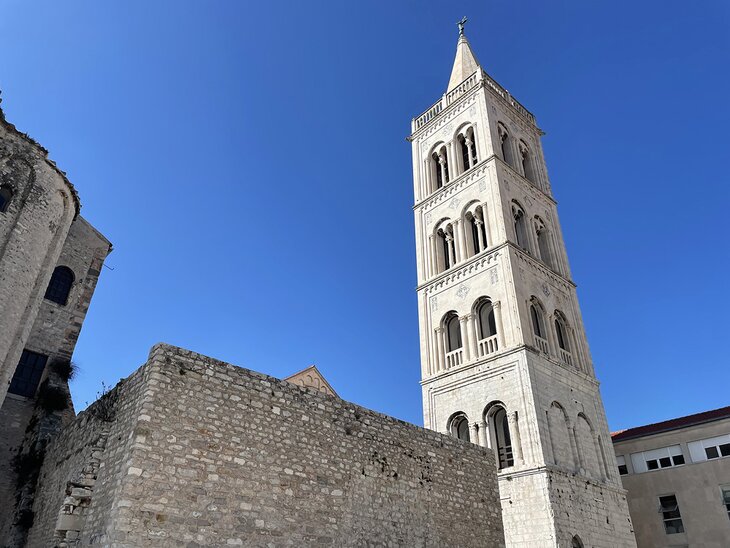
Be sure to check out the lovely bell tower dating from the 15th century, with the upper levels being completed in the late 19th century. If you want really awesome views across the city, arrange to climb the bell tower.
Address: Trg Svete Stošije, 23000, Zadar, Croatia
5. Zadar Archaeological Museum
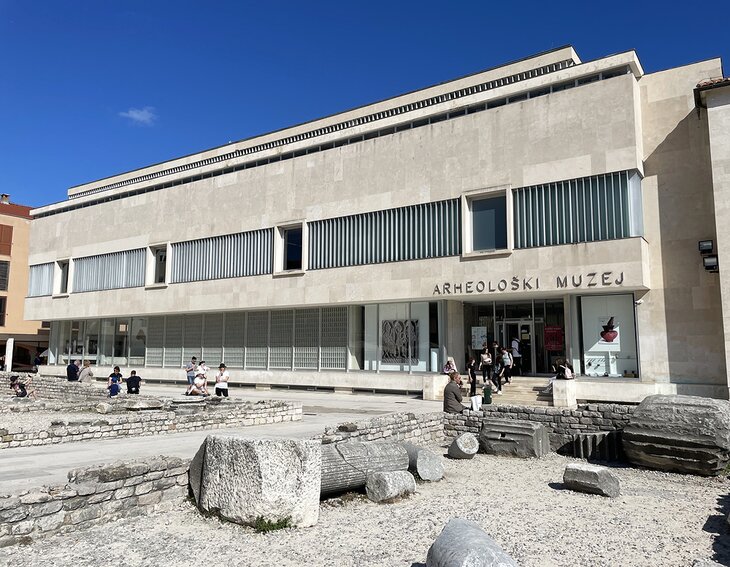
The second oldest museum in Croatia, the Zadar Archaeological Museum (Arheološki muzej Zadar) was founded in 1832 and is dedicated to the city's rich history. It is a good place to gather an overview of the influences that shaped this area of Dalmatia.
Highlights include the numerous ground floor displays devoted to finds from the 7th to 12th centuries, a notable glass collection, as well as many displays on the first floor related to Northern Dalmatia during the Roman period (particularly interesting is the model of Zadar showing the city's Roman layout).
The oldest periods of history are displayed on the second floor, which houses collections related to the Paleolithic, Neolithic, Copper, Bronze, and Iron Ages, including weapons, jewelry, pottery, and other artifacts.
Address: Trg opatice Cike 1, Zadar, Croatia
6. Relax on Kolovare Beach
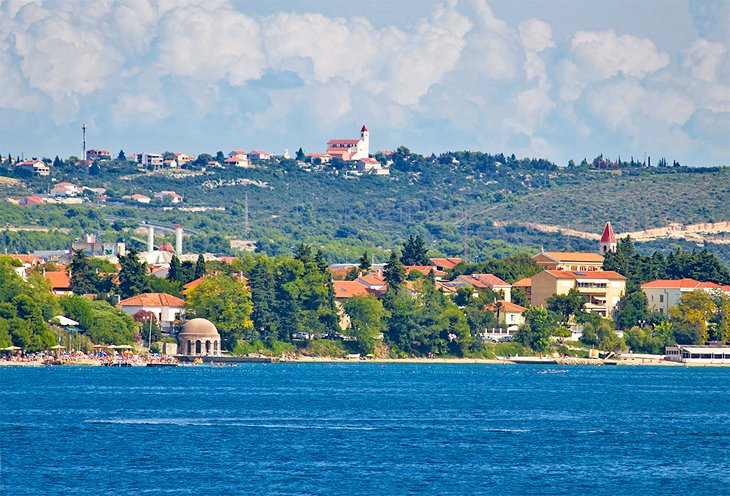
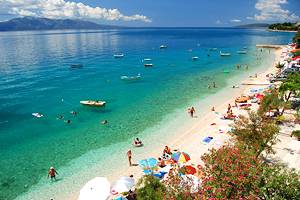
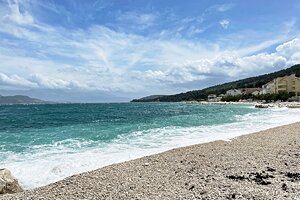
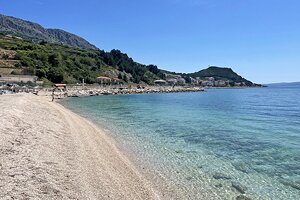
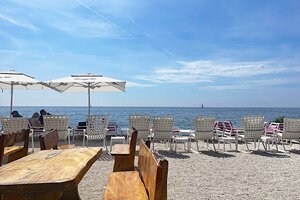
About a 10-minute, very scenic walk from the old town, Kolovare Beach is the main city beach, a mix of sand and pebbles backed by clear blue water. In summer, the beach can get crowded, but if the sun is too hot, you can retreat to a shaded green area just above the beach, which offers respite and is popular for picnics.
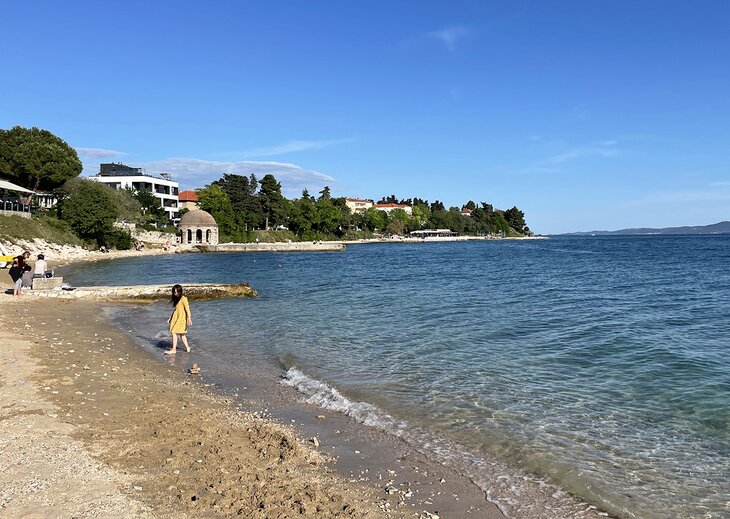
There are also showers, changing rooms, and toilets at the beach. Nearby, you'll also find shops and restaurants. If you want to swim with fewer people, keep heading east from Kolovare towards the headland.
Address: Kolovare UI 11, Croatia
7. Explore Kornati National Park
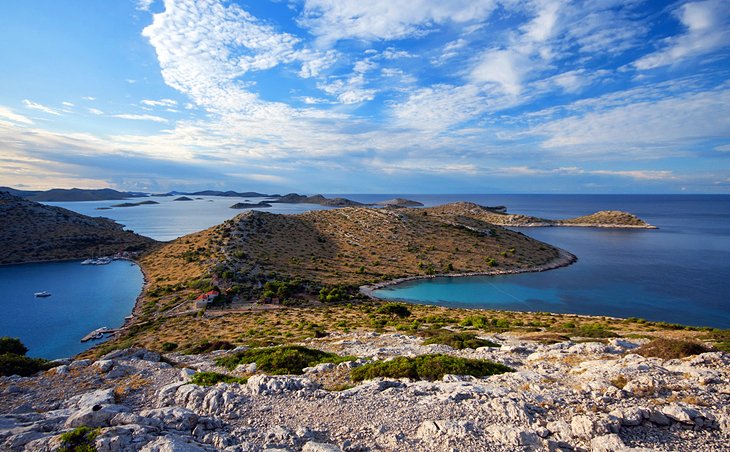
Kornati National Park (Nacionalni Park Kornati), just off the coast of Zadar, is made up of 147 islands in the Zadar Archipelago and is easy to visit on a day trip. Established in 1980 to protect marine life and preserve natural habitats, these mostly uninhabited islands include Kornat Island, the largest, at 25 kilometers long and two-and-a-half kilometers wide.
Rugged and riddled with caves, cracks, and cliffs, these once lush islands used to be home to many Roman villas and farms, but a lack of freshwater and exploitation under Venetian rule left them desolate. Some of the islands still have Roman remains, including the ruins of Roman villas, and walls that run down the shoreline into the water, thought to have been a holding tank for fresh fish.
These days, the park is popular with yachters, scuba divers, and sightseers on tour boats or private charters, all drawn by the park's unique beauty.
Address: Butina 2, Murter, Dalmatia 22243, Croatia
8. The Roman Forum
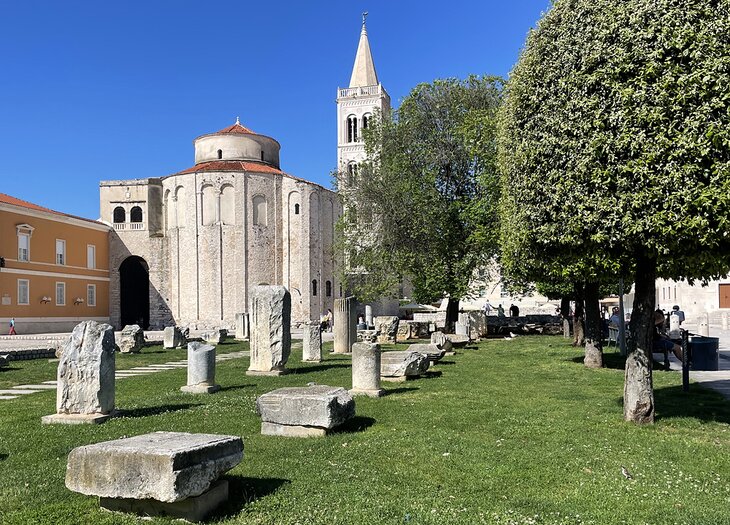
Zadar's Roman Forum completely took me by surprise. I did not know what to expect when I showed up, but it was one of the highlights of the trip. That is because you can quite literally walk as the Romans once walked. Free of barriers, it's possible to roam the forum and take a few steps back in time.
Constructed between the first century BC and the third century AD, Zadar's old Roman Forum should be explored as part of a walking tour of the city (you can't miss it due to its location next to the city's fine old churches).
Measuring 90 meters long by 45 meters wide, the scale of this impressive ruin in the Zeleni trg Square still impresses (during Roman times, this area was a central market and public area). Highlights include the remains of the foundations of several public buildings, paving stones, and a Corinthian column.
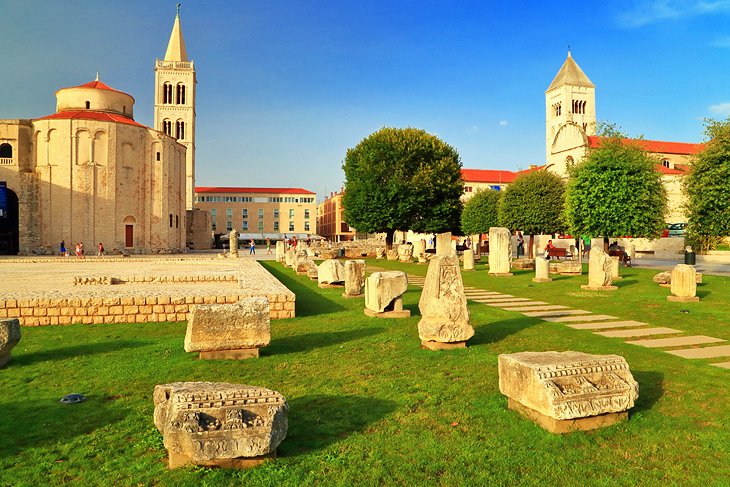
Also of interest is the Pole of Shame, a more recent addition used from the Middle Ages to the 19th century to chain up criminals for all the town's people to see. Hot Tip: Try to plan your visit for nightfall when the ruins are lit up.
Address: 23000, Zadar, Croatia
9. Visit the Church of St. Chrysogonus
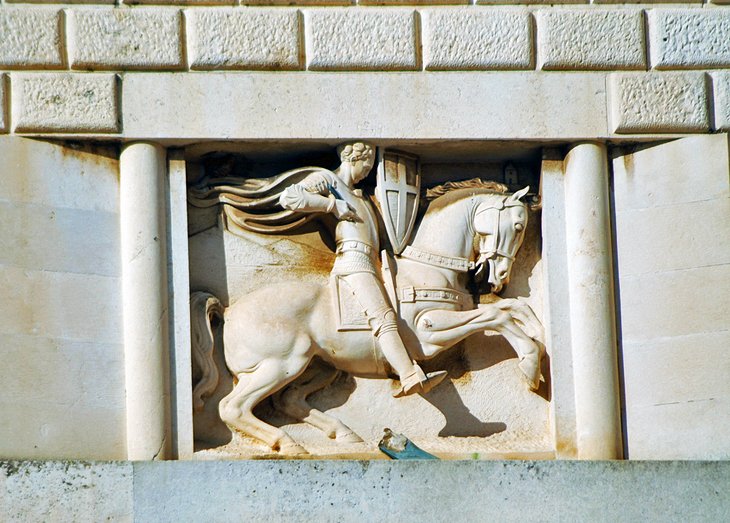
Built by the Benedictines, the Romanesque Church of St. Chrysogonus (Crkva sv Krševana) was constructed on the site of an old Roman market in the late 12th century.
The interior of this splendid old three-aisled church includes a Baroque main altar dating from the early 1700s, as well as an apse containing a number of well-preserved 13th-century frescoes (check out the Romanesque crucifix). Of particular note is the beautiful exterior of the apse at the back of the church with its row of arches lining the top portion.
Address: 23000, Zadar, Croatia
10. Church of St. Simeon
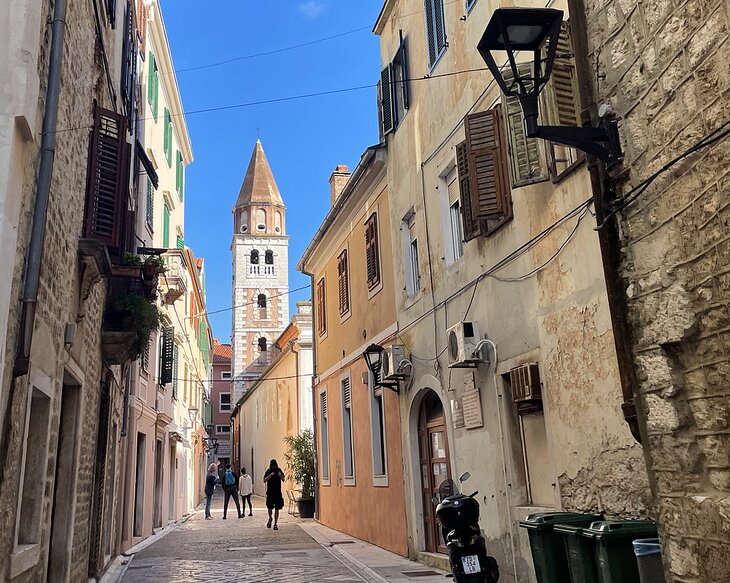
The 17th-century Church of St. Simeon (Crkva sv. Šimun) is worth a visit. Here, you'll find the remains of St. Simeon, one of Zadar's four patron saints, kept in a sarcophagus designed by Francesco da Milano in the late 14th century.
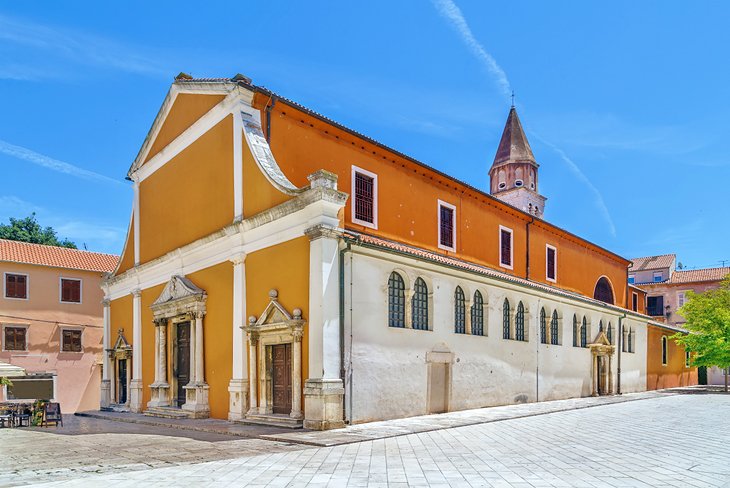
On the cedar coffin are gold-plated reliefs depicting the life of St. Simeon and a copy of Capella dell'Arena from Padua, Italy. Also, take note of the church's finely decorated altar containing the Virgin and Saints.
Address: 23000, Zadar, Croatia
11. Take a Day Trip to Zadar Archipelago
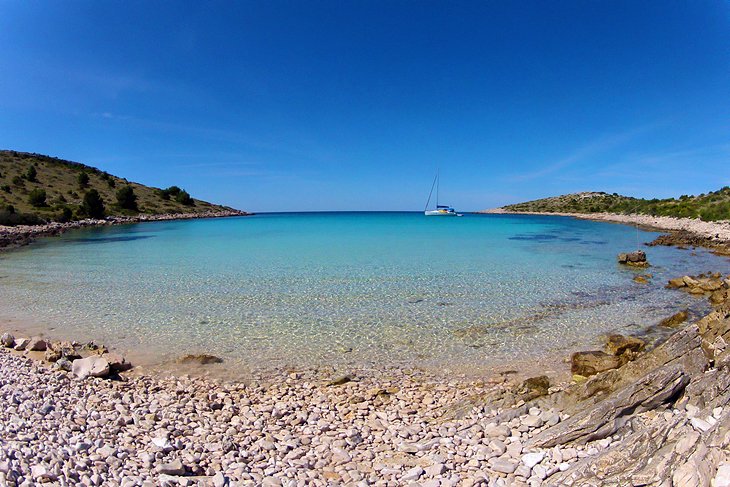
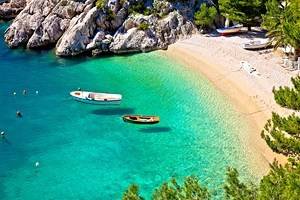
Zadar is the perfect spot from which to explore the Dalmatian coast, particularly the many beautiful islands of the Zadar Archipelago. One of the most interesting places to visit is Dugi Otok, the largest at 124 square kilometers and home to a scattering of villages, which subsist primarily on fishing and farming.
A vacation destination since Roman times, Dugi Otok includes the village of Sali, the main community and port, with its Renaissance summer homes and the Church of St. Mary, and the fishing village of Bozava with the 10th-century Church of St. Nicholas. But the real beauty of the island lies in its rugged landscapes and natural attractions, including the popular Sakarun Bay and Telascica Nature Park, a great place for relaxing on the beach or scuba diving.
Also worth a visit are the islands of Molat, Olib, Pasman, Ugljan, and Premuda with their tranquil settings and beautiful beaches.
12. The Church of St. Mary & Benedictine Monastery
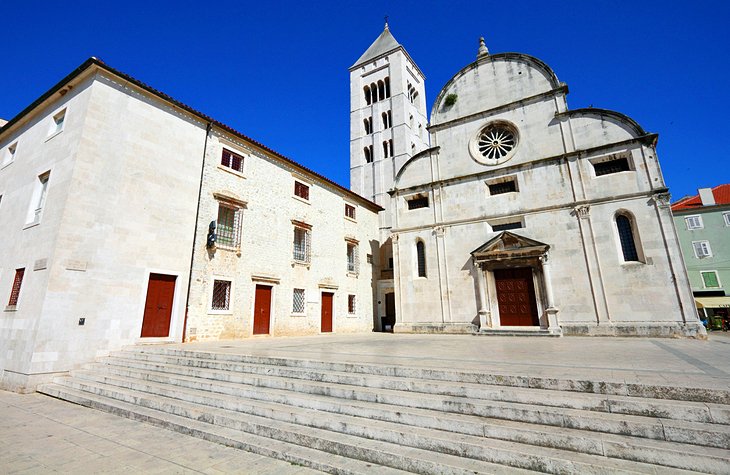
Built in the 11th century, the Church of St. Mary (Benediktinski samostan sv. Marija) and its monastery have undergone a variety of renovations and alterations over the years. The current church boasts a Renaissance façade and a lovely bell tower, known as Koloman's Tower. This splendid Romanesque structure, a later addition, dates from the 12th century.
Next to the church stands the old Benedictine monastery. Still in use today, the monastery also now houses the Museum of Church Art with its fascinating collection of gold pieces, paintings, and sculptures.
Located within the Benedictine Monastery of the Church of St. Mary is another must-see Zadar attraction: the Gold and Silver of Zadar. Set in a number of rooms within the monastery and the 11th-century Church of Sv. Nediljica, this stunning display – also known as the Museum of Church Art – started off as a temporary exhibit instigated by famed Croatian sculptor Miroslav Krleža. It has since grown into one of the city's most important permanent displays of religious artifacts.
In addition to its many fine gold pieces, the museum's impressive collection includes numerous important religious relics. Among these are the remains of saints and important bishops, as well as historic clothing and fabrics.
Address: Madijevaca ul., 23000, Zadar, Croatia
13. People's Square
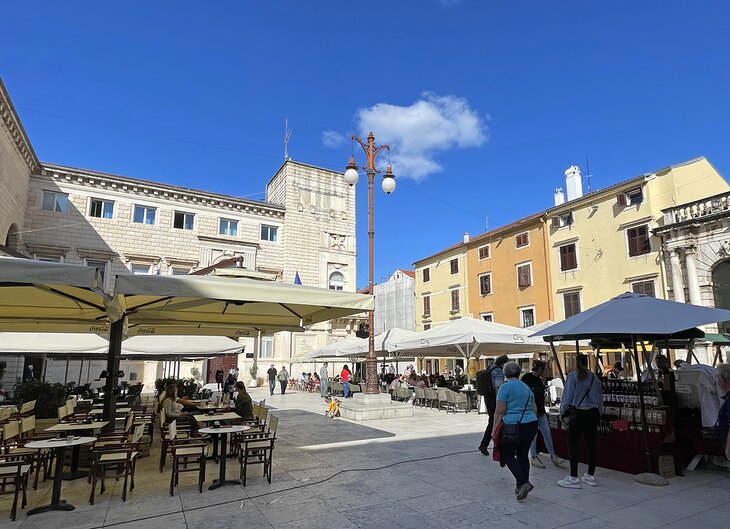
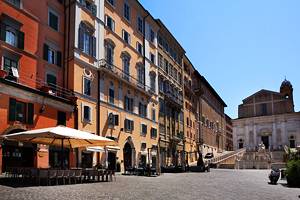
The People's Square (Narodni Trg) has been the center of public life in Zadar since its construction in the 16th century. Important highlights include the old City Guardhouse (Gradska Straza), built in the mid-1500s and hard to miss on the west side of the square due to its large clock tower added in the 18th century (it's worth a visit for its small ethnographic museum).
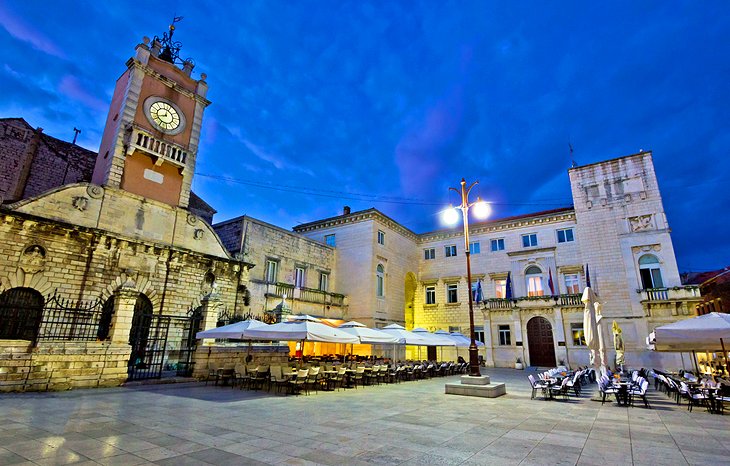
Across from the tower stands the Renaissance City Loggia (Gradska Loza), built in 1565 and traditionally used as a place to make important public announcements and proclamations. These days, this splendid old building functions as a public gallery for art and other exhibitions. Also of interest in People's Square is the City Hall, built in the 1930s.
14. The Museum of Ancient Glass
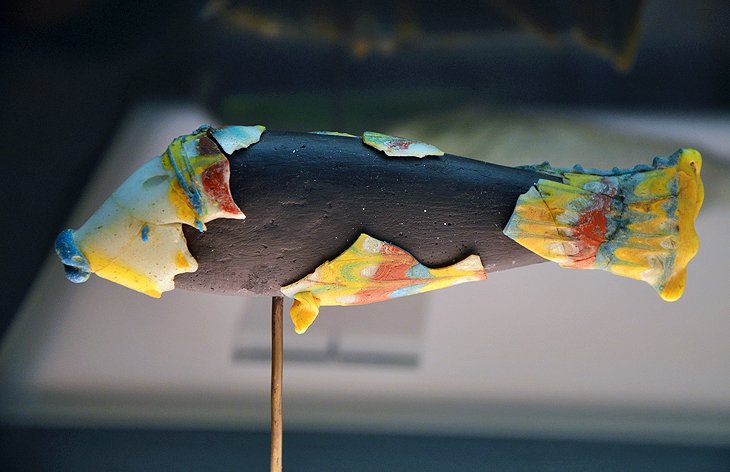
In the splendid 19th-century Cosmacendi Palace near Zadar's waterfront, the excellent Museum of Ancient Glass is home to one of Europe's largest collections of antique glass artifacts. Among its many highlights are numerous rare Roman jars, goblets, and vials found during decades of archaeological digs in the Dalmatia region of Croatia.
Also notable are a number of glass vessels used to hold perfumes and oils, glass cups once used in the region's earliest churches during celebrations of Mass, and tiny flasks designed to store holy water. Afterward, be sure to wander the palace grounds with stunning views over Jazine harbor.
Address: Poljana Zemaljskog odbora 1, 23000, Zadar, Croatia
Where to Stay in Zadar for Sightseeing
Zadar's main sightseeing attractions are found in its old town or on the beaches surrounding the city. As such there are excellent lodging options in both areas. If you want a beachfront property there are choices in the luxury and mid-range brackets, while for budget abodes you will be in either the old town or the main city. Here are some hotels we recommend in Zadar:
Luxury Hotels:
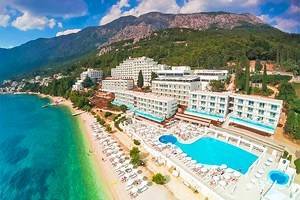
- Falkensteiner Hotel & Spa Iadara is the only five-star property around Zadar and offers luxe rooms and suites in a beachfront location, about 13 kilometers from the old town. There are a number of restaurants on-site, as well as indoor and outdoor swimming pools.
- Back in Zadar, Hotel Bastion is a four-star luxury property with elegant decor in a fabulous old town location. It also has a wonderful spa with saunas.
- Also on the beach is the upscale Falkensteiner Hotel Adriano, which is adults-only. It features bright and modern rooms, beach access, and a lovely spa.
Mid-Range Hotels:
- Art Hotel Kalelarga is the top mid-range hotel in the heart of the old town. This boutique property boasts serene decor, cheerful staff, and a complimentary a la carte breakfast.
- Hotel Niko is another popular mid-range option, located across the street from a beach just outside town. It has cozy rooms done up in local style and a seafood restaurant, among other amenities.
- Mediteran is another good-value choice on a quiet residential street with modern and comfortable rooms.
Budget Hotels:
- Pansion Maria is a good budget choice. The rooms are simple but tidy, and some have balconies.
- Rooms Goga is another good budget option, with a convenient old-town location.
More Related Articles on PlanetWare.com
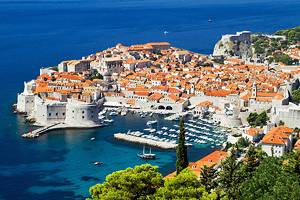
Dalmatian Coast: Split is the largest city on the Dalmatian Coast and a popular tourist destination. It is just under a two-hour drive from Zadar. For more on what to do in this fascinating city, see our article on the Top Tourist Attractions in Split and Easy Day Trips. Also on the Dalmatian Coast, Dubrovnik is perhaps Croatia's most stunningly preserved medieval town and a highlight of any visit. For more on exploring, see our article on the Top Tourist Attractions in Dubrovnik.