20 Top Tourist Attractions & Places to Visit in Cardiff
Author Anietra Hamper and photographer Ian Henderson spent time exploring the sights of Cardiff in the summer of 2022 while on assignment for PlanetWare.
The capital of Wales, the beautiful city of Cardiff is the perfect place to begin exploring this amazing country.
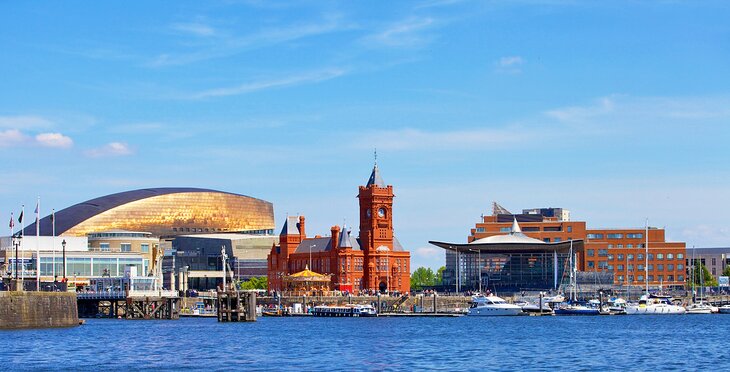
An easy drive over the River Severn from the English city of Bristol, Cardiff (Caerdydd) is where you'll find some of the country's top tourist attractions and things to do. This city has long been of historic significance, as evidenced by splendid Cardiff Castle, widely regarded as one of the best-preserved of the dozens of castles in Wales.
From the castle, it's a short and extremely pleasant walk through the city's Victorian-era arcades down to Cardiff Bay, one of the largest port revitalization projects in all of Europe. Here, you can wander through the old warehouses and wharves, and even enjoy a spot of dining or shopping.
Cardiff also makes for a great jumping-off spot to explore other important attractions in Wales. One of the best (and closest) is the magnificent Brecon Beacons, while the spectacular Snowdonia National Park — although a little farther north — is well worth a visit.
For more great ideas on the best places to visit, read our list of the top attractions in Cardiff, Wales.
- 1. St. Fagans National Museum of History
- 2. Take a Tour of Cardiff Castle
- 3. Visit Cardiff Bay
- 4. Enjoy a Game of Rugby at Principality Stadium
- 5. Learn about Welsh History at the National Museum Cardiff
- 6. See a Performance at the Wales Millennium Centre
- 7. Get Outdoors in Roath Park
- 8. Stroll through the City's Victorian Arcades
- 9. The Red Castle: Castell Coch
- 10. Get Hands-On at Techniquest
- 11. See Ancient Artifacts at Llandaff Cathedral
- 12. Walk the Grounds at Caerphilly Castle
- 13. Hit the Rapids at Cardiff International White Water
- 14. Tour Cardiff City Hall
- 15. Walk the Trails at Bute Park & Arboretum
- 16. Go Underground in a Welsh Mining Experience
- 17. Get Social at Mermaid Quay
- 18. Climb aboard for a Cardiff Boat Tour
- 19. Spend an Evening at the New Theatre
- 20. The Museum of Cardiff
- Where to Stay in Cardiff for Sightseeing
- Tips and Tours: How to Make the Most of Your Visit to Cardiff
- Map of Attractions & Things to Do in Cardiff
- Cardiff - Climate Chart
1. St. Fagans National Museum of History
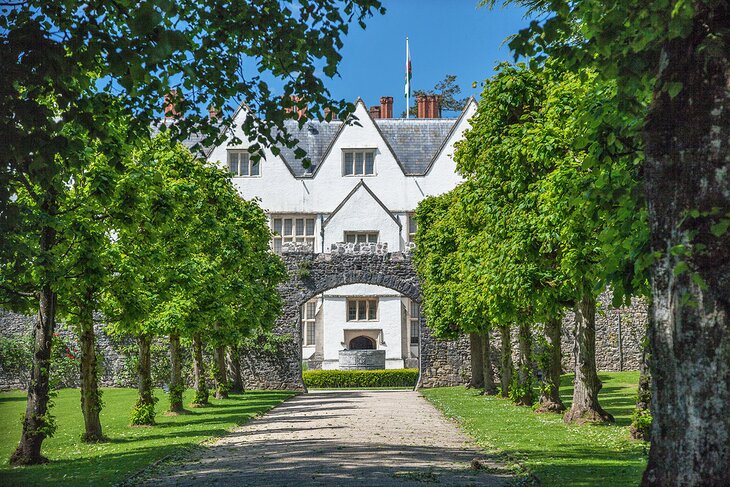
One of the most popular places to visit in Cardiff is also where you will be able to fully immerse yourself in Welsh culture, through the living history experiences at the St. Fagans National Museum of History. This open-air attraction offers insight into the traditional skills and crafts that helped shape the country as you interact with costumed interpreters who bring the exhibits to life.
Highlights include the opportunity to explore a variety of original and reproduction buildings, including quaint farmhouses and cottages, well-kept gardens, along with workshops and mills where you can enjoy demonstrations of old machinery.
Good times to visit, if you can, include spring, summer, and at Christmas, with each season marked by a number of special events and festivals.
Location: Cathays Park, Cardiff, Wales
2. Take a Tour of Cardiff Castle
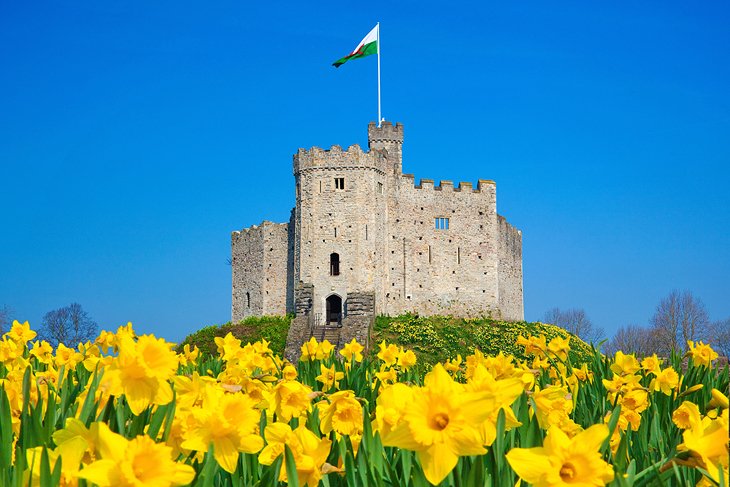
Built atop a nearly 2,000-year-old Roman fortification, Cardiff Castle is one of the most visited tourist attractions in all of Wales. It's also one of the most romantic and best preserved of the country's many historic castles, with some of the oldest sections dating back as far as the 10th century.
One of the most notable features that make it such an attractive place to visit are the State Apartments. Each room is chock-full of fascinating displays and useful information relating to the people that once lived and worked here, as well as key events in the castle's history.
Other highlights include the picturesque chapel and the clock tower, along with the elegant Banqueting Hall, famous for its rich artworks and murals, as well as its impressive centerpiece, the room's large and elaborately decorated fireplace.
If you're pressed for time and want to be sure you're able to see the best parts of this magnificent historic site, consider joining an organized tour.
Address: Castle Street, Cardiff, Wales
3. Visit Cardiff Bay
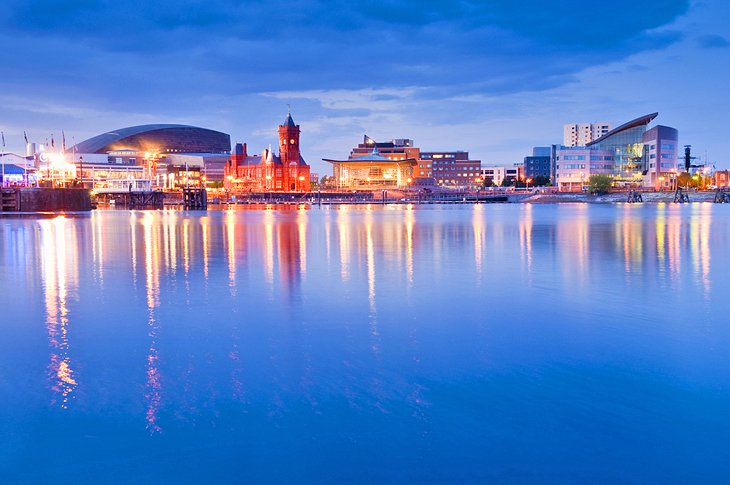
There is no doubt that part of your time in Cardiff will be spent at Cardiff Bay — this spectacular waterfront complex is the centerpiece of the city, with shopping, entertainment, food, and sporting events.
It can easily take the better part of a day to explore this 2,700-acre waterfront area, but it is well worth the expenditure of time and energy — not to mention that it will give you a good excuse to enjoy some of the local eateries when you take a rest.
Covering pretty much the entire former dockyards, the Cardiff Bay redevelopment, which is one of the largest in Europe, is home to plenty of fun things to do, particularly if you're traveling with kids.
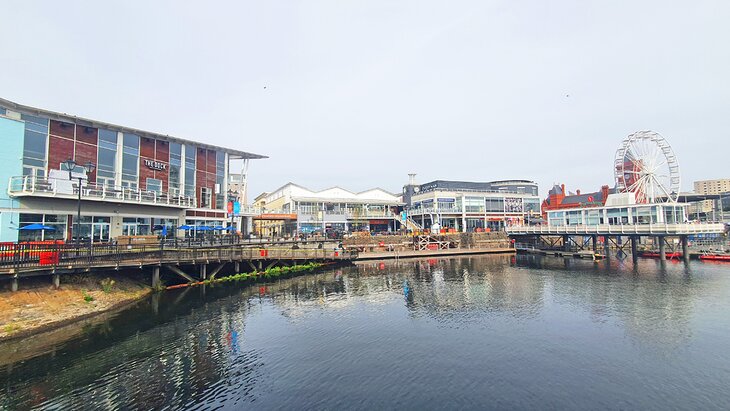
Take a ride on the Ferris wheel or plan a boat ride from one of the many dockside operators. While there is plenty of modern-day entertainment at Cardiff Bay, it is hard to miss the remnants of its historic importance as one of the largest docks in the world.
Those with kids who enjoy reading books such as Charlie and the Chocolate Factory and The Big Friendly Giant should also pop in to the historic Norwegian Church, where the author of these classic tales, Roald Dahl, once worshipped (there's even a public square, Roald Dahl Plass, dedicated to the author's memory). Also notable here is the Senedd, which houses the country's government offices.
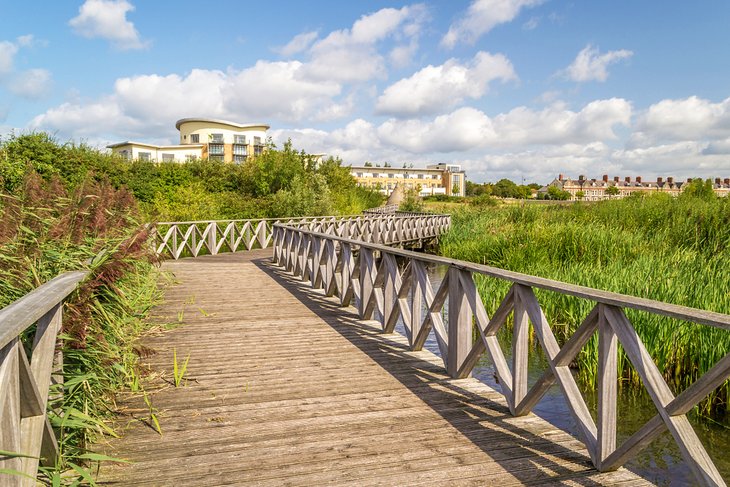
For those who enjoy walking, you won't be disappointed. You could spend hours walking the many parks and paths here, some of which lead through the Cardiff Bay Wetlands Reserve with plenty of wildlife-watching opportunities.
The former warehouses and wharves are now home to everything from luxury homes and hotels. In addition to its theaters, it's here you'll find the Wales Millennium Centre performance arts facility (see below for more on this top Cardiff attraction), numerous art studios and galleries, and excellent shopping.
Address: Queen Alexandra House, Cargo Road, Cardiff Bay, Cardiff, Wales
4. Enjoy a Game of Rugby at Principality Stadium
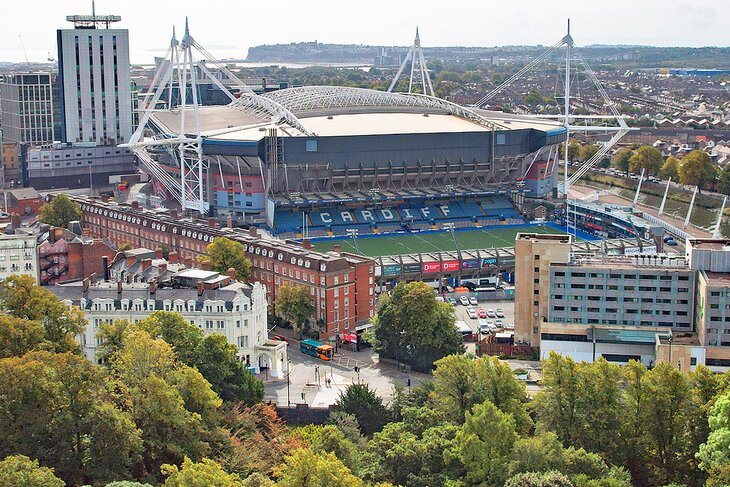
If you're interested in sports, try to take in a rugby match at the nearby Principality Stadium at Cardiff Arms Park.
And if that's not possible — the Welsh take their rugby seriously, so matches often sell out (especially international matches) — at least opt for a tour of this state-of-the-art stadium.
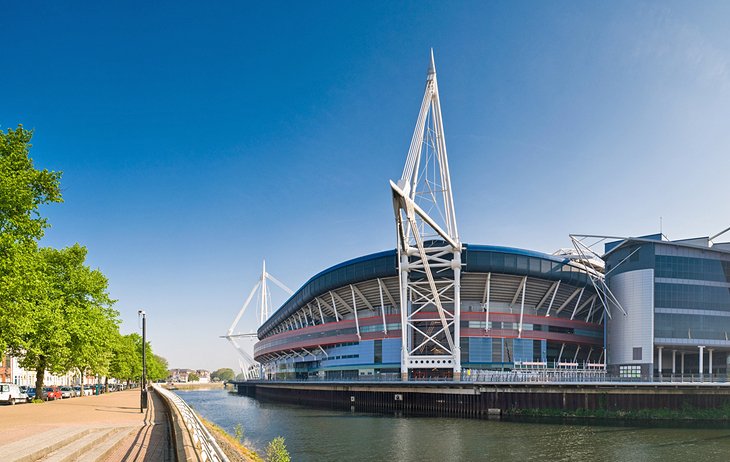
Highlights of an informative organized tour include behind-the-scenes peeks into the national rugby team's change rooms and the tunnels that lead to the pitch, as well as the VIP and press facilities. When not hosting rugby games, the venue is often used for major music artists passing through Cardiff while on tour.
Address: Westgate Street, Cardiff, Wales
5. Learn about Welsh History at the National Museum Cardiff

Those wanting to learn more about the rich history of Wales would do well to visit the National Museum Cardiff.
Housed in the city's architecturally pleasing Civic Center building, this large and fascinating museum features numerous displays depicting the country's history all the way back to the time of dinosaurs. Among its collections relating to archaeology, a standout are the many fascinating displays of Bronze Age weaponry.
Art lovers will want to visit the large art gallery. Notable among its extensive catalogue of important paintings are works by Impressionists including Monet and Picasso. There are also a number of important sculptures by Rodin, some of the later works in a collection that dates all the way back to the 1500s.
Address: Cathays Park, Cardiff, Wales
6. See a Performance at the Wales Millennium Centre
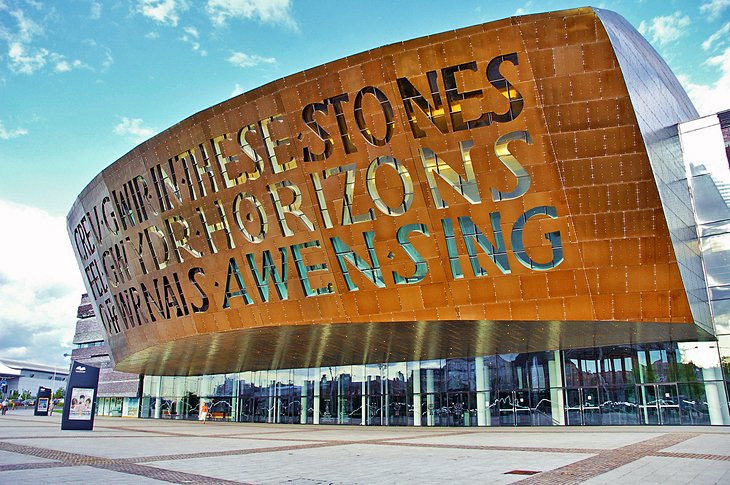
Those interested in arts and culture would do well to try to grab a performance at the very modern Wales Millennium Centre.
A leader in performances as diverse as classical music and opera, ballet, and modern dance, as well as literary events and musical shows, this sprawling five-acre venue has been dubbed one of the top performing arts centers on the planet. If you are looking for things to do at night in Cardiff, this is the place.
Even if you can't make a show or performance, be sure to visit to explore the grounds — it is, after all, located in Cardiff Bay — as well as the other fun things to do here. Related activities include educational events, lectures, and workshops, as well as dining and shopping experiences. The facility also offers a series of informative guided tours and behind-the-scenes activities.
Address: Bute Place, Cardiff Bay, Wales
7. Get Outdoors in Roath Park
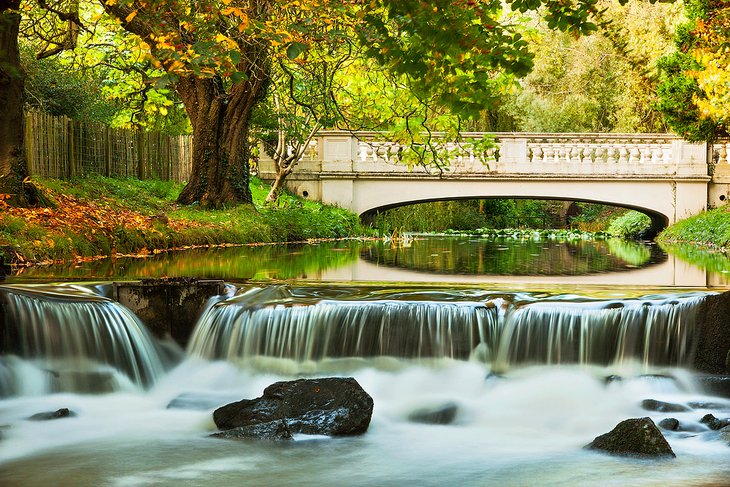
One of the most popular outdoor activities in Cardiff is to slip on walking shoes or runners and take a stroll through one of the city's many fine parks.
A favorite among residents and visitors alike, Roath Park was established back in 1894 as one of the city's first public parks and has maintained a unique Victorian feel to this day. Roath Park is designated as a Green Flag park for its excellence in connecting people to outdoor spaces and it is one of the top parks for this designation in the UK.
Roath Park is a big place, so plan to spend a few hours exploring its 130 acres of scenic green space.
Highlights include the pretty Nant Fawr stream, which was dammed during the park's construction to form a lovely 30-acre lake. Circumventing the lake itself is a journey of nearly one and a half miles, with many benches and potential picnic spots along the way.
While it's certainly fun watching families and outdoor enthusiasts out on the water, there are plenty of opportunities for visitors, too. Highlights include fishing and rowing (rowboats can be rented), with the park's iconic lighthouse making a great selfie backdrop.
There's also a surprising number of "wilderness" (of sorts) here, with a conservation area that serves as home to a variety of birds and water fowl, and a charming "Wild Garden" featuring pleasant paths and plenty of shade.
If gardens are your thing, check out the park's Botanic Garden, popular for its collection of shrubs, trees, and displays of flowers. There's even a fun adventure playground for the kids. Sporting activities available include tennis, basketball, and lawn bowls.
Address: Lake Rd West, Cardiff, Wales
8. Stroll through the City's Victorian Arcades
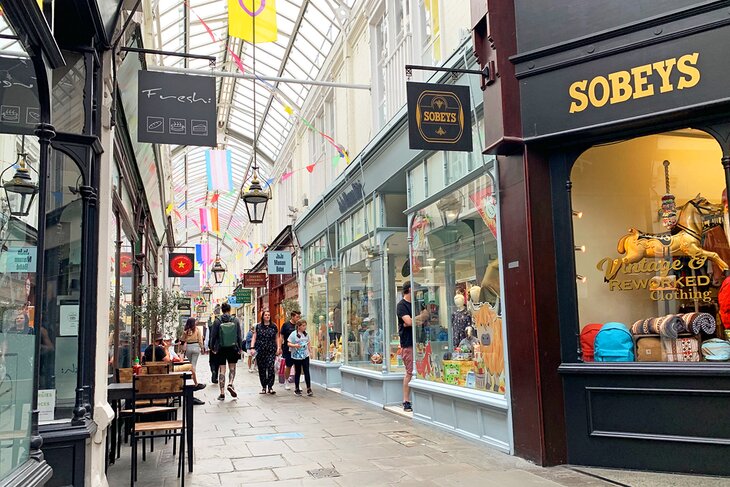
A must-experience in central Cardiff are the well-preserved and still bustling Victorian shopping arcades. Cardiff is known as the "City of Arcades" because of the seven Victorian and Edwardian structures in the city center that feature hundreds of local shopping boutiques, restaurants, and cafés. You can plan an entire day just exploring these beautiful and historic shopping arcades.
Dissecting the city, these fascinating, old covered pedestrian thoroughfares were originally built to allow residents and visitors to enjoy shopping indoors without having to concern themselves with the weather or the poor conditions of roads and sidewalks.
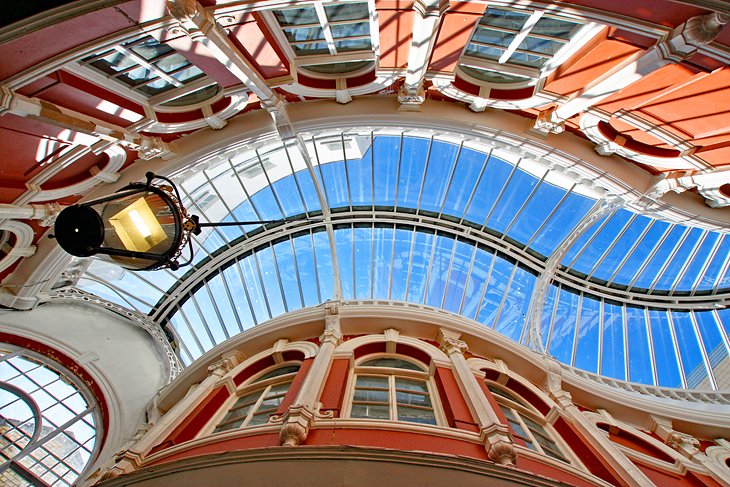
A good place to begin is at the oldest, the Royal Arcade, built in 1858. Many of the original shopfronts exist unchanged to this day, though the wares sold may have evolved over the decades. Today, you can find limitless choices of Welsh crafts and woolen goods. Don't forget to enjoy a traditional Welsh cake from one of several bakeries that still make them from generations-old recipes.
Other favorite arcades include the High Street Arcade, built in 1886 and well-known as a place to shop for clothing, and the Castle Arcade, which connects the downtown area to the castle and is well worth visiting for its art galleries, boutiques, and eateries. The Cardiff Market is another landmark shopping area to visit and has been serving up fresh produce from local growers since the 1890s.
9. The Red Castle: Castell Coch
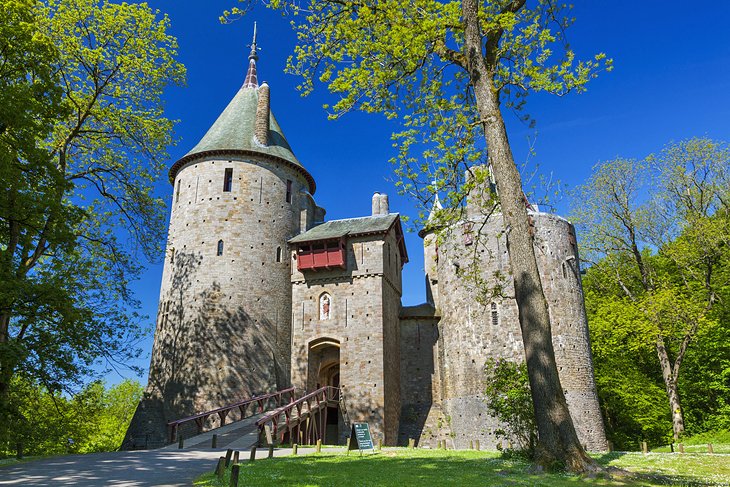
Cardiff has several castles to explore, which is no surprise given that Wales has the highest concentration of castles in the UK.
Castell Coch, also known as the Red Castle, is, however, quite different altogether. Only 200 years old, this Cinderella-like castle, with its attractive turrets and towers, looks like it popped right out of a book of fairy-tales. This was indeed the intent of its creator, the third Marquess of Bute.
The attention to detail, both inside and out, is remarkable, and makes the visit well worthwhile. Attractive flourishes include carvings of creatures and religious icons — including some from (you guessed it) famous fairy-tales — as well as accompanying displays that allow guests to enjoy a virtual exploration of the building's unique history.
Address: Tongwynlais, Cardiff, Wales
10. Get Hands-On at Techniquest

If you are traveling with kids, then booking a few hours on the itinerary to play at Techniquest is worthwhile. This is also a great rainy-day option during your trip to Cardiff since it is an indoor venue.
Techniquest is the UK's longest established science center, and the first of its kind in the UK to have Governing Member status in the Association of Science and Technology Centres (ASTC).
Techniquest has hundreds of interactive exhibits with educational and hands-on learning that showcase science exploration. Some of the most popular experiences here are the live lab demonstrations and shows.
Be sure to catch a galactic showing at the state-of-the-art planetarium. Round out your visit with a stop in to the gift shop to pick up unique science souvenirs to take home and a bite to eat at the café overlooking Cardiff Bay.
Address: Stuart Street, Cardiff, CF10 5BW
11. See Ancient Artifacts at Llandaff Cathedral

Perhaps the best-known of Cardiff's many pretty churches — and certainly one worth visiting — the attractive Llandaff Cathedral was built in the 1300s on the ruins of the original structure built some 200 years earlier.
It's a delight to tour, rewarding the adventurous traveler with a pleasant look at a landmark that has drawn worshippers from across the country since the times of Bishop Urban, the cathedral's founder.
Exterior highlights include the impressive 15th-century tower, while a tour of the interior — either self-guided or arranged through church staff — will expose you to such features as an exquisite and fully-restored 18th-century Italian temple, notable for its rare religious sculptures and artifacts.
Address: Cathedral Road, Cardiff, Wales
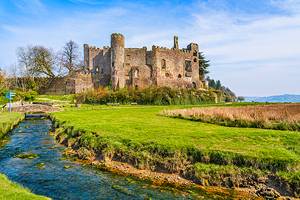
12. Walk the Grounds at Caerphilly Castle
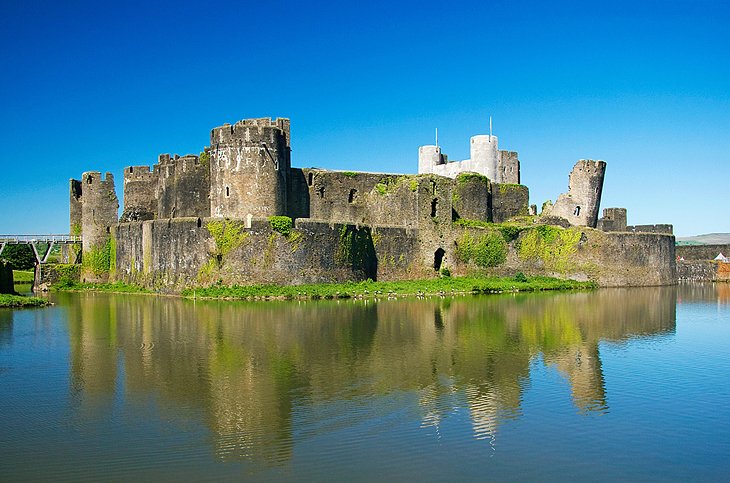
Another castle worth visiting while you are in Cardiff is the stunning Caerphilly Castle, which is an easy 15-minute drive north of the city.
Built in 1628 and the largest castle in the country ever since, it served as part of the network of castles built by the English to keep control over the much-coveted Welsh countryside. Given its size and the scale of its defenses and battlements, it's a lot of fun to explore, and can easily take the best part of a day to see it all.
Of its many notable features, none impress as much as the two huge drawbridges which, along with the deep moat they cross when down, present an imposing portrait of the castle's daunting purpose-to keep out the enemy. An exploration of the interior provides a close-up look at a variety of displays of old weaponry and armor-much of it actually used in war-as well as interesting displays relating to everyday life for those who ruled, and those they ruled over.
Address: Castle Street, Caerphilly, Wales
13. Hit the Rapids at Cardiff International White Water

Fortunately for sports enthusiasts and adventure seekers, there are plenty more fun things to do in Cardiff beyond exploring its rich history. A favorite for those into water sports, Cardiff International White Water offers a wide variety of experiences and programs for professional and amateur adventurers alike.
Part of the larger sports village development in Cardiff Bay, which was constructed for the 2012 Olympics, this unique facility consists of a man-made white water environment whose 250-meter course can be adjusted to suit the experience, whether it's a gentle family rafting trip or a full-on hardcore canoe or kayak heart-stopper.
A good choice for families with younger kids is to start things off with lessons at the Paddle School before heading out for fun on some of the easier obstacles to tackle. Other extreme sports fun here includes surfing, canyoning, and bodyboarding.
Address: Watkiss Way, Cardiff, Wales
14. Tour Cardiff City Hall
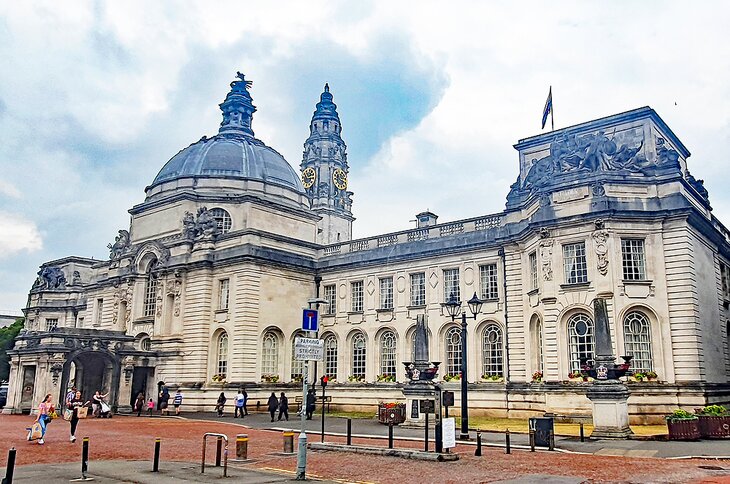
Another venue worth popping into if you're nearby — it's located in the city center, so is easy to find — is the old Cardiff City Hall.
A handsome old building that was constructed in 1906, Cardiff City Hall, though largely used for events and functions, is open for the public to visit. And it's around 30 minutes of your time that's well-spent (especially as it's free!).
Notable features you'll see during your visit consist of immaculately restored interiors that date back to Edwardian times, in particular the famous Marble Hall, a large space decorated with a series of impressive marble statues and columns.

Also worth noting is the Assembly Room, once used to hold ceremonies and where local dignitaries would mix with visiting royalty. The old council chambers, too, are worth a peek, as is the facility's art collection.
Address: Cathays Park, Cardiff, Wales
15. Walk the Trails at Bute Park & Arboretum
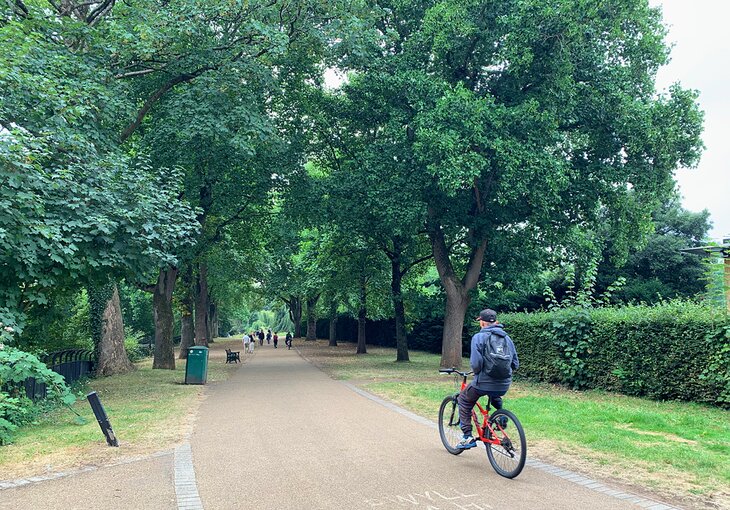
Bute Park is centrally located in Cardiff behind Cardiff Castle, and is not only a lovely green space for strolling, picnicking, and riding a bike but it's a great thoroughfare to cut through for getting from one section of the city to another.
This park is one of the largest urban parks in the country, and it has a beautiful mix of unique trees, flowers, walking paths, woodlands, sculptures, fitness stations, and play trails for children.
The landscape includes an arboretum that features notable species of trees known as champion trees that are either the widest or tallest of their species within the UK. There are many park benches and shade trees where you can just sit and enjoy the views, or you can walk the paths to find the special treasures that the park holds, like the ancient friary that remains on the property.
Start your visit to Bute Park at the visitor center or by reviewing the park layout signs at the various entrances to orient yourself to the landscape and walkways.
Address: 35 North Road, Cardiff, Wales
16. Go Underground in a Welsh Mining Experience

While Cardiff is a thriving modern city, its roots in mining are strong, and visitors have a great opportunity to get a hands-on experience of this important piece of Welsh heritage at the Rhondda Heritage Park. The park sits on the site of the former Lewis Merthyr Colliery and contains many of the original mining equipment including the chimney and shafts used when it was in operation in the late 1800s.
Take the Black Gold Underground Experience tour through the actual mines that were used. The tour guides are former miners who share historic details about the importance of mining in the Rhondda Valley and their personal stories about life working in the mines.
After the 90-minute tour, take time to walk through the exhibits in the main building where you can see artifacts and history about the region and the influence that mining had on the community beyond just its economy.
Stop by the Caffe Bracchi for a snack with Italian pastries and foods created from the influence of some of the first migrants to the region.
Address: Lewis Merthyr Colliery, Coed Cae Road, Trehafod, Wales
17. Get Social at Mermaid Quay
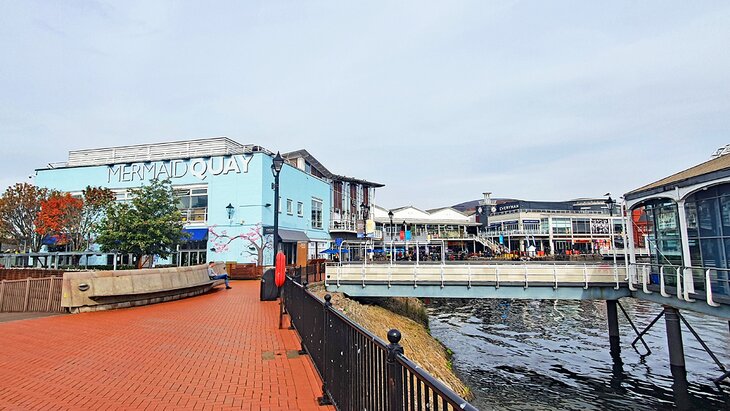
The social scene in Cardiff happens at Mermaid Quay. This is a gathering spot with dozens of restaurants and cafes, serving fare from around the world in settings that range from chic and casual to upscale dining.
The layout of the area is just as exciting as what's there to enjoy from the food, shopping and entertainment to the spots to relax. The architecture at Mermaid Quay is a combination of decks and balconies to bridges, terraces and towers.
Spend an afternoon or evening exploring Mermaid Quay, which is a great place to go with no agenda attached. There is generally live entertainment happening with options that range from a comedy club and live music to cinema.
Its waterfront setting is peaceful and a nice place to watch the sunset. For an added treat, hop onto the waterbus service that will take you for a ride around Cardiff Bay.
Address: Cardiff Harbor, Cardiff, Wales
18. Climb aboard for a Cardiff Boat Tour
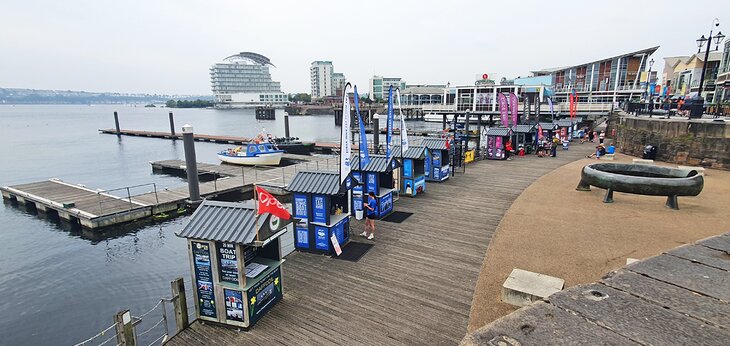
A great way to add to your Cardiff experience is by seeing the city from the water. There are several types of boat tours to take whether it is a cruise around Cardiff Bay or a ride on a vintage vessel.
The Princess Katharine is a popular option in Cardiff, a one-hour round trip ride that you can split into two 25-minute one-way rides as you get out to explore at the stop in-between.
These boat trips are a fun way to get out onto the water while learning about the history of Cardiff and the region and seeing points of interest that you might otherwise miss while exploring on your own.
You can find several boat trip operators at the docks along Cardiff Bay with varied departures and trip options to fit your time and interests.
19. Spend an Evening at the New Theatre
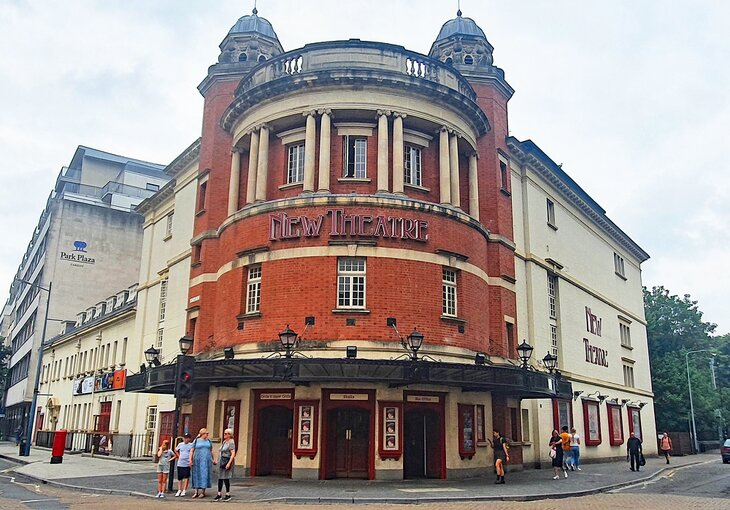
Despite its name, the New Theatre in Cardiff is they city's oldest existing performance theatre. This Edwardian masterpiece is a beautiful venue where you can spend an evening taking in a show. Performances range from musicals and comedy to live music and guest speakers. There is a nice walkable neighborhood around the theatre where you can enjoy dinner at a local restaurant before the show or a coffee afterwards.
The first performance at the New Theatre took the stage in 1906 and it has been a community treasure ever since. The theatre seats 1100 people and has the largest stage in Wales, making for a dynamic visual performance of the many shows that appear here throughout the year. Visit the New Theatre website before your visit to see what's showing.
Address: Park Place, Cardiff, CF10 3LN
20. The Museum of Cardiff

The excellent Museum of Cardiff (also known as the "Cardiff Story Museum") is another must-see for visitors wanting to learn more about this still-important city's long and rich history. Using informative displays and original artifacts dating from various periods, visitors are led through the centuries, from the city's humble beginnings as a market and agricultural center to its rise as one of the UK's most important (and largest) ports.
In addition to its permanent displays, many interesting temporary exhibits are featured each year, along with fun educational workshops and events. Admission to this attraction is also free.
Address: The Old Library, The Hayes, Cardiff, Wales
Where to Stay in Cardiff for Sightseeing
Thanks to its many fine attractions and coastal location, Cardiff makes for a wonderful vacation destination. To help ensure you get the best from your time there, we've pulled together the following list of our recommendations of excellent hotels in convenient locations near Cardiff's top attractions.
Luxury Hotels:
- Located on the city's waterfront overlooking Cardiff Bay, voco St. David's Cardiff offers a luxurious stay with superb views through the tall floor-to-ceiling windows in each if its rooms. On-site amenities of note include a wonderful spa with whirlpool tubs and a heated pool.
- Just a short walk away from Cardiff Castle is the elegant Park Plaza Hotel Cardiff, a popular luxury choice for its spacious rooms and suites, a world-class spa, and fine-dining restaurant (be sure to try the afternoon tea).
- Also worth considering in this category is the Hilton Cardiff, close to the castle and the city's top shopping arcades and offering chic rooms, separate bathrooms with walk-in showers, a restaurant, and spa.
Mid-Range Hotels:
- A great choice in the mid-range hotel category is the Premier Inn Cardiff City Centre Hotel. In addition to its great-value rates and comfy beds, the hotel is in a fantastic location just a short stroll from Cardiff Castle.
- Other contenders in this category include the Clayton Hotel Cardiff, popular for its modern décor and amenities including a gym, and the Radisson Blu Hotel, Cardiff, a good choice for its handy proximity to the city's main train station and stylish amenities.
Budget Hotels:
- A great option for those on a tighter budget is the Travelodge Cardiff Atlantic Wharf. In addition to its budget rates and excellent value, as well as comfortable rooms with contemporary décor, the hotel is just steps from the Wales Millennium Centre.
- Also worth considering are Sleeperz Hotel Cardiff, popular for its proximity to the train station and stadium, and Future Inn Cardiff Hotel, a good option for its comfortable, clean rooms and location near the city's top shopping areas.
Tips and Tours: How to Make the Most of Your Visit to Cardiff
Hop on the Bus, Gus:
- Thanks to its many great attractions and points of interest, Cardiff is a great place to spend a day or more exploring. One of the best ways to get the most out of your time here is to participate in a City Sightseeing Cardiff Hop-On Hop-Off Tour. With the freedom to get on or off these classic double decker busses whenever and wherever it suits you, you'll find yourself able to get the most out of your time as you explore such popular attractions as the city's famous castle and the Millennium Stadium. Included with your 24-hour ticket is an informative audio commentary to help ensure you get the most from your Cardiff experience.
Dr Who? Dr Who!:
- Thanks to the location here of the BBC studio responsible for the production of the famed British TV series, Cardiff has become something of a pilgrimage destination for fans of Dr Who. A great option for those on a tight schedule who want to cram in as much Dr Who-related fun as they can is the excellent Dr Who TV Locations Tour. This three-hour bus tour takes in the film locations related to the hit series, providing informative commentary and tidbits along the way from experienced guides (who are also fans). Highlights include a stop at Llandaff, the series' fictional village of Leadworth, along with other notable landmarks, including the National Museum of Cardiff and the Millennium Stadium.
Map of Attractions & Things to Do in Cardiff
Cardiff - Climate Chart
| Average minimum and maximum temperatures for Cardiff, United Kingdom in °C | |||||||||||
| J | F | M | A | M | J | J | A | S | O | N | D |
| 7 2 | 7 2 | 9 3 | 12 4 | 15 7 | 18 10 | 20 12 | 20 12 | 18 11 | 14 8 | 10 5 | 8 3 |
| PlanetWare.com | |||||||||||
| Average monthly precipitation totals for Cardiff, United Kingdom in mm. | |||||||||||
| 91 | 66 | 76 | 56 | 64 | 66 | 74 | 81 | 91 | 97 | 99 | 99 |
| Average minimum and maximum temperatures for Cardiff, United Kingdom in °F | |||||||||||
| J | F | M | A | M | J | J | A | S | O | N | D |
| 44 35 | 44 34 | 48 36 | 53 39 | 59 44 | 64 50 | 68 53 | 67 53 | 63 50 | 57 46 | 50 40 | 46 37 |
| PlanetWare.com | |||||||||||
| Average monthly precipitation totals for Cardiff, United Kingdom in inches. | |||||||||||
| 3.6 | 2.6 | 3.0 | 2.2 | 2.5 | 2.6 | 2.9 | 3.2 | 3.6 | 3.8 | 3.9 | 3.9 |
More Related Articles on PlanetWare.com
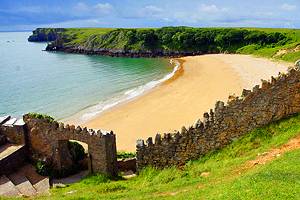
Make a Day of It: Cardiff serves as the perfect jumping-off point for adventures in and around southern Wales. For those seeking fun day trip ideas, look no further than nearby Brecon Beacons National Park, which offers numerous great hiking and biking trails. The city of Swansea is also worth visiting. Popular for its historic market, its parks, and revitalized waterfront, this coastal town is an easy one-hour car or rail journey from Cardiff. Another hour farther west, and you'll find yourself on the beautiful Pembrokeshire coastline, a magnificent area that includes the Pembrokeshire Coast National Park and beautiful seaside towns and villages including Tenby, Laugharne, and Carmarthen.
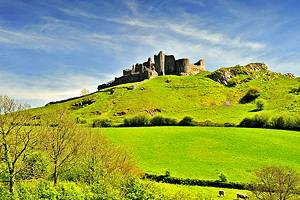
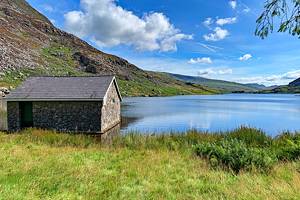
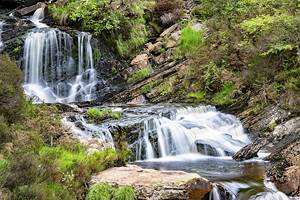
Hills and Valleys: Picture Wales in your mind, and you'll no doubt conjure up images of gorgeous valleys surrounded by rugged mountains. The many beautiful valleys of South Wales are in fact home to no end of fun things to see and do, from visiting historic mines (Rhondda Heritage Park) to beautiful waterfalls (Brecon Beacons National Park). And as it's such a small country, it's relatively easy to explore northern parts of Wales from Cardiff, too. Highlights include some of the country's most beautiful castles (Caernarfon and Conwy), picturesque seaside towns (Llandudno and Porthmadog), and, of course, the must-visit Snowdonia National Park.
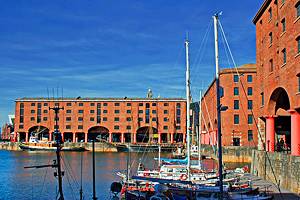
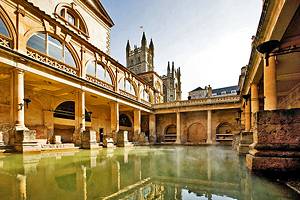
England's Glory: Wales is also just a hop, skip, and a jump from some of the top attractions in England. Liverpool is the closest major English city, and is famous the world over as the birthplace of the Beatles, with many points of interest related to the band. Farther south, and you'll find yourself in beautiful Bath, a popular travel destination for its well-preserved Roman baths.