11 Top-Rated Attractions on the Black Sea Coast, Turkey
Author Jess Lee has been writing about Turkey for travel guidebooks for over a decade and regularly visits and travels in the Black Sea region.
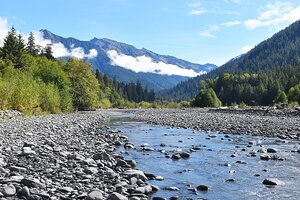
For lush landscapes, the Black Sea Coast is one of the best places to visit in Turkey. This region is a world apart from the rest of the country, with the clusters of villages that speckle its narrow coastline hemmed in by the sea on one side and thickly forested rolling mountains on the other.
The winding road that threads its way along the coast is one of the most scenic in the country, making road-tripping through this region one of the most popular things to do.
The region's star tourist attraction is Sumela Monastery, but the Black Sea beaches, pretty harborside hamlets boasting remnants of ancient fortifications, and lush tea-growing hills and alpine pastures out in the east provide more than enough for an entire week's itinerary.
Help plan your trip with our list of the top tourist attractions on the Black Sea Coast.
- 1. Visit Sümela Monastery
- 2. Swim & Relax on the Black Sea Beaches
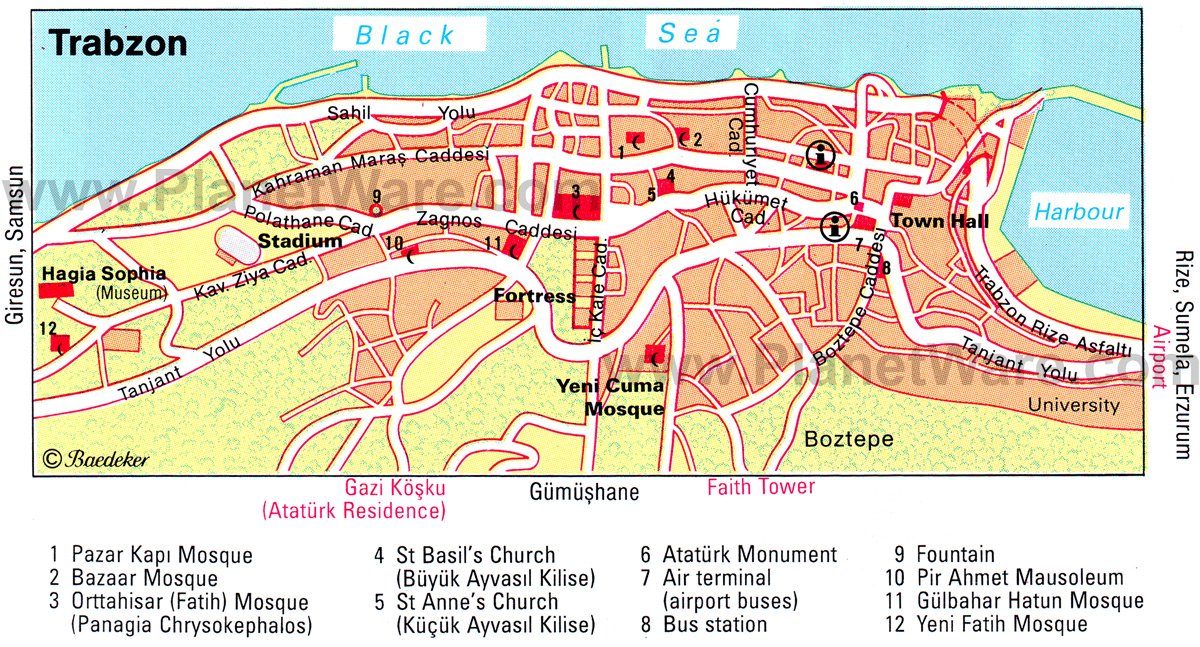
- 3. See the Other Hagia Sophia in Trabzon
- 4. Day Trip to the Alpine Landscape of Uzungöl
- 5. Stroll the Historic Harborfront of Amasra
- 6. Admire the Ottoman Architecture of Sinop
- 7. Head into Turkey's Tea-Growing Region from Rize
- 8. Delve Underground at Karaca Cave
- 9. Stroll the Old Town District of Inebolu
- 10. Stop Off in Giresun
- 11. Get a Taste of Black Sea City Life in Samsun
- Best Time to Visit Turkey's Black Sea Coast
1. Visit Sümela Monastery
Highlight: A Byzantine-era monastery clinging to a cliff with an interior of fresco remnants
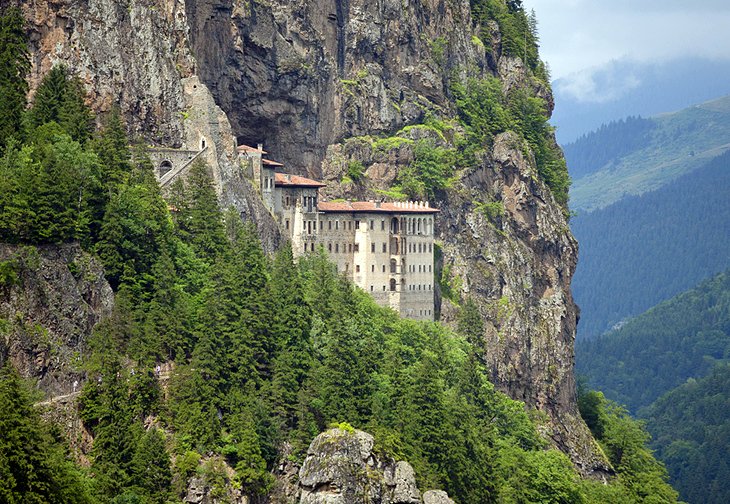
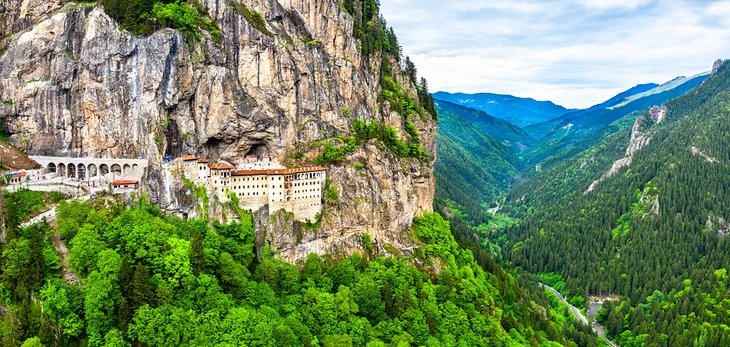
The Black Sea Coast's most famous tourist attraction is Sümela Monastery (official name: Monastery of the Virgin Mary), which seems to sprout out of the sheer cliff face enclosing it.
About 70 kilometers south of Trabzon, Sümela has a history that stretches back to the 4th century when the Athenian monks Barnabas and Sophronios arrived and founded a small church here.
Sümela was an active monastery right up until 1923, when the monks were forcibly removed as part of the Turkey-Greece Population Exchange under the conditions of the Treaty of Lausanne.
There are fabulously vibrant (though sadly defaced) frescoes within the main chapel, and the warren of rooms and chapels that make up the rest of the complex give you a good idea of the austerity of religious life in previous centuries.
Possibly the biggest highlight of a visit here though are the views of the entire monastery, clinging to the rock face, on the winding road up to the entrance.
2. Swim & Relax on the Black Sea Beaches
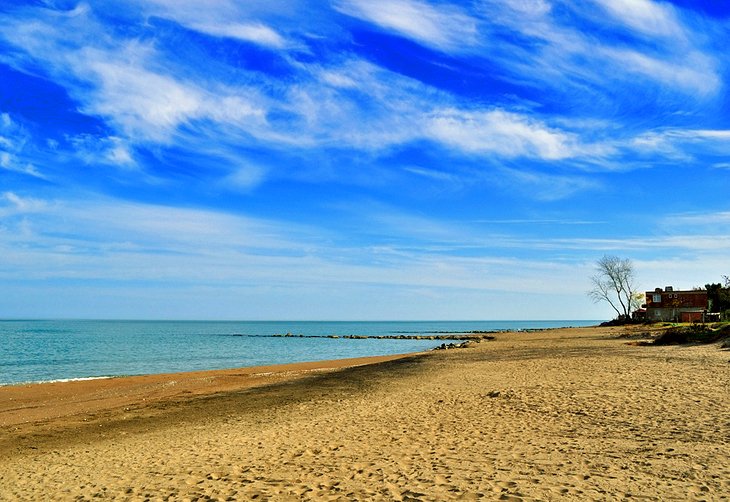
Highlight: Discover Turkey's other summer beach destination along the far less-developed Black Sea coast
Not many foreign tourists venture to the Black Sea specifically for a summer beach break, but the locals know a good thing when they see it.
While the Black Sea beaches can't compare with beach resort hot spots such as Antalya and Bodrum, they make for relaxed spots to break up a road trip along the coast.
Heading west to east, Iğneada is a sleepy village just 15 kilometers south of the border with Bulgaria, right at the western tip of Turkey's Black Sea Coast.
During the summer months, the fine white-sand beaches that speckle the surrounding shoreline are a major magnet for local tourists, particularly Istanbul and Edirne residents looking for an easy weekend escape from the city's heat.
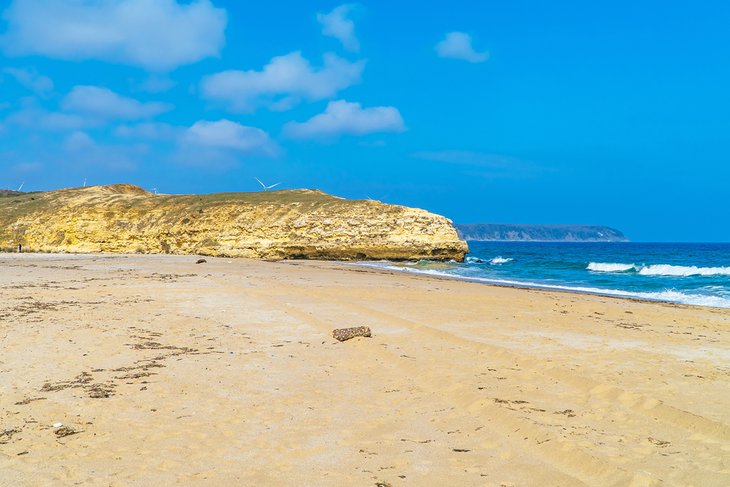
Nearer to Istanbul, Kiyiköy is a fishing village that snaps to attention on summer weekends, when city-siders arrive in droves to soak up the sun on the beach.
The stretch of sand here has plenty of family-friendly appeal, with sun loungers and umbrellas for those who simply want to relax and pedalos available to hire for seaside fun. It's a great place to sample a slice of tourism local-style, with the shoreline cafés packed to the brim with young Turks sipping tea between swims.
Roughly midway between the region's two big cities of Samsun and Trabzon, chilled-out Ordu is one of the top spots for Black Sea beaches along the eastern half of the coast, with sweeps of sand just to the east and west of town.
Ordu itself occupies the site of the Ionian settlement of Kotyora, and although all hints of a grand past have long since disappeared, Ordu retains plenty of character, with an old Ottoman-Greek quarter full of timber-framed houses lining narrow alleys and a quaint, old-fashioned seafront.
Çaka Beach is one of the best stretches of sand in the Ordu area and in summer attracts plenty of local families for picnics and a spot of sun-slothing, though it rarely gets crowded, even in the height of the vacation season in July and August.
3. See the Other Hagia Sophia in Trabzon
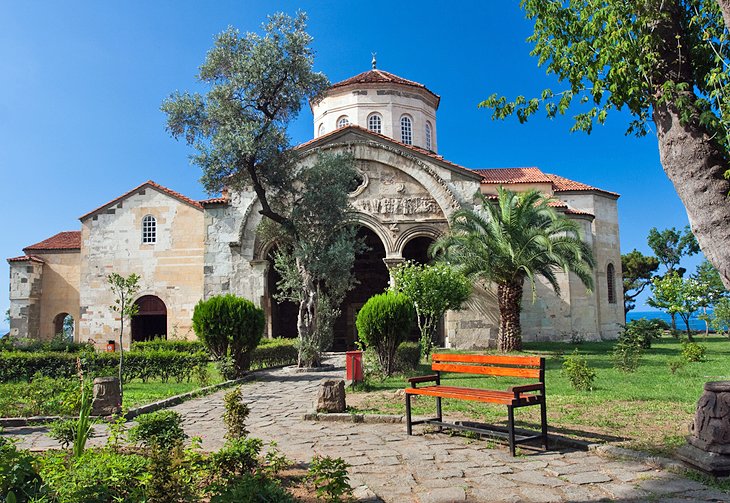
Highlight: Admire the fine frescoes inside Trabzon's most prominent Byzantine relic
Bustling Trabzon is a large harbor city enclosed by the soaring peaks of the Eastern Pontic Mountains, which run along the coast.
It was founded perhaps as early as the 8th century BCE by Greek settlers and soon flourished as part of the caravan trade route between Persia and the Mediterranean.
The main tourist attraction is the Trabzon Hagia Sophia, the smaller namesake of Istanbul's Hagia Sophia. Trabzon's version was probably built by Emperor Alexius Comnenus immediately after his arrival in Trabzon from Constantinople (modern Istanbul) in 1204.
The church was converted into a mosque during the Ottoman era, became a museum in the 1960s, and was later reconverted into a mosque again.
The original church cruciform plan is preserved with a nave flanked by aisles and a transept with frescoes.
Along the base of the south doorway is a frieze depicting the story of Adam in a style showing a clear Eastern influence. Despite the fact the wall paintings are severely defaced, they are still beautiful.
Address: Zübeyde Hanım Caddesi, Trabzon
4. Day Trip to the Alpine Landscape of Uzungöl
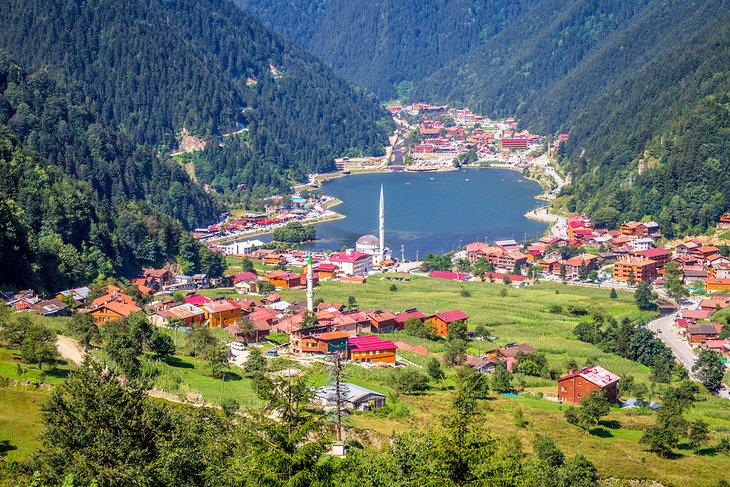
Highlights: Enjoy the fresh air and lush mountain and forest vistas in one of the prettiest corners of Turkey
One of the most popular places to visit on a day trip from Trabzon, the alpine vistas of Uzungöl look as if they could have been plucked straight out of central Europe.
This alpine lake and its shorefront village, set between steep, forested mountain slopes is one of the Black Sea region's most famous landscapes.
There's not much to actually do here except soak up the views and then relax in one of the lakefront restaurants and cafés, which get crammed with diners on summer weekends.
The best scenic views of the lake are taken from high above the village. Most of the tours running to Uzungöl from Trabzon add stops at these look-out points into the itinerary.
Uzungöl is 96 kilometers southeast from Trabzon.
5. Stroll the Historic Harborfront of Amasra
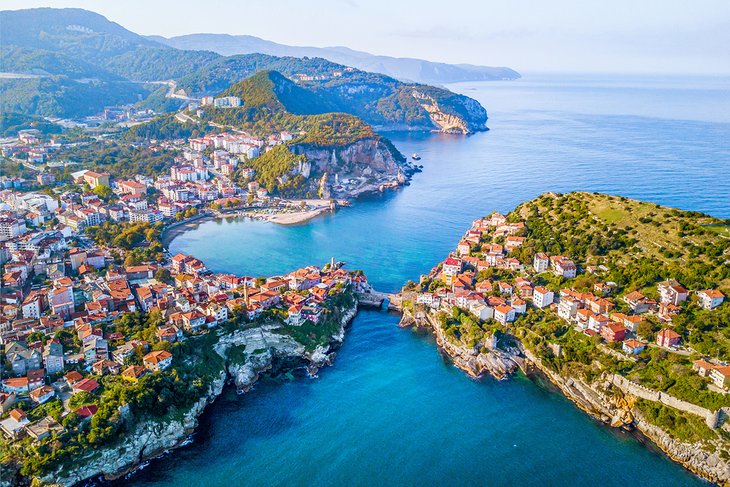
Highlights: Explore the alleys of this historic coastal town then take in the views on a boat trip
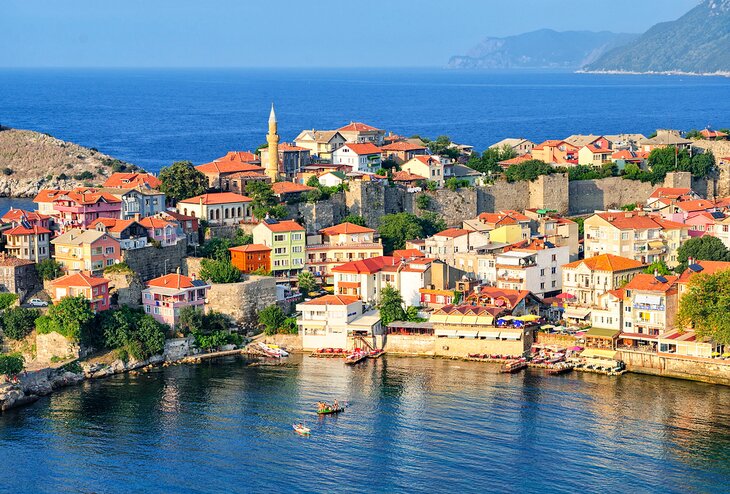
By far the Black Sea Coast's most beautiful harbor town, Amasra's old town is chock-a-block full of colorful houses crammed close together along narrow streets that tumble down to the sea. It's a photographer's dream, with plenty of street scene potential.
The Byzantine citadel beside the small harbor is the main tourist attraction, while Amasra's small museum on Dereoğlu Sokak has some well-laid-out displays.
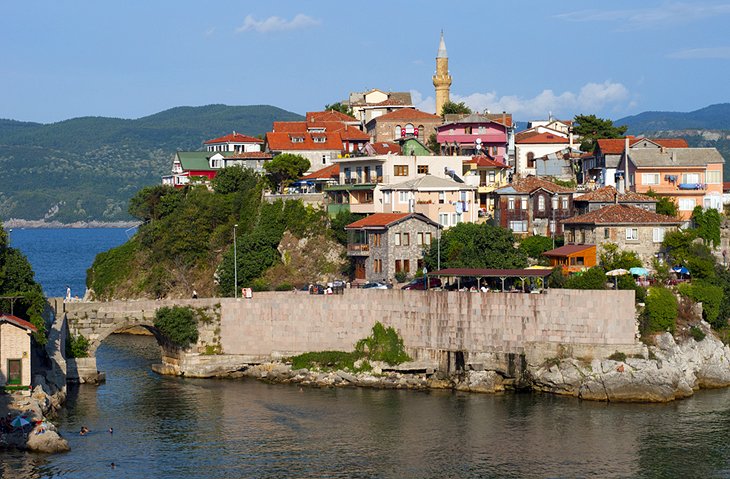
For most visitors, though, it's all about swimming, sunbathing, and soaking up the old-town atmosphere.
Boats leave from the small harbor on daily sun and sea excursions that allow you to explore the surrounding coves.
6. Admire the Ottoman Architecture of Sinop
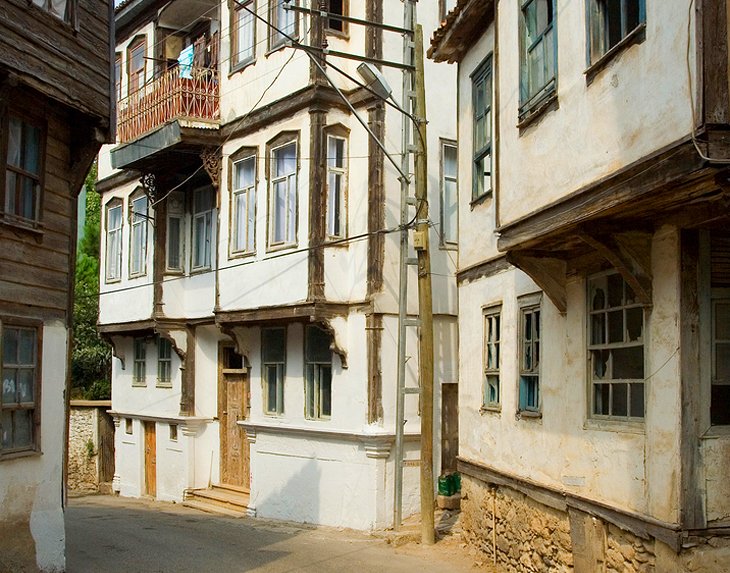
Highlights: Ramble the lanes rimmed with Ottoman-era houses before exploring the ancient harbor fortifications
Charming and cosmopolitan Sinop is both the most northerly point on the Turkish Black Sea Coast and also the best protected harbor.
It is now a place of little consequence compared with its importance in antiquity, when it was a busy commercial city at the northern end of principal caravan routes from Cappadocia and the lands of the Euphrates.
The town streets, with some lovely surviving Ottoman houses, are a delight, while history fiends will enjoy climbing upon the old city fortifications with their panoramic sea views down by the harbor.
The old jail building on Sakarya Caddesi is also a fascinating historic building to explore.
Sinop province offers further historical attractions. In particular, if you're interested in caravanserai architecture, it's well worth diverting inland off the coastal highway to stop off in Durağan on a Black Sea Coast road trip.
This small, rather bland town, 112 kilometers south of Sinop, is home to the Durak Han, a Seljuk caravanserai built in 1266 by Pervane Süleyman.
The fortified complex has semi-circular towers on each corner, while the external walls are reinforced with additional rectangular towers. Inside, it boasts a large summer courtyard surrounded by vaulted chambers leading to a triple-aisled winter hall.
7. Head into Turkey's Tea-Growing Region from Rize
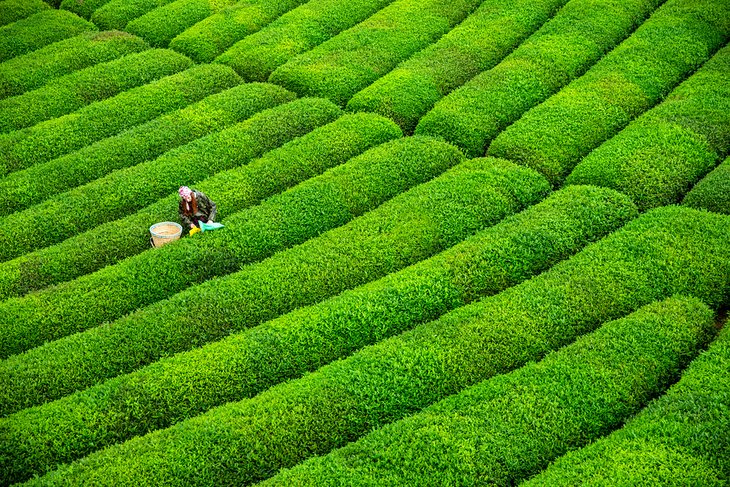
Highlights: A pilgrimage point for every tea drinker, lush tea-plantation views
Rize is the capital of Turkey's tea-growing region, and every fan of a hot brew should make a stop here. The town itself is a thoroughly modern affair, surrounded by lush green tea plantations.
Take a trip to the Tea Garden above town, where you can sip your tea while admiring great views across the rolling hills. As well as being home to a huge range of tea plants, the garden has a collection of subtropical flora.
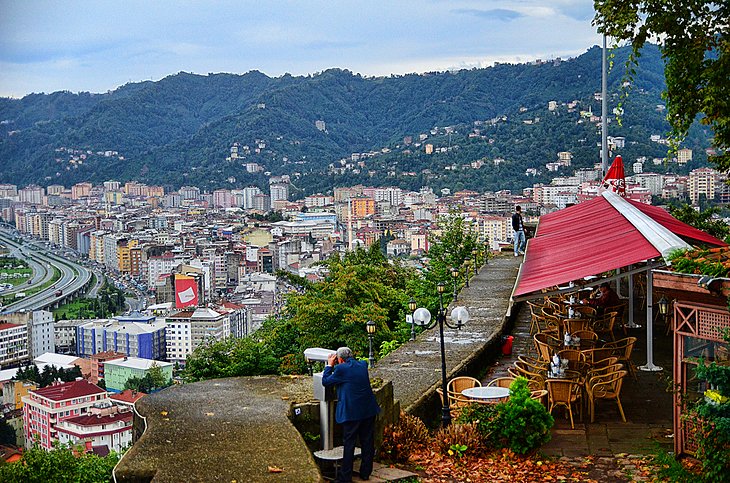
More fine panoramic views are on offer at Rize Castle (Rize Kalesi), which the Genoese built during the medieval era, and there is another relaxing tea garden here.
Turkey's tea-growing villages are to the northwest of town in the Çeçeva-Haremtepe area. Take a drive through the hill country here to soak up the lush, emerald-green views.
8. Delve Underground at Karaca Cave
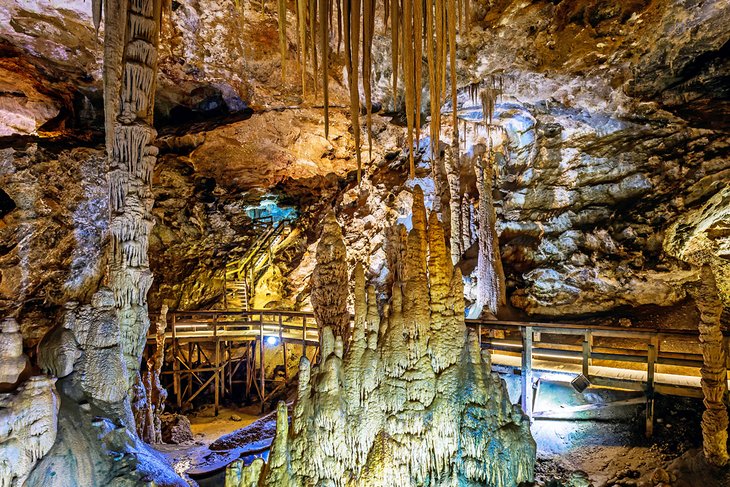
Highlight: Head deep underground to explore one of Turkey's most famous caves
This cave network is one of Turkey's best and most accessible. Located 97 kilometers inland from Trabzon, near the small town of Torul, the cavern system here stretches for 107 meters long and is filled with huge stalagmites and stalactites that have been formed in weird and eerie shapes.
Well-maintained walkways and excellent lighting allow visitors to view the cave's formations up close.
The cave is also known locally for its health-giving properties, with locals claiming the oxygen levels in the cave are beneficial for both asthma sufferers and those suffering from other respiratory problems.
Even in the height of summer, bring a sweater. It gets colder the farther you delve underground into the cave.
9. Stroll the Old Town District of Inebolu
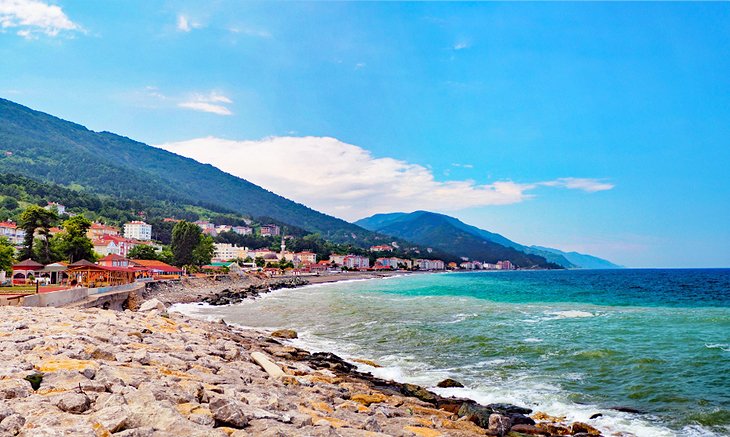
Highlights: Stroll this laid-back Black Sea town and discover remnants of its Pontic heritage
Having retained plenty of its historic character, Inebolu is a favorite overnight stop on a Black Sea road trip.
This port town in the western Black Sea region, about halfway between Amasra and Sinop, is home to a ruined castle, a wealth of traditional Ottoman wooden houses (many crumbling into disrepair), and plenty of handsome vernacular Pontic-style townhouses with slate-covered roofs.
In antiquity, the town was known as Abonoteichus but was renamed Ionopolis (hence its modern name) during the Roman era.
Wandering the lanes of the central old town district is the main thing to do here, but the surrounding coastline also offers small stretches of beach for those who want to swim.
10. Stop Off in Giresun
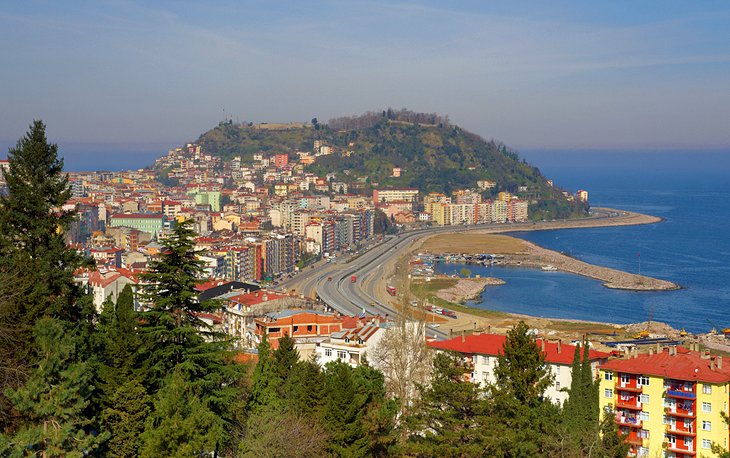
Highlight: Head up to the Byzantine castle remnants and take in the coastal views
If you're a cherry fan, you have Giresun to thank for this fruit. It was from here that the Roman general Lucullus tasted his first cherry (the town's name stems from the Greek word for cherry) and took the fruit back to Rome.
Giresun occupies the site of ancient Kerasous, founded by Miletus in the 7th century BCE.
Despite this rather long history, there's not much to see, but the ruins of a Byzantine-era castle above town offer great views across the surrounding countryside, and Giresun Museum on Atatürk Caddesi, in the center, has an excellent collection of archaeological finds if you're passing through.
11. Get a Taste of Black Sea City Life in Samsun
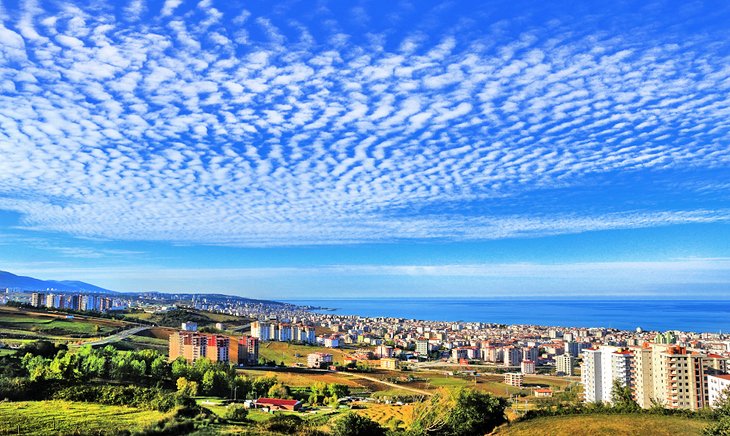
Highlight: Stop off on a Black Sea road trip to visit Samsun's important regional museums
The largest city on the Black Sea is all about bustling industry. The surrounding coastal plain around Samsun produces tobacco, cereals, and cotton, which is then exported from the city's busy port.
Despite its long history (the site of ancient Amisos, founded by the Greeks in the 7th century BCE, lies three kilometers northwest), the modern city doesn't have huge amounts to offer visitors but it's worth a stop here for the museums.
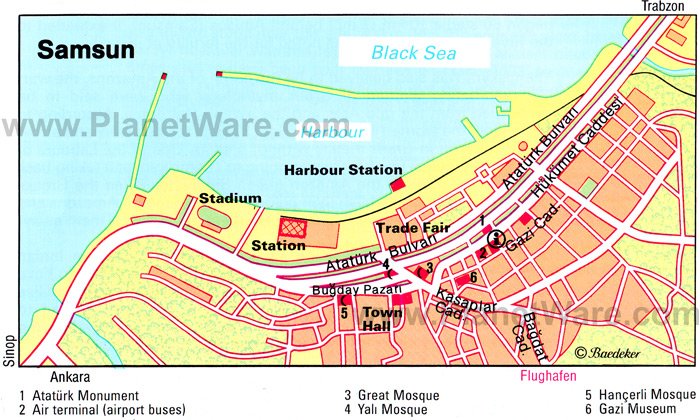
Samsun's Archaeological Museum exhibits finds from ancient Amisos and the Ghazi Museum (set in the hotel where Atatürk stayed) remembers Samsun's role as the starting point for the Turkish War of Independence in 1919.
While you're in the central city, there are also some interesting mosques to take a look at. The Pazar Cami (Market Mosque) and Ulu Cami (Great Mosque) are both worth a visit.
Best Time to Visit Turkey's Black Sea Coast
The best time to visit Turkey's Black Sea Coast is during the months of June, July, August, and September when the weather is most dependably warm and sunny.
The Black Sea coast is Turkey's wettest region, and even during the sunniest months of July and August, when daytime average temperatures sit around 28 degrees Celsius on the coast, you should pack with plans to encounter rainy weather, and include a warmer layer for after dark when nighttime temperatures are an average of 15 degrees.
Inland from the coastal towns and cities, in the densely forested mountains and hill country that rims the coast, summer temperatures are much milder even in the height of July and August.
June, July, August, and September are the prime months for hiking and further exploration deeper into the Black Sea's mountain area — as with down on the coast, this is when blue skies and sunshine are more likely to dominate.
More Related Articles on PlanetWare.com
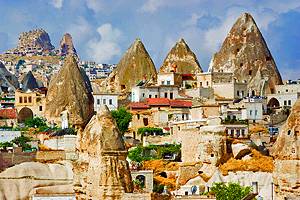
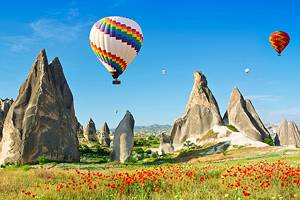
Historic Regions: The Black Sea coast is great for road tripping. For other regions in Turkey with plenty of historic sites check out Cappadocia, known for its fairy-chimney rock formations and Byzantine churches, and Pergamum and the North Aegean, home to the hilltop ruins of ancient Pergamum.
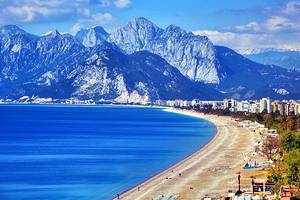
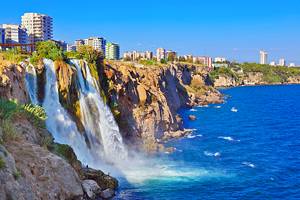
The Coast: A trip along Turkey's Black Sea coast will take you off the typical tourist trail. If you want to sample Turkey's famed sun-and-sea stretch of holiday coast head to the Mediterranean. Both Antalya with its old town district and beaches, and Fethiye, loomed over by Lycian tombs, are favored bases for further explorations of this stretch of coastline.