Tourist Attractions in Brazil
The largest country in South America, Brazil occupies almost half the continent. Nearly all of it is in the Southern Hemisphere, and much of it is tropical, with vast stretches of rainforest filled with exotic plants and wildlife.
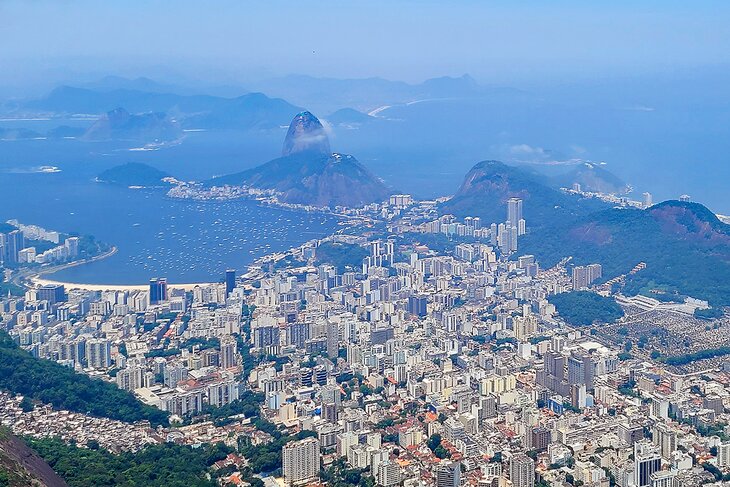
Brazil is both a tropical paradise and an exciting cultural destination with attractions for all tastes, from idyllic beach holidays and jungle explorations to world-class art museums and the pulsing rhythms of Rio's Carnival and nightlife.
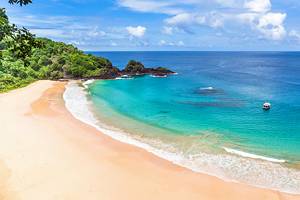
Brazil's 7,400-kilometer Atlantic coast is lined with golden-sand beaches, and its interior is filled with mineral resources. Gold from Brazil's mines still lines the churches of Portugal, the colonial power that ruled Brazil until 1822. The beaches in the northeast are also known for being one of the best kitesurfing destinations on the planet.
To discover the best places to visit and things to do, use this handy list of the top tourist attractions in Brazil.
- Cristo Redentor and Corcovado, Rio de Janeiro
- Sugar Loaf, Rio de Janeiro
- Iguaçu Falls
- Copacabana, Rio de Janeiro
- Amazon Rainforests
- Lençóis Maranhenses National Park and Atins
- Carnaval, Rio de Janeiro
- Jericoacoara
- Brasília's Modernist Architecture
- Ipanema
- Salvador's Pelourinho
- Ouro Preto
- Sao Luis
- Museu do Amanhã (Museum of Tomorrow)
- Ibirapuera Park, São Paulo
- Museu Oscar Niemeyer, Curitiba
- Botanical Garden of Curitiba
- Porto de Galinhas & Pernambuco Beaches
- Art Museums of Sao Paulo
- Belo Horizonte
Cristo Redentor and Corcovado, Rio de Janeiro
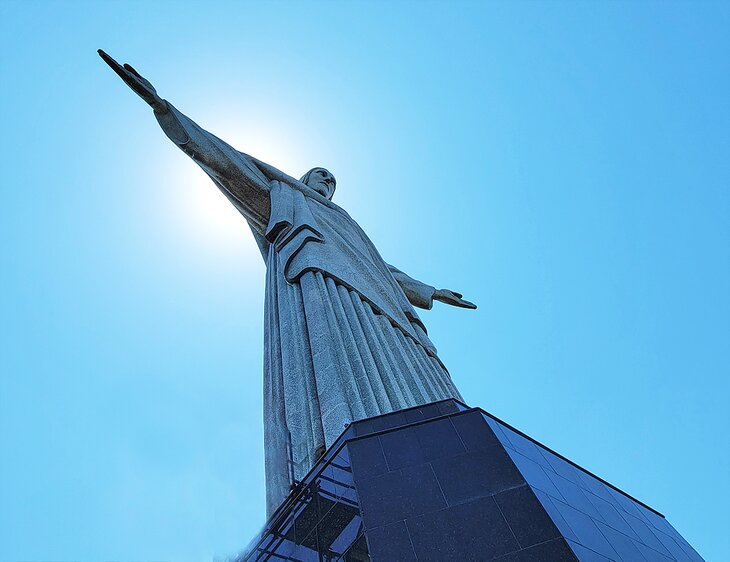
With arms outstretched 28 meters, as if to encompass all of humanity, the colossal Art Deco statue of Christ, called Cristo Redentor (Christ the Redeemer), gazes out over Rio de Janeiro, Sugar Loaf, and the bay from the summit of Corcovado. From here, you have possibly the best view in the city.
The 709-meter height on which it stands is part of the Tijuca National Park, and a railway climbs 3.5 kilometers to the top, where a broad plaza surrounds the statue. Completed in 1931, the 30-meter statue was the work of Polish-French sculptor Paul Landowski and Brazilian engineer Heitor da Silva Costa, and is constructed of reinforced concrete and soapstone.
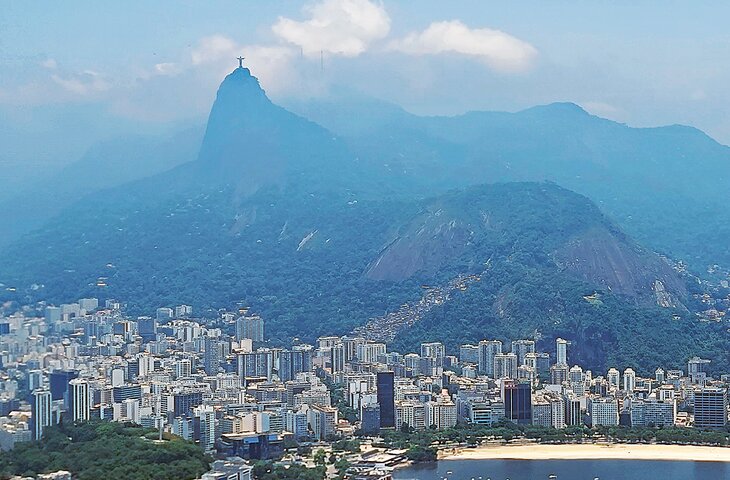
The steep ride up to the statue on the railway is part of the attraction as it passes through a lush forest, home to a wide variety of tropical birds, butterflies, and plants.
- Read More: Attractions & Things to Do in Rio de Janeiro
Sugar Loaf, Rio de Janeiro
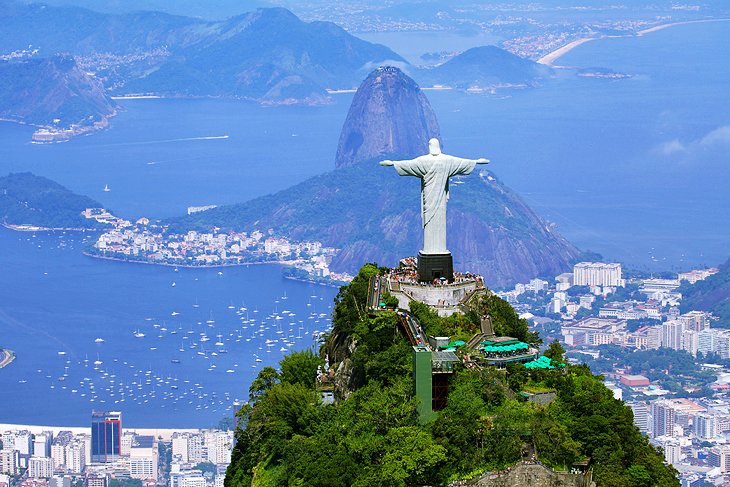
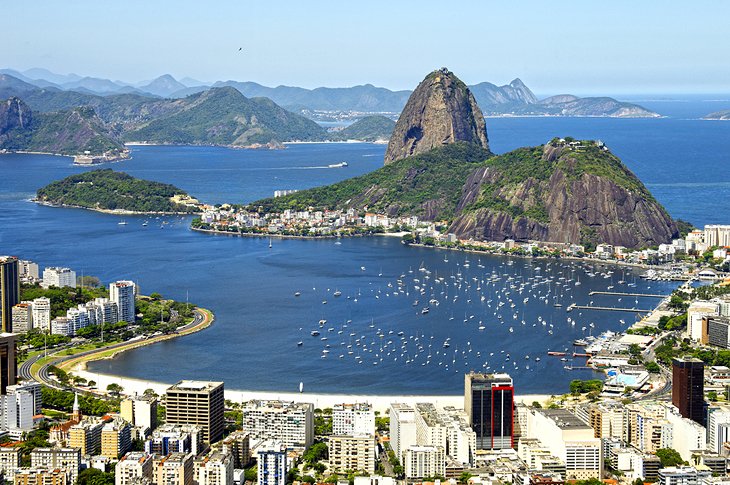
The easily recognized emblem of Rio de Janeiro, the rounded rock peak of Sugar Loaf juts out of a tree-covered promontory, rising 394 meters above the beaches and city. From the summit are outstanding views of Rio and the harbor, as well as a stunning view of Christ the Redeemer. This is an absolute must-do when visiting the city but plan to do this on a clear day and preferably in the morning.
Part of the attraction is the thrill of riding the cable car between Sugar Loaf and the Morro da Urca, a lower peak from which a second cableway connects to the city.
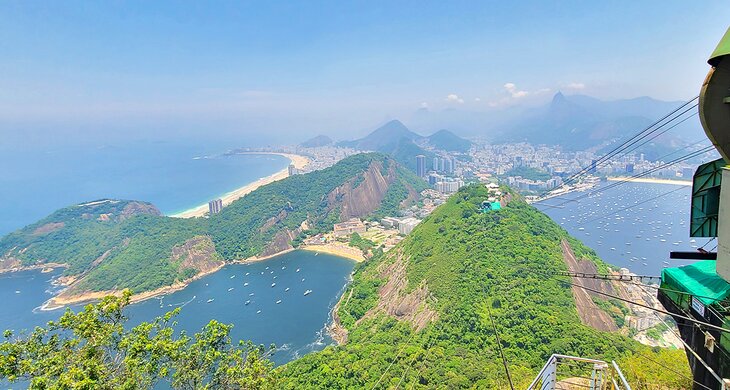
Rio's first settlement began below these peaks, near the long Praia da Urca beach, and you can tour one of the three early forts there, the star-shaped Fort São João.
Iguaçu Falls
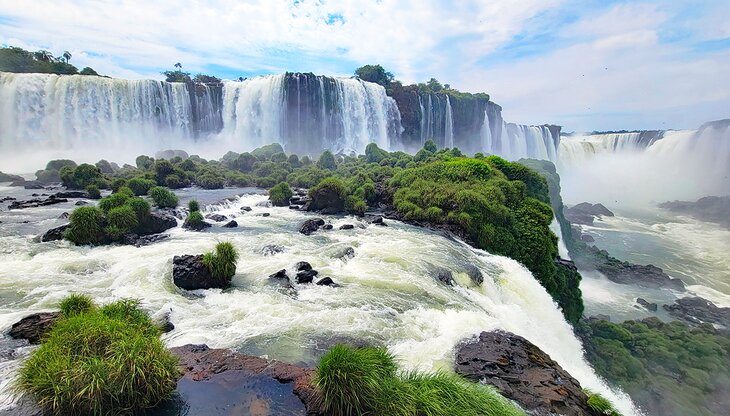
Iguaçu Falls is one of the most spectacular waterfalls in the world. At the point where Brazil, Paraguay, and Argentina meet, the Iguaçu River drops spectacularly in a semicircle of 247 waterfalls that thunder down into the gorge below. Just above the falls, the river is constricted to one-fourth of its usual width, making the force of the water even stronger.
Some of the falls are more than 100 meters high and they cover such a broad area that you'll never see all of them at once, but you do get the broadest panorama from the Brazilian side. Walking trails, catwalks, and viewing platforms give you different perspectives.
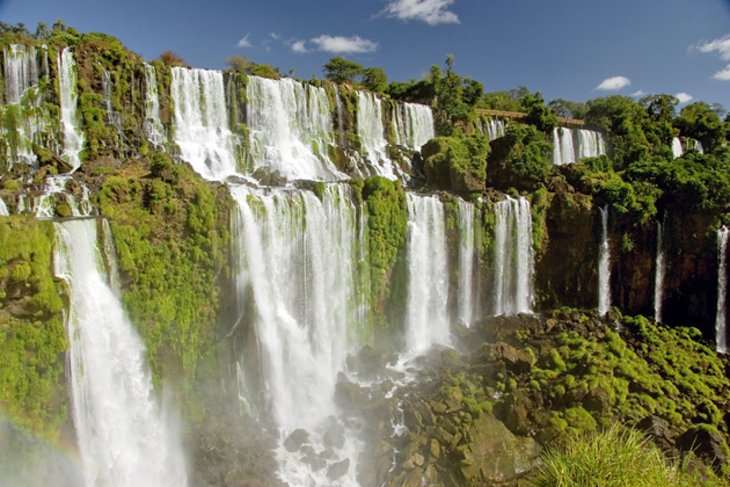
You can cross to the Argentinian side for closer views from the catwalks, which are closer to the top edge of the falls, particularly the Devil's Throat. The two sides offer different perspectives and views, so most tourists plan to see both.
The falls are protected by the UNESCO-acclaimed Iguaçu National Park, where subtropical rainforests are home to more than 1,000 species of birds and mammals, including jaguars, pumas, ocelots, deer, otters, and capybara.
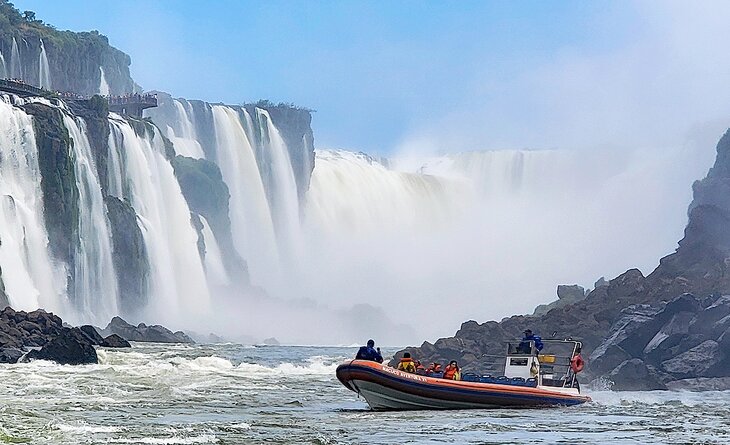
Some of the main ways people see the falls, apart from the trails and platforms are on helicopter tours or boat rides. Short helicopter tours are reasonably priced and offer a spectacular way to see the entire area. The boat tours are in 30-passenger zodiac-style boats, which take visitors on a thrilling and wild ride up rapids to the base of the falls.
Read More: Attractions at Iguaçu Falls
Copacabana, Rio de Janeiro
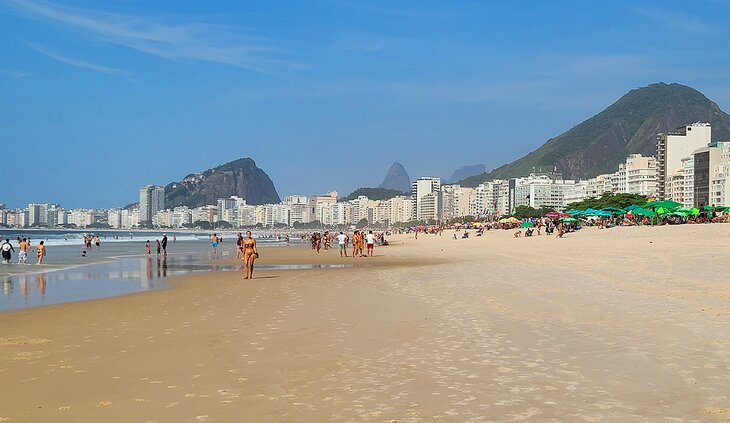
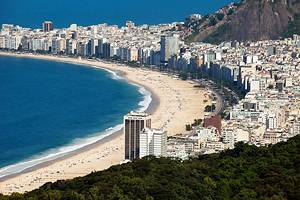
It's hard to think of Rio without conjuring up an image of Copacabana. This is Rio's playground and one of the best beaches in Brazil.
This huge crescent-shaped stretch of sand provides a popular escape from the heat-filled city streets for families, sun-worshippers, swimmers, and tourists. A seemingly endless assortment of beach shacks offers chair and umbrella rentals, snacks, drinks, and even free showers.
Downtown Rio's most famous section follows Avenida Nossa Senhora de Copacabana and is bordered all along one side by four kilometers of white sand and breaking surf.
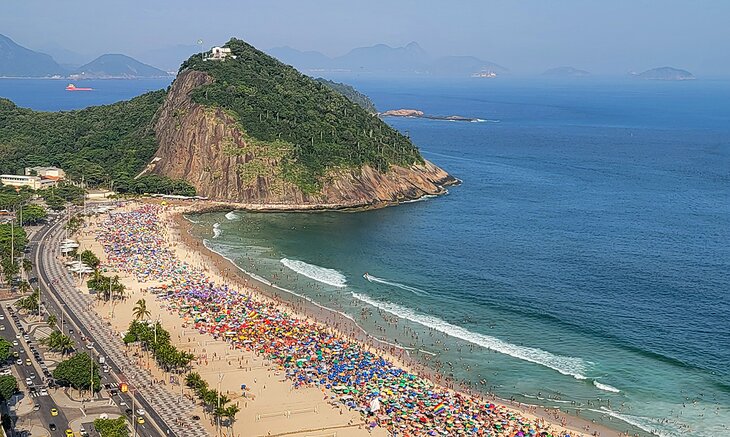
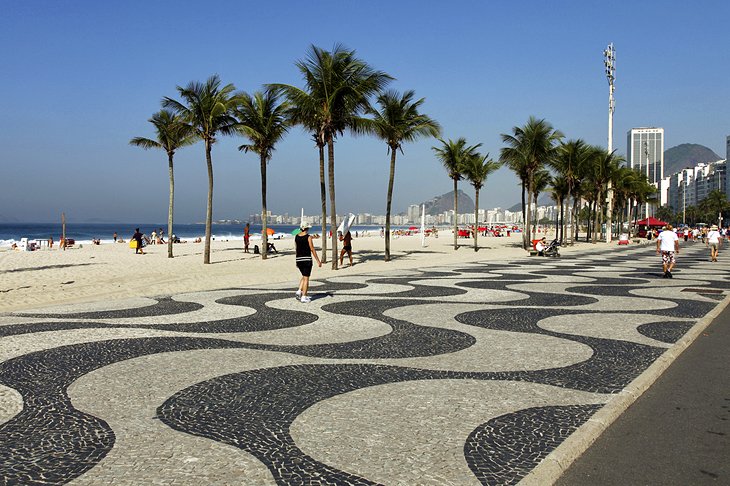
The beach is separated from the buildings and traffic by a broad promenade paved in black and white mosaic in an undulating pattern reminiscent of streets in Lisbon, Portugal. Along this promenade, the famed Copacabana Palace is protected as a national monument. Inside this hotel's lobby, you can easily imagine seeing the royalty and film idols who have stayed here.
Amazon Rainforests
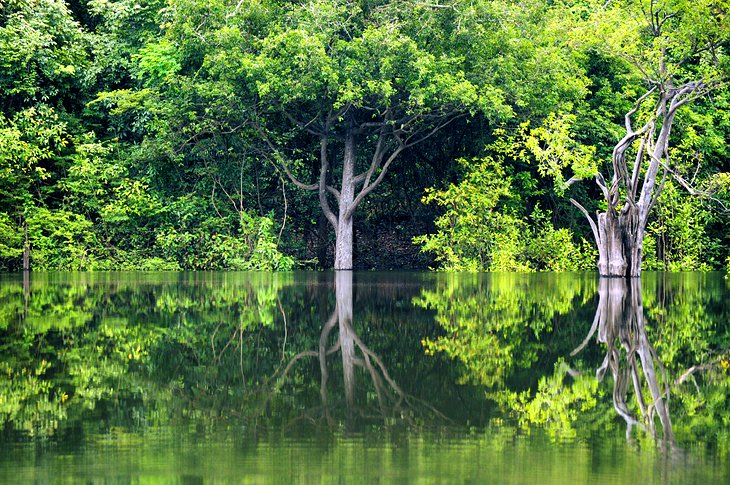
About 20 kilometers southeast of Manaus, the dark Rio Negro waters meet the light muddy water of the Rio Solimões, flowing side by side for about six kilometers before mixing as the Amazon. Boat trips from Manaus take you to this point, called Encontro das Aguas, meeting of the waters.
Other boat trips take you into the heart of the rainforests and the network of rivers, channels, and lakes formed by the three rivers. In the Rio Negro, the Anavilhanas Islands form an archipelago with lakes, streams, and flooded forests that offer a full cross-section of the Amazonian ecosystem.
You can see monkeys, sloths, parrots, toucans, caimans, turtles, and other wildlife on a boat trip here. Also close to Manaus, the 688-hectare Janauari Ecological Park has a number of different ecosystems that you can explore by boat along its narrow waterways.
An entire lake here is covered with giant water-lilies found only in the Amazon region. While in Manaus, be sure to see its famous Teatro Amazonas, the Italian Renaissance-style opera house, designed to put Manaus on the map as South America's great center of culture.
- Read More: Tourist Attractions in Manaus
Lençóis Maranhenses National Park and Atins
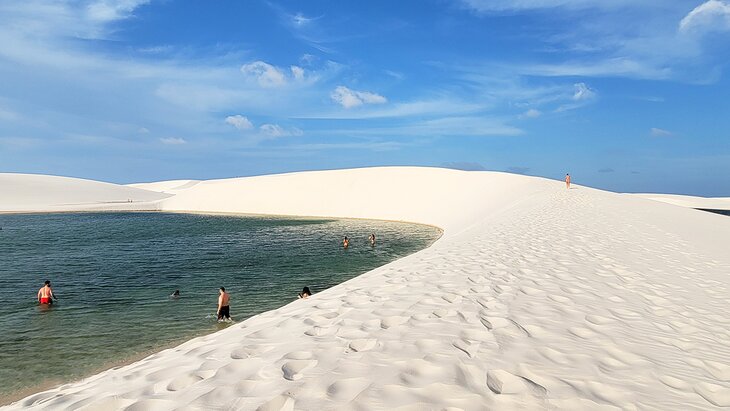
Lençóis Maranhenses National Park is one of the most spectacular natural sights in Brazil. A land of white sand dunes and lagoons filled with rainwater water, this UNESCO World Heritage Site is like no other place in the world.
Found only in the far northeastern area of Brazil, this unique ecosystem exists in its full glory from May until August. At this time, thousands (no one knows for sure how many as they are always appearing and disappearing with the wind) of lagoons form between the blindingly white sands. An impermeable layer of rock prevents the water from draining into the sand and the lagoons warm in the intense sun, making them perfect for swimming.
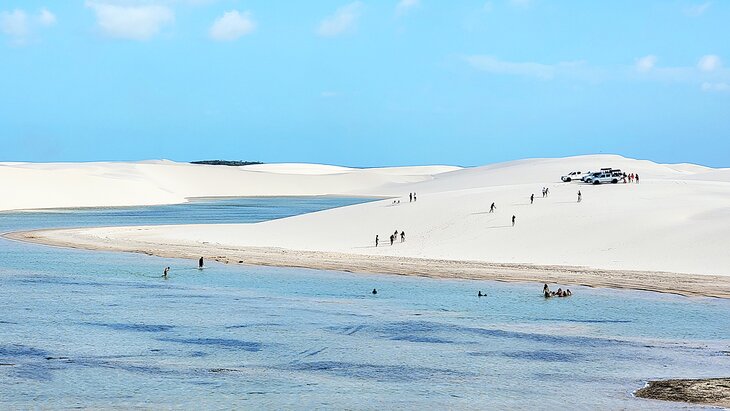
Some lagoons have water in them year-round and tours are always available, but the best time to visit is after the rainy season beginning in May.
The park is remote; count on a four-hour drive from the nearest city, São Luís, where you'll also find an airport. Day trips can be arranged from Barreirinhas but a better option is to stay outside the park in the beach town of Atins. Reached by a scenic 75-minute boat ride down the Preguiças River from Barreirinhas, this small tourist town has sand streets, good dining options, and a few fine hotels.
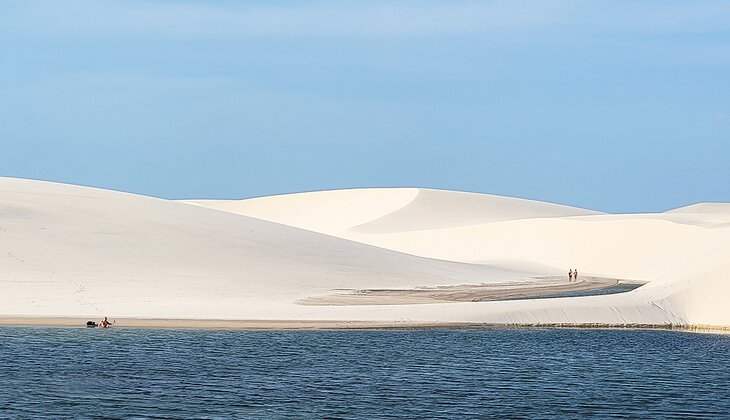
A highlight of a trip here is a 4X4 vehicle tour into the park's heart to visit some of the lagoons. The trip is magical, you'll drive along the top of massive sand dunes with endless views, past crystal clear lakes, while along the way, donkeys and wild horses munch quietly on the greenery. Eventually, you'll be taken to places where you can swim and wander among the dunes. If you take the sunset tour, on the way back, your driver will find a tall dune and set up lawn chairs for you to watch the sun set on the horizon.
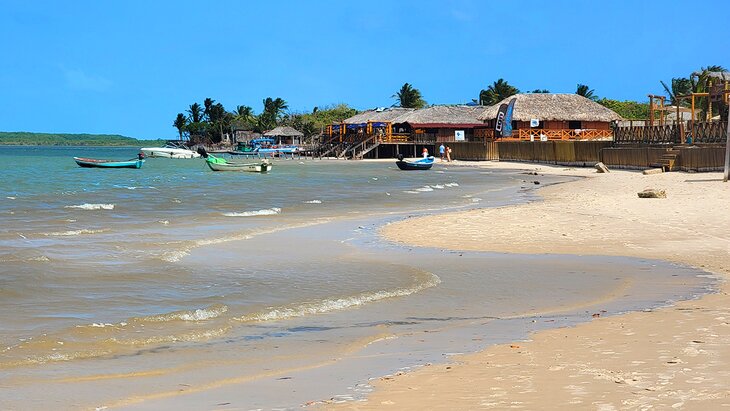
Atins is also an undiscovered kiteboarding spot. The beautiful lagoon at the river's mouth boasts an expansive and uncrowded riding area featuring long stretches of shallow, flat water. The kiteboarding season runs from July to January but September to November or early December is the best time for consistent winds.
Carnaval, Rio de Janeiro

Few shows match Rio's pre-Lenten Carnaval (Carnival) extravaganza for color, sound, action, and exuberance. Make no mistake, this is not just another rowdy street party, but a carefully staged showpiece, where spectators can watch the parades of competing samba dancers from a purpose-built stadium designed by none other than Brazil's best-known architect, Oscar Niemeyer.
Called the Sambódromo, this long series of grandstand boxes provides ringside seats to a 700-meter parade route where dancers and musicians from the competing samba schools strut their stuff in a dazzling explosion of brilliant costumes.
If mob scenes are less appealing to you than more spontaneous celebrations (that are equally riotous and colorful), you'll also find Carnivals in Salvador, Bahia, Recife, and other Brazilian cities.
Jericoacoara
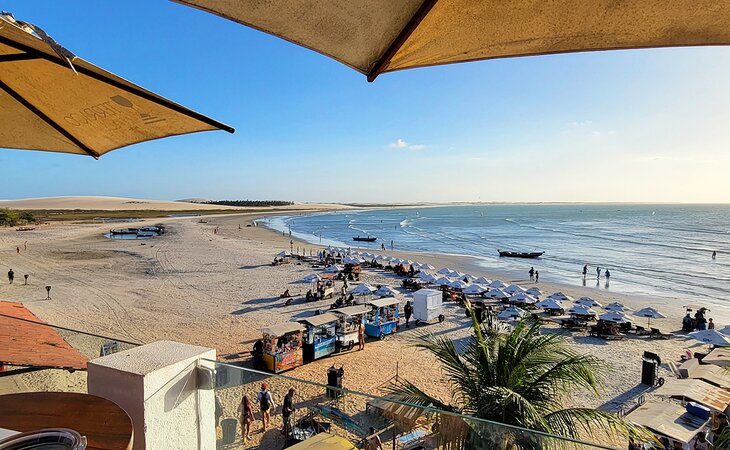
If you've ever dreamed of a beachside village where all the streets are made of sand and lined with good restaurants, decent hotels, and the odd donkey wandering around, Jericoacoara is the place for you. Jeri, as it's commonly referred to, is located within the confines of the spectacular Jericoacoara National Park, access is only through a huge expanse of massive sand dunes in a 4WD vehicle or, for the more adventurous, on the back of a beach buggy.
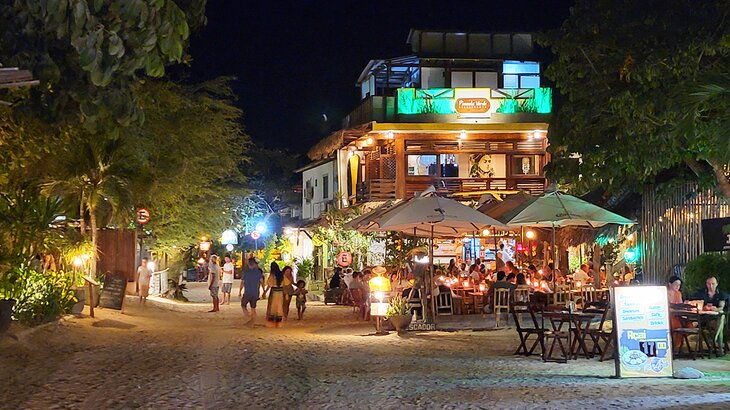
Each night the town comes alive when the mobile vendors set up shop on the sand and the band starts to play. Grab a bite from one of the small BBQ stands and catch the sunset as it sinks into the expanse of the Atlantic Ocean, or even better, secure a rooftop patio seat. Later on wander the sandy, pedestrian-only streets and enjoy a dinner with your toes in the sand. After dinner, check out one of the many boutiques featuring a variety of beach and resort clothing.
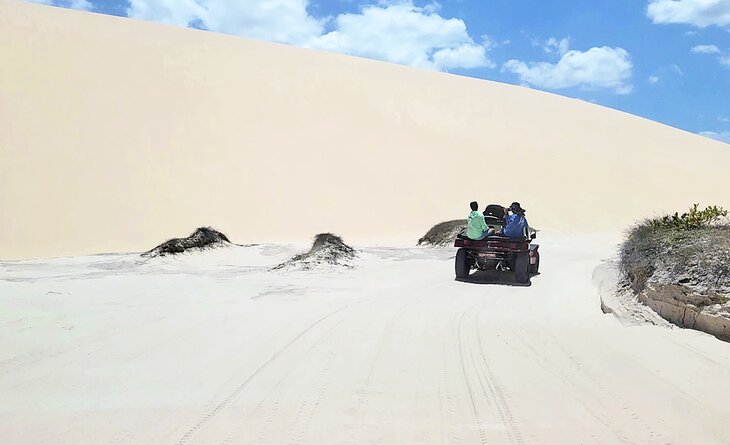
Windswept beaches run for hundreds of miles north and south of Jeri and this draws wind sport enthusiasts from around the world. Jeri is considered by many to be the best place in the world to go kiteboarding and as a result, draws a diverse set of participants from across the globe.
To experience the dunes or explore freshwater lagoons, where you can set up beachside at a restaurant and go for a swim, hire a buggy for the day, and go on an excursion. You can also head down towards Guiru or further along to Tatajuba to see or enjoy more kiteboarding. It's a fun trip that involves a river crossing on a small, flat barge.
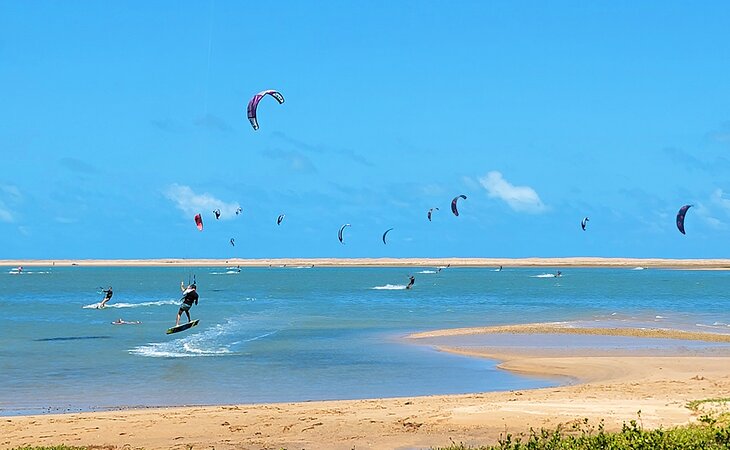
You can fly directly to Jericoacoara. As an alternative, you can fly into Fortaleza and hire a car and driver to run you up the coast, which is about a five-hour drive. The best option is to stop off for a night or two along the way in some of the other beach towns like Cumbuco or Guajiru, both of which are popular kiteboarding areas.
Read More: Attractions in Jericoacoara
Brasília's Modernist Architecture
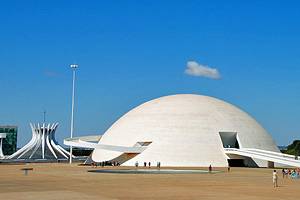
Brazil's new city of Brasília was carved out of the wilderness and completed in less than three years to replace Rio de Janeiro as the country's capital in 1960. The ambitious plan by Lúcio Costa and Oscar Niemeyer became a showpiece of city planning and avant-garde architecture, and it remains today as one of the world's few cities that represent a completed plan and a single architectural concept.
Without the normal mix of residential and business districts, the entire governmental section is composed of major architectural highlights, which are the city's main tourist attractions. Some of the most striking surround Praça dos Tràs Poderes: the presidential palace, supreme court, and the two sharply contrasting congress buildings, plus the Historical Museum of Brasília and the Panteão da Liberdade (Pantheon of Freedom), designed by Oscar Niemeyer.
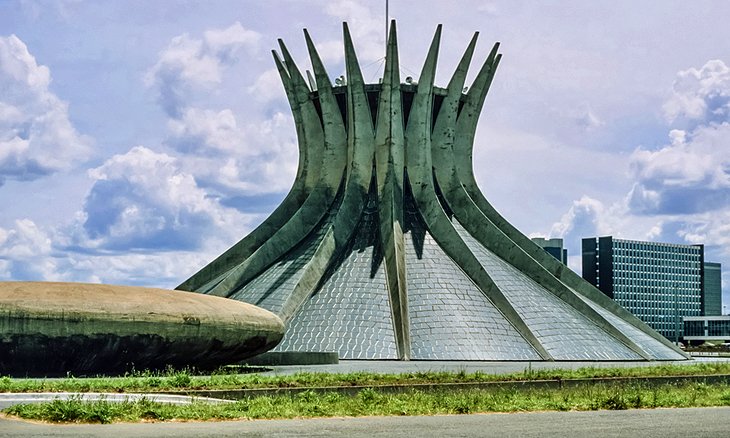
That architect's best-known building in the city is the circular Catedral Metropolitana Nossa Senhora Aparecida, whose curved concrete columns rise to support a glass roof. Another of Niemeyer's landmark works is the Palácio dos Arcos, surrounded by beautiful gardens designed by Brazilian landscape architect Roberto Burle Marx, who worked with Niemeyer on several projects throughout Brazil.
The round Memorial dos Povos Indígenas (Museum of Indigenous People) is patterned after a traditional Yąnomamö round house. But many consider Niemeyer's finest work to be the Monumento JK, a memorial to President Juscelino Kubitschek, the founder of Brasilia. Brasilia has been named a UNESCO World Heritage city.
Ipanema
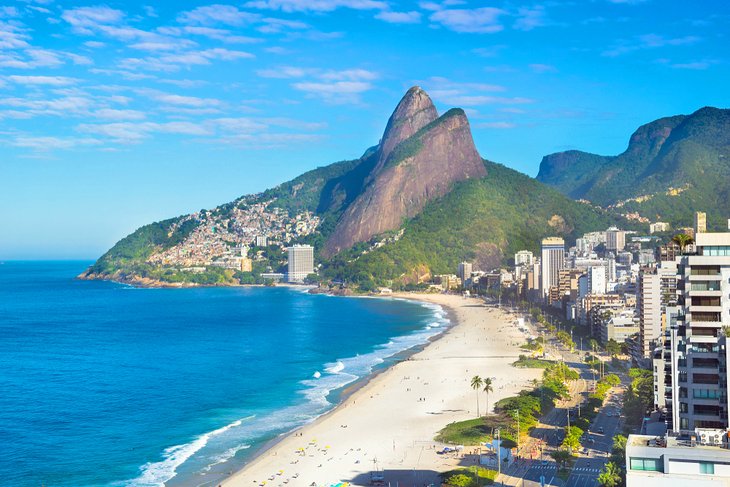
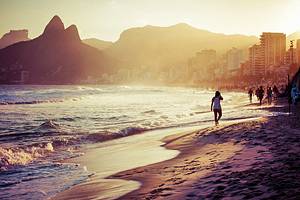
Beyond the beaches of Copacabana, the glorious white sands merge into the just-as-famous beaches of Ipanema. The same wave design of Copacabana's wide promenade continues here, separating the sand from the line of hotels, restaurants, cafés, art galleries, and cinemas that make this a popular social zone year-round.
Farther along, beyond the Jardim de Alá Canal, which drains Lagoa Rodrigo de Freitas lagoon, are the beaches of Leblon. With more locals and fewer tourists, these beaches are favorites for families. Sunday is especially busy, with an antiques market at Praça de Quentaland and the Feira de Artesanato de Ipanema, alive with music, art, handicrafts, and street food.
The waves at Ipanema and Leblon can be very strong and unpredictable, so be careful where you swim. Follow the locals and stay out of the water where you don't see others swimming. If surf is what you're looking for, head to the stretch between Copacabana and Ipanema, where the surfers hang out.
Salvador's Pelourinho
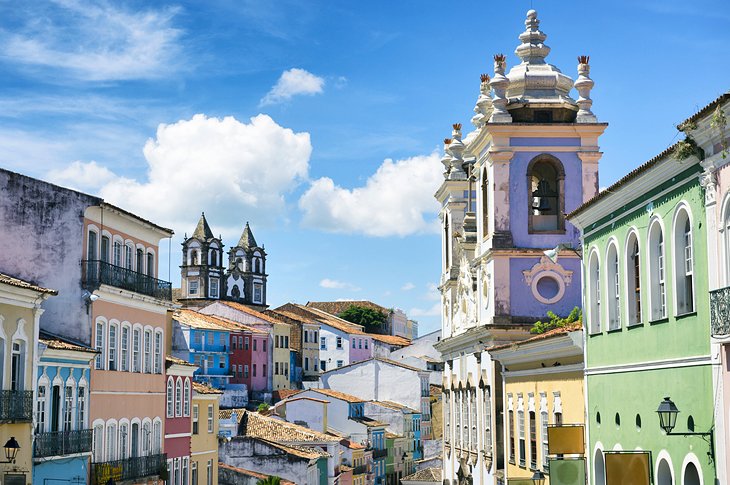
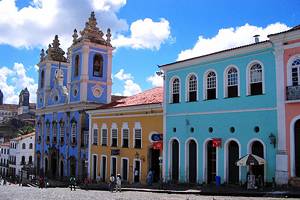
The Cidade Alta (Upper Town) of Brazil's former colonial capital has been named a UNESCO World Heritage site for its exceptional collection of 17th- and 18th-century colonial buildings, the finest such ensemble in South America.
Called the Pelourinho, this old quarter is where you'll find Salvador's most beautiful churches and monasteries, built at a time when Brazil was the source of Portugal's riches, and the plentiful gold was lavished on the colony's religious buildings.
The finest and most opulent of the city's churches is São Francisco, built in the early 1700s and filled with intricate carvings covered in gold. In the choir and cloister, you can see excellent examples of Portuguese tile panels, called azulejos.
This was the friary church, and next to it is the church of the Franciscan Third Order. It's impossible to miss the riotously carved façade covered in statues and intricate decoration. The interior is just as ornate, surpassing even the Portuguese Baroque in its opulent detail.
- Read More: Attractions & Things to Do in Salvador
Ouro Preto
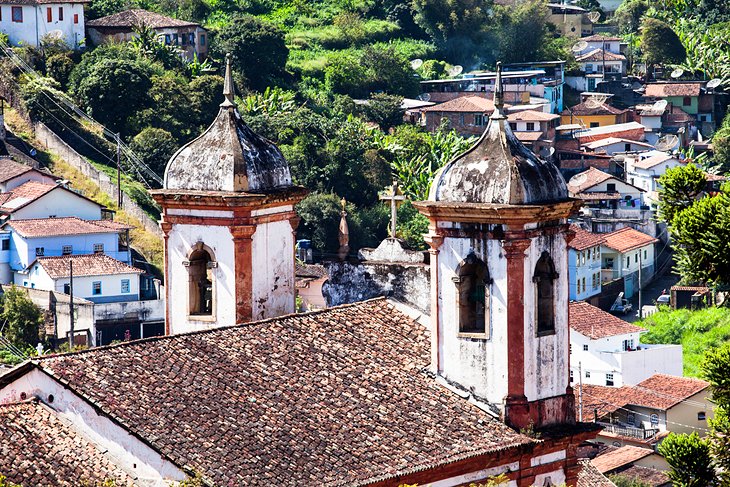
The wealth of Brazil's state of Minas Gerais in its glory days of the colonial period is easy to imagine from the interiors of the churches in its old capital, Ouro Preto. Entire walls are washed in gold that flowed – along with diamonds – from the mines surrounding the city in the 17th and 18th centuries.
Cascading down the sides of a steep valley and surrounded by mountains, Ouro Preto is a jewel of a colonial town, but its steep narrow streets and mountain setting – however captivating for tourists today – didn't meet the needs of a growing provincial capital. The government moved to the newly built capital of Belo Horizonte, leaving Ouro Preto in its time capsule.
The 17th-century Baroque and Rococo churches of São Francisco de Assis and Matriz de Nossa Senhora do Pilar are the best examples, but the entire town is so rich in colonial architecture that Ouro Preto has been named a UNESCO World Heritage Site. The steep streets, so precipitous in places that they become stairways, are lined by gracious colonial mansions, and white churches crown its hills with Baroque bell towers.
Sao Luis
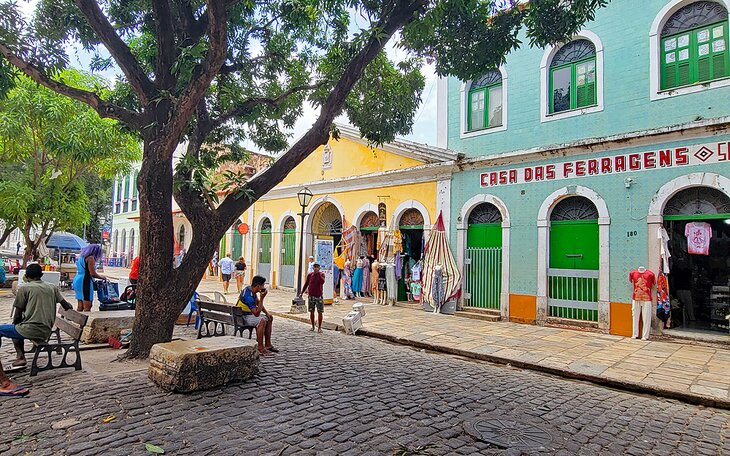
Sao Luis is, as of yet, undiscovered by foreign tourists but bursting with potential. It is a destination you should visit now while international tourism here is still in its infancy.
This is a place where you can walk through the historic city center, a UNESCO World Heritage Site, and still see locals going about everyday life, and watching traditions that have been practiced here for centuries. It has not been gentrified or reworked for the purpose of tourism.
The area was inhabited by many Indigenous groups before Europeans arrived, but it was settled in the early 1600s by the French and a few years later, overtaken by the Portuguese. As a result, it has an interesting mix of cultures and traditions.
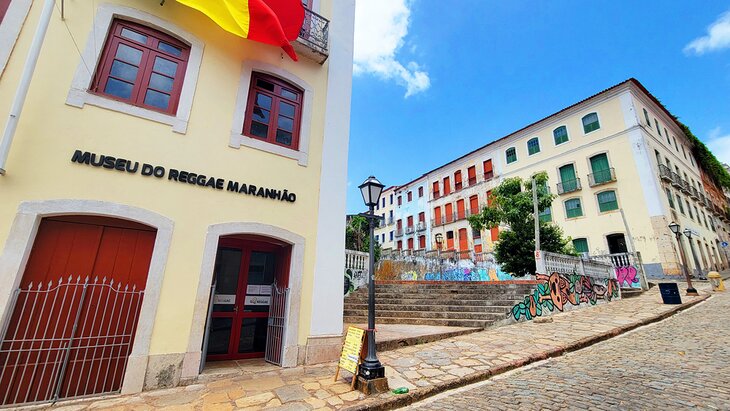
The city is known for many things but is often referred to as the Reggae Capital of Brazil and also the city of tiles. As you walk through the historical city center and see the tile-clad facades, reminiscent of Lisbon, you'll understand why it has this name. And, the cuisine here and across all of Maranháo state is outstanding, with many fantastic regional dishes.
With just over a million people, Sao Luis is a modern city of highrises, shopping malls, good restaurants and nightlife, and it has a fantastic beach scene. In the sunny season (June to November), the beaches that stretch on for miles are busy, but you'll still have no trouble finding your perfect patch of sand. Plus, Sao Luis is only a few degrees south of the equator so the ocean water is bathtub-warm and perfect for swimming.
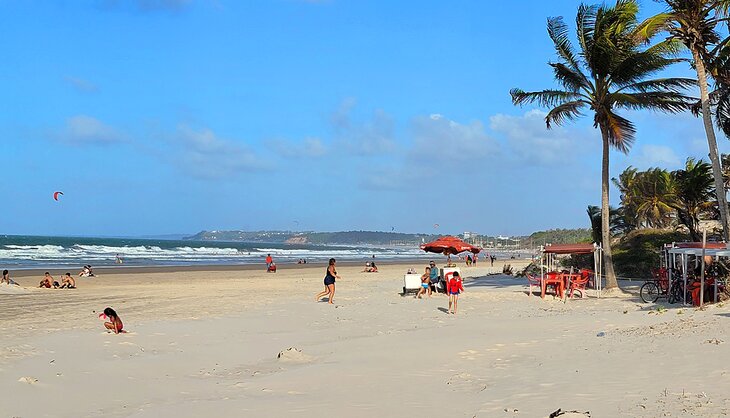
Kitesurfing is also popular here, as it is across many of the beaches in northeastern Brazil. Most kiters head to the beach towns to the east and many don't even know there is excellent kiting right here in the city. You can also arrange kitesurfing trips and transfers from Sao Luis to other kiting destinations in Maranháo state and even beyond to Jericoacoara.
Wondering what to do in Sao Luis? Keep in mind that all of the museums in Sao Luis are free to visit. Take a tour of the historical city center and be sure to include a stop at the Museum of Maranháo Gastronomy to learn about the indigenous fruits, nuts, and regional specialties. Don't miss the chance to try one of the various flavors of ice cream made with local ingredients.
Pop into the Central Market (look for the yellow building), dating from 1861, and also the Maranháo Raggae Museum. You can also take a tour of a portion of the Lions Palace (Palácio do Leões) to learn a bit about the history of the city as seen through the art on display.
Spend an afternoon, if not a full day at the beach. Las Conchas Restaurant is a good access point and it serves surprisingly good food and often has live music.
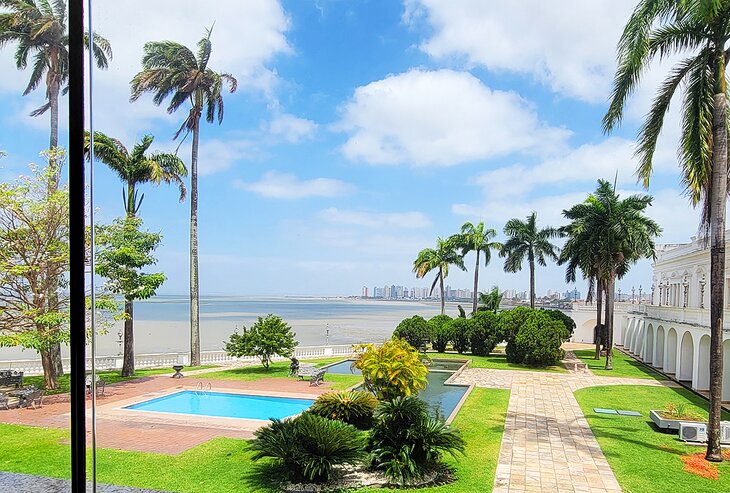
For sunset, the Pier is the place to go. It's always packed at this time of day, but for good reason. You can also enjoy a sunset dinner at Massari Pier and watch the sunset while you dine if you don't feel like standing around.
If you are interested in exploring northeastern Brazil and places like Lençóis Maranhenses National Park, Atins, or Barra Grande this is the perfect place to start your trip. You can fly into Sao Luis and out of Jericoarcoara or even Fortaleza.
Museu do Amanhã (Museum of Tomorrow)
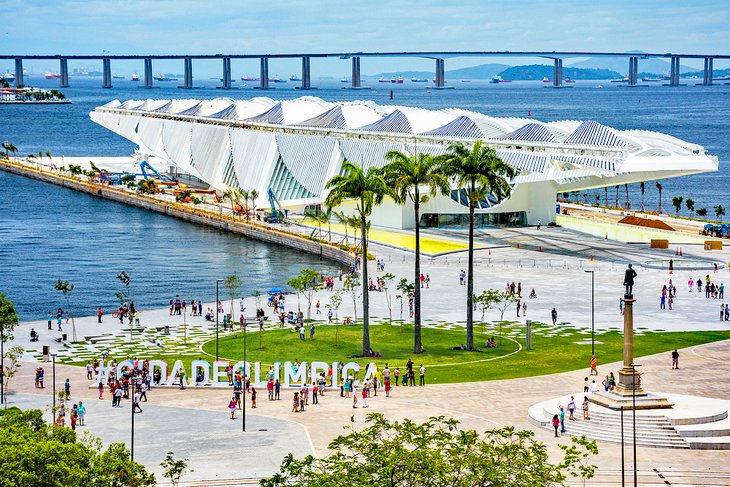
The futuristic architecture of the Museum of Tomorrow in Rio de Janeiro gives a clue about its contents. Thought-provoking exhibits invite visitors to think about what the world might be like in the future, exploring scenarios of how our planet may change in the next half-century.
Examining these times of fast-moving changes in society, technology, and the physical world, the museum prompts viewers to consider various paths into the future, and how each opens up based on the choices made every day as individuals and as a society.
This eye-catching science museum overlooking the waterfront was designed by Spanish architect and artist, Santiago Calatrava.
Address: Praça Mauá 1, Centro, Rio de Janeiro, Brazil
Ibirapuera Park, São Paulo
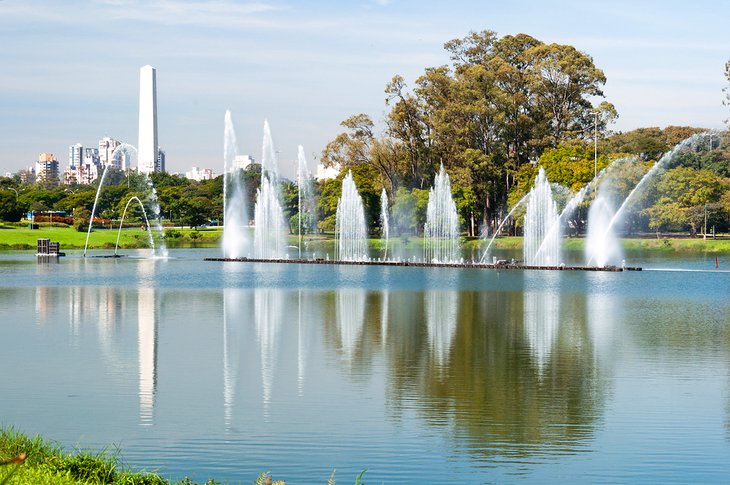
The most visited park in South America, Ibirapuera Park is a vast green space designed by Brazilian landscape architect Roberto Burle Marx, with buildings designed by Oscar Niemeyer. The park is a showcase for modern architecture and a center for Brazilian culture.
Amid its monuments, gardens, playgrounds, trails, and lakes are museums and performance spaces that include Oscar Niemeyer's Auditório Ibirapuera, one of São Paulo's best concert venues. A Japanese Pavilion with sculptures, clothing, and traditional crafts is set in rock gardens with a fishpond.
The Museu da Aeronáutica e do Folclore, the Aeronautics and Folk Art Museum, features thousands of examples of folk arts and exhibits on traditional cultures from across Brazil. The lower floor is devoted to aeronautical equipment and model airplanes. A separate museum, the large Museu Afro-Brasil, features the culture and history of Afro-Brazilians and their contributions.
Address: Avenida Pedro Alvares Cabral, São Paulo
Museu Oscar Niemeyer, Curitiba
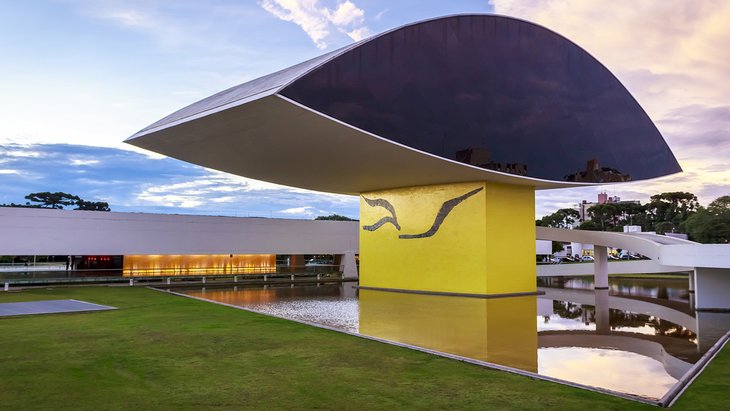
Paving the way for the unconventional building shapes created by later futurist architects such as Frank Gehry and Santiago Calatrava, Oscar Niemeyer left his native Brazil with a treasury of his most iconic buildings. One of these was built as the New Museum, completed in 2002 when Niemeyer was 95 years old, and renamed in tribute to him in 2003.
Balanced on a massive 60-foot pillar, the gallery is formed by a pair of joined arcs that resemble the shape of the human eye, hence its popular name, Museu do Olho – Eye Museum. Access to this raised structure is by a series of curved ramps. Inside the eye, the 2,000-square-foot gallery focuses on architecture, design, and the visual arts, and displays many of Niemeyer's works.
Niemeyer later added a rectangular gallery on the grounds to display changing exhibitions of works by contemporary Brazilian artists. In addition to visiting during its daytime open hours, try to see the Museu Oscar Niemeyer after dark, when it is spectacularly lighted.
Address: Rua Marechal Hermes 999, Curitiba
Botanical Garden of Curitiba
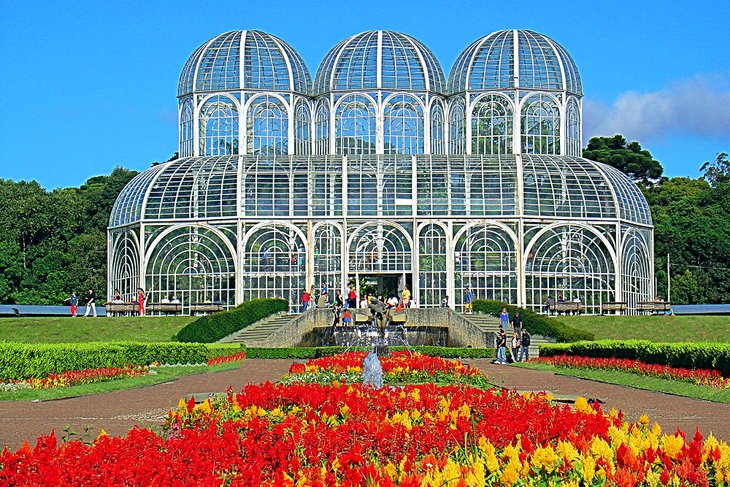
Reflecting the style of 17th- and 18th-century French palace gardens, Curitiba's Botanical Garden was opened in 1991. Formal beds are outlined by low sculpted hedges, in a geometric design inspired by the city's flag. The landscape is enlivened by fountains, waterfalls, and ponds, and in the park surrounding the gardens are forests of native trees, with walking paths.
The focal point of the botanical gardens is the main greenhouse, an Art Nouveau-style conservatory made of glass and white metal, reminiscent of the Crystal Palace in Victorian London. Its unusual shape includes three domes that merge into the rectangular base. Inside are plants native to the region.
Even the grass in the Garden of Native Plants of Curitiba is a native variety, and its flowers are especially attractive to butterflies and other pollinators. The Garden of the Senses (Jardim das Sensações) is a 200-yard path through a wisteria tunnel, where more than 70 plant species are chosen for their fragrance or tactile appeal. Visitors are invited to try walking through it blindfolded to fully appreciate the garden by using their other senses.
Behind the main greenhouse is the Frans Krajcberg Cultural Space, displaying more than 100 large sculptures created from the remains of trees that were burned or illegally cut, calling public attention to the destruction of Brazil's native forests.
Porto de Galinhas & Pernambuco Beaches
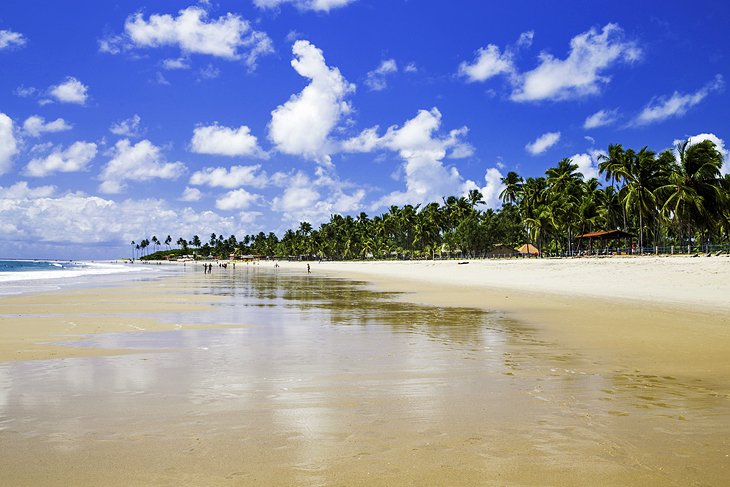
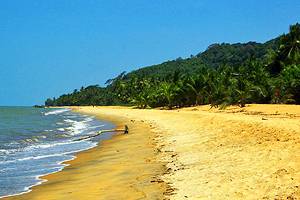
The crystal waters, tall palm trees, and broad stretches of silver sand are only a few of the reasons why Porto de Galinhas is frequently cited as Brazil's best beach. For a country with more than 7,000 kilometers of Atlantic coast, much of it sandy beaches, that's saying a lot.
The town stretching along the beach is laid-back, colorful, and just the right blend of old-fashioned beach town fun and chic boutiques. Its hotels and resorts lie close to the land instead of soaring in high-rise blocks.
Jangadas, picturesque sailboats, will take you out to reef-top pools where brilliant tropical fish swim around your feet in ankle-deep water. You can also take a boat to a lagoon where tiny seahorses swim, and you can scuba dive to explore impressive coral reefs or shipwrecks, kayak in the lagoons and estuary, or buy a fanciful kite from a beach kiosk to fly in the steady breeze. Nearby Maracaipe is popular with surfers.
Porto de Galinhas is just one of the beautiful beaches on Pernambuco's 187-kilometer coast. Closer to Recife, 17th-century Olinda is a UNESCO World Heritage Site overlooking a popular beach. The main beaches in Recife itself are Praia da Boa Viagem, São José da Coroa Grande, and the Carne De Vaca.
Art Museums of Sao Paulo
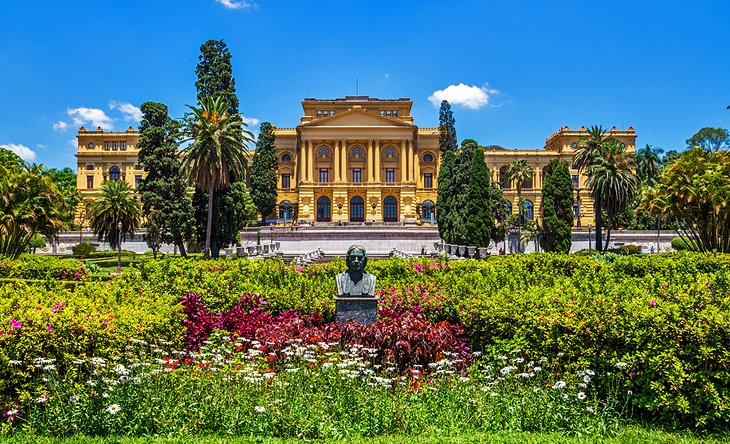
São Paulo holds some of the best collections of fine arts in Latin America, and the buildings in which they are housed are architectural landmarks as well. The Museu de Arte, MASP, displays the continent's most comprehensive collection of Western art, with representative works by artists from the Renaissance through modern masters.
There are 73 bronze sculptures by Degas and works by Renoir, Manet, Van Gogh, Matisse, Picasso, and Miró. From its beginning, the museum has concentrated on works of mid- to late-20th-century artists, and the building designed by architect Lina Bo Bardi is a Modernist landmark.
Oscar Niemeyer designed the Pavilhão da Bienal de Artes in Ibirapuera Park, home to the Museu de Arte Contemporânea. More than 8,000 works of art - one of Latin America's largest collections of 20th-century Western artists - includes Picasso, Chagall, Kandinsky, Miró, and Modigliani along with major Brazilian painters.
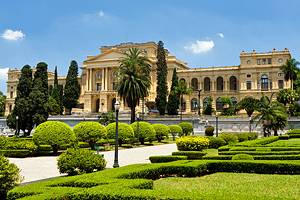
Set above Versailles-inspired formal gardens, Museu do Ipiranga houses paintings and decorative arts.
For another kind of art, don't miss Batman's Alley, an open-air gallery of street art by local and international artists. It is in the bohemian Vila Madalena neighborhood, where you'll also find art galleries showing the works of well-known and rising Brazilian artists and craftspeople.
- Read More: Attractions & Things to Do in São Paulo
Belo Horizonte
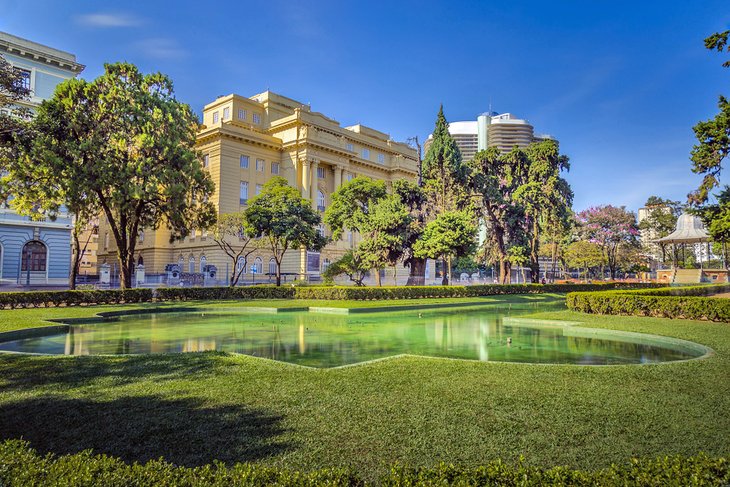
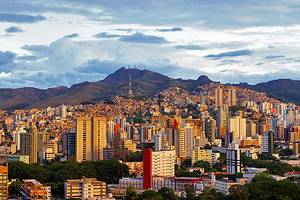
The capital of the state of Minas Gerais gave the pre-eminent Brazilian architect Oscar Niemeyer his first commissions, and today, these early Niemeyer buildings draw tourists and fans of Modernist architecture to the city.
His first major work, which immediately set him apart from conventional architects, was the parabolic-curved São Francisco de Assis church, beside a lake in the Pampulha neighborhood. On the hillside above it, and connected by gardens designed by landscape architect Roberto Burle Marx, is Niemeyer's earlier casino building, now an art museum.
Overlooking the large Praça da Liberdade in the city center is the sinuous apartment building, Edificio Niemeyer, one of his most famous early works. The clean geometric lines of his later Palácio das Artes mark the edge of the Municipal Park, housing the Minas Gerais Craft Center featuring works of contemporary craftsmen.
The postmodern Rainha da Sucata – Queen of Scrap Iron – is another landmark building in Belo Horizonte, this one the work of Éolo Maia and Sylvio Podestá. It now houses the mineralogy museum.
Read More: Attractions & Things to Do in Belo Horizonte & Easy Day Trips