17 Top-Rated Attractions & Places to Visit in Finland
From the vibrant art-filled cities of Helsinki and Turku to the depths of the boreal forests and the thinly inhabited outer archipelago, Finland offers a wealth of attractions and beautiful places to visit.
It's also a relatively unknown corner of Europe, likely because it is so far from the mainstream tourist routes, but the country's many cultural and historical sites add to the unspoiled natural surroundings to make it an ideal destination.
Finland's lakes, fells, rivers, and vast wild areas, along with the certainty of snow in the winter make it a Nordic playground for both winter and summer activities.
Helsinki is the main point of entry for most visitors to Finland. The busy Baltic port is where you'll find the most important museums, as well as architecture by some of the greatest Finnish architects, and numerous things to do.
Within easy reach of Helsinki are the charming smaller cities of Turku and Porvoo. But it would be a shame to confine a trip only to the Baltic coast, when so much beautiful open countryside beckons. To the west lie the Finnish lakes, and in the north is the vast area beyond the Arctic Circle, home of the midnight sun, northern lights, and some of Europe's best winter sports.
Winter or summer, Finland offers plenty of things to do. Plan your trip with our list of the top attractions and places to visit in Finland.
- 1. Suomenlinna Fortress
- 2. Kauppatori (Market Square) and Esplanadi
- 3. Rovaniemi and the Arctic
- 4. Helsinki Churches
- 5. Go Skiing or Ride a Dogsled
- 6. Shop and Browse in Helsinki's Design District
- 7. Watch the Northern Lights
- 8. Åland Archipelago
- 9. Turku
- 10. Porvoo
- 11. Lake Saimaa and Savonlinna
- 12. Vaasa
- 13. Tampere
- 14. Lemmenjoki National Park
- 15. Oulu
- 16. Hameenlinna
- 17. Ranua Wildlife Park
1. Suomenlinna Fortress
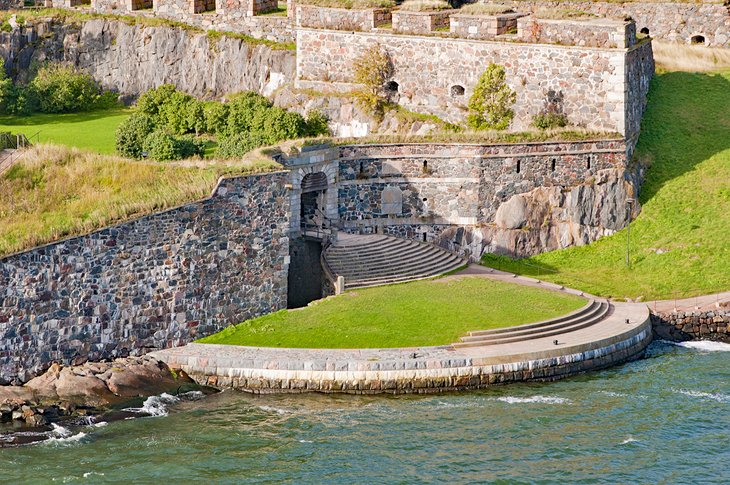
One of the world's largest sea fortresses, the 18th-century fort on Suomenlinna is a 15-minute ferry ride from Helsinki's Market Square (a mini-cruise that has lovely views of the city as a bonus attraction).
The main point of interest is the fortress-castle whose construction was begun in 1748 during an era of Swedish rule, originally named Sveaborg. In 1808, troops surrendered the fortress to invading Russians, and its condition deteriorated over the following century.
Finally, after independence was regained in 1917, the Finns took control of the fortifications and began the slow process of restoring the landmark. It was an active submarine base during World War II, and today it is a UNESCO World Heritage Site and a popular tourist attraction.
Begin with the audio-visual experience in the visitor center (it's in English) for a lively history, then explore its ramparts, tunnels, and museums and walk the trails around the beautiful island. Or sign up here for a guided walk to learn more about the fort and its various attractions. Among these are the 250-ton Vesikko submarine, used by the Finnish Navy from 1936 until the end of World War II.
The Ehrensvärd Museum illustrates the earliest Swedish period, and the Doll and Toy Museum displays dolls, dollhouses, and toys in an old Russian villa. Various buildings house studios and shops of glassblowers, potters, and other craftsmen, and in the summer, you can stay for evening dance and musical performances of the Suomenlinna Summer Theatre.
Official site: https://www.suomenlinna.fi/en
2. Kauppatori (Market Square) and Esplanadi
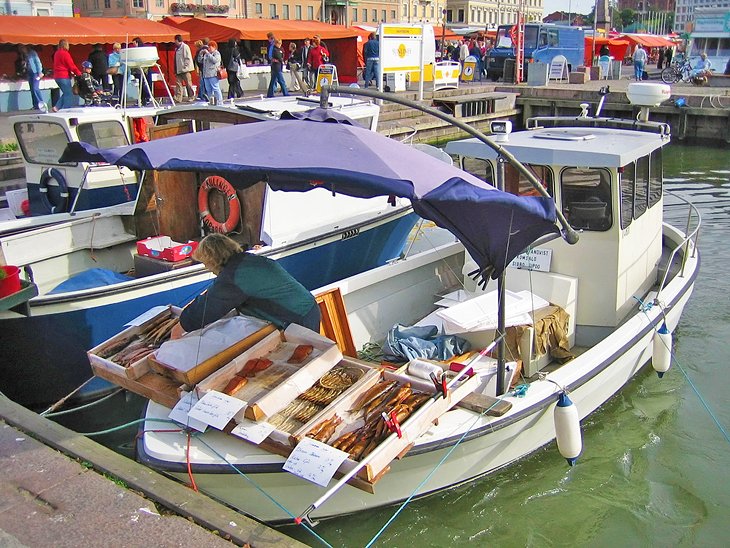
Helsinki's harbor is an integral part of the city, whose important landmarks overlook it. It's also a popular gathering point, with an open-air market of local farmers, craftsmen, food producers, and fishermen, who sell directly from their boats.
You may catch the fragrance of salmon cooking over cedar planks beside the boats, and depending on the season see a rainbow of glistening ripe berries or baskets of foraged woodland mushrooms. The historic 1889 market hall shelters more food vendors, but the outdoor market is a year-round tradition, protected by tarps and tents in the winter.
Stretching from one side of the Market Square, the open swath of the Esplanadi is where the entire city seems to congregate on summer evenings. The tree-lined promenade is bordered by elegant buildings and a pavilion houses the Kappeli Restaurant, whose terrace is especially popular on summer evenings when there are concerts in the bandstand.
A fountain, another work by Eliel Saarinen, supports a statue of Havis Amanda, Helsinki's symbol. Helsinki's most unusual museum, the Street Museum, climbs from market Square to Senate Square, a one-block progression from the early 1800s to the 1930s, with paving surfaces, street lights, mail boxes, and phone booths changing with each era.
3. Rovaniemi and the Arctic
The Arctic Circle runs across northern Finland, right through the town of Rovaniemi, giving it claim to being the Gateway to the Arctic. In the summer, this means the famous Midnight Sun.
While the sun only stays above the horizon for a full 24 hours in Rovaniemi on the summer solstice in late June, from late May to early August it never drops far enough for it to get dark. Locals are out enjoying their great outdoors throughout these "White Nights" and welcome tourists to join them.
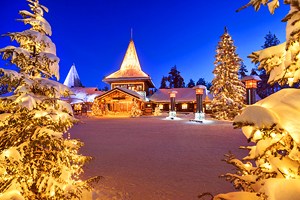
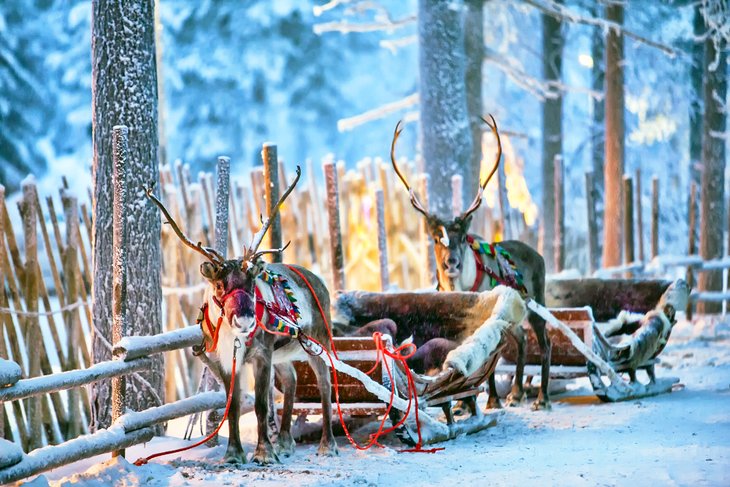
Rovaniemi is in the center of a vast natural area of rushing rivers for canoeing, swimming, or fishing, with trails alongside them for hiking and cycling. The city is best known (ask any Finnish child) as the home of Santa Claus, right astride the Arctic Circle at Santa Claus Village. You can meet reindeer here or visit a Sami reindeer farm.
To learn more about the Lapland culture and about the natural history, meteorology and geology of the Arctic, visit the stunning Arktikum Science Museum.
Read More: Top-Rated Things to Do in Rovaniemi
4. Helsinki Churches
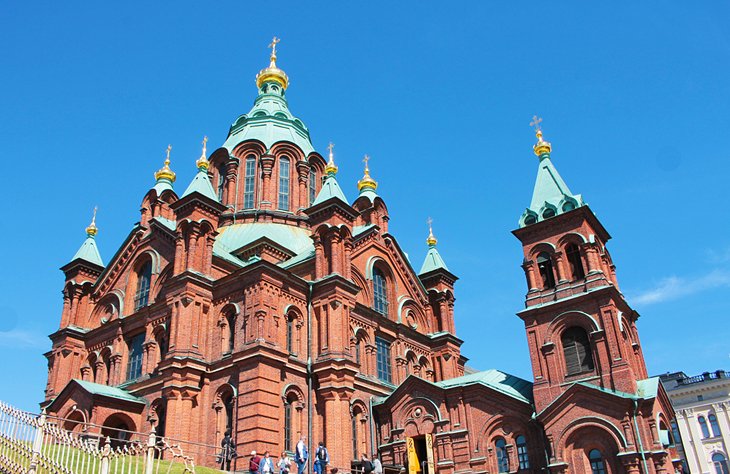
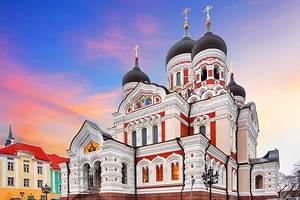
Three of the top places to visit in Helsinki are churches, two of them cathedrals and the third a landmark of modern architecture. Uspensky Orthodox Cathedral rises dramatically above the east side of the harbor, its 13 green-topped spires ending in gold cupolas. This is western Europe's largest Orthodox church, its interior glowing with gold, icons, crosses, altars, and intricately decorated arches. The cathedral serves Helsinki's large Russian population, and visitors are welcome.
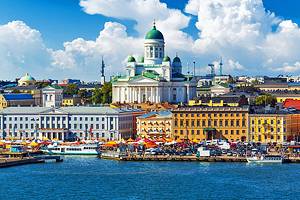
On the hill directly behind the harbor and an equally visible landmark to those approaching Helsinki by sea, the huge Neoclassical Lutheran Cathedral is so close and so large that it appears to be standing on the roofs of the harbor-front buildings. The tall green dome and broad steps of the early 19th-century cathedral form the majestic focal point of Senate Square.
The buildings facing the square complete a harmonious enclosure, one of Europe's most beautiful public squares. It is used frequently for celebrations and as the starting point of parades. In December, the entire square is filled with booths selling beautiful local crafts and holiday foods.
While these two cathedrals are firmly in the traditions of their denomination, Temppeliaukio Church is an architectural experiment, carved into solid rock on a relatively small space in the center of the city. Architects Timo and Tuomo Suomalainen designed the church, covering it with a rounded, woven copper roof supported by concrete spokes. The acoustics created by the combination of copper and stone are remarkable, making this a popular venue for musical concerts of all styles.
5. Go Skiing or Ride a Dogsled
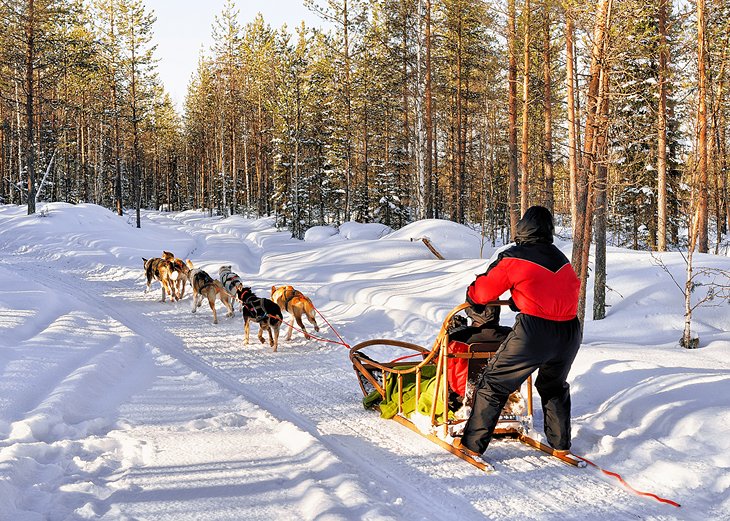
In the winter, the Arctic region is a paradise for skiers and others who love snow and ice sports. You can ride across frozen lakes and visit Sami villages on a dogsled safari, learn to drive your own reindeer sled, snowshoe, or cross-country ski for miles, and watch the spectacular northern lights.
Downhill skiers should head about 170 kilometers north of Rovaniemi to Levi, a center for all winter recreation, with miles of scenic Nordic ski trails, lighted for night skiing. So are the pistes and slopes of Finland's largest downhill ski area. Many hotels at Levi have rooms with glass ceilings, so you can watch the northern lights from inside.
6. Shop and Browse in Helsinki's Design District
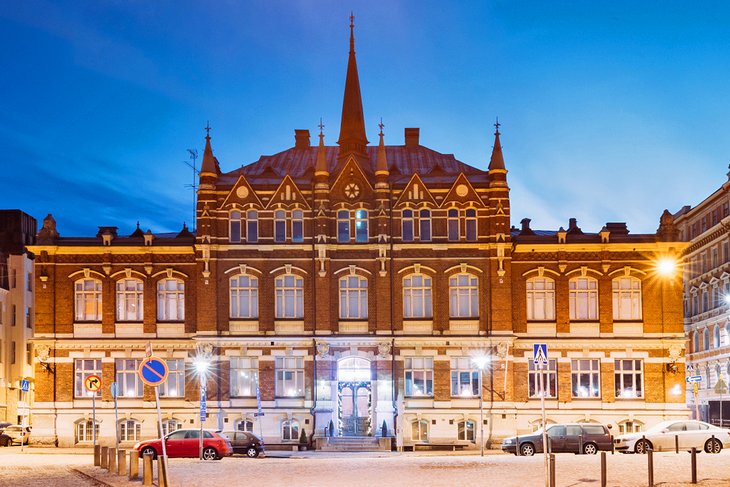
The epicenter of modern Scandinavian design, Helsinki has an entire district devoted to studios, galleries, and even antique shops dedicated to Finish designers and their work. Whether you're shopping or just looking, a few hours in these neighborhoods is a chance to experience this vibrant facet of Finnish arts and culture.
Design District Helsinki brings together creative people in the central neighborhoods of Punavuori, Kaartinkaupunki, Kamppi, and Ullanlinna, where you'll find boutiques, galleries, and studios devoted to contemporary designs in fashion, jewelry, furnishings, tableware and everyday items.
Along with the shops, you can arrange visits to some designer studios, such as Raaka Rå (organic pottery) and Paja (artisan jewelry) to see craftspeople at work; contact them through the Design District website. You'll also find shops specializing in design-driven antiques and vintage Finnish designs, such as Art.fi and Artek 2nd Cycle.
For an overview (and a great shop) visit the Design Forum Finland on Erottajankatu, which showcases the best of Finnish design in everything from dishes to paperclips. To see how Finnish design and craftsmanship have developed, and see some outstanding examples from the past, visit the Design Museum in the Kaartinkaupunki neighborhood.
Official site: https://designdistrict.fi/en/
7. Watch the Northern Lights
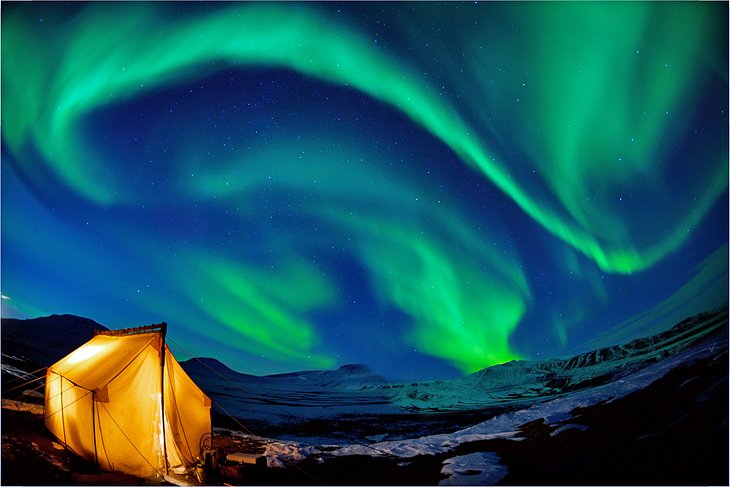
For most people, seeing these blazing curtains of light drape across the sky is a once-in-a-lifetime treat. Finland is one of the best places in the world to see the northern lights. Although, at times, the lights can be seen even in the southern most regions of the nation, the best place to see them is in the region close to or north of the Arctic Circle.
Here, between September and March, visitors are almost guaranteed a show if the sky is clear. A wide range of hotels in the north cater specifically to people wanting to see the lights. Also, the Finnish Meteorological Institute allows you to sign up for free Northern Lights email alerts.
8. Åland Archipelago
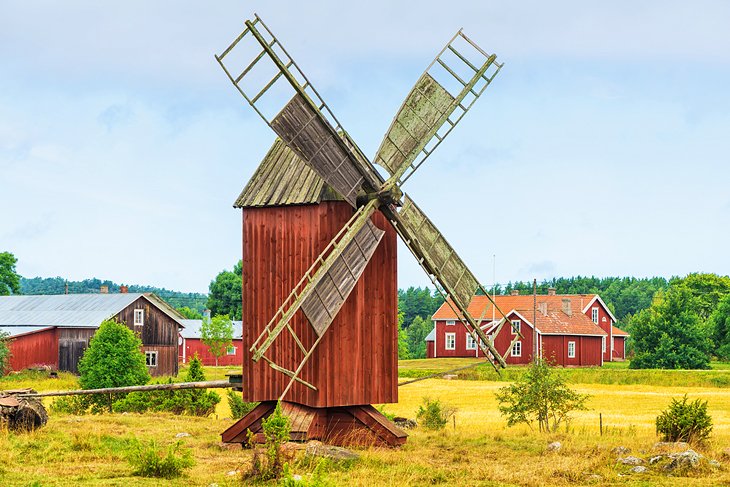
The Åland Islands (or Åland) are an autonomous archipelago between Sweden and Finland. A predominantly Swedish-speaking province of Finland, Åland is comprised of a few large islands and nearly 10,000 smaller ones. Åland has a unique history. It was ceded to Russia by Sweden in 1809. In 1854, a combined British/French fleet took the islands, destroying the fortress. After that, the entire archipelago was demilitarized and remains so to this day.
About 27,500 people live in Åland, with about 11,000 in the main town of Mariehamn. The main industry of the islands has always been shipping and trade, so the Maritime Museum, the Museum Ship Pommern, and the Maritime Quarter in Mariehamn are worth seeing to understand the islands' fascinating maritime history.
Also worth a visit is the Jan Karlsgården open-air museum in Kastelholm, where you can see what a typical island farm looked like around 1890. However, the big draw to Åland these days is its unspoiled nature and beautiful landscapes.
On midsummer's eve, Åland holds a massive and ancient celebration marking the longest day of the year. The lovely landscapes and seascapes make it a favorite with artists, and their studios and galleries are popular with tourists, who arrive by boat from Turku and Stockholm.
9. Turku
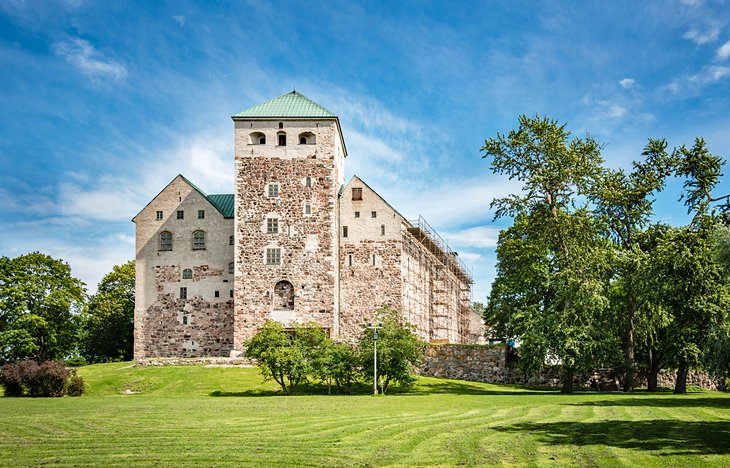
The southwestern Finnish town of Turku, the country's oldest town and until 1812 its capital, lies on the Gulf of Bothnia, at the mouth of the Aurajoki River. Turku lies in the area where the successors to the Swedish Vikings landed in the 12th century and set out to conquer what is now Finland.
With eight centuries of history, it is today the most traditional medieval town in Finland, but in addition to its outstanding medieval buildings, you'll find examples of Art Nouveau and modern architecture, such as the Sibelius Museum, by Woldemar Baeckman.
The river is a focal point for the city, lined with historic boats, some of which have been converted into restaurants. In the summer, locals gather along its banks in the evening and in the winter, it becomes a giant skating rink.
On the northeast side of the river is the commercial center with the Kaupatori (market square) shopping center and lovely Orthodox Church. On the opposite bank the medieval cathedral, consecrated in 1290, rises above the Old Great Square. It is a massive brick church in Late Romanesque style with Gothic and Renaissance additions and a massive 97-meter-high tower, which dominates the city.
During the midsummer Medieval Festival, the old square's ensemble of historic buildings regains its medieval air with craft stalls and food vendors.
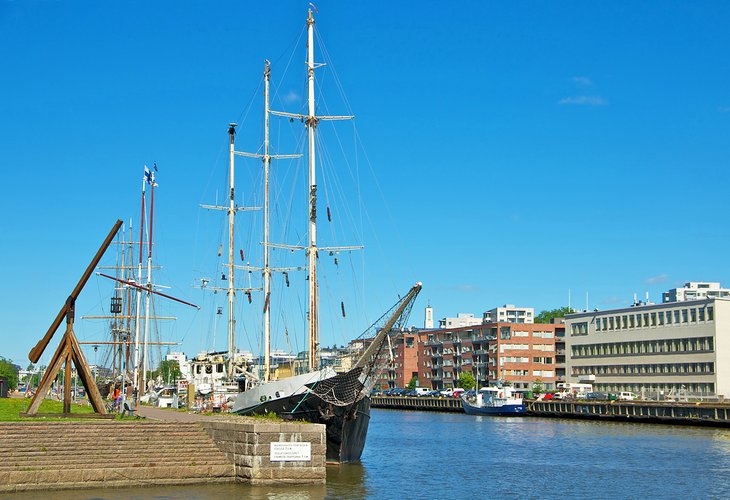
Just down from the cathedral along the river, two old sailing ships are moored - the "Suomen Joutsen," now a training school for seamen, and the "Sigyn," the last remaining wooden barque used for sea trade. Both are open to the public in summer.
Nearer the harbor is Turku Castle, built around 1300 on what was then an island at the mouth of the river. It was enlarged in the 16th to 17th century and now houses the Turku Historical Museum.
For a look at what Turku looked like in the early 1800s, stroll through the streets of the Luostarinmäki Handicrafts Museum, an entire neighborhood of 40 homes, the only ones saved in the fire that destroyed Turku in 1827. Preserved as a museum village, its homes and workshops now house artisans who demonstrate period crafts.
10. Porvoo
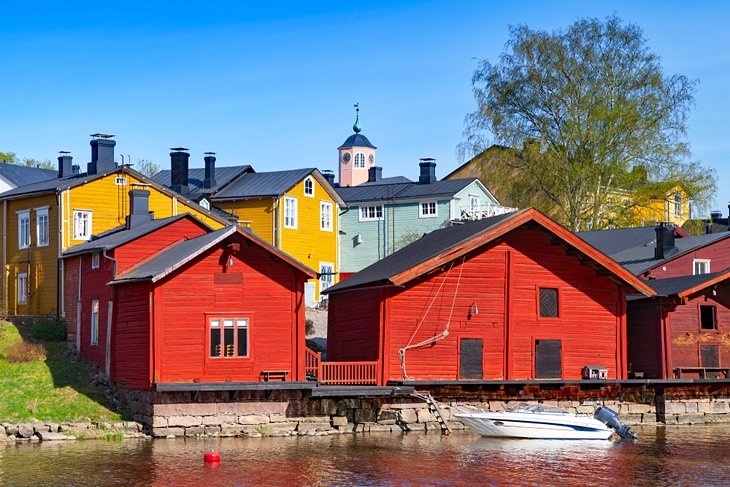
The country's second oldest town, Porvoo, is 48 kilometers east of Helsinki. It rises from a picturesque riverfront lined with little red wooden buildings, through a charming tangle of old streets and ochre-colored wooden houses to its hilltop medieval cathedral. Highlights here are the ornate 1764 pulpit and wall paintings from the 15th century.
Between the river and the hilltop cathedral is the Market Square with two museums worth visiting. One has exhibits on local history and the other, the Edelfelt-Vallgren Museum, is of particular interest to those fascinated by the Art Nouveau movement. It features the furniture, ceramics, and other works of several artists who formed an art colony here at the turn of the 20th century.
Porvoo is still known for its fine crafts, so allow time for browsing the shops and studios. In the summer, you can visit Porvoo from Helsinki by boat.
11. Lake Saimaa and Savonlinna
The entire eastern portion of Finland is more sea than land. With literally tens of thousands of lakes, rivers, marshes, and ponds, eastern Finland is a fabulous aquatic playground. The dominant lake of the region is massive Lake Saimaa, the "lake of a thousand islands." Lake Saimaa itself has an area of some 1,300 square kilometers - excluding its numerous islands.
The whole lake system is drained by the river Vuoksi, which leaves Lake Saimaa to the north of the town of Imatra and flows into Lake Ladoga in Russia. The hilly shores of the lake and most of the islands are almost entirely covered with coniferous forest, with some birch forest farther north.
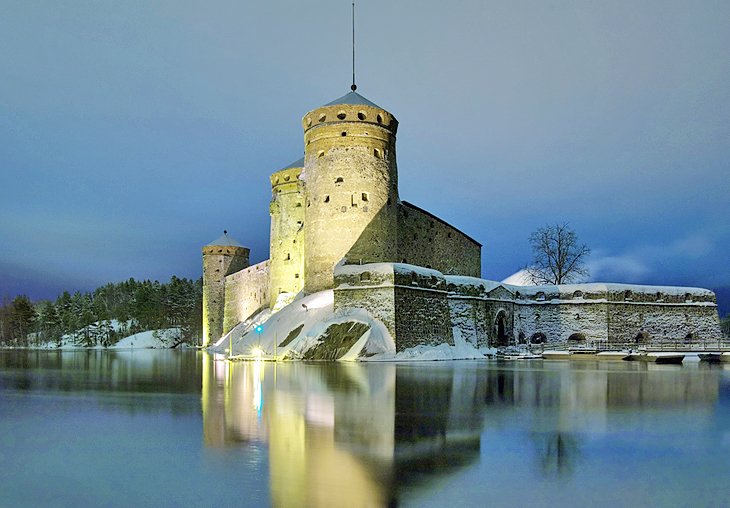
Savonlinna is the main city of Finland's lake region. A popular spa and holiday resort, Savonlinna grew up around Olavinlinna Castle, begun in 1475 and Europe's northernmost medieval stone fortress still standing.
The castle, which has been beautifully restored, contains a number of handsome rooms, among them the King's or Knights' Hall, the Congress Hall, and the Great Hall. Three massive round towers have survived, and in one of them, the Church Tower, is a small chapel. In the Great Bastion is a summer café.
East of Savonlinna lies Kerimäki and the largest wooden church in the world. A must do when in the lake region are the boat cruises. From Savonlinna, there are boat trips to the other towns on Lake Saimaa, to Punkaharju, with the Retretti Art Center, the largest in the Nordic countries, to the monasteries of Uusi Valamo and Lintula. Another day trip option is a cruise down the Saimaa Canal to Vyborg in Russia on the Baltic Sea.
12. Vaasa
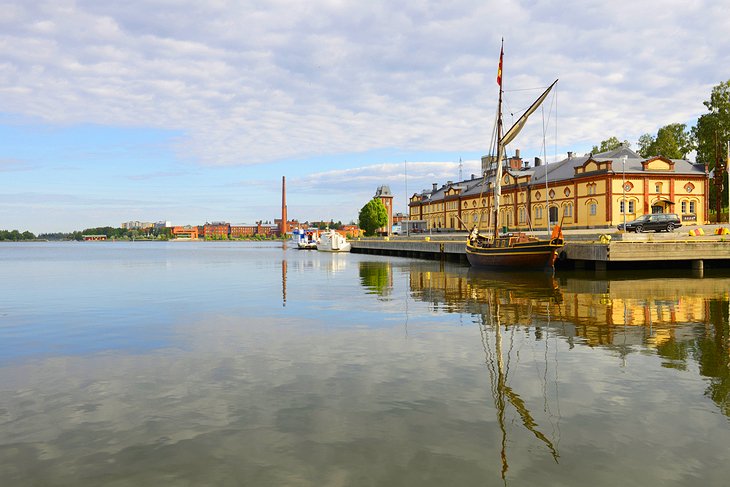
Established in the 1300s, Vaasa was an important town in the time that Sweden ruled Finland. The original town burned down in 1852 and was relocated six kilometers northwest near a better harbor. The ruins of the old city are now a giant park (Vanha Vaasa, Gamla Vasa).
The town is about 34 percent Swedish speaking and retains many ties to Sweden. Surrounded by a wide range of cafés, restaurants, and shops, the large market place is the center of city life. This peaceful town offers plenty of attractions. Visitors can walk along the waterfront, which begins in front of the town and extends for miles along the coast.
Other attractions include the Kuntsi Museum of Modern Art, down at the harbor, the Ostrobothnian Museum, the Terranova Kvarken Nature Center, the Tikanoja Art Museum, and the Vaasa Maritime Museum.
Just to the east of the city center, on an island, is Tropiclandia and tropical spa, a waterpark inside a heated dome packed with pools, slides, and saunas. South of Vaasa is the famed Söderfjärden crater caused by a meteor millions of years ago. To the north lies the Kvarken National Park, a wild archipelago hosting many great hikes and excellent bird-watching opportunities.
Vaasa also hosts a number of notable cultural events, including the Night of the Arts; the Korsholm Music Festival, one of the most noted of chamber music festivals; and the Vaasa Choir Festival. Vaasa claims to be the sunniest town in all of Finland, so soak up some rays on one of the many beaches.
13. Tampere
Founded in 1779 as an industrial settlement, Tampere is Finland's third largest town, but doesn't feel like a large urban center. It lies between two lakes: Näsijärvi, to the north, and Pyhäjärvi, to the south, which are linked by the Tammerkoski, a stretch of rapids nearly a kilometer long.
Along with its industry, Tampere is known for its active cultural life with an open-air theater and frequent festivals. These include the November Tampere Jazz Happening, a tradition now for more than 35 years, when world-renowned names in jazz perform throughout the city in small concert venues and clubs.
In the Vapriikki Museum, you'll find the Natural History Museum and other exhibitions. Three churches are of note: Tampere Cathedral is known for its unusual paintings and frescoes depicting skeletons in black hooded capes, created in the early 1900s by Finnish symbolist painter Hugo Simberg.
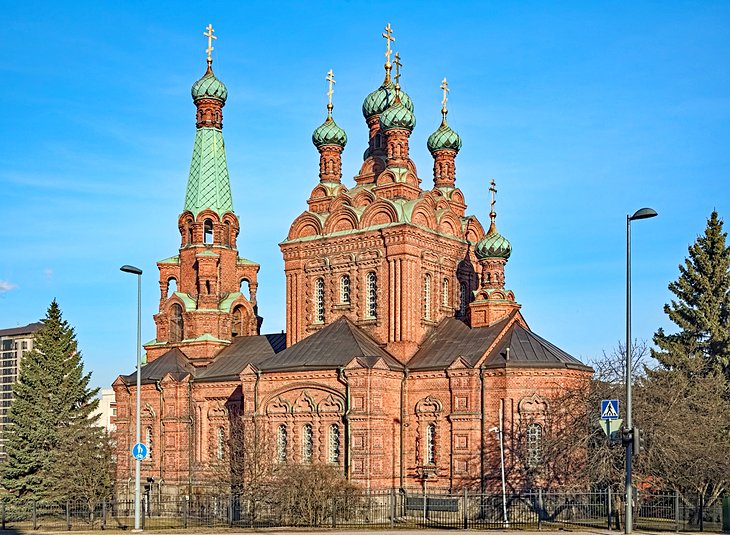
The Kaleva Church, a soaring concrete building constructed in the 1960s has a floor plan in the shape of a fish, an ancient Christian symbol. The green-domed brick Orthodox Church of Saint Alexander Nevsky and Saint Nicholas has a sumptuously decorated interior.
14. Lemmenjoki National Park
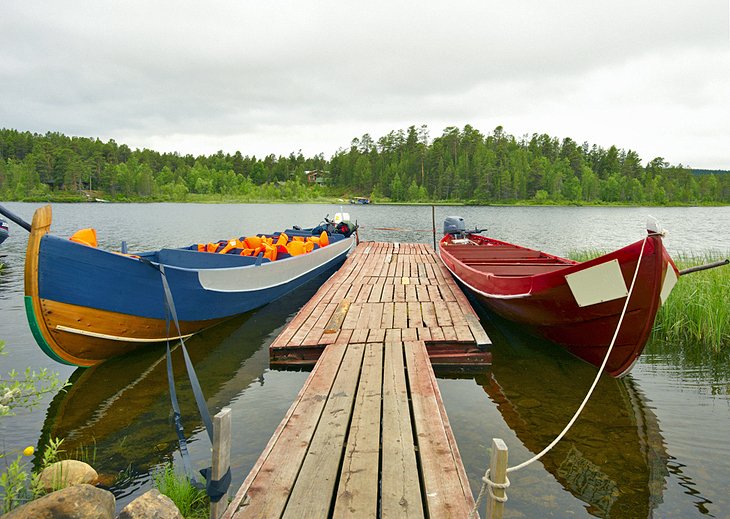
Anyone seeking an Arctic wilderness experience will love Lemmenjoki National Park. The tract of boreal forest is the largest park in Finland and one of the most extensive chunks of wildlands in all of Europe, covering more than 2,589 square kilometers. For the trekker, there are hundreds of kilometers of marked trails, as well as free and open wilderness huts and more sophisticated rental huts with sauna and campfire places.
The namesake of the park, the Lemmenjoki River, is a sight to behold as it flows down from the fells into a stunning valley of towering pines. Visitors can either rent a boat or take a tour. This is the place to find brown bear, wolves, and wild golden eagles, as well as moose and reindeer.
15. Oulu
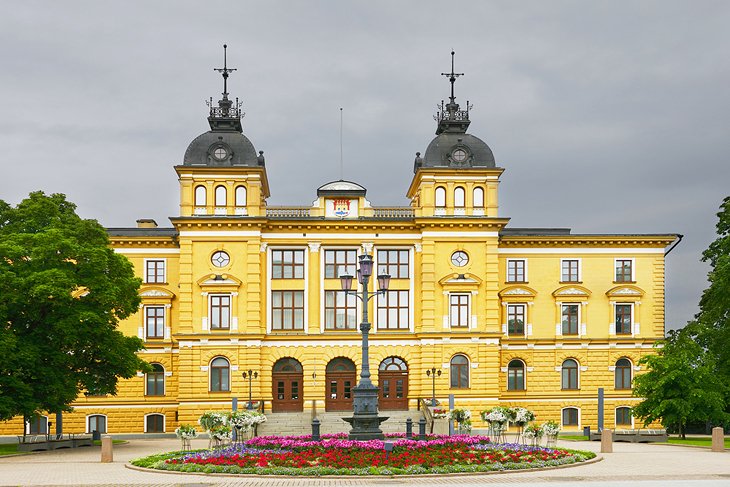
Sweet little Oulu lies near the north end of the Gulf of Bothnia, at the mouth of the Oulujoki river. It began as a village clustered around the late 16th-century castle built by King John III of Sweden on the island of Linnansaari at the mouth of the Oulujoki.
At the north end of the busy Kirkkokatu stands the cathedral, originally built in 1770-72. Beyond, at the north end of Kirkkokatu, a small bridge leads into the beautiful island of Ainola, where you'll find a park and the Provincial Museum. Farther north is the Botanic Garden, and on the island of Hupisaari, a summer theater.
Another popular tourist attraction is the Tietomaa Science Center to the east of the Oulu Botanic Garden. In the summer, spend some time at the Market Square over coffee and classic Finnish pastries. A few kilometers up the Oulujoki is the island of Turkansaari, once the home of Russian traders in the city and now an open-air museum.
16. Hameenlinna
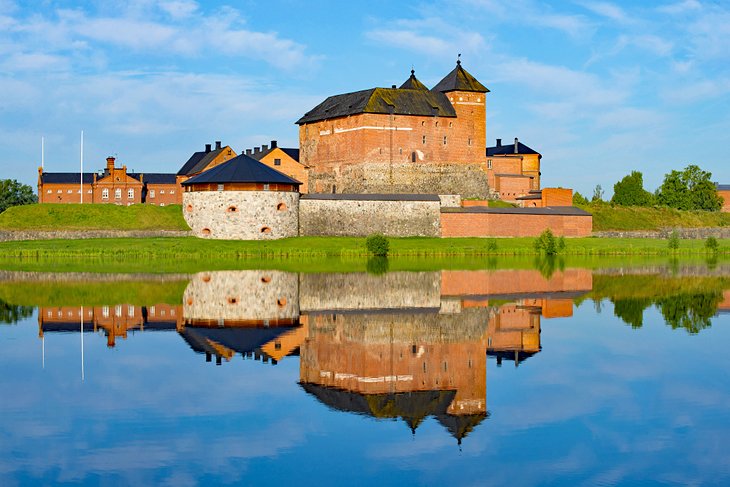
Like many Finnish towns, Hämeenlinna began near a castle, in this case the 13th-century Tavastehus Castle. Its distinctive red-brick fortifications top the list of places to see in Hameenlinna. The other place you shouldn't miss seeing is Aulanko Nature Reserve. Part garden park, part forest reserve, it is the first National Urban Park in Finland.
The English-style park was constructed between 1883 and 1938, and in addition to hiking its well-kept trails among exotic and native trees, you can climb the 30-meter-tall granite tower on Aulangonvuori Hill for views across a typical Finnish forest and lake landscape. More than 50 different species of trees and shrubs are identified along the nature trail round Lake Joutsenlampi. Two historic pavilions and the ruins of a late 19th-century castle are also in the park.
Hämeenlinna was the birthplace of the Finnish composer Jean Sibelius (1865-1957) and north of the market Square is the Sibelius Museum; a little bit farther on is the Sibelius Park and the nearby Hämeenlinna Historical Museum.
17. Ranua Wildlife Park
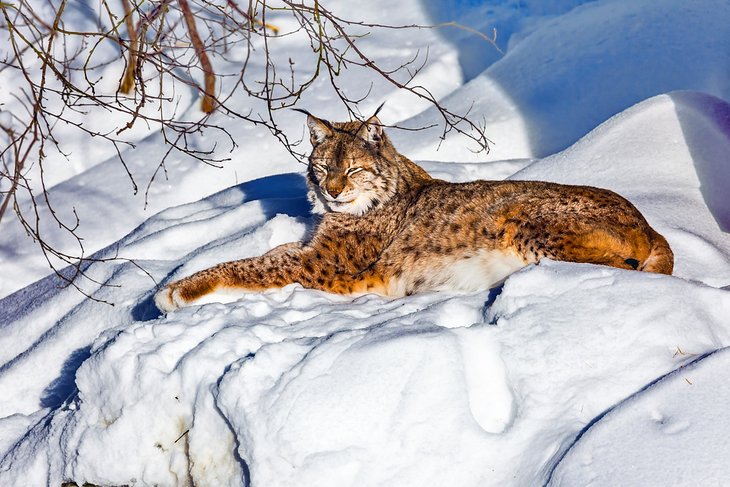
This park is part zoo and part wildlife preserve, home to more than 50 species of animals who call the arctic their home. Their most famous residents are Venus and Manse, the only polar bears residing in Finland. The park is naturally home to many reindeer, as well as the smaller wild forest reindeer and several varieties of deer.
Other park residents include large mammals like moose and brown bear, canines like the Arctic fox, grey wolf, and the dhole, and smaller animals like mink, otter, and stoat. There is also quite a variety of owls and geese, as well as several eagles and other birds. Visitors can stroll the grounds for a self-guided tour or book an "arctic safari" to learn more about the animals and their habitat.
Address: Rovaniementie 29, 97700 Ranua, Finland
Official site: https://english.ranuazoo.com
More Related Articles on PlanetWare.com
Exploring Finland's Neighbor: After seeing so many hints of Swedish culture in Finland, which was a part of Sweden for much of its history, you may be intrigued by this neighbor just across the Gulf of Bothnia. A short flight or overnight ferry trip will bring you to Stockholm and its archipelago. PlanetWare's article on the Top-Rated Tourist Attractions in Sweden can help you plan travels throughout the country.
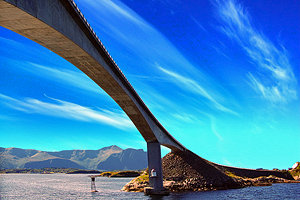
More of Scandinavia: Norway is connected to Sweden by land, and thanks to the new Øresund Bridge, you can also reach Denmark by bus, train, or car. To see the best of these countries and their lively capitals of Copenhagen and Oslo, take a look at our articles on the Top Tourist Attractions in Norway and Top Tourist Attractions in Denmark.