11 Top-Rated Tourist Attractions in Swansea
The second largest city in Wales, Swansea is also the name of the county in which this important cultural and economic center can be found. This coastal town is known as "Abertawe" in Welsh, and its suburbs extend as far as the scenic Gower Peninsula.
A port at the mouth of the River Tawe, Swansea grew in size thanks to the export of iron, coal, and copper, the latter once so important that it leant Swansea its nickname of "Copperopolis." These days, Swansea is now an important trading center, university town, and industrial base.
It's also a big draw for tourists and one of the top places to visit in Wales thanks to its vibrant cultural life. Find the best things to do in this lovely coastal town with our list of the top tourist attractions in Swansea, Wales.
- 1. Explore the Gower Peninsula
- 2. Three Cliffs Bay
- 3. The Dylan Thomas Birthplace
- 4. Take a Stroll in Clyne Gardens
- 5. Shopping in Swansea Market
- 6. Visit During the Swansea International Festival
- 7. The Mumbles and Swansea Bay
- 8. National Waterfront Museum
- 9. The Swansea Museum
- 10. The Dylan Thomas Centre
- 11. Glynn Vivian Art Gallery
- Map of Tourist Attractions in Swansea
- Swansea - Climate Chart
1. Explore the Gower Peninsula
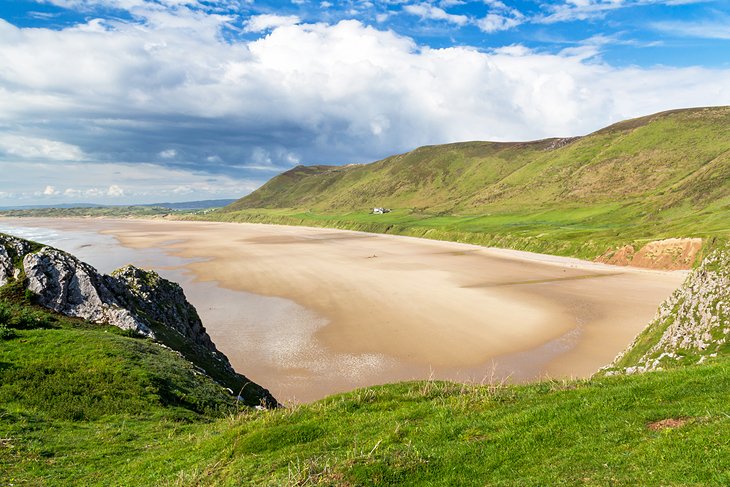
The Mumbles form the gateway to the Gower Peninsula (Penrhyn Gŵyr), a limestone massif of great scenic beauty. In fact, it's so attractive that the charming Welsh south coast here has been classified as an Area of Outstanding Natural Beauty. It's also a nature reserve that, apart from the towns and villages, is only accessible on foot. It's one of the top places to capture beautiful pictures in Wales.
There are a number of great beaches to explore here, including sandy stretches at Langland and Caswell Bay. Both are particularly popular among surfers. In fact, the Gower Peninsula is becoming an increasingly popular place to visit for tourists who like outdoor adventures. Whether you like to walk, waterski, abseil, sail, wakeboard, or play golf, you're sure to find something fun to keep you occupied.
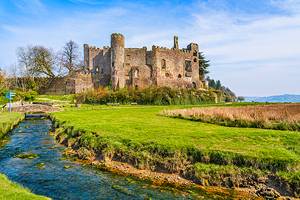
If there's time in your travel itinerary, try to visit a Norman castle, the castles at Pennard and Oystermouth in particular are worth a trip. You can also stop to see Arthur's Stone, a famous monument along the ridge at Cefn Bryn.
The peninsula boasts a mild oceanic climate and good soil on its chalky clay deposits, making it ideal for agriculture. This fact is reflected by the wide variety of crops grown in the market gardens around Bishopston and Killay.
Also of interest is Weobley Castle. Located on the opposite side of the Gower Peninsula from Swansea, this attractive 13th-century house combines domestic comfort with security.
Location: West Glamorgan, Wales
2. Three Cliffs Bay
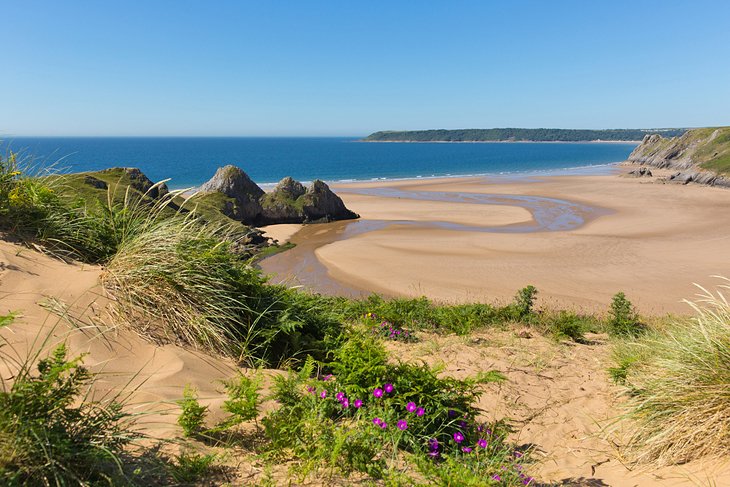
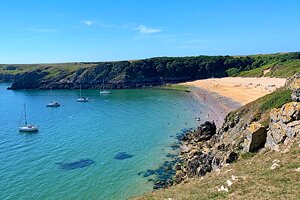
Also often referred to as "Three Cliff Bay," this breathtakingly beautiful bay is situated on the south coast of the Gower Peninsula just 20 minutes' drive away from downtown Swansea. So named for the three cliffs that jut into the bay, it's a perfect place for a walk or picnic.
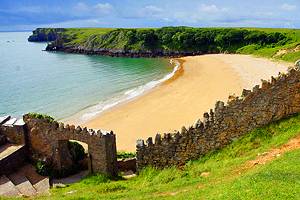
Although getting down to the beaches can be a bit steep and cumbersome, the view when you get there is worth every step. The bay is actually home to a number of beaches each side of the main beach. Be warned, though, that they're usually only accessible when the tide is out, when the area appears to be one large beach.
Many tourists enjoy the spot so much that they park caravans nearby to enjoy a camping holiday. Others bring their dogs along to frolic in the water.
3. The Dylan Thomas Birthplace
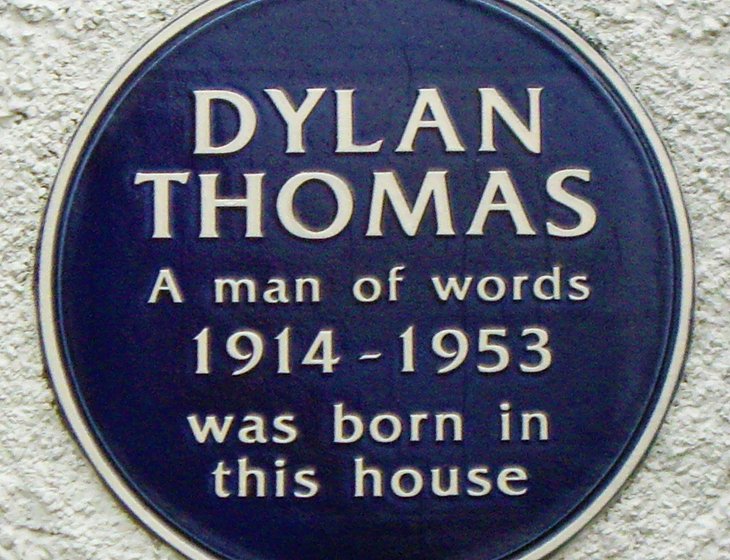
This restored home of famed Welsh poet and writer Dylan Thomas allows tourists to step back in time. Guests can enjoy an Edwardian afternoon tea party, lunch, or dinner in Thomas's old abode. They can even eat in Thomas's parlor and snoop through his study while soaking up stories of the poet's life on a guided tour.
If walking through the house isn't enough, guests may even choose to spend the night here. Tourists are more than welcome to snuggle up in one of the house's cozy, perfectly restored bedrooms, which remain much as they would have in 1914.
Another plus: the owners of the house offer guided tours of Thomas's old haunts. A well-trained guide takes tourists through Swansea, the Uplands, Mumbles, and Gower, and makes them feel as if they're seeing these places through Thomas's eyes.
Those who really want to impress their friends can even hire actors to perform Thomas's works at the house. Be sure to call before visiting, as the house may be booked for an event.
Address: 5 Cwmdonkin Drive, Uplands, Swansea, Wales
Official site: http://dylanthomasbirthplace.com/
4. Take a Stroll in Clyne Gardens
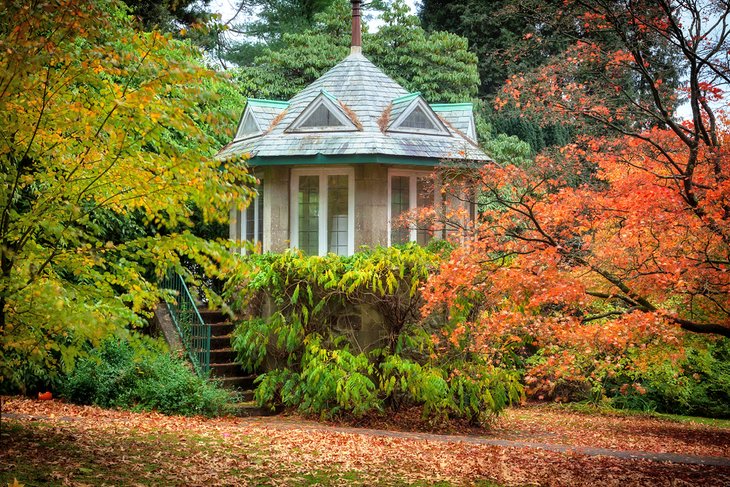
Swansea boasts many magnificent parks. But its Clyne Gardens are perhaps the city's most popular green space. Established in 1860 and famed for its colorful displays of rhododendrons and azaleas, this superb botanical garden, once part of the old Swansea Castle, consists of 47 acres of parkland and gardens.
All told, the grounds feature more than 2,000 species of plants, including over 800 varieties of the aforementioned rhododendrons. A lovely gazebo is a park highlight and was built by an old admiral in order to keep an eye on ships entering Swansea Bay.
Other features to check out are the bamboo-filled Japanese garden, an artificial lake with scenic bridges and a waterfall, the bog garden and bluebell wood, as well as the 1908 Clyne Chapel.
Address: Mayals, Swansea, Wales
Official site: www.swansea.gov.uk/clyne
5. Shopping in Swansea Market

Swansea's mostly indoor market offers a perfect escape from the rain, not to mention a good excuse to treat oneself to something tasty or shiny. Although markets have been held in the streets of Swansea since the Middle Ages, much of the city's modern day market is held indoors, and has been since the 1700s.
Today, this shopping mecca is not only the largest indoor market in Wales, it's also home to more than 100 stalls selling everything from jewelry to tomatoes. Delicacies include varieties of strong Welsh cheese, mussels from nearby Burry Bay, and laver bread made from seaweed and served with oatmeal. With so much to choose from – shoes, ornaments, clothing, books, and greeting cards are also available here – everyone will find something nice to take home. The market is held everyday except Sunday.
Once you have finished browsing, enjoy wandering through the wide Kingsway at the heart of the town center. Those who are still fighting the shopping bug can visit the city's main shopping areas along Union Street, Oxford Street, High Street, Princess Way, and Portland Street.
Address: Oxford Street, Swansea, Wales
Official site: www.swanseaindoormarket.co.uk
6. Visit During the Swansea International Festival
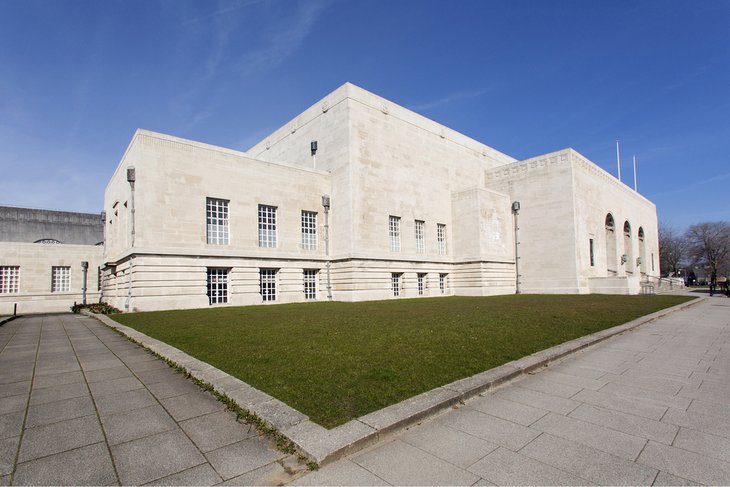
The cultural life of Swansea, which counts the eloquent Welsh poet Dylan Thomas (1914-1953) among its sons, is always lively, with the theater and the arts well supported.
The Swansea International Festival (formerly the Swansea Festival of Music and the Arts) is the high point of the town's social calendar. This world-renowned event takes place every October (and sometimes during late September) at a variety of venues around town.
These include Brangwyn Hall, All Saints Church, Great Hall, Taliesin Arts Centre, the National Waterfront Museum, and Volcano Theatre. This popular annual festival includes various large-scale concerts by world-famous orchestras, as well as local musical talent, theatrical productions, opera performances, and art exhibits.
Another popular Swansea event is the Gower Festival. This two-week festival offering nightly performances of choral and chamber music.
Official site: www.gowerfestival.org
7. The Mumbles and Swansea Bay
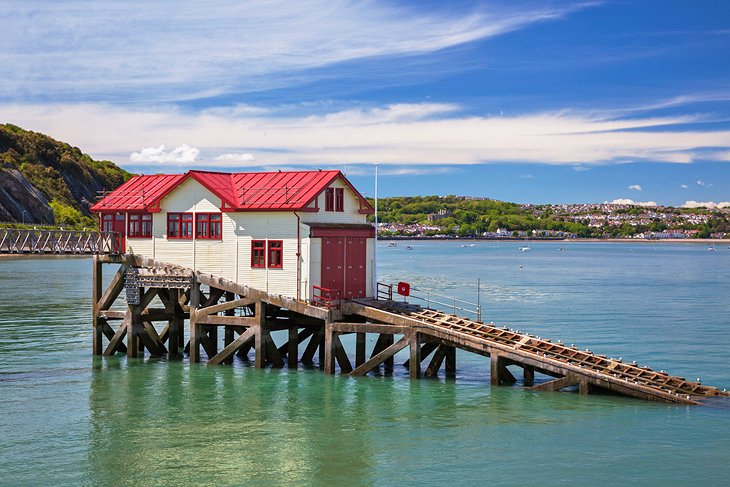
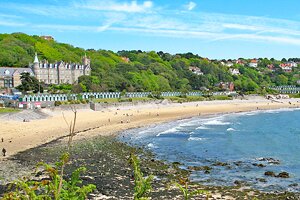
The Mumbles, a headland that is part of wide Swansea Bay, is a wonderful place to walk and explore. Called "Mwmbwls" in Welsh, this fishing village sits at the western edge of the bay. Thanks to its long promenade, piers, cafés, restaurants, and numerous entertainment facilities, it's a popular destination for locals and tourists alike.
The Mumbles is a great place to cycle, rest, or wander while soaking up the refreshing atmosphere. With a bevy of play areas throughout, kids love coming here, too.
On a hill above the Mumbles lie the ruins of 13th-century Oystermouth Castle with its gatehouse, great hall, and chapel. A prominent lighthouse stands on Mumbles Head, the two cliffs from which the area gained its name.
Address: Castle Ave, The Mumbles, Swansea, Wales
8. National Waterfront Museum

A mere 10-minute walk from the Glynn Vivian Art Gallery, the architecturally stunning National Waterfront Museum (Amgueddfa Genedlaethol y Glannau) is a must-see when in Swansea. Highlighting over 300 years of industry and innovation in Wales, this fun museum uses hi-tech displays and exhibits to show just how important the region was to the development of Britain.
Highlights of the museum's 15 themed galleries are old steam-powered machines and railway engines, as well as a variety of maritime-related artifacts. Once you've had your fill of innovation, walk by the Swansea Docks to the Swansea Marina, where you can gawk at historic sailing vessels and inhale the deep-sea air. Admission is free.
Address: Oystermouth Road, Maritime Quarter, Swansea, Wales
Official site: https://museum.wales/swansea/
9. The Swansea Museum

No visit to this Welsh city is complete without taking a look at the Swansea Museum. The oldest museum in Wales, the Swansea Museum was established in 1841.
Today a visit to this fine establishment is undoubtedly one of the best things to do for free in Swansea. Among its six galleries are everything from ancient Egyptian mummies to fascinating exhibits dealing with life in the city during two World Wars.
Swansea Museum also has a number of interesting annexes. Located in the city's Maritime Quarter are a number of historic vessels, including a lightship and a tugboat, as well as a large collection of memorabilia and artifacts related to public transit housed in the city's former tram shed. A gift shop is located on the premises.
Address: Victoria Rd, Maritime Quarter, Swansea, Wales
Official site: www.swanseamuseum.co.uk
10. The Dylan Thomas Centre

Located in the historic old Swansea Guildhall, the Dylan Thomas Centre houses a superb exhibition focusing on the work and life of the great Welsh poet after which it's named. A permanent exhibit, "Love the Words," uses Thomas' writing, including letters and published works, as well as photographs, to explore the poet's rich life.
The center also serves as a focal point for a variety of leading literary events and festivals, including the annual Dylan Thomas Festival held each autumn. It also hosts a regular program of music performances and book readings.
Address: 6 Somerset Place, Swansea, Wales
Official site: www.dylanthomas.com
11. Glynn Vivian Art Gallery
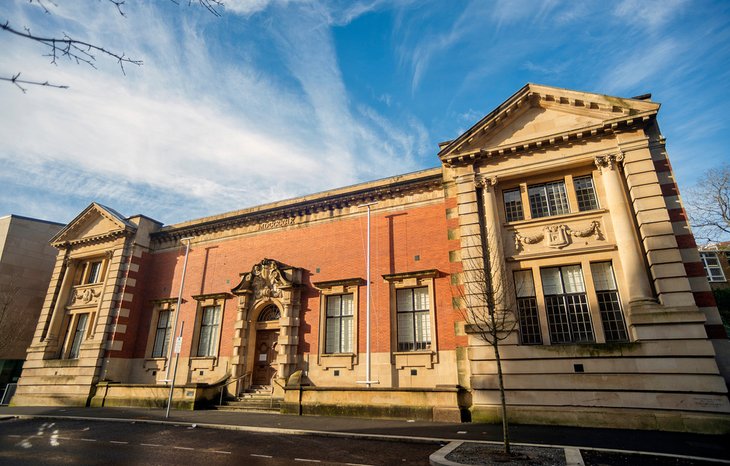
The Glynn Vivian Art Gallery was founded in 1911 to display the artistic works donated by Richard Glynn Vivian, a well-travelled art collector from a wealthy copper family. The gallery received a multi-million-dollar renovation in 2016, which turned it into a more modern place to store art collected over the past century.
Today, the Glynn Vivian Art Gallery is supported by a grant from the Arts Council of Wales and the Heritage Lottery Fund. It boasts a varied collection of a range of visual arts, including works from masters such as Monet and contemporary Welsh artists like Bedwyr Williams, Gwen John, Ceri Richards, and Augustus John. It's also affiliated with the much-celebrated Tate galleries in London.
The gallery also features a vast collection of Swansea China and porcelain, as well as European and Oriental ceramics and glass paperweights. Those who are feeling peckish can grab a quick bite in the café before taking in a lecture or performance event.
Address: Civic Centre, Oystermouth Road, Swansea, Wales
Official site: www.glynnvivian.co.uk
Map of Tourist Attractions in Swansea
Swansea - Climate Chart
| Average minimum and maximum temperatures for Swansea, United Kingdom in °C | |||||||||||
| J | F | M | A | M | J | J | A | S | O | N | D |
| 6 4 | 6 4 | 9 7 | 11 8 | 15 12 | 17 14 | 19 16 | 18 16 | 16 13 | 13 11 | 9 8 | 8 6 |
| PlanetWare.com | |||||||||||
| Average minimum and maximum temperatures for Swansea, United Kingdom in °F | |||||||||||
| J | F | M | A | M | J | J | A | S | O | N | D |
| 43 40 | 43 39 | 48 44 | 52 47 | 59 53 | 62 57 | 67 61 | 65 60 | 61 56 | 56 51 | 49 46 | 47 43 |
| PlanetWare.com | |||||||||||
More Related Articles on PlanetWare.com
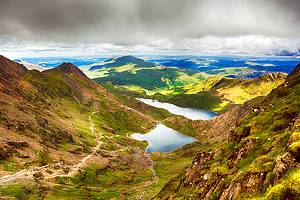
Places to Visit near Swansea: Cardiff is a must-stop for those with time to spare. About an hour's drive from Swansea, the nation's capital offers plenty of things to do and see. From castles to museums, there's something for everyone. Cardiff is a great jumping-off point for other fun day trips, including Brecon Beacons National Park and Pembrokeshire Coast National Park. For more ideas on what to see and do in Wales, have a look at our list of the top tourist attractions in Wales.
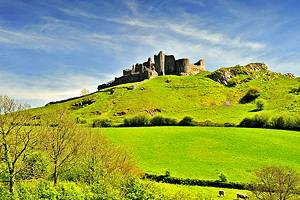
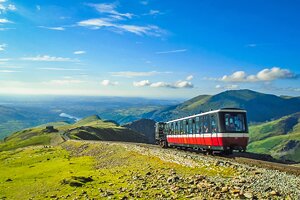
Exciting Places to Explore: Wales offers endless amounts of activities for those who love adventure. Hike 3,560 feet to the top of Mount Snowdon or ride the Snowdon Mountain Railway in Snowdonia National Park. Swim in a pool at the base of the 90-foot-high Henryd Falls in Coelbren or get up close and personal with stalagmites and stalactites in Dan yr Ogof, both of which top our list of top tourist attractions in South Wales.
Fans of myths and legends will love Carmarthen, Wales's oldest town and the supposed birthplace of the Celtic magician Merlin (of Arthurian legend fame). Read our list of the top tourist attractions on the Pembrokeshire Coastline to learn more.
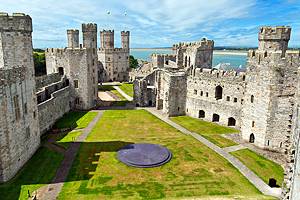
Castles Galore: Who doesn't love a good castle? Wales is filled with these relics, many of which offer spectacular views, as well as a glimpse into the life of the royals of yesteryear. A few of our favorites include Beaumaris, Conwy, and Caernarfon castles. All three made our list of top tourist attractions in North Wales. Another of our most loved? Pembroke Castle, a Norman coastal fortress, which sits on the Pembrokeshire Coastline.