20 Top-Rated Tourist Attractions in Singapore
Singapore has been described as a playground for the rich, and it's true that the small city-state does have a certain sheen of wealth. But Singapore offers more than just high-end shopping malls, luxury hotels, and fine dining (though it's worth indulging in those a bit if you can). There is also a vibrant history and diverse ethnic quarters to discover, along with many family-friendly attractions and lovely public spaces that make exploring this slightly futuristic city worthwhile.
Singapore has an excellent public transportation system that makes sightseeing convenient and easy. Once you've gotten a sense of the metro map, you'll have no problem zipping from one part of town to the next. English is spoken everywhere, and signs are in English as well. In fact, Singapore is one of the easiest and most comfortable countries to navigate in Southeast Asia. And as long as you're not comparing prices to nearby Thailand or Vietnam, you're in for a lovely stay.
For ideas on things to see and do, read our list of the top attractions in Singapore.
- 1. Marina Bay Sands
- 2. Gardens by the Bay
- 3. Botanic Gardens
- 4. Singapore Zoo
- 5. Orchard Road
- 6. Singapore Flyer
- 7. Raffles Hotel Singapore
- 8. Chinatown
- 9. Sentosa Island
- 10. Clarke Quay
- 11. Universal Studios Singapore
- 12. Night Safari Singapore
- 13. Merlion Park
- 14. Asian Civilizations Museum
- 15. Pulau Ubin (Granite Island)
- 16. Fort Canning Park
- 17. The Maritime Experiential Museum
- 18. Fort Siloso
- 19. National Gallery Singapore
- 20. Jewel Changi Airport
- Singapore - Climate Chart
- Easy Places to Visit From Singapore
1. Marina Bay Sands
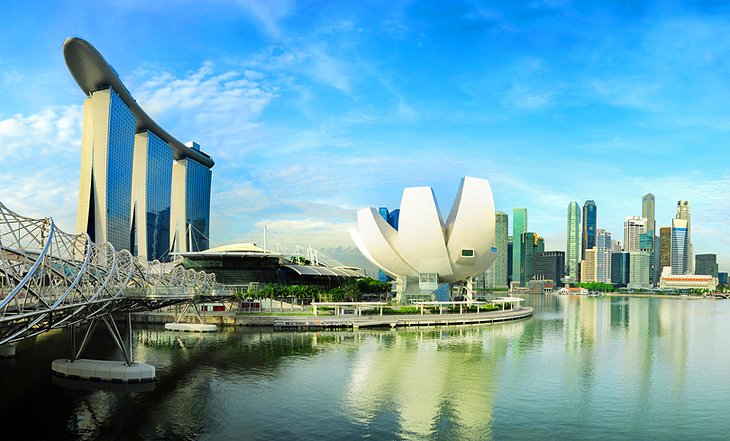
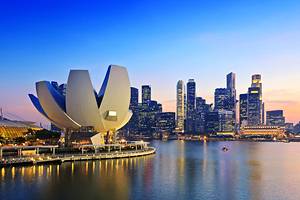
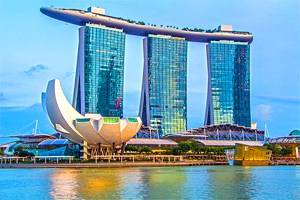
The opulent Marina Bay Sands resort complex includes a high-end luxury hotel, a mall with a canal running through it, the ArtScience Museum, and the Marina Bay Sands Skypark Observation Deck–a vantage point for taking in the entire city. The Skypark's viewing deck and infinity pool are found in the ship (yes, ship) that tops the hotel. Only hotel guests are allowed to use the infinity pool, but anyone can visit the observation deck.
From the Skypark, you can see the innovative double helix bridge, the port, the Gardens by the Bay (101 hectares of land converted into waterfront gardens), and the impressive skyline.
While up there on top of the city, guests can grab a snack or a coffee at the rooftop restaurant or pick up some keepsakes from the souvenir stand. You can purchase a photo of yourself green-screened in front of the massive hotel as it's all lit up at night, but the cost is steep at 50 Singapore dollars–better to ask a fellow tourist to snap a photo of you if possible. The elegant opulence of the Marina Bay Sands exemplifies Singapore's style and status as a major international city in Southeast Asia.
Address: 10 Bayfront Avenue, Singapore
Official site: http://www.marinabaysands.com/
2. Gardens by the Bay
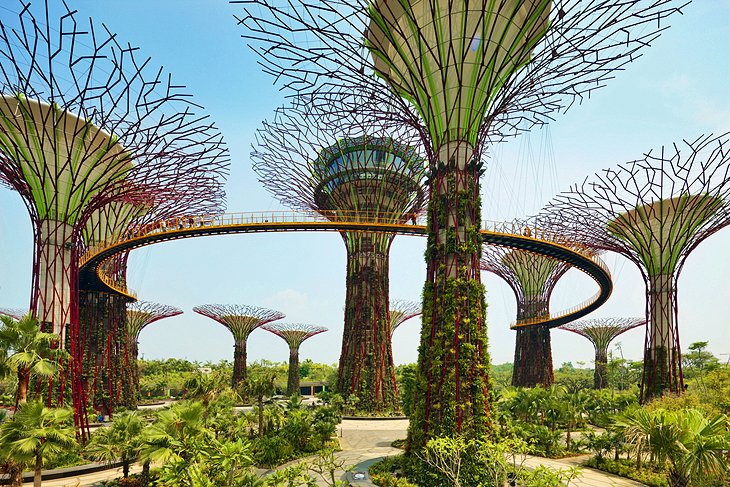
Once you've glimpsed this beautifully designed green space (from the top of the Marina Bay Sands, perhaps) you won't be able to stay away. Wander through the Bay East Garden, perfect for enjoying the vibrant plant life and escaping the city bustle for a moment.
You won't want to miss Supertree Grove, where you'll find a cluster of the iconic, futuristic structures designed to perform environmentally sustainable functions. Then, head to the Cloud Forest Dome to see the world's tallest indoor waterfall and learn a bit about biodiversity. Check the website for ticket sale prices and tour times.
Address: 18 Marina Gardens Drive, Singapore
Official site: http://www.gardensbythebay.com.sg/en.html
3. Botanic Gardens
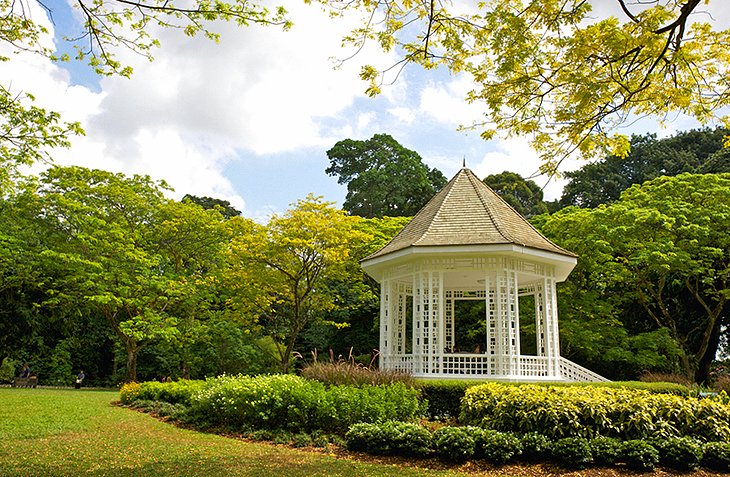
Not to be confused with the Gardens on the Bay, the Botanic Gardens are also worth a visit. Singapore received its first UNESCO World Heritage nomination for its botanical gardens, and with good reason. The city can sometimes feel like a concrete jungle, albeit a clean and comfortable one, but the botanic gardens preserve pieces of Singapore's wilder heritage.
Here, a walking trail leads to the gardens' heritage trees, which are conserved as part of an effort to protect the city's mature tree species. Make sure to visit the impressive National Orchid Garden as well.
Other popular things to do include visiting the eco-garden, eco-lake, bonsai garden, sculptures, and several other formal gardens.
Address: 1 Cluny Road, Singapore
Official site: www.nparks.gov.sg/sbg
4. Singapore Zoo
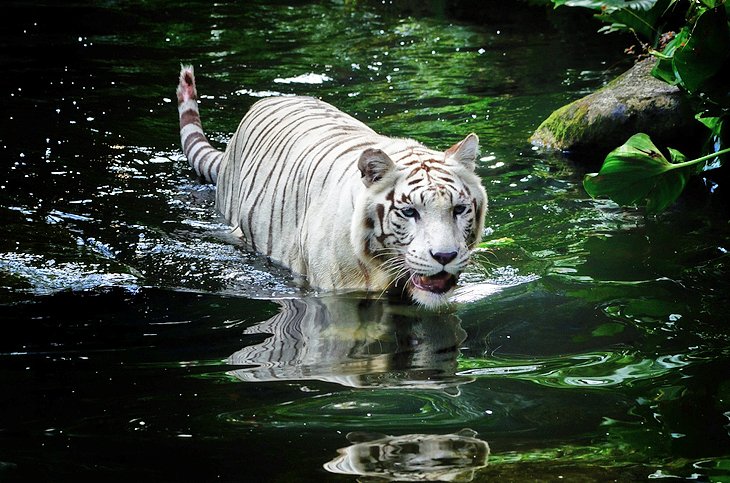
Billing itself as the world's best rainforest zoo, the Singapore Zoo is a pretty impressive place. The facility is clean and inviting, and the animals appear well treated, with plenty of lush vegetation and habitat space.
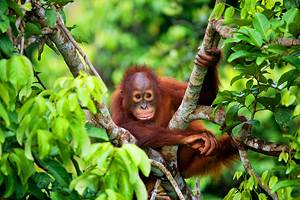
The orangutans are particularly impressive, and visitors can watch as babies and adults alike swing high above their platforms and snack on fruits. There is also a large chimpanzee family, zebras, meerkats, a komodo dragon, mole rats, white tigers, kangaroos, and many other creatures.
Guests can observe feedings for some of the animals. Allow at least three hours to make your way around the zoo.
If the zoo doesn't satisfy your need for getting close to wildlife, there's also the Night Safari, River Safari (including a giant panda forest), and the Jurong Bird Park. Park hopper passes are available if you plan to visit more than one of the wildlife parks.
For a unique and personal wildlife experience, try the Singapore Zoo Breakfast with the Orangutans. This hassle-free tour includes transportation from and to your hotel, allows you half day to explore the zoo, and has an optional upgrade to enjoy breakfast in the company of the zoo's much-loved orangutans.
Address: 80 Mandai Lake Road, Singapore
Official site: www.wrs.com.sg/en/singapore-zoo
5. Orchard Road
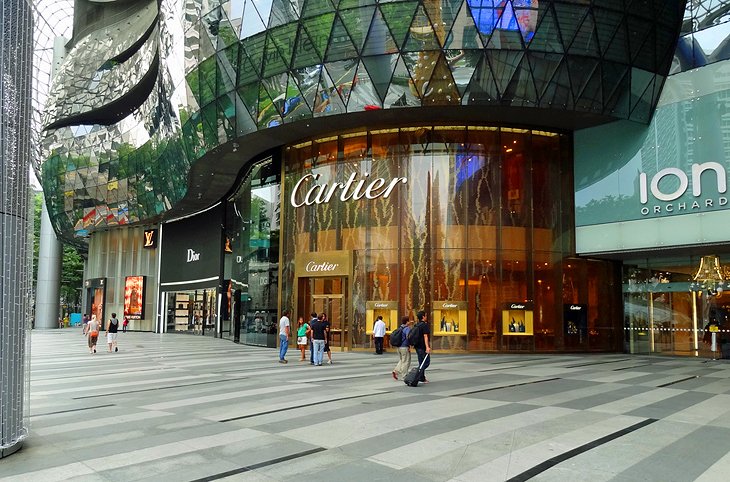
One could be forgiven for coming to Singapore and doing nothing but shopping, as this is a world-class city for style and designer chic. The Orchard Road area is a great place to start a shopping spree, as there are high-end stores at every turn. You'd expect nothing less from a neighborhood that boasts 22 malls and six department stores. There are also four movie theaters, including an IMAX cinema, and a KTV karaoke establishment.
If you get hungry while burning through all that cash, there are plenty of eateries in the neighborhood serving international food.
Official site: http://www.orchardroad.org/
6. Singapore Flyer
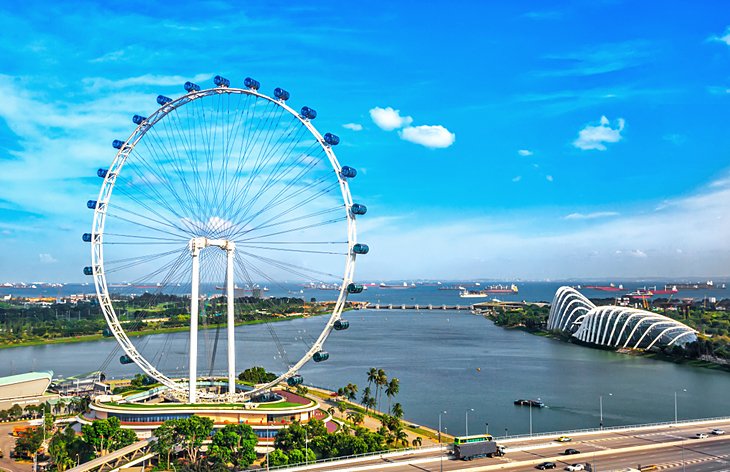
If the observation deck at the Marina Bay Sands doesn't quite do it for you, try taking in high tea while looking out over the city from the Singapore Flyer, the world's largest giant observation wheel. Choose from several different packages that allow you to be served and pampered while enjoying a view that encompasses not only the Singapore skyline but as far away as the Spice Islands of Indonesia and Malaysia's Straits of Johor.
There are several different ticket packages to choose from, and each includes access to the multimedia Journey of Dreams exhibit, which delves into Singapore's history and the creation of the Singapore Flyer.
Flights last 30 minutes and run from early morning until late at night, so you can choose which view of the city you want to enjoy: the beginning of another bustling day or when Singapore is aglow after dark.
Address: 30 Raffles Ave, Singapore
Official site: www.singaporeflyer.com
7. Raffles Hotel Singapore
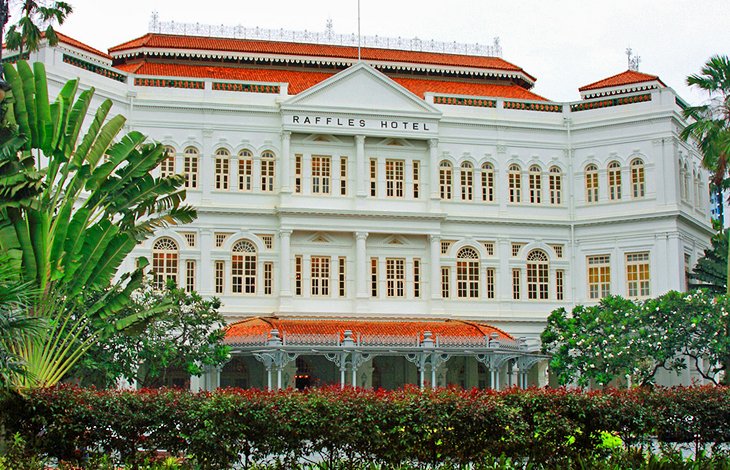
This colonial building is one of the world's last grand 19th-century hotels, once visited by literary luminaries such as Rudyard Kipling and Joseph Conrad, as well as movie star Charlie Chaplin.
Built in 1887, the property has served as a city landmark for well over a century and continues to live up to its tony reputation with excellent food and service. The classical architecture and tropical gardens provide a refined setting and represent another facet of Singapore's varied and rich history.
The Raffles Hotel Singapore is located in the city's Colonial District, which is also home to several other historic sites, and a good place to base yourself in the city. Here, you'll find the Raffles Landing Site, where Sir Stamford Raffles, the founder of Singapore, is said to have stepped ashore in 1819. The story has it that he saw the small fishing village but recognized its potential as a port, so he purchased the land from the Sultan of Johor and invited Chinese and Indian immigrants to move here. And so the seeds of Singapore's multi-ethnic identity were sown.
Address: 1 Beach Road, Singapore
Official site: www.raffles.com/singapore
8. Chinatown
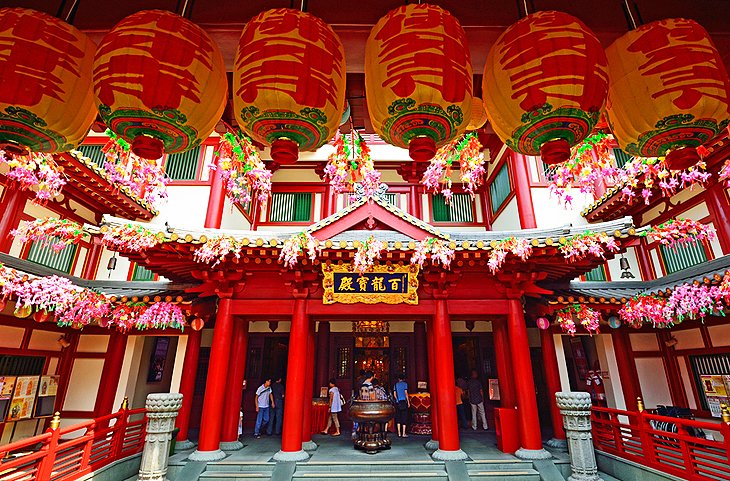
If you've ever visited China, Singapore's Chinatown neighborhood will bring you right back here. From the small mom-and-pop stores and authentic Chinese food to the bright red lanterns, there's excitement and hustle in this district. You can visit the Chinese Heritage Centre and see the impressive and beautiful Sri Mariamman Hindu temple.
Another temple worth seeing is the Buddha Tooth Relic temple. If you're up early enough (think 4am), you can hear the morning drum ceremony. Or you can just check out the closing ceremony in the evening after viewing the relic.
Heritage markers have been installed throughout the neighborhood in English, Japanese, and simplified Chinese, so visitors can better understand the significance of the area. But this neighborhood is not just a testament to the influence of the Chinese throughout Singapore's past. This is a progressive neighborhood (with free Wi-Fi for all), and it's home to the trendy Ann Siang Hill area, where the quaint bistros and upscale boutiques could be at home in any Western city.
Official site: www.chinatown.sg
9. Sentosa Island
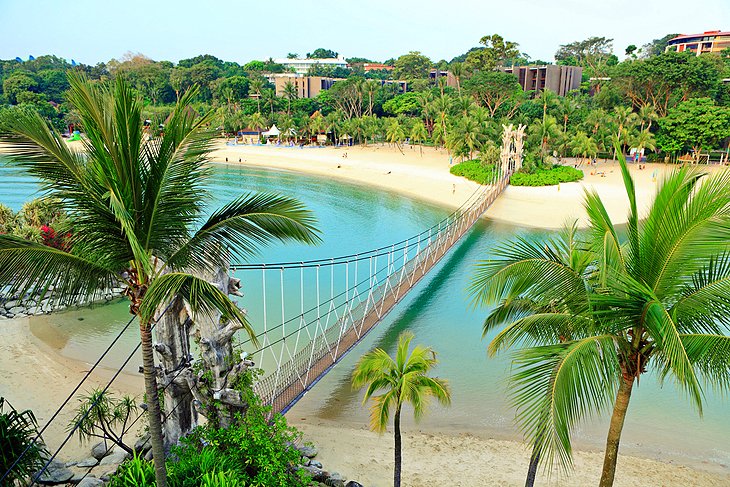
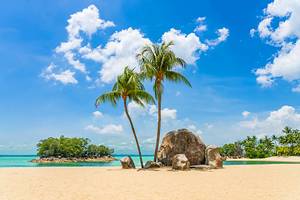
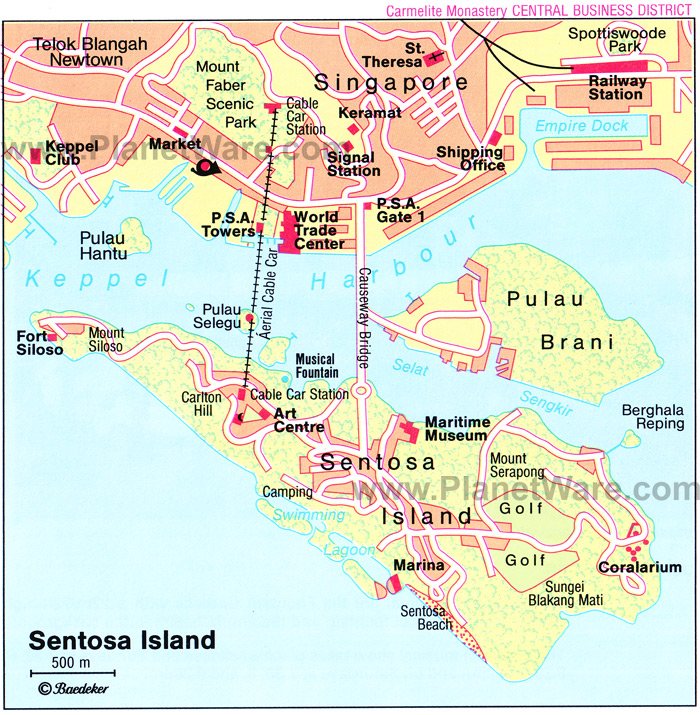
Singapore isn't exactly known as a beach destination, but if you're really craving some fun in the sun, Sentosa Island is the place to find it. Siloso Beach is a good spot for getting in beach time, and visitors can play volleyball on free courts or go kayaking and skimboarding. There are several other beach attractions as well, plus an Underwater World aquarium, where you can swim with dolphins.
A must-see on Sentosa Island is the Merlion, Singapore's famous statue that has the head of a lion and the body of a fish. You can take an escalator to the top of the statue and enjoy panoramic views of the surrounding area. Adventurous types will want to check out The Flying Trapeze and the SeaBreeze Water-Sports @ Wave House, where you can try your hand at flying strapped to a water-propelled jet pack.
Official site: www.sentosa.com.sg/en
10. Clarke Quay
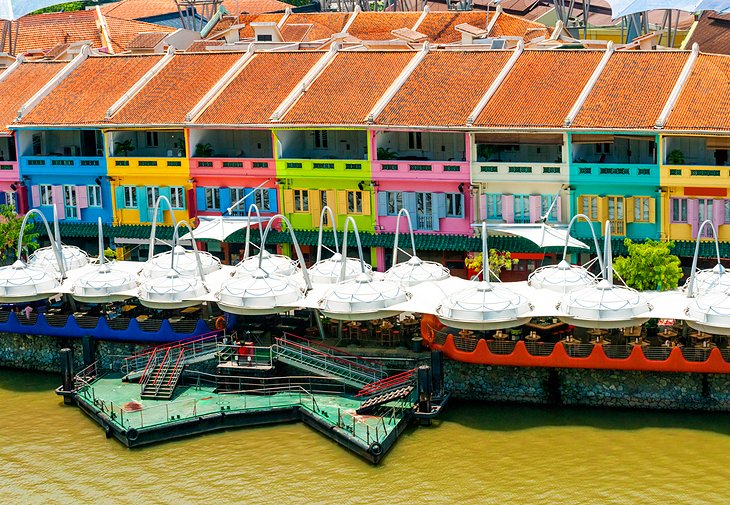
The "center of commerce during the 19th century," Clarke Quay lives up to its legacy as a busy hub. Today, it has a more polished sheen, so after a long day of shopping on Orchard Road, visitors can happily head to Clarke Quay for an evening of waterfront dining and entertainment.
River taxis and cruises also depart from here, giving tourists the chance to admire some of the city's historic bridges and view landmarks like the Merlion from the water. The Quay's biggest hit with younger tourists is a giant bungee-jumping attraction, an adrenaline-packed thrill ride.
Nearby attractions include the Asian Civilisation Museum; the Civil Defence Heritage Gallery located in Singapore's oldest fire station; and the Hong San See Temple, a picturesque century-old Buddhist place of worship.
11. Universal Studios Singapore
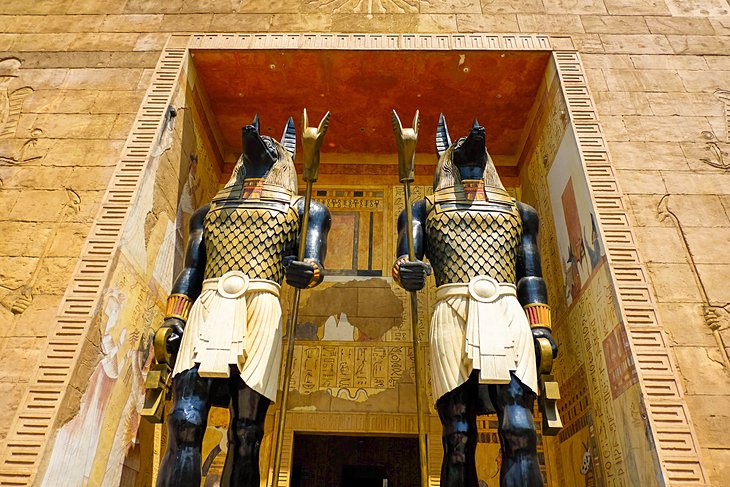
Universal Studios Singapore occupies 49 acres of Resorts World Sentosa. The park is arranged thematically, with each area paying tribute to a location, film, or television show. Destinations include New York City, Hollywood, Madagascar, and a trip back to Ancient Egypt. Fiction-themed areas include Shrek's Far Far Away, Lost World, and Sci-Fi City, where Battlestar Galactica-themed dueling roller coasters and an indoor dark coaster, Revenge of the Mummy, dominate the thrill rides.
In addition to the many rides–that range from kiddie-friendly to daredevil –the park also has diverse dining options, shopping, and live shows throughout the day and night.
Address: 8 Sentosa Gateway, Singapore
12. Night Safari Singapore
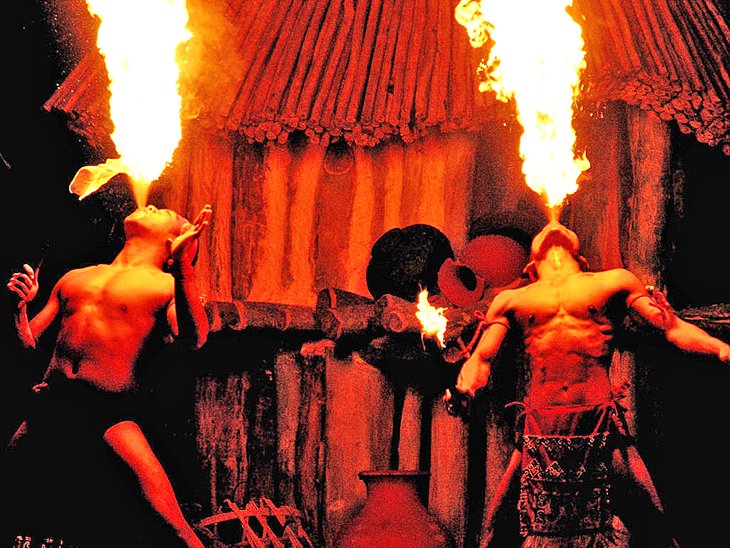
Night Safari Singapore puts a new twist on the traditional zoo experience by introducing visitors to the nocturnal lives of the residents. The park's habitats are divided into four sections, each with its own trail that lets you observe these elusive creatures as they go about their "day."
The Leopard Trail has, as expected, leopards, as well as lions, flying foxes, civets, and porcupines among other animals. The Fishing Cat Trail tours the habitat of animals native to Singapore, including the fish-loving felines, pangolin, binturong, and other species both common and endangered. East Lodge Trail features Malayan tigers and spotted hyenas, and the Wallaby Trail introduces visitors to the marsupials of Australia.
Private tours, buggy rides, and educational sessions are available, as well as once-in-a-lifetime experiences, such as an Asian elephant feeding session.
Address: 80 Mandai Lake Road, Singapore
Official site: www.wrs.com.sg/en/night-safari
13. Merlion Park
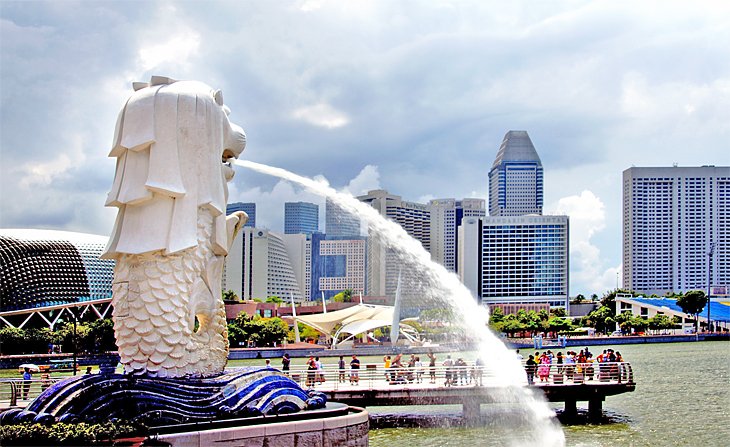
Singapore's Merlion is just what it sounds like–the figure of a mythical creature that has the head of a lion and the body and tail of a fish. The Merlion represents the city's humble start as a fishing village combined with its traditional Malay name Singapura, "lion city."
The structure, which was relocated to Merlion Park in 2002, where it can overlook Marina Bay, weighs 70 tonnes and stands at 8.6 meters tall, spouting water from its mouth in a fountain.
The "Merlion Cub" sits nearby, only two meters tall but a hefty three tonnes, and there are five additional official Merlion statues throughout the city. Merlion Park is an ideal spot for photo-ops, whether you are taking a selfie in front of the iconic creature or capturing the magnificent views from the park as it looks out over the bay.
Address: One Fullerton, Singapore
14. Asian Civilizations Museum
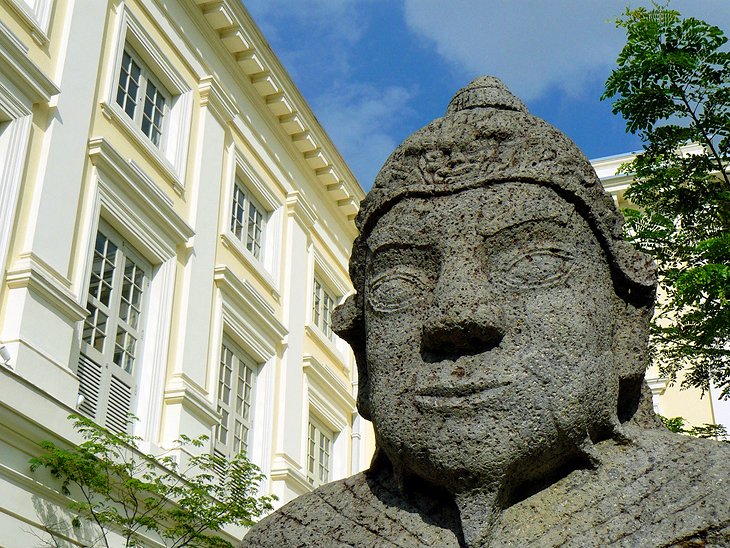
If the Raffles Hotel and Fort Canning Park haven't satisfied your taste for colonial architecture, pay a visit to the Empress Place Building. It was constructed in 1865 and built in the Neoclassical style, and was named in honor of Queen Victoria. It now houses the Asian Civilisations Museum, which delves into the many Asian cultures that helped form Singapore.
The museum's collections focus on the themes of trade and spirituality, both of which heavily influenced Asian cultures. Exhibits cover topics such as the Indian Ocean trade, stories of faith and belief, and a look at the important role that scholars played in Chinese culture for centuries.
Address: 1 Empress Pl, Singapore
Official site: http://acm.org.sg
15. Pulau Ubin (Granite Island)
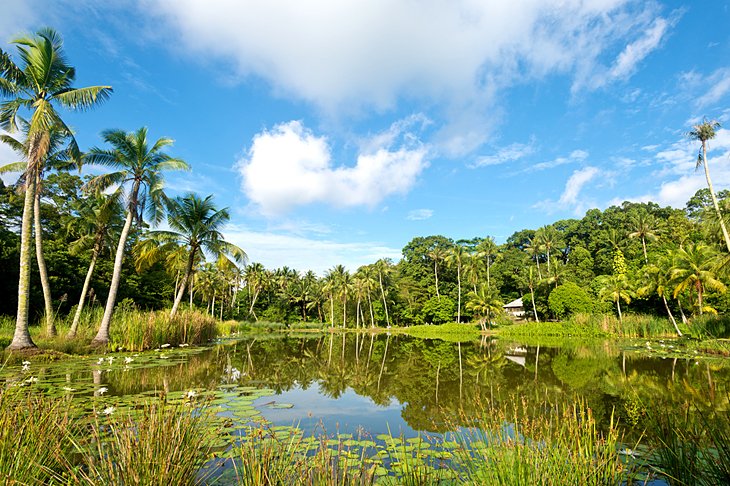
For a look at what life in Singapore was like before it was all about glamor and skyscrapers, visit the small island of Pulau Ubin, where fewer than 100 people still live in the same simple way as they did in the 1960s. The island's name is Malay for "Granite Island," a moniker given due to its past prominence as a quarry town.
Today, it is a peaceful, rustic place where tourists can enjoy unspoiled forests and diverse wildlife. The island is also home to the Chek Jawa Wetlands, which contain a coral reef teeming with sea life.
The island is easily reached by boat, a 10-minute ride that departs from Changi Point Ferry Terminal.
16. Fort Canning Park
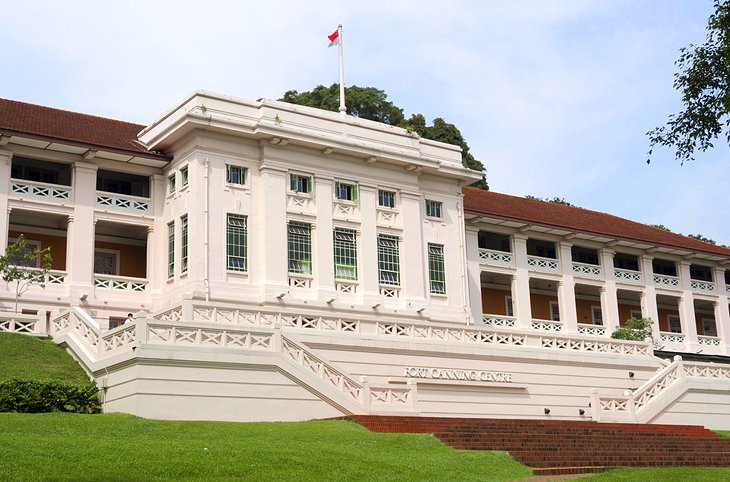
As military strongholds go, Fort Canning has had a long and varied life. Built in 1859, the fort was originally meant to defend Singapore against attacks but it became a bunker during World War II and was eventually surrendered to the Japanese in 1942.
Now in peacetime, the original building is home to modern performing arts troupes, and the park regularly sees picnics, concerts, theater performances, and festivals.
Other attractions at the park include relics from Singapore's early history, from as far back as the 14th century, and Sir Stamford Raffles' personal bungalow. Guests can also see a replica of the spice market Raffles established in 1822, as well as ASEAN sculptures that were erected in the 1980s.
Address: 51 Canning Rise, Singapore
17. The Maritime Experiential Museum
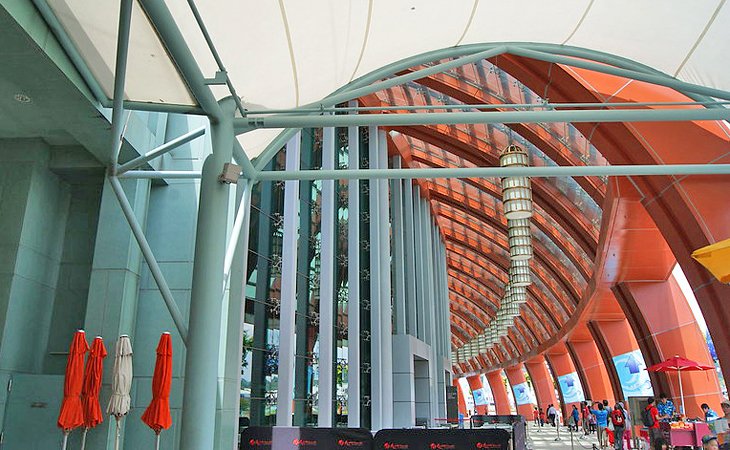
This indoor-outdoor museum is located right on the water, and it's a great way to explore Singapore's maritime history through fun, interactive exhibits. Before you even enter the building, you'll be able to see several ships anchored here.
Inside, the highlight of the museum is the Jewel of Muscat, a replica of a sailing vessel that sank in 830 CE while traveling between Africa and China. You can also see large-size models of trading ships that traveled the Silk Route, learn navigation skills and how to read nautical charts, and experience a 9th-century shipwreck at Typhoon Theater in a special-effects simulation.
Address: 8 Sentosa Gateway, Singapore
18. Fort Siloso
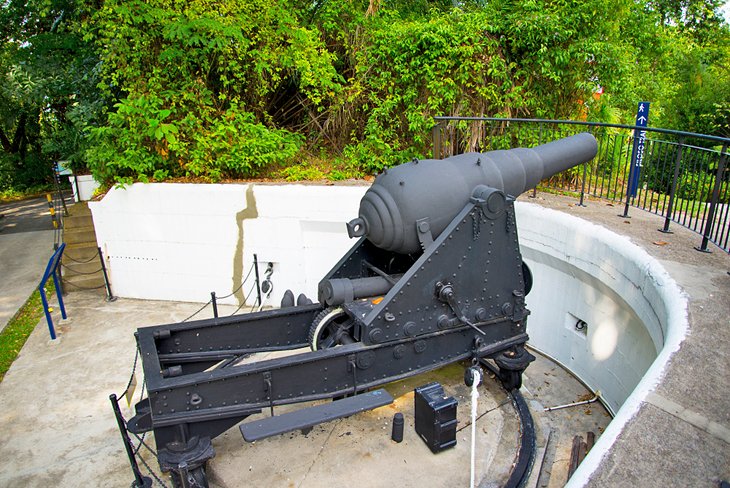
Fort Siloso, the country's only preserved fort and a military museum, is located on Sentosa Island. You can reach the fort via the Fort Siloso Skywalk trail, a massive steel bridge towering 11 stories up. Surrounded by lush tropical canopy, the bridge is accessed by either a glass elevator or simple stairs–though taking the elevator means sweeping open views of the Keppel Harbor, which you can't really see if you choose to walk your way up. The 181-meter-long bridge offers great views of the nearby islands, as well as the jungle floor below.
Once at the fort, visitors can join guided tours to learn more about the history of the area–although it's also possible to explore on your own, just walking around and seeing the sights.
Highlights inside the fort include the many massive cannons on display, three tunnel systems used to move ammunition around, and special exhibits showcasing daily life in the fort for the soldiers living there in the 1800s.
The entire fort is a beautiful shaded park, where you can spend a couple of hours exploring.
Address: Siloso Road, Singapore
Official site: http://www.fortsiloso.com/
19. National Gallery Singapore
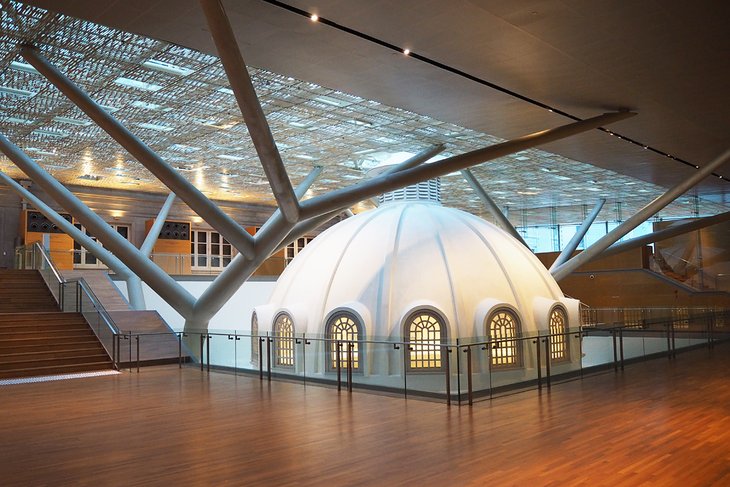
Home to the largest modern art collection in Southeast Asia, the National Gallery mostly focuses on the works of local and Asian artists starting in the 19th century. The 9,000-plus works of art are divided between two buildings – City Hall and the former Supreme Court – over more than 64,000 square meters.
In addition to the permanent collection, the gallery hosts temporary exhibits in unique aspects such as Vietnamese lacquer painting, modern photography, and Chinese calligraphy.
Free tours are available in English and Mandarin, and the gallery also offers workshops, open performances, and special presentations for both adults and children.
Address: 1 St. Andrew's Road, #01
Official site: https://www.nationalgallery.sg
20. Jewel Changi Airport
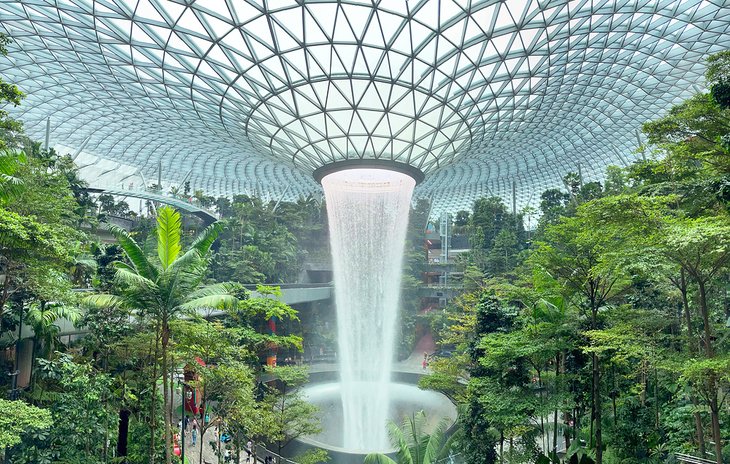
Often voted as the best airport in the world, the 10-story-high Jewel Ghangi is not your ordinary transportation hub. In fact, you should put it on your list of must-see places to visit while in Singapore.
In addition to over 300 shops, the airport's most famous feature is the 40-meter-high HSBC Rain Vortex, an indoor waterfall surrounded by over 2,000 trees. Each of the airport's three terminals (all seamlessly connected) also has its own garden. There's a cactus garden in Terminal 1; a sunflower garden in T2; and a very famous butterfly garden at T3, home to more than 40 species of butterflies, a six-meter grotto waterfall, and plenty of flowering plants.
The airport is also home to two movie theaters, an entertainment corner with vintage arcade machines, an indoor canopy park with garden mazes and stunning viewing decks, and a 12-meter-tall (that's four stories high) slide both children and adults are welcome to use.
Official site: https://www.changiairport.com
Singapore - Climate Chart
| Average minimum and maximum temperatures for Singapore in °C | |||||||||||
| J | F | M | A | M | J | J | A | S | O | N | D |
| 30 23 | 31 24 | 31 24 | 32 24 | 32 25 | 31 25 | 31 24 | 31 24 | 31 24 | 31 24 | 31 24 | 30 23 |
| PlanetWare.com | |||||||||||
| Average monthly precipitation totals for Singapore in mm. | |||||||||||
| 198 | 155 | 170 | 142 | 158 | 140 | 145 | 142 | 178 | 168 | 252 | 332 |
| Average minimum and maximum temperatures for Singapore in °F | |||||||||||
| J | F | M | A | M | J | J | A | S | O | N | D |
| 85 73 | 87 74 | 88 75 | 89 75 | 88 76 | 88 76 | 87 75 | 87 75 | 87 75 | 88 75 | 86 74 | 85 73 |
| PlanetWare.com | |||||||||||
| Average monthly precipitation totals for Singapore in inches. | |||||||||||
| 7.8 | 6.1 | 6.7 | 5.6 | 6.2 | 5.5 | 5.7 | 5.6 | 7.0 | 6.6 | 9.9 | 13 |
Easy Places to Visit From Singapore
Singapore Getaways: If you're based in Singapore and looking for some time outside the city, or if you're thinking of adding something on to your holiday, consider one of our ideas for weekend getaways from Singapore. Flights connect the city to beautiful destinations around SE Asia in just two or three hours. There are also several interesting places you can reach by bus or ferry.