12 Top-Rated Attractions & Places to Visit in Istria
Jutting out into the Adriatic Sea in the far northwestern corner of Croatia, Istria is a beautiful province that is geographically compact and easy to explore. You can base yourself in one of the three main towns, Rovinj, Pula, or Lovran, and take easy day trips from here to towns and attractions.
The entire county is known for its epic natural beauty, as well as its numerous medieval towns, sparkling blue beaches, and UNESCO World Heritage Sites. Istria also borders Italy and Slovenia, which means that the whole peninsula is a melange of cultures — and even languages. It's not uncommon to hear Italian on the radio, or German in the streets, as the drive from Austria to Istria, is a mere five hours, as well.
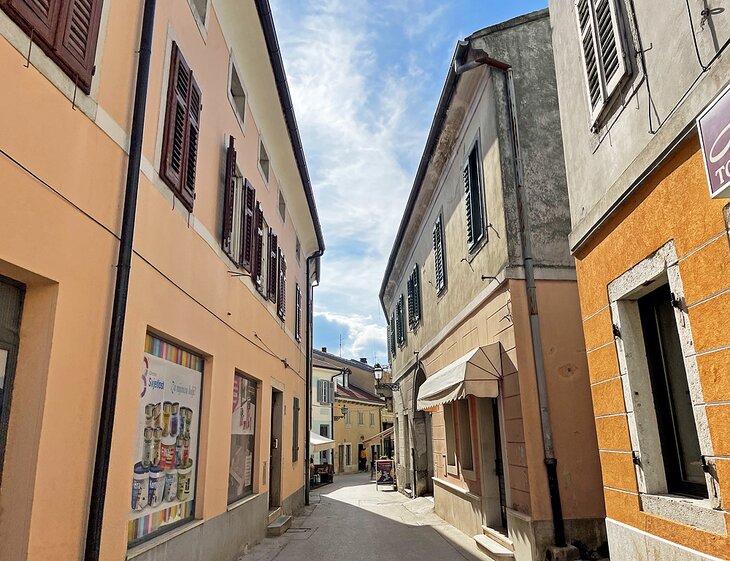
For me, the very best part of exploring Istria was getting off the main highway (E751) and driving the local county roads past rolling hills, hilltop towns, and vine-covered stone walls. This is the best way to discover the interesting places to visit and see much more of the countryside in between town hopping.
The towns that most people visit in Istria are Rovinj, Pula, and Lovran, but not to be missed is the coastal town of Porec, along the northwest coast. Narrow, stony streets wind around squares and churches, not to mention the beautiful Basilica of Euprasius, a UNESCO World Heritage Site.
Istria has quite an ancient history, having been inhabited by both the Illyrians and the Romans. If you visit Pula, you'll discover one of the largest Roman amphitheaters, which actually pre-dates the Colosseum in Rome.
Discovering Istria was a highlight of my month-long visit to Croatia and my road trip from Istria to Dubrovnik. You can find more great places to visit along this picturesque peninsula with my list of the top attractions in Istria.
See also: Where to Stay in Istria
- 1. Take a Walking Tour of Medieval Rovinj
- 2. Explore the Roman Amphitheater in Pula
- 3. Historic Porec and the Euphrasius Basilica
- 4. Swim and Snorkel at Rabac's Beaches
- 5. Scale the Old Town Walls of Motovun
- 6. See the Untouched Beauty of Brijuni National Park
- 7. Spend a Day in the Resort Town of Opatija
- 8. Visit the Museums of Pazin
- 9. Explore the Old Fortified Town of Lovran
- 10. Take a Stroll along Lungomare Promenade
- 11. See the Historic Attractions of Vrsar
- 12. The Village of Pican's Perfect Little Cathedral
- Where to Stay in Istria for Sightseeing
- Map of Attractions & Things to Do in Istria
1. Take a Walking Tour of Medieval Rovinj
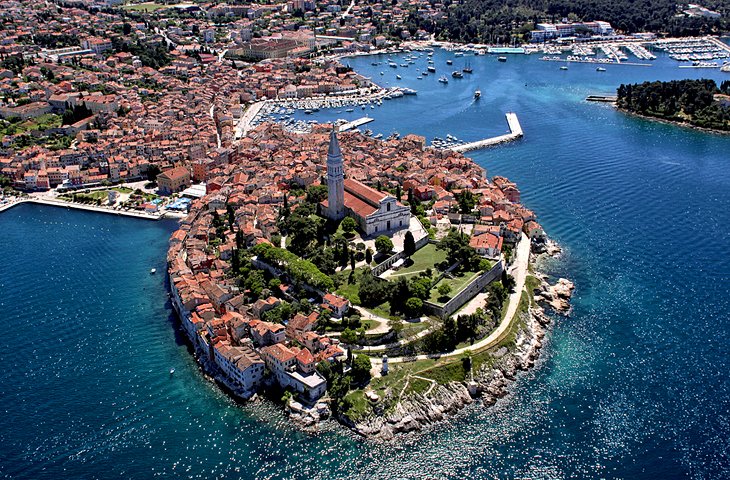
Perched on a piece of land jutting into the Adriatic that was established by the Romans, Rovinj is a beautiful medieval town and home to several excellent things to do. Don't miss the 18th-century Baroque Cathedral of St. Euphemia (Katedrala Sveta Eufemija) with its huge bell tower, which is at the highest point in town.
On the main square (Trg Marsala Tita), you'll find the old Town Hall, also known as the Communal Palace. It's here you'll also find Balbi's Arch (Arco dei Balbi), which opens to the harbor with its many pleasant restaurants and cafés. The Baroque arch was built in the latter half of the 17th century and is notable for its elaborate decoration, including the carved head of a Turk on the outer wall, while on the inner wall is the carved head of a Venetian. Over the arch is the Balbi family coat of arms and a relief of the Lion of St. Mark, the symbol of Venice.
Balbi's Arch stands at the entrance to the old Venetian quarter. This is a delightful area to explore and features quaint piazzas and steep backstreets boasting a mix of architectural styles that includes Gothic, Renaissance, Baroque, and Neoclassical influences.
Don't forget about the beautiful beaches surrounding Rovinj, either. The area is carved out with Capri-like coves and gentle beaches surrounded by rocky outcrops. The waters around Rovinj are crystal clear.
My favorite beach near Rovinj was Cisterna Beach, located about 6 kilometers outside of town down a bumpy dirt road. The white, pebbly beach stretches around a shallow, turquoise-colored bay. It's a lovely, tranquil spot to take a quiet dip after exploring the town.
2. Explore the Roman Amphitheater in Pula
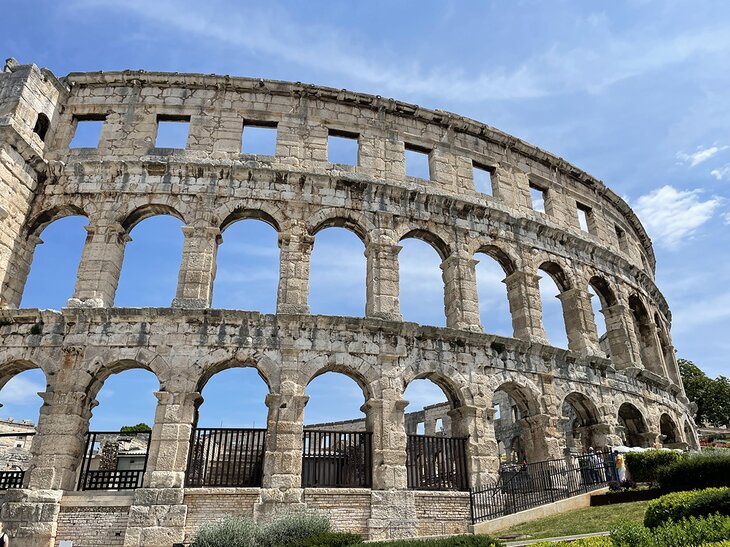
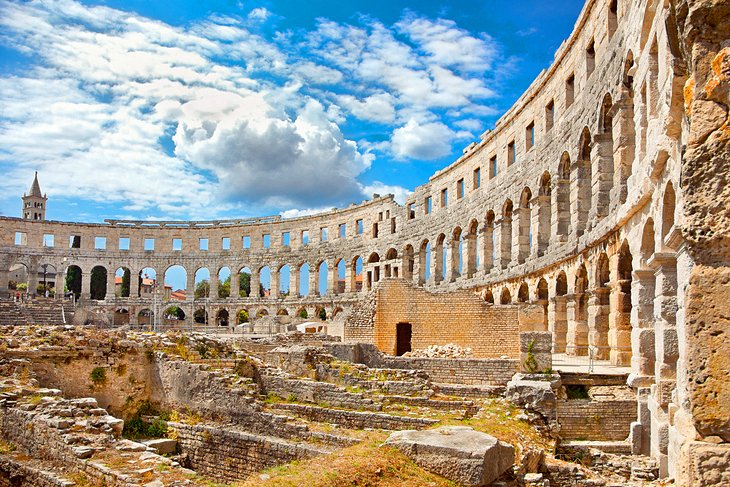
Due largely to its university town status, Pula (Pola) is known as a lively community with many great restaurants, hotels, and cultural events. A popular destination for day trippers, the city's main attractions are its Roman ruins, in particular the superb Pula Amphitheater. One of the largest of its kind, the Pula Amphitheater was built by Emperor Vespasian in the first century at around the same time as the Colosseum in Rome, though the Pula Amphitheater is technically older.
Capable of seating more than 20,000 spectators, the amphitheater's arena was used for gladiator fights and later for jousting tournaments. The subject of a great deal of restoration work, the site can still seat 5,000 people and is used in summer as a venue for festivals and performances, while its underground passages house archaeological finds and exhibits on the local olive industry.
Also of interest in Pula is the ancient Roman Forum, a pedestrian-only area that still functions as one of the central gathering places in the city. The best-preserved portion of the forum is the Temple of Romae and Augustus (Augustov Hram) on the north side of the piazza with its many Roman sculptures.
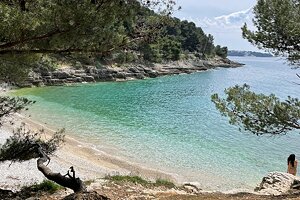
Bring a bathing suit to visit Pula, as well. The beaches around Pula are some of the best in Istria. My favorite was Galebova Stijene, a rocky grotto with unbelievable turquoise-colored water and a cool cave to explore. Note that is not a traditional sandy beach, nor is it a pebbly one. It's one of Croatia's many rock cliff beaches, where you enter the water directly from the cliff face. The rocks are not high, so you can easily slip right into the water without jumping.
Address: Flavijevska ul., 52100, Pula, Croatia
3. Historic Porec and the Euphrasius Basilica
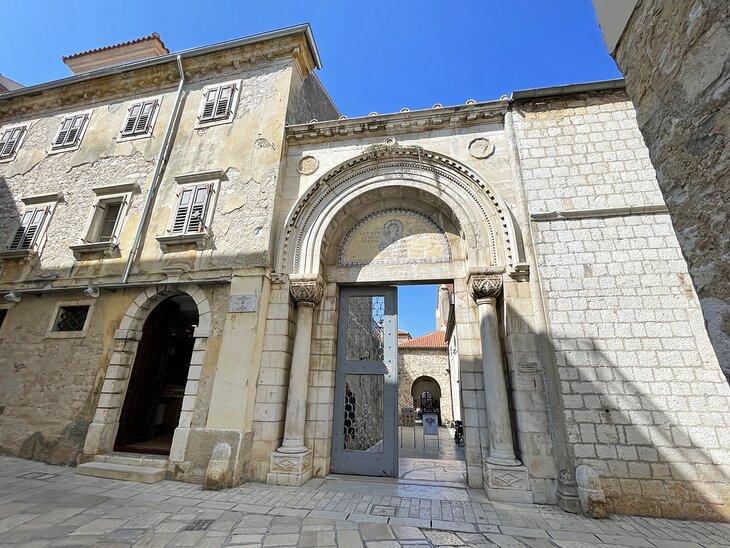
Porec, one of the most popular and well-promoted tourist destinations in Istria, boasts a beautiful seafront with a string of hotels and tourist complexes stretching some six kilometers along Plava Laguna and Zelena Laguna. A popular place for water sports including water skiing, parasailing, sailing, and kayaking, this historic old town grew out of an original Roman layout when the town was known as Colonia Julia Parentium.
A highlight from the town's early years is the beautiful 6th-century Euphrasius Basilica (Eufrazijeva bazilika). This remarkable UNESCO World Heritage Site is well known for its beautiful mosaics on gold backgrounds. Highlights include a fourth-century sarcophagus holding the remains of St. Maurus, and a 13th-century ciborium with marble columns and gold mosaics above the steps leading to the altar.
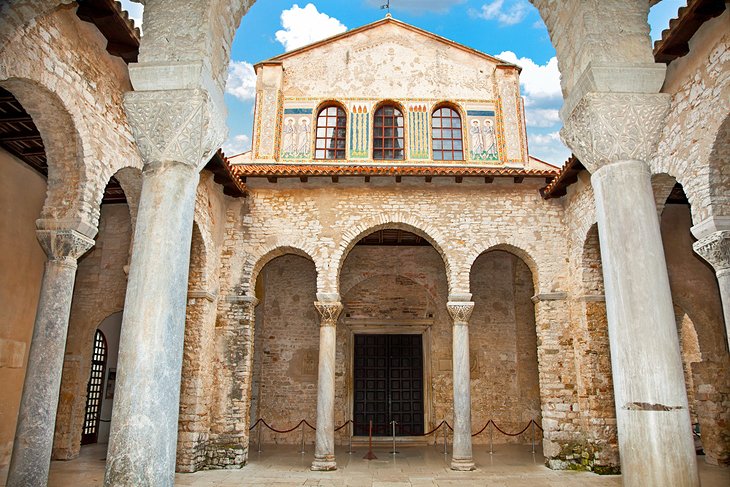
Be sure to also visit the Porec Museum housed in the Baroque Sincic Palace with its displays on the history of the town and a particular focus on the Roman and early Christian eras. Collections include archeological finds from the third century BC, such as pottery fragments, religious icons and paintings, choir stalls, and furniture displays.
Afterward, stroll around the quaint harbor, where cafés stretch along the promenade, or take a water taxi to the nearby island of St. Nicholas (Sv Nikola), popular for its beaches.
Address: Eufrazijeva ul. 22, 52440, Poreč, Croatia
4. Swim and Snorkel at Rabac's Beaches
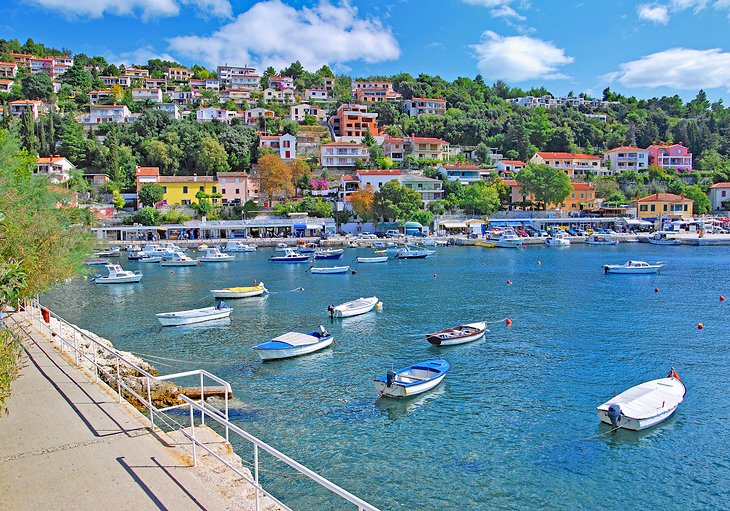
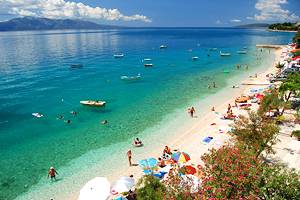
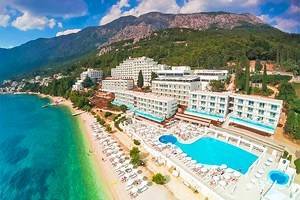
Those wanting to spend some time at the beach should head to the small town of Rabac. Once a small fishing village on Kvarner Bay, Rabac has in recent years grown into a popular resort town, known for its pebble beaches and clear, blue sea. Girandella Beach is one of the top beaches here, as the clarity of the water beyond it is stunning.
It is a great place to go for a swim or try snorkeling or diving as the fish are plentiful. You can also book boat excursions into the surrounding bay here. While the beach is pebble and there is little shade, you can hire sun loungers and umbrellas in the summer. It can fill up quickly.
In the town itself, you'll find more of a touristy holiday vibe than a historical feel, and there is a long promenade for wandering. An electric train runs along the promenade and connects various resorts and the town center. There are also plenty of cafés, shops, and restaurants in this low-key vacation destination.
5. Scale the Old Town Walls of Motovun
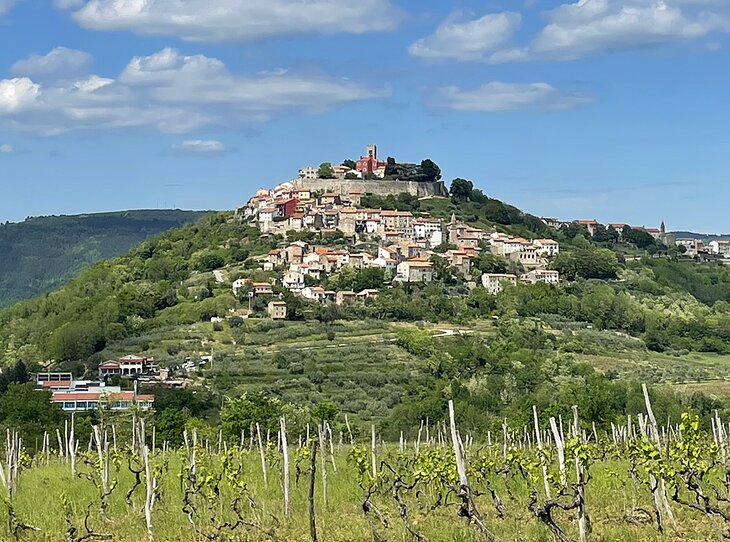
Nothing quite prepared me for the first time I feasted my eyes on Motovun. Driving west along D44, Motovun came into view as I drove around a bend in the road, and I had to pull over to fully take in its splendor. It's an impressive sight to witness this centuries-old walled city that rises out of the rolling hills and farmland.
Set high on a hill in the Mirna River Valley, Motovun is a wonderful, scenic, old-walled town that dates back to the 14th century when the Venetians built two sets of thick walls to fortify it. Today, it is known for hosting a popular film festival each summer and for its artistic vibe and fairy-tale good looks.
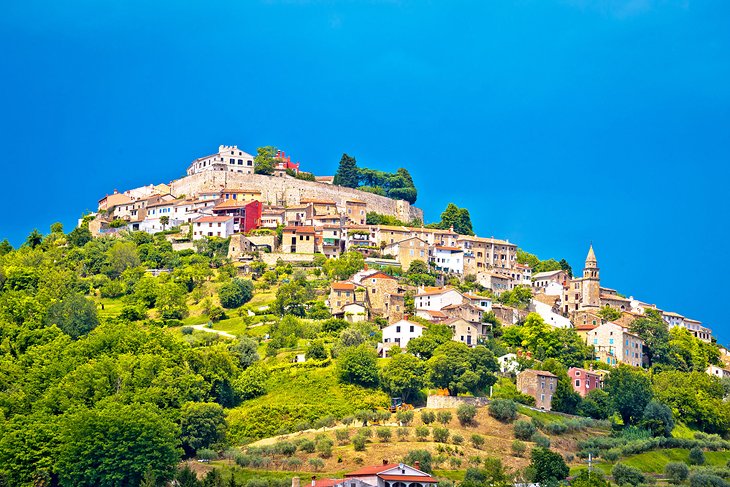
In the city center, you'll find a mix of Gothic and Romanesque buildings that host artists' studios, boutiques, restaurants, and cafés. Motovun sits at the base of the Motovun Forest, which is home to Istria's famed truffles.
If you're up for a culinary adventure near Motovun, head to the small town of Buje and make a stop at San Servolo Wellness Camping & Resort. This is a gorgeous "glamping" area and spa set amid olive and oak trees, but you don't have to spend the night to enjoy its fabulous restaurants.
We made a stop at San Servolo to sample the freshly wood-fired pizzas — and it was well worth the 25-minute drive from Motovun. Tip: Order the Bufalina, which is topped with lusciously thick buffalo mozzarella, basil, and olive oil.
6. See the Untouched Beauty of Brijuni National Park
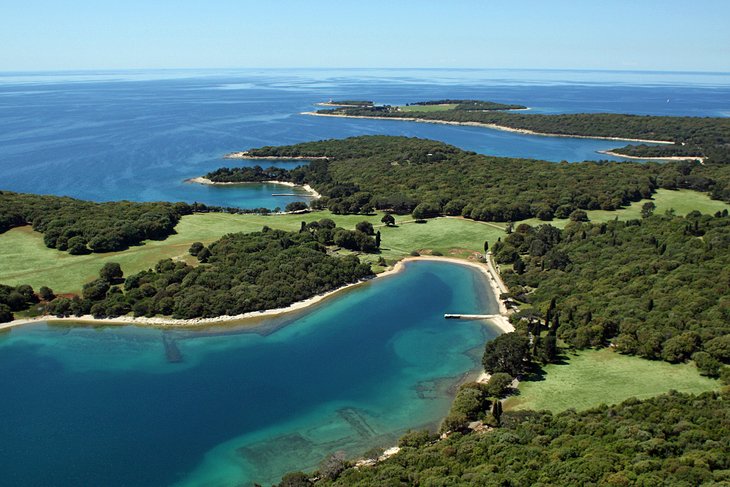
Brijuni National Park (Nacionalni Park Brijuni) consists of two large and 12 small islands and islets and was used as a summer residence by Marshal Tito, the Yugoslavian President, from 1949 until he died in 1980.
In addition to entertaining heads of state and movie stars here, Tito introduced several oddities to the islands, including African animals such as elephants, zebras, and antelope, along with species of plants not native to Croatia.
Today, the only islands open to the public are the two main islands of Veli Brijun and Mali Brijun, although access is still restricted (the park must be visited as part of a tour unless you're staying at one of the Veli Brijun hotels — even then, visiting some parts requires a guide). The main highlights in Brijuni National Park are the remains of a second-century Byzantine fortress, a Roman villa, the Church of St. Germana, the safari park, and an interesting exhibit on Tito.
Access to the islands is usually from the town of Fazana, where the Brijuni National Park office is located. The park ferry departs from here, too.
Address: Brijuni, 52100 Pula, Croatia
7. Spend a Day in the Resort Town of Opatija
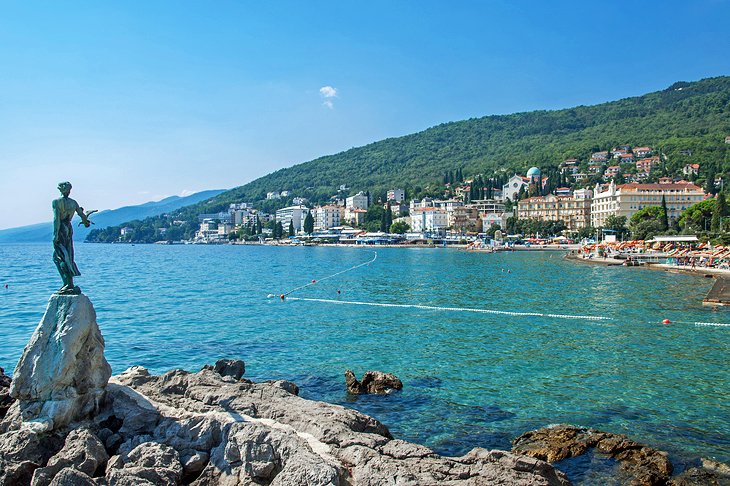
Long one of Croatia's premier resort towns, Opatija is a wonderful vacation destination thanks to the many elegant old hotels that line its pleasant coastline and attract visitors year-round. The climate here is mild, even in winter, as the town is protected by Mount Ucka from the "bura" (or bora) wind, a northerly wind that blows in off the Adriatic.
In addition to providing shelter, Mount Ucka, the highest point along the Istrian Peninsula, also boasts an abundance of beautiful scenery. Thanks to its mild climate, Opatija has numerous al fresco dining opportunities, with most restaurants and hotels offering pleasant terraces and patios, many of them open year-round.
A particular treat is strolling along the Lungomare promenade. It starts here and stretches some 12 kilometers, taking in some of the country's most spectacular coastal scenery along the way.
8. Visit the Museums of Pazin
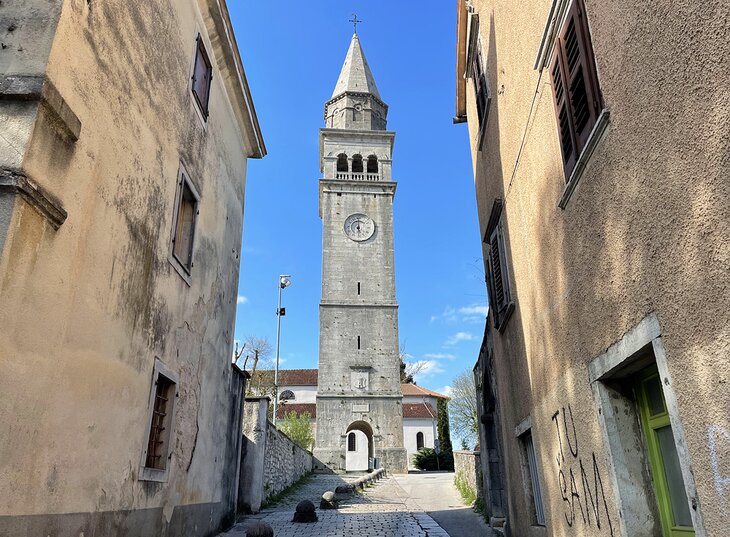
One of the largest inland towns in Istria, Pazin's main draw is its superb medieval castle (Kaštel) and spectacular setting. Built in the ninth century, the castle is set dramatically high on a cliff top overlooking a gorge, with its entrance over a drawbridge.
The current layout dates to the 14th century when the four wings were joined to form a courtyard. The castle now serves as home to the Ethnographic Museum of Istria (EMI) with its many displays of traditional costumes, textiles, farming implements, fishing equipment, musical instruments, and household items.
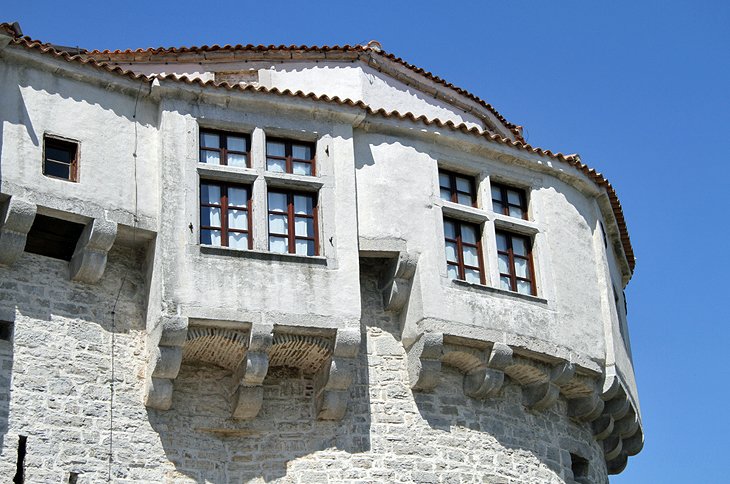
Also at the castle is the Civic Museum with its many archaeological finds, as well as collections of bells and weapons. Other interesting attractions in Pazin are the medieval Church of St. Mary and the 15th-century church of St. Francis (Sv Frane).
If you are driving, I recommend parking close to the entrance of the town and then take your time wandering the narrow streets. Pazin's Old Town is magical and the walk to the castle feels like a step back in time.
Address: Trg istarskog razvoda 1, 52000, Pazin, Croatia
9. Explore the Old Fortified Town of Lovran
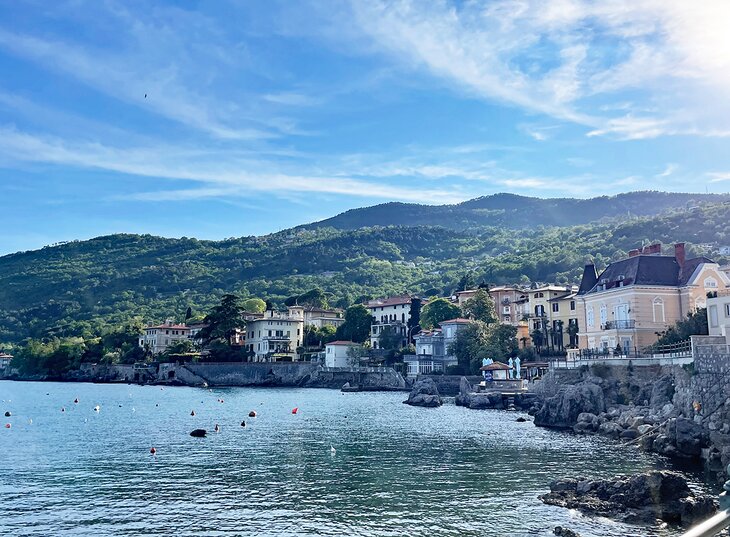
Just five kilometers from Opatija, Lovran is one of the most sought-after summer resorts in Croatia. Protected from the cold winds of winter by Mount Ucka and spread out along the oceanfront, Lovran enjoys a mild climate that ensures it is busy year-round. Be sure to explore the old fortified part of the town, where some sections of the original wall remain.
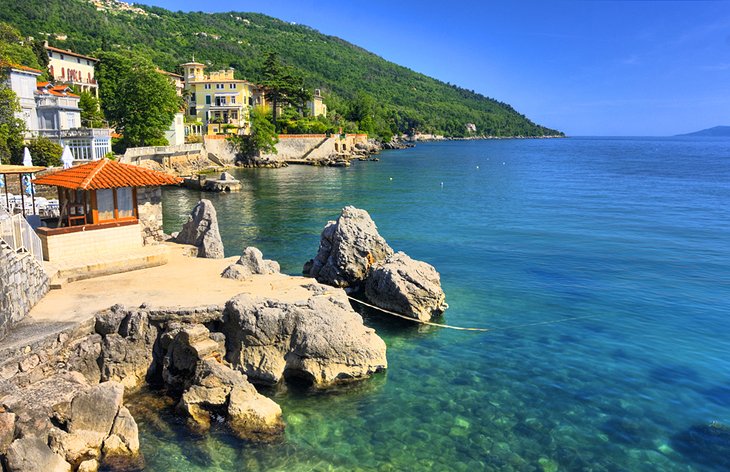
Popular attractions in this historic area include the Romanesque bell tower and the 14th-century, Baroque-style Church of St. George (Sv Juraj) on the main square. Popular annual events held in Lovran include St. George's Day Celebrations in April, the Fishermen's Feasts during the summer months, Marunada in October, and a Yachting Regatta in November.
10. Take a Stroll along Lungomare Promenade
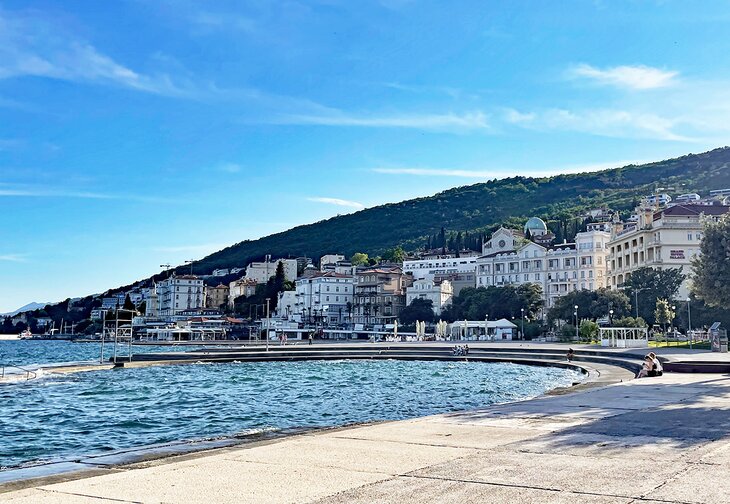
The Lungomare is a lovely 12-kilometer stretch of promenade, which runs along the Adriatic coast from Volosko to Lovran. Constructed in the late 19th-century when Opatija began to develop as a resort destination, today it is one of the highlights of this area.
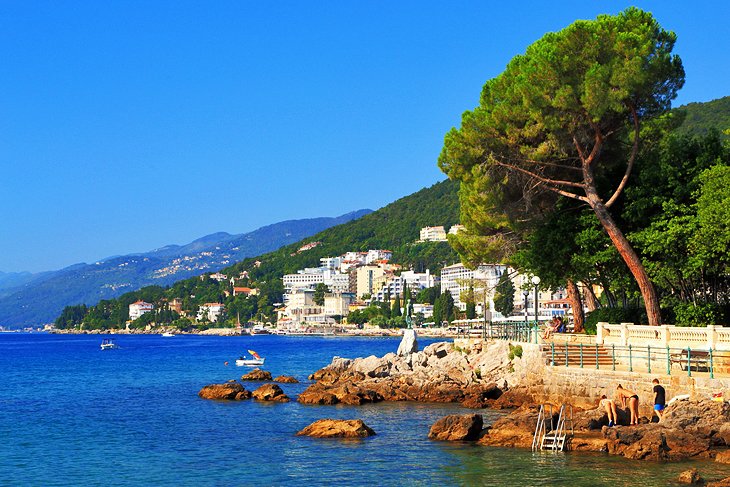
The Lungomare is a good place to stroll or find your own piece of oceanfront to soak up the sun as it's possible to set up along the shore at any of the many rocky points jutting out into the sea.
11. See the Historic Attractions of Vrsar
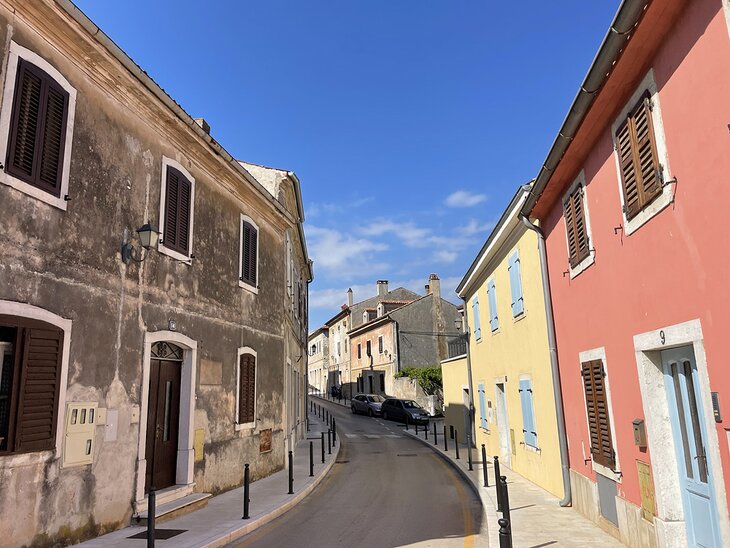
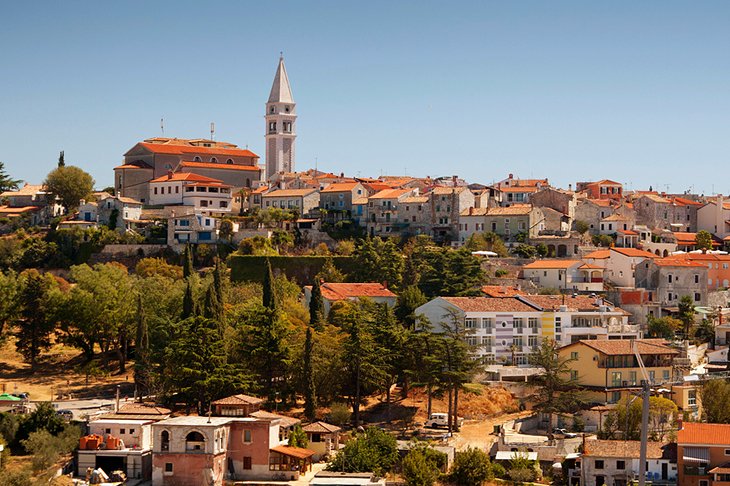
Vrsar (Orsera), a once fortified fishing village with origins dating back to Roman times, contains many old Roman ruins, including the remains of an old villa and the Montaker quarry, still used by sculptors and their students as a source of stone. Remnants of the old Roman fortifications can still also be seen, most notably the sea gate from that period, while highlights from later periods include the 10th-century Romanesque Church of St. Mary (Sv Marija) near the waterfront.
Also of interest is the 12th-century Vergottini Castle, also known as the Bishop's Palace, and the nearby 19th-century Church of St. Martin. You'll also want to see the Dusan Dzamonja Sculpture Park just a little way out of town.
To the south of Vrsar, the Limski Channel is a marine reserve popular for its many limestone caves, one of which was home to the well-known hermit St. Romualdo.
Head up to the top of the hill to explore the medieval streets of the historic town. Personally, I liked exploring the sections of the city that were pedestrian-only. Parking can be tight at the top of the hill, but if you happen to snag a spot you'll be free to head into the gates to the narrow alleys and stone-lined plazas.
Down the hill things become considerably more modern, with a yacht-filled marina and a selection of lively seafood restaurants. Trost is a wonderful option for its waterfront views and is known for grilling its seafood in a gradele, which is one of the more traditional ways to prepare food in this part of the Adriatic.
12. The Village of Pican's Perfect Little Cathedral
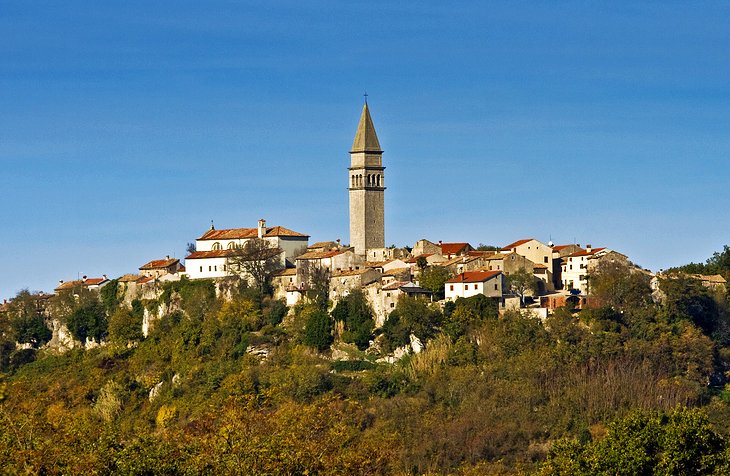
The quaint village of Pican, known as Petena during Roman times, lies about 12 kilometers southeast of Pazin and has been of religious importance since the fifth century with a long history as a bishop's see. Today, the village boasts a variety of well-preserved medieval buildings, including the lovely town gates dating from the 14th and 15th centuries.
Also of interest is St. Nicephorus Cathedral. Originally built in the 14th century and completely rebuilt in the early 1700s, it's a fine example of a Greek Orthodox cathedral and well worth visiting. Highlights include the main altar with a superb painting by Valentin Metzinger entitled Annunciation.
Also of interest is the Romanesque church of St. Michael (Sv Mihovil) with its splendid 15th-century frescoes.
Where to Stay in Istria for Sightseeing
Istria is geographically small, so getting around the region is quite easy. Base yourself in one of the main towns and from here, you can reach all the top things to do around the province on day trips. However, it's best to rent a car, as public transport is not great. We like these properties in Rovinj, Pula, and Lovran:
Luxury Hotels:
- The Hotel Monte Mulini serves up five-star luxury in Rovinj. It offers rooms and suites with beautiful bay views, stylish decor, and deep soaking tubs. The grounds host a gorgeous waterfront pool and an excellent restaurant.
- Another excellent luxury pick is the slightly less posh, four-star Hotel Adriatic, also in Rovinj. This boutique property has a fantastic location, city views, contemporary decor, and dramatic artwork.
- Also, check out the Hotel Lone in Rovinj. It offers more affordable luxury, fabulous interior design, and a good location.
Mid-Range & Budget Hotels:
- In Pula try the good-value Park Plaza Arena Pula. It features a private beach, sunny terrace, outdoor pool, and Roman spa.
- Another top mid-range choice in Pula is Oasi - Boutique Hotel & Restaurant. It has a range of rooms, including apartments to accommodate families, and the on-site restaurant is quite good.
- If you're looking for a budget sleep, try the Hotel Park Lovran. The Lovran Hotel comes with sea views, friendly staff, a swimming pool, and a sauna.
Map of Attractions & Things to Do in Istria
More Related Articles on PlanetWare.com
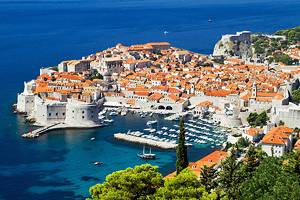
Croatia's Dalmatian Coast: The coastline to the south of Istria is known as the Dalmatian Coast, and it is home to some of Croatia's top attractions. Zadar anchors the northern Dalmatian Coast, which stretches all the way south to Dubrovnik and is well worth visiting. Also on the Dalmatian Coast, Dubrovnik is perhaps Croatia's most stunningly preserved medieval town and a highlight of any visit.