Attractions & Places to Visit in New York State
The task of choosing a handful of top attractions to represent the entire state of New York is not an easy one thanks to its nearly endless number of things to see and do. From the historic to the most contemporary, New York State overflows with interesting places to visit.
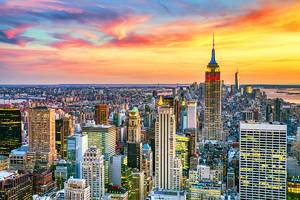
New York City is undeniably the state's most popular tourist destination, and it's packed with famous attractions, restaurants, and shops. The borough of Manhattan is home to many of the city's top destinations, like Central Park, Times Square, the Empire State Building, and much more.
Upstate New York, as locals call pretty much anything north of the city, offers year-round vacation possibilities. In summer, the many lakes and mountains, along with New York's charming small towns, are the main attractions.
Winter is also a popular time to visit due to the ski resorts and luxury hotels and lodges that make great getaways.
Plan the perfect escape any time of year with our list of attractions and places to visit in New York State.
- Statue of Liberty and Ellis Island
- Niagara Falls
- Central Park
- Times Square
- Finger Lakes
- Lake Placid
- Lake George
- Storm King Art Center
- Cooperstown
- Thousand Islands
- The Adirondacks
- The Catskills
- Letchworth State Park
- Darwin D. Martin House Complex, Buffalo
- Watkins Glen State Park
- George Eastman House and the International Museum of Photography and Film, Rochester
- Kingston
Statue of Liberty and Ellis Island
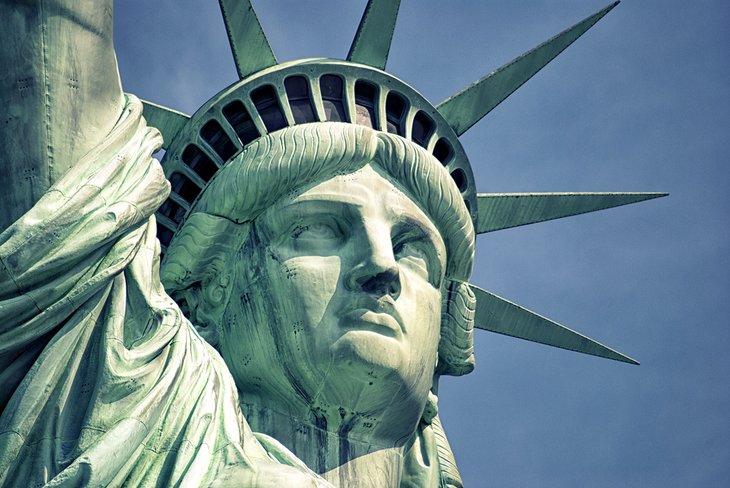
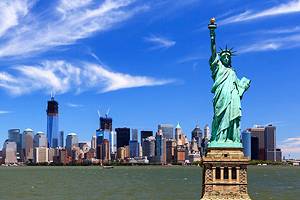
The Statue of Liberty is the nation's most iconic monument, a symbol of hope to millions of immigrants on their way to Ellis Island.
Tourists can visit both attractions via a ferry operated by the National Park Service that meets passengers at Battery Park and runs continuous loops throughout the day.
The first stop is the statue, where visitors can enjoy views of both the monument and the New York City skyline at no charge. You can also purchase tickets to access the pedestal or crown, although crown passes sell out at least six months in advance.
Be sure to wander through the museum in the base of the statue and check out the extensive educational signs, statues, and historic markers.
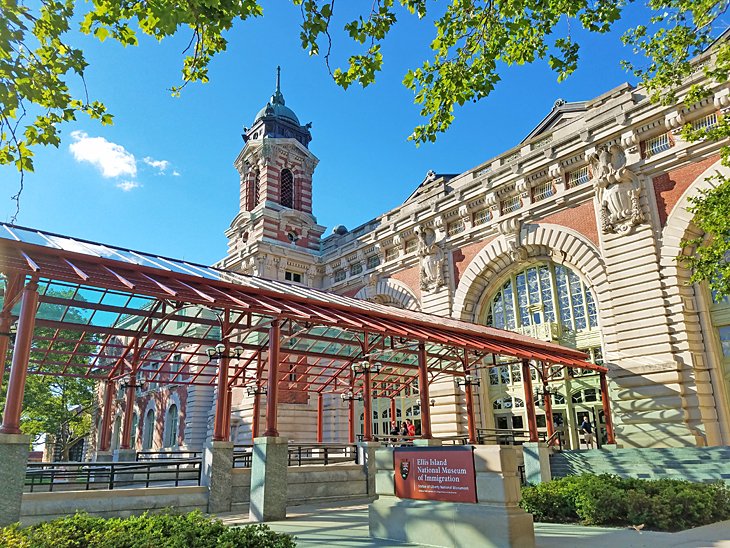
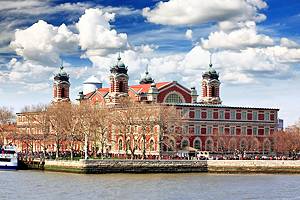
The ferry stops next at Ellis Island, where there is a museum on the first floor of the main building, an architectural masterpiece that once served as the main processing center and hospital from 1892 to 1954. On the upper level, tourists can wander the rooms of the quarantine wing and see some of the original bunks and facilities used by those hoping to start new lives.
Inside are poignant exhibits, with walls of photos, documents, and personal stories that capture defining moments in American history, one person at a time.
Tourists should plan at least a half day to enjoy sightseeing at both attractions, or if pressed for time consider hopping aboard the ferry and using the ride to get phenomenal views of these New York City landmarks from many angles.
Official site: www.nps.gov/stli
Niagara Falls
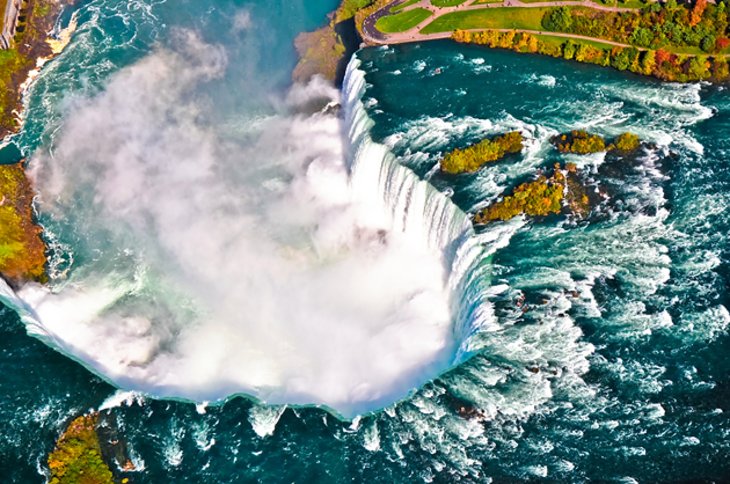
Niagara Falls is one of the natural wonders of North America, drawing millions of visitors each year. Located along the border of Canada and the United States, there are actually three waterfalls within the park: Bridal Veil Falls, American Falls, and Horseshoe Falls. Horseshoe Falls is the widest and tallest, dropping 167 feet from a 2,700-foot-wide ledge.
For the best panoramic view of all three falls, go up the observation tower, or take the famed Hornblower boat tour into the basin of Horseshoe Falls. It's one of the most popular things to do in Niagara Falls. In addition to park information and tour tickets, the visitor center has a gift shop, several dining options, and a theater that shows a 40-minute film about the history and legend of the falls.
The park also provides nighttime illumination of the falls and hosts spectacular fireworks shows on special occasions.
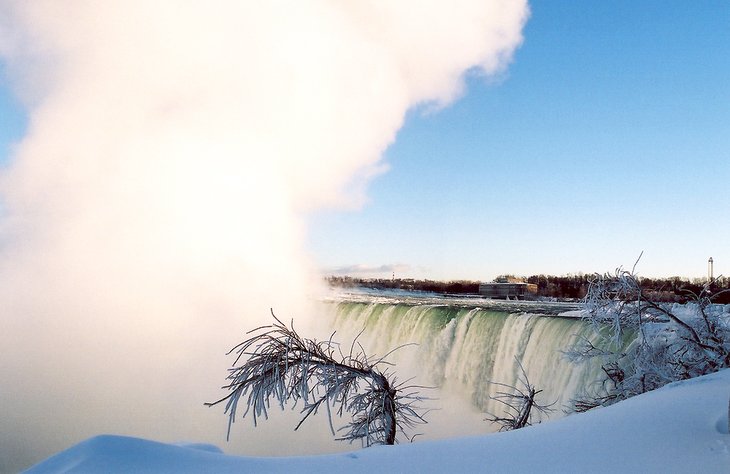
In winter, the falls transform into a frozen spectacle of massive icicles, freezing fog, and ice-covered trees and railings. On clear, calm days, the plume of mist rising off the falls stretches high into the sky and can be seen from as far away as the CN Tower in Toronto.
Official site: www.niagarafallsstatepark.com
Central Park
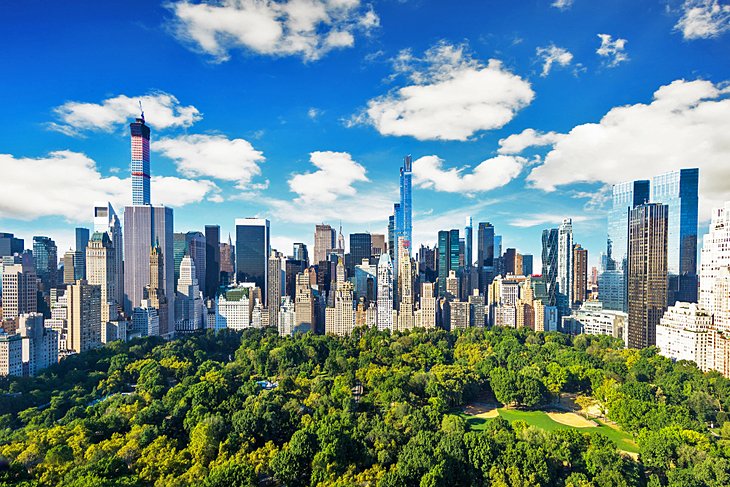
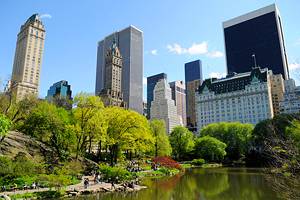
Although it may appear on a map as a small patch of green within the grid of Manhattan streets, Central Park is an expansive space that contains enough sights and things to do to last for days, if not longer.
Central Park is home to a wide range of attractions, from impressive architecture and peaceful gardens to skating rinks.
Bethesda Terrace is known for its stunning Bethesda Fountain, and the Mall, an idyllic, broad pathway canopied by the arching limbs of centuries-old American elms, begins at the terrace. Tourists will find several peaceful spots to relax, like the formal Conservatory Garden, the Shakespeare Garden, or the famed Chess & Checkers House.
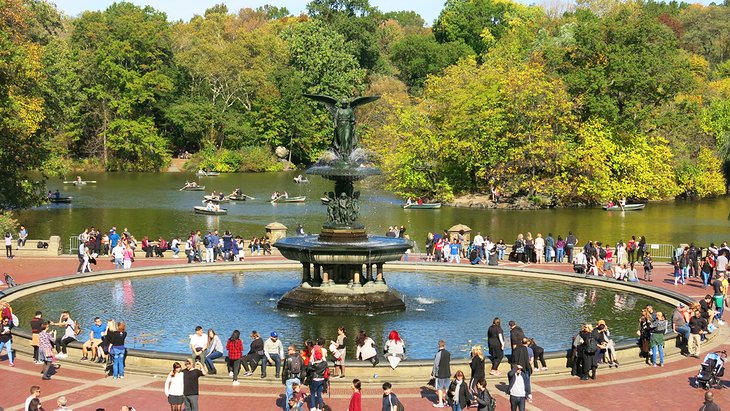
Kids will enjoy the Central Park Zoo, which features sea lions, penguins, and other animals, and the younger ones will want to ride on the historic Carousel. The park also has, of course, expansive green lawns and enough playgrounds to keep kids busy for days.
Heckscher Playground lies mid-park between 61st and 63rd streets and boasts an extensive sprinkler area to help little ones cool off on a hot summer day. It dates to 1926 and also has slides, a giant sandbox, and climbing structures, as well as lots of open space to run around.
The Billy Johnson playground near the zoo features a stone slide beloved by kids. Be sure to bring a newspaper, or better yet, the lid of a pizza box to sit on while sliding, as it makes the ride faster.
Several ponds are also on hand to enhance the ambience. Pack a picnic and enjoy your meal with a side of people-watching.
Central Park can be toured by horse-drawn carriage for the ultimate romantic sightseeing experience.
Official site: www.centralparknyc.org
Times Square
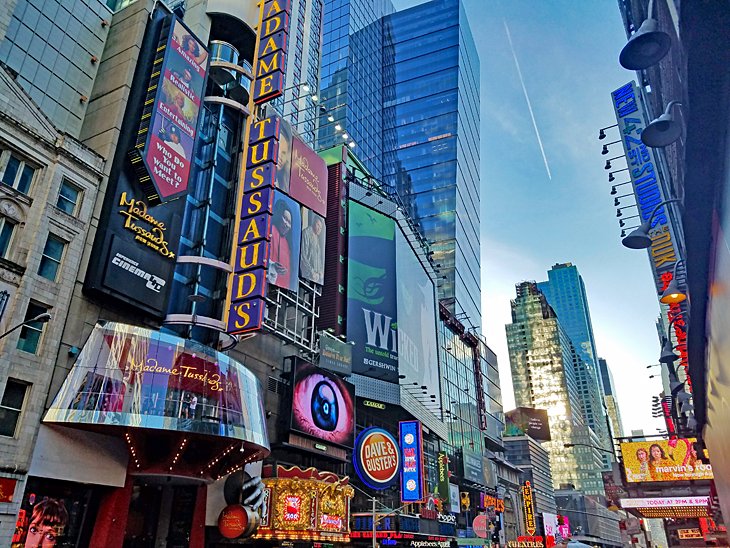
There are weeks' worth of attractions and things to do in and around Times Square, but even a brief visit to experience the bigger-than-life excitement is worth the trip. The heart of Times Square is at the junction of Broadway and 7th Ave, where you will be mesmerized by the massive screens that announce everything from the newest films and shows to special presentations.
The pedestrian areas are full of artists, performers, and tourists taking in the cacophony of the city and the enticing smells wafting from the food trucks that line the streets. While in the neighborhood, a visit is not complete without dinner at Sardi's Restaurant and a show in the world-famous Theater District.

Traveling with the kids? You'll find plenty of family attractions, including Madame Tussauds, which has not only amazing waxworks and interactive exhibits but also offers a new perspective from the glass-walled viewing platform that protrudes over the sidewalk.
Times Square is also home to a staggering number of stores, big and small, and no visit is complete without a stop at M&M World where you can't help but smile. The Empire State Building, another NYC icon, is within walking distance of the square and is open until 2am for breathtaking views of the city below.
Finger Lakes
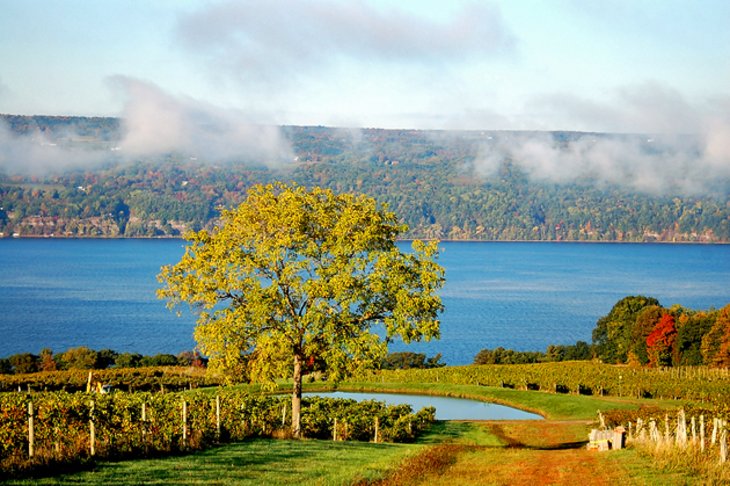
According to Iroquois legend, the long, narrow lakes in the landscape west of Syracuse were formed by the impression of the fingers of the Great Spirit. The numerous lakes that make up the Finger Lakes region offer a range of outdoor opportunities in a visually stunning landscape.
Cute towns and Finger Lakes resorts are dotted along the lakeshores of the main lakes, most of which are particularly busy during the summer months. Some interesting ways to explore the area are on the Cayuga Trail, the Seneca Lake Trail, and the Keuka Trail.
The town of Corning is home to the living history museum Heritage Village of the Southern Finger Lakes, as well as The Rockwell Museum, which features a variety of artwork. Auburn is also home to several attractions, including the Harriet Tubman House, the Seward House Museum, Willard Chapel, and the Fingerlakes Mall. Additional attractions include the Finger Lakes Museum in Branchport and the Sonnenberg Gardens & Mansion State Park.
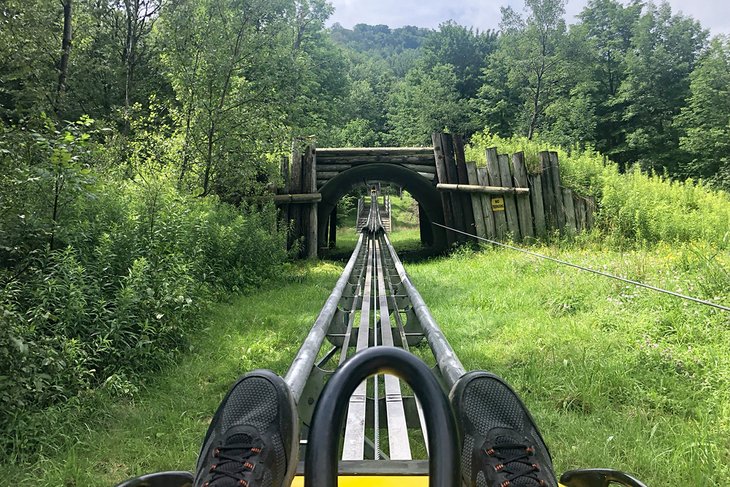
Seeing the falls at Watkins Glen State Park; riding in a hot air balloon over Letchworth State Park, and having an adventure at Greek Peak Mountain Resort are among the best things to do in the Finger Lakes.
Lake Placid
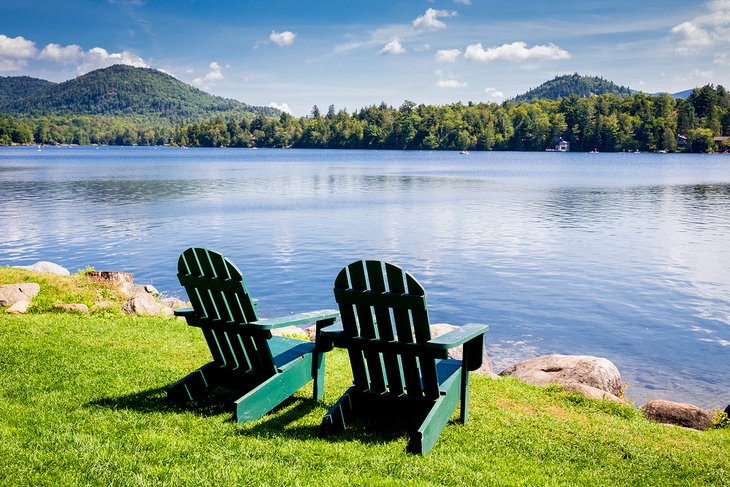
The world-famous winter sports resort of Lake Placid, at the foot of Whiteface Mountain, has twice hosted the Winter Olympics (1932, 1980). Today Lake Placid is a major tourist center, located in beautiful natural surroundings with lakes and hills.
While it is perhaps best known internationally for its winter recreation, particularly skiing, the town is a popular summer destination as well. All kinds of unique shops and restaurants line the main tourist strip in Lake Placid. Beautiful resorts are found along the shores and in the rolling landscape.
In addition to the actual body of water named Lake Placid, there is also the incredibly scenic Mirror Lake, which is a centerpiece of the town. The setting for this lake makes it one of the most beautiful lakes in New York State.
Lake George
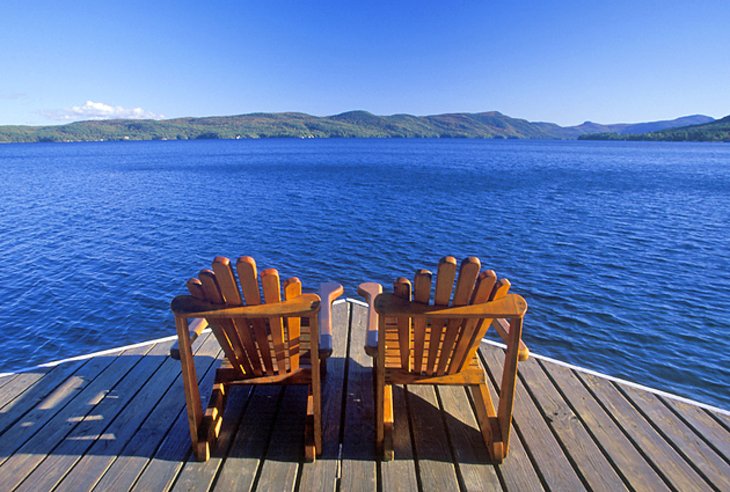
The town of Lake George is located at the southern end of a 32-mile-long lake of the same name. The town is a major tourist destination in the summer, and the lake itself is the main attraction.
Many of the islands on the lake have been developed for camping, and the area is particularly popular with motorcyclists.
Million Dollar Beach, on Beach Road, provides swimming, picnic facilities, and volleyball courts. Sightseeing cruises are also a fun way to see the lake. Prospect Mountain offers a high scenic point for a view out over the lake and surroundings.
Historical points of interest around Lake George include Lake George Battlefield Park and the Fort William Henry Museum.
Storm King Art Center
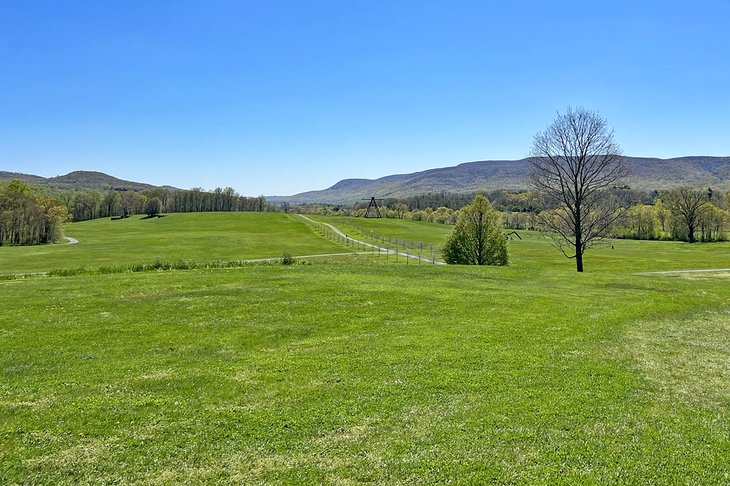
Wear comfortable shoes when you visit Storm King Art Center, which was named for the nearby mountain overlooking the Hudson River. This magnificent outdoor sculpture gallery set among 500 acres of bucolic landscape is by far one of the most captivating attractions in New York state – and you'll want to walk around it all.
Not a walker? No worries. There's a tram on-site to take you past most of the massive sculptures, but you'll want to download the site's app to get the most detailed information about each piece. Also, since this is an open-air attraction, plan your visit for a nice day to get the most out of your trip.
Many of the ambitious works on display throughout the fields and hills of this unique exhibition change frequently, and the art looks different in every season. That means you're in for a new experience with every visit. And trust us, going once really isn't enough!
Storm King is open Wednesdays to Mondays from 10am to 5:30pm. Last entry is at 4. It will take at least two hours to explore the area, more if you'd like to stop and appreciate the impressive works, so plan your trip accordingly. There's a café on-site offering healthy lunches, drinks, and snacks to help ward off hunger pangs during your journey.
Address: 1 Museum Road, New Windsor, New York
Official site: https://stormking.org/
Cooperstown
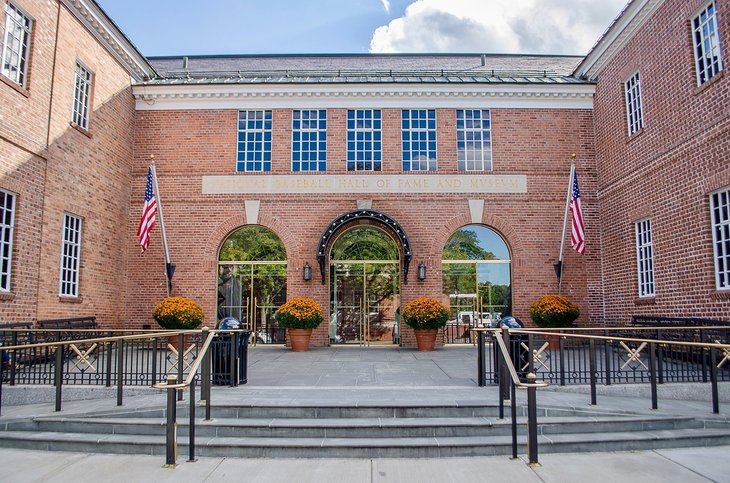
Cooperstown sits at the southern tip of Otsego Lake in central New York state. It is best known as the home of the National Baseball Hall of Fame and Museum, where baseball aficionados can admire the sport's legends and view memorabilia.
The Heroes of Baseball Wax Museum is a fun follow-up to the Hall of Fame, and although it is on the smaller side, it is fun to pose with baseball's greats in a laid-back atmosphere and enjoy their "baseball bloopers" film in the small theater.
Cultural attractions in Cooperstown include the Fenimore Art Museum and the Alice Busch Theater, which hosts the Glimmerglass Festival, an annual international opera event. There are also historic sites like Hyde Hall, once a sprawling colonial estate, as well as The Farmer's Museum, where life on Lippitt Farmstead and a historic village is brought to life.
Thousand Islands
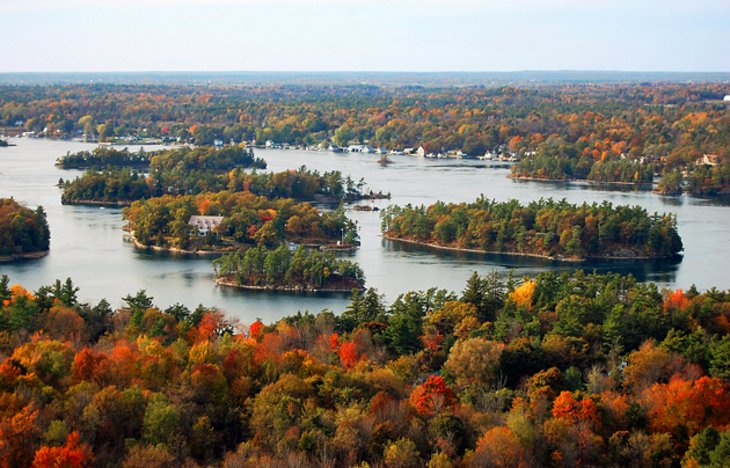
Dotted all over a 50 mile stretch of the St. Lawrence River are thousands of little islands. They are located along a granite shelf extending from the Canadian Shield to the Adirondack Mountains in the United States, with the boundary actually running between the islands. It is an area of great scenic beauty any time of year, but especially vibrant in autumn during foliage season.
Operating between mid-May and mid-October, boat tours among the maze of islands show ever-changing vistas and include glimpses of holiday homes that range from the plainest of log cabins to the most luxurious of summer villas. One of the most amazing sights in the Thousand Islands is the stunning Boldt Castle dating from 1900.
The Adirondacks
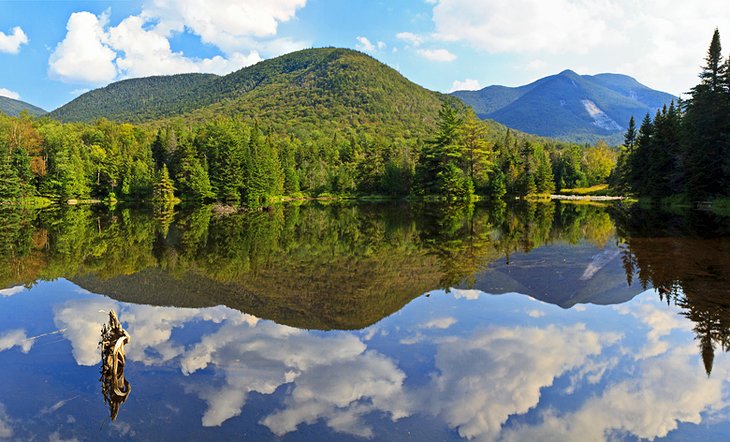
The Adirondacks are a scenic range of forest-covered hills in northern New York state, with numerous lakes and recreational opportunities. The hills are part of the Canadian Shield and reach a height of over 5,000 feet.
The highest peak is Mount Marcy at 5,345 feet. The Adirondacks are a favorite holiday destination for New Yorkers. People come here to enjoy hiking, canoe on the extensive waterways, and relax at lakeside cottages and resorts in the Adirondacks.
This is a beautiful area to photograph in the fall, with an incredible display of New York autumn colors.
The Catskills
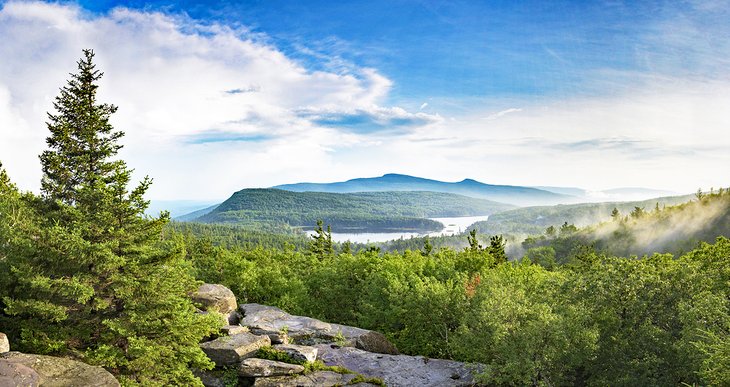
Another popular destination to experience nature in New York State is the Catskills. The rugged countryside of rolling hills and peaceful lakes is perfect for recharging your mental batteries. You can be as active as you like by undertaking activities like biking, canoeing, and hiking; or as lazy as you like by sitting by the pool, snoozing, or visiting the spa at one of the many top resorts in the Catskills.
In the winter, the Catskills transform into a snowy wonderland and draw skiers from far and wide to some of the finest ski resorts in New York.
Letchworth State Park
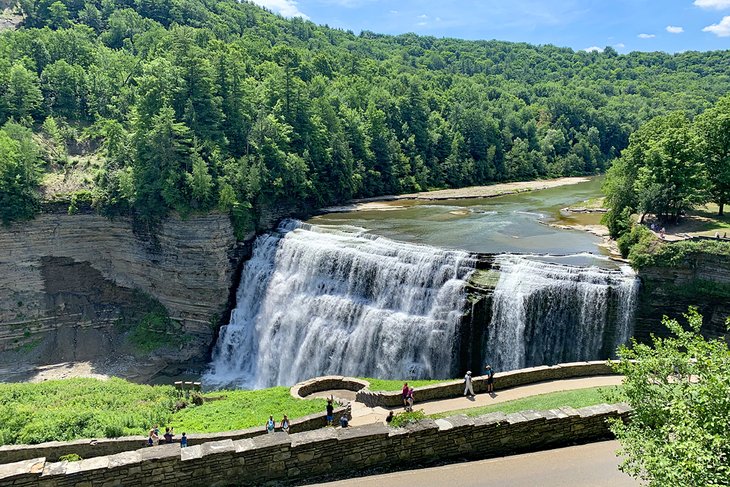
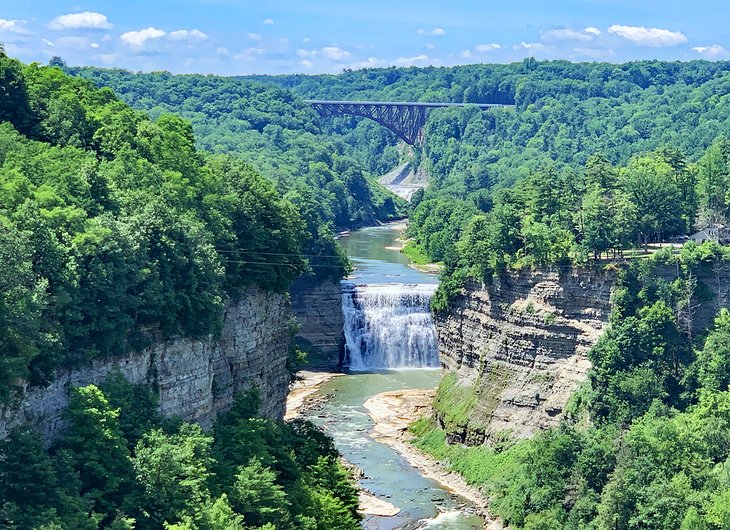
Letchworth State Park is home to three sets of waterfalls along the dramatic Genesee River Gorge. Steep cliff walls line the gorge, which is surrounded by forest, and it is often referred to as the "Grand Canyon of the East."
Middle Falls is the largest, with a 107-foot drop, and is illuminated at night from May through October. It's dubbed one of the best waterfalls in New York for good reason! Upper Falls is just as captivating, but only drops about 70 feet. It is surrounded by stunning rock cliffs and crossed by the photo-worthy Portage High Bridge.
The park offers a full range of facilities, from campsites and cabin rentals to trails, swimming, a playground, and concessions. Winter activities include snowshoeing, cross-country skiing, and designated snowmobile trails.
One of the most memorable experiences in Letchworth State Park is definitely the hot air balloon rides that soar high above the phenomenal landscape, offering views that truly can't be beat. Book one during fall for the most impressive display of Mother Nature's best color show.
Darwin D. Martin House Complex, Buffalo
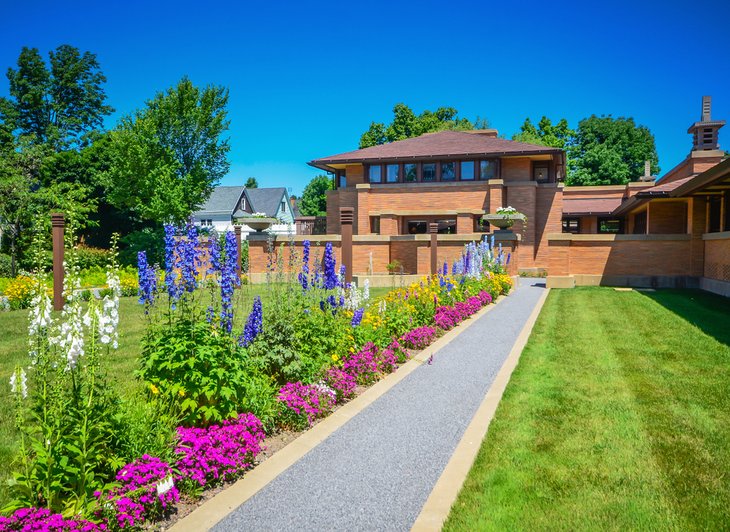
Darwin and Isabelle Martin commissioned Frank Lloyd Wright to build a multi-structure complex in 1904, which he did at the height of his Prairie House era. It is considered by many to be his finest such work.
One of the top things to do in Buffalo, the house is open to the public and can be toured on either a Basic Tour or an In-Depth Tour, with guides who can direct viewers to the details and enhance visitors' understanding of the structure. Portions of the estate that were torn down over the years are being reconstructed.
Address: 125 Jewett Parkway, Buffalo, New York
Official site: www.darwinmartinhouse.org
Watkins Glen State Park
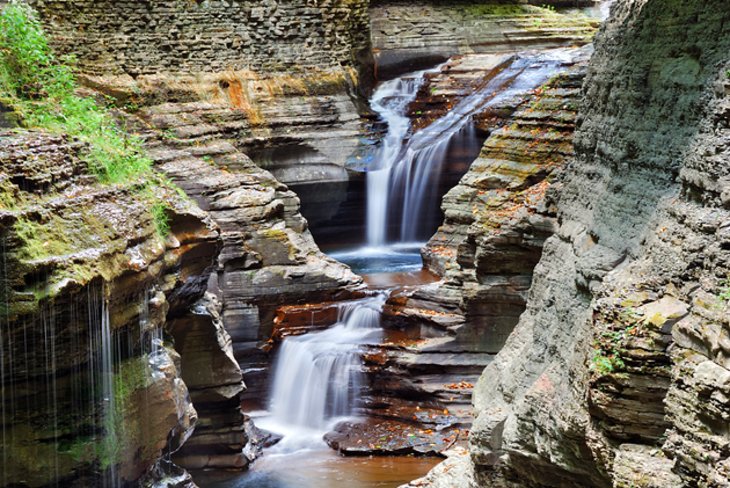
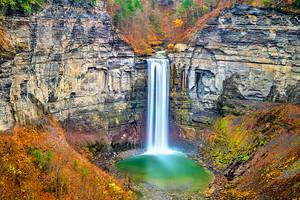
Watkins Glen is located at the southern tip of Seneca Lake within the Finger Lakes State Parks. The glen extends for two miles, dropping a total of 400 feet over 19 waterfalls, past 200-foot cliffs that were carved by the water.
In addition to admiring the gorge from its rim trails, visitors will find many things to do, including fishing, hiking, and even swimming in the park's Olympic-sized pool. The park has campsites for both tents and RVs, as well as picnic areas for day visitors. Guided tours of the gorge are available in season.
Official site: https://parks.ny.gov/parks/142/
George Eastman House and the International Museum of Photography and Film, Rochester
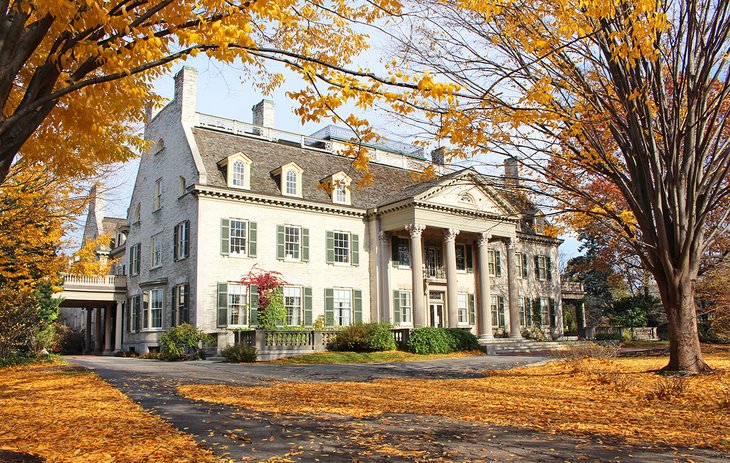
The 50-room George Eastman mansion was completed in 1905 and originally included a stable, garage, barn, five greenhouses, and many gardens. Located in Rochester, the house has been restored to its appearance in the early 1900s, with photographs made by Eastman, as well as letters and notes that assisted in the restoration.

The outstanding International Museum of Photography and Film is located on the grounds and will be of interest to anyone with a passion for photography. The museum also showcases a number of traveling exhibits and movies on a regular basis. Be sure to check their website to see what's coming up.
Address: 900 East Avenue, Rochester, New York
Official site: https://www.eastman.org/
Kingston

Kingston is a quaint waterfront town that lies on the outskirts of the Catskills, about two hours north of Manhattan. It's a popular place to spend a weekend in New York, with a slew of fun things to do, especially during summer.
When the warm sun shines, this unassuming town really comes to life–in the form of outdoor concerts, festivals, and other fun events. Grab a bite on an outdoor patio by the Hudson River, hop on a cruise, or tour one of the area's multiple museums.
The Hudson River Museum is particularly interesting if you're a fan of all things nautical, while train lovers could spend hours in the Trolley Museum of New York.
Save time to practice a little retail therapy in the boutique shops Uptown, but do not miss a wander along the streets of the Stockade Historic District. This region is comprised of eight blocks of fairy-tale worthy buildings and so much charm, you'll want to stay longer.