

Kyoto's 10 Most Amazing Tourist Attractions To Add To Your Itinerary
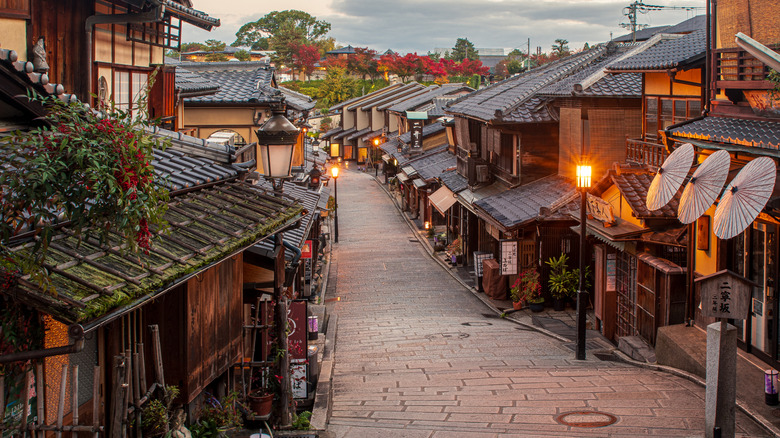
One of the most unmissable tourist destinations in the country, Kyoto is among Japan's most enchanting cities. Over 71 million people visited Kyoto in 2022 alone, an impressive rebound after the COVID pandemic's international travel dip. Travelers who venture to this city, which was Japan's capital from 794 to 1868, can spend their days exploring shimmering temple pavilions, cherry blossom-lined paths, and neighborhoods that look like they could have been plucked from an 18th-century Japanese scroll. Just make sure you've studied all of the Japan travel requirements tourists need to know before booking your trip.
In this guide, we'll immerse ourselves in 10 of Kyoto's most amazing tourist attractions that showcase the city at its most memorable. This roundup is designed to take you to both iconic landmarks that belong on every Kyoto itinerary, as well as a few lesser-known sites that not everyone will think to visit. Together, these locations will give you a Kyoto travel experience that will last in your memories for decades after you leave. To get around Kyoto quickly from place to place, biking is the best way to make the most of your trip!
Fushimi Inari Taisha
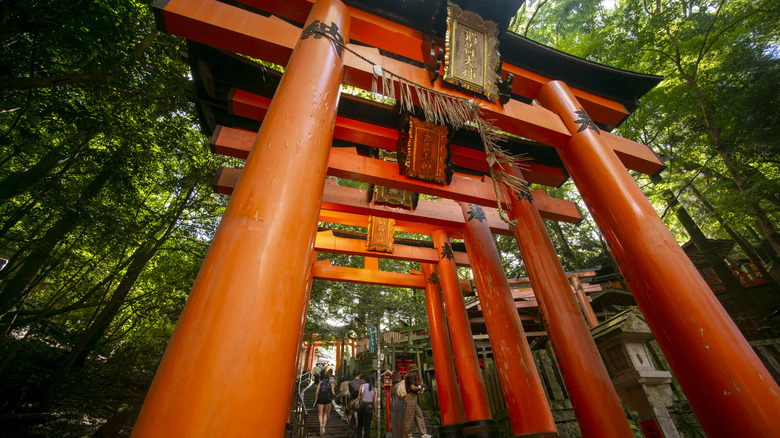
Fushimi Inari Taisha is believed to have been founded in the year 711, which means it has been one of Kyoto's most sacred sites for over 1,300 years. This Shinto complex is most known for its pathway of vermilion torii gates. Thousands of red gates form various tunnels, of sorts, which visitors can explore as they hike through the temple area on Mount Inari. For hundreds of years, these gates have been donated by people who have had spiritual experiences of some kind at Fushimi Inari Taisha, with each name and the date of donation inscribed on the back. Today's travelers and religious pilgrims can still apply for a gate by stopping into any tea shop in this Inari shrine complex. Note that the website mentions gate donors should be "devout believers," so ask any pertinent questions before filling out your application.
In addition to exploring the vermilion torii gate walkways, there are plenty of other sights to see during your visit to Fushimi Inari Taisha. Many visitors find themselves quite taken by the fox sculptures— foxes are believed to commune with the deity Inari — that can be seen throughout the mountain, including near the main entrance. In addition to the primary temple, called Honden, there are dozens of other smaller temples and shrines here. Highlights include the Omokaru Ishi rocks, believed to predict whether visitors' dreams will come true; the worship hall (Gehaiden), decorated with lanterns representing all 12 zodiac symbols; and the Mount Inari hike itself, which is generally a two-hour round-trip trek to the summit and back. There are plenty of food vendors available for those who choose to spend a full day at Fushimi Inari.
Kinkaku-ji (The Golden Pavilion)
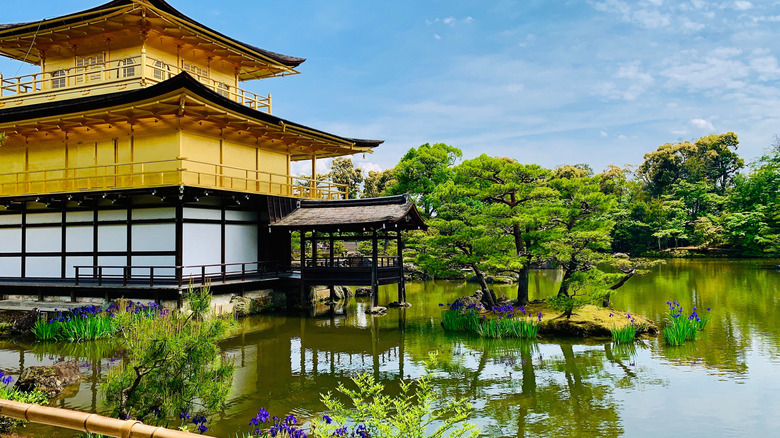
Kyoto is one of the world's most beautiful cities, and Kinkaku-ji is a prime example of its elegance. Part of a larger Zen temple complex, the highlight here is the dazzling gold-leaf-covered pavilion that was originally a retirement residence. The villa's owner, famed shogun Ashikaga Yoshimitsu (ruled 1368 to 1394), unified two opposing courts in Japan and reopened trade with China after 600 years. Today, his former home ranks among the most popular temples in all of Japan. To keep its gilded exterior in good condition for travelers from around the world, Kinkaku-ji regularly undergoes restoration, the most recent of which was in 2020.
In addition to viewing the main attraction, this complex offers a variety of other things for visitors to see and do. The ornate entry gate, for instance, is an excellent example of traditional Zen temple architecture and makes a great photo spot. Deeper in the gardens, the White Snake Tomb is believed to grant good fortune, particularly in business. It has been a popular place for worshippers for centuries. It's also worth strolling by the hojo, where the temple's high priest once lived. Visitors can view its gorgeous painted sliding doors from the exterior, but the inside of this structure is closed to the public. Before you leave, stop by the traditional Sekkatei Teahouse, where you can sip your beverage in the tea garden overlooking the grounds.
Arashiyama Bamboo Grove
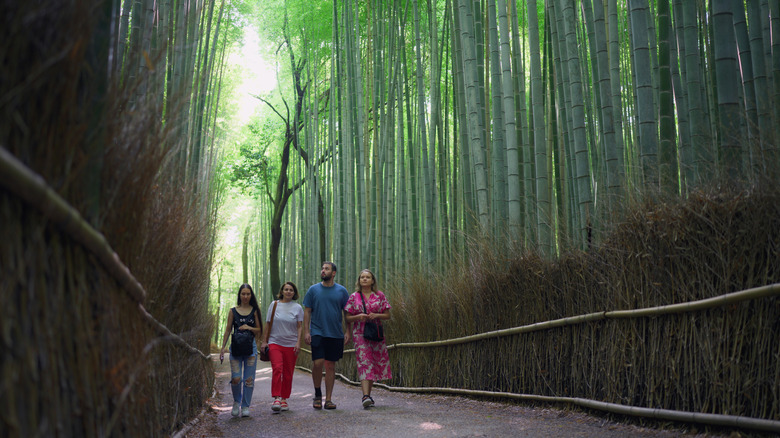
Walking into the Arashiyama Bamboo Grove will make you feel as if you've entered a Studio Ghibli film in real life. The bamboo stalks here — which can grow up to a staggering 66 feet tall!— form dense natural walls on both sides of the path, completely immersing visitors in an incredibly peaceful, otherworldly experience. Unsurprisingly one of Kyoto's most visited sites, Arashiyama is a dream for serious photographers and hobbyists, with gorgeous photo spots at every turn. To capture the best light for pictures, it's wise to arrive just as the sun is rising. The area where the bamboo forest now caters to tourists was once a secluded getaway for Japanese aristocrats during the eighth through 12th centuries.
Although it is one of the most mesmerizing places on Earth, the main bamboo grove at Arashiyama only takes an hour or less to explore, but there are other nearby locations to pair with your excursion. Tenryu-ji Temple, for instance, is located close to the forest's entrance. Tenryu-ji has been built and rebuilt over the centuries, having survived eight fires since it opened in 1339. The last fire, in 1864, was particularly destructive, leaving only one building standing. The temple complex visitors see today is largely the result of a 1934 restoration effort. It's also worth visiting the Nonomiya Shrine, which can be found within the forest, but off the main path. An ancient shrine that makes an appearance in the world's first novel, "The Tale of Genji," this location was originally used to purify princesses who served as religious priestesses.
Kiyomizu-dera Temple

There are more than 1,600 temples in and around Kyoto, and Kiyomizu-dera is one of the city's oldest and most beautiful, largely because of its location. Situated on a hilltop that overlooks all of Kyoto, Kiyomizu-dera is famous for its wooden deck, which was built without hammers and nails and is held up by several hundred pillars. After exploring the temple's Hondo, or main hall, visitors gather here to take panoramic photos of the scenery, including popular springtime cherry blossoms. During the trek to the main temple, which is about mid-way up Mount Otowa, travelers will find themselves on Ninenzaka and Sannenzaka streets. These pedestrian walkways are home to a variety of stores selling everything from snacks to traditional Japanese pottery to kimono accessories.
The temple complex is large, with seven major locations to visit during your time on-site. In addition to the Hondo, guests are encouraged to stop by the Nio-mon, the ornate main gate; the Sai-mon, the west gate, which is a sacred meditation spot; the Zuigu-do Hall, where people come to request spiritual aid specifically with birth and raising children; and the Jojuin, a former priest's residence that is widely admired for its Moon Garden. First-time visitors should also go to Otowa Waterfall. It is tradition to take a drink from one of the three streams of water that flow here, but choose wisely, as each option is believed to have a different impact on your life!
Gion District

Kyoto's Gion District allows travelers to experience the city's long geisha tradition, which dates back to the 13th century. As they explore Gion District, visitors will walk by traditional machiya townhouses and down alleys that are still illuminated by lamplight as they are transported back in time. Hanamikoji Street is among the best-preserved routes in this neighborhood. Among the best restaurants in the area are Hanamikoji Yagenbori, which offers rotating seasonal menus, and Mokubei, a Michelin-starred establishment that boasts a fourth-generation chef.
With only about 1,000 working geishas remaining in the entire country, Gion District is one of the few places in Japan where visitors have the chance to spot a real geisha or maiko (an apprentice geisha) dressed in full regalia on the way to an appointment. Be aware, however, that tourists are banned from walking down private streets in this district for the privacy of local residents and working geishas. For those interested in a guaranteed cultural experience, consider booking an organized maiko performance or tea ceremony to experience a first-hand look at the dance, music, and etiquette that define Japanese geisha culture. Kyoto Maikoya operates three traditional teahouses, including one in Gion, and offers a variety of geisha-led experiences. Travelers can even rent kimonos for photoshoots, and there are specialty tea ceremonies for families with children up to age 12.
Nishiki Market
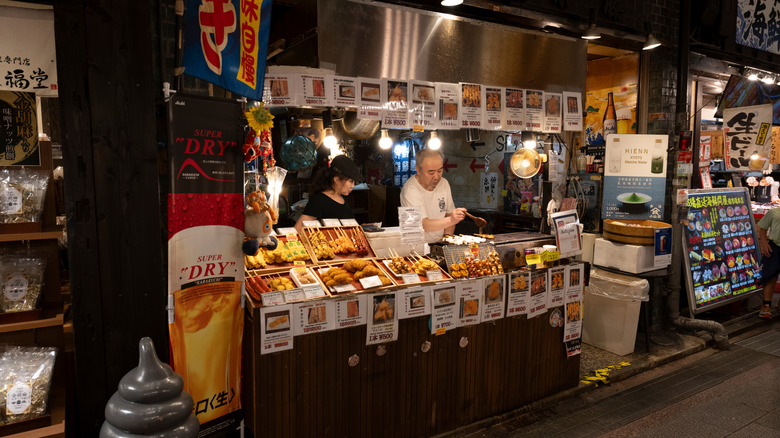
Nicknamed "Kyoto's Kitchen," Nishiki Market has been the city's primary culinary outpost for more than 400 years. Visitors can explore six blocks of stalls that sell a wide range of products, from ingredients to ready-made meals. Among just a few of the options are pickled vegetables from the Uchida pickle shop, which has been serving locals and tourists since 1940, and fresh fish from Maruyata, known for supplying Michelin-rated restaurants and other well-known fine dining establishments around the city. Many visitors also opt to try unique dashimaki omelets, which are served "Kyoto-style" in rolls, rather than the conventional folded method we're used to in the United States and Europe. Nishiki Market has two dedicated omelet shops that have been in business for generations — Miki Keiran and Tanaka Keiran.
It's not all about savory food here, though. There are plenty of sweet shops as well! Sawawa is known for its matcha delicacies, including matcha baumkuchen. Meanwhile, Nishiki Kofukudo is a confectionery that has existed since 1868. The shop is famous for its seasonal flavors, like chestnuts in the fall. And don't miss the popular SNOOPY Tea House. One of four throughout the country, this gift shop and tea restaurant is well-known among fans of the "Peanuts" franchise. Nishiki Market offers first-time Kyoto travelers an authentic, local experience that is getting harder and harder to find in major cities worldwide. Part street food fair, part grocery store, this is an essential Kyoto experience
Tetsugaku no michi (Philosopher's Path)

Kyoto's Philosopher's Path — which connects the Silver Pavilion, or Ginkakuji, to the Nanzenji neighborhood — is lovely all year long, but is an especially great stop for springtime travelers. There are many cherry blossom trees planted along this mile-long path, so it offers stunning scenery and great photo ops when they're in bloom! Called Tetsugaku no Michi locally, the Philosopher's Path opened to the public in 1890. It takes its name from the legendary Japanese philosopher, Nishida Kitarō, who enjoyed using this route while commuting to and from his professorship at Kyoto University. Since the walk is not overly lengthy, it's a great way to start one of your mornings in Kyoto to put yourself in a contemplative mood for the day!
In addition to enjoying the peace and quiet, there are several stops tourists can make along the Philosopher's Path. The aforementioned Silver Pavilion, near the entrance to the path, is a highlight. This structure stands on grounds once inhabited by shogun Ashikaga Yoshimasa, the grandson of the legendary shogun who built Kinkaku-ji, the second site on this list. Unlike it's gilt cousin, the Ginkakuji is not actually silver but got its moniker from the color of silvery moonlight. On the opposite end of the pathway, travelers will find Eikando Temple, which is well-known for its autumn foliage. No matter what time of year one visits, though, this 1,200-year-old structure is worth exploring. There are also teahouses and restaurants along the Philosopher's Path, making it a lovely place to grab breakfast or lunch.
Nijo Castle
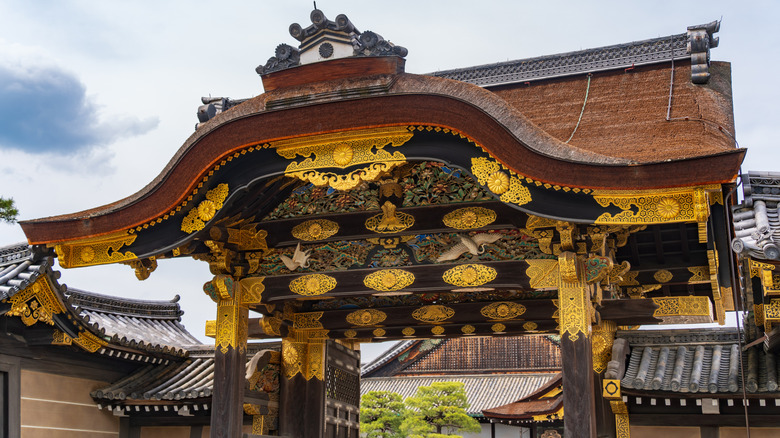
As one of Japan's most pivotal eras, the Edo period is still widely studied today. From 1603 until 1868, Edo Emperors ruled the Land of the Rising Sun, and as long as they reigned, their shogunates were based in Nijo Castle. The castle has undergone numerous changes over the centuries. Originally, the outer layer of the structure, Honmaru Palace, was designed to be the main line of defense against enemies. An inner section, Ninomaru Palace, served a dual purpose: it was a secondary line of defense and the location of the complex's primary residence. Nijo Castle is fascinating from an architectural standpoint. While it is undeniably a fortress, complete with moats to deter ninja intruders, the interiors here are lavish, with paneled walls and bright murals, including a beautiful piece of a tiger crouched amid a bamboo forest, at every turn. Japan's ruling military class believed in strict social rules, which are reflected in the design of this building. Depending upon an individual's status, they would only be granted access to certain spaces within Ninomaru Palace.
Today's first-time visitors often come to Nijo Castle for one specific reason; they want to experience it's "nightingale floors" for themselves. One of the world's most unique security measures, Ninomaru was built with intentionally squeaky wood floors that "chirp" when someone steps on them. This way, the shogun's personal military detail could handle would-be assasins before they did serious damage. Outside, the castle complex has lovely gardens for strolling. One of the best ways to experience this rare glimpse into the secretive world of the shoguns is with a private tour.
Fushimi Sake District
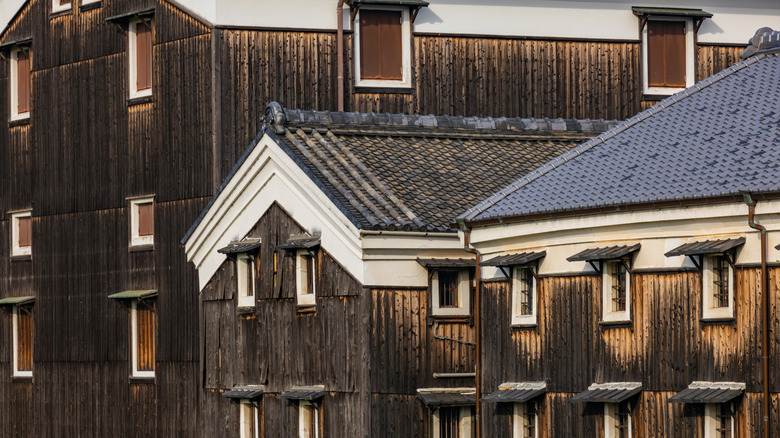
For a different side of Kyoto, the Fushimi Sake District offers an immersive look at how one of Japan's growing exports is produced. Dozens of sake breweries have been drawn to this district for its highly sought after spring water that is used during the distilling process. Whether you're a fan of the nation's famous rice wine or not, Fushimi offers an intriguing look at sake culture. Visitors can tour a handful of the district's breweries, learn about the fermentation process, and taste a wide range of sake styles. One of the most popular breweries that has a tour, Kizakura Sake Brewery Museum, is also a beer brewery. Visitors can taste non-alcoholic sake, called amazake, for free or pay a small fee for proofed sake samples. For history buffs, Gekkeiken, which has been making sake since 1637, is an excellent stop. Guests are invited to visit the Gekkeiken Museum, where they can view historical exhibits and try a taste of premium sake.
Beyond touring sake distilleries, Fushimi offers an exceptional dining scene. Try to come in the evening, so you can enjoy dinner and a night on the town here. One highly recommended spot is Tsuki no Kurabito. Housed in a century-old Gekkeiken building, this restaurant that serves traditional Japanese fare is open from 11 a.m. to 11 p.m. daily. Another popular option is Torisei, famous for its yakitori skewers and house sake brand, Shinsei. Whether you're an active sake enthusiast or simply curious to learn more about this interesting Kyoto neighborhood, the Fushimi Sake District is a fun departure from temples and gardens.
Okochi-Sansō Villa

For first-time travelers interested in a respite from Kyoto's most crowded attractions, Okochi-Sansō Villa is a quiet, beautifully preserved escape. This building has been a retreat for its entire existence. Originally the home of Japanese actor Denjirō Ōkōchi, who had over 200 acting credits to his name over the course of his career, this residence became his personal oasis from the pressures of fame. Today, visitors can still enjoy the serenity of Ōkōchi's private villa, particularly in its gardens. The samurai actor spent three decades perfecting his home, and it's a touching legacy that his fans and lovers of Japanese architecture can still enjoy its gorgeous gardens today.
Designed to truly function as an indoor-outdoor living space, there are still remnants of living quarters scattered throughout the grounds. Located near the Arashiyama bamboo park, this less-frequented estate is a great place to visit after a busy morning in the forest. There is a 1000 yen (approximately $6.00) admission fee to visit Okochi-Sansō. Visitors are also given a snack and a glass of matcha green tea to enjoy during their visit.
Methodology
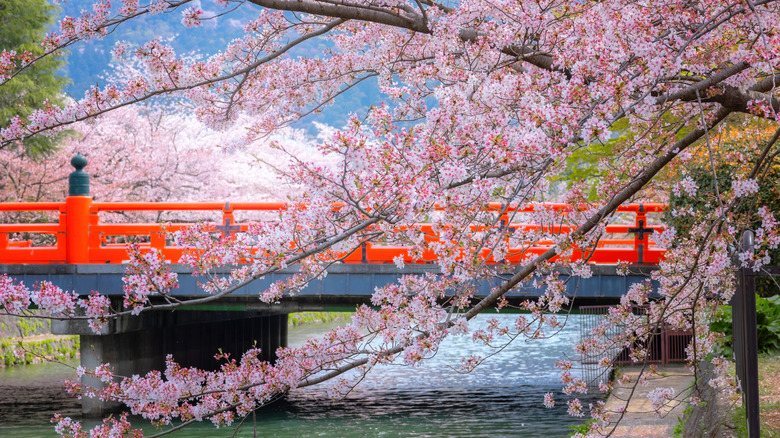
For this guide, we primarily drew from the official websites for these Kyoto sites, including Nijo Castle, Nishiki Market, Kiyomizu-dera Temple, Kinkaku-ji, and various restaurants and shops. We also heavily relied on Japan and Kyoto's official tourism sites. Japan-Guide.com was also referred to, and we also looked up information from travel brands like Agoda, as well as reviews from Tripadvisor.