15 Top-Rated Tourist Attractions in the Western Cape
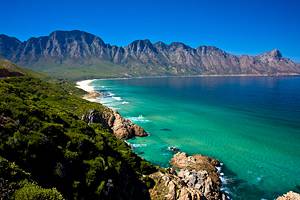
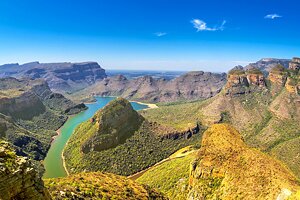
Drenched in natural beauty, the Western Cape Province arcs enticingly around its capital, Cape Town, which sits in one of the world's most seductive settings, between mountains and the sea. This incredibly photogenic province claims two of South Africa's iconic landmarks: Table Mountain and Cape Point, as well as the southernmost point of the African continent, Cape Agulhas, where the mighty Indian and Atlantic Oceans meet.
Along the coast, whales swim in the cool, clear waters; penguins waddle along white-sand beaches; and sightseers can hike trails sliced into rugged cliffs above the pounding sea.
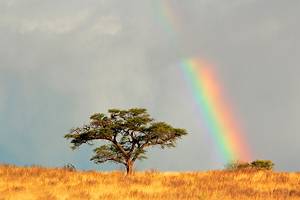
From Cape Town, the hinterland undulates to farming country and charming Cape Dutch towns like Stellenbosch, Swellendam, and the ostrich capital of Oudtshoorn. Farther inland, the stark semi-desert landscapes of the Great Karoo and surrounding parks provide the perfect counterpoint to the lush coast. Here, visitors can photograph contorted russet-hued rock formations; seas of colorful wildflowers; and seemingly endless fields of fynbos, the prolific native scrub.
Travelers can also explore part of the Western Cape's coastline on the Garden Route, which is one of the most famous scenic drives in the country.
Discover the best places to visit in this diverse region with our list of the top tourist attractions in the Western Cape.
- 1. Table Mountain, Cape Town
- 2. Robberg Nature Reserve, Plettenberg Bay
- 3. Boulders Penguin Colony
- 4. Cape Point
- 5. Karoo National Park
- 6. Stellenbosch
- 7. The Wildflowers and Birds of West Coast National Park
- 8. Knysna Heads, The Garden Route
- 9. Hermanus: Whale Watching and Water Sports
- 10. Cederberg Wilderness Area
- 11. Cape Agulhas
- 12. Matjiesfontein
- 13. Oudtshoorn
- 14. Swellendam and Bontebok National Park
- 15. Gondwana Game Reserve
- Map of Tourist Attractions in the Western Cape
1. Table Mountain, Cape Town
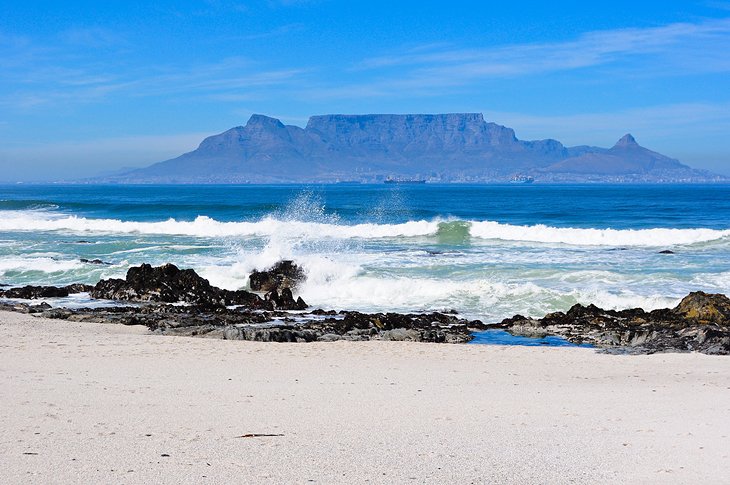
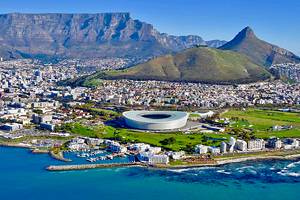
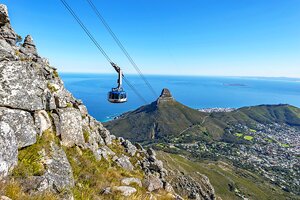
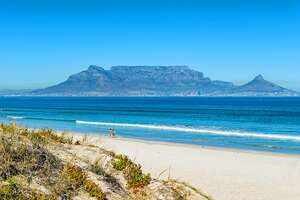
No self respecting tourist should leave Cape Town without snapping a picture of Table Mountain, one of the most photographed landmarks in South Africa. This iconic flat-topped landmark towers 1,087 meters above the city center and beckons both locals and visitors to perch atop its panoramic plateau and breathe in the splendor of this ravishing city.
Composed of thick beds of sandstone and slate, the mountain is the crown jewel of Table Mountain National Park, which protects an incredible diversity of plants and animals. The best time to summit Table Mountain is when the peak is clear from the layer of clouds, called the "tablecloth," which frequently forms a fluffy duvet over the mountain's peak. Choose the right timing, and lucky visitors can soak up spectacular views of Cape Town and the entire Cape Peninsula from the top.
The easiest way to ascend this famous landmark is to hop aboard the revolving cableway, which runs daily-except in high winds. Once on top, sightseers can explore three short nature walks or relax on the deck at the café here and gape at the views. Energetic climbers who wish to ascend the mountain on foot can choose between more than 350 routes catering to different abilities. The climb can take anywhere from two to four hours.
To photograph the mountain itself, rather than the view from the peak, hike or drive up the adjacent Signal Hill or Lion's Head-both offer fantastic vantage points. In a gorgeous setting on the eastern slopes of Table Mountain, Kirstenbosch Botanical Gardens belongs to the Cape Floristic Region UNESCO World Heritage site and is another must-see while in Cape Town.
2. Robberg Nature Reserve, Plettenberg Bay
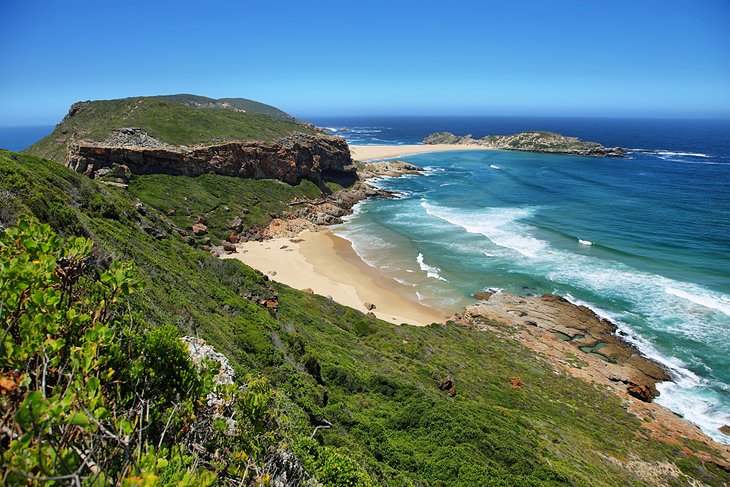
About eight kilometers from the popular coastal town of Plettenberg Bay, the Robberg Nature Reserve is one of the top attractions on the famous Garden Route, a roughly 200-kilometer scenic drive stretching from Mossel Bay, in the Western Cape, to the Storms River, on the Eastern Cape. This magnificent reserve resides on a four-kilometer-long peninsula at the foot of the Mountain of the Seal, where some of the rocks date back through millennia.
Hikers will be in heaven here. Breathtaking trails of varying difficulty thread throughout the peninsula, but the queen of them all is the 10-kilometer hike around the point, skirting rugged sea cliffs and passing beautiful beaches. Birdlife is prolific-especially water birds, some of which breed here. Seals bask on the beach and splash in the sea, and in season, whales and dolphins swim the waters along the coast. Keep a look out for great white sharks as well.
The visitor center at the parking lot dispenses information on the local flora and fauna.
3. Boulders Penguin Colony
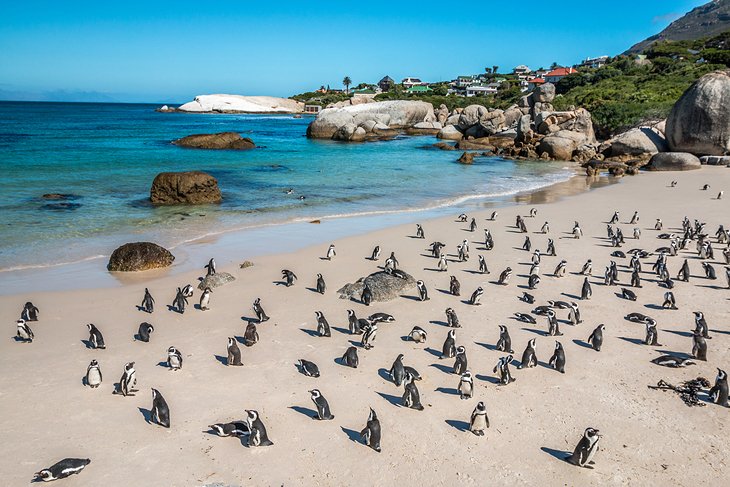
A must-see for wildlife lovers is the Boulders Penguin Colony with three beautiful beaches, where these charismatic creatures waddle along the clean white sands. In Simon's Town, about an hour's drive from Cape Town, the beaches are home to a breeding colony of more than 2,000 endangered African Penguins.
As well as viewing the penguins up close, visitors can paddle in the clear, calm waters. Huge granite boulders shelter the bay from winds and currents making this a fabulous swimming spot for children. A short walk from here, Foxy Beach has a boardwalk that leads past the prime penguin-viewing sites. The beaches are part of the Table Mountain National Park Marine Protected Area, and the park charges a daily conservation fee.
Official site: http://www.sanparks.org/parks/table_mountain/tourism/attractions.php
4. Cape Point
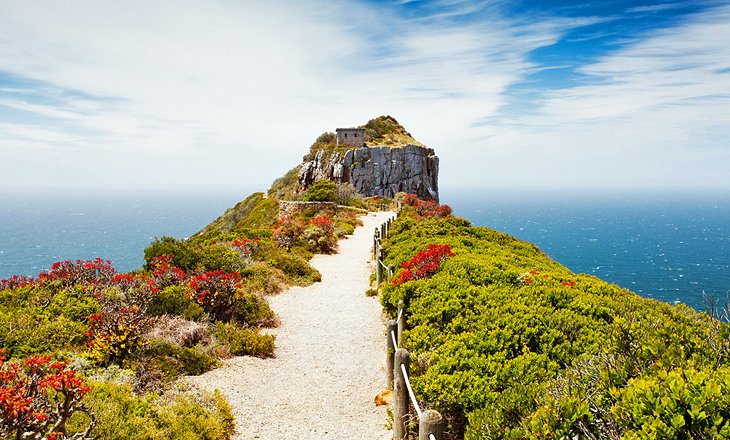
Cape Point, about 60 kilometers from Cape Town, is one of the most popular day trips from the city. Not only is this the southwestern-most point of the African continent, it's also part of the Cape Floral Region, a UNESCO World Heritage Site with one of the richest areas of flora on the planet. The birdlife is also prolific with more than 250 species.
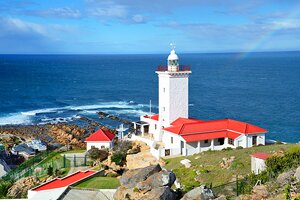
The view from the Cape Point Lighthouse is spectacular-visitors can climb up the stairs, or better still, take the Flying Dutchman funicular to the top. Other highlights here include exploring the nature trails, whale watching, and wildlife spotting-look for Cape zebra and eland, and watch out for the troops of cheeky baboons.
Traveling to this far-flung strip of land can be just as scenic as the site itself. The drive along the Cape Peninsula passes through pretty beach towns and prime penguin viewing on the beautiful beaches at Boulders Bay. On the return trip, travelers can wind along sheer sea cliffs on Chapman's Peak Drive and soak up amazing sunset views along the way.
5. Karoo National Park
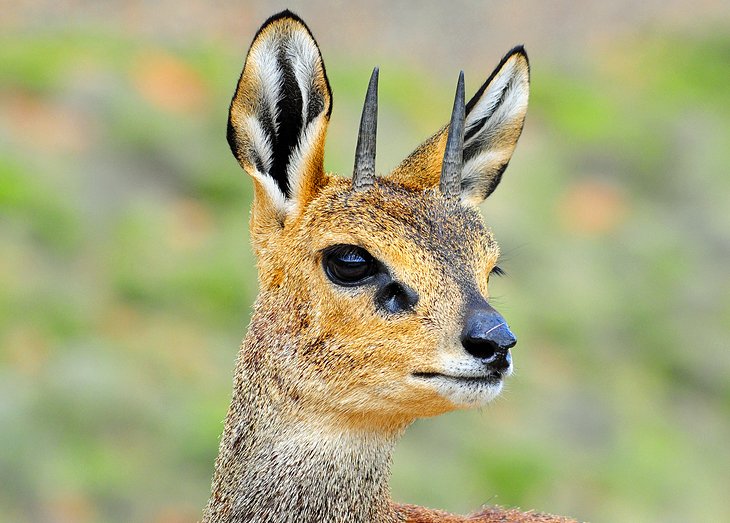
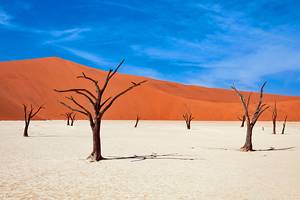
Just outside the town of Beaufort West, Karoo National Park is a land of haunting beauty, where the flattened peaks of the Nuweveld Mountains rise above vast, red-earthed semi-desert landscapes dappled with greens and golds. Established in 1979, the park forms part of the Great Karoo, South Africa's largest ecosystem, and is an important fossil site. It protects many endemic species including buffalo and rhino, as well as species that have been reintroduced such as Cape mountain zebras, springboks, kudus, lions, and brown hyenas. Oryx and klipspringer are a common sight here, and the bat-eared fox is perfectly suited to the arid conditions.
Birders are also rewarded with the chance to spot one of the breeding pairs of the rare Verreaux's Eagle, as well as a startling diversity of smaller species. Park highlights include Klipspringer Pass, the breathtaking panorama from Rooivalle View Point, and the Fossil Trail. To learn fascinating details about the park, stop by the Ou Schuur Interpretive Centre.
Karoo National Park is a popular stopover on the drive from Cape Town to Johannesburg and accommodates visitors in comfortable Cape-Dutch-style cottages. Note that 4WD vehicles are required for some of the tracks.
Beaufort West, the gateway to the Karoo, is the birthplace of the famous heart surgeon Christiaan Barnard. Many prizes and distinctions won by Barnard are displayed in the town's museum, which stands near the little parsonage where he lived as a child.
Official site: http://www.sanparks.org/parks/karoo/
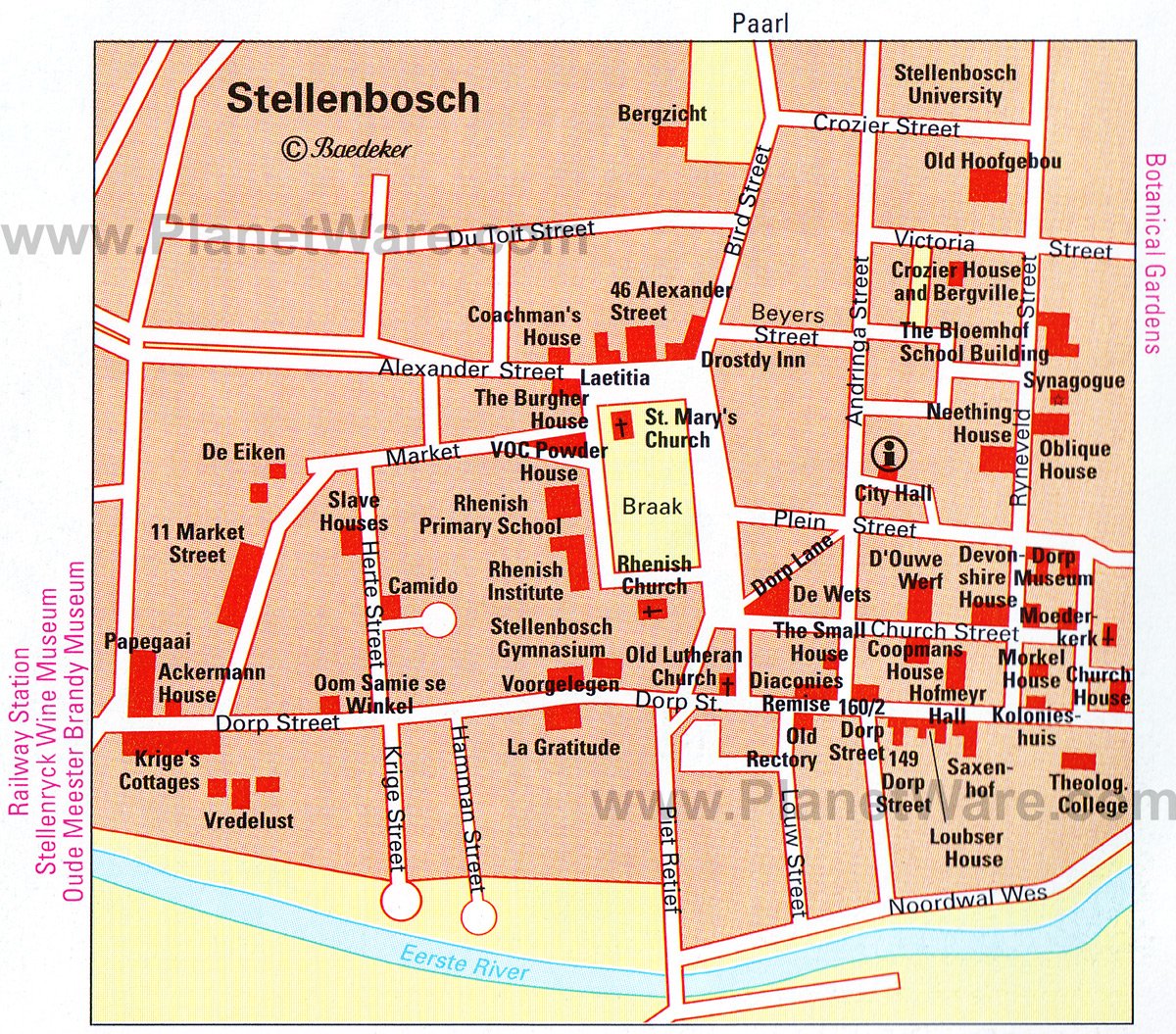
6. Stellenbosch
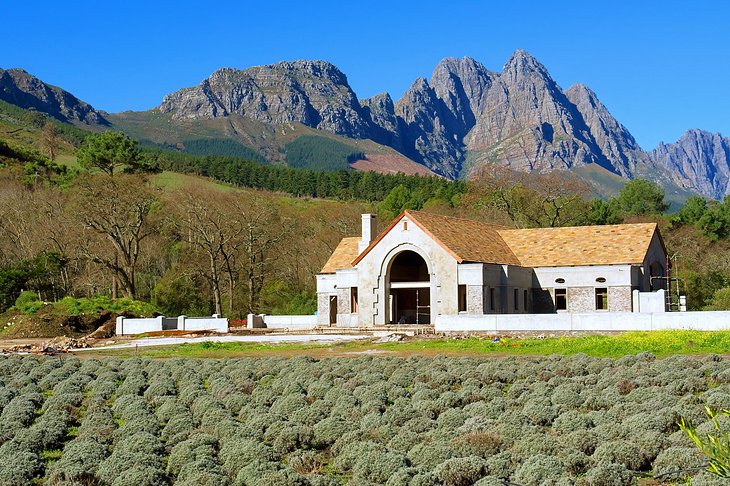
Elegant Stellenbosch, the second oldest European settlement on the Cape, offers day-trippers from Cape Town a peaceful change of pace from the city buzz. Vine-cloaked fields, old oaks, and cobbled streets greet visitors, and charming Cape Dutch-style buildings lend the air of a bygone era.
Stellenbosch is also renowned for its fertile soils and fresh produce, which visitors can sample at a range of gourmet restaurants and cafés. Stellenbosch University is the oldest and most celebrated university in South Africa, and the students imbue the town with a bubbly vibe. Stop by the University Botanic Gardens to see indigenous succulents, orchids, and cycads, as well as the welwitschias, which are common in the deserts of Namibia.
Also worthwhile is the Village Museum a group of four houses dating from 1709 to 1850, which have been carefully restored and furnished in the original style, and the Rupert Museum focusing on South African art. Not far from town, the Jonkershoek Nature Reserve has fantastic hiking and biking trails. While in the region, visitors can feast on more gastronomic treats and breathtaking bucolic scenery at the nearby towns of Paarl and Franschhoek.
7. The Wildflowers and Birds of West Coast National Park
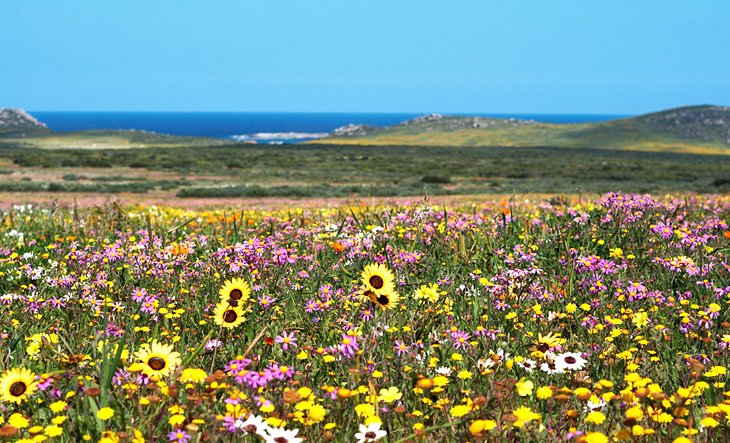
About a 90-minute drive from Cape Town, West Coast National Park is a haven for birders. This coastal park was established in 1985 and encompasses the Langebaan Lagoon, as well as four small offshore islands.
The park is home to more than 250 species of birds, as well as many Arctic migrants in winter. Among the numerous species are cormorants, seagulls, small sandpipers, curlew sandpipers, plovers, gannets, flamingos, and the black-footed penguin.
Wildlife is also abundant, though this is not a park to see Africa's Big 5. Among the mammals are bontebok, eland, springbok, kudu, and blue wildebeest. An asphalted road runs round the lagoon with bird hides and viewing platforms.
In the old farmhouse of Geelbek, at the south end of the lagoon, an information center doubles as the starting-point of several nature trails. Sightseers can also board a bird-watching cruise on the lagoon.
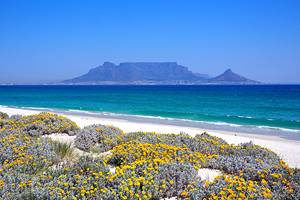
Besides birding, other popular things to do here include hiking and biking the nature trails, kayaking on the lagoon, and photographing the kaleidoscopic wildflowers that carpet the barren landscapes here between August and September.
Official site: http://www.sanparks.org/parks/west_coast/
8. Knysna Heads, The Garden Route
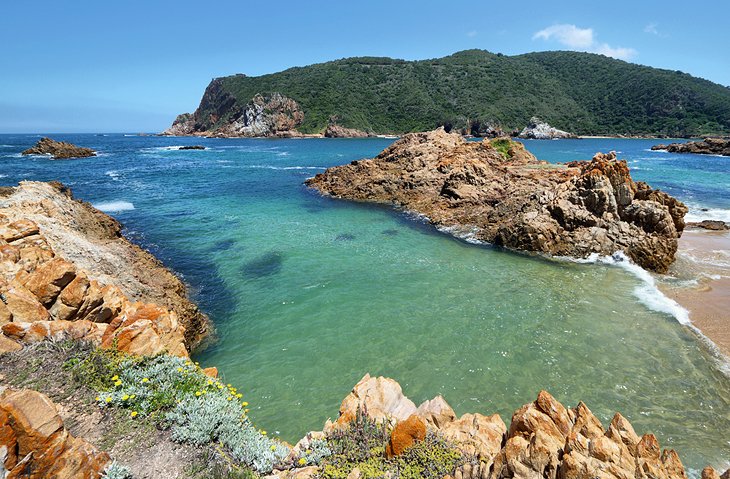
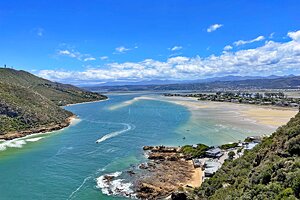
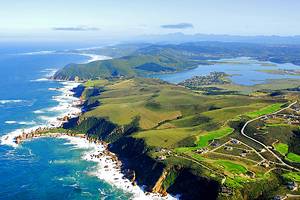
The magnificent Knysna Heads are one of the most popular attractions along the Garden Route, the scenic 200-plus-kilometer drive from Mossel Bay, in the Western Cape, to the Storms River, in the Eastern Cape. These two massive crags loom above a sparkling lagoon and provide plenty of panoramic viewpoints overlooking the thrashing surf below and the rugged and rocky coast.
Hiking trails thread throughout the heads, and sightseeing boats offer a dramatic vantage point from the sea. Visitors can also linger at one of the cafés in the area and dine with a view. Knysna is also famous for its oysters, which the town celebrates at its annual oyster festival held in late June or early July. In the forests around Knysna, hikers can look for wildlife among centuries-old yellowwood trees and beautiful pink-flowered Cape chestnuts where elephants once roamed.
9. Hermanus: Whale Watching and Water Sports
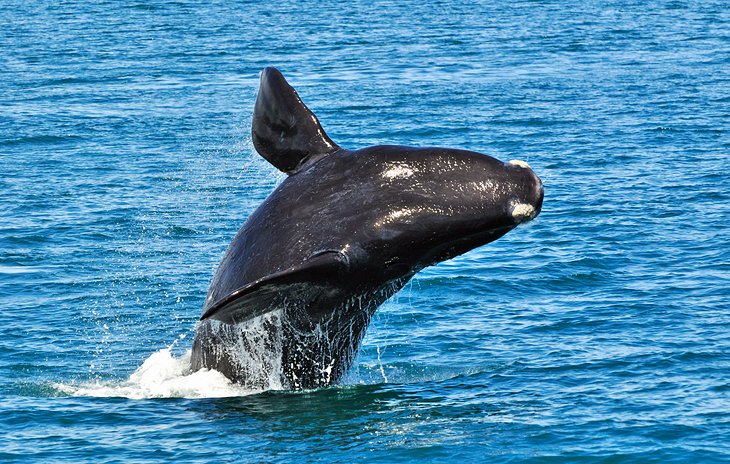
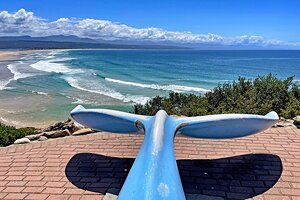
About 120 kilometers east of Cape Town, Hermanus is a popular holiday resort and one of the best places in the world to see whales close to shore. From July through November, large numbers of southern right whales swim along the coast here, and the town celebrates these gentle giants each September at the annual Whale Festival.
Besides this amazing wildlife spectacle, the top tourist attractions here are the beautiful sandy beaches to the east of town and the excellent water sports facilities. Thanks to some record catches, the coastal waters attract large numbers of anglers. The heart of town around the harbor is quite small and easy to explore on foot with restored fishermen's houses now occupied by restaurants and shops.
Other highlights include the 12-kilometer-long Cliff Path and the delightful bird-rich Fernkloof Nature Reserve, just outside of town, webbed with hiking trails that thread through native fynbos and proteas. Book accommodation in Hermanus well in advance during the peak tourist season, from December to January, when the population doubles.
About two hour's drive from here, the De Hoop Nature Reserve encompasses a picturesque stretch of coast and its beautiful hinterland with 1,400 species of plants, some extremely rare, and 63 species of mammals (50 of them on land and 13 in the sea).
10. Cederberg Wilderness Area
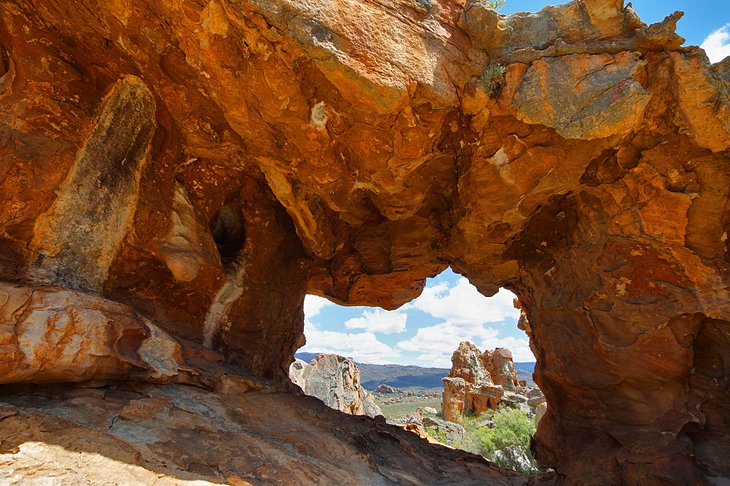
About 300 kilometers north of Cape Town, the rugged Cederberg Wilderness Area wows photographers with its wide-open vistas and bizarre rock formations tinged red by iron oxides. The Cedarberg is also famed for its wooded gorges and caves adorned with Bushman paintings, as well as its unique flora, such as the white snow protea, which is only found in this area.
Named for the once plentiful cedars that grew here, the Cederberg is a range of hills extending for some 100 kilometers between Clanwilliam to the north and Ceres to the south, which reaches its highest point in the Sneeuberg (2,028 meters). Hiking trails criss cross the area, and, not surprisingly, rock climbing is also popular. The best time for a visit to the Cederberg is between September and April-especially September and October when the wildflowers are in bloom.
In the fertile valley of the Olifants River, the town of Clanwilliam makes a great base for visiting the Cederberg Wilderness Area, with its Cape Dutch-style buildings; Rooibos Teahouse; and the beautiful Ramskop Nature Reserve, which ignites in a blaze of colorful wildflowers during August and September.
North of Clanwilliam, a scenic road winds its way up to the Pakhuis Pass with panoramic views. Another worthwhile side trip, 32 kilometers from Clanwilliam, is the beautiful Biedouw Valley with bizarre rock formations and gorgeous spring flowers. Also stop by the quaint little town of Wupperthal with its white-washed thatch-topped cottages.
11. Cape Agulhas
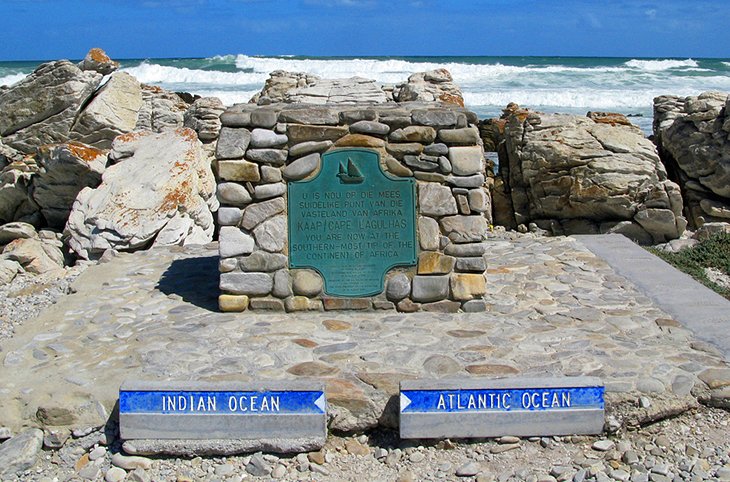
About 220 kilometers from Cape Town, Cape Agulhas is the southernmost point of the Republic of South Africa as well as the African continent itself. Here, the Atlantic and Indian Oceans meet, a fact that is announced rather unassumingly on a small cobalt blue sign. Although not as scenic as the dramatic coastline at Cape Point (South Africa's most southwesterly point), this is a place for travelers to tick off their bucket list. It is also a good place to stop and breathe in the crisp sea air on the gently sloping rocky beaches, and snap a photo next to the sign.
Cape Agulhas means "Cape of Needles," possibly alluding to the fact that compass needles of the early Portuguese navigators pointed due north here; others think that the name refers to the sharp reefs off the coast. The lighthouse, now a museum, was built in 1848 and is the second oldest in South Africa. A radio beacon warns ships rounding the Cape, although visitors will see the rusted hulls of vessels that succumbed to frequent rogue waves. The sea in this area is one of the world's most productive fishing grounds.
12. Matjiesfontein
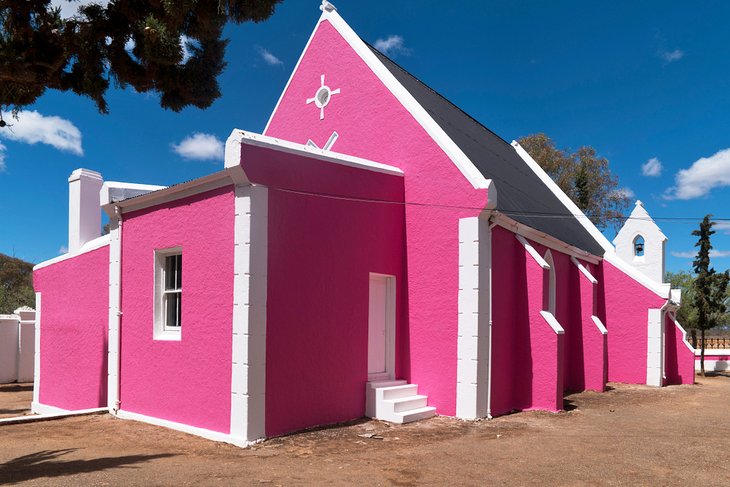
Matjiesfontein, in the Little Karoo, halfway between Cape Town and Beaufort West, is a quirky little town that feels like it's frozen in time. In 1880, a Scot named James Logan settled here and founded a spa after the dry air cured his chronic lung disease. The spa was a great success, and in the late 19th century, it lured the rich and famous, among them the Sultan of Zanzibar and Lord Randolph Churchill (Winston Churchill's father).
Matjiesfontein was declared a national monument in 1975, and today, it preserves many buildings of the Victorian era, including the elegant Lord Milner Hotel. Staff dressed in period costume add to the historical feel. Matjiesfontein is popular with South Africans for weekend trips as well as international travelers who stop here on train journeys from the interior of the country to Cape Town.
13. Oudtshoorn
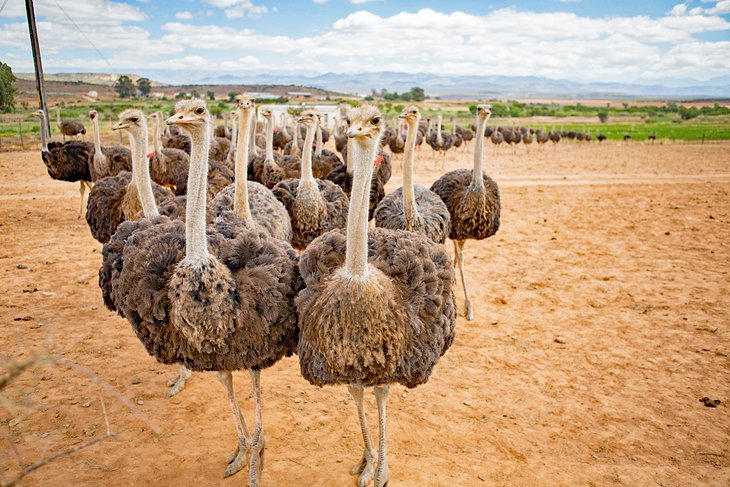
Oudtshoorn is all about the ostriches. This quaint old town nestled between the Outeniqua and Swartberg Mountains in the Klein Karoo dubs itself the "ostrich capital of the world." And indeed you will find everything from ostrich egg omelettes to ostrich steaks on restaurant menus, while shops are filled with ostrich feather dusters and ostrich leather purses and even ostrich biltong, which is the South African version of jerky.
There are also numerous farms surrounding Oudtshoorn that breed ostriches and give tours. Highgate Ostrich Show Farm is one such place, 10 kilometers south of town. Back in town, the C.P. Nell Museum tells the story of Outdshoorn's relation to this flightless bird, tracing its history back to the first ostrich-feather boom of 1865 to 1870.
If you're sick of ostriches, head north to the Cango Caves. They are a wild network of 20-million-year-old limestone caves that are the largest of their kind in all of Africa. Tours are offered of this awesome underground wonder.
14. Swellendam and Bontebok National Park
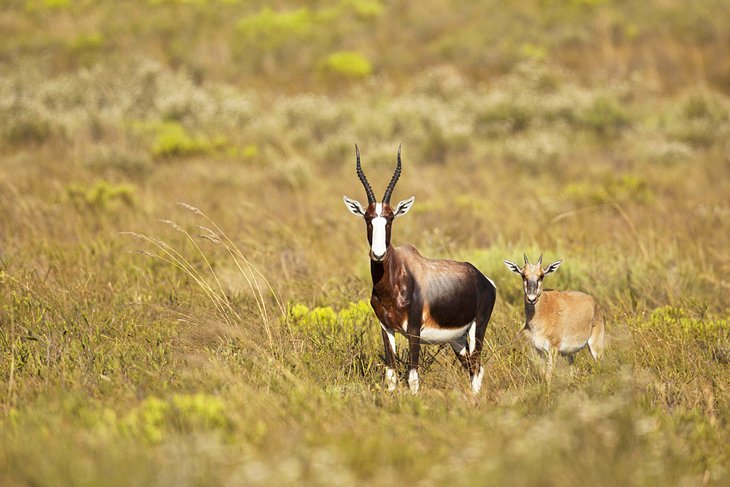
Located on the N2 highway about 220 kilometers east of Cape Town, Swellendam is South Africa's third oldest own and is well preserved. Most of the 50 heritage buildings display the signature white Cape Dutch architecture, and the town hosts a number of good restaurants and small hotels.
The town sits at the edge of the beautiful Langeberg Mountain range. Pay a visit to Two Feathers Horse Trails to explore on horseback. Whether you are a beginner or an expert, they will tailor trail rides for you.
Swellendam also serves as the gateway to South Africa's smallest national park, Bontebok National Park. The park was established in 1931 for the purpose of preserving the bontebok, which is a medium-sized antelope.
15. Gondwana Game Reserve
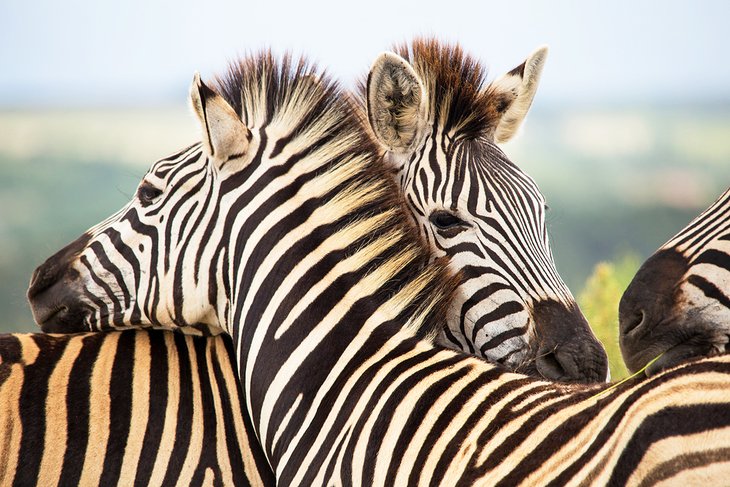
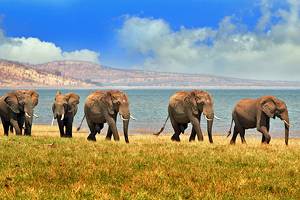
While not as well known as other South African provinces for its safari experiences, the Western Cape is nonetheless still home to opportunities for Big Five wildlife viewing. Yep, you can see lions, buffalos, elephants, rhinos, and leopards (the Big Five) along with a host of other African animals from giraffes to zebras here.
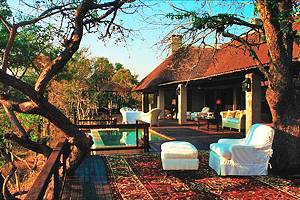
Head to the Gondwana Game Reserve in Kleinberg on the Garden Route for one such experience. The property is home to a few different lodging options. You can stay at the luxury Kwena Lodge, which features 180-degree views from giant windows thanks to the circular design of the 14 individually standing suites.
The Fynbos Villas and Bush Villas are perfect for families. They are spacious three- or four-bedroom dwellings. They come with kitchens, and a dining area opening onto a wraparound deck for game viewing and endless stars at night. There is also a tented eco-camp that is a very unique experience for those who want to be involved in conservation work and have a remote, natural safari experience. Three- and five-night packages are available.
Unlike many wildlife reserves in South Africa, Gondwana offers a number of different packages, from all-inclusive with full board and game drives to bed and breakfast choices.
Address: R327 Heuningklip Farm, Herbertsdale, 6505
Official site: https://gondwanagr.co.za/
Map of Tourist Attractions in the Western Cape
More Related Articles on PlanetWare.com
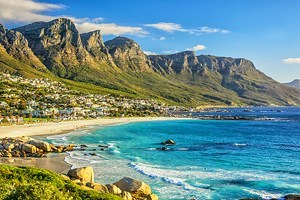
Go to the Mother City: Cape Town is the major city of the Western Cape and a destination in its own right. It would be easy to spend weeks exploring the Mother City, as it is called. For a more in-depth read check out our guide to the Top-Rated Tourist Attractions in Cape Town & Easy Day Trips. It will introduce you to top beaches like Camps Bay and Clifton Beach, as well as historic must-sees, like Robben Island, where Nelson Mandela was imprisoned for 18 years.
Eastern Cape Explorations: From the Western Cape it is also easy to access the Eastern Cape, which is filled with game parks, culture, and plenty of wild beaches. For more on exploring this province, see our Top-Rated Tourist Attractions in the Eastern Cape article. It gives the scoop on areas like the Wild Coast, where the surf beaches are fantastic and the Xhosa culture strong, as well as Addo Elephant Park, South Africa's third largest national park.