10 Top-Rated Day Trips from Antwerp
When you've finished admiring Antwerp's historic tourist attractions and visiting the city's fabulous museums, there are plenty of things to do to keep you busy in the hinterland.
One of the great things about Belgium is that its small size means that nowhere is really more than an hour's drive away, making it the perfect country for those who like to base themselves in one place and take sightseeing day trips to explore.
Many of the country's highlights are easily seen as part of the journey to or from Belgium's other major towns of Ghent and Bruges. All the places below are just as easily accessible from Brussels, if you fancy basing yourself in the capital instead.
Find out the best places to visit just a short hop from the city with our list of the top day trips from Antwerp.
1. Mechelen
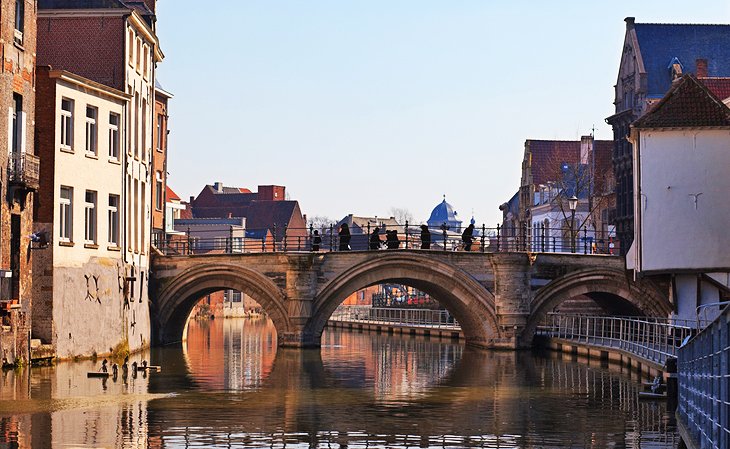
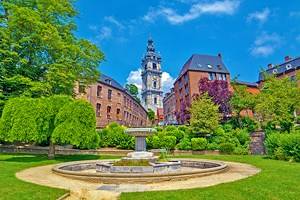
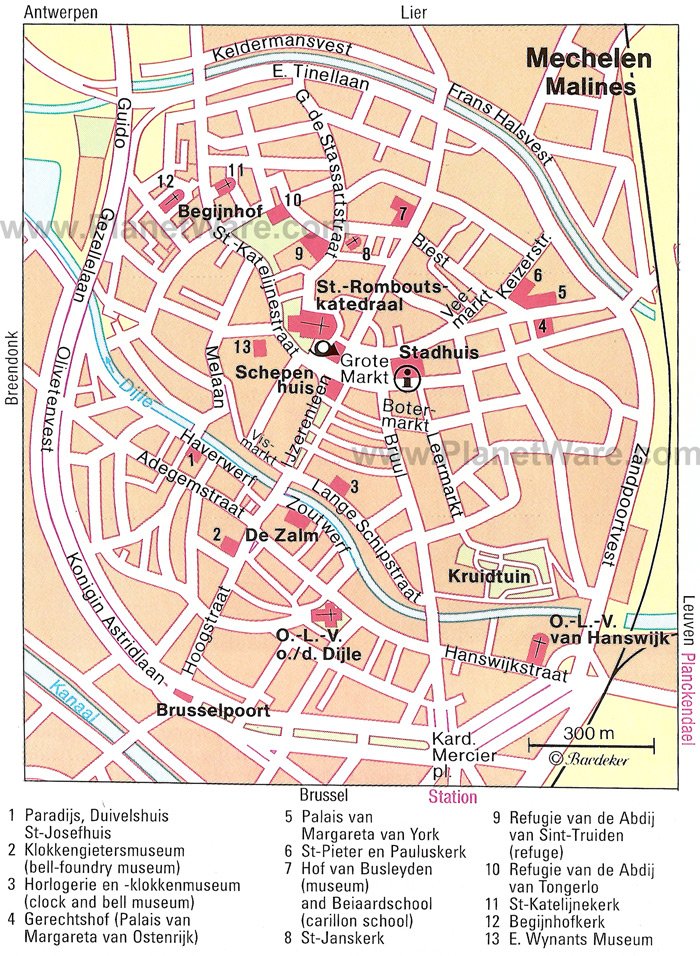
About 23 kilometers south from Antwerp, the impressive town of Mechelen lies between Brussels and Antwerp on the Dijle.
The center of the old town is laid out in an almost circular manner, with broad boulevards replacing the former surrounding ramparts, a layout which has helped preserved its medieval appearance.
In the Grote Markt, you can still see some fine gabled houses of the 16th to 18th centuries while the southeast side of the square is occupied by the Town hall (Stadhuis), which consists of two parts.
On the right is the Lakenhalle (cloth hall), built in 1320-1326 according to the models of the halls of Bruges, while the left part of the building was presented by Charles V to the seat of the Great Council and designed by Rombout Kelderman in 1529.
Just behind the square is Sint-Rombouts Cathedral with its famous 97-meter-high clock tower.
For those who want to explore further, Mechelen's old town has plenty to offer. Over the Dijle bridge stands the Huis de Zalm (No. 5), the guild house of the fish dealers, with a beautiful Renaissance facade. Today, it's an art and craft museum displaying handmade products of Mechelen.
To the right of the bridge, by the Haverwerf on the corner of Kraanstraat, stand several houses with very fine facades partly made of wood. Particularly attractive are the Paradies (16th century) with the representation of Adam and Eve on the arch of the door.
2. Lier
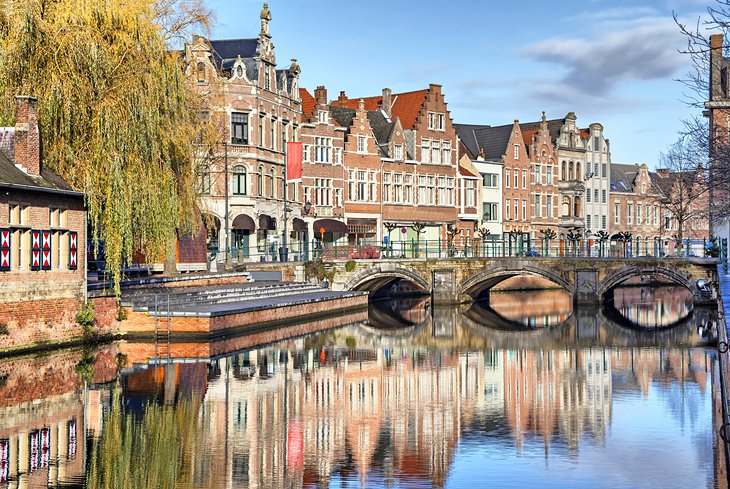
The town of Lier (in French Lierre), about 19 kilometers southeast of Antwerp, is a peaceful place to while away a few hours and makes a nice day trip from Antwerp.
Although the Grote Markt in the center of town was badly damaged during the German shelling of Antwerp, its most important buildings managed to survive.
On the east side of the square is the 18th-century Town hall (Stadhuis), which boasts an attractive Rococo staircase and beautifully decorated rooms. The adjoining Gothic belfry (1369) is all that remains of the medieval cloth hall.
North of the Town hall stands the Vleeshuis (meat hall) built in 1418, which functions as an exhibition hall today. Nearby are some notable guild houses such as the Bakkershuis (1717) and the Huis d'Eycken Bloom (1721).
Just behind the Town Hall, the Spanish Chapel (Sint-Jacobskapel) originates from 1383, while just to the west on Cauwenberghstraat is the Stedelijk Museum with a notable collection, not only of Dutch and Flemish art, but also of French and Spanish masters, as well as contemporary works.
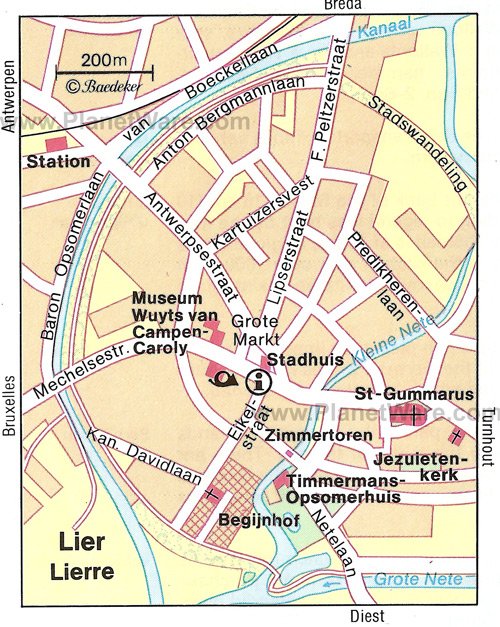
From the Grote Markt follow Eikelstraat south to find Lier's Begijnhof (béguinage in French) monastery complex; one of the most picturesque in Belgium. With its low cottages, narrow alleys, and crossroads it resembles a small town within a town.
East of the Kleine Nete in Lier stands the church of Sint-Gummaruskerk, a masterpiece of Brabant late Gothic, built in 1425-1540. The church contains some outstanding art treasures. Among them is the late Gothic choir screen carved out of light sandstone and depicting the story of the Passion, evangelists, and churchmen, while the late Gothic stained glass in the church is of outstanding beauty.
Of the numerous paintings hung in the church, the most impressive are a triptych in the first ambulatory chapel, its side panels probably painted by Rubens. The most important of the church treasures is the 800 kilogram silver Shrine of St. Gummarus, which is carried through the streets in processions.
3. Aalst
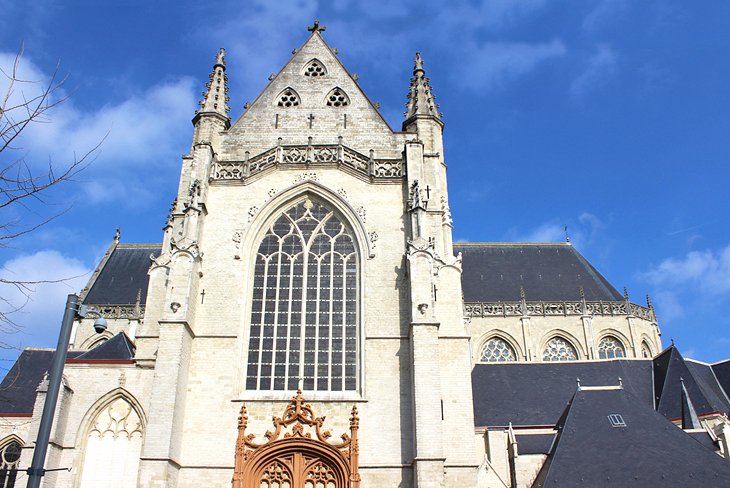
Positioned between Ghent and Brussels, Aalst can sometimes be overlooked by those just passing through, however it is home to several impressive buildings and a great deal of history.
Those traveling in the days before Ash Wednesday will want to experience the Aalst Carnival, a three-day event celebrated with large parades filled with colorful floats.
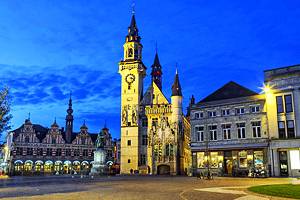
The city's Grote Markt is where you will find the center of festivities during the carnival. For the rest of the year though, the Grote Markt's notable architecture is well worth a visit. Among the fine buildings on the square, don't miss the Belforten Van de Arbeid, Aalst's belfry. The oldest of the belfry's three buildings is the old ship house, originally built in 1225 and the oldest of its kind. The belfry's tower, constructed in 1407, is a UNESCO-listed landmark.
Another notable building on the main square is the 17th-century Borse van Amsterdam, now home to a popular restaurant, which features outdoor seating beneath the colonnades.
One of Aalst's most distinctive landmarks is Castle Terlinden, a 16th century mansion surrounded by water. The building changed hands dozens of times over the years and it eventually became known as the "Castle of Damnation," although the tales behind this grim nickname vary greatly, and its true origins are uncertain.
During WWII, the building was actually a place of refuge for English pilots in hiding; today it houses city offices, and the grounds are open to the public.
Those interested in historic churches will want to visit St. Martin's Church, a 15th century church that has been in various stages of construction since. In addition to some beautiful stained glass, the church is home to several paintings by Rubens.
Behind the church, you will find a small but thoughtfully laid out local history museum, which has a variety of items on display, from archaeological finds to artwork.
Aalst is about 64 kilometers southwest of Antwerp.
4. Turnhout
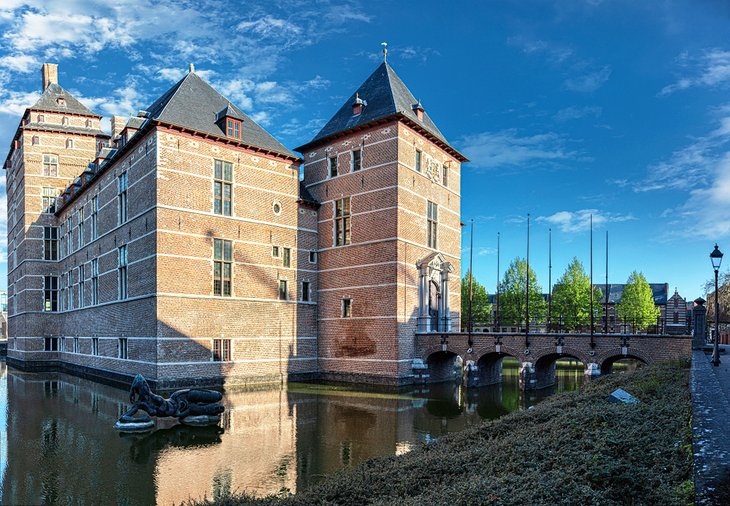
About 42 kilometers northeast of Antwerp, Turnhout found prosperity thanks to its vital place on the trade routes of the medieval era and its important role as a center for weaving. Today, many of its surviving historic attractions stem from this era when Turnhout thrived as a regional commercial center.
Turnhout's 12th-century castle, right in the center of town, was once home to the feudal rulers of the area, the Dukes of Brabant. Although you can't enter the interior, you can get great photos of the facade from just beside the moat.
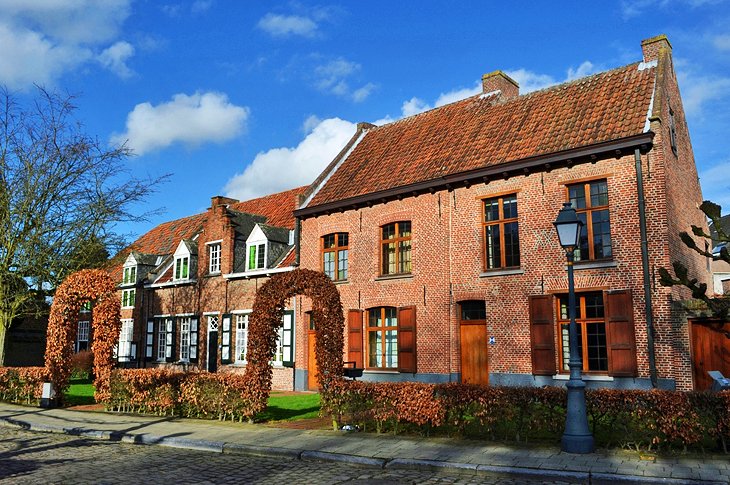
Nearby is the town's UNESCO-listed 13th-century Beguinage (monastery building for the Beguines, a female religious order), which is particularly well-preserved.
In the main square is the brick-built Church of St. Peter. The oldest parts of the church date back to the 13th century, though most of the church building is much younger. Inside, the 19th-century pulpit is particularly intricate.
5. Willebroek
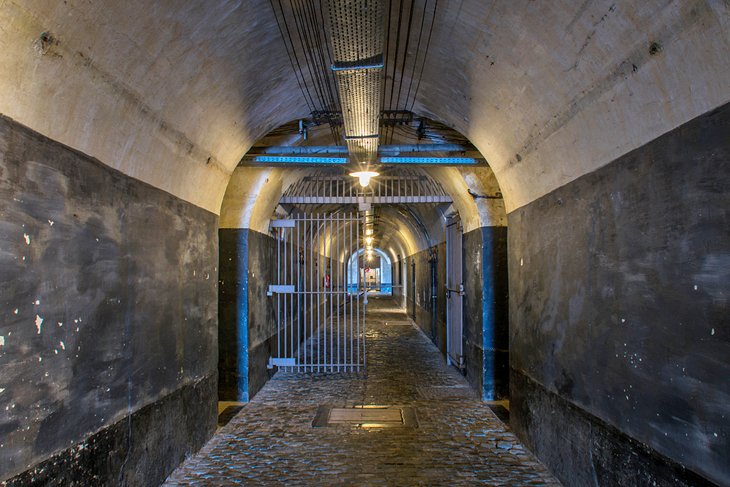
The village of Willebroek, 12 kilometers from Mechelen, and 21 kilometers south of Antwerp, is known for Fort Breendonk. Many Belgians associate the old fortress with the terror of the German occupation. The fort was built between 1906 and 1914 and was the last defensive position of Antwerp to surrender in October 1914.
During the Second World War, when the German army moved in, the SS set up a concentration camp here. Up until 1944, approximately 4,000 prisoners of war were held here, of whom 370 died or were executed.
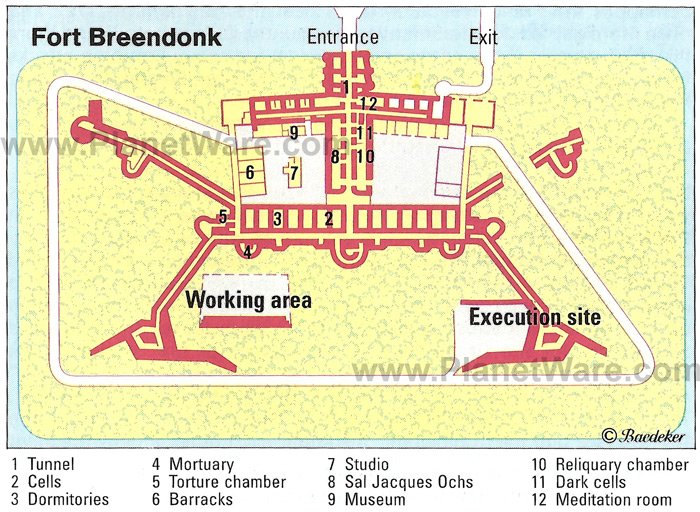
A tour of the fort leads first to the cells and torture chambers and is accompanied by recorded evidence from former detainees. Of the working areas it should be remembered that the walls of the fort were first blown up and the debris then shoveled away by the prisoners. In the former printing press ("Studio") a film is shown about the history of the camp.
6. Sint-Niklaas
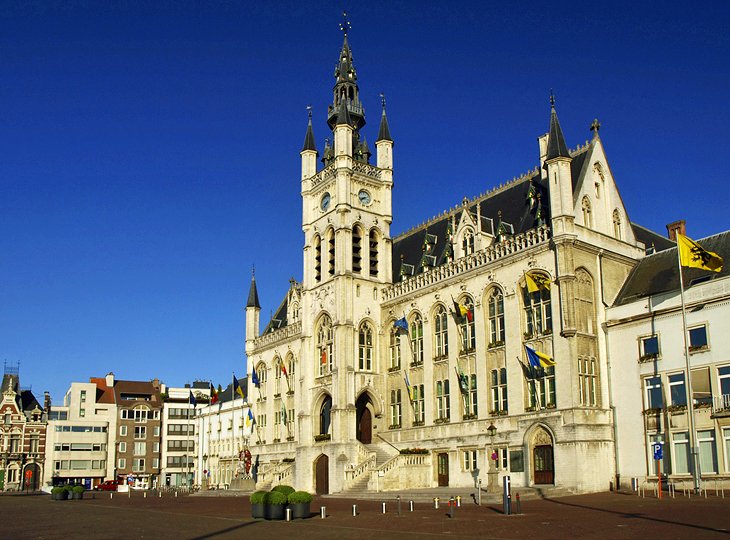
Sint-Niklaas, in the province of East Flanders between the rivers Scheldt and Durme, 27 kilometers west of central Antwerp, is the center of the Waasland region.
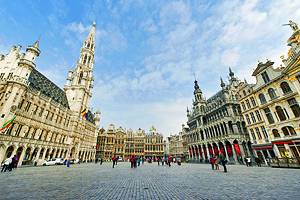
The imposing Grote Markt here is the largest municipal town square in Belgium. Its northwest end is dominated by the neo-Gothic Stadhuis (Town hall) of 1878, the tower of which houses a carillon of 35 bells.
Behind the Town Hall rises the tower of Onze-Lieve-Vrouwekerk, built in 1841, with a gilded dome and a six-meter-high statue of Mary.
Just behind rises Sint-Niklaaskerk, the church of the patron of the town, dedicated in 1238 and extended on several occasions in the 16th century.
7. Dendermonde
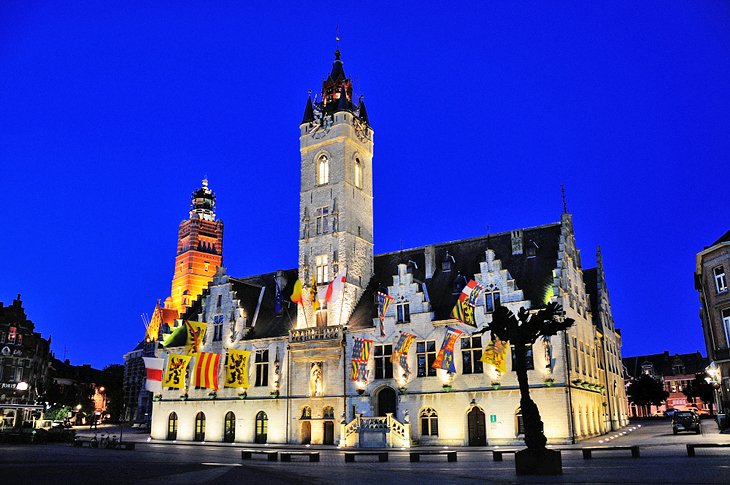
Dendermonde's prosperity, still apparent from the magnificent buildings, stems from the textile industry. A large number of interesting historical monuments and art treasures have been preserved from its long history.
The buildings of the Grote Markt in the center of town provide a picture of an attractive enclosed Flemish market square towards the end of the Middle Ages.
As well as the town hall, the main square is home to the former Vleeshuis (meat market). This Gothic hall, built in 1460-1462, now houses the excellent municipal museum.
Dendermonde is about 38 kilometers southwest of Antwerp.
8. Diest
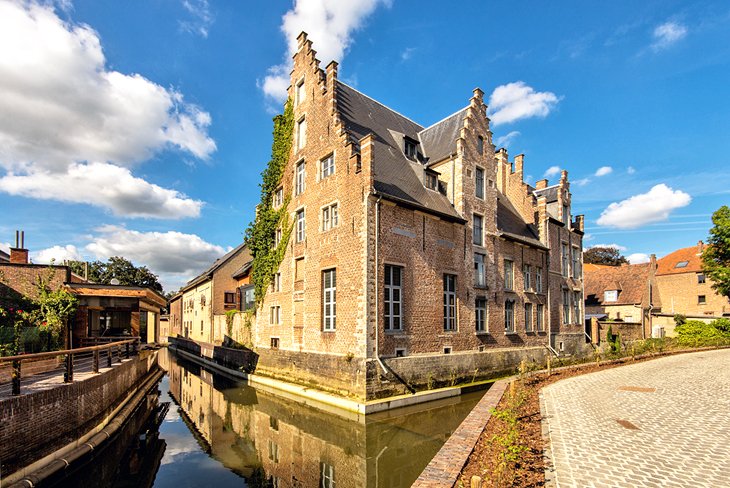
Diest is the market center of an intensively farmed area, surrounded by bucolic farm fields. In the main square, the cellars of the town hall house the Stedelijk Museum (municipal museum), which is impressive not only because of its valuable collections, but also because of its medieval premises.
Inside, the Gothic hall has a collection of weapons, a fine painting on wood of the Last Supper (around 1450) and goldsmiths' work belonging to the guilds.
In the Romanesque room are paintings depicting scenes from the life of William the Silent's son, Prince Philipp of Orange-Nassau, who was born in Diest.
Also in the main square is the noteworthy collegiate Church of Sint Sulpitius, one of the finest examples of Brabant Gothic in the country. The church houses interesting works of art including superb carvings on the pulpit, altars, and confessionals.
Diest is about 60 kilometers southeast of Antwerp.
9. Geel
On the road to Mol in the town of Geel, about 40 kilometers east of Antwerp, you will find Sint-Dimpnakerk, a late Gothic church built between 1349 and 1479.
The massive 16th century tower is made of alternating white sandstone and brown ironstone and was never finished.
The church's art treasures include the Sint-Dimpna Retable of 1515 on the main altar with fine wood carving; a Brabant Retable of the Passion in the right transept from 1490; a stone retable depicting the 12 apostles, which dates to the 14th century; and the silver reliquaries of St. Dymphna and her confessor, Gerebernus.
10. Vordenstein Park
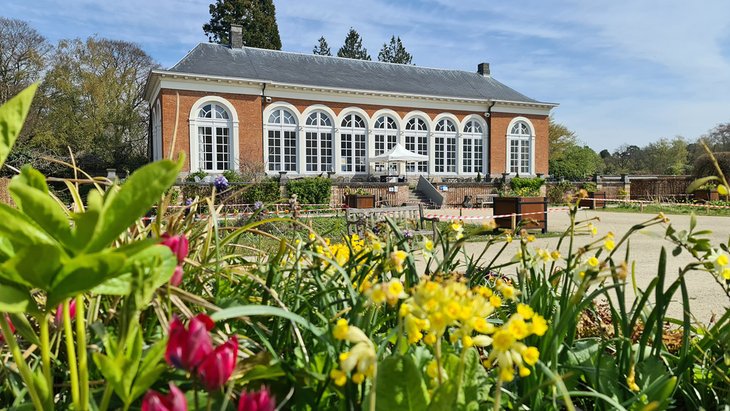
Just 12 kilometers northeast of central Antwerp, this large parkland, comprising both forest and formal gardens, is a favorite haunt of Antwerp locals for jogging, mountain biking, and weekend strolls within easy reach of the city.
There are 33 nature trails threading through the park's forest area, with wide, well-maintained and signposted trails rimmed by willow, elder, oak, beech, sweet chestnut, and elm trees. The trails range from easy, flat loops of a couple of kilometers to sloped trails of between four and six kilometers that can be combined for a more challenging walk or run.
The parkland is also home to plenty of wildlife, including deer, foxes, and squirrels, which are often easy to spot.
The formal gardens area is known for its dahlia displays, which change annually, and for its herb gardens, as well as the popular café in the Orangerie.
Map of Day Trips from Antwerp
More Related Articles on PlanetWare.com
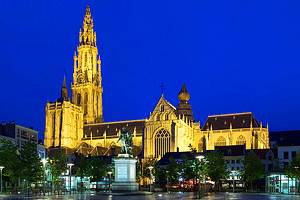
Belgium and Antwerp: Visitors usually embark on day trips from Antwerp once they've first explored the city. For a complete look at the highlights around town, see our article on the Top Tourist Attractions in Antwerp. If this is your first trip to the country and you're looking for ideas on where to go, have a look at our list of the Top Tourist Attractions in Belgium.