18 Top-Rated Tourist Attractions in Indonesia
The Indonesian archipelago is a collection of islands that holds untold treasures in its diversity of cultures, landscapes, and cities. With more than 17,000 islands under its jurisdiction, Indonesia offers an adventure and attractions for everyone, from exploring ancient temples and hiking active volcanoes to diving in largely untouched waters.
You can wander the busy streets of Jakarta, or take a step back in time with a visit to the remote villages of Tana Toraja, indulge in the bliss of Bali, or come face to face with the volatile Anak Krakatau.
Whatever you choose, the experience is sure to be one filled with awe and appreciation for a country as steeped in history and natural beauty as this one. Find the best places to visit with our list of the top attractions in Indonesia.
- 1. Beaches of Bali
- 2. Borobudur
- 3. Orangutans of Borneo
- 4. Gili Islands
- 5. Komodo National Park
- 6. Sacred Monkey Forest, Ubud
- 7. Mount Bromo
- 8. Tana Toraja
- 9. Kalimantan, Borneo
- 10. Lake Toba
- 11. Mount Krakatau
- 12. Raja Ampat
- 13. Gunung Rinjani
- 14. Pura Tanah Lot
- 15. Banda Islands
- 16. Jatiluwih Rice Fields, Bali
- 17. Jakarta
- 18. Flores
1. Beaches of Bali
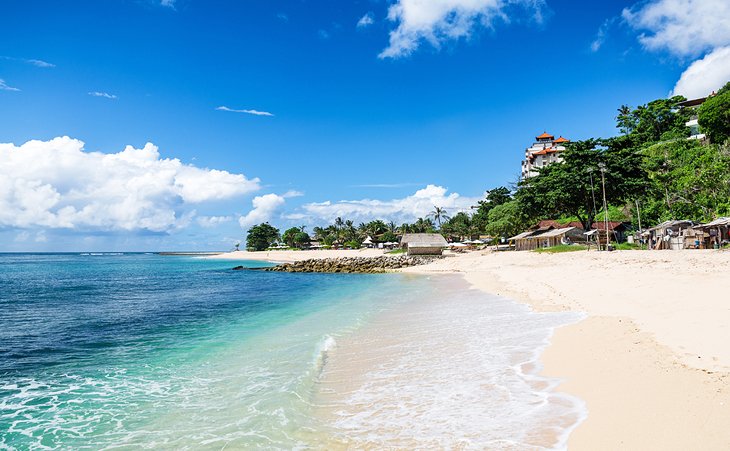
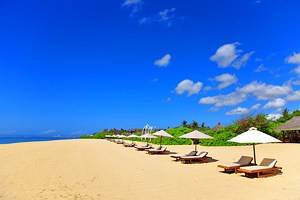
Arguably Indonesia's most popular vacation spot, Bali has a number of cultural landmarks and attractions that make a visit here worthwhile.
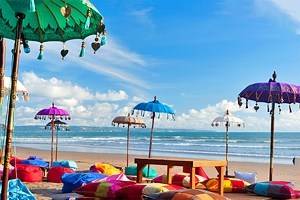
But, for many people, Bali is about the island's beautiful beaches. If a beach vacation is what you're looking for, you may want to head to one of Bali's luxury beach resorts and spend some time soaking up the sun.
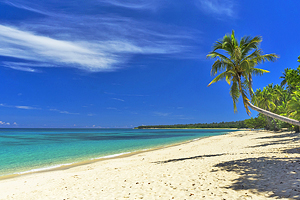
Anyone who travels to Bali is going to have warm sand and blue water on their mind, and the island doesn't disappoint. Kuta is the best known beach, and is great for those who like to combine sun, surfing, and socializing. Because of its popularity, you'll find no shortage of restaurants and things to do here.
If you're looking for something a little quieter and less crowded, Nusa Dua is still a beauty, but draws fewer tourists. Sanur is the place to go for a little more culture, as well as great water sports.
2. Borobudur
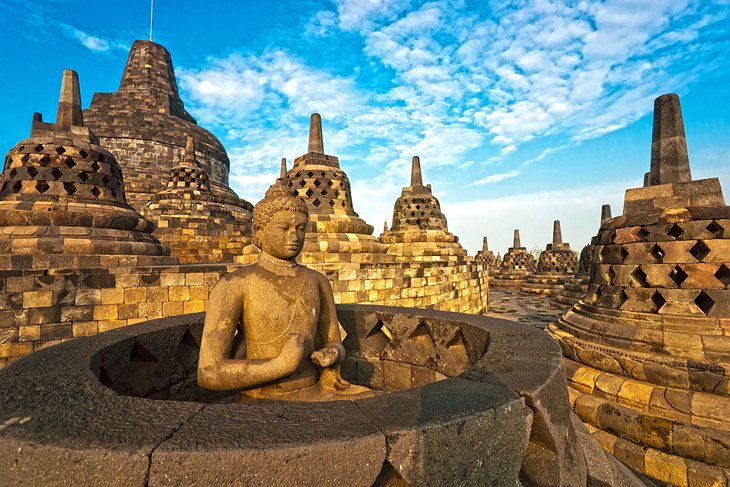
This ancient temple is one of the most famous and culturally significant landmarks in Indonesia. Borobudur was built in the 8th century and constructed in the shape of a traditional Buddhist mandala. It is one of the top UNESCO World Heritage sites, and is considered one of the greatest Buddhist sites in the world.
The massive temple was forgotten for centuries, when it is believed that much of the population moved to eastern Java due to volcanic eruptions. But it was rediscovered in the 1800s and, today, is one of the main draws in Java.
Visit at sunrise for a torch-light climb up the temple and for the breathtaking experience of watching as the complex is bathed in sunlight. Borobudur lies near Yogyakarta, an old Javanese city known for its rich cultural and historical offerings.
3. Orangutans of Borneo
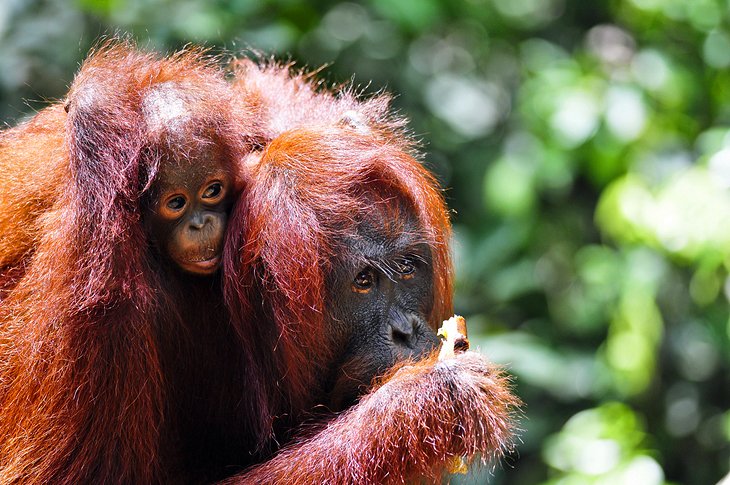
No trip to Indonesia would be complete without seeing some orangutans, and Borneo is a great place to visit these beautiful and endangered creatures.
Though orangutans still live in the wild, several sanctuaries rescue and protect orangutans as land development infringes on their natural habitat. Tanjung Puting National Park in Kalimantan, the Indonesian-owned part of Borneo, is home to one of the largest orangutan populations in the world, as well as other primates, birds, and reptiles.
If you don't make it to Borneo, you can also see orangutans at the Bohorok Orangutan Centre in Bukit Lawang, a tourism village in the Sumatran jungle.
4. Gili Islands
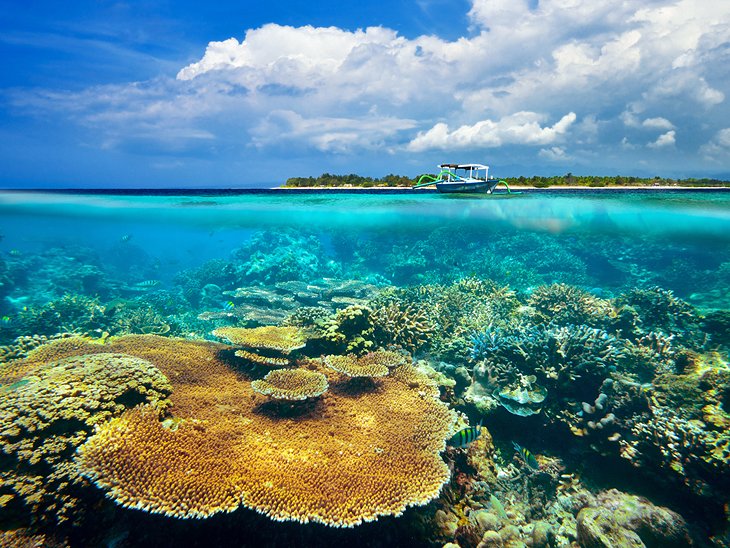
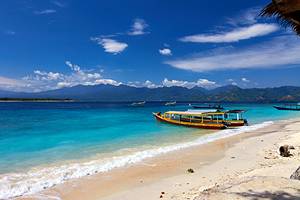
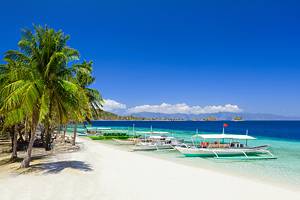
The Gili Islands are a major draw in Lombok, which has risen in popularity among backpackers and tourists over the years. These picturesque islands offer beaches that rival those of Bali in their beauty, as well as opportunities for diving and even snorkeling at a turtle sanctuary.
If you're looking for more turtle action, you can check out a turtle hatchery where hundreds of these creatures are born each year.
Kayaking is also popular in the Gilis, and if you're seeking a place to reconnect with your mind and body, you will find several options for yoga classes. The Gili Islands provide a more relaxed, though still stimulating, alternative to popular Bali.
5. Komodo National Park
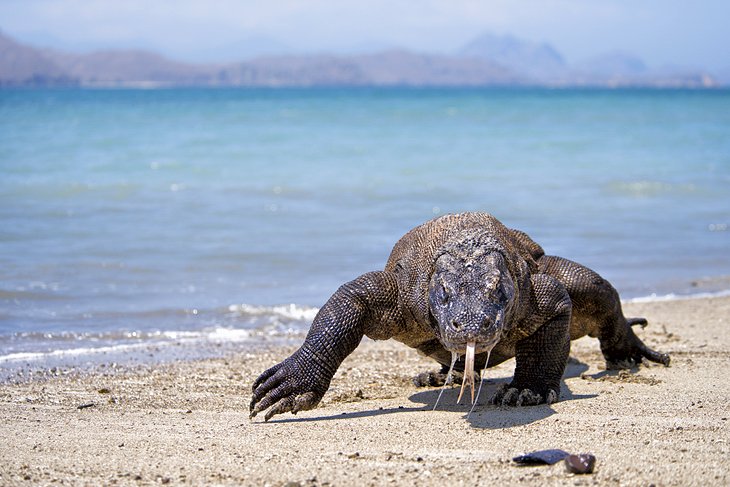
Who hasn't dreamed of seeing a dragon at least once in their life? The komodos of Indonesia are no mythical creatures, however they are fierce and deadly animals.
Komodo National Park, a UNESCO World Heritage site, encompasses three main islands and a number of smaller ones, as well as the surrounding marine areas. The waters off these islands are some of the richest and most diverse in the world.
The komodo dragons are the stars of the show on any visit to the park, but visitors can also hike, snorkel, go canoeing, or visit small villages on the islands. Another highlight is Pink Beach on Komodo Island. This stretch of pink sand is one of the top beaches in Indonesia.
Visitors must arrive by boat to the islands, and there is an entrance fee plus additional costs for transportation, guide services, and other activities.
6. Sacred Monkey Forest, Ubud
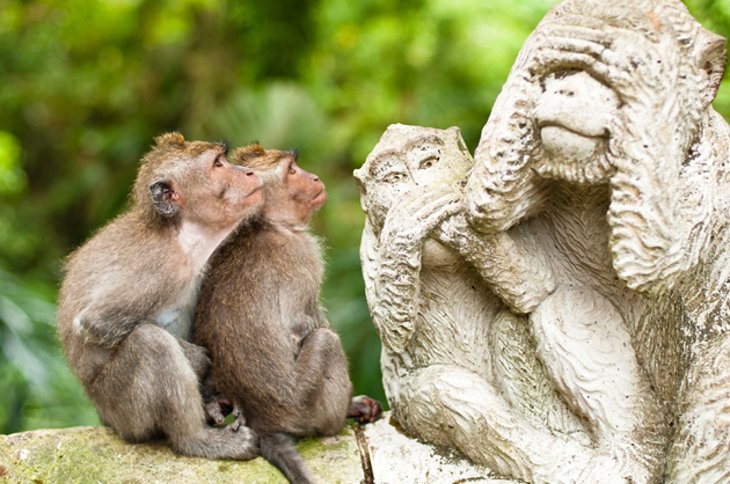
Ubud is the cultural heart of Bali, and it's here you'll find the Sacred Monkey Forest Sanctuary, a serene space where you can feel the ancient majesty of the island.
You'll see many long-tailed macaques, a species of monkey commonly seen throughout Southeast Asia. The sanctuary also contains three Balinese Hindu temples, which date back to 1350. As you wander through the forest, avoid displaying any food or holding items (such as umbrellas and water bottles) that may draw the attention of the monkeys. They may try to steal whatever you're carrying!
The forest is near Padangtegal, a small village that has drawn artists of all varieties for many years, and the temple, artistry, and stunning natural backdrop make a trip to the forest and village a must-do in Bali.
Official site: http://monkeyforestubud.com/
7. Mount Bromo
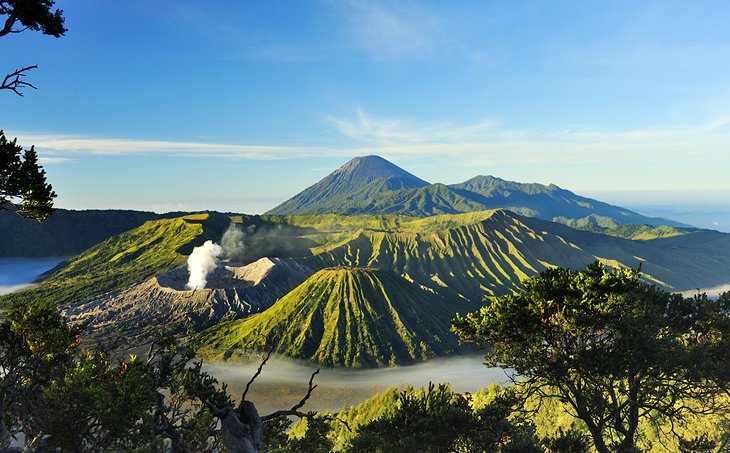
Indonesia sits on the Ring of Fire, an area with some of the most active volcanoes in the world. Many of the country's volcanoes, such as Mount Merapi, are famous for their violent eruptions and their stunning, but dangerous beauty.
Mount Bromo is among the best known, thanks largely to its incredible views, particularly when seen standing over the caldera at sunrise. Bromo's peak was blown off in an eruption, and you can still see white smoke spewing from the mountain.
The volcano is part of Bromo Tengger Semeru National Park, which also includes Mount Semeru, the highest peak in Java. The park is home to the Tengger people, an isolated ethnic group who trace their ancestry back to the ancient Majapahit empire.
8. Tana Toraja
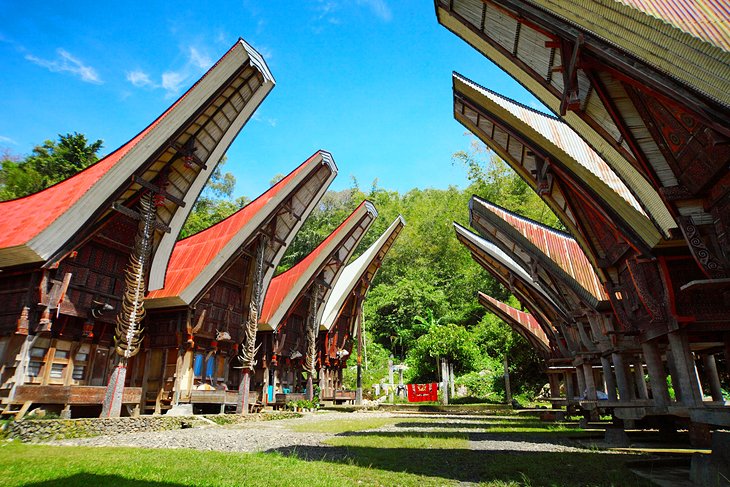
A visit to Tana Toraja in South Sulawesi Province will not only feel like you've stepped far back in time, but also offers a look at the richness and diversity of Indonesia's long-standing cultures.
The architectural style of Tongkonan, boat-shaped houses and other buildings, are immediate standouts, but the people are what make this piece of natural paradise so special. They are, by many accounts, the friendliest and most welcoming people you could hope to meet while traveling.
The Toraja approach to death is one of reverence and celebration. Funerals are elaborate ceremonies involving plenty of food and traditional dance, and the dead are buried in graves built into surrounding caves.
Some of the top things to do in the area include visiting villages and connecting with locals, or trekking in the notoriously lush and pristine countryside.
9. Kalimantan, Borneo
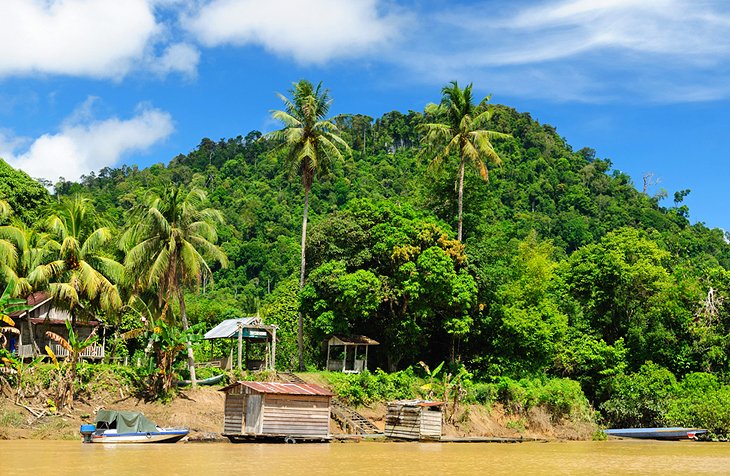
Few places suggest wild, untamed adventure like Borneo. One of the most ecologically diverse places on earth, Borneo is home to orangutans, exotic birds, Sumatran rhinos, pygmy elephants, and an array of other creatures.
In Kalimantan, in Indonesian Borneo, you can travel down the Kapuas River, the longest in Indonesia; visit villages of the indigenous Dayak people; and observe foreign influences from China, Malaysia, and even Europe in the ports and cities along the way.
You can also go trekking in the rainforest for a chance to see some of Borneo's famed wildlife in person. Bukit Baka-Bukit Raya National Park is a conservation area in West Kalimantan that includes two of the highest mountains in Borneo and supports wildlife such as orangutans, clouded leopards, slow lorises, sun bears, and many other species.
10. Lake Toba
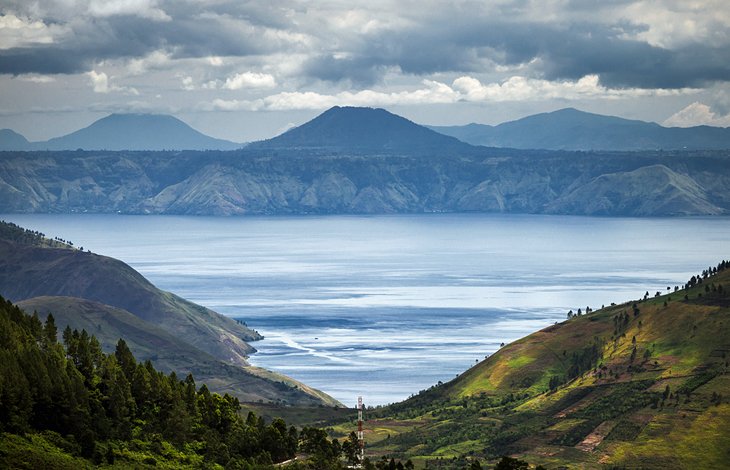
Another of Indonesia's natural wonders, Lake Toba is both a body of water and super volcano. The lake, which sits in a crater, was formed between 69,000 and 77,000 years ago and is believed to have been the result of a catastrophic eruption.
The lake is 1,145 square kilometers and 450 meters deep. Volcanic activity is still regularly recorded here and has pushed some islands above the water's surface.
Lake Toba is a study in beauty and the powerful forces at work on the planet. Here, you can go swimming, water skiing, canoeing, or fishing, or stick to wandering the surrounding area on foot or bike.
11. Mount Krakatau
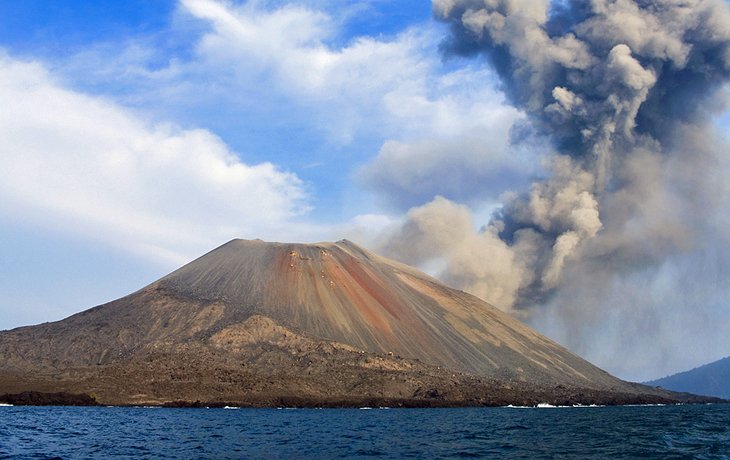
Surely, the eruption of Indonesia's most famous volcano, Krakatau, in 1883 was the largest in recorded history. The eruption severely impacted climate conditions around the world and took a devastating toll on human life on nearby Java and Sumatra. Anak Krakatau, "Child of Krakatau," is the youngest of the islands formed by the 1883 eruption, and forced itself above the surface in 1930.
This young and volatile volcano continues to rise higher out of the sea and have significant eruptions. Anak Krakatau still belches smoke and fire, and tourists can visit Krakatau's child for a reminder of the awesome, unseen power just beneath the surface at every turn in Indonesia.
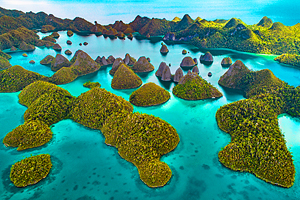
12. Raja Ampat
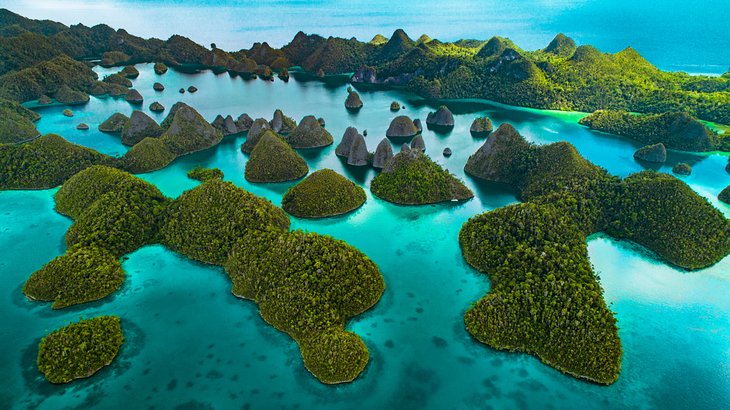
The fairlyland of lush, cone-shaped islands set against blue and turquoise waters is one of Indonesia's most spectacular sights. Hundreds of islands and cays make up this tropical paradise, but the beauty extends beneath the surface as well.
Colorful fish and a diverse variety of marine life thrive in the warm, clear waters. In fact, the coral reefs here are some of the most biodiverse on the planet, making it a popular area for diving in Indonesia.
13. Gunung Rinjani
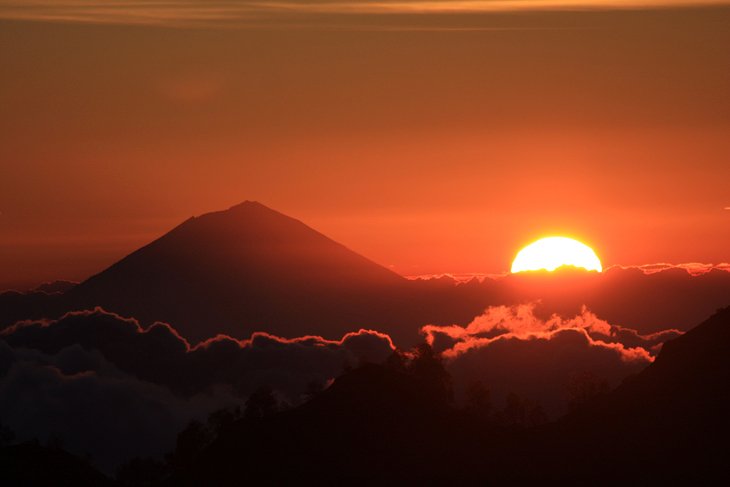
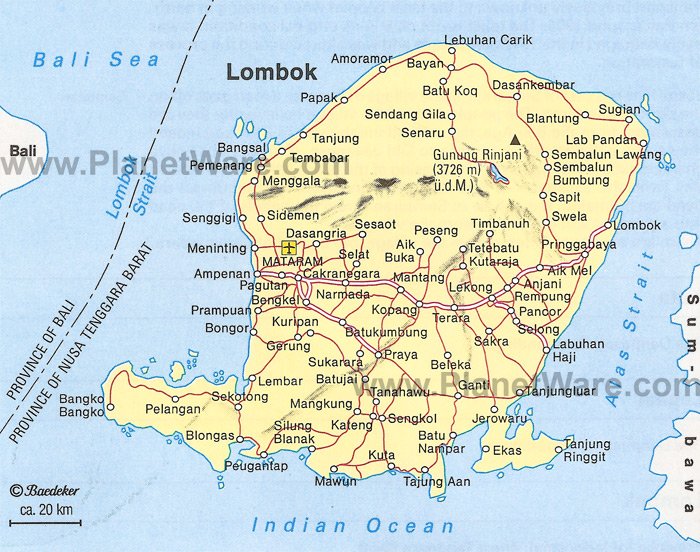
Another of Indonesia's famed volcanoes, Gunung Rinjani is a top attraction on Lombok. Rinjani itself does not see the eruptions and activity that some of the others have, but its caldera-forming eruption in the late 13th century is believed to have been one of the most powerful in human history. A lake sits in Rinjani's caldera, and within the lake sits Mt. Baru, another active volcano.
In Rinjani National Park, you may spot animals such as the rare black ebony leaf monkey, long-tailed macaques, the sulfur-crested cockatoo, and other exotic species. Guided treks are available, and you can camp overnight in the park.
The park does caution that treks are strenuous, so if you plan to hike the mountain, you should be in good physical health and be prepared with the appropriate equipment.
Official site: http://rinjaninationalpark.com/
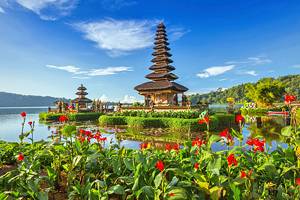
14. Pura Tanah Lot
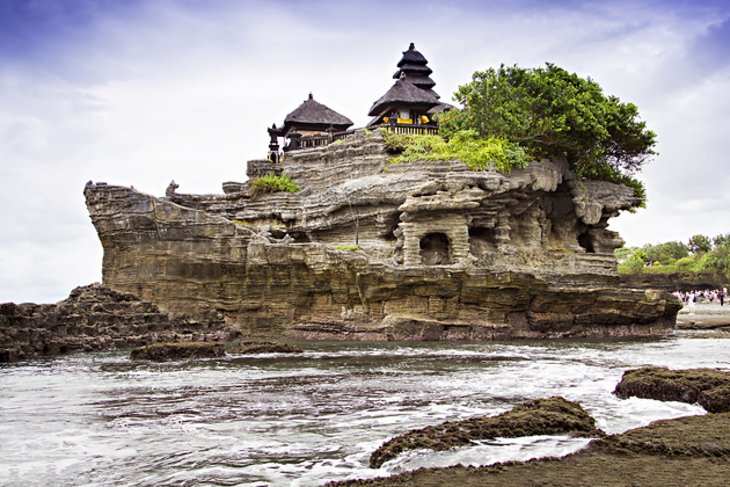
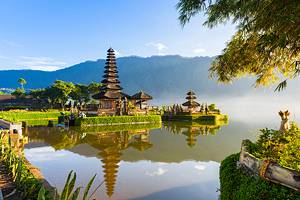
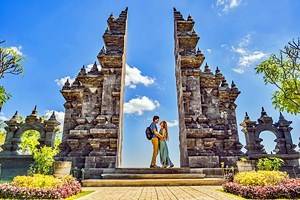
This is one of Bali's most popular temples, built on a rock formation in the sea. The original formation began to deteriorate at one point, so a portion of the rock is now artificial. Still, Pura Tanah Lot draws people in droves, particularly in time to catch the sunset.
This temple compound is found on the southern coast of Beraban village, and you can walk out to the temple at low tide. Once the sun goes down, browse the stalls at Tanah Lot market to purchase unique Balinese souvenirs.
15. Banda Islands
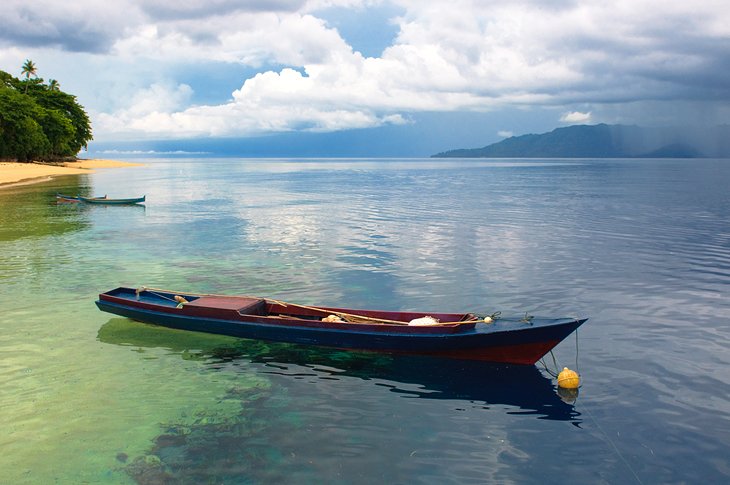
Bali and Lombok are tried and true vacation spots for a reason, but the lesser-known Banda Islands have their own appeal as an off-the-beaten path getaway. This cluster of 10 small islands sits at the edge of the Banda Sea, whose depths reach more than 6,500 meters.
The Bandas have long been on the radar of those involved in the spice trade, thanks to their rich source of nutmeg. Called "Eastern Indonesia's best kept secret," the Bandas hold untold thrills for divers and sailors in particular.
Pristine dive sites offer a chance to spot sharks, sea turtles, whales, the endemic Ambon scorpionfish, lobsters, and a plethora of other creatures.
You can book accommodations and tours yourself, or opt for a live-aboard boat, which includes stops at many great dive sites around the islands.
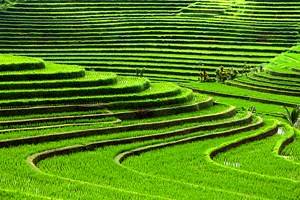
16. Jatiluwih Rice Fields, Bali
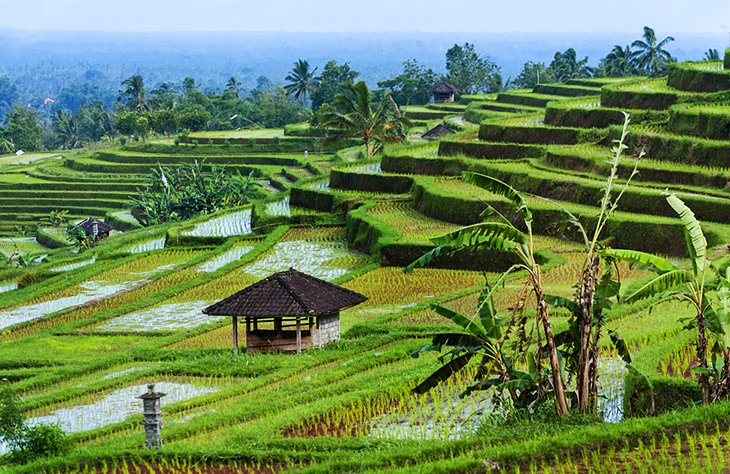
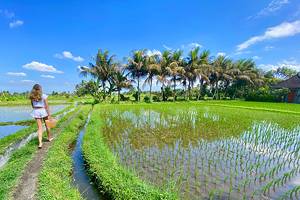
The beaches may be the first thing that comes to mind when you think of Bali, but the verdant rice fields are a close second. So lush and life-giving are the terraces of the Jatiluwih Rice Fields that they were designated a UNESCO Cultural Landscape as part of Bali's Subak System.
The meticulously cultivated and irrigated fields are a testament to the wealth of natural resources in Bali, as well as the carefully honed skills of the local farmers. No visit to Bali is complete without seeing these rich acres.
17. Jakarta
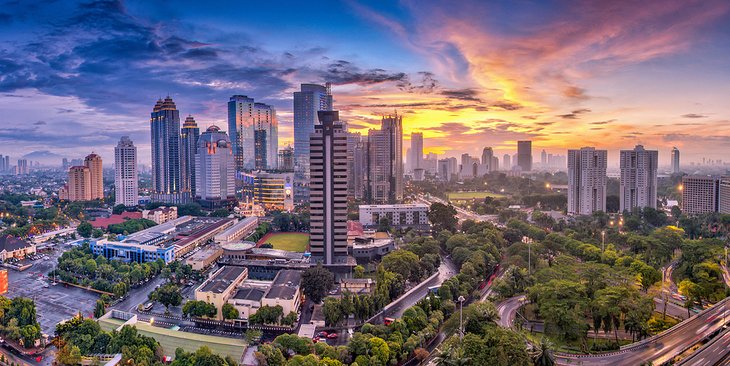
Indonesia's bustling capital stands in stark contrast to the country's famous beaches, rice fields, and volcanos. Here, tourists can discover the cosmopolitan side to this otherwise very traditional destination.
The city contains more than 170 shopping malls, each brimming with stores, high-end restaurants, and cinemas.
Other highlights of Jakarta include a number of noteworthy museums. The relatively new Museum MACAN showcases more than 800 pieces of contemporary art. There's also the Museum Nasional, an archeological and ethnological institution with more than 70,000 artifacts, and the vibrant Museum Layang-Layang, dedicated to the art of kite-making.
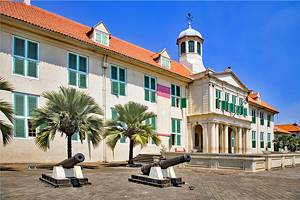
Be sure not to miss Kota, Jakarta's Old Town, to see what this city looked like in the 17th century.
18. Flores
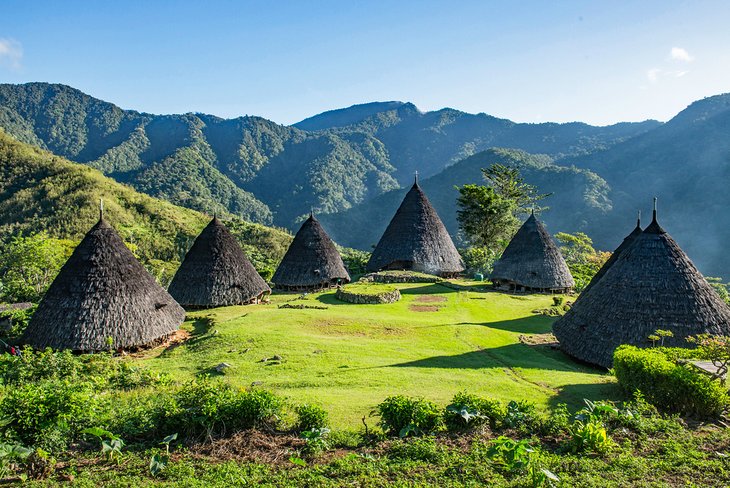
Between Komodo and Lembata islands is one of the most beautiful spots in all of Indonesia: Flores. The island brims with untouched stretches of lush, tropical scenery. The most famous attraction on Flores is the Kelimutu volcano. It's best-known for its three lakes, each of which boasts a distinctive color that changes based on the acidity of the water.
You can also visit Stone Age megaliths in the village of Bena, and see traditional conical houses, known as Mbaru Niang, in Wae Rebo.