Tourist Attractions in Venezuela
Venezuela is a country of beautiful landscapes and surprising sights, from the coast to the mountain tops. Magnificent waterfalls tumble off table top mountains, and coastal towns and offshore islands offer pleasant escapes and soft-sand beaches.
Inland, the Andes Mountains, soaring to over 16,000 feet, provide a stunning backdrop to colorful and lively cities, and the Orinoco Delta is teeming with wildlife. Caracas, the capital and largest city in the country, offers its own type of adventure, with a number of cultural sites and surrounding attractions.
The best places to visit are not always the easiest to reach, and Venezuela is no exception. Some of these destinations are well off the beaten path. For inspirational ideas, see our list of the top tourist attractions in Venezuela.
- Angel Falls
- Los Roques Archipelago (Archipiélago Los Roques)
- Isla de Margarita (Margarita Island)
- Parque Nacional Morrocoy (Morrocoy National Park)
- Canaima National Park and the Gran Sabana
- Roraima
- Orinoco Delta
- Galipan
- National Pantheon of Venezuela
- Parque Nacional Los Médanos de Coro (Medanos de Coro National Park)
- Mochima National Park
Angel Falls
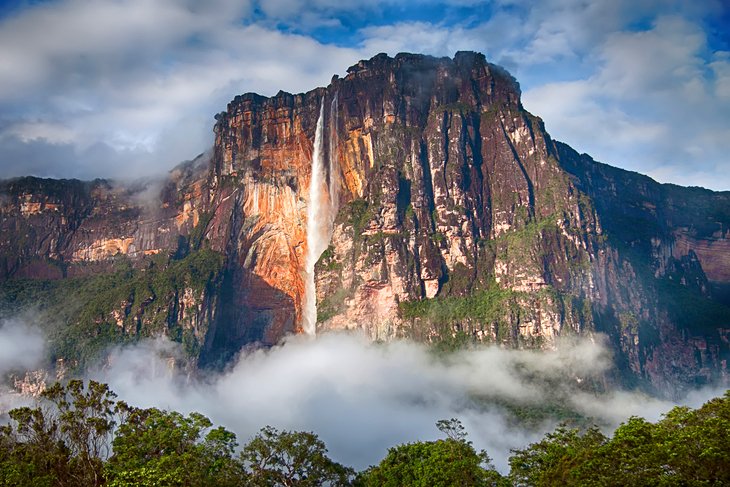
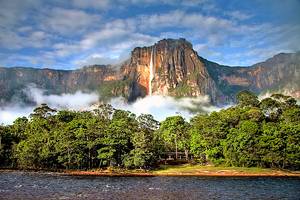
In the heart of the country, where table top mountains rise up like giant monoliths from the surrounding landscape, is Angel Falls. Dropping 979 meters, it is the highest waterfall in the world and one of the highlights of South America.
This stunning site in Canaima National Park is remote and difficult to access, but flights over the falls are easily arranged.
The best time to see the falls is during the rainy season, between May and November, when water is plentiful and the falls do not disappear into a mist before reaching the bottom as they do in the dry season. During the dry season, the falls may be little more than a trickle and you will want to check in advance to see if there is enough water to make the trip worthwhile.
The falls are usually visited by either a sightseeing flight or a three-day boat trip beginning in the town of Canaima. The boat trip, which also includes a hike through the jungle to the base of the falls, is not a luxury tour by any stretch, with basic accommodation along the route. The boat trip may not be possible during the dry season due to low water levels in the river.
Flights over the falls depart from many towns and cities and can be arranged from various places, including Caracas, Ciudad Bolívar, Santa Elena, or Isla Margarita, as well as other major cities, although usually with a connecting flight.
Los Roques Archipelago (Archipiélago Los Roques)
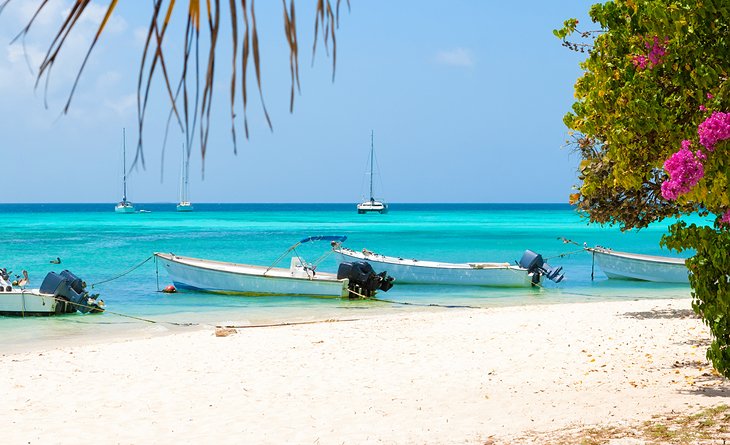
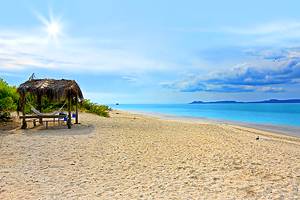
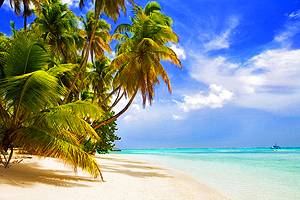
Sun-drenched beaches, turquoise waters, coral reefs, and modest development with no high-rise hotels, are what draw travelers to this beautiful chain of islands 160 kilometers north of the central coast of Venezuela.
The archipelago is Los Roques National Park, but most people refer to the area simply as Los Roques. This is one of the best places to visit in Venezuela. The small seaside fishing village of Gran Roque, on the island of the same name, is the main settlement, with single-story homes painted in the typical bright colors seen throughout Venezuela.
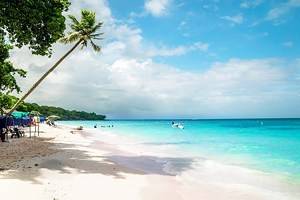
The buildings stretch out along the beachfront, which seems to go on forever. One of the highlights is the little island of Cayo de Agua. Reached by boat, this is one of Venezuela's most beautiful beaches, with shallow turquoise waters, perfect for swimming and snorkeling.
The islands are usually reached by aircraft from Caracas, there is no ferry service from the mainland. The airport is located in Gran Roque. Boats can be chartered from the town's waterfront area for those interested in visiting some of the surrounding islands, diving, or taking a snorkeling trip.
Isla de Margarita (Margarita Island)
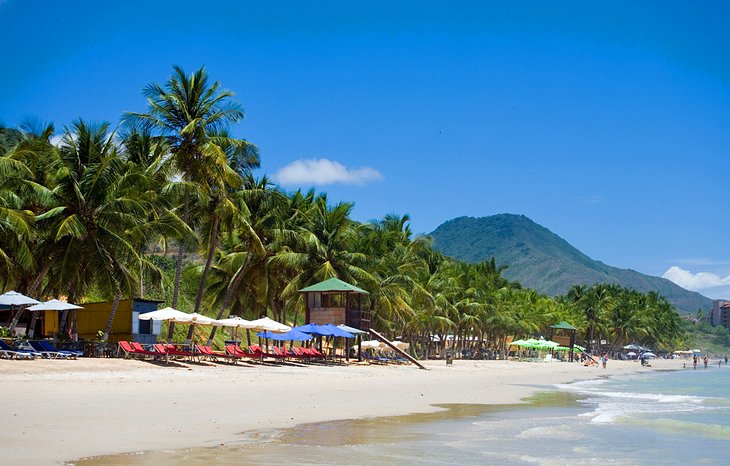
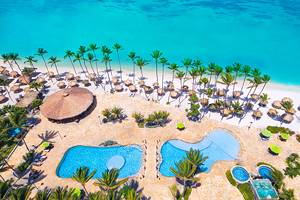
Isla de Margarita is one of the more developed beach destinations in Venezuela. Lying approximately 40 kilometers north of the mainland, this is one of Venezuela's major tourist destinations for sun seekers. The island's main attractions are the beautiful soft sand beaches, which are popular with both foreigners and Venezuelans.
Many charter flights fly directly to Isla Margarita from a variety of international destinations, but it's also possible to take a ferry to the island from Puerto La Cruz on the mainland.
The main city on the island is Porlamar, but the numerous beaches are spread around the island, with some of the best on the north and east side. Many of these are developed, with hotels or restaurants. Some of the most popular beaches are La Playa El Agua, Playa Puerto Cruz, Playa Guacuco, and Playa Manzanillo.
Parque Nacional Morrocoy (Morrocoy National Park)
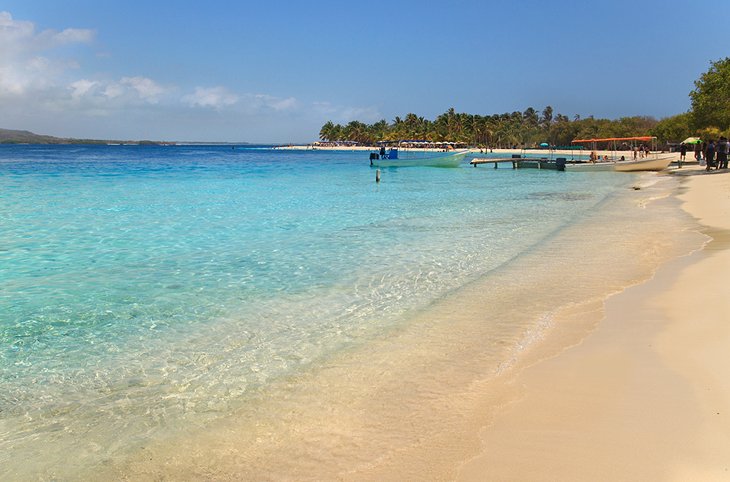
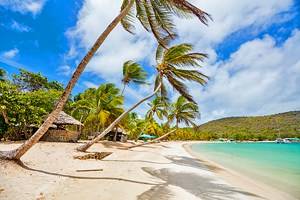
Morrocoy National Park, located along the coast about a two-hour drive west of Caracas, is known for its white-sand beaches and coral reefs, which stretch along the mainland and ring the offshore islands and cays. Diving is one of the main activities for those who are looking for more than simply spending a day on the beach.
The park is also home to a large number of birds, from osprey and parrots to flamingos and scarlet ibis. Some of the most popular islands are Cayo Sombrero, Cayo Borracho, Cayo Sal, and Cayo Peraza, to name just a few.
There are two main access points, one at Tucacas and the other at Chichiriviche, with boat services to the islands available at both of these towns. The park is easily accessible and, as a result, very popular with Venezuelans. It can get extremely busy, particularly around holidays.
Canaima National Park and the Gran Sabana
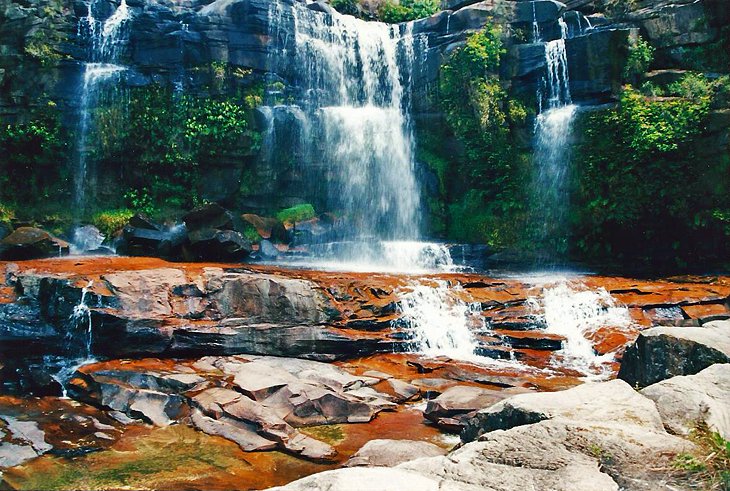
Canaima National Park covers three million hectares and is listed as a UNESCO World Heritage Site. It is usually associated with Angel Falls and the area around the town of Canaima, but this is actually only a small area of the vastly diverse park.
The park also encompasses the high plateau of La Gran Sabana and includes more than 100 tepuis (table top mountains), which rise more than 1,000 meters above the savannahs. A trip through the Gran Sabana and Canaima National Park is a unique experience and does not necessarily even need to be combined with a trip to Angel Falls, particularly during the dry season.
Highlights in this area are the numerous waterfalls spread across the entire area, particularly in the Gran Sabana near the Brazilian border. Swimming at the base of the waterfalls is one of the highlights and can provide a refreshing escape from the heat of the midday sun during the dry season.
Roraima
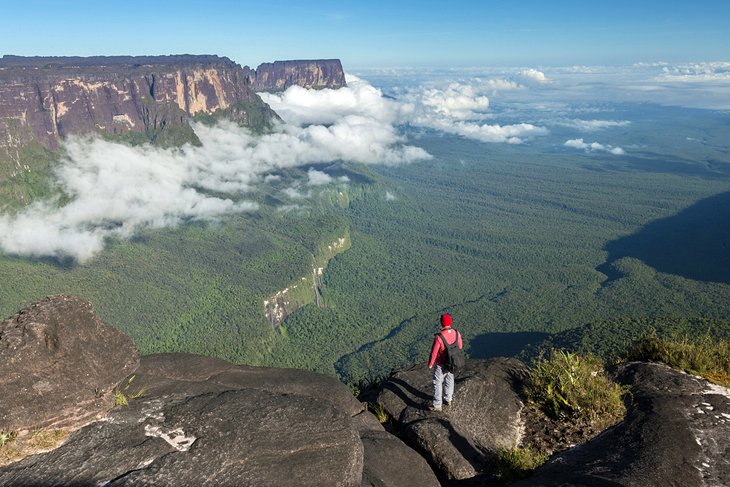
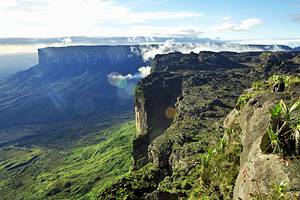
The table-top mountain of Roraima has an alluring appeal for nature lovers and adventure seekers, with an almost mystical Jack and the Beanstalk type of wonder attached to it. Rising up from the surrounding lowlands, Roraima is an island in the sky that has been intriguing people for centuries, with its bizarre rock formations, waterfalls, and meat-eating plants. This tepui (table-top mountain) was even the inspiration for Arthur Conan Doyle's famous novel The Lost World.
Roraima is one of the highest tepuis in Canaima National Park. It is also one of the most easily accessible and a popular hiking destination, although it is a demanding, multi-day hike. The temperature drops as the elevation rises and Roraima is often cloudy, misty, or raining, so hikers need to be prepared to face the elements.
Orinoco Delta
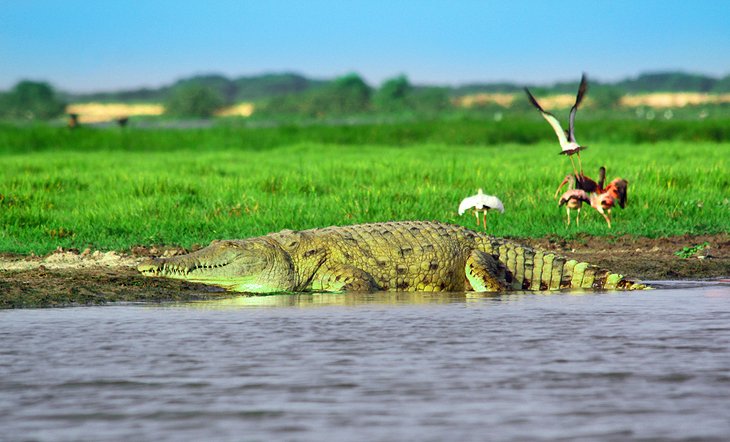
The Orinoco Delta, in the northeast of Venezuela, offers a completely different landscape and experience than other parts of the country. The river delta is home to all kinds of interesting wildlife, from monkeys and macaws to piranhas.
Riverside lodges offer multi-day packages that take guests out in boats for wildlife viewing and visiting local Warao people. Some camps also offer night safaris. The quality of the lodges varies so it's best to do some research in advance. Trips can be arranged from Ciudad Bolivar, Ciudad Guayana (Puerto Ordaz), or from other cities, and can be combined with a larger tour of other areas.
Galipan
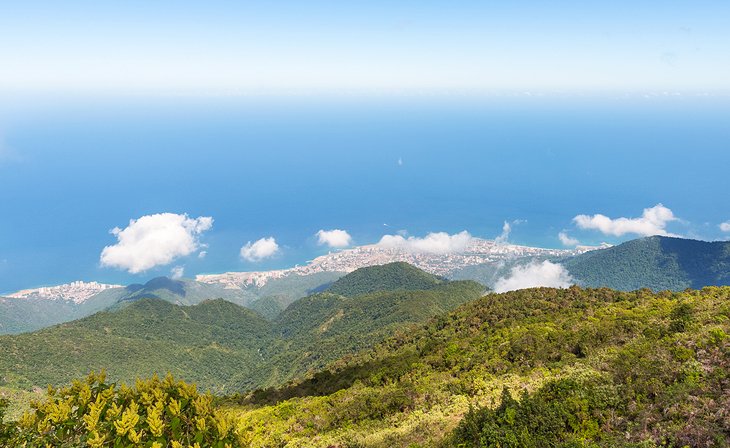
While few people plan to spend much time in Caracas, the city does have a couple of sites worth seeing. One of the highlights is a trip up the funicular to the small town of Galipan on Avila Mountain in northern Caracas.
It is also possible to drive, but this is a twisty road that doesn't lend itself to looking around. The views from the top of the hill are spectacular, particularly on clear days, when you can see Caracas and the coast. At the top are stalls with vendors selling a variety of goods, and a number of decent restaurants offering some tasty treats.
National Pantheon of Venezuela
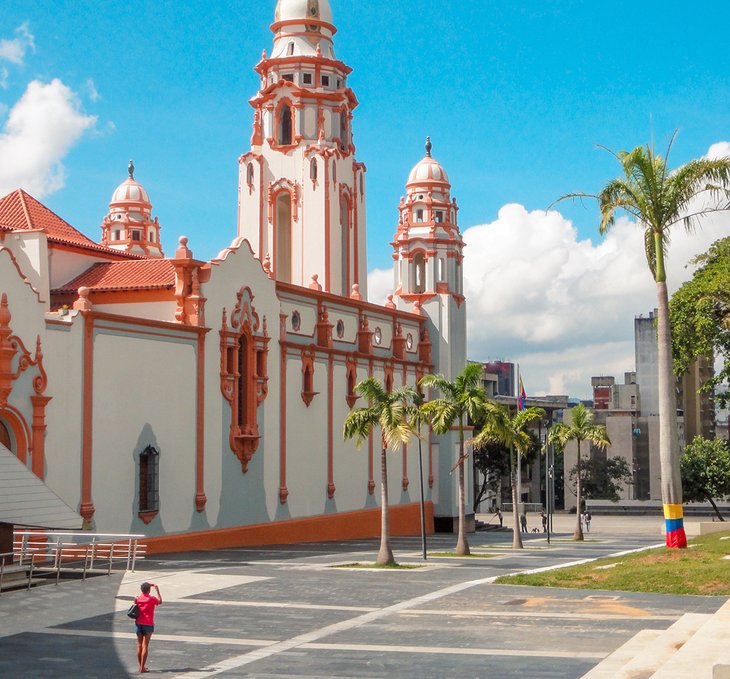
The National Pantheon is one of the most important attractions in Caracas. The building was constructed after the 1812 earthquake when the original church on this site was destroyed. Today, it is the country's most sacred shrine and houses the remains of prominent Venezuelans, including those of Simon Bolívar.
Parque Nacional Los Médanos de Coro (Medanos de Coro National Park)
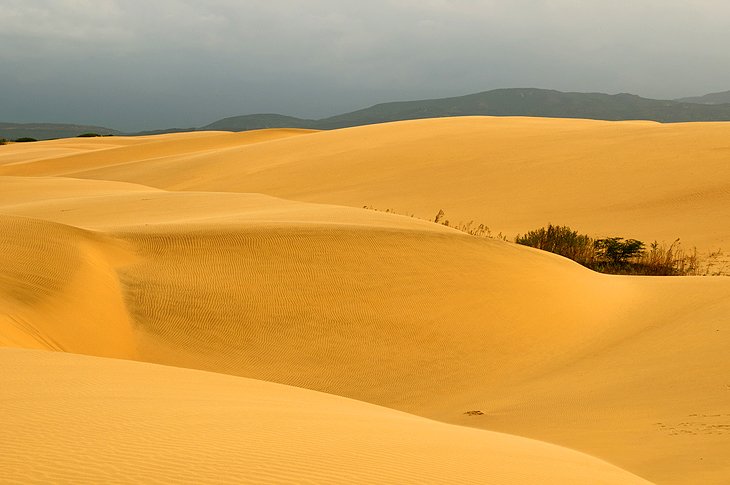
Medanos de Coro National Park offers surprising sights, with rolling sand dunes typical of a desert scene. The sand dunes, known locally as medanos, roll across the landscape, with twisting and curving lines, and some dunes reach up to 40 meters in height.
Dispersed within the hills are a number of lagoons, formed by decades-old flooding. This park is a fun place to wander around, slide down the dunes, take photos, and appreciate the diversity of landscapes that make Venezuela so unique.
Mochima National Park
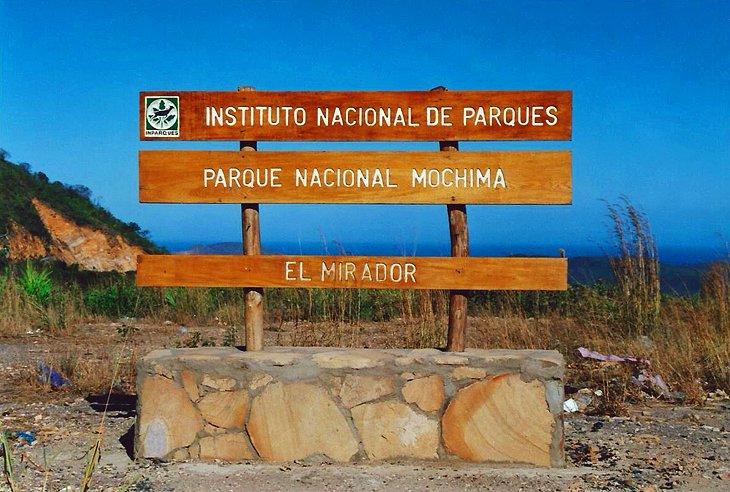
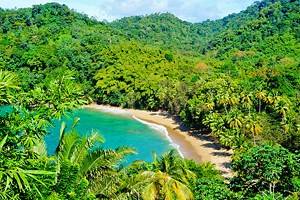
This park covers a portion of the coast and a chain of offshore islands east of Puerto La Cruz to Cumaná. The main attractions here are the beaches and the diving. The islands can be accessed by boat from Puerto La Cruz, Santa Fé, and Mochima.
It is also possible to explore the mainland portion of the park by car or bus, stopping off at small villages and beach-lined bays off highway 9, but this is primarily a place for boating. The area around the park is very quiet and it doesn't see nearly the amount of traffic as Morrocoy. This is a good option for people who happen to be in this area or heading out to the Paria Peninsula.
More Related Articles on PlanetWare.com
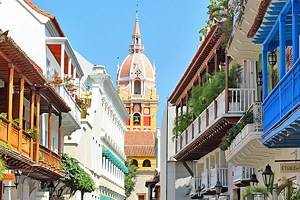
Visiting Neighboring Colombia: On Venezuela's western border is one of South America's hottest new up-and-coming tourist destinations. Colombia's attractions range from historic cities to mountains and beaches. If you have time to see even a couple of destinations in Colombia, don't miss out on a chance to explore the sights of Cartagena or to relax in Medellin.