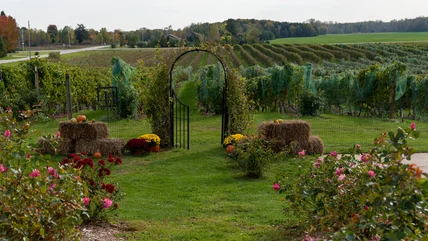
Goodbye Napa Valley, So Long Sonoma County: A New Midwest Wine Hotspot Is Booming
Far from California's famous vineyards lies a Midwestern region producing its own sweet and fruity wines and serving them in numerous local tasting rooms.
Read More

Far from California's famous vineyards lies a Midwestern region producing its own sweet and fruity wines and serving them in numerous local tasting rooms.
Read More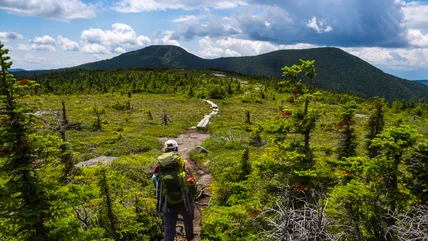
From Atlantic shores to Pacific wilderness, this massive North American hiking route crosses mountains, forests, lakes, and some unforgettable landscapes.
Read More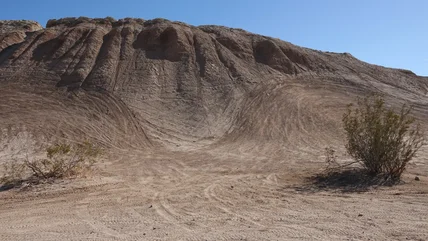
California travelers looking for off-road adventure can find rugged desert routes, striking geology, and free camping within easy reach of San Diego County.
Read More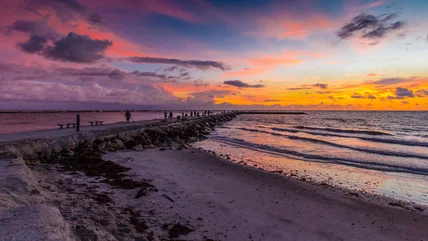
Sandy beaches, surf spots, wildlife, fishing, and waterfront dining make this stretch of Florida's east coast a relaxed choice for a coastal vacation.
Read More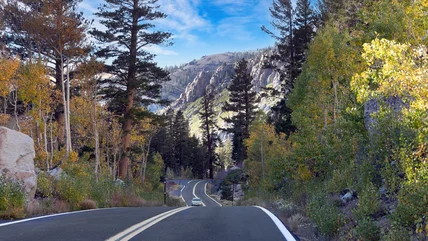
This Northern California gem tucked into the mountains offers access to hiking trails plus unique local events, cozy inns, and stunning scenery.
Read More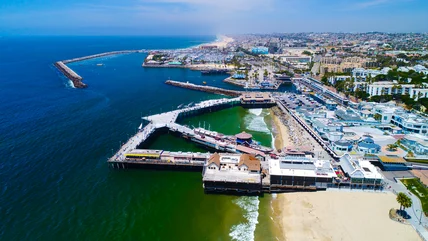
Southern California travelers can find sandy beaches, waterfront restaurants, ocean views, and an easygoing pier scene along this scenic South Bay stretch.
Read More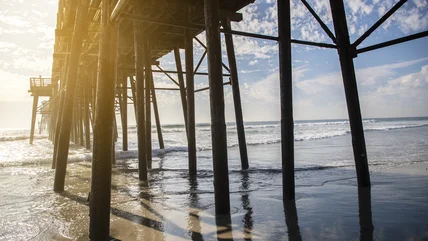
Explore scenic beaches, family attractions, colorful flower fields, and local restaurants in this laid-back coastal California city between LA and San Diego.
Read More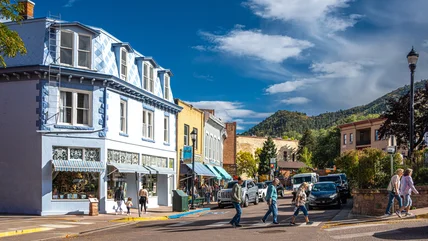
Taste naturally carbonated water from historic fountains, explore mountain trails, and enjoy lively local festivals in this cozy town near Colorado Springs.
Read More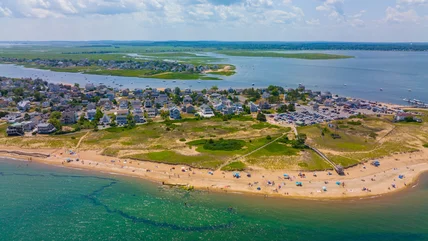
Spend days on sandy beaches, enjoy lobster rolls by the river, and explore historic streets in this Massachusetts city about an hour's drive north of Boston.
Read More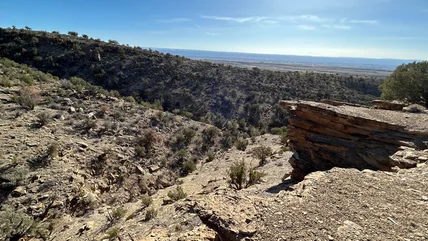
This Utah state park may be new, but it protects dinosaur fossils that are millions of years old, and you can explore it during a day of hiking and off-roading.
Read More
Trying to help during beverage service? A seemingly polite habit can disrupt a flight attendant's routine. Learn what to avoid and how to prepare for a flight.
Read More
This Southern California escape offers hiking trails, lake activities, historic landmarks, local dining, and family-friendly attractions near San Diego.
Read More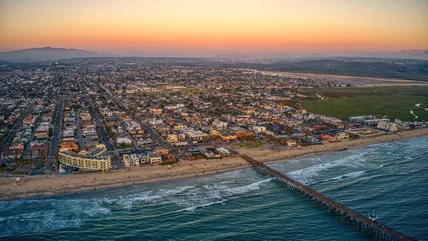
Looking for a quieter Southern California getaway? This coastal city has sandy shores, walking trails, local places to eat, and activities for the whole family.
Read More
From waterfront walks to historic landmarks, this San Francisco destination offers an easy way to enjoy nature and sightseeing without leaving the city.
Read More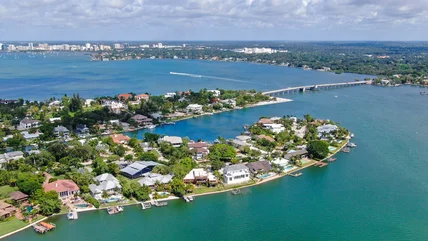
Just off Sarasota, this Gulf Coast escape combines white-sand beaches, clear water, lively dining spots, and a relaxed island atmosphere for travelers.
Read More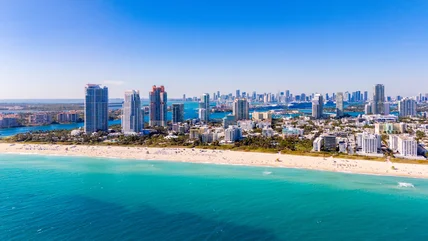
Florida's South Beach neighborhood is an iconic destination for its pristine coast, unique architecture, and role in several TV shows and movies.
Read More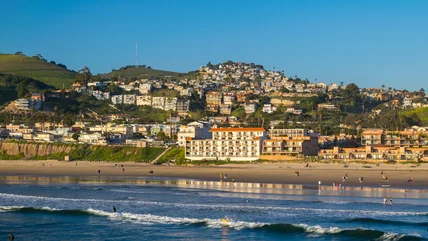
This California Central Coast city is known for its massive clams, its family-friendly atmosphere, and for having the top-rated beach in the state.
Read More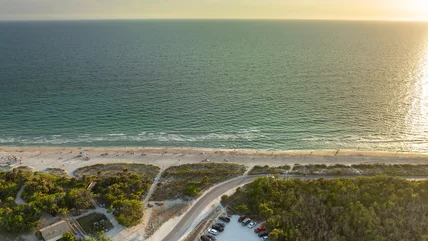
Beachcombing, sunset views, and waterfront dining are part of the appeal at this low-key Florida beach escape that still has a charming Old Florida feel.
Read More
This Southern California city boasts over a dozen wineries, along with family-friendly museums, parks, and attractions in a relaxed setting.
Read More
Experience SoCal vibes, without massive crowds, in this coastal city. It's home to one of the top-rated beaches in the world, along with numerous attractions.
Read More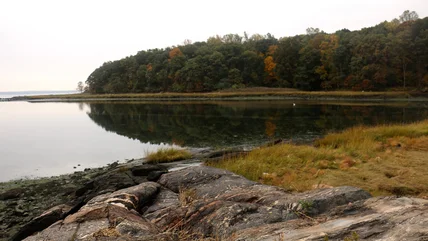
Spend a day in NYC's 2,700-plus-acre park, where you can swim at the beach in the summer and go leaf peeping along miles of trails in the fall.
Read More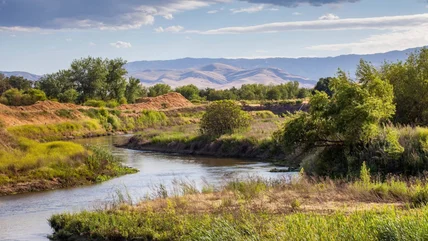
California has no shortage of places to experience nature, but as of 2024, you have yet another option: this scenic state park with rivers and hiking trails.
Read More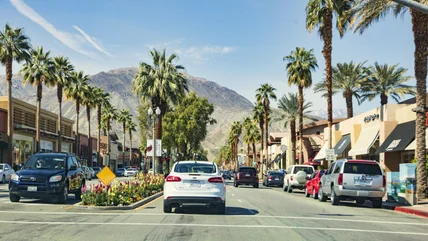
Away from California's iconic coast is a chic yet relaxed city with museums, restaurants, nature, and other attractions for both kids and adults.
Read More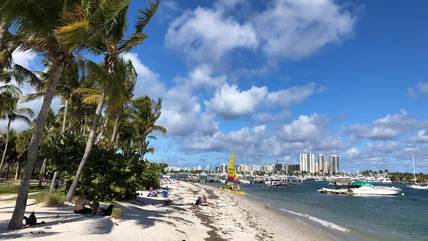
This nearly 80-acre island off the coast of Florida offers a unique place to snorkel, swim, hike, and camp, and it's only accessible by boat.
Read More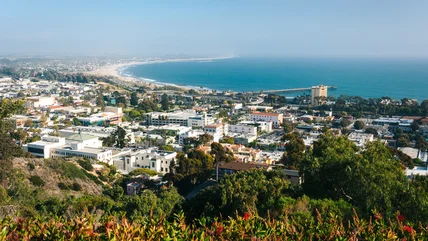
Spend the morning hiking above the coast, then head down for beach time and a stroll along the pier. This laid-back California city makes it easy to do both.
Read More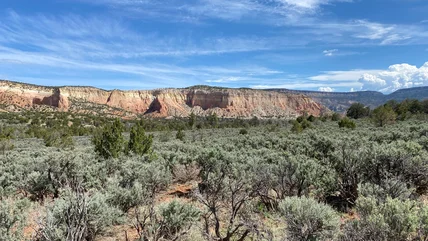
This massive loop trail in the American West combines several other iconic trails and passes through 75 wilderness areas for a challenging adventure.
Read More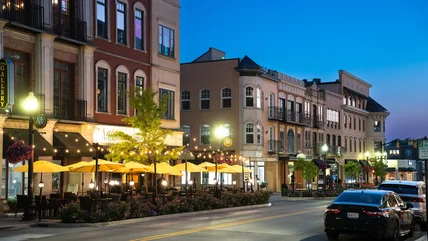
This Midwest city has earned a place on multiple lists as a top place to live, thanks to its affordability, convenience, cultural attractions, and other perks.
Read More