16 Top-Rated Day Trips from Vienna
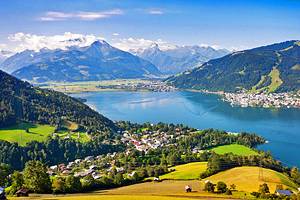
Thanks to its setting on the banks of the Danube in the northeastern foothills of the Alps, the area around Vienna offers an abundance of beautiful scenery to explore. Tall mountain peaks plunge to emerald river valleys, and you'll see quaint villages nestling against this breathtaking backdrop.
The city's central location makes it a convenient base for day trips to some of the nearby towns and villages. Here, you'll find magnificent abbeys, opulent palaces, and historic attractions. If you're willing to venture a bit farther, you could take a day trip to Budapest, Prague, Hallstatt, and Salzburg easily by train, bus, or car from Vienna.
Express trains that run through Vienna include Railjets, RegioJet, InterCity Express, EuroCity, and WESTbahn. These are great options for reaching farther-flung day trips and weekend destinations. FlixBus also offers bus transportation from five departure points in Vienna to places like Bratislava and Brno.
If you prefer driving, Austria is a safe, easy place to be behind the wheel. Roadways are well-marked with signage. All of the toll roads — which include the Autobahn freeways, Bundesstraße federal highways, and Schnellstraßen expressways — are cashless, though, so be sure to get a vignette (pre-paid toll sticker) for your windshield if your rental doesn't already have one. Austria also requires drivers to have an international driver's permit if they don't have an EU/EEA driving license.
From the beautiful Vienna Woods to snowcapped mountain peaks; from lovely old palaces to exciting day trips by boat, rail, and road, the city offers some of the best scenery in Austria right on its doorstep. Discover other rewarding places to visit with our list of the best day trips from Vienna.
- 1. The Wachau Valley and Melk Abbey
- 2. Budapest
- 3. Salzburg
- 4. Hallstatt
- 5. Prague
- 6. Bratislava
- 7. Klosterneuburg Abbey
- 8. The Vienna Woods
- 9. The Roman Town of Carnuntum
- 10. Lainzer Wildlife Park and Baden bei Wien
- 11. The Village of Grinzing
- 12. Beethoven's Heiligenstadt
- 13. Haydn's Birthplace and Rohrau Castle
- 14. Danube Boat Tours
- 15. Eisenstadt and Schloss Esterházy
- 16. Laa an der Thaya
- Map of Day Trips from Vienna
1. The Wachau Valley and Melk Abbey
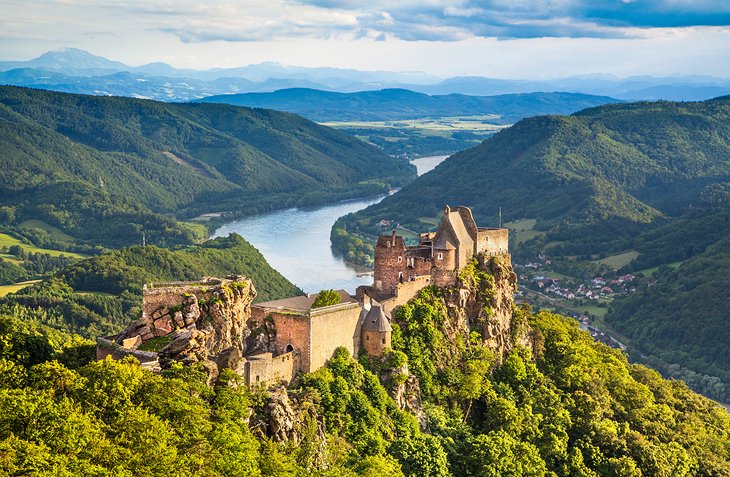
Located about 80 kilometers from Vienna, the beautiful Wachau Valley is a World Heritage Site due to its spectacular scenery and rich history and culture. It stretches for about 40 kilometers between the towns of Melk and Krems.
Driving is the easiest way to take a day trip to the Wachau Valley from Vienna. You can take the A22 motorway to Stockerau, then take the interchange to S5 until you reach the Krems exit. Keep in mind these are toll roads. Many rental cars in Austria come with a physical or digital sticker to cover the tolls, but if you've driven in from another country, you may need to buy one from a gas station or newsstand.
After that, you can take your time enjoying valley views by car on the Romantic Road of Austria, which runs along the Danube. The riverside road snakes through the valley's heart, past picturesque monasteries, grand castles, villages, and vine-draped hills, conjuring a scene from medieval times. The area is also a hot spot for foodies and is one of the most popular places to visit near Vienna.
You can take a roundabout just after Schalemmersdorf to cross the Danube and head to Melk. One of Melk's top attractions is the magnificent Benedictine Melk Abbey, perched high on a hilltop overlooking the Danube River. Highlights include its octagonal domed entrance gate; the Imperial Corridor, lined with priceless art; the museum; the frescoed Marble Hall; and the lovely gardens. The Abbey Church, with its symmetrical twin towers and impressive 18th-century ceiling paintings, is known as one of the finest Baroque churches north of the Alps.
Organized Tour: An easy way to explore the Wachau Valley, without the stress of driving and possibly missing the highlights, is the Melk Abbey and Danube Valley Day Trip. This full-day excursion begins with an air-conditioned coach ride through the beautiful Wachau Valley, while an experienced guide shares information about the history and attractions in the area. It continues with a stop at the medieval castle ruins of Burgruine Dürnstein.
In summer, the tour includes a relaxing cruise down the Danube River to Melk, where you can explore the magnificent Benedictine Melk Abbey. In winter, you can enjoy a walking tour and a hearty Austrian lunch in a local restaurant. Pickup from select hotels and entry to the abbey are also included.
2. Budapest
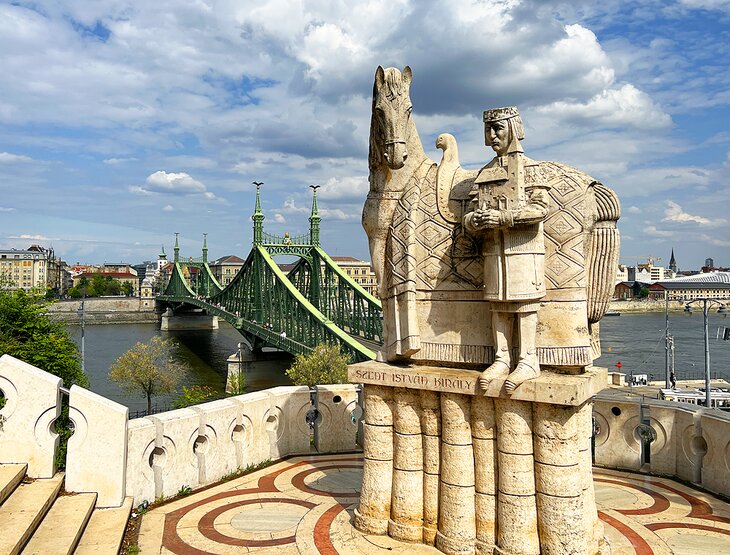
About 240 kilometers from Vienna, Budapest is affectionately known as the "Paris of the East." It sits in a beautiful location astride the Danube River and is one of the most picturesque cities in all of Europe.
Getting to Budapest is a long day trip, no matter how you travel, but it's worth it for the wealth of UNESCO World Heritage Sites, breathtaking architecture spanning styles from Baroque to Neoclassical and Art Nouveau, and the chance to soak in the city's famous therapeutic springs.
The best way to get there is on the Railjet high-speed train, which goes from Budapest to Vienna in about 2.5 hours. Regional trains are an option, but they tend to be slower and you may need to transfer several times. FlixBus also runs a direct bus route that takes just over 3 hours — but traffic could mean major delays on the road.
Driving a car yourself is another option if you want the independence of being able to stop at various destinations along the way. The M1 motorway directly connects Vienna to Budapest, so it's a straightforward drive.
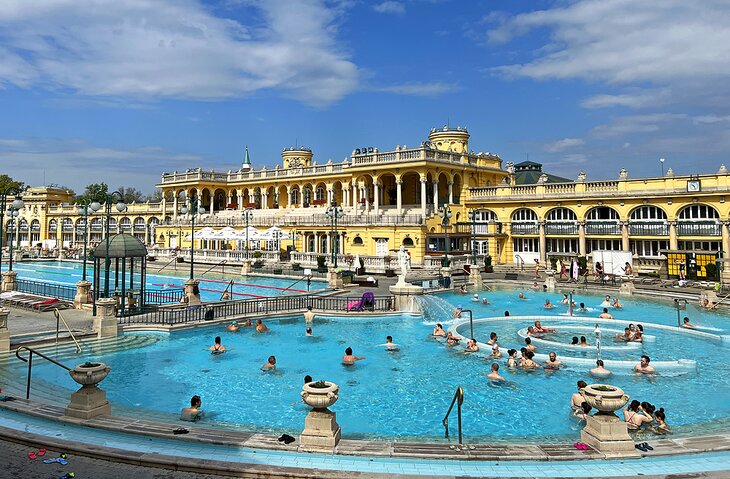
If you're feeling stiff from the drive or train ride, make a beeline to one of Budapest's famous bathhouses for a long soak. The Széchenyi Thermal Bath has a mix of outdoor pools and indoor soaking tubs of different temperatures (not to mention its Baroque Revival architecture, which feels oh so Budapest!). Gellért Spa also offers fantastic bathing facilities, each fed from deep underground springs. Its plunge pools feel deeply refreshing (followed by a hot soak, of course!) after a long day of travel. You can buy tickets online or at the entrance of either bathhouse.
Amp up your day of sightseeing by visiting multiple tourist attractions in one venue: City Woodland Park is home to an impressive line-up of museums, as well as the stunning Vajdahunyad Castle. You could spend days here exploring all the cultural jewels.
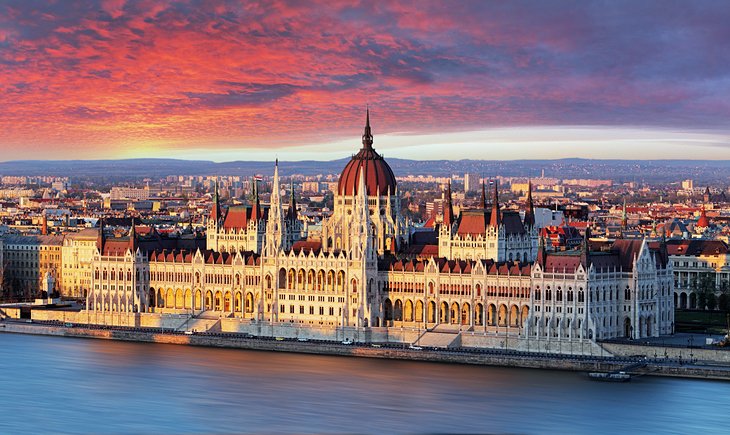
Organized Tour: Consider hopping on the Budapest Day Trip from Vienna tour and let a driver and guide take care of the navigation. The 13-hour tour takes you to many of the city's most famous landmarks. Vajdahunyad Castle, the Parliament Buildings, Heroes' Square, and the Hungarian State Opera are just some of the highlights. This full-day tour includes pickup from select hotels, a scenic drive through the Hungarian countryside, a walking tour through Buda, and a city tour on an air-conditioned coach. You'll be dropped off at the Vienna State Opera after the tour.
Given how long it takes to reach Budapest, consider upgrading your day trip to a weekend getaway from Vienna. Budapest's top attractions, including World Heritage-listed Castle Hill, home to the 18th-century Buda Castle; the late-19th-century Fisherman's Bastion and Matthias Church; the magnificent Parliament buildings; and Heroes' Square will make your weekend one to remember.
3. Salzburg
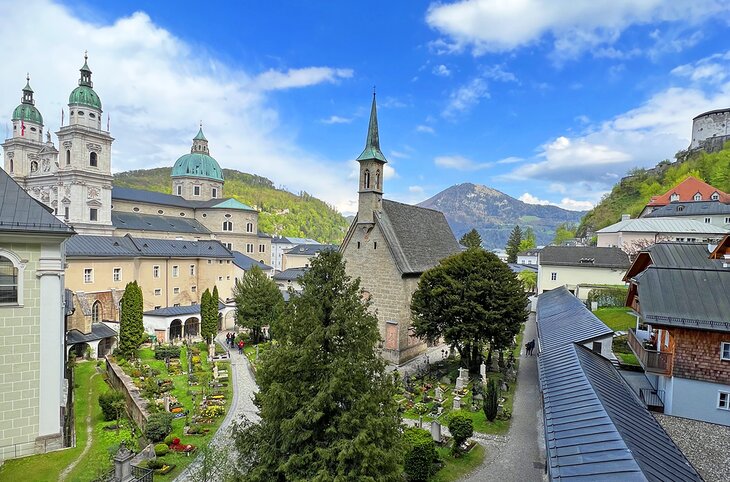
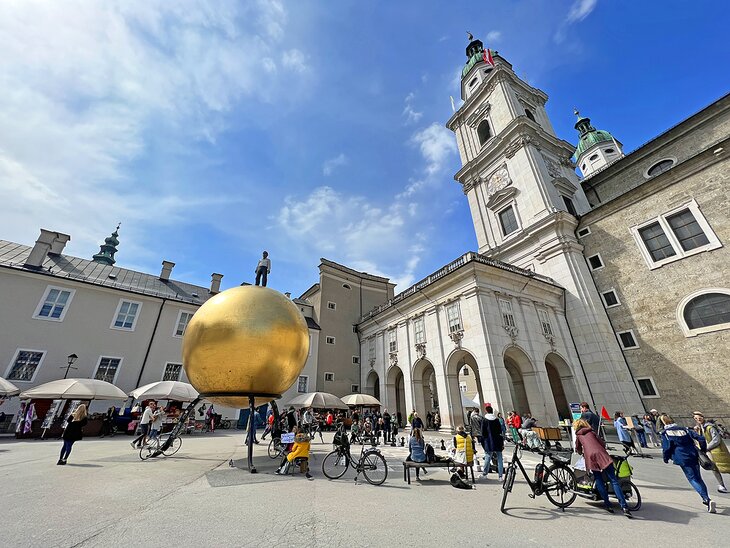
About 295 kilometers from Vienna, Salzburg is another of Europe's beauty queens. Beset with elegant buildings and surrounded by mountains, this picturesque city straddles the River Salzach and is famous as the birthplace of Mozart, as well as the setting for the film The Sound of Music.
Like other day trip destinations from Vienna, Salzburg is best reached by train or car. The WESTbahn train can get you from Wien Westbahnhof station in Vienna to Salzburg in about 2.5 hours and runs every half hour throughout much of the day. ÖBB Railjet also offers frequent high-speed trains from Vienna Hauptbahnhof to Salzburg that take 2.5 to 3 hours.
Driving is a breeze, too. Simply take the A1 from Vienna to exit 288-Salzburg. However, keep in mind that Salzburg has very limited parking, and all lots downtown are for short-term use only, so you'll have to move your car at least every three hours.
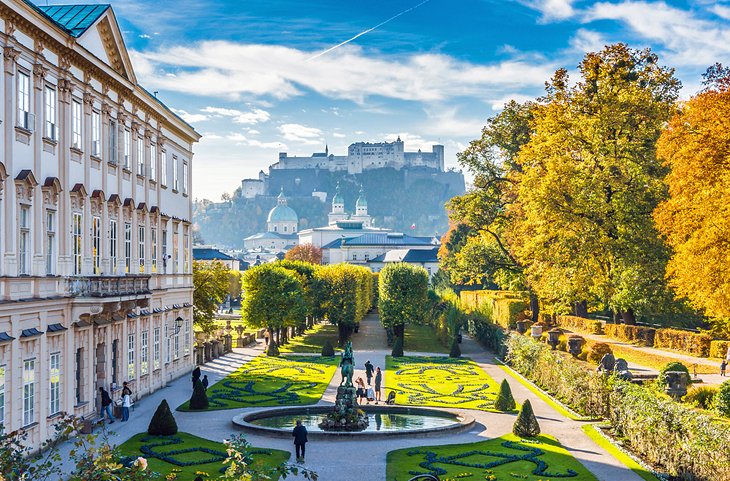
Salzburg feels like a fairytale the moment you step foot in its World Heritage-listed Old Town, with its beautiful Baroque architecture and the Salzburg Cathedral; Hohensalzburg Castle; Mozart's Birthplace, one of the world's most popular museums; and the gorgeous Mirabell Palace and gardens, where the Von Trapp children famously frolicked. It's compact enough that you can see many of the top attractions in Salzburg on a day trip if you are on a tight schedule.
A great place to begin a walking tour of the city is from the Residenzplatz, one of the city's largest squares and home to the Residenzbrunnen, an impressive marble fountain by Italian sculptor Tommaso di Garone.
If you have a little extra time, it's worth taking the bus 10 kilometers south of the city to the Untersbergbahn (cable car). Zipping from Salzburg's lush green landscape to the rocky, snow-covered 1,805-meter-tall Geiereck summit on the 8.5-minute gondola ride felt like magic to me. Grab a coffee at the quaint cafe at the top and soak up all the glorious views. From start to finish, you can take this excursion in about 3 hours.
Organized Tour: The Salzburg Day Trip is a full-day adventure and one of the best day trips from Vienna to Salzburg. It includes plenty of photo opportunities on the spectacular drive through the Austrian Alps. You'll pass by the beautiful clear lakes and mountains of Salzkammergut as you make your way to Salzburg for a walking tour of Mozart's hometown and several major attractions.
4. Hallstatt
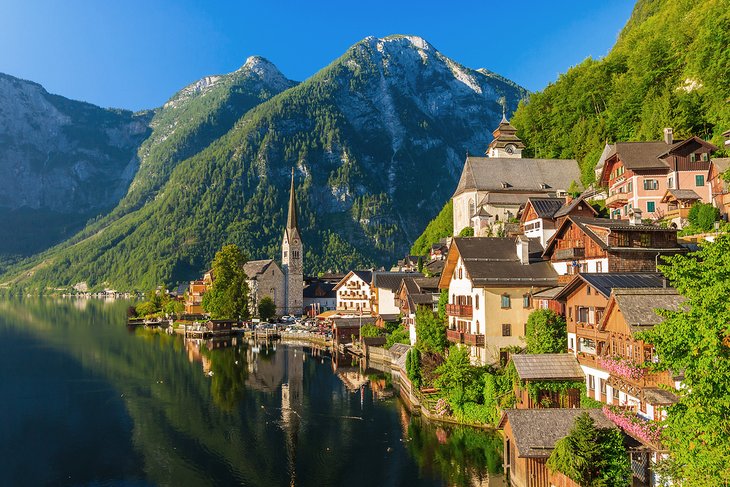
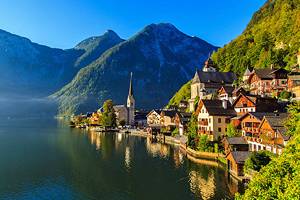
Hallstatt is quite simply one of the most picture-perfect places to visit in Austria. Cute 16th-century cottages with flower-draped balconies cluster along an achingly gorgeous lake, backed by rugged Alpine peaks. Seeming to add an exclamation point to all this beauty is the slender spire of the Evangelical Church of Hallstatt. No wonder both the village and the lake are classified as a UNESCO World Heritage site.
Hallstatt lies about 290 kilometers from Vienna in the Salzkammergut region. Unfortunately, it's not easy to reach by train or bus. The journey by public transportation is long and will require several transfers, so driving yourself is the best way to get to Hallstatt from Vienna. It takes about 3.5 hours each way depending on traffic, but it's a pretty simple route. Take the B1 to the A1 motorway and follow it for about 215 kilometers to exit 244-Regau. Then follow B145 and the Austrian Romantic Road to Hallstatt.
Going from Vienna to Hallstatt and back again on the same day is a lot of time behind the wheel, but you can relax and enjoy the scenery on an organized Hallstatt Day Trip from Vienna. Led by an expert guide, you'll take a walking tour to see Hallstatt's top attractions. In the summer, the tour includes a boat ride on Lake Hallstatt, while the winter tour includes a visit to the Hallstatt ossuary. Your camera will get a workout in this breathtakingly beautiful region.
5. Prague
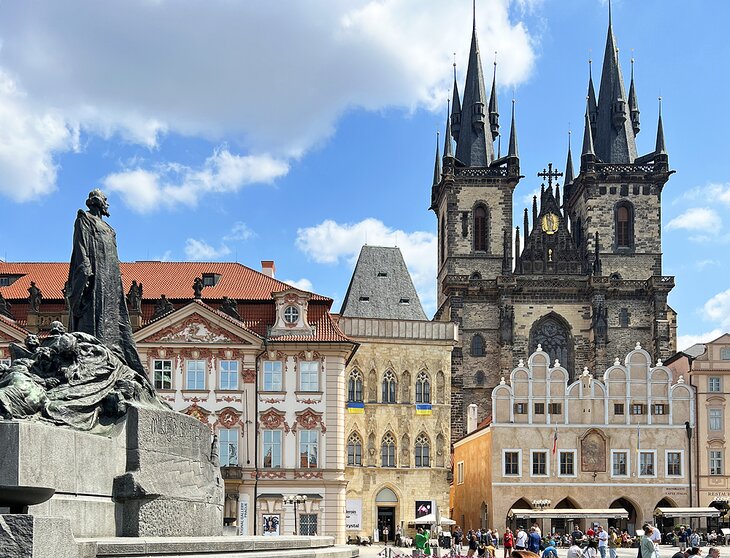
Bristling with spires and breathtaking architecture, Prague has a beautifully preserved old town, which is now a UNESCO World Heritage Site. It's about 295 kilometers from Vienna, a long day trip, but it is possible to make it there and back in a day and get a great feel for the city.
Whether you drive or take the train, the journey will take about four hours. By car, take the A5 motorway from Vienna across the border to the Czech Republic. Continue heading north until you reach Brno, then go northwest on D1/E65 to Prague. As for the train, RegioJet offers a direct route from Vienna's main train station to Prague several times each day.
The Old Town Square is a wonderful place to begin a walking tour. From here, you can visit many evocative old churches, including the famous Týn Church, and the Jewish Quarter.
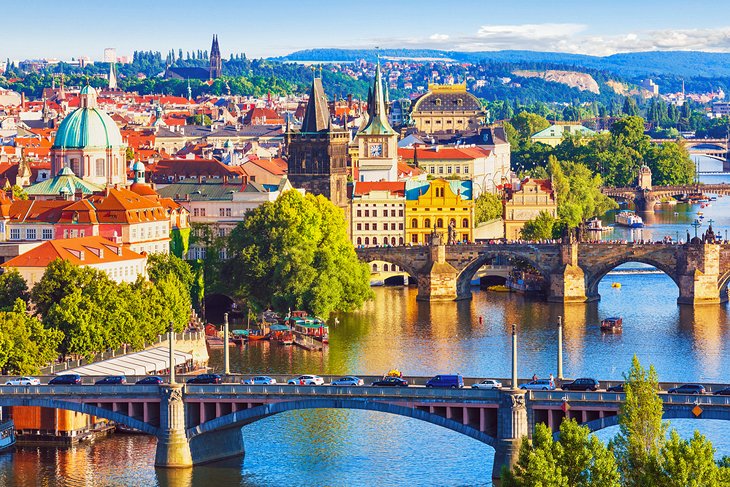
Other top things to do in Prague include visiting Prague Castle, with St. Vitus Basilica, St. George's Basilica, and the Old Royal Palace; and exploring Wenceslas Square in Prague's New Town, which is also home to the National Museum, as well as fantastic shopping and restaurants.
Also save time for a stroll across the famous Charles Bridge and try to see a performance at the National Theatre.
If you want to take a load off after all that travel and sightseeing, head to Vysehrad Park. You can relax on the lush green lawn near the medieval castle and take in the views on the east bank of the Vltava River. Take selfies from the ledge at the South Gardens at the Prague Castle and use all the red-roofed houses as a postcard-perfect backdrop. Another fun thing to do in Prague is to pose for a photo strip at the Fotoautomat, Prague's oldest photo booth, located just outside the National Theater. It's one of less than 50 vintage analog photobooths still functioning worldwide.
To squeeze in as much as possible on a visit here, consider the Prague Day Trip from Vienna. This well-planned 14-hour tour takes you through the pretty Moravia countryside to Prague for a 2.5-hour guided city tour to see sights such as Charles Bridge, the Old Town Square, Wenceslas Square, and the National Theatre.
6. Bratislava
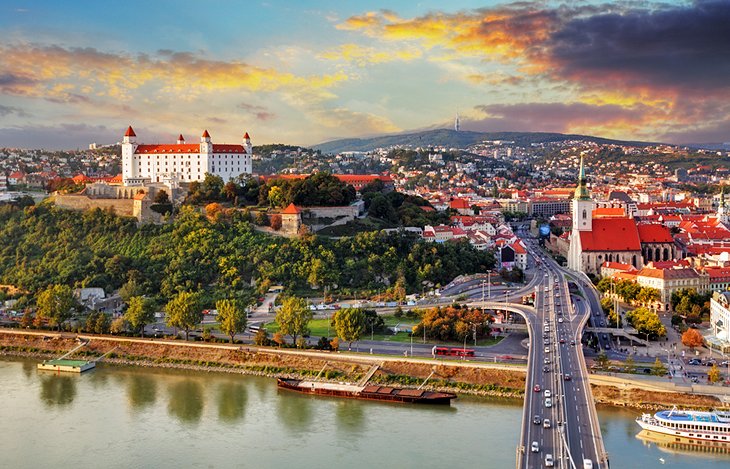
Less than 70 kilometers from Vienna, Slovakia's capital, Bratislava, is an affordable, fun, and easy day out. Old abuts new in this vibrant city, where 18th-century buildings line the streets of the old town, and Soviet-era architecture sits not far beyond. If you're looking for relatively cheap trips from Vienna, this is a great option.
Trains, which take anywhere from 60 to 80 minutes, depart from the main station in Vienna to Bratislava hlavná stanica (the central railway station in the Slovakian capital) throughout the day. Advanced reservations are not required and you can buy a ticket from the vending machine in the station.
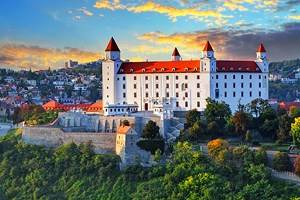
The Danube slices through the city, and Bratislava Castle is the focal point, perched on a plateau above the river, with its stark white walls and red-tile roof.
Start your tour in the pedestrian-only 18th-century old town, where you'll find the old town hall, home to Bratislava City Museum, and Michael's Gate from the original medieval fortifications, as well as many restaurants and sidewalk cafés.
Another of Bratislava's top attractions is Grassalkovich Palace, where, the president of Slovakia resides, and if you feel like getting back to nature, hiking trails lace the surrounding Little Carpathian mountains, close to the city.
A fun way to travel from Vienna to Bratislava and explore the city without the stress of navigating your way around is the Bratislava Day Trip tour. This full-day excursion includes a comfortable coach trip to the capital, a walking tour of the old town and all its attractions, and a visit to the Rococo-style Grassalkovich Palace. End your day with a high-speed catamaran trip down the Danube on the return journey.
7. Klosterneuburg Abbey
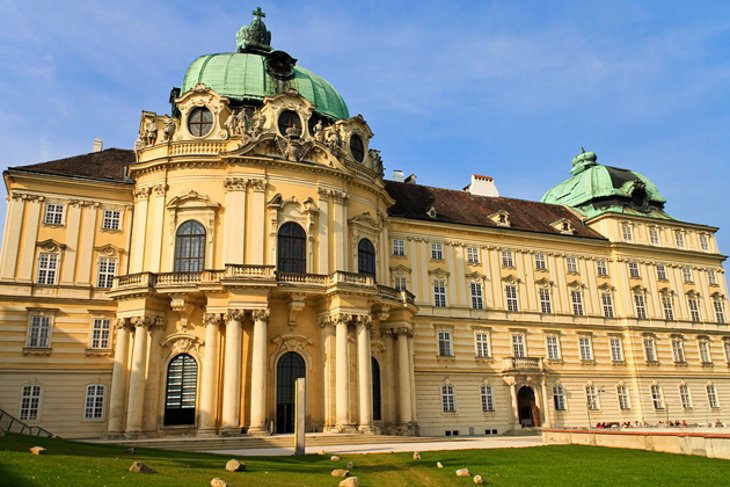
At the edge of the Vienna Woods just 14 kilometers away from Vienna, the Augustinian abbey in the small town of Klosterneuburg attracts many visitors. Perched high above the Danube, Klosterneuburg Abbey (Stiftes Klosterneuburg) was founded in the 12th century, and many newer buildings were added in the 18th and 19th centuries.
You can get there by taking the D tram from Vienna Hauptbahnhof Ost S to Franz Josefs Bahnhof S, then transferring to the S 40 train and getting off at Klosterneuburg Kierling Bahnhof. It's an 11-minute walk from the station to the abbey.
Highlights of this sprawling complex are the church, with its Romanesque and Baroque features, the Leopold Courtyard, and the monastery vaults. The famous Verduner Altar in the Leopold Chapel is especially noteworthy and consists of 45 enameled panels dating from 1181. The newer Baroque building has two copper domes, one surmounted by the German Imperial Crown, the other by the Lower Austrian Archducal Bonnet.
Other notable features include the Baroque main staircase; the Marble Hall, with its fine frescoes; the Imperial Apartment; the Tapestry Room; the Treasury; and the Monastery Museum.
Also of interest is the nearby town of Kierling, with its Kafka Memorial set up in the very room of the sanatorium where the famed writer spent his last days.
Address: Stiftsplatz 1, 3400 Klosterneuburg
8. The Vienna Woods
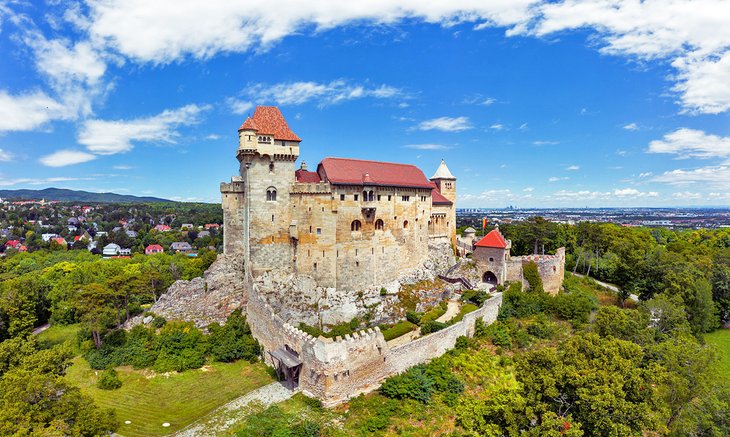
Fabled in song and a favorite getaway for the Viennese, the Vienna Woods also holds a number of interesting attractions for tourists, including a beautiful monastery, historic sites, and natural wonders.
A good place to begin is atop the 484-meter Kahlenberg. This is Vienna's own "mini-mountain," with magnificent views across the city and the Danube all the way to the Little Carpathians and the Schneeberg region.
The Baroque Kahlenberg Church (St. Josef auf dem Kahlenberg) was built on the spot where Polish Prince Sobieski beat the Turkish army besieging Vienna. The Cistercian Abbey of Heiligenkreuz, constructed in 1133, is the oldest continuously occupied Cistercian monastery in the world and one of the most beautiful medieval monasteries. Its highlights include the vaulted Romanesque nave (1187); the 13th-century ribbed vaulting; and the 13th-century choir, considered a masterpiece of Austrian Gothic.
Also in the Vienna Woods is Mayerling, a former imperial hunting lodge. Here, in 1889 the only son of Emperor Franz Joseph and the Empress Elizabeth, Crown Prince Rudolph, was found dead with his mistress Baroness Vetsera, an event that rocked the imperial court.
The largest underground lake in Europe, the Seegrotte was formed when a former gypsum mine was flooded, and you can take a boat ride through its subterranean caverns and passages.
A good way to combine many of these sights is on the Vienna Woods and Mayerling Half Day Trip, which includes guided visits to the Abbey of Heiligenkreuz and Mayerling hunting lodge; a guided walk through the city of Baden; and a scenic ride through the Vienna Woods, past the fairy-tale Liechtenstein Castle.
Address: Kahlenberg, 1190 Wien
9. The Roman Town of Carnuntum
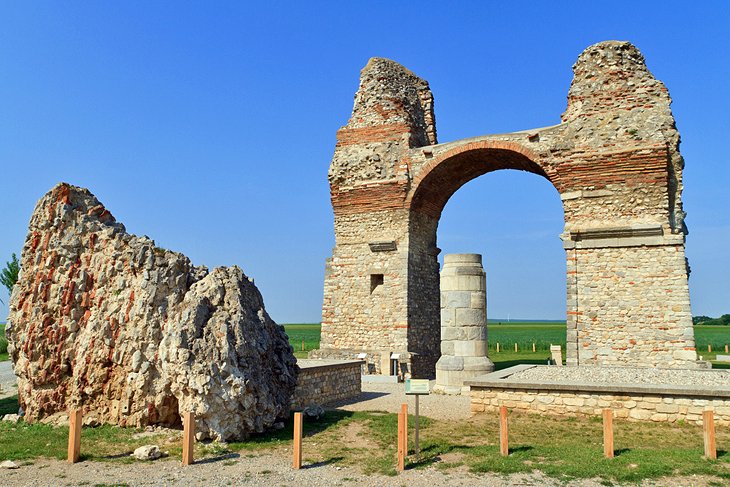
Fields, meadows, vines, and woodland are the distinctive features of the pretty March-Donauland region to the east of Vienna. It was here that many famous battles were fought, including one against the Romans and, centuries later, against the Hungarians, the Turks, and the French under Napoleon.
The region was perhaps most important to the Roman Empire, as witnessed in the spectacular ruins of the fortified town they built here, once home to a population of more than 50,000. Now part of a superb historic attraction, Archaeological Park Carnuntum is a reconstruction of the key buildings from the 1st-century town, including a city mansion, a citizen's house, and Roman baths, as well as a semi-reconstructed practice arena of a gladiator school that was discovered in 2011. The park offers fun events and programs for the whole family.
It's about 42 kilometers away from Vienna and can be reached by train. Take the S7 from Wien Rennweg for 53 minutes to Petronell-Carnuntum Bahnhof, then walk 15 minutes (or take a taxi) to the archeological park.
Address: Hauptstrasse 1a, 2404 Petronell-Carnuntum
10. Lainzer Wildlife Park and Baden bei Wien
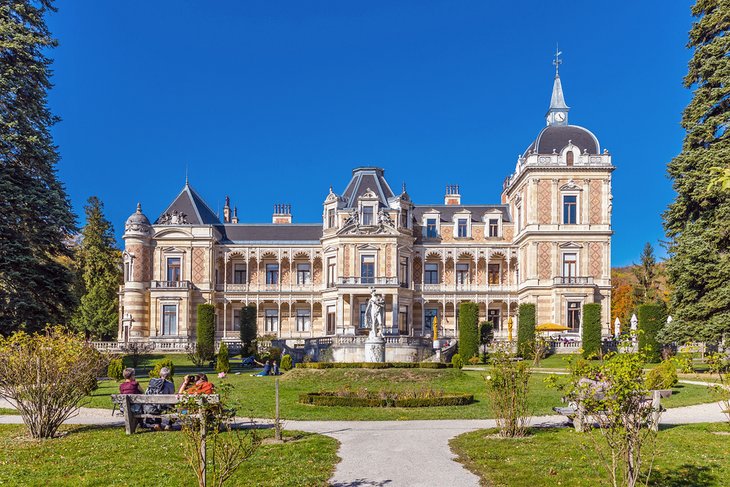
Just 26 kilometers from Vienna, the Lainzer Wildlife Park (Lainzer Tiergarten) occupies 24 square kilometers of the Vienna Woods. Famous as a place of relaxation and escape from the big city, it's a haven for old oak and beech trees (some more than 350 years old), as well as wildlife such as deer and boar. Once the hunting reserve of Emperor Joseph II, it was fenced off with a 24-kilometer-long stonewall in 1787 on the orders of Empress Maria Theresa.
Opened to the public in 1921, this important conservation area includes more than 80 kilometers of footpaths and the 14-meter-high Hubertuswarte observation tower on the Kaltbründlberg.
Another tourist attraction on the edge of the Vienna Woods is Baden bei Wien, a spa town famous for its curative waters (the Romans called the town Aquae). Today, nearly 2,000 years later, the town's sulfur springs still spew out six-and-a-half million liters of therapeutic warm water every day.
Address: Hietzing-West, 1130 Wien
11. The Village of Grinzing
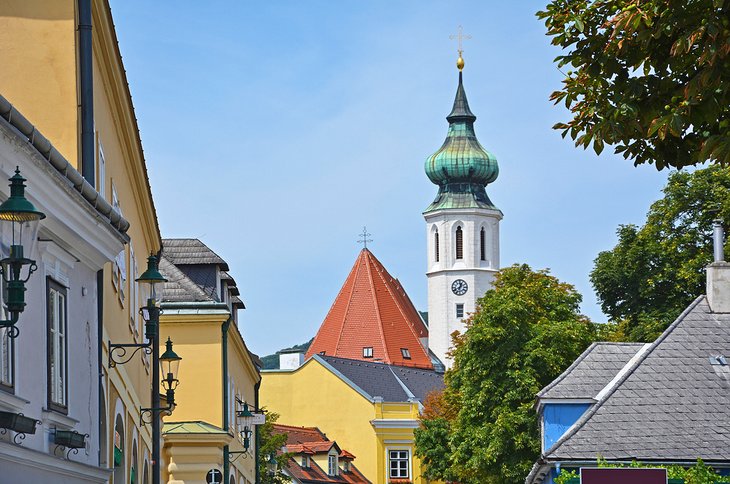
Just 17 kilometers northeast of Vienna, the pretty little village of Grinzing was first mentioned in 1114. Destroyed numerous times by war, the current structures in the village date predominantly from the 19th century, and its wooded setting, quaint gardens, and winding streets, make it a fun place to explore.
Grinzing is also unique in that local laws allow individuals to purchase tiny plots of land where vines may be grown. It's also well known for its many typical Austrian restaurants (Heuriger), famous for indicating whether they're open by placing branches of spruce over their entrances. The area is also popular among hikers, especially for the trails around the nearby Kahlenberg and Leopoldsberg hills.
12. Beethoven's Heiligenstadt
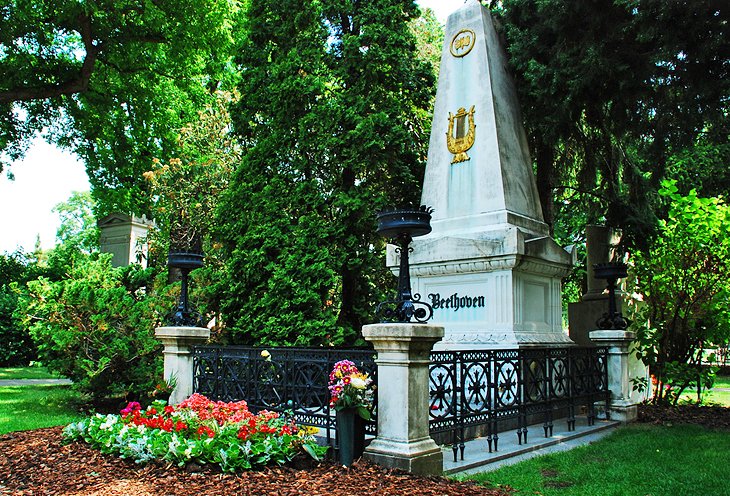
The oldest of the "Viennese villages" on the city's outskirts, Heiligenstadt was incorporated into the district of Döbling in 1892 and is famous for its quiet, narrow winding streets, especially around the historic homes of Probusgasse and Armbrustergasse. It's located about 9 kilometers from central Vienna.
Be sure to roam around St. Jacob's Church on the Pfarrplatz, built in Romanesque style on Roman foundations.
Heiligenstadt's most important claim to fame, however, was the fact it was visited several times by Ludwig von Beethoven, including in the autumn of 1802 while working on his Second Symphony. It was here, at 6 Probusgasse, that he wrote his Heiligenstadt Testament, a letter to his brothers in which he bemoans his increasing deafness (and which he never sent). The home is now a museum - the Beethoven Wohnung Heiligenstadt - dedicated to this period in the composer's life. (Later a resident of Vienna, Beethoven is buried in the Zentralfriedhof, the city's largest cemetery.)
Address: Probusgasse 6, 1190 Vienna
13. Haydn's Birthplace and Rohrau Castle
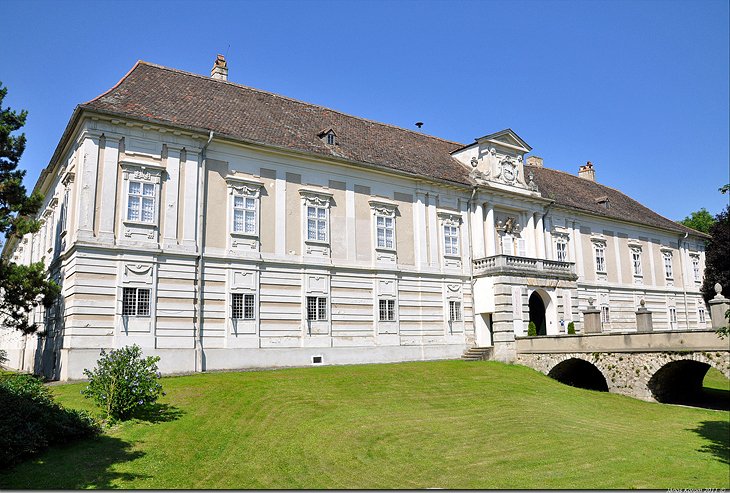
Famous as the birthplace of composer Joseph Haydn in 1732, a trip to Rohrau — just 46 kilometers east of Vienna — is a pleasant way to spend a day. A museum dedicated to the great composer is now housed in the small thatched farmhouse where he was born, and boasts numerous fascinating exhibits and artifacts relating to his life.
Also open is the actual room in which he was born, refurbished as it would have been at the time. Another highlight of a visit to Rohrau is the castle that once belonged to Count von Harrach. This splendid attraction is now a fine arts museum possessing the Count's vast collection of paintings - all told, more than 200 paintings are held here, including works by Rubens and Van Dyck.
Address: Schloss Rohrau 1, 2471 Rohrau
14. Danube Boat Tours
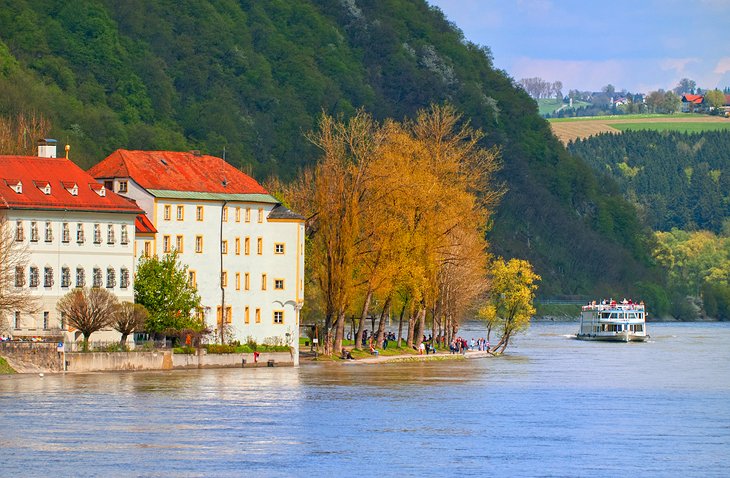
A trip along the Danube by boat, through the Danube Valley, offers you the chance to see some of the most beautiful scenery around Vienna. Destinations include cities such as Budapest and Bratislava (up to four days round-trip), or simply a short one- or two-hour jaunt.
In the other direction (upstream) the Danube leads to the Wachau Valley or to Melk with its famous abbey. A variety of fun themed cruises are also available, from fine dining to classic ballroom dancing in the evenings. Alternatively, visitors can hire a boat taxi to explore Vienna from the water.
15. Eisenstadt and Schloss Esterházy
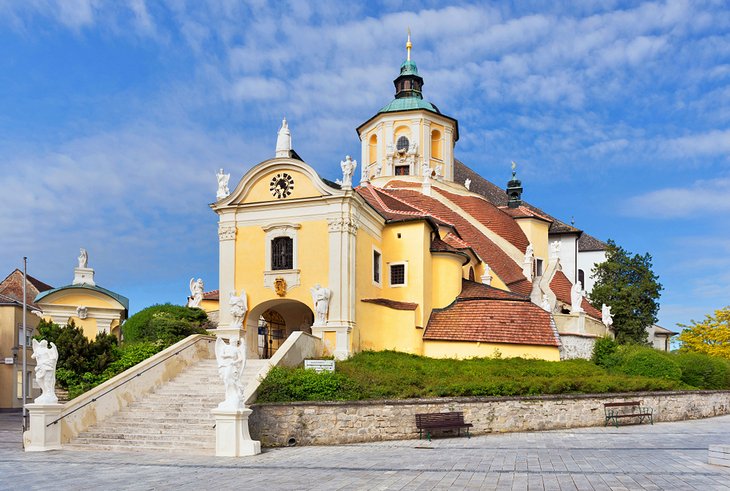
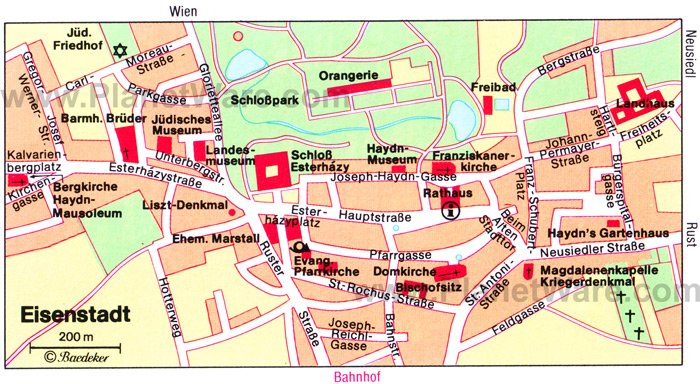
About 62 kilometers south of Vienna, picturesque Eisenstadt is famous for its connection to one of Austria's greatest composers: Joseph Haydn. Haydn lived here for many years, and today his house serves as a museum celebrating his life and times (he was buried in the Bergkirche above the town). Bus 200 or the REX 64 train can get you there in less than an hour and 15 minutes from Vienna.
Be sure to explore the lovely Old Town, also known as Freistadt (Free Town), traversed by three long streets opening off the main square: Hauptstrasse, Pfarrgasse, and Haydngasse. It's here you'll find the 17th-century Town Hall (Rathaus).
Afterwards, head to Schloss Esterházy, the former palace of Prince Esterházy. Originally a medieval stronghold, it was rebuilt in Baroque style in 1672, with its stunning rear façade remodeled in neoclassical style between 1797 and 1805. Highlights of a visit include the exquisite Haydn Room, with its colorful frescoes and busts (English language guided tours are available).
16. Laa an der Thaya
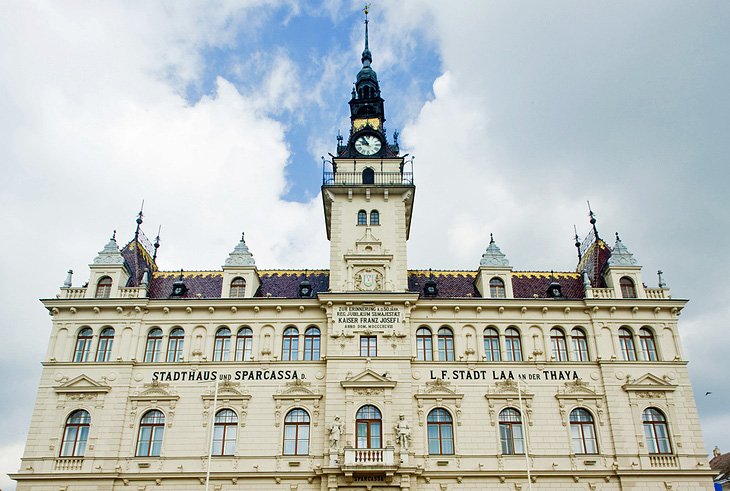
Laa an der Thaya lies about 68 kilometers north of Vienna on the Czech frontier. Highlights of a visit include the remains of the town's medieval walls and the massive moated 13th-century castle - Laa Castle - with its well-preserved battlements and towers, and fine panoramic views.
Try to visit the Old Town Hall (Altes Rathaus), home of the Südmährermuseum Thayaland, an informative local history museum with displays of artifacts and traditional clothing.
Other notable highlights include the 13th-century Gothic parish church of St. Vitus, with its High Altar dating from 1740, and the Plague and Trinity columns from 1680.