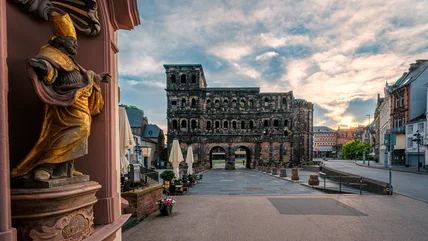
Trier, Germany Offers Plenty Of Tourist Attractions Worth Visiting
Each region of Germany is distinct, and Trier is one of the loveliest. You'll find plenty to see and do on your visit, but there are some things you can't miss.
Read More

Each region of Germany is distinct, and Trier is one of the loveliest. You'll find plenty to see and do on your visit, but there are some things you can't miss.
Read More
Out of the most popular French dishes out there, there's one specific meal that Rick Steves typically advises against ordering during your trip to France.
Read More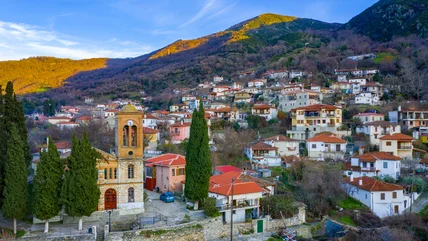
Avoid the crowds in Greece's top destinations and head to this often overlooked city bursting with history, food, and laid-back Greek living.
Read More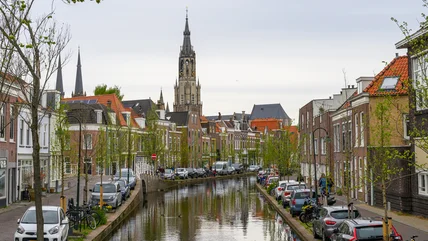
Discover a peaceful European city brimming with charm that's perfect for slow strolls, art lovers, and canal-side wandering without the crowds.
Read More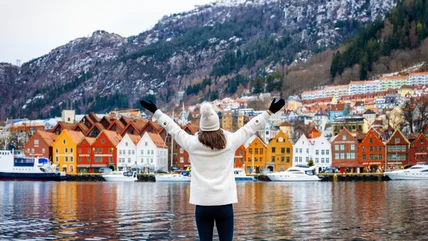
For an incredible experience in Norway surrounded by cute waterfront homes, mountain trails, and fjord views, head to the "city of seven mountains."
Read More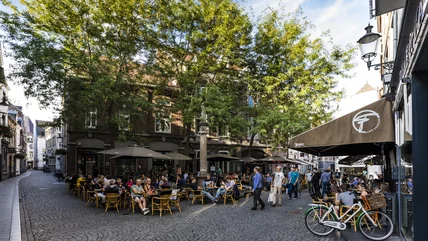
Some of Europe's top destinations are dealing with overtourism, but you can avoid the crowds by visiting this particular type of town across the continent.
Read More
Rick Steves, expert on all things related to traveling in Europe, has an important tip regarding how to pay for purchases across the Atlantic.
Read More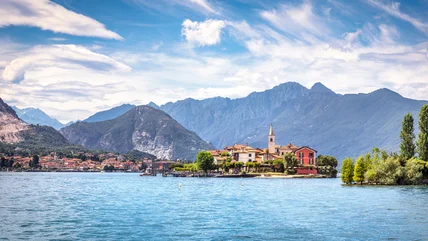
Lake Como is a popular destination in Italy, which means there are often crowds. Head to this dupe spot, boasting palaces, charming island scenery, and seafood.
Read More
According to Rick Steves, this Polish city is an underrated gem where you can learn about European history while strolling gorgeous cobblestone streets.
Read More
This less-crowded Greek island treats sun-lovers to gorgeous beaches perfect for relaxing or partaking in water sports, along with delicious local food.
Read More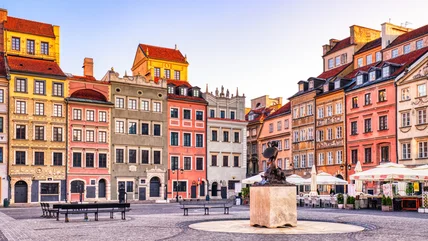
Paris, Rome, and London are bucket list destinations for many people, but Europe is a vast continent with much to explore -- including this overlooked city.
Read More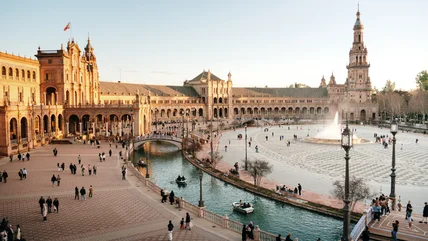
This city in Spain is rich in local, authentic culture, from vibrant flamenco performances to gorgeous architecture and bustling parks and streets.
Read More
Traveling to Europe means having to use a different currency. In order to not waste money in conversions, follow Rick Steves' tip when crossing borders.
Read More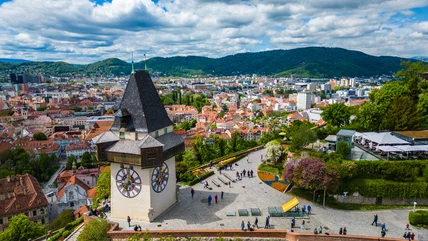
This Austrian city may not get the same attention as Vienna, but it's worth a visit for its charming historical sites, museums, and iconic castle hill.
Read More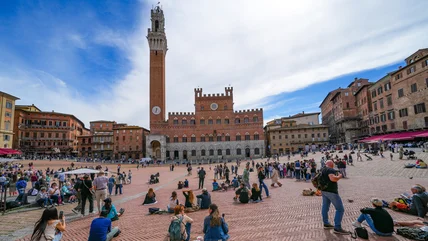
When exploring the historic side of Italy, you have to visit a hill town and this one is not only beautiful, but has also been called the "ultimate hill town."
Read More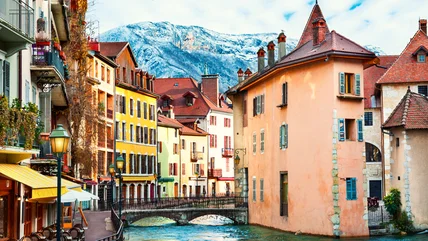
Tucked into the French Alps on a scenic lake lies this picturesque town full of colorful chateaux, turquoise canals, and Michelin-starred restaurants.
Read More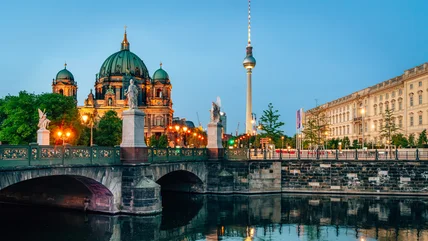
When you are visiting Germany, this European capital city is a must-see for a mix of important history and modern culture and art, according to Rick Steves.
Read More
Want to get more out of your European travels? Check out Rick Steves' smart money tip that can turn simple moments into trip-changing experiences.
Read More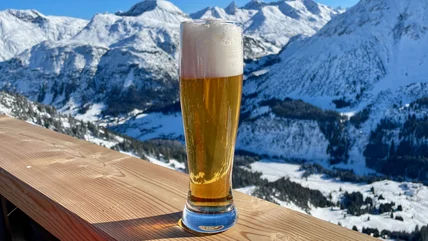
The hills are alive with the sound of skiing. Austria is a prime destination to hit the slopes, and these resorts blend outdoor fun with cozy comfort.
Read More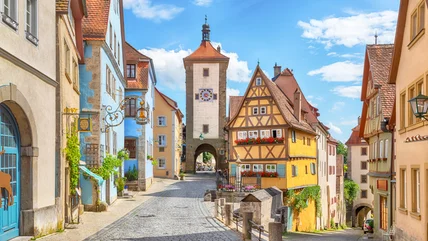
While it's generally best to avoid tourist traps, something being popular doesn't mean it's a trap. Such is the case with this beloved Bavarian gem.
Read More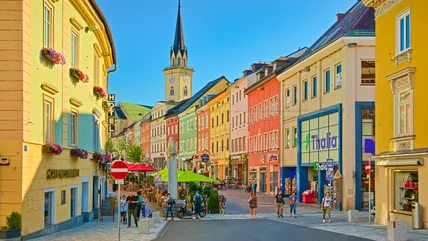
Located in southern Austria's Carinthia region, Villach offers the best of Europe all in one place — majestic Alps, historic architecture, and endless charm.
Read More
While it's hard to find a European city that doesn't have good food, this beloved tourist destination offers up an unforgettable culinary experience.
Read More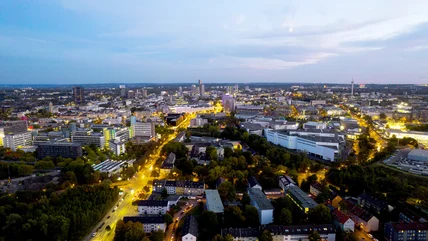
From UNESCO landmarks to leafy neighborhoods and world-class museums, this German city offers first-time visitors a unique mix of history and modern culture.
Read More
If you don't know Italian, the language barrier in Italy can be intimidating, but Rick Steves suggests embracing this type of interaction with the locals.
Read More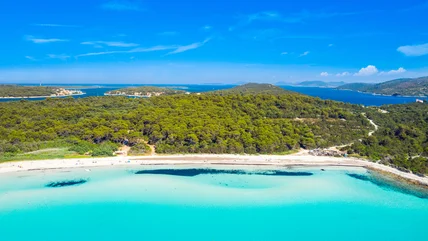
Located on the Adriatic Sea along the Dalmatian Coast, this region is home to some of the most stunning beaches in Croatia, many of which are hidden gems.
Read More
If you're headed to Sweden for the first time, knowing where to begin can be daunting. We've made it easy for you with this roundup of can't-miss spots.
Read More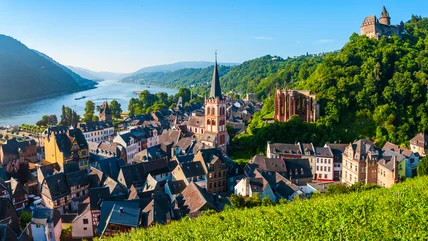
Germany is filled with beauty and charm, and some of its most magical destinations can be found in the Rhine Valley. These are straight from a fairy tale.
Read More