25 Top-Rated Tourist Attractions in Italy
As the birthplace of the Roman Empire and the Renaissance, it's not surprising that Italy should be so rich in masterpieces of art and architecture, or that it should have more UNESCO World Heritage cultural sites than any other country in the world.
But Italy's top attractions for tourists are not all art and architecture; the country is blessed with lakes, mountains, and a dramatic coastline that give it outstanding natural attractions, as well. You could plan an entire itinerary inspired by a single interest, from Renaissance art to hiking, but most first-time visitors like to get a sampling of the best Italy offers in several different kinds of experiences.
The attractions that follow show off Italy's art, architecture, stunning landscapes, and history, as well as places to relax and enjoy Italian life.
- 1. Colosseum, Rome
- 2. Florence Duomo Santa Maria del Fiore
- 3. The Grand Canal in Venice
- 4. Leaning Tower of Pisa
- 5. Vatican City: Basilica of St. Peter, Sistine Chapel & Vatican Museums
- 6. The Uffizi Gallery in Florence
- 7. Cinque Terre
- 8. Lake Como
- 9. Pantheon
- 10. Trevi Fountain, Rome
- 11. Amalfi Coast
- 12. St. Mark's Basilica and Doge's Palace
- 13. Verona's Roman Arena and Historic Center
- 14. Pompeii and Mount Vesuvius
- 15. Roman Forum
- 16. The Valley of Temples in Agrigento, Sicily
- 17. Milan Duomo
- 18. Capri
- 19. Rialto Bridge, Venice
- 20. St. Francis Basilica (Basilica di San Francesco), Assisi
- 21. Piazza del Campo and Duomo, Siena
- 22. Strada delle Dolomiti (Dolomite Road)
- 23. San Vitale and Byzantine Mosaics, Ravenna
- 24. Portofino, Liguria
- 25. Costa Sud and Costa Verde Beaches, Sardinia
1. Colosseum, Rome
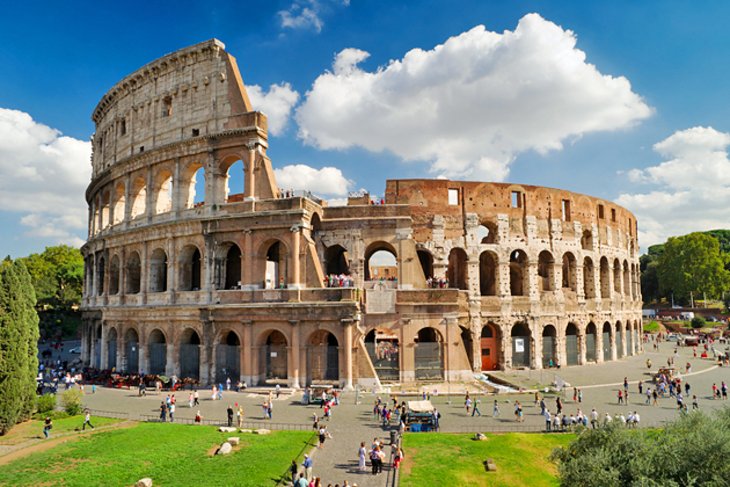
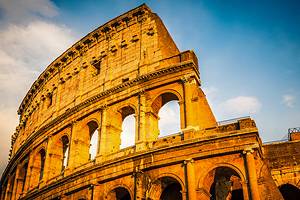
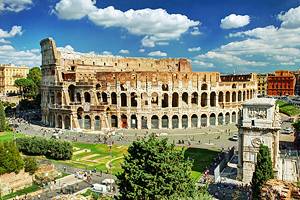
This huge amphitheater, the largest of its kind ever built by the Roman Empire and the largest of their constructions to survive, remained a model for sports facilities right up to modern times. Built by Vespasian in 72 CE and enlarged by the addition of a fourth story by his son, Titus, the Colosseum was a venue for public spectacles and shows - even mock sea battles.
A wooden floor that was 83 by 48 meters covered two additional underground stories with tunnels, rooms, cells, and passages that provided space for gladiators, workers, wild animals, and storage.
Today, the structure stands in stark contrast to the modern development that surrounds it and is a prominent reminder of ancient times and the extensive history of Rome.
Tip to parents: The Colosseum is one of the most popular places for families in Rome, and you can make a visit even more memorable for your kids by enrolling them in a gladiator lesson. They (and you) can don replica gladiator helmets and shields and learn swordplay with wooden swords.
Read More: Top-Rated Tourist Attractions in Rome
2. Florence Duomo Santa Maria del Fiore
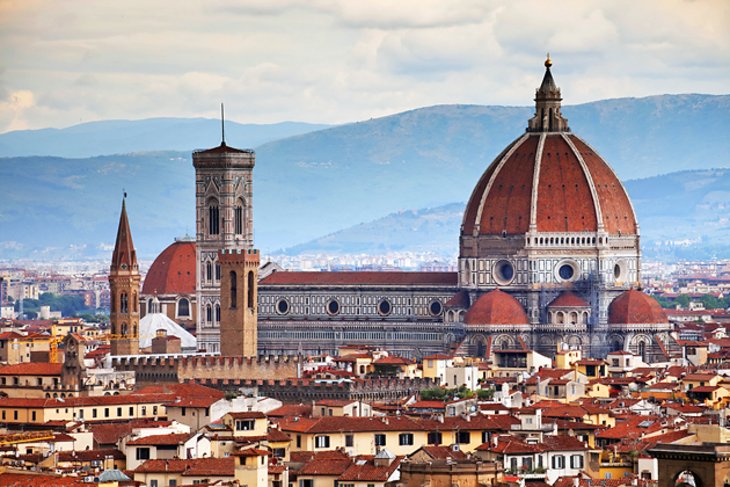
Regarded as one of the finest cathedrals in the world, the Duomo Santa Maria del Fiore, or the Cathedral of Santa Maria del Fiore, dominates the Florence skyline. The cathedral was built between the 13th and 15th centuries, with the most famous piece being the extraordinary dome, completed by Filippo Brunelleschi in 1434.
The cathedral's bell tower stands close beside the cathedral in Piazza del Duomo, covered in the same patterned marble typical of Tuscan Romanesque architecture.
Designed by Giotto, the campanile stands 82 meters tall, and you can climb the 414 steps up to a viewing platform with fantastic views of the city and the dome.
Opposite the Duomo is a magnificent baptistery, famed for its bronze paneled doors by Lorenzo Ghiberti. To see the original, exquisitely crafted panels, which have been replaced by exact replicas to protect the originals from weathering, visit the Museo dell'Opera del Duomo, the cathedral museum.
Author's Tips: As is true of many cathedrals in Italy, tourists wearing shorts or tank tops will not be admitted. You can climb the more than 450 steep steps to the top of the dome, inside the dark, narrow space between the inner and outer shells. While climbing, although there is a barrier, you are looking down more than 40 meters into the church below. I've never thought the view was worth it.
Giotto's bell tower has almost as many steps, but they are in a more conventional stairway setting.
Read More: Top-Rated Tourist Attractions in Florence
3. The Grand Canal in Venice
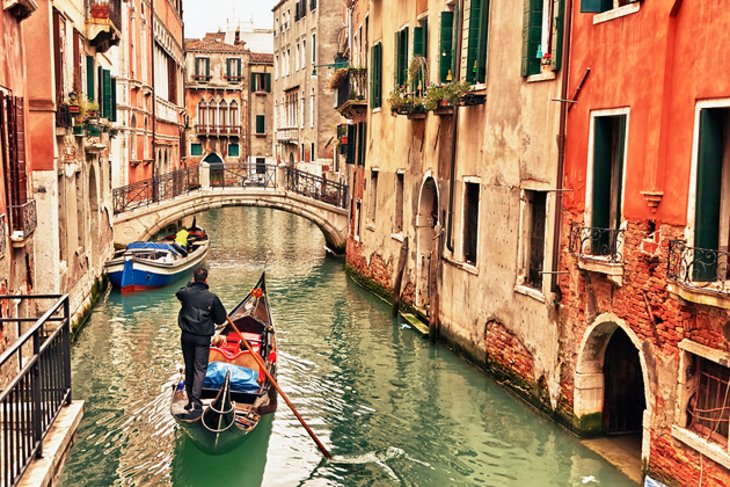
A gondola ride through the canals of Venice is a tradition that travelers have been enjoying for centuries. Venice is a city of islands, and the canals have long been the city's main streets, connected by a labyrinth of narrow passageways.
The Grand Canal is the largest and most famous of these waterways, cutting a wide S-shaped route through the city. Along its sides are the grandest of the palaces once owned by the wealthiest and most powerful families of the Venetian Republic. The best way to see many of the grand palaces, whose fronts face the water, is from a Vaporetto ride along the Grand Canal.
Be sure your gondola ride - and your sightseeing explorations on foot - include some of the more atmospheric smaller canals, lined by old buildings that have remained relatively unchanged for hundreds of years.
Author's Tip: For a uniquely Venetian experience, cross the Grand Canal as the locals do when they are between bridges, on a small gondola called a traghetto. Stripped of decoration and seating, these little boats scuttle back and forth between Ca' Rezzonico and San Samuel, between the San Angelo and San Toma vaporetto stops, and several other points, including one not far from St. Mark's Square.
Although Venetians stand during the crossing, you can sit on one of the narrow benches if you feel uneasy. The small fare saves long walks between bridges.
- Read More: Top-Rated Tourist Attractions in Venice
4. Leaning Tower of Pisa
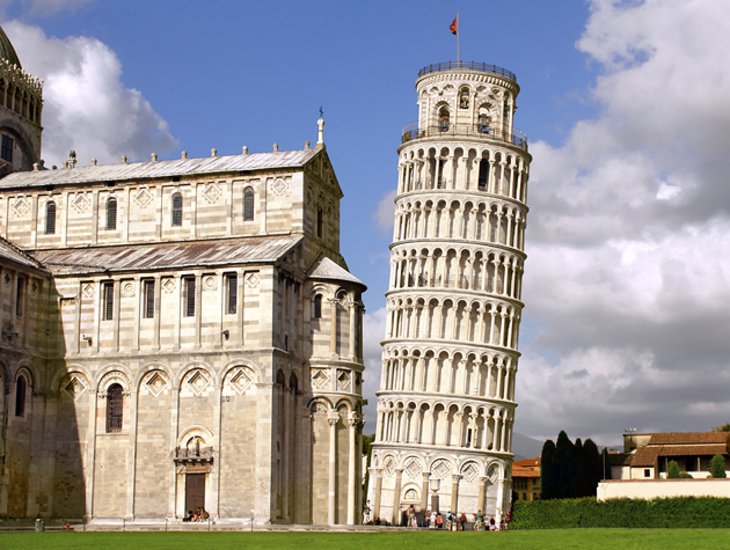
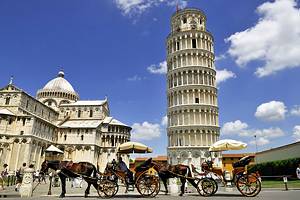
The Leaning Tower of Pisa (La Torre Pendente) is just one of many attractions in the city of Pisa, one whose world fame comes not from the considerable elegance of its design, but from a flaw. Work began on the tower in the 1100s, and the sinking, which led to the lean, began by the time the tower reached the third story.
Leaning more and more over the centuries, before restoration work in the 1990s, it was predicted to topple over by the year 2000. Today, visitors can climb up the stairs of the tower for a fabulous view over the city.
The Leaning Tower stands on the Piazza dei Miracoli, a setting it shares with the beautiful Romanesque Cathedral of Santa Maria Assunta and a round freestanding baptistery. Each of these features outstanding works of medieval stone carving.
Author's Tip: For the best view of the Leaning Tower, take advantage of the admission to the Museo dell'Opera del Duomo (Cathedral Museum), included in your ticket to the cathedral. The large windows on the upper floor overlook the tower; while in the museum, don't miss seeing the priceless masterpieces of silver and gold work from the cathedral's treasury.
5. Vatican City: Basilica of St. Peter, Sistine Chapel & Vatican Museums
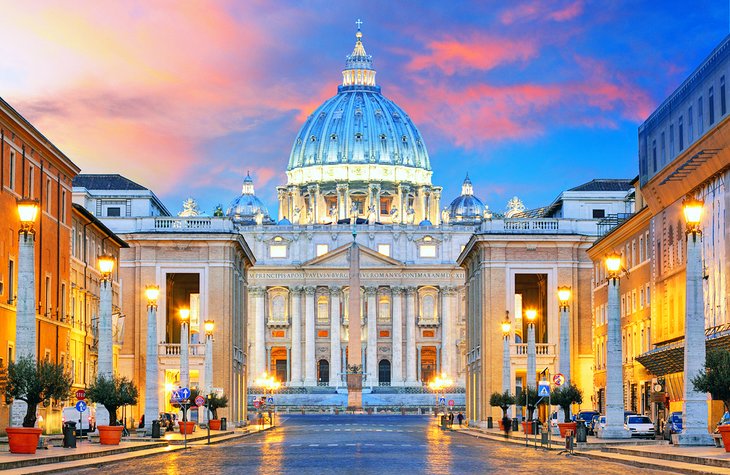
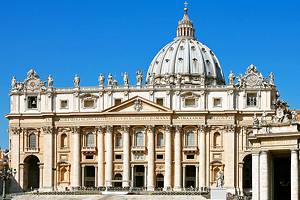
The Vatican is home to some of the world's most priceless art and art collections. The centerpiece is the great Basilica of St. Peter, with the tomb of St. Peter and one of Michelangelo's most poignant works, the Pieta.
Outside is St. Peter's Square, where the Pope addresses followers. Because Vatican City has so many places to visit, you could easily spend a day or more here.
The walls and ceilings of the Sistine Chapel are covered with frescoes by Michelangelo, depicting the creation as described in the Book of Genesis, with scenes that include separating light and darkness, creating Adam and Eve, continuing through the story of Noah and other Biblical events, concluding with the powerful Last Judgement.
After you've seen the interior of the basilica and the Sistine Chapel, if you have any energy left for more sightseeing, tour the magnificent Papal Apartments in the Palace of the Vatican to see the magnificent series of frescoes by Raphael. Like Michelangelo's frescoes in the Sistine Chapel, Raphael's represent the zenith of Renaissance painting.
6. The Uffizi Gallery in Florence
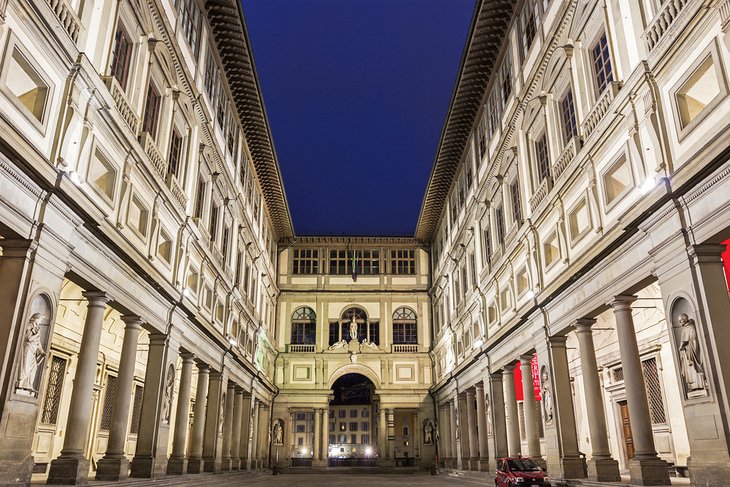
In addition to being one of the world's foremost art museums, the Uffizi Gallery is a one-stop history of Italian Renaissance art. Although it contains works by some of the great masters of western art, its greatest treasure is its collection of paintings that show step-by-step the evolution in painting that occurred here from the 14th to the 16th centuries.
Here, you will see the first experiments with perspective, as well as some of the early portraits as painters moved beyond religious art, and some of the first use of naturalistic and scenic backgrounds in religious art.
Be sure to see the Uffizi's most famous work: Botticelli's Birth of Venus.
Tip for Parents: Although art museums, especially ones this large, are not common choices for traveling families, the Uffizi has created tours for children that follow themes, such as monsters in art. You can download the brochure from the Uffizi website and follow it like a treasure hunt to find the artworks.
7. Cinque Terre
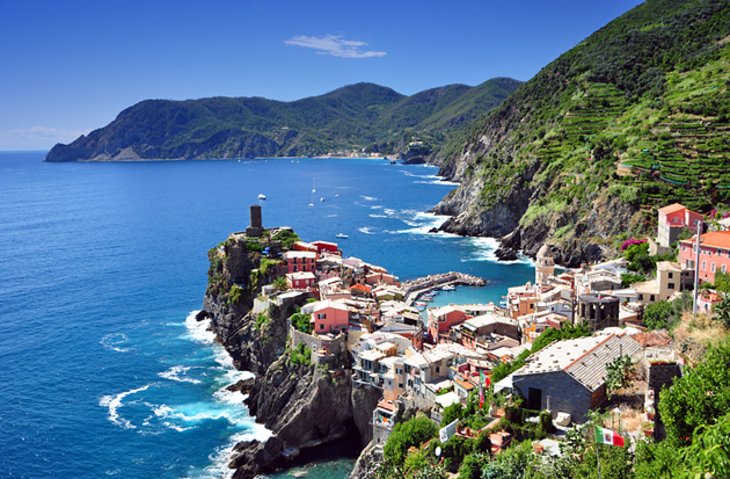
Cinque Terre is a lovely coastal region with steep hills and sheer cliffs overlooking the Mediterranean. The five picturesque villages of Monterosso al Mare, Vernazza, Corniglia, Manarola, and Riomaggiore can be reached by several means, joined to each other by walking paths, a railroad that tunnels through the headlands to emerge at each town, or a scenic narrow road high on the hillside above.
Hiking between the villages is one of the most popular things to do as it gives travelers the chance to enjoy the landscape. The small towns have maintained a feel of old-world fishing villages and offer a sense of remoteness even in the face of modern tourism. Because landslides can close portions of the trail, it is important to check current conditions before planning a hike.
If you are coming from Florence or Milan, several transportation options are available. If your time is limited, at least see the two most picturesque and charming, Vernazza and Riomaggiore.
Author's tip: The shortest and easiest part of the path carved along the cliffs between the villages is called Via dell'Amore (Path of Love) and connects Riomaggiore and Manarola. Closed by a landslide more than 10 years ago, this paved path reopened in midsummer 2023.
8. Lake Como
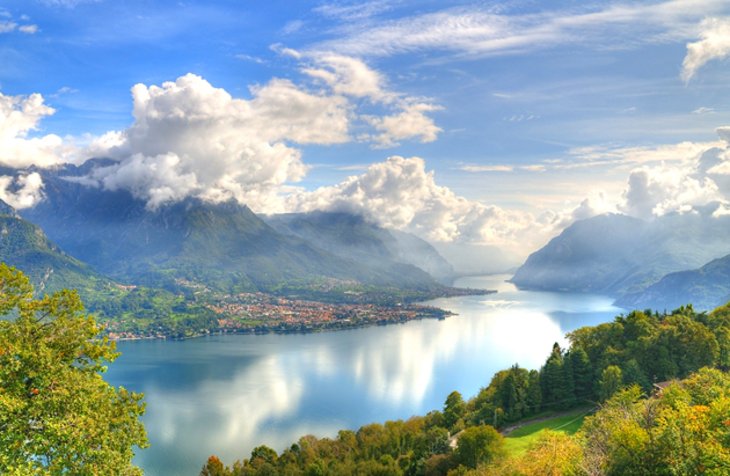
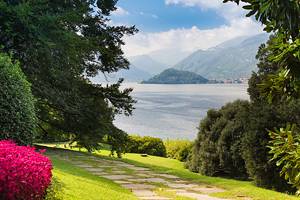
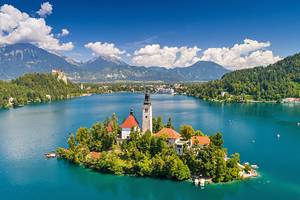
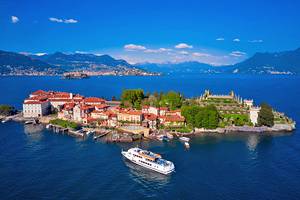
Lake Como is one of Italy's most scenic areas, surrounded by mountains and lined by small picturesque towns. A haunt of the wealthy since Roman times, the lake has many opulent villas and palaces along its wooded shores; Villa Balbianello and Villa Carlotta are the best known, both surrounded by gardens that are open to the public.
The mild climate that makes the lake shore ideal for gardens is also a draw for tourists, with characteristics similar to that of the Mediterranean. Along with the resort towns around the lake, there's an 11th-century abbey.
At the foot of the lake, the small city of Como, important since Roman times, is a short train ride from Milan. From its waterfront, you can embark on excursions around the lake on regularly scheduled steamers that make visiting the lakeside attractions easy.
Author's Tip: The most scenic part of the lake is from the town of Como to the center where the three arms join. A cross-lake ferry links the towns of Bellagio, Varenna and Tremezzo. A good way to see the highlights of the lake and explore these towns, where you'll find most of the attractions, is by taking the Navigazione Laghi tour boat from Como to one of the three and hopping onto ferries to visit the others. Then return to Como on a later boat.
9. Pantheon
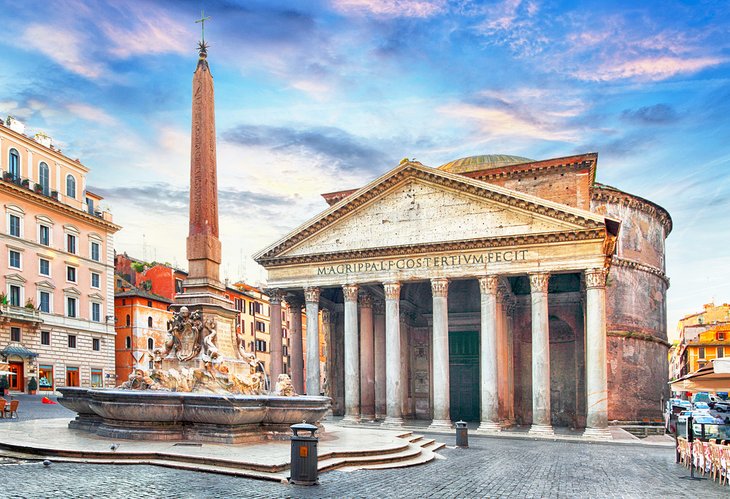
The Pantheon, an exceptionally well-preserved remnant from Roman times, reveals the incredible architectural achievements of the Roman Empire.
The precise proportions of the building, dedicated to the planetary gods, with the height equal to the diameter, and a single beam of light entering the room from the top of the dome, were intended to represent the firmament and the sun.
Disused after early Christian kings forbade the use of a pagan temple as a church, it was later consecrated by the Pope in 609 CE. Italian Kings, the Renaissance painter Raphael, and other great Italians are buried in the Pantheon.
10. Trevi Fountain, Rome
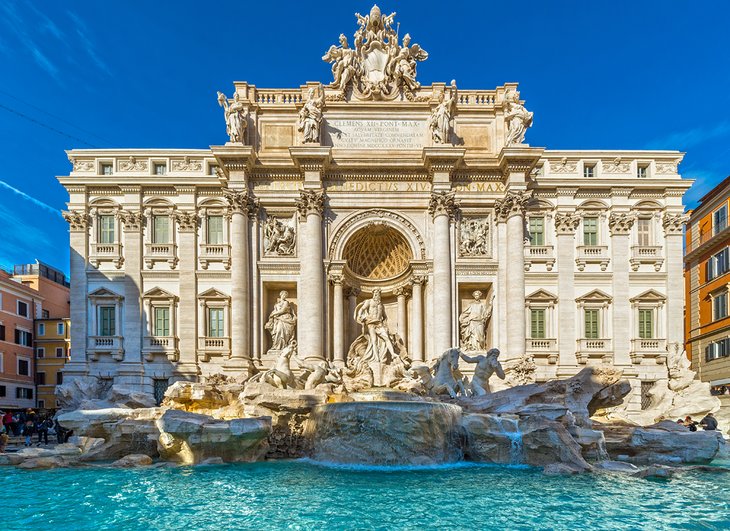
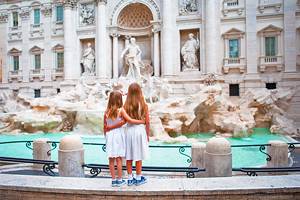
Immortalized in films from La Dolce Vita to Roman Holiday, The Lizzie McGuire Movie and Three Coins in a Fountain, Trevi Fountain is a beloved icon that's a traditional stop on any visit to Rome. A coin tossed over the left shoulder (with the right hand) is supposed to guarantee a return trip.
The origins of the tradition are not clear, but the fountain itself began as a public water source, connected to an aqueduct built in the first century BC. By 1629, Pope Urban VIII wanted a more attractive fountain and asked Bernini to design the revisions. When the Pope died, so did Bernini's plan, and the present design of Neptune, horses, and shells was completed in 1751 by Nicolò Salvi.
11. Amalfi Coast
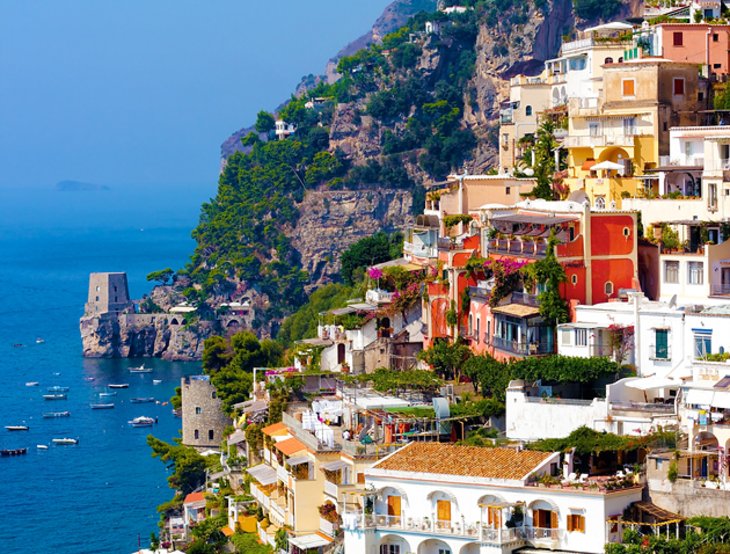
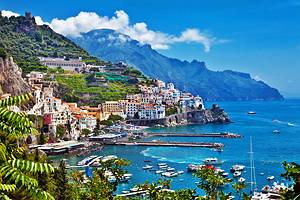
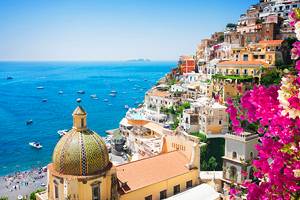
The Amalfi Coast, a UNESCO World Heritage Site, is a stunning stretch of coastline along the Sorrentine Peninsula, south of Naples and Sorrento. Hillside towns are built precariously along the steep mountainsides that cascade down to the sea.
The main towns along here are Positano and Amalfi, with its colorfully domed cathedral. You can tour the coast by road, or hop between towns by boat for different perspectives of the dramatic and almost vertical shore.
While walking paths stretch all along the coast, the most breathtaking scenery for walkers is the Sentiero degli Dei, Footpath of the Gods, at the western end from Positano. My favorite viewpoint is far above the Amalfi Drive, in the village of Ravello. Clinging to the steep mountainside in terraces, Ravello was a sizable town in the 13th century and the gardens of its former villas make scenic belvederes for enjoying flower-framed views of the coast below.
Author's tip: If you're hoping to spot celebrities, one of the best places to go is the Marina Grande in Positano. One of the largest beaches on the Amalfi Coast, it's also the most crowded. For a quieter experience, try the sandy Maiori Beach at the Amalfi coast's eastern end.
12. St. Mark's Basilica and Doge's Palace
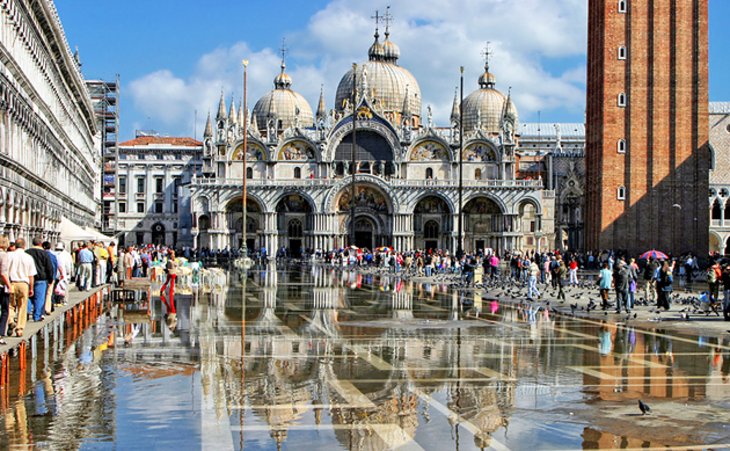
One of the most important tourist sites in Venice is St. Mark's Basilica, whose ornate Byzantine-inspired façade and domes overlook Piazza San Marco, St. Mark's Square. The building itself is a work of art, with a mix of architectural styles heavily influenced by the Byzantine Empire, showing Venice's long trade connections to the East.
Highlights of the vast interior are the brilliant mosaics that line its domes and vaults, and the high altar covered in gold and jewels. The Treasury contains more glittering gold and jewels.
For an unforgettable view of St. Mark's Square, the tall campanile and the clock tower, climb to the porch to stand among the iconic horses.
Next to the basilica is the Doge's Palace, also filled with priceless masterpieces of Italian art. A tour of the Doge's Palace often includes a chance to visit the prison where Casanova escaped over the rooftops. To get there, you will cross the famous Bridge of Sighs.
13. Verona's Roman Arena and Historic Center
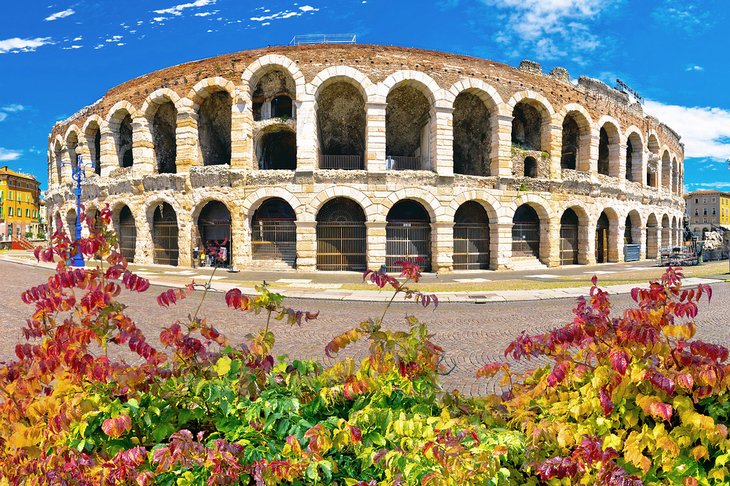
One of the largest and best-preserved Roman amphitheaters still in existence, Arena di Verona is the centerpiece of the centro storico – the town's historic center. It is one of several features from ancient times, when Verona was an important Roman city. In naming it a World Heritage Site, UNESCO notes that "Verona has preserved a remarkable number of monuments from antiquity, the medieval and Renaissance periods."
Verona continued to thrive under the rule of the Scaliger family in the 13th and 14th centuries and as part of the Republic of Venice from the 15th to 18th centuries. The imposing Castelvecchio was both palace and a defensive fortress (now an outstanding art museum), overlooking the beautiful castellated Ponte Scaligero, a 14th-century bridge.
Throughout the old center are Romanesque churches, regal buildings with characteristic Venetian Gothic windows, and stone gates that are more reminders of its Roman origins. And, of course, in a courtyard close to Piazza del Erbe's daily market, you'll find Juliet's Balcony (which was actually built in the 1930s as a tourist attraction).
Read More: Top-Rated Tourist Attractions & Things to Do in Verona
14. Pompeii and Mount Vesuvius
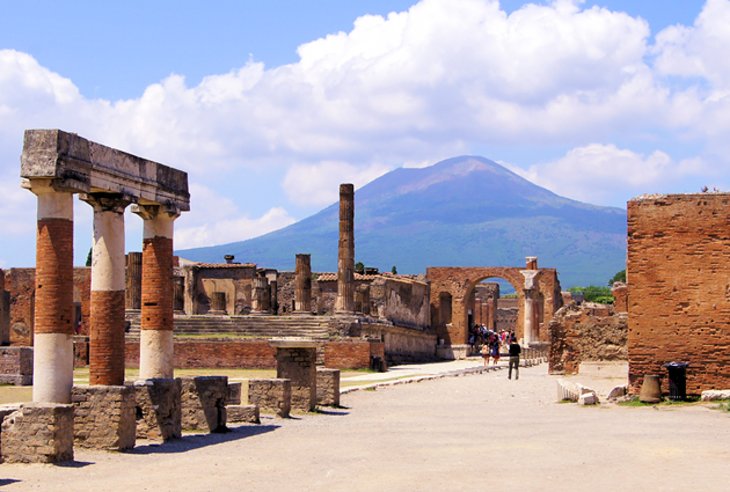
The still-smoking volcano of Mt. Vesuvius looks down on the remains of the city it destroyed in AD 79. But that same eruption also preserved many of the city's art treasures: frescoes, mosaics, and sculptures that were encased in the lava as it cooled.
Several centuries of excavations at Pompeii have revealed the remains of houses, markets, baths, temples, theaters, streets, and human remains. Visitors can tour the site, walk along the old streets scarred by the tracks of chariots, and see the engineering used by Romans more than 2,000 years ago.
Near Pompeii is the excavated city of Herculaneum, destroyed by the same eruption in 79 CE, but buried in lava and ash that solidified and froze the town just as it was. You can combine visits to the two sites in one day, but a longer stay allows time to ascend to the very rim of still-active Vesuvius.
Pompei is an easy day trip from Naples or from Sorrento.
15. Roman Forum
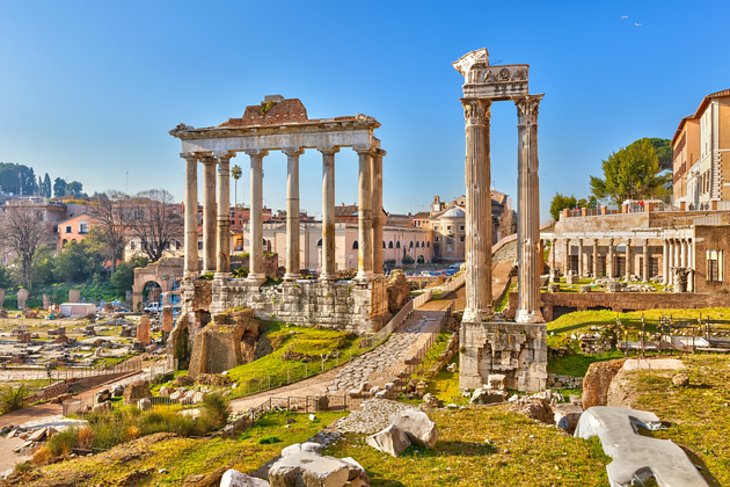
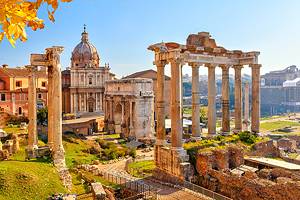
The Roman Forum may require a little imagination – or a good tour guide – to understand exactly what this area once looked like and how it was used. However, its historical significance as the heart of the Roman Empire cannot be overstated.
Temples were built first, then public buildings, and soon the area became Rome's governmental center. Commerce followed with the building of market halls that made the Forum the hub of public life for the city, and eventually the Roman Empire.
Today, only pillars, partial structures, and foundations of former temples, market halls, courts, and public buildings pay tribute to Ancient Rome, which survived here for a thousand years.
Author's Tip: The Forum, the Colosseum, and Palatine Hill are included in a single two-day ticket. Because the Forum and Palatine Hill both require a lot of walking, if you plan to visit all three, it's best not to do those two on the same day.
16. The Valley of Temples in Agrigento, Sicily
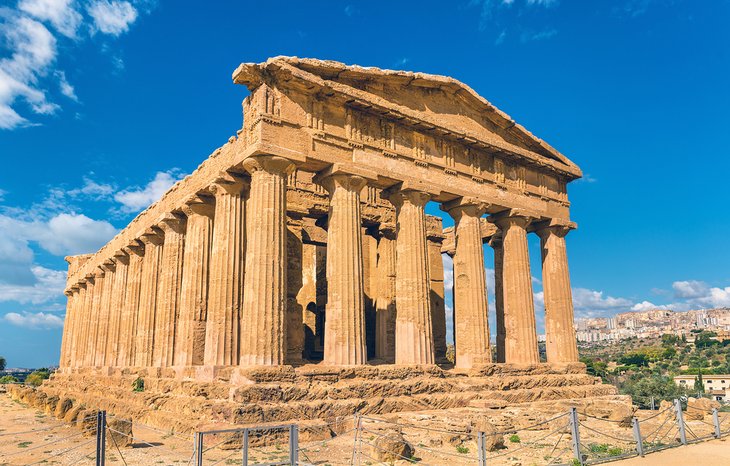
UNESCO lists this complex of ancient Greek temples as a World Heritage Site not only for the number of these remaining, but for their remarkable state of preservation. Unlike most other ancient Greek settlements, the temples in Agrigento have not been overlain by building in later eras, so they preserve not only the structures themselves but the landscape of the original community.
The highlight is Tempio di Concordia, one of the most perfect Doric temples surviving anywhere. Almost as large is the Tempio di Juno Lacinia. The columns of the largest, Temple of the Olympian Zeus, were toppled by an earthquake. UNESCO cites the Valley of Temples as "among the most extraordinary representations of Doric architecture in the world."
Address: Valle dei Templi, Agrigento, Sicily
Read More: Top-Rated Tourist Attractions in Sicily
17. Milan Duomo
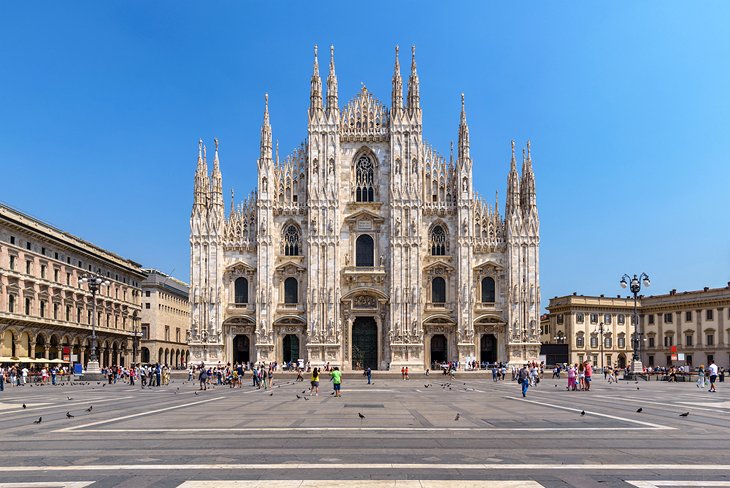
Milan's magnificent Cathedral of Santa Maria Nascente, "Il Duomo" to the locals, is one of the world's largest churches and probably the best example anywhere of the flamboyant Gothic style. Its statue-studded façade (the exterior of the cathedral has a grand total of 2,245 marble statues) and the 135 carved stone pinnacles that crown its roof make quite a first impression, which is reinforced as you step inside.
Fifty-two immense pillars support the soaring ceiling of the nave, and its walls are decorated by the world's largest stained-glass windows. Highlights in the nave are the tomb of Gian Giacomo Medici and a 12th-century bronze candelabrum.
Below the high altar is the crypt and the octagonal chapel with the gold reliquary of San Carlo Borromeo. Under Piazza del Duomo, and reached by stairs near the entrance, are the foundations of a fourth-century baptistery and basilica.
An elevator will take you partway to the roof, where you can walk at a dizzying height among the carved stone pinnacles.
Address: Piazza del Duomo, Milan
- Read More: Top-Rated Tourist Attractions in Milan
18. Capri
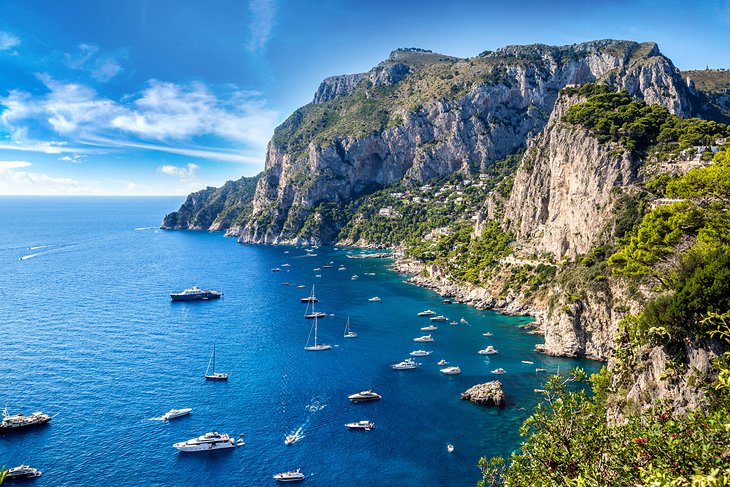
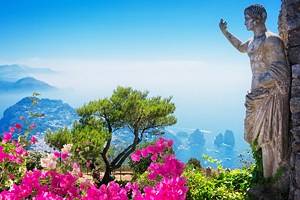
The Blue Grotto is one of the most visited spots in all of Italy, but there are other reasons for taking the short boat ride from Naples, Sorrento, or the Amalfi Coast to the fabled Isle of Capri. The steep rocky island juts from an intensely blue sea, its craggy cliffs softened by green pines and tropical plants.
The Blue Grotto is only one of the sea caves that cut its cliffs, and the best way to see these, along with the three signature rocks off the south coast known as the Faraglioni, is on a boat tour around the island. Several villas and gardens are open to tourists, and walking trails invite exploration.
From almost anywhere on the island, you can be certain of a good view. The beautiful Villa San Michele has perhaps the finest views on the island from its gardens, which overlook the Marina Grande from the village of Anacapri, high above. You can get there by bus or, for the energetic, by climbing the ancient Phoenician stairs carved into the steep hillside.
Read More: From Rome to Capri: Best Ways to Get There
19. Rialto Bridge, Venice
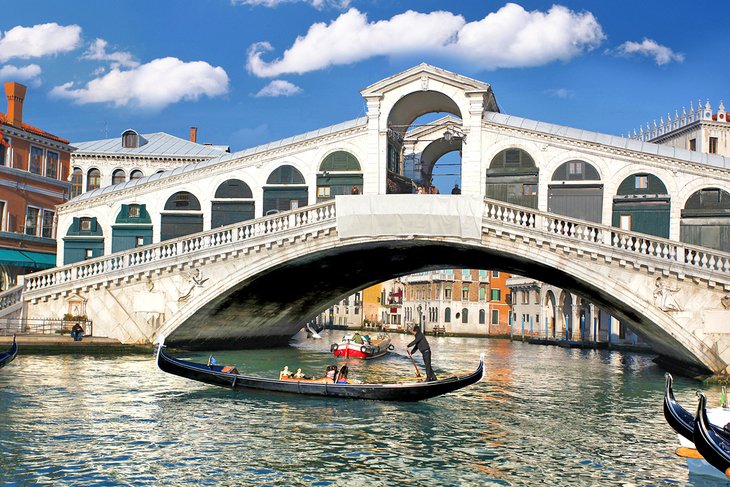
Standing on more than 10,000 wooden pilings – the originals placed at the time of its construction in 1588 – the stone Rialto Bridge is both an icon of Venice and an essential link between two sides of the city. Until the Accademia Bridge was built in 1854 it was the only way to cross the Grand Canal on foot. It is still the busiest.
Its architect won the commission to design the bridge over such stiff competition as Michelangelo and Palladio, proposing a bridge with three walkways. The outer two are perpetually crowded with tourists catching views of the Grand Canal and its steady boat traffic, while the wider central walk is lined by shops catering to visitors.
Venetians do their shopping at the other side of the Rialto Bridge, in the bustling food market in San Polo. Along that side of the bridge, the canal is lined by restaurants, and you'll find smaller – and better – choices by following the narrow streets into the neighborhood of small shops and artisans.
Author's Tip: Do cross the bridge to wander in these little streets of San Polo. Here you'll find shops devoted to paper, bookbinding, mask and costume making, even one where skilled wood smiths carve the intricately balanced forcole, the oar posts for gondolas.
20. St. Francis Basilica (Basilica di San Francesco), Assisi
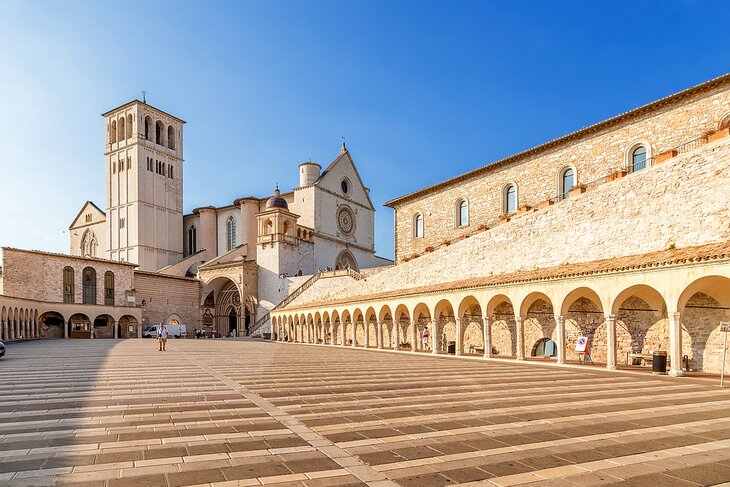
Although it is one of the world's most important pilgrimage destinations, Assisi and the 13th-century St. Francis Basilica hold an important place in art history, as well. This dual importance prompted naming the birthplace of St. Francis and of the Franciscan order as a UNESCO World Heritage Site.
Begun in 1228, at the time of the saint's death, the basilica consists of two churches, the lower in a vaulted Romanesque style and above it a soaring Gothic church. In both of these, you'll find frescoes by masters including Giotto and Cimabue. This is the oldest Gothic church in Italy.
Although the upper church sustained serious damage in a 1997 earthquake, restorations were completed within two years and the church has returned to its earlier appearance. The order of Poor Clares was also founded in Assisi, in honor of St. Clare, a disciple of St. Francis, and the Gothic Basilica of Santa Chiara was built in 1265.
A hilltop castle, la Rocca, and a cathedral with quality frescoes and medieval stone carving are good reasons to spend some time sightseeing in Assisi, and you can visit the nearby hermitage of Le Carceri, where St. Francis retired to pray.
Assisi is a good day trip from Florence and you can get to Assisi from Rome by bus, train, car, or tour.
21. Piazza del Campo and Duomo, Siena
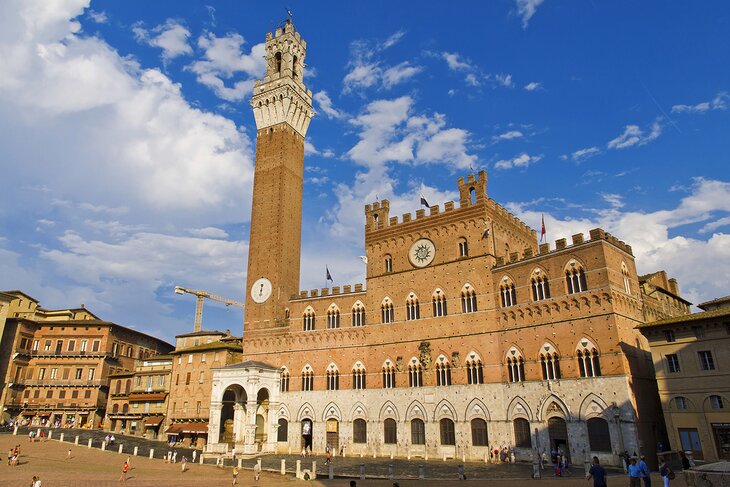
Among the most famous public squares in Italy, the oval Piazza del Campo in Siena is surrounded by noble palaces, their facades of red clay brick curving to enclose the sloping piazza. Dominating the scene is the elegant Palazzo Púbblico (Town Hall) and its exceptionally tall tower. The severity of the imposing façade and its battlements is relieved by rows of windows with curved Gothic arches.
The slender Torre del Mangia, at 102 meters in height must have been a leap of faith for Medieval architects and builders, especially with its battlemented platform at the top. The Piazza del Campo is best known as the scene of the madcap bareback horserace, the Palio, held twice each summer and one of the top things to do in Italy.
In startling contrast to the red brick elsewhere in the city, the Cathedral of Santa Maria Assunta and its tall campanile are clad in dramatic stripes of black and white marble. Its façade is even more dramatic, a symphony of arches, gables, columns, reliefs, and pinnacles decorated in intricately detailed stone carvings and statues by Renaissance genius Giovanni Pisano.
Inside Siena's cathedral are works by Pisano, Donatello, Bernini, Ghiberti, and other Renaissance masters, which combine with paintings, sculptures, mosaics, gold and silver work, illuminated manuscripts, mosaics, and stone and wood carving for a collection to rival those of many of the most eminent museums.
This largesse reflects the fact that in the 13th and 14th centuries, Siena rivaled Florence in wealth and for its art and architecture. Although once separate seats of power, today Siena is a short day trip from Florence.
22. Strada delle Dolomiti (Dolomite Road)
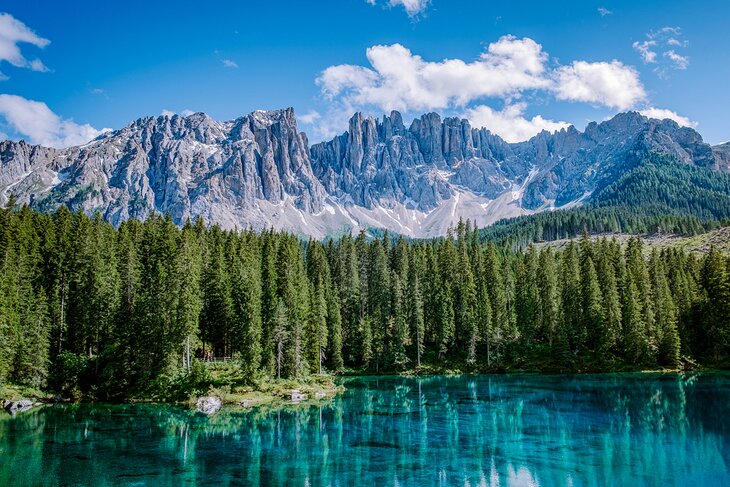
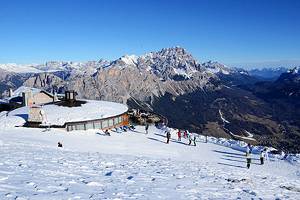
In naming Italy's Strada delle Dolomiti a World Heritage Site, UNESCO described "some of the most beautiful mountain landscapes anywhere, with vertical walls, sheer cliffs, and a high density of narrow, deep, and long valleys."
Long known to climbers and winter sports enthusiasts for some of Europe's finest hiking and skiing (the town of Cortina D'Ampezzo is one of the top ski resorts in Italy and site of the 1956 Winter Olympic Games), the Dolomites are just as appealing for sightseeing and relaxing vacations.
Dotted with charming small villages in breathtakingly beautiful settings, the road between Bolzano and Cortina D'Ampezzo is easy to tour by car. Unlike many such dramatic mountain routes, the Strada delle Dolomiti is well maintained and without the perilous sharp curves and steep drop-offs of many Alpine roads.
Bolzano, at the western end of the route, is worth a stop to see Ötzi, the man who was been preserved in ice, deep inside a glacier for 5,300 years, and the clothing and equipment, frozen there with him.
Author Tip: Do venture off the main road to find some of the villages tucked into valleys, where you'll see houses pained in Alpine frescoes. My favorite stop is in Arabba to take the funicular up Col Burz for panoramic views. Several other lifts that carry skiers in the winter are operating for hikers and tourists in the summer.
23. San Vitale and Byzantine Mosaics, Ravenna
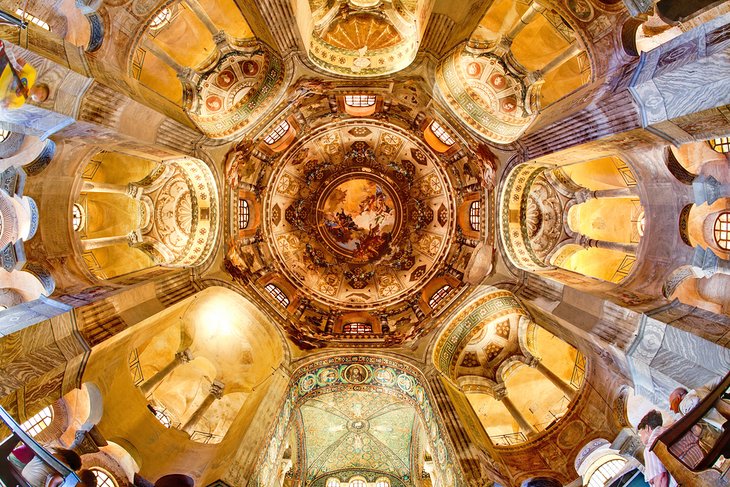
From 402 CE, when Emperor Honorius moved his court here from Milan, the Adriatic port of Ravenna was the capital of the Western Roman Empire. Honorius and his sister, Galla Placidia, began the process of making Ravenna a center for Byzantine mosaic art, an effort that was continued in the reign of sixth-century king Theodoric the Great.
The results remain today almost as these emperors saw them, lining churches and monuments in extravagant splendor. The dome of San Vitale is completely decorated (apart from a few frescoes added in the Baroque era) in pictures formed by tesserae so minute, that they combine to look like a painter's fine brushstrokes. More line the walls and chapels, comprising the largest and best-preserved display outside of Constantinople.
In the neighboring Mausoleum of Galla Placidia, the tiniest of tesserae create an intimate and other-worldly space under a low vaulted ceiling of intense blue. In a third building, the octagonal Neonian Baptistery, the entire dome is covered in intricate mosaic pictures.
Read More: Top-Rated Tourist Attractions in Ravenna
24. Portofino, Liguria
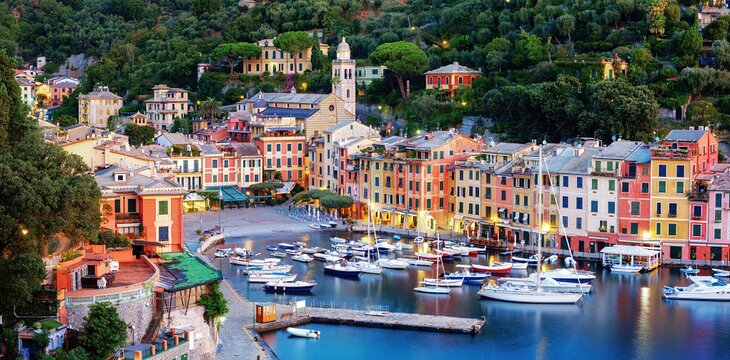
No great art treasures or momentous historic sites put the little Ligurian village of Portofino on the must-see list, but for pure eye candy and a dose of la dolce vita, it's worth a day-trip from Genoa or a detour on the way to the Cinque Terre.
Looking as though it were built as a film set (no, the Masterpiece series Hotel Portofino, although set here, was not filmed here) with a semicircle of pastel houses facing a cozy harbor filled with boats, Portofino begs to be photographed.
A favorite watering hole for high-flying celebs (you never know who you'll spot in its cafes) and the paparazzi that pursue them, Portofino is filled with stylish boutiques and chic restaurants. But don't be put off; the town's picturesque charm will make you glad you stopped.
25. Costa Sud and Costa Verde Beaches, Sardinia
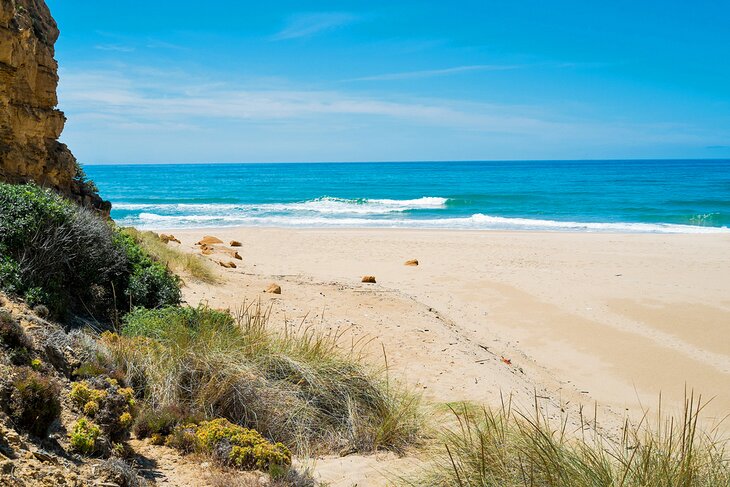
Leading the list of the top beaches in Italy, the miles of white sand southwest from the capital of Cagliari slope into clear blue-green water and are backed by a spectacular landscape of rocky promontories and protected wildlands.
Choose your favorite style of beach, from tiny secluded coves hidden between headlands to the three-mile-long sands at Porto Campana, where you can rent kiteboard or paddleboard equipment and take lessons, or go scuba diving in the clear water. Spiaggia Sa Colonia is another long stretch of beach with a gentle, shallow drop-off that makes it a good place to go for families with young children.
Near Chia you'll find Tuerredda Beach, whose warm blue-green waters invite swimmers and snorkelers. For a more intimate experience, beautiful Porticciolo Beach is a secluded crescent of white sand. Most remote of all are the wide white sand beaches of the Costa Verde, farther west, where the coast of Sardinia curves northward.
The miles of white sands are backed by dunes, some of which are the tallest in Europe. Don't expect a lot of tourist services here, but do expect long stretches of white sand where, even in busy August, you can find a spot without other people in sight.