9 Top-Rated Day Trips from Tokyo
Many fun day trips lie within easy access from Tokyo for travelers using this modern city as a home base. Thanks to Tokyo's excellent public transport system, as well as Japan's superb railways, it's easy to travel relatively large distances in a short time and with a minimum of fuss.
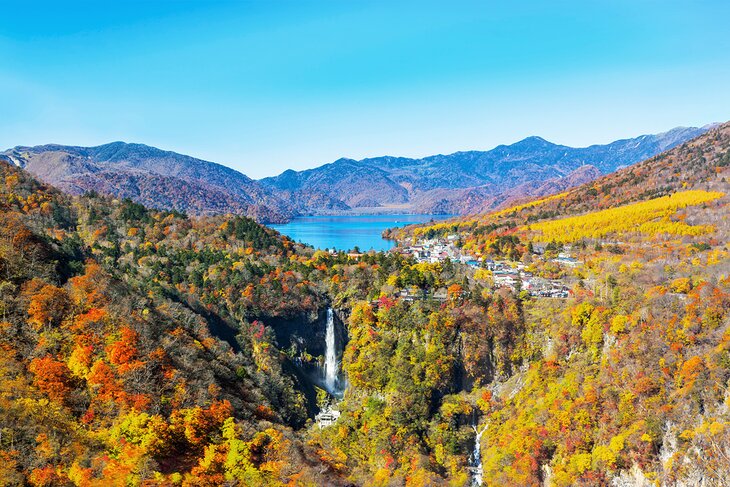
Jump on a train, and you'll have access to an endless number of great day trip experiences, from major theme parks to historic castles and temples, beautiful national parks, and even majestic Mount Fuji.
Better still, look into the services of a professional tour company to help you plan the best places to visit. They will take care of all arrangements, covering everything from travel to tickets, as well as providing professional English language tour guides to ensure you get the most out of your travels.
Plan your adventures and your Japan travel itinerary with our list of the top day trips from Tokyo.
- 1. Majestic Mount Fuji
- 2. Nikkō National Park and Tōshō-gū Temple
- 3. Historic Kamakura
- 4. Tokyo Disneyland
- 5. The Seaside Town of Atami
- 6. Tokyo DisneySea
- 7. Kyoto by Shinkansen Bullet Train
- 8. Fashion Central: Trendy Harajuku
- 9. Shinjuku Gyoen National Garden
- Map of Day Trips from Tokyo
- Best Time to Visit Tokyo
1. Majestic Mount Fuji
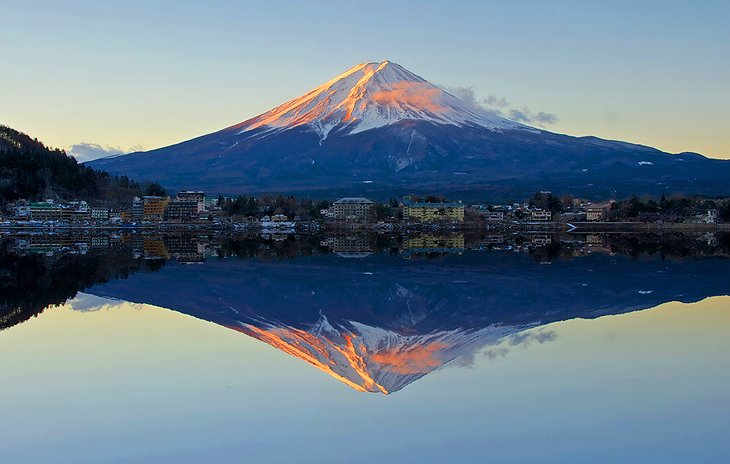
Highlight: A sunrise view from the summit of Japan's highest and most iconic mountain
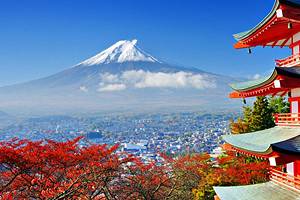
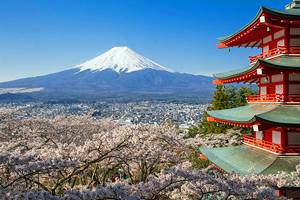
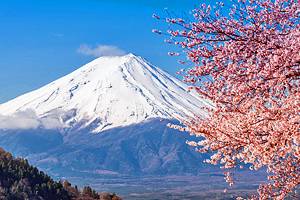
Japan's most famous landmark, Mount Fuji (Fujisan) lies just over 100 kilometers southwest of Central Tokyo and is a full day's outing if you're only traveling to the base of the mountain. Planning to make the ascent? Then you'll need to add an overnight stop to your itinerary.
Japan's highest and most iconic mountain - it's an impressive 3,776 meters tall - this dormant volcano is also the country's most celebrated peak, included since early times in poetry and paintings. And on clear days, it is visible from as far away as Tokyo.
Located in the Fuji-Hakone-Izu National Park, Mount Fuji sees more than a million people climb it during July and August as an almost religious act, the culmination of which is the observation of sunrise from the summit.
The climb can be arduous and can take up to eight hours each way, so be prepared for plenty of walking and take along warm clothing. Alternatively, a number of paths are available that circle the lower sections of the mountain, a journey that can still take many hours - although, of course, simply viewing the mountain from a distance is also rewarding.
A great option is to book a full-day guided tour, such as the Mount Fuji and Lake Ashi day trip via bullet train from Tokyo. Not only will your organized day trip include one of the top train journeys to be found anywhere on the planet (these things are fast!), but you'll also be treated to a fun cruise on beautiful Lake Ashi.
Also included is a ride on an aerial tram to the pinnacle of Mount Komagatake, which offers amazing views over neighboring Mount Fuji (lunches can also be arranged).
- Read More: Exploring Mount Fuji: A Visitor's Guide
2. Nikkō National Park and Tōshō-gū Temple
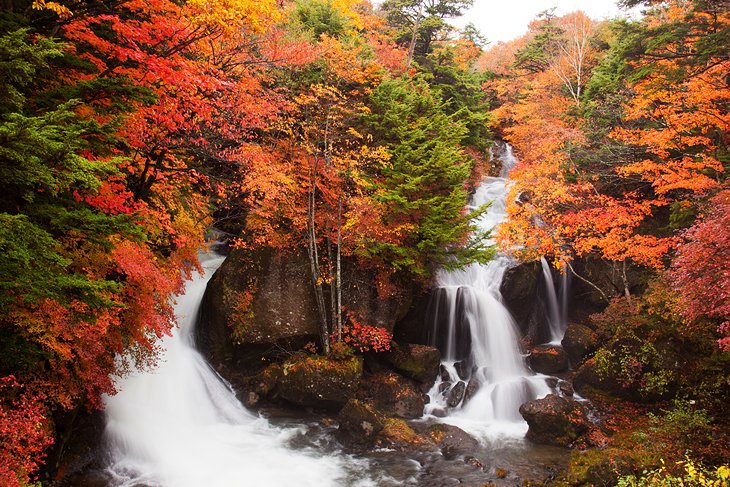
Highlights: A place of epic natural beauty surrounded by mineral spas, hiking trails up Mount Oku-Shirane
Given the fact it's a 2.5-hour train ride from downtown Tokyo, you'll want to make a full day of a visit to the beautiful Nikkō National Park (Nikkō Kokuritsu Kōen) and its magnificent temples.
Covering 1,407 square kilometers, this area of outstanding natural beauty boasts an abundance of mighty mountain peaks, ancient forests, wide expanses of moorland, lakes, and waterfalls, and is one of the most visited regions in Japan.
About 180 kilometers north of Tokyo, Nikkō National Park has a number of popular spas that yield a plentiful supply of hot mineral water and have become favorite resting spots for visitors from far and wide. Those looking for things to do such as hiking, camping, mountain climbing, boating, fishing, skiing, and skating are also well accommodated.
A highlight for adventurers is the 2,578-meter-high Mount Oku-Shirane, with its beautiful waterfalls accessible by clearly marked hiking trails.
The park also has many historic temples, most notably Rinnō-ji, a temple founded in AD 848, and the spectacular Nikkō Tōshō-gū complex. Consisting of 22 lavishly decorated buildings dating from the 17th century, Tōshō-gū was constructed by more than 15,000 craftsmen brought in from across Japan. Highlights of this UNESCO World Heritage site include the Staircase of the Thousand (Sennin-ishidan), the farthest point to which ordinary people were formerly admitted. Beyond this stands an 8.5-meter-high granite torii, with an inscription in the name of Emperor Go-Mizunoo, plus a lovely five-story pagoda.
Also of note is the courtyard with its three sacred storehouses and stables, including a relief on the gable depicting an elephant (unusual for Japan), as well as carved monkeys ("See no evil, hear no evil, speak no evil"), sacred fountains, and many fine sculptures.
A great way to enjoy these and other attractions is to join an organized tour. A good option is the Nikkō National Park day trip from Tokyo. In addition to including pickup and drop-off at your hotel (or nearby train station), this fun day trip includes all admissions and a traditional Japanese lunch.
Address: Yumoto, Nikko, Tochigi 321-1662
3. Historic Kamakura

Highlight: The Kotokuin Buddhist temple with a Buddha statue that dates to the 13th century
Just 50 kilometers southwest of Tokyo and easily accessible by rail, the city of Kamakura has a long, rich history and makes for an excellent day trip for those seeking a little slower pace.
Much of the architecture stems from its roots as the hometown of one of the country's first Shogunate governments in the early 12th century, and the adherence of the locals to Buddhism soon after - an influence that can still be seen in many of the city's temples.
A highlight of a spring visit are the city's many cherry blossoms, while in summer, it's all about the beach and shopping along Komachi Dori, a street popular for its shops and restaurants.
Of its many temples, the most famous is the Buddhist temple of Kotokuin, renowned for its Great Buddha, a massive outdoor bronze statue that dates from 1252.
The city is also famous for its seven "passes," or entrances, which for centuries were the only way into Kamakura due to its natural fortress-like hill setting. These can now be explored on foot and make for a delightful walk.
Travelers can book this Kamakura Day Trip from Tokyo, which is a private and personalized experience featuring a local, English-speaking guide. The tour includes highlights like the Shinto shrines, as well as the Great Buddha. Since the tour is private, it can be customized.
4. Tokyo Disneyland

Highlights: Popular Disney attractions, with a few new ones that are unique to Japan
Drawing huge crowds ever since it opened in 1983, Tokyo Disneyland (Tōkyō Dizunīrando) is an easy one-hour commute from downtown Tokyo and contains many of the most popular Disney attractions and restaurants known to theme park fans.
It's known as TDL to the locals, and what makes it a truly memorable experience for Westerners are the many unique attractions and things to do included here that are not seen at the company's other parks, such as Pinocchio's Daring Journey and 20,000 Leagues Under the Sea.
Also unique here is the World Bazaar, a fun twist to the Main Streets of other Disney parks that is completely covered. In addition, up to 300 entertainers appear daily in stage shows, musical performances, and parades, along with Mickey and numerous other Disney characters.
Tokyo Disneyland also boasts numerous places to eat, ranging from snack bars to elaborate gourmet restaurants. And that's a good thing, as you'll easily spend the best part of a day exploring this attraction (and don't forget those Fastpasses).
Address: 1-1 Maihama, Urayasu, Chiba Prefecture 279-0031
5. The Seaside Town of Atami
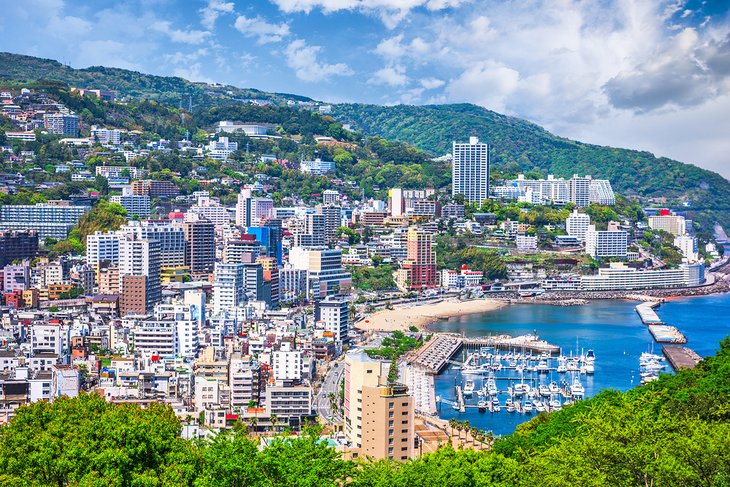
Highlights: A coastal town with many spas, museums, and a reconstruction of the historic Golden Tearoom
Located about 100 kilometers southwest of Tokyo and less than an hour's journey by train, the small seaside town of Atami is a popular vacation destination among locals and makes for an excellent excursion for tourists.
Idyllically perched on the mountain slopes surrounding Atami Bay, this peaceful coastal town boasts an excellent beach with a pleasant boardwalk, as well as a number of popular hot springs, or "onsen." In addition to its private spas, a number of public baths provide access to these curative waters.
The MOA Museum of Art (MOA Bijūtsukan) is another great point of interest in Atami. Perched on a hilltop overlooking the town and boasting incredible sea views, the museum's collection includes more than 3,500 works highlighting East Asian art, as well as paintings by such greats as Rembrandt and Monet, and sculptures by Moore.
Another notable display is a reconstruction of the Golden Tearoom used by famed military commander Toyotomi Hideyoshi for tea ceremonies in the 16th century.
6. Tokyo DisneySea
Highlights: Nautical-themed rides and attractions that are perfect for adrenaline-chasing teens and adults
One of Disney's newest theme parks, the 176-acre Tokyo DisneySea opened in 2001 and draws up to 14 million visitors annually — a figure that rises to over 32 million when combined with Tokyo Disneyland — making it one of the country's most popular attractions.
With a focus on nautical themes, the park is an easy one-hour commute from downtown Tokyo and is particularly popular among adults and older teens for its faster, sometimes scarier rides (those traveling with younger children are better served by visiting Tokyo Disneyland).
Highlights include the excellent Mediterranean Harbor, built to look like an Italian coastal city complete with gondolas; the American area with a section resembling Cape Cod and elements of New York Harbor; and the fascinating Mysterious Island, with its volcano and fortress right out of a Jules Verne novel.
(To avoid lineups, be sure to buy your tickets in advance online, and make use of Disney's excellent Fastpass program.)
Address: 1-13 Maihama, Urayasu, Chiba Prefecture 279-003
7. Kyoto by Shinkansen Bullet Train
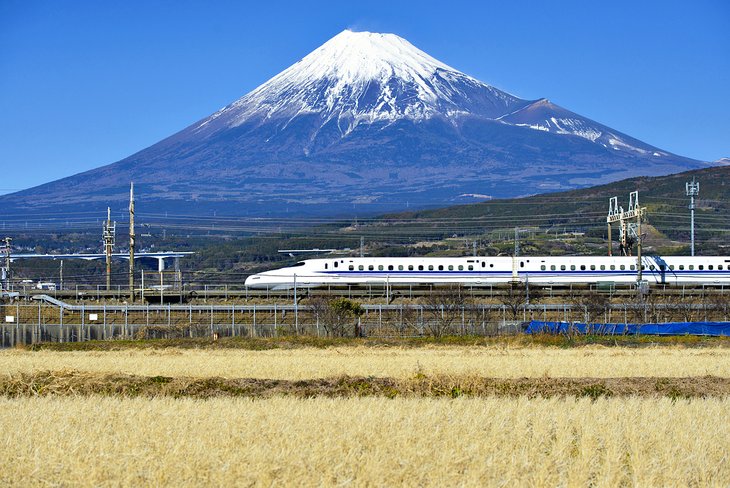
Highlights: Zipping along at 320 kilometers per hour past impressive sites like Mount Fuji
While it might seem a little ironic that the world's leading automobile manufacturer also possesses the world's fastest and most-efficient public railway system, it's just one of the many contradictions that make Japan so interesting. The state system, Japan Railways, boasts a network of 21,000 kilometers connecting even the most remote parts of the country with major urban cities like Tokyo.
Particularly notable are the high-speed trunk lines along which the famous Shinkansen Bullet Train whizzes along at speeds of up to 320 kilometers per hour, shrinking once formidable journeys from Tokyo to cities like Fukuoka, some 1,170 kilometers away, to under seven hours. (Be sure to consider purchasing a Japan Rail Pass prior to your departure, a money-saving option that also saves time - see the link below for details.)
For day trippers, this remarkable network makes trips to see the attractions of Kyoto, for example, a very manageable undertaking. A journey of six hours by car, it's just two hours by train, and all the more fun if you indulge in one of the country's famous Bento on-board meals as you whizz past Mount Fuji.
Once in Kyoto, you'll be rewarded with a chance to explore the city's famous shrines and temples, as well as other important historical sites.
Be sure to consider recruiting the help of a professional tour company to assist with the planning. A great option is the Kyoto by Bullet Train from Tokyo tour, which includes admission to many of the city's most famous shrines and temples, as well as other important historical sites. It also provides excellent views of Mount Fuji from the comfort of your reserved seat (if doable, consider the first-class option). Other perks include lunch, admissions, and a standard rail ticket.
8. Fashion Central: Trendy Harajuku
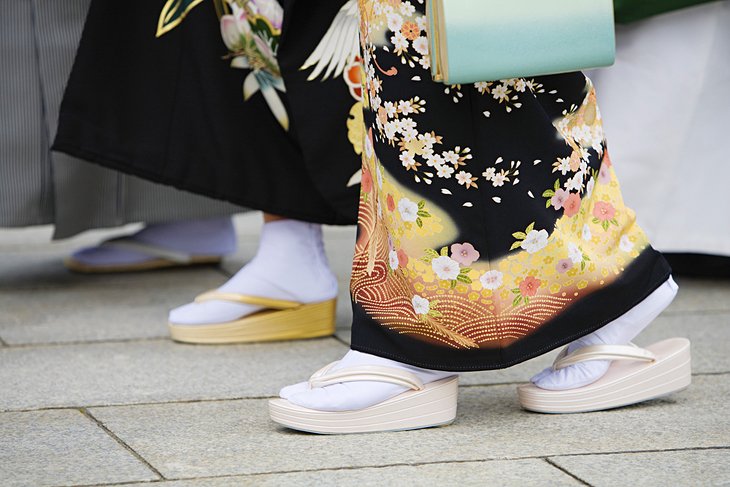
Highlight: The best people-watching, as Tokyo's youth sports the most outrageous fashion
A popular outing for those who follow fashion - particularly over-the-top fashions favored by trendsetters, rebellious kids, and adults into "cosplay" - is a visit to the Harajuku area of Tokyo's Shibuya district. Just a half-hour subway ride from downtown Tokyo, Harajuku is famous for its fashion boutiques and the often-outlandish outfits on display.
If possible, the best day to visit is Sunday, when youngsters (and some oldsters) from across the city descend upon Harajuku's streets and parks dressed as everything from Teddy Boys and Rockers to their favorite anime cartoon characters. It's a delightful and colorful experience that provides plenty of fun for participants and onlookers alike.
Afterward, spend a little time shopping, as well as exploring the many fine historic buildings found here, including the famous Meiji and Togo Shrines, where you'll see plenty of locals dressed in more traditional outfits.
9. Shinjuku Gyoen National Garden
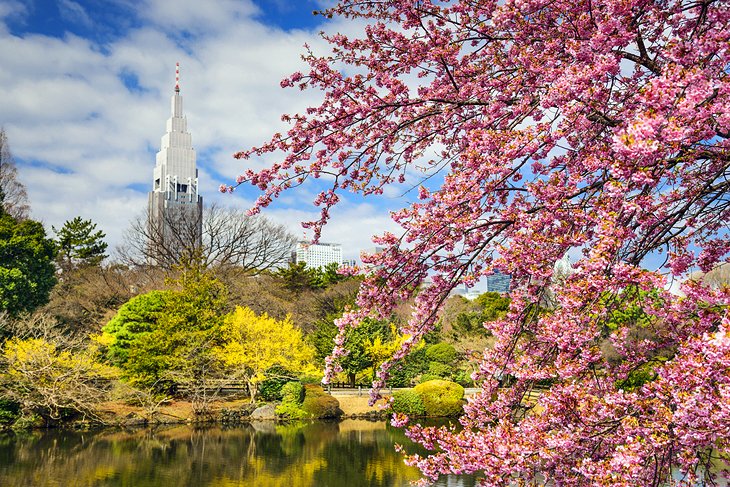
Highlights: A 145-acre park and botanical garden, and a prime place to visit for peeping cherry blossoms
Shinjuku forms the western outskirts of Tokyo and makes for a fun day trip from the city's bustling downtown core (it's an easy 10-kilometer trip by subway). In addition to its vibrant shopping and entertainment districts, Shinjuku is popular for the lovely Shinjuku Gyoen National Garden.
An easy five-minute stroll from the train station, this attraction is famous for its splendid Japanese garden design. Once the private gardens of the wealthy Naito family, the 145-acre park fell into the possession of the Imperial household towards the end of the 19th century before transferring to the state after WWII.
Also a botanical garden, it boasts a variety of plant specimens from around the world, dividing them into European and Japanese sections.
The models for the European section were French parks and formal English landscaped gardens, while the Japanese section, with its pretty Chinese pavilion, attracts crowds in April, when its 1,100 cherry trees, comprising 34 different varieties, blossom.
Those who prefer chrysanthemums should wait until November, when chrysanthemum shows are held in the park, along with the splendid fall colors.
Address: 11 Naitomachi, Shinjuku City, Tokyo 160-0014
Map of Day Trips from Tokyo
Best Time to Visit Tokyo
Tokyo has mild and temperate weather year-round, but the best times to visit Tokyo include the months of March, April, May, September, October, and November. The summer months in Tokyo, including June, July, and August will be hot, but this is also a peak tourist time.
Tokyo weather in March has an average high of 13 degrees Celsius. The temperature can fluctuate drastically during the day, so it's best to pack layers. But this is the time of year when the plum blossoms start to unfold. Towards the end of the month, the cherry blossoms start to appear, as well.
April in Tokyo is lovely, with an average high of 19 degrees Celsius. The first week of April is often quite crowded because this is when cherry blossoms are at their peak. Hotel room rates will be high during this time, as well. Towards the second week of April, the crowds in Tokyo start to thin out.
Tokyo weather in May starts to really warm up with an average high of 23 degrees Celsius. Days will be warm and sunny with very little rain and also much smaller crowds.
Tokyo in June, July, and August starts to get very humid. Peak temperatures in Tokyo are in August with a high of 31 degrees Celsius, as well as an increased chance of thunderstorms. Families are usually visiting during the summer months because school is out. Expect high hotel rates.
September in Tokyo is also warm, with an average high of 27 degrees Celsius. Things tend to cool off towards the end of the month. October has beautiful weather, too, with an average high of 22 degrees Celsius. The leaves start to turn at the end of October.
Tokyo weather starts to cool down in November with an average high of 16 degrees Celsius. This is when the leaves start to change colors and crowds begin to return to catch a glimpse of the fiery colors.