18 Top-Rated Attractions & Things to Do in Aswan
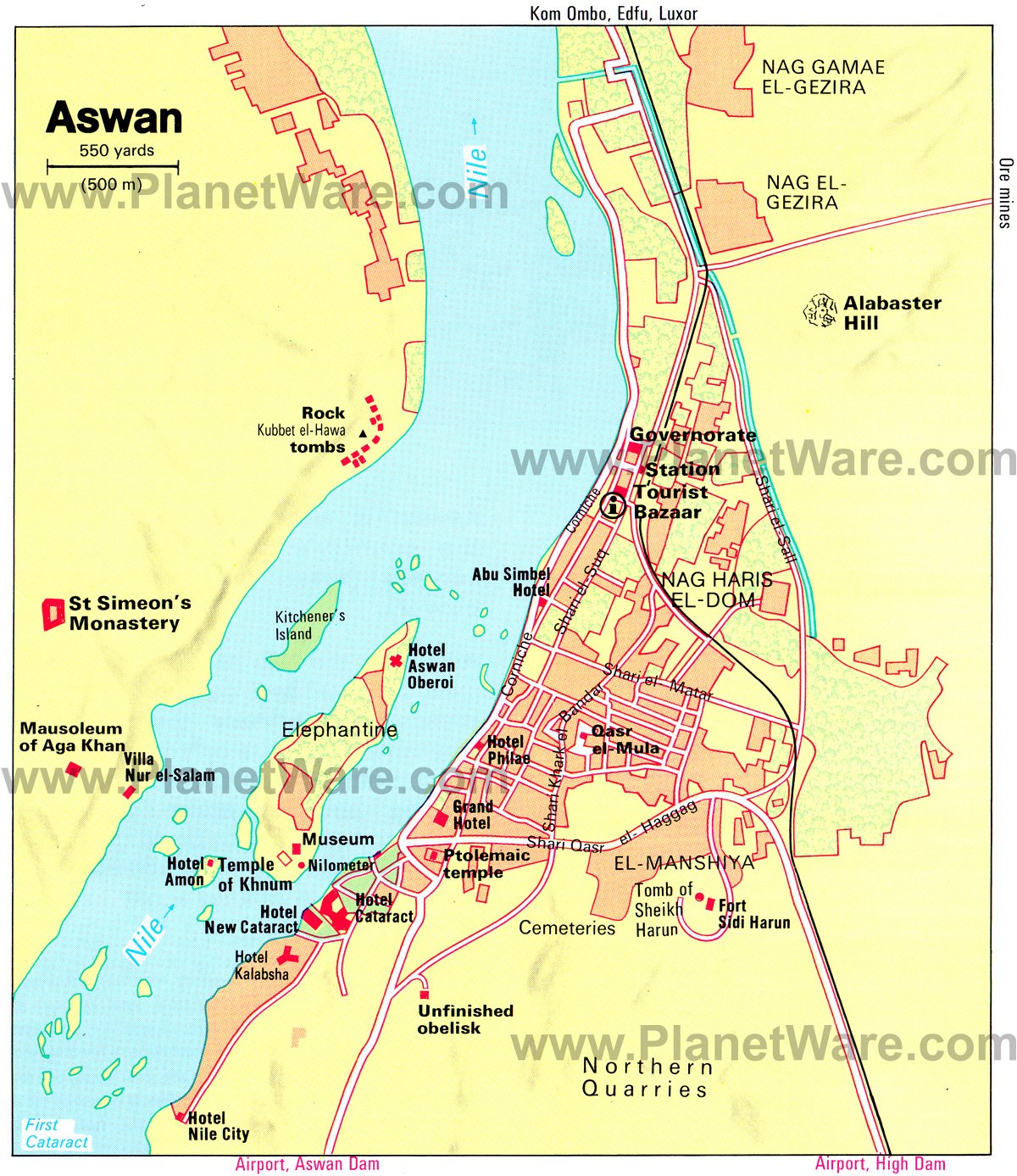
Spread out along the banks of the Nile, Aswan is a relaxed and friendly town that provides a tranquil interlude if you've just arrived from busier Luxor or Cairo.
Once ancient Egypt's gateway to Africa, this is the best place to visit and base yourself for exploring the temples, monuments, and other tourist attractions in the southern reaches of Upper Egypt and the area's distinctly different Nubian culture.
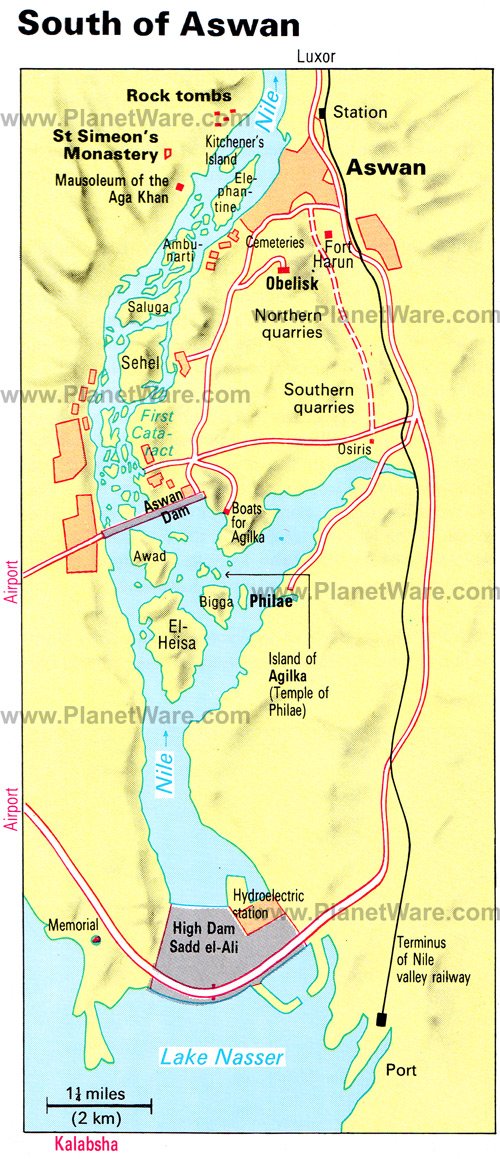
With Aswan the closest town to Ramses II's colossal temples of Abu Simbel, the island temple of Philae, and the Nile-side Temple of Kom Ombo, there are plenty of things to do within day-tripping distance.
The best way to discover Aswan's charms, and the most relaxing sightseeing experience, is to hop aboard a felucca (traditional sailboat) and view town from the watery highway that once made Aswan an important trading post.
The river here is speckled with islands holding picturesque mud-brick Nubian villages and hemmed by the West Bank's colossal sand dunes.
It's all incredibly photogenic, particularly at sunset, when hundreds of lateen-sailed feluccas take to the water, and the river shimmers in the setting sun. For keen photographers, Aswan is one of the best places to visit in Egypt for capturing classic Nile scenery.
Discover why Egypt's most southern Nile-side town should be on your itinerary with our list of the top attractions and things to do in Aswan.
See also: Where to Stay in Aswan
- 1. Explore Elephantine Island
- 2. Sail on a Felucca
- 3. Day Trip to Abu Simbel
- 4. Take a Boat to Philae Temple
- 5. The Unfinished Obelisk
- 6. Monastery of St. Simeon
- 7. Camel Trek on Aswan's West Bank
- 8. Climb up to the Tombs of the Nobles
- 9. Felucca to Aswan Botanical Gardens
- 10. Indulge in High Tea at the Old Cataract Hotel
- 11. Nubian Museum
- 12. Day Trip to the Temple of Kom Ombo
- 13. Aswan High Dam
- 14. Visit the Lake Nasser Temples of Kalabsha
- 15. Aga Khan Mausoleum
- 16. Western Quarry (Gebal Simaan)
- 17. Shop in Aswan Souq
- 18. Wadi al-Subua
- Where to Stay in Aswan for Sightseeing
- Tips and Tours: How to Make the Most of Your Visit to Aswan
- Aswan, Egypt - Climate Chart
1. Explore Elephantine Island
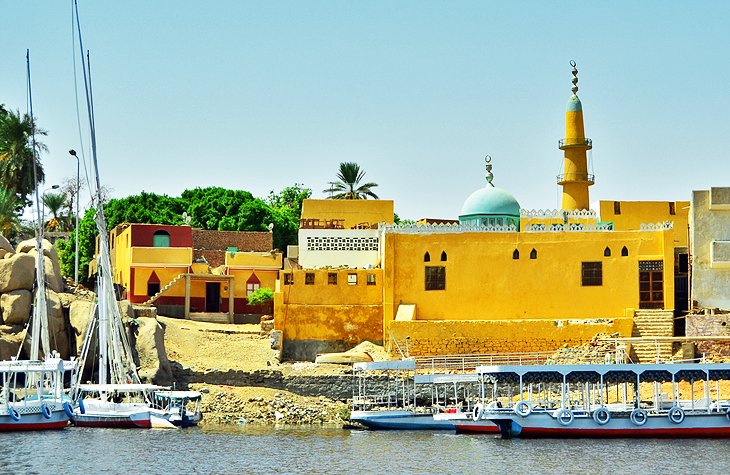
Peppered with palm tree plantations and sloping villages of colorful mud-brick houses, Elephantine Island is Aswan's major tourist attraction.
At its southern end are Aswan Museum and the Ruins of Abu, Aswan's most ancient settlement, which contains the Old Kingdom Temple of Khnum and the Temple of Satet.
The museum building, in a beautiful late 19th century villa, is partially open, with a collection of artifacts that span Elephantine Island's history up to the Roman era.
On the eastern embankment near the ruins and down a flight of steps is Aswan's Nilometer. Ancient Egyptians measured the Nile's rise and fall with these stone-hewn wells, allowing them to estimate the height of the annual flood and thus predict the success of their harvest.
Once you've finished exploring the ruins, head north into the island to wander the backstreets of the villages of Koti and Siou, where the houses are painted with vibrantly colored designs. Sheep graze and chickens peck in the narrow alleyways, and farmers till their gardens as they have done for centuries.
There are frequent local ferries from the boat landing in downtown Aswan to Elephantine, or you can also hire a felucca to sail you around the island.
2. Sail on a Felucca
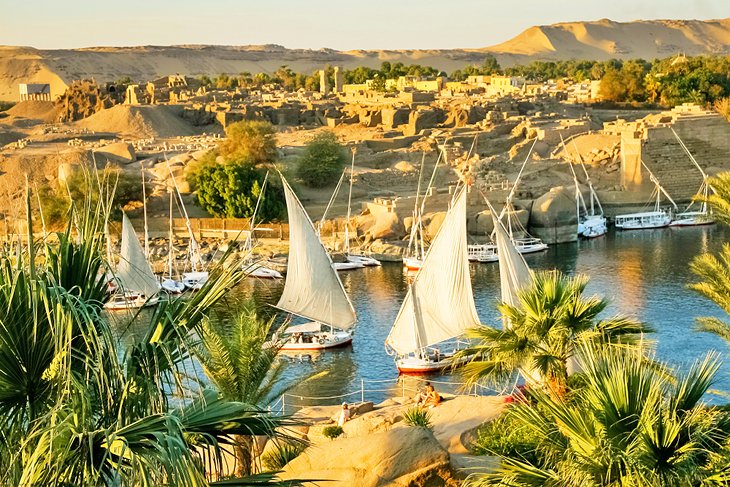
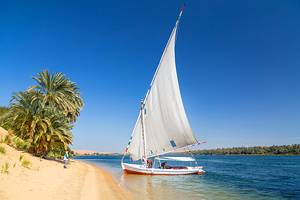
The quintessential way to sightsee in Aswan is by taking to the river on a felucca (traditional lateen-sail boat).
You'll have no problems finding a captain willing to take you on a river tour. Felucca captains hang out along Aswan's Nile-side corniche all day, touting for customers.
A typical short tour of around two hours sails in a loop around the islands of the central Aswan area, with great views of the rippling desert dunes of the west river bank, the lush palm-tree-sprinkled islands, and the city on the east bank.
For longer tours, make a half-day or full-day felucca itinerary and plan for a swimming stop along the way, plus stops at some of the central Aswan tourist attractions, such as the archaeological site on Elephantine Island, Kitchener's Island, and the west bank sites of the Monastery of St. Simeon and Tombs of the Nobles.
You can also head south, up the river, and out of central Aswan on a day-long felucca trip to Seheyl Island. The island is home to a Nubian village and a cliffside covered in inscriptions. The Famine Stele here documents the devastating famine that occurred during the reign of the 3rd Dynasty Pharaoh Zoser.
3. Day Trip to Abu Simbel
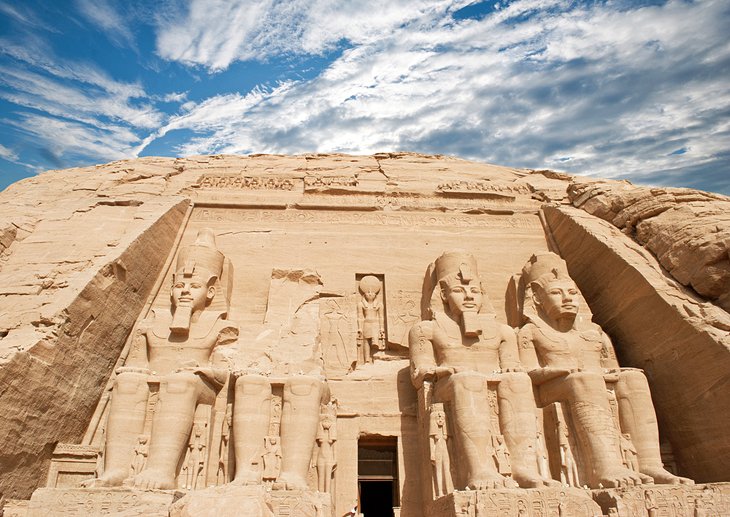
If you have time for only one day trip from Aswan, pick a visit to Abu Simbel.
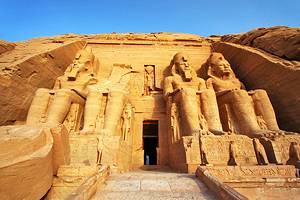
Built by Ramses II, and saved from destruction by a remarkable UNESCO rescue project in the 1970s, Abu Simbel is not only a triumph of ancient architecture, but also of modern engineering.
The mammoth scale of the Great Temple of Ramses II and the Temple of Hathor sitting on the banks of Lake Nasser trumps everything else in Egypt and has to be seen to be believed.
Most people come to Abu Simbel by tour. Abu Simbel is 280 kilometers south of Aswan, so expect transport in a minibus or car to take around three hours.
This private day tour to Abu Simbel transports you by private vehicle to the site, and includes an in-depth tour of the temples with around three hours on-site. Entrance fees, lunch, and an Egyptologist tour guide are included.
This similar private Abu Simbel minibus tour transports you by minibus to the temples and includes entry and tours of both temples with an Egyptologist guide.
4. Take a Boat to Philae Temple
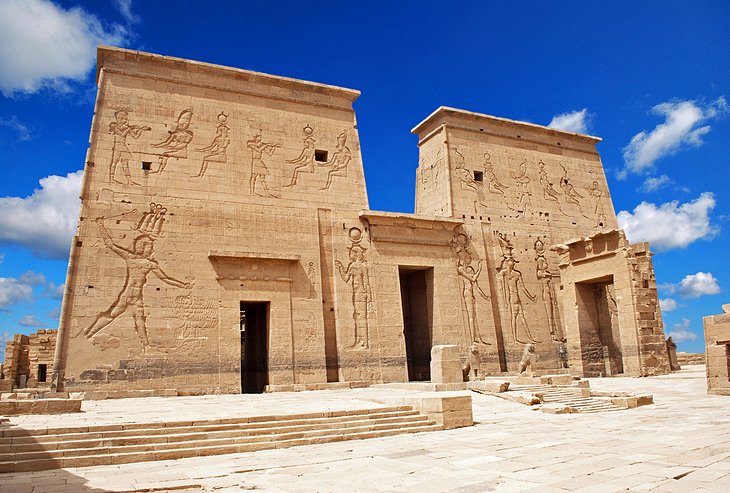
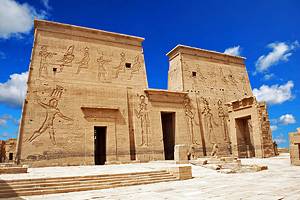
The sacred Temple of Isis (more commonly known as Philae Temple) is one of Upper Egypt's most beguiling monuments both for the exquisite artistry of its reliefs and for the gorgeous symmetry of its architecture, which made it a favorite subject of Victorian painters.
Like Abu Simbel, the temple was saved by the rising waters of Lake Nasser by UNESCO's rescue project and moved lock-stock-and-barrel from its original home on Philae Island to nearby (higher) Agilika Island where it sits today.
The Temple of Isis, a center for the ancient cult of Isis, is the main part of the Philae Temple complex, but the island is also home to the Temple of Hathor, the Kiosk of Trajan, and various other buildings from the Roman and Byzantine periods.
You reach the island and its temple complex by boat, giving you plenty of Nile views on the approach and return journeys.
Philae's ticket office and the pier are eight kilometers south of Aswan. Return taxi trips can be easily arranged in Aswan, although most people arrive here as part of an Abu Simbel day trip tour.
5. The Unfinished Obelisk
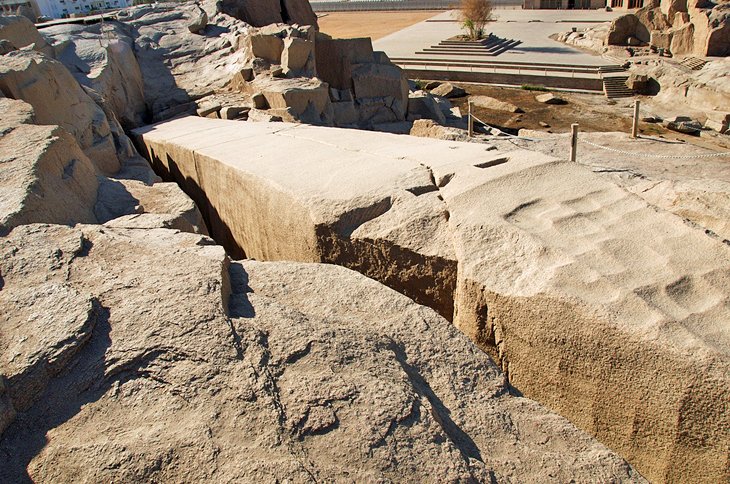
Aswan's Northern Quarry is home to the famous Unfinished Obelisk–a 41-meter-long and four-meter-wide chunk of stone that was probably abandoned because of a crack in the rock.
It's estimated that if completed, the obelisk would have weighed 1,168 tons and would have been the largest ever hewn.
On the surrounding rock faces, you can also see the many traces of the work of ancient stonecutters. The blocks here would have been detached from the rock by boring holes along a prescribed line, driving wedges into these, and then soaking the wedges with water to detach the block.
You can easily walk to the Northern Quarry area from Aswan's downtown area. It is just east of the Fatimid Cemetery and the Nubian Museum.
Address: Dr Abd Al-Raby Hanafy Street
6. Monastery of St. Simeon
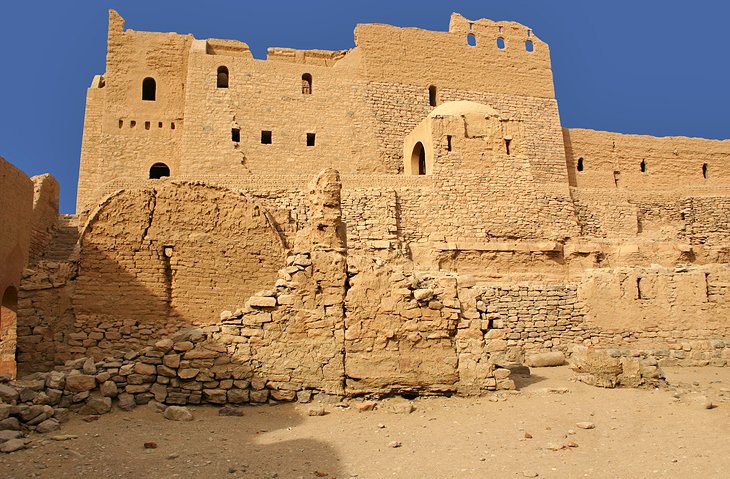
The gloriously photogenic Monastery of St. Simeon sits between the sand dunes on the Nile's West Bank.
Founded in the 7th century CE and finally abandoned in the 13th century CE due to water shortages, it's one of the largest and best preserved Coptic monasteries in Egypt.
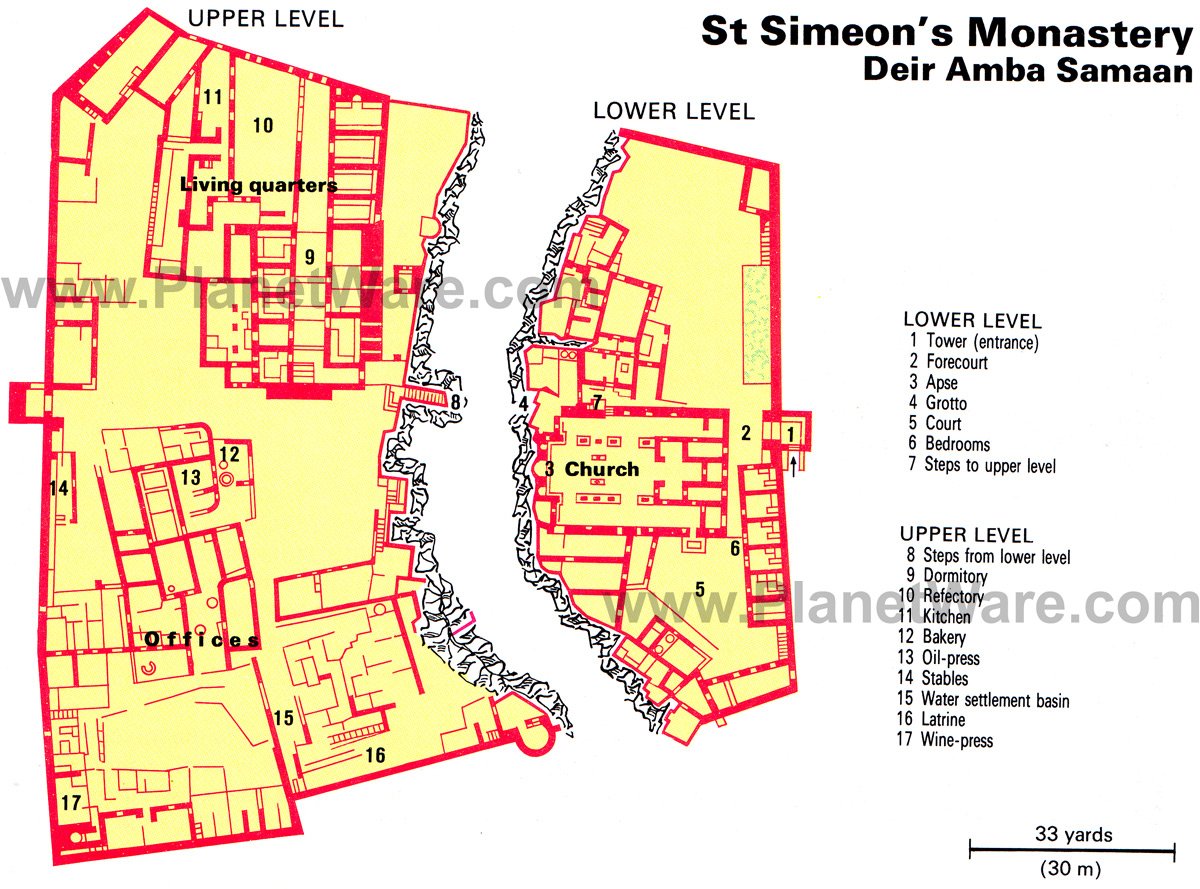
Inside the monastery courtyard, an aisled basilica takes up the southern side of the monastery.
At the east end of the wide nave, once covered by two domes, is the large apse, with three rectangular niches under semi domes. In the central niche are the remains of a fresco depicting Christ enthroned between angels.
To the north and west of the church are various subsidiary buildings and small grottoes, while the eastern side is made up of living quarters.
Upstairs, you will find some more well-preserved barrel-vaulted living quarters, including the monk cells, with brick beds and Coptic and Arabic inscriptions upon the walls.
Standing on the monastery's fortified walls, overlooking the undulating dunes, gives some sense of the isolation the monks who lived here must have faced.
Today, you can hire a boat or felucca to take you to the monastery boat landing and then either hike or take a camel ride (30 minutes) into the sand to get here.
7. Camel Trek on Aswan's West Bank
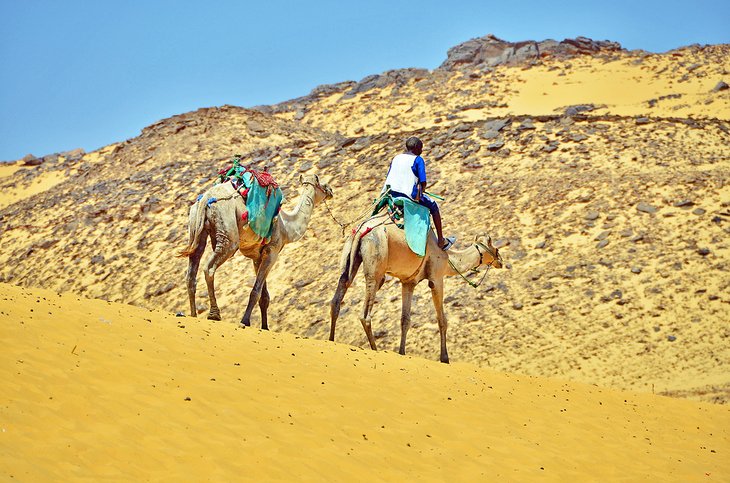
Camel-trekking is a scenic way to travel between the Tombs of the Nobles and the Monastery of St. Simeon on Aswan's West Bank.
The trek, across the desert plain and backed by golden sand dunes, reveals the harsh desert environment that edges the Nile's narrow strip of lush farmland.
Camels can be hired near the ferry landing at the Tombs of the Nobles. The journey to the monastery takes around one hour.
This camel trek is best done earlier in the morning so that you're not riding during the worst of the day's heat.
For a shorter camel ride, there are also camels for hire at the felucca landing-pier near the monastery.
8. Climb up to the Tombs of the Nobles
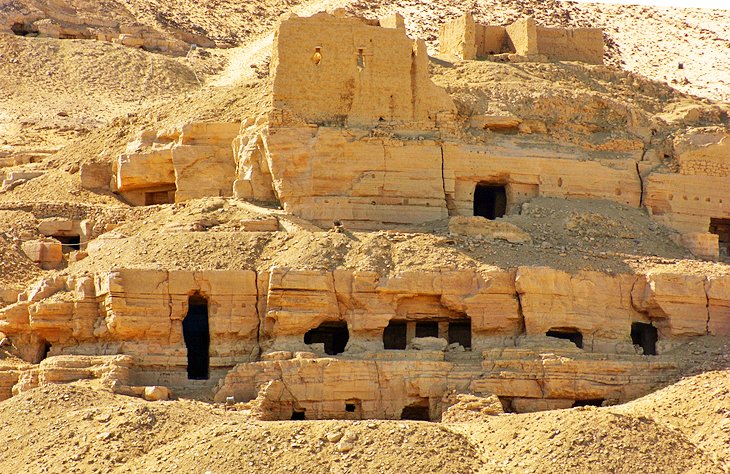
This series of rock tombs chiseled out of the West Bank's cliffs were where Elephantine Island's governors, priests, and other grandees were buried during the Old and Middle Kingdoms.
They're accessed by a series of steep staircases just to the left of Gharb Aswan's boat landing.
The first tombs you enter are Tombs 25 & 26 where 6th dynasty governors Mekhu and Sabni were buried. The artistry in both is somewhat simple and roughly worked.
Up the path to the right is Tomb 31, belonging to Prince Sarenput II, a contemporary of King Amenemhet II of the 12th dynasty. This is one of the largest and best preserved tombs in the necropolis.
Beyond the tomb chamber is a small corridor with three niches on either side. Look to the left of the first niche to see a figure of the dead man and his son with excellently preserved colors.
Tomb 34 (Harhuf's tomb) contains inscriptions recording successful trading expeditions in Nubia.
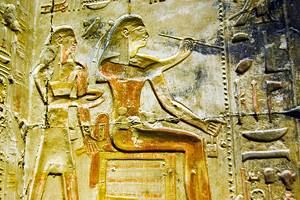
A flight of steps from here leads up to the Tomb of Setka (First Intermediate Period), which has badly damaged wall paintings that still have astonishingly vivid colors and are among the few surviving examples of the decorative art of this period.
9. Felucca to Aswan Botanical Gardens
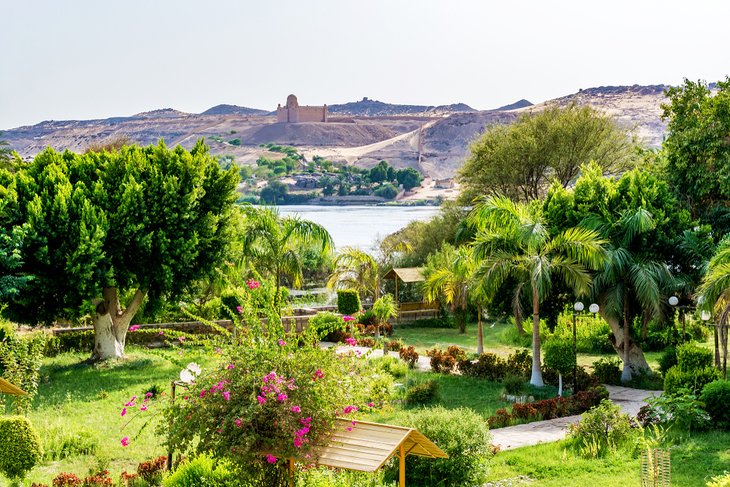
Often included on sightseeing felucca trips, Aswan Botanical Gardens cover a small six-hectare island (often referred to as Kitchener's Island) just west of Elephantine Island.
The island was once the property of Lord Kitchener who transformed it into a verdant garden of exotic plants from Asia and Africa.
It's a little scruffy in parts these days, but is still a great place to come for a relaxing stroll amid mature trees and lush greenery, with plenty of bird-spotting opportunities in the late afternoon.
It's a popular spot for local picnickers on the Egyptian weekend, so if you're looking for a quieter experience, avoid Fridays and Saturdays.
10. Indulge in High Tea at the Old Cataract Hotel
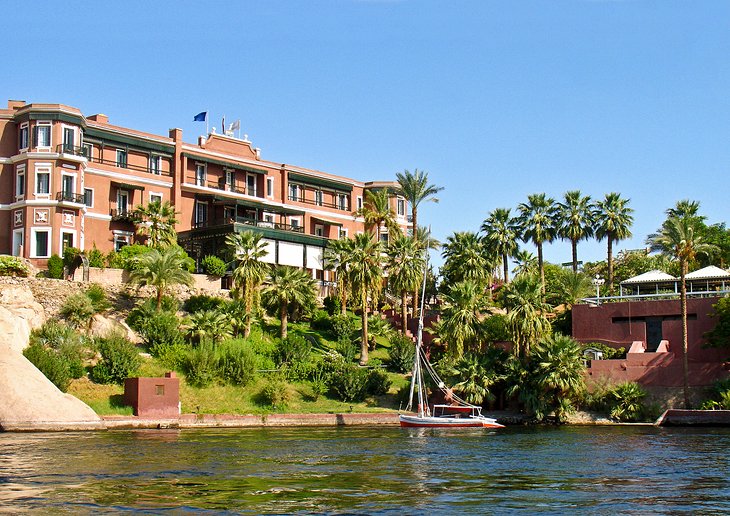
The ornate façade and lush gardens surrounding the Sofitel Legend Old Cataract Aswan (the Old Cataract Hotel) are one of Aswan's major river bank landmarks, and impossible to miss if you're taking a sightseeing sailing trip around Aswan aboard a felucca.
The Sofitel Legend Old Cataract Aswan's biggest claim to fame is that Agatha Christie wrote part of Death on the Nile while staying here, and the hotel was also featured in the movie based on the novel.
If you want to do an "Agatha" but don't have the money to stay here, the hotel's terrace is the de rigueur place to have high tea in town.
Drinking tea while feasting on a very English selection of scones and sandwiches, and basking in the stunning views across the Nile to Elephantine Island and the sand dunes of the West Bank beyond, is about as close as you'll get to the great lady herself.
Address: Al-Fanadek Street
11. Nubian Museum
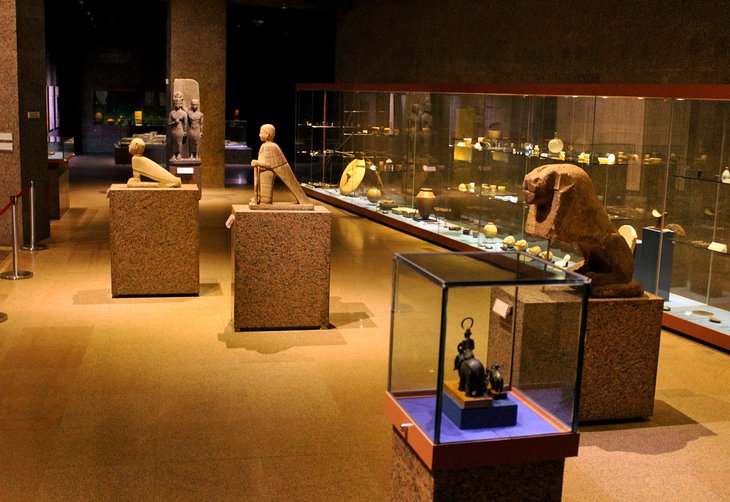
Aswan's rather fantastic Nubian Museum is one of Egypt's best and a must for anyone interested in the history and culture of both ancient and modern Nubia.
It documents the riches of a culture that was all but washed away with the building of the Aswan Dam and creation of Lake Nasser.
There is an excellent collection of artifacts from the Kingdom of Kush (ancient Nubia) and plenty of wonderful black-and-white photos of UNESCO's incredible project to save Philae Temple and Abu Simbel from the rising waters of the dam (along with extensive photographs of the huge range of other monuments that are now lost forever under the lake's waters).
The artifacts in the museum collection include a statue of Ramses II, a statue of Amenras, the head of the Shpatka, and the black granite head of Tahraqa.
As well as thoroughly explaining the history of Nubia and its people, the ethnographic section displays gorgeous Nubian handicrafts and folk art.
Don't miss the slumping mud-brick mausoleums of Aswan's Fatimid Cemetery just behind the Nubian Museum. The cemetery caretakers are happy to take visitors on a tour, and can point out the most interesting mausoleums for you. Don't forget to leave them a small tip.
Address: El Sadat Road
12. Day Trip to the Temple of Kom Ombo
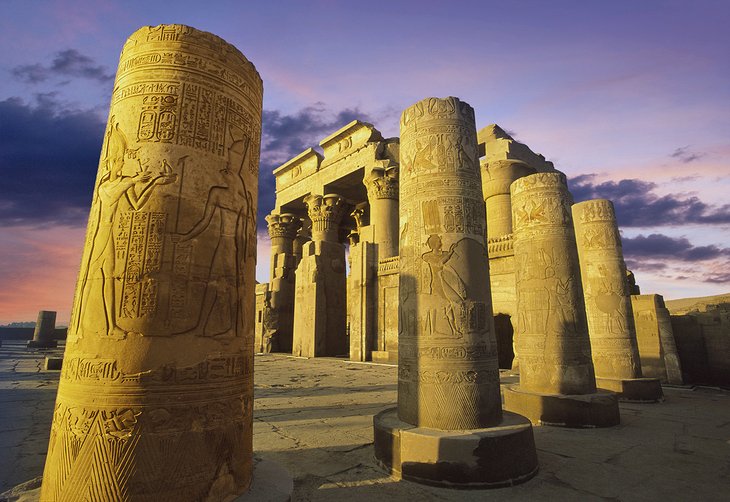
The most famous section of the Nile is the part of the river running north from Aswan to Luxor, with its scatter of pharaonic temples along the palm-studded river banks.
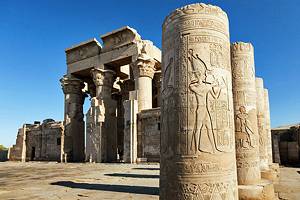
The nearest Nile-side temple to Aswan is the Temple of Kom Ombo, 47 kilometers to the north.
Built during the Ptolemaic era, the Temple of Kom Ombo is notable for its excellent state of preservation, thanks to its relative youth, and for the dazzling stone relief work inside.
If you're not jumping on a Nile cruise at Aswan (and hence will be visiting Kombo Ombo Temple as part of your itinerary) then a day trip here is easily arranged from town.
13. Aswan High Dam
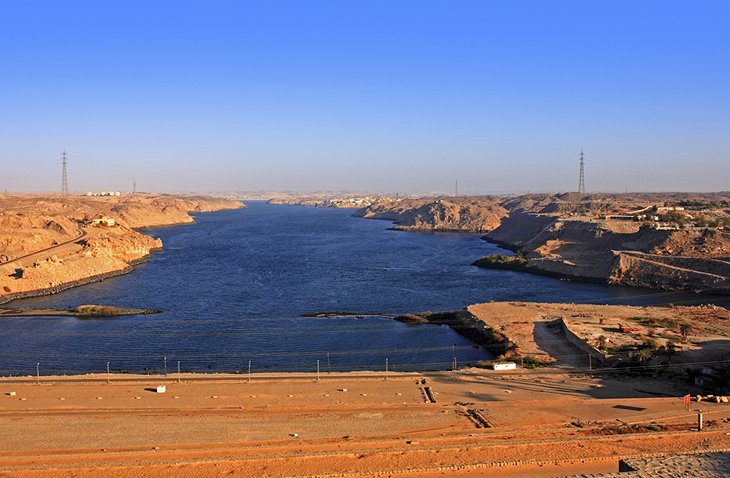
Aswan's High Dam is modern Egypt's most lauded and yet controversial building project.
Begun in 1960 and taking 11 years to complete, the dam was President Nasser's pet project and greatest achievement, and was achieved through funding and technical help from the Soviet Union.
The High Dam has some staggering statistics.
Its building took 42.7 billion cubic meters of stone (17 times the volume of the Pyramid of Cheops) with its total length being 3.6 kilometers.
It is 980 meters thick at the base and 40 meters at the top. The average capacity of the dam's reservoir (Lake Nasser) is 135 billion cubic meters with a maximum capacity of 157 billion cubic meters.
The dam brought fantastic benefits to the country, allowing sustainable electricity across the country and increasing the amount of arable land in Egypt.
However, it also put an end to the annual Nile flood, which fertilized farmer fields with its rich silt deposits, and the creation of Lake Nasser (the world's largest artificial lake) wiped away much of Upper Egypt's vast heritage as the waters rose.
A four-lane highway runs across the top of the dam where there is a triumphal arch and an inscription commemorating the completion and the cooperation between Egypt and the Soviet Union to build it.
Trips to the Aswan High Dam are often included on day trips to Abu Simbel, or you can easily hire a taxi to get here.
14. Visit the Lake Nasser Temples of Kalabsha
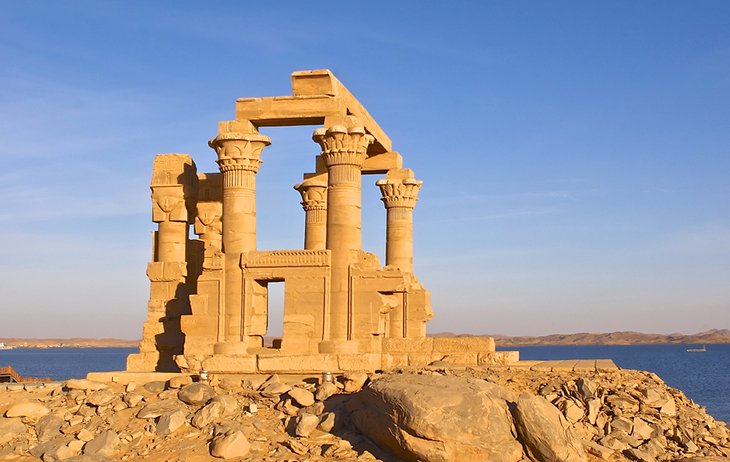
This group of temples were all saved from a watery end by UNESCO's rescue project, and now sit on the banks of Lake Nasser.
Kalabsha Temple is the best preserved of the three temples here and also the youngest, dating from the time of Roman Emperor Augustus.
The most imposing monument in Nubia after the Temple of Abu Simbel, it was built on the site of an earlier temple founded by Amenhotep II and re-founded during the Ptolemaic Dynasty.
The decoration was never completed, and the reliefs that do exist are crudely executed. During the Byzantine era, the temple was converted into a church.
Just to the northwest is the Temple of Beit el-Wali ("House of the Holy Man") built by Ramses II and consisting of a vestibule, transverse chamber, and sanctuary.
There are lively historical reliefs throughout the interior depicting many of Ramses II's battles and triumphs, including the king's triumph over the Kushites and his wars with the Syrians and Libyans.
Tiny Kertassi Temple sits just to the north and has two Hathor columns at the entrance and four other columns with elaborate floral capitals.
Taxis to Kalabsha can be easily hired in Aswan, and a trip here is best combined with a visit to Philae.
15. Aga Khan Mausoleum
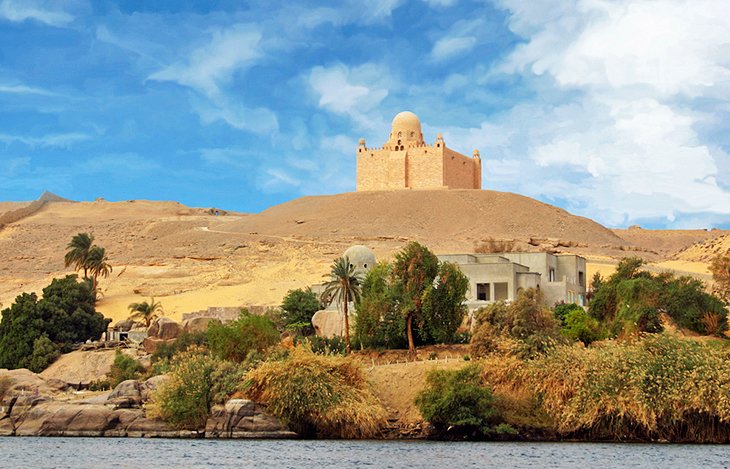
Presiding prominently atop the West Bank's cliff, the Aga Khan Mausoleum was built to hold the tomb of Sir Sultan Muhammad Shah (1877-1957), leader of the Shi'a Islam Nizari Ismaili sect.
He is chiefly remembered for his various charitable acts, setting up educational and medical institutions throughout Africa and Asia, as well as for the influential role he played in discussions about the partition of India.
Although born in Karachi (then part of India under British colonial rule), the Aga Khan often summered with his family in Aswan and so had a deep connection to this part of Egypt.
You can't visit the actual mausoleum, but you're sure to spot it sitting high above the Nile's bank.
16. Western Quarry (Gebal Simaan)
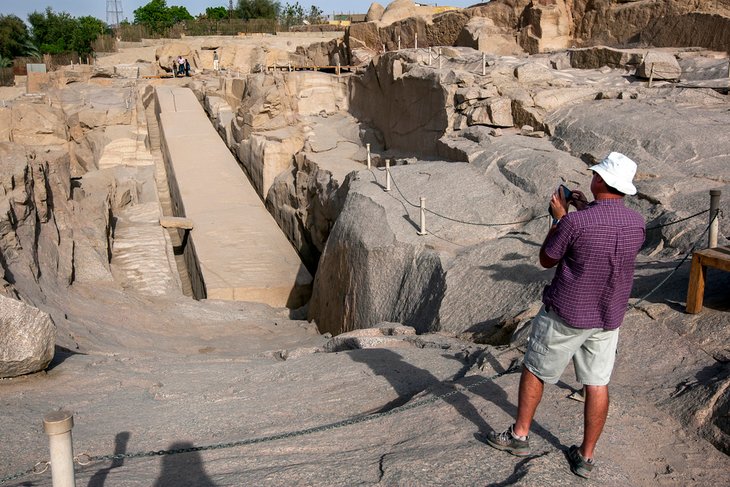
For archaeology fiends, Aswan's Western Quarry makes an interesting trip.
It was from here that much of Ancient Egypt's most recognizable statuary began their lives; chiseled out of the hillside of Aswan granite. Archaeologists think that Luxor's mammoth Colossi of Memnon come from this quarry.
Today, you can still see the tracks where huge blocks of stone were dragged to the river for their journey down the Nile to grace the temples of the pharaohs.
There are no roads here, so if you're up for a camel adventure, a visit here is also plenty of fun.
Camel drivers can be hired at the Gharb Aswan boat landing, and the trek takes about 30 minutes.
17. Shop in Aswan Souq
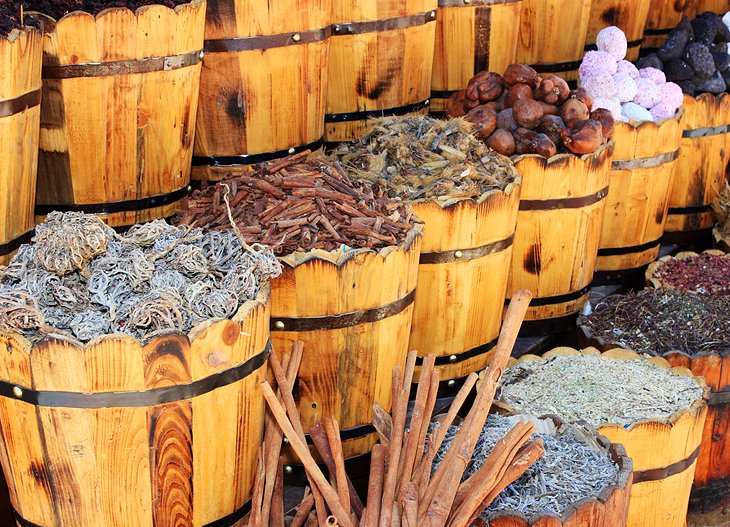
Slap in the center of Aswan's downtown district, Sharia el-Souk is a souvenir-hunter's dream.
The stalls brim with spices and perfumes galore, traditional galebeyas (long robes) and scarves in rainbow hues, basketry, and silverware.
It's a fun place to browse and–for the most part–free from the vendor hustle that you get in other parts of Egypt.
Look out particularly for Nubian jewelry and needlework, which showcase the distinctly different culture of Upper Egypt's people.
And if you've become addicted to the refreshing local karkadai drink, keep your eyes peeled for buckets of the dark-red dried karkadai (hibiscus) petals that you can buy by weight to recreate the drink back home.
18. Wadi al-Subua
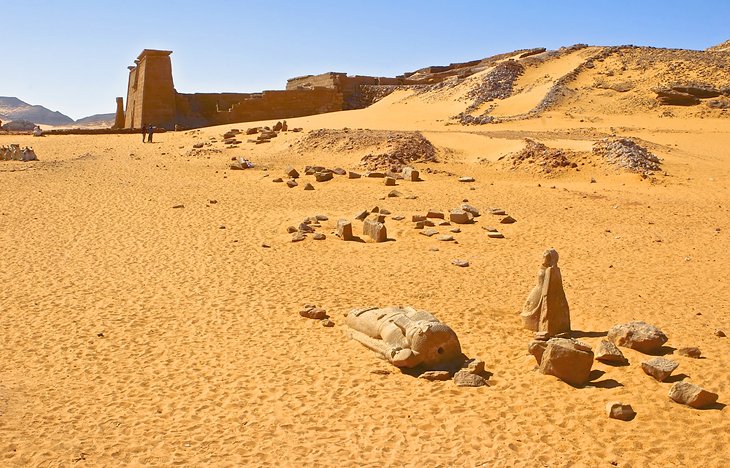
Wadi al-Subua's main tourist attraction is the bulky Temple of Ramses II, which contains some excellent statuary and a lovely melding of ancient Egyptian reliefs and later Byzantine Christian paintings (the temple was used as a church during the early Christian period).
As with Philae, Abu Simbel, and the other temples in the Lake Nasser area, Wadi al-Subua's monuments are only able to be viewed today thanks to the UNESCO project that saved them from the rising waters of the Aswan High Dam.
Wadi al-Subua is 211 kilometers south of Aswan, on the western shore of Lake Nasser. Nearby, there are two other temples worthy of a visit if you've come all this way.
At the Temple of Dakka you can climb to the top of the gateway for astounding views over the desert setting, while at the Temple of Maharaqa you can also scramble up the flaking staircase to the roof.
Where to Stay in Aswan for Sightseeing
Luxury Hotels:
- The historical Sofitel Legend Old Cataract Aswan, where Agatha Christie once stayed, is Egypt's most famous hotel. This is five-star luxury imbued with old-world charm, with Nile views looking towards Elephantine Island and manicured gardens with a great pool area for cooling off.
Mid-Range Hotels:
- For travelers who like to be smack in the middle of town, Philae Hotel is a friendly and comfortable choice. Rooms overlook the Nile, and for traveling families there is apartment accommodation with kitchens.
- For resort-living, Pyramisa Isis Island Resort & Spa is set within lush tropical gardens on a private island. The huge swimming pools are a good choice for relaxing family time and there are free ferry shuttles into town for when you want to go exploring.
Budget Hotels:
- Bet Al Kerem on the west bank of the Nile, easily connected to town by a regular local ferry, is a family-run bed-and-breakfast, with cozy rooms, a roof terrace with panoramic river views, and a pretty garden.
Tips and Tours: How to Make the Most of Your Visit to Aswan
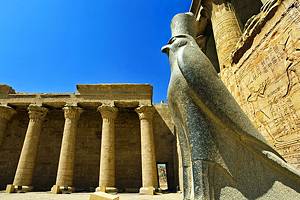
- Nile Cruise: For day trips from Aswan, Abu Simbel remains the most popular option, with every hotel in town offering group trips, usually by minibus, to these famed temples built by Ramses II. Many tourists visit Aswan itself as part of a Nile Cruise tour between Luxor and Aswan, with options to either start or end in the town. This four-day, three-night Nile Cruise starts from Aswan and includes entrance and guided tours of Philae Temple, Edfu's Temple of Horus, Kom Ombo Temple, Karnak Temple, and Luxor Temple; three nights accommodation; and transport on a five-star rated cruise ship with all meals.
- When to Go: Aswan boils from June to September. Avoid visiting at this time if at all possible.
Aswan, Egypt - Climate Chart
| Average minimum and maximum temperatures for Aswan, Egypt in °C | |||||||||||
| J | F | M | A | M | J | J | A | S | O | N | D |
| 21 11 | 23 13 | 28 16 | 33 22 | 37 25 | 39 27 | 39 28 | 39 28 | 37 26 | 34 23 | 27 17 | 22 13 |
| PlanetWare.com | |||||||||||
| Average minimum and maximum temperatures for Aswan, Egypt in °F | |||||||||||
| J | F | M | A | M | J | J | A | S | O | N | D |
| 70 52 | 74 55 | 82 61 | 92 72 | 99 77 | 103 81 | 103 83 | 102 82 | 99 79 | 93 74 | 80 63 | 72 55 |
| PlanetWare.com | |||||||||||
More Related Articles on PlanetWare.com
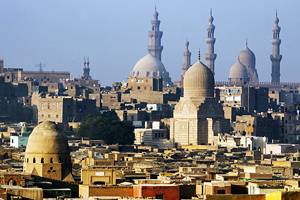
City Sightseeing: Aswan is Egypt's most southerly city and its most laid-back. Egypt's other major centers are much more bustling and chaotic. Luxor is the most important city to check out if your visit is all about Ancient Egypt's temples and tombs; Alexandria is imbued with the creaky ambience of Egypt's Belle Epoque period; and Cairo is the bursting-to-the-seams capital, packed with historic buildings and with the Giza Pyramids on its doorsteps.
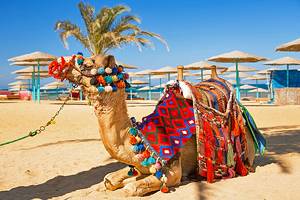
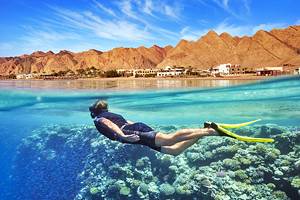
Head to the Beach: If you need a break from all the temples, tombs, and ruins, head to the Red Sea Coast or Sinai for world-class diving and plenty of sandy coastline. Hurghada on the Red Sea Coast and Sharm el-Sheikh in the Sinai are the two main centers.