22 Top-Rated Tourist Attractions in Budapest
Budapest, the capital of Hungary, is considered by many to be the "Paris of the East." Not only is this beautiful city one of the most culturally important metropolises in Eastern Europe, it's also home to numerous UNESCO World Heritage Sites.
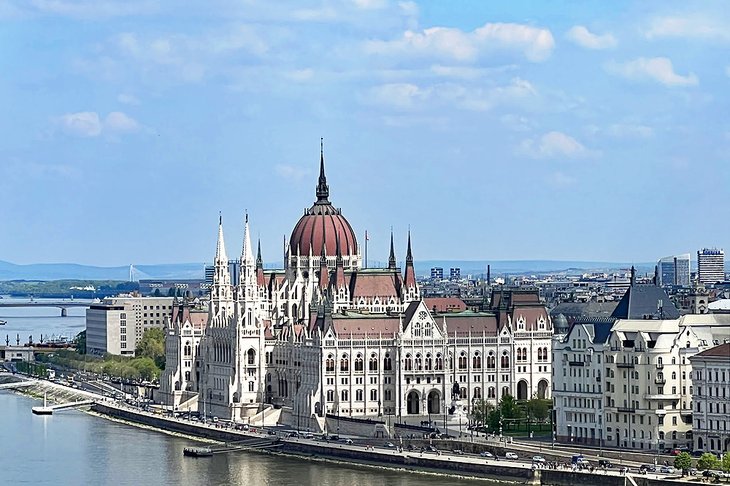
Straddling the River Danube, Budapest is famous for its thermal springs, some of which have been used for therapeutic purposes since prehistory. In fact, Budapest has so many things to do that you'll want to spend at least a few days exploring this dynamic city. Popular attractions range from impressive architecture and poignant reminders of 20th-century history to its vibrant cultural and entertainment scene, with everything from street buskers to classical concerts in beautiful churches.
Budapest is also a shopper's paradise, from the traditional wares and foodstuffs available at the grand old Central Market Hall to Vaci Street, noted for its mix of luxury boutique stores and big brand names.
Whatever your sightseeing preferences, get the most out of your Hungary travel itinerary with our guide to the top tourist attractions in Budapest, Hungary.
- 1. Buda Castle & Castle Hill
- 2. Hungarian Parliament Building & Crown Jewels
- 3. St. Stephen's Basilica
- 4. Fisherman's Bastion
- 5. The Danube Promenade
- 6. Matthias Church (Church of Our Lady)
- 7. Exploring Gellért Hill
- 8. Central Market Hall
- 9. The Museum of Fine Arts
- 10. Heroes' Square and the Millennium Monument
- 11. Széchenyi Thermal Bath
- 12. Hungarian State Opera House
- 13. Budapest Zoo & Botanical Garden
- 14. Hospital in the Rock Nuclear Bunker Museum
- 15. The University Church
- 16. Hungarian National Museum
- 17. City Park (Városliget)
- 18. Margaret Island
- 19. Gellért Spa
- 20. Labyrinth of Buda Castle
- 21. Ferris Wheel of Budapest
- 22. The Garden of Philosophers
- Where to Stay in Budapest for Sightseeing
- Tips and Tours: How to Make the Most of Your Visit to Budapest
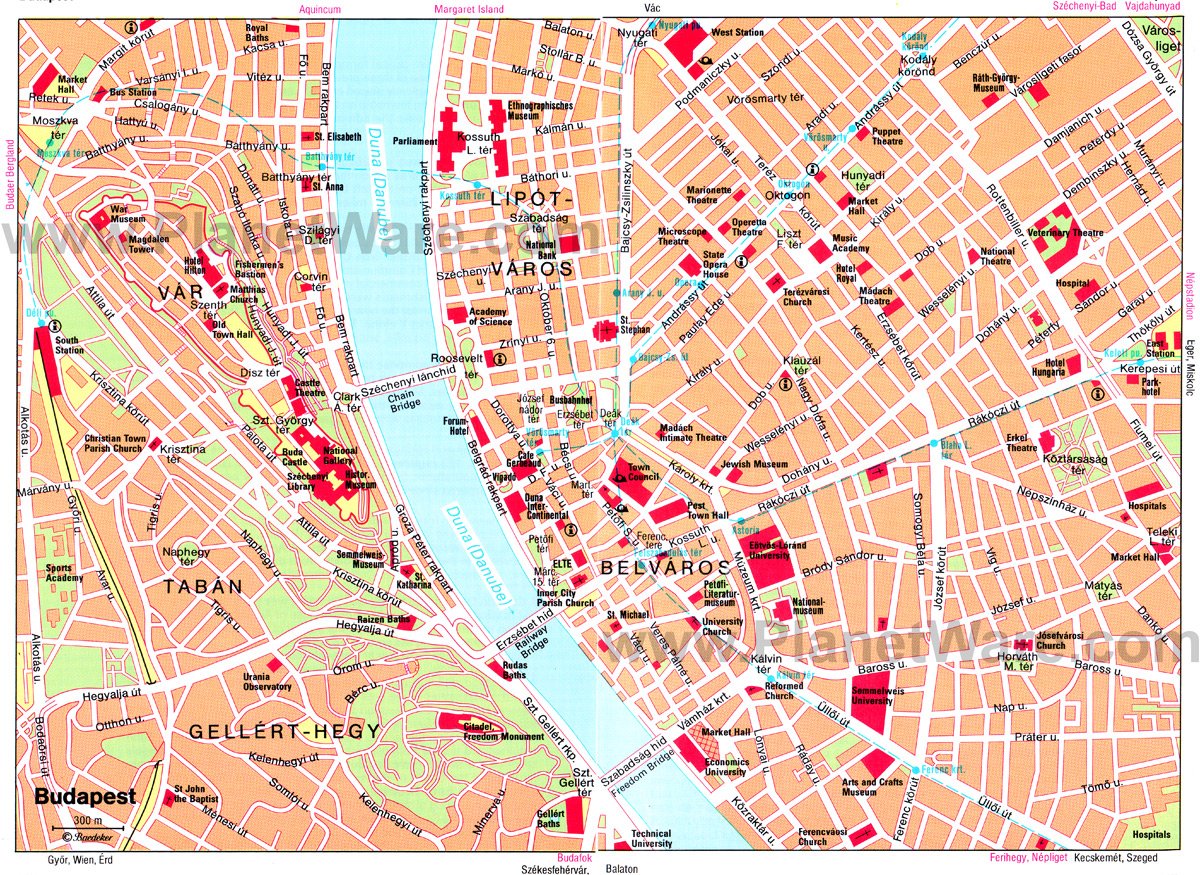
- Map of Tourist Attractions in Budapest
- Budapest, Hungary - Climate Chart
- More Must-See Destinations near Budapest
1. Buda Castle & Castle Hill
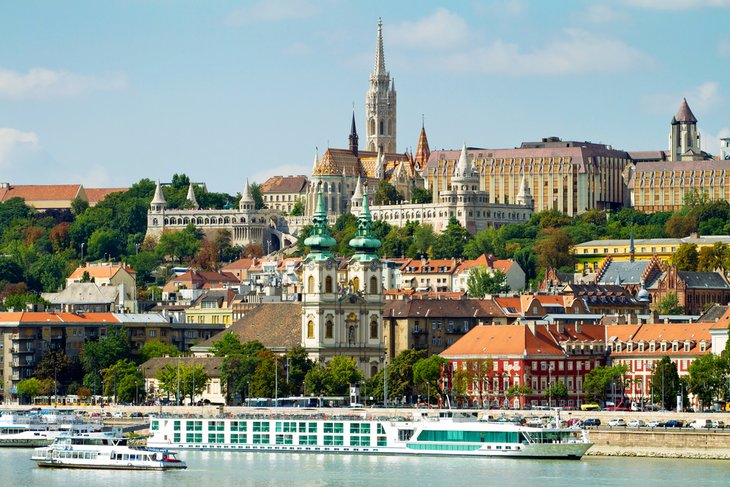
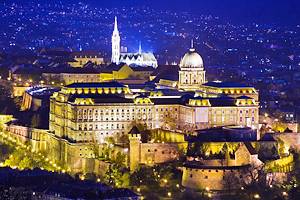
Towering over the Danube, Budapest's Castle Hill (Várhegy) contains many of the city's most important medieval monuments and museums. Topping the list of these impressive structures is the 18th-century Buda Castle (Budavári Palota), a massive 200-room palace that replaced a 13th-century castle built to protect the stronghold from Mongol and Tartar attacks.
Although badly damaged in World War II, much of the exterior has been restored, along with sections of the interior, which now houses a number of important museums. These include the Hungarian National Gallery in the main wing, while in the south wing, the Budapest History Museum occupies four floors.
In front of the castle, overlooking the Danube, stands a bronze equestrian statue of Prince Eugene of Savoy, a hero of Turkish attacks on the city. Castle Hill is worth exploring for its medieval lanes and it Romanesque, Gothic, and Baroque architecture. This entire historic complex is a UNESCO World Heritage Site.
Like much of the city, Buda Castle is spectacularly illuminated at night, and the castle courtyards remain open 24 hours a day. You can reach the castle on the restored historic Castle Funicular Railway, which departs from the Buda end of the Chain Bridge.
Address: 1014 Budapest, Szent György tér 2
2. Hungarian Parliament Building & Crown Jewels
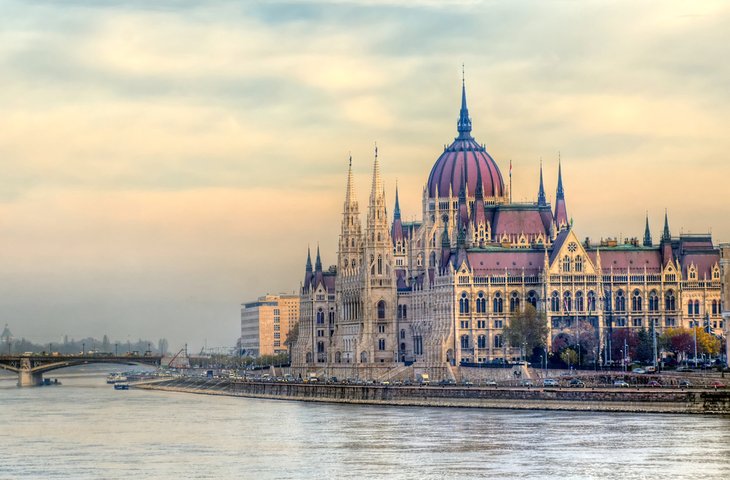
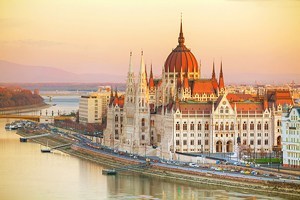
A highlight of a walk around Budapest's lovely pedestrian-friendly cobbled streets is the area around the country's architecturally pleasing Parliament building (Országház). Along with its neighbors, the Museum of Ethnography and the Ministry of Agriculture, it's perhaps one of the city's most attractive quarters architecturally.
The world's third largest parliament building, this Neo-Gothic building was inaugurated in 1886 to mark the country's 1,000th anniversary. (Hungary was then part of the Austro-Hungarian Empire.) This impressive structure boasts 691 rooms, as well as an impressive 19 kilometers of corridors and stairs.
Guided tours last approximately 45 minutes and are available whenever the government is not sitting, and include many of the building's highlights, such as the main entrance hall, various lobbies, and the Hungarian Crown Jewels. Most tickets sell out a week in advance, so make your reservations as early as possible.
Address: 1055 Budapest, Kossuth Lajos tér 1-3
Official site: http://hungarianparliament.com/tours/
3. St. Stephen's Basilica
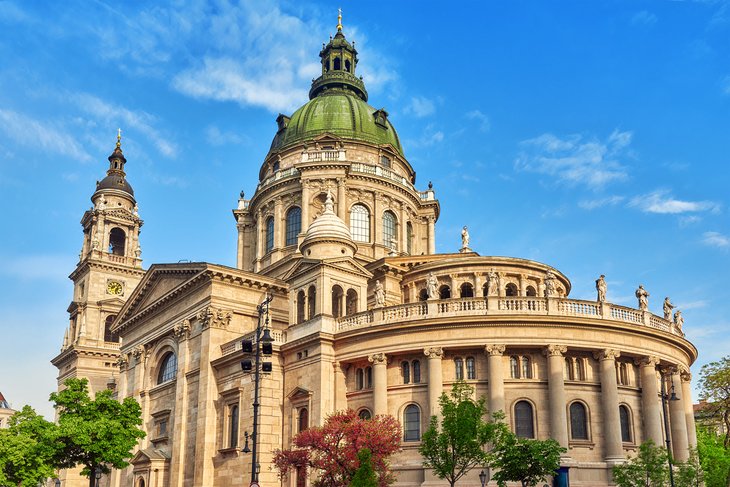
Budapest's St. Stephen's Basilica (Szent István-bazilika) is a popular attraction for its impressive architecture, the beauty of its interior, and the panoramic views from its dome. The cathedral is dedicated to St. Stephen, Hungary's holy king and the founder of the Hungarian state, and construction began in 1851, but after several construction setbacks—including the collapse of its unfinished dome—it was not dedicated until 1905.
The roof, towers, and external walls were badly damaged in World War II, and the church's precious mosaics fell from the walls. However, these were successfully restored to their original place and are the highlight of the richly decorated interior. The most impressive of these, the five-part Venetian mosaic is in the sanctuary and represents the allegories of the mass.
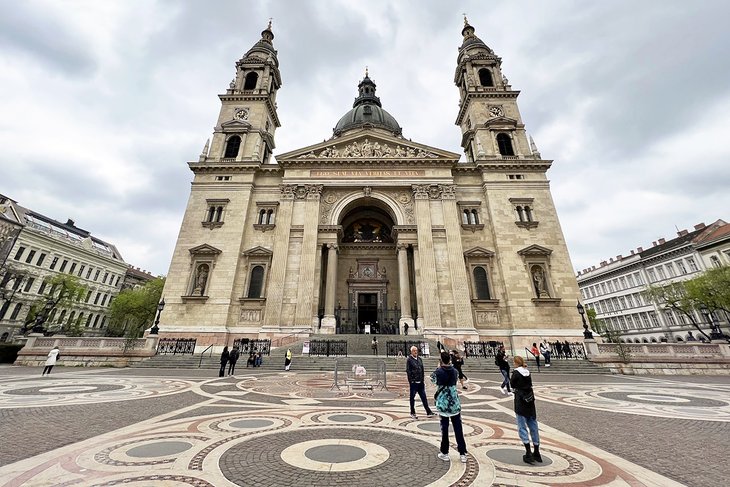
The cathedral's most precious holy relic, the mummified right hand of the church's patron saint, the first king of Hungary, is displayed under glass in the chapel to the left of the high altar.
One of the best things to do here, if time permits, is to take one of the two elevators that carry visitors up to the cupola for sweeping 360-degree views over the city and the Danube (alternatively, you can climb the 364 steps). Guided tours of the basilica are available on weekdays. Also, be sure to check the cathedral's website for details of one of its frequent organ and classical music concerts.
Address: 1051 Budapest, Szent István tér
Official site: http://en.bazilika.biz/
4. Fisherman's Bastion
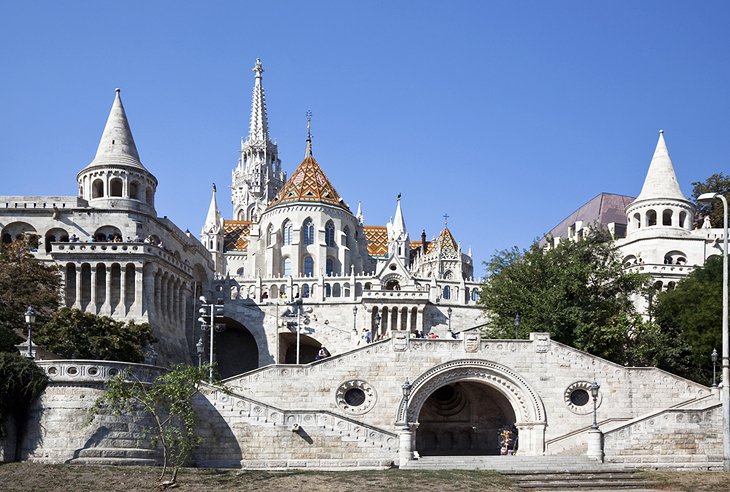
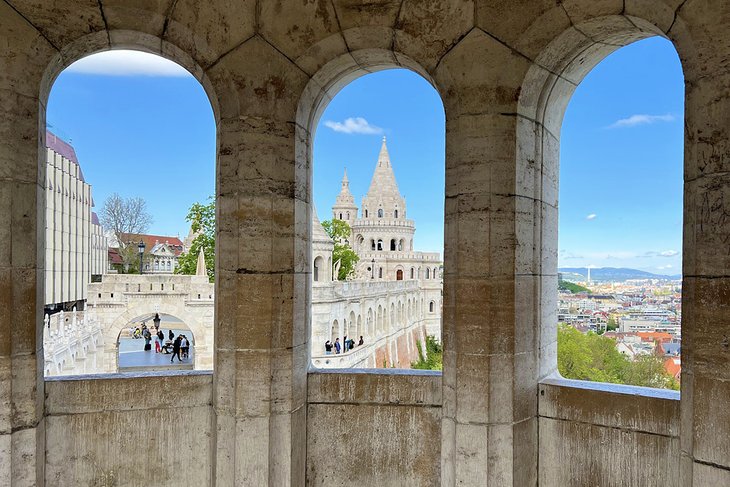
Overlooking the Danube, on the spot where the city's fishermen's guild built their defence walls in the Middle Ages, stands the impressive Fisherman's Bastion (Halászbástya). This exquisite collection of Neo-Romanesque towers, courtyards, colonnades, and walls was built between 1895 and 1902, and is one of the most popular points in the city for tourists, largely for its spectacular views over the city and the Danube.
While here, be sure to look for the bronze equestrian statue of St. Stephen, the first King of Hungary, in the south courtyard. The reliefs on the sides of the base depict scenes from Stephen's life, and make for an incredible selfie backdrop.
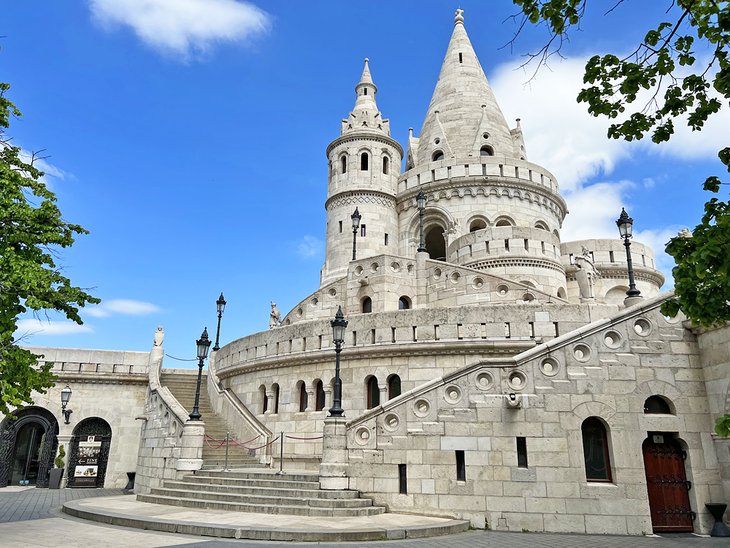
For more great photo ops, head to the upper towers or turrets. There's a small entry fee, but it helps reduce crowding on that part of the attraction.
Address: Szentháromság tér 5, Budapest
Official site: www.fishermansbastion.com
5. The Danube Promenade
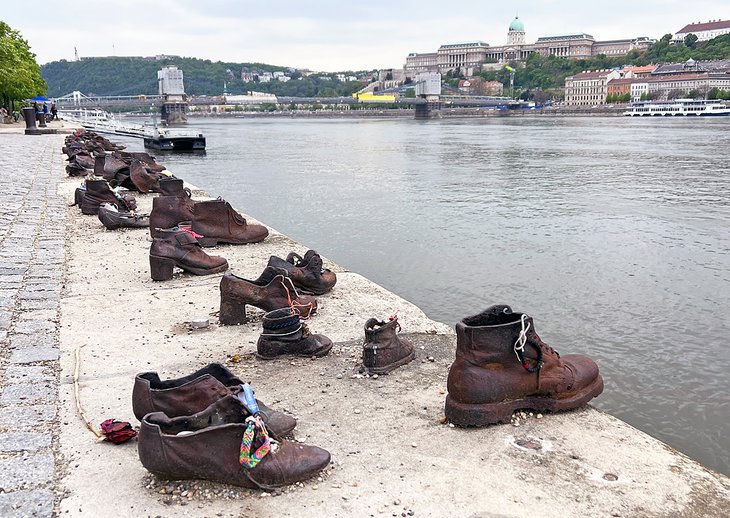
The Danube (or "Duna" in Hungarian) flows through Budapest from north to south, and in some places within city boundaries is as much as 640 meters wide. One of the top free things to do in Budapest is strolling along the Danube Promenade (Dunakorzó), a pleasant century-old riverside walk that extends between the Elisabeth and Széchenyi Chain Bridges.
Although there are many places from which to enjoy views of the majestic river as you stroll its banks (either the Buda or Pest sides, they're both good), the Danube Promenade is definitely one of the best vantage points to take in views of the city's stunning architecture.
It's also on the banks of the Danube (the northeast side, close to the Hungarian Parliament buildings) that you'll find the chilling Shoes on the Danube Bank memorial. It consists of a series of 60 pairs of steel sculpted shoes memorializing Jews shot here by the Nazis, and is a poignant and moving reminder of the Nazi atrocities suffered by Hungary in World War II.
Another great way to view the city is via a boat cruise along the Danube. Numerous tourist excursions depart regularly from the landing stages at Vigadó tér on the Pest bank and Bem József tér on the Buda bank, and are highly recommended. It's also fun watching these sturdy vessels from the historic Freedom Bridge as they whip down river only to have to struggle back against the current.
Alternatively, you could enjoy incredible views on a budget by taking a ride on the number 2 tram. Skirting the eastern bank of the Danube, it's considered to be one of the most beautiful tram lines in the world.
6. Matthias Church (Church of Our Lady)
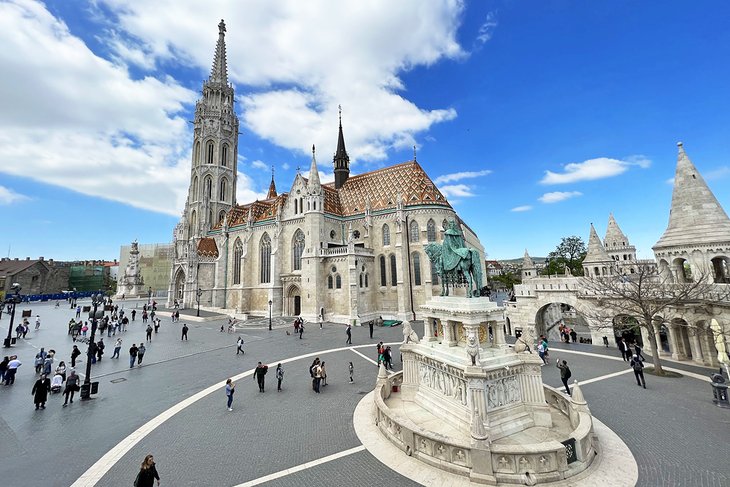
Matthias Church, also known as The Church of Our Lady (Nagyboldogasszony-templom), is a prominent landmark on Castle Hill. It was completed in 1269, and its magnificent south doorway with its relief depicting the Death of Mary was added in the 1300s.
During the Turkish occupation of 1541-1699, the church was used as a mosque, and was later renovated in the Baroque style. It has been the scene of several historic events, including the coronation of King Charles I of Hungary in 1309 and the coronation of Emperor Franz Joseph I of Austria and his consort Elisabeth (Sissy) as rulers of Hungary. It was for this event that Franz Liszt composed his coronation mass.
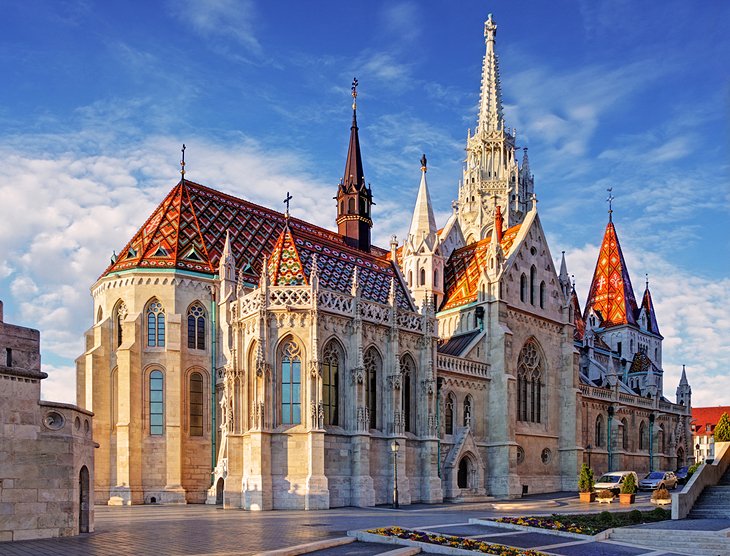
The free organ concerts held here on some Sunday evenings are well worth attending (check the website for specific dates).
Also worth checking out, the Ecclesiastical Art Museum is located on the church's medieval crypt and features a collection of sacred relics, stone carvings, and replicas of the Hungarian crown jewels.
Address: Szentháromság tér 2, Budapest
Official site: https://matyas-templom.hu/home
7. Exploring Gellért Hill
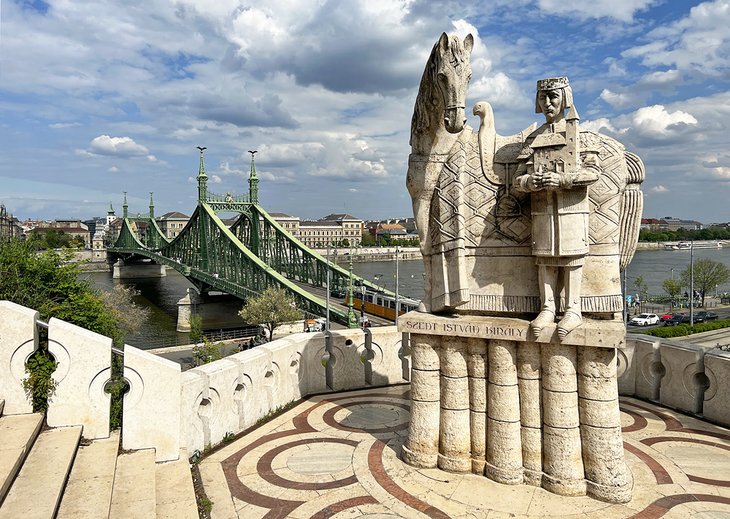
Another of Budapest's most striking features is the panoramic Gellért Hill (Gellért-hegy), a 235-meter block of dolomite that falls steeply down to the Danube. It's here along the hill's geological fault line that several of the city's most famous medicinal springs emerge to supply the Gellért Spa and Rudas Baths, which have lured visitors from far and wide since the 13th century.
The Rudas Baths are one of a handful of buildings remaining from the Turkish occupation, and are among the few original Turkish bathhouses in the world still in use that date back to the 1600s.
On the hill's northeast slope is the Gellért Monument, a tribute to Hungary's beloved famous saint, a Benedictine monk who died in 1046 and after whom the hill is named. Perched high above a man-made waterfall, it offers magnificent views over the city. The Citadel on the summit was built by the Austrians in 1851, and the Liberation Monument was erected in 1947 in memory of the Soviet soldiers who died fighting in WWII.
Finally, if you have energy left, take a stroll around Jubilee Park. Laid out to celebrate the 40th anniversary of the October Revolution, it's home to many charming walkways, beautiful flowerbeds, and sculptures.
8. Central Market Hall
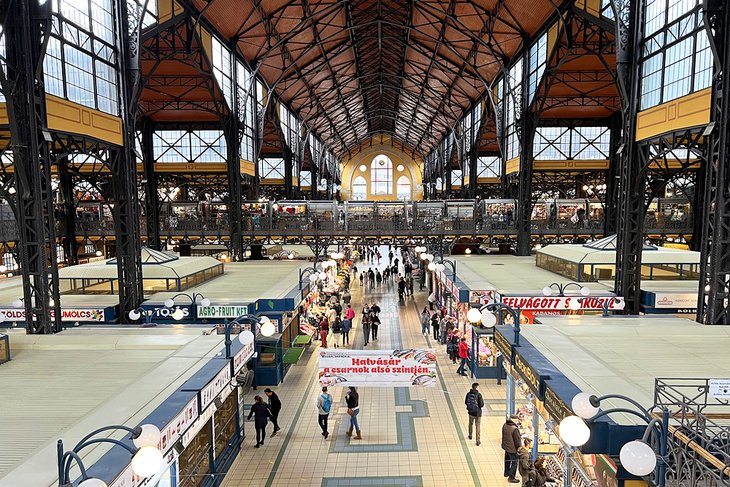
Located just across the Freedom Bridge from the Gellért Spa is Budapest's Central Market Hall (Nagyvásárcsarnok), also known as the Great Market Hall. You can't miss it for its central location and its roof of colorful Zsolnay tiles from the town of Pécs.
Built in 1897 and the largest and oldest of Budapest's many markets, it's as interesting to view from the inside as it is on the outside – particularly if you enjoy people watching. As cavernous as any major rail terminal in Europe, this popular indoor marketplace encompasses an area of over 10,000 square meters and is as popular with the locals as it is with tourists, here for the abundance of fresh produce, food stuffs, and other goods being traded across its many levels.
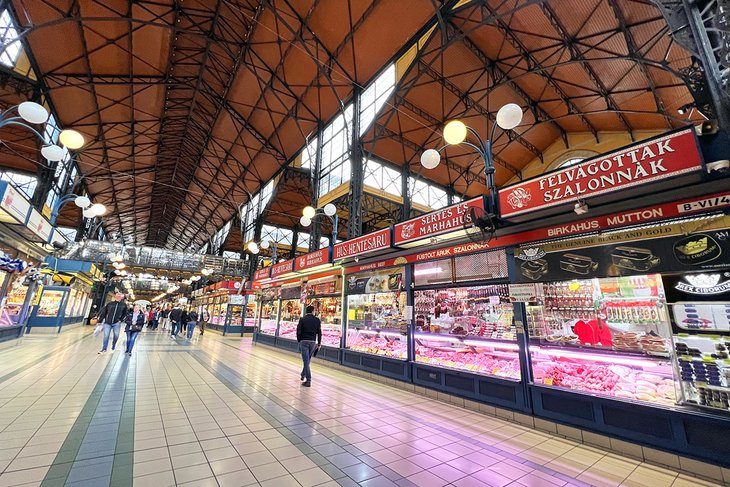
Feeling peckish? Grab a bite to eat from one of the vendors on the second mezzanine level, or a pastry and coffee on the go as you continue to explore. There, you can try typical Hungarian street food, like lángos, a delicious deep-fried dough smothered in sour cream, cheese, and your choice of veggie and meat toppings.
While Saturdays are naturally the busiest days at the market (it's closed on Sundays), you can avoid the larger crowds with a weekday visit. If you're an early riser, get here for early morning; it opens at 6am, when it's fun watching the vendors setting up and prepping their produce for sale.
Address: Budapest, Vámház krt. 1-3, 1093 Hungary
Official site: https://piaconline.hu/en/central-market-hall/
9. The Museum of Fine Arts
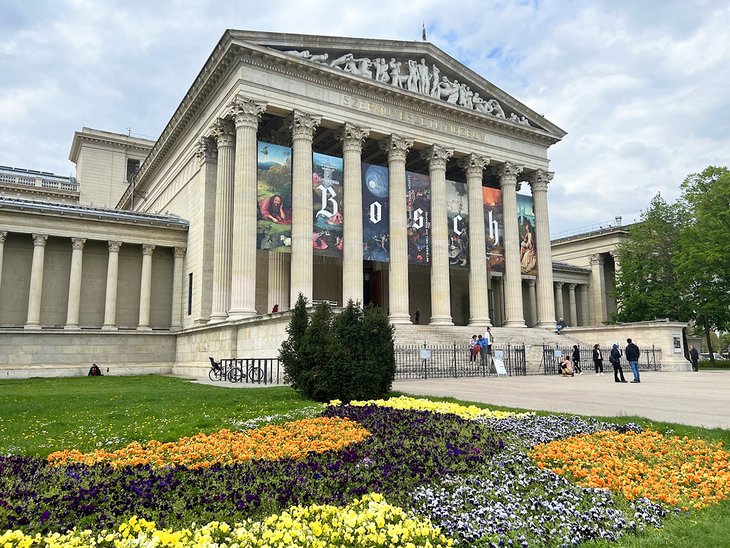
The Museum of Fine Arts (Szépmuvészeti Múzeum) is not only Budapest's most important art gallery, it houses one of the largest collections of works by the Old Masters to be found in Europe.
The extensive array of Italian, Spanish, and Dutch paintings are on display in a spectacular, classically influenced 19th century building with long rooms for the larger paintings, cabinets for smaller and more intimate items, together with architecturally interesting space such as the Renaissance Hall.
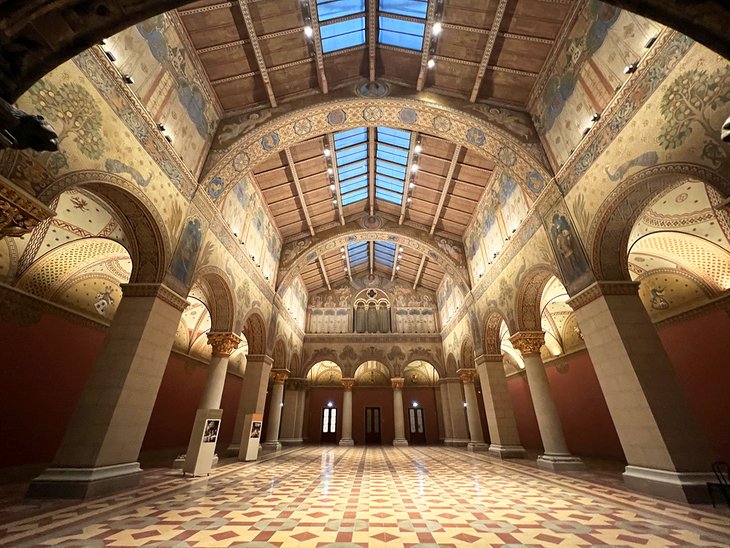
Established in 1870 after Hungary inherited a fine collection of paintings, drawings, and prints, the museum is divided into six excellent departments: Egyptian Art, Ancient Art, the Old Sculpture Gallery, the Old Painter Gallery, the Modern Collection, and the Graphics Collection.
The adjacent Palace of Art is the city's leading contemporary art museum and hosts many temporary exhibits, so be sure to check for current offerings. (Note that this is not to be confused with the Palace of Arts, a high-tech arts center that houses the Ludwig Museum, a contemporary art collection with works by Picasso, David Hockney and numerous Hungarian Masters.)
Address: 1146 Budapest, Dózsa György út 41
Official site: www.szepmuveszeti.hu/main
10. Heroes' Square and the Millennium Monument
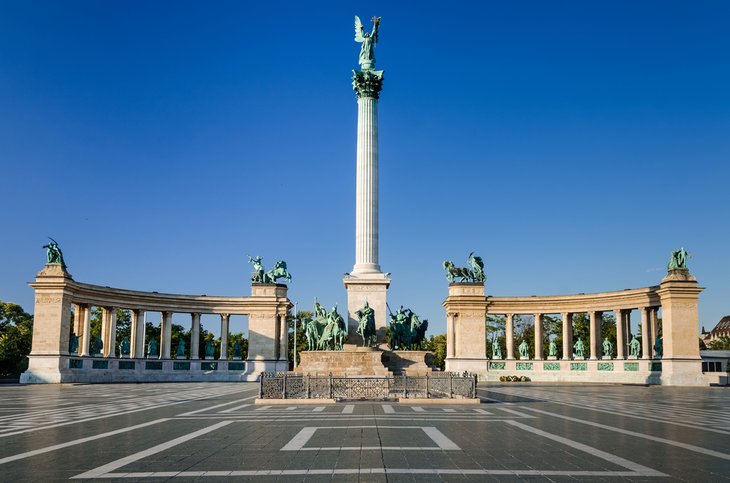
The impressive Heroes' Square (Hosök tere) was largely the work of architect Albert Schickedanz, who was also responsible for the huge Museum of Fine Arts that flanks this large open space.
Highlights include the Millennium Monument, a 36-meter column crowned by a figure of the Archangel Gabriel and unveiled in the late 19th century. Around the plinth can be seen a group of bronze horsemen representing the conquering Magyar Prince Árpád and six of his fellow warriors.
On either side of the column, colonnades extend in a semi-circle, and between the individual pillars stand statues of Hungarian rulers. Above the corner pillars are beautiful works in bronze by Zala.
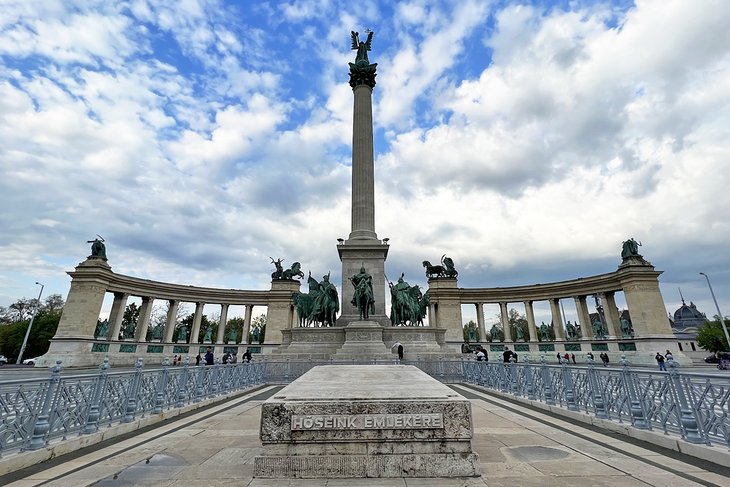
In front of the Millennium Monument stands a memorial to the Unknown Soldier. It's an especially nice place to visit at night when illuminated.
Address: Budapest, Hosök tere, 1146
11. Széchenyi Thermal Bath
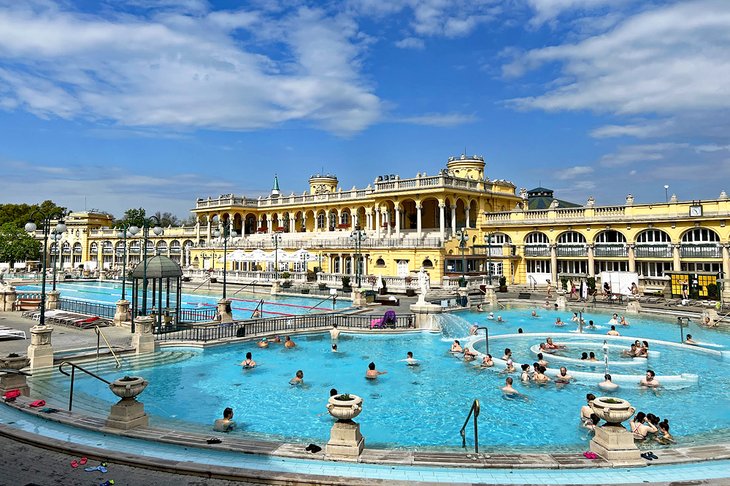
Budapest is well-known worldwide for its incredible thermal springs, many of which have been harnessed to provide citizens, as well as visiting tourists, the opportunity to relax and rejuvenate in thermal baths.
Of the many such attractions Budapest, the best known is Széchenyi Thermal Bath (Széchenyi gyógyfürdo). Established in 1913, it's supplied by two thermal springs; it's also the biggest such facility in Europe, capable of handling thousands of bathers at a time in its three outdoor pools (including an adventure pool that's great for families) and 15 indoor pools.
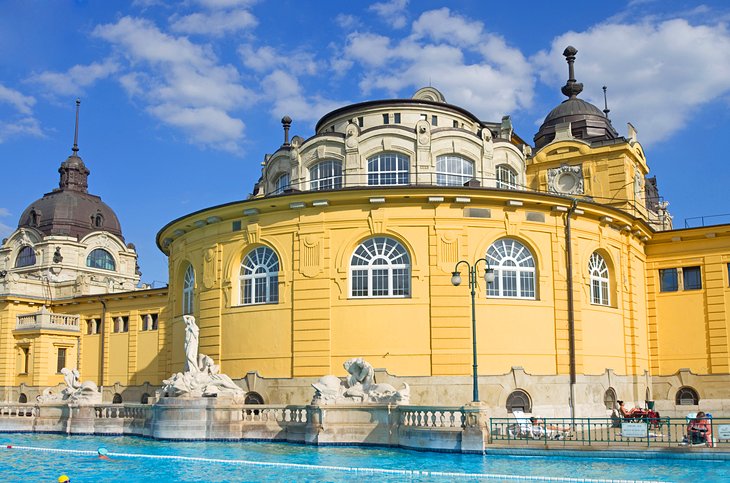
In addition to its pools, guests can enjoy its saunas and steam rooms, as well as spa services including massages. For a special treat, pay a visit to the baths after nightfall. Day tickets, which include use of a locker, can be purchased online, or upon arrival. Don't forget to bring your bathing suit, a towel, and flip-flops!
Address: Budapest, Állatkerti krt. 9-11, 1146
Official site: www.szechenyibath.hu
12. Hungarian State Opera House
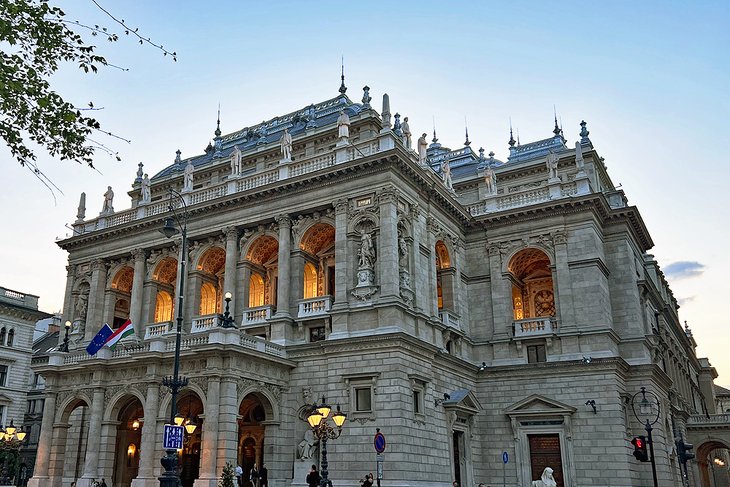
As impressive inside as it is on the outside, the Hungarian State Opera House (Magyar Állami Operaház) is a must-see when in Budapest. The building's dimensions alone are impressive, and since it opened in 1884, it has commanded top spot on the city's cultural events calendar.
As delightful as its many performances (more on that in a minute) is the sumptuous interior of the building. Festooned with wonderful artwork and sculptures from the country's most significant artists, the Opera House can seat up to 1,300 people in its horseshoe-shaped (and acoustically pleasing) auditorium.
The Hungarian State Opera House is home to the Budapest Philharmonic Orchestra and the Hungarian National Ballet, and you'd certainly find attending a performance a crowning moment in your Budapest travel itinerary. The orchestra's season typically runs from September to June, and tickets can be purchased online. Daily guided English-language tours are also available.
Address: Budapest, Andrássy út 22, 1061
Official site: www.opera.hu/?lan=en
13. Budapest Zoo & Botanical Garden
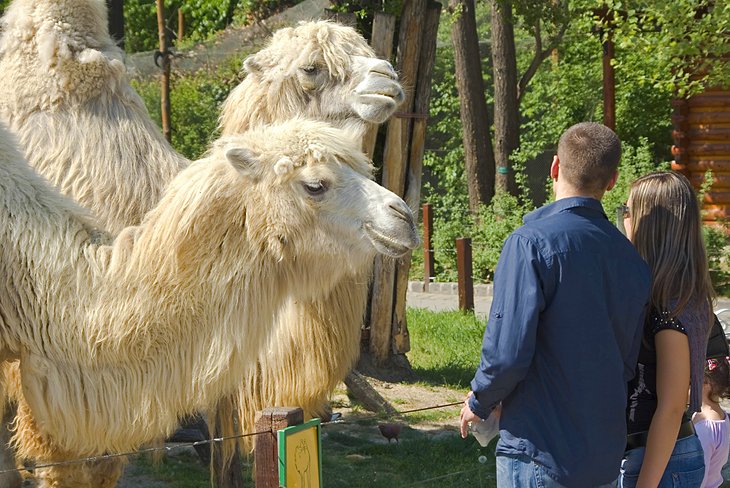
Said to be one of the world's oldest still-operating zoos, Budapest Zoo & Botanical Garden (Fovárosi Állat- és Növénykert) is one of the top things for families to do when visiting the city. Established over 150 years ago, the park is home to over 1,070 different species of animals, and has the rare distinction of being located in the heart of its host city, just around the corner from the Museum of Fine Arts.
In addition to its well-preserved Art Nouveau animal homes, this top-notch zoo park features a nature reserve, themed animal enclosures, and a variety of kid-friendly programming including feeding opportunities. If you're not in a big hurry to leave, hang around for one of the regular evening concerts.
Address: Budapest, Állatkerti krt. 6-12, 1146
Official site: https://zoobudapest.com/en
14. Hospital in the Rock Nuclear Bunker Museum
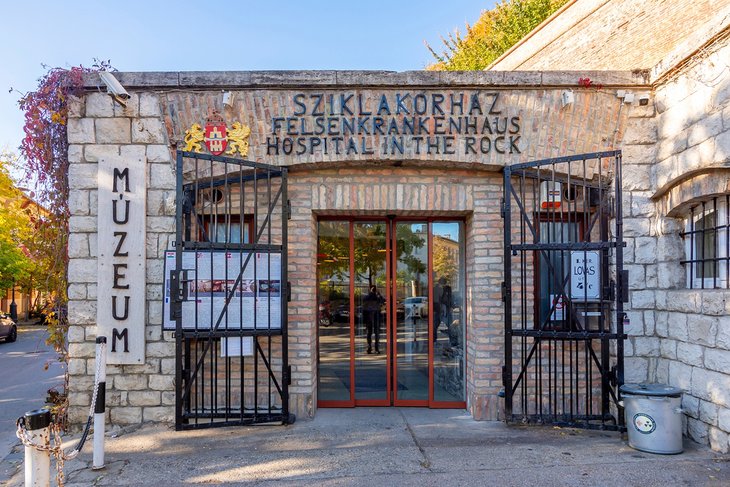
Underneath Castle Hill, the rock is a maze of caves and passageways that have been used for various purposes since prehistoric times. In World War II, some were fortified as an air raid shelter and emergency hospital. Now known as the Hospital in the Rock Nuclear Bunker Museum (Sziklakórház Atombunker Múzeum), this site was, at the time of the Cold War, further secured against nuclear contamination.
This former hospital and bunker is well worth exploring and features a variety of exhibitions on the kind of lifesaving efforts seen here during the Siege of Budapest in World War II. Another exhibit explores the devastating consequences of nuclear weapons. Admission is via guided tours only (English language tours available).
Address: Lovas 4/c, Budapest
Official site: www.sziklakorhaz.eu/en
15. The University Church
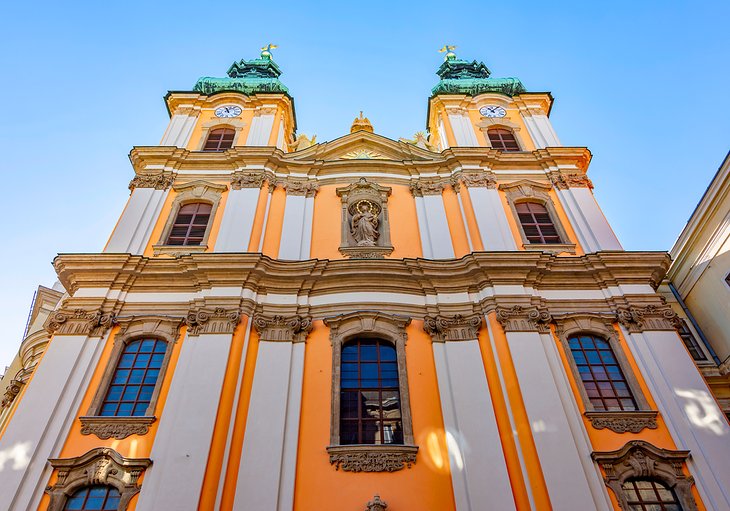
Budapest's University Church (Kisboldogasszony-templom) is widely regarded as the most beautiful Baroque church in the city. Although somewhat hidden—it stands in the south of Pest away from the main shopping streets—its main front faces onto a narrow side street, which scarcely does it justice.
Built between 1725-42 (the two mighty towers were not completed until 1771), the principal façade incorporates a triangular tympanum with representations of St. Paul and St. Anthony, as well as the arms of the Pauline Order (a palm between two lions and a raven).
The church has a single nave with pilasters and enclosed side-chapels, and its walls are clad in artificial marble. Highlights include the frescoes on the barrel-vaulted ceilings depicting scenes from the life of Mary (1776), the choir-stalls, and the sculptures of St. Paul and St. Anthony on the High Altar (1746). Also of note is the Pauline Monastery near the church.
Address: Budapest, Papnövelde u. 8, 1053
16. Hungarian National Museum
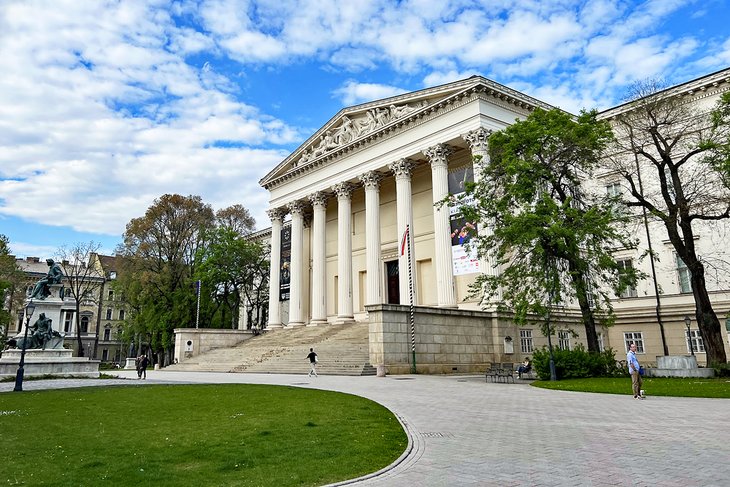
Although founded in 1802, the superb Hungarian National Museum (Magyar Nemzeti Múzeum) didn't move into its current home, a large classical building surrounding two courtyards, until 1847. In addition to its massive portico, a monument to the famous Hungarian poet János Arany impresses, as does its park-like gardens with their numerous busts of famous people.
Major exhibits comprise the Royal Regalia, including the magnificent Crown of St. Stephen with its precious stones and pearls, as well as Hungary's pre- and early history from the Stone Age through to Roman times and the early Middle Ages.
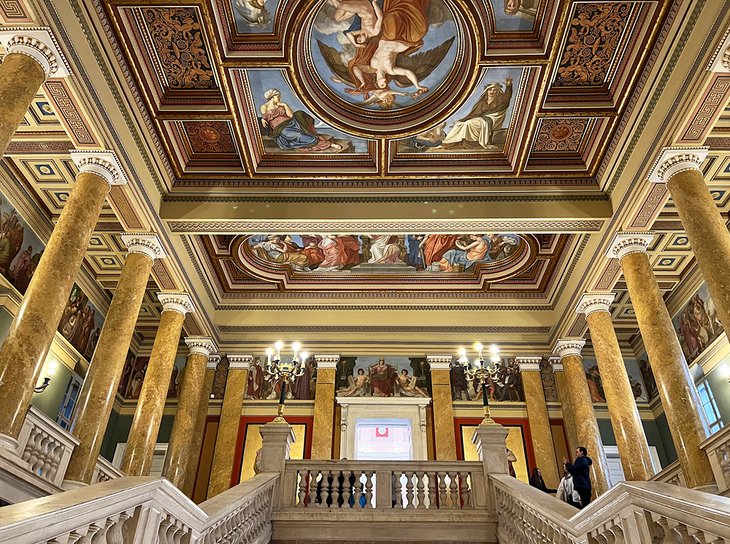
Also of interest are the exhibits and artifacts dealing with the country's many struggles for independence, as well as historic Hungarian and Turkish weapons.
For music buffs, Beethoven's grand piano, which later belonged to Franz Liszt, can be seen here.
Address: 1088 Budapest, Múzeum körút 14-16
17. City Park (Városliget)
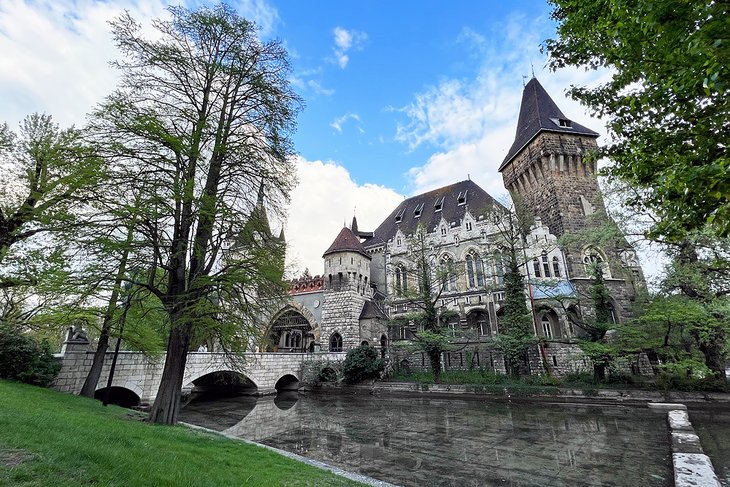
With its pretty lake, the 302-acre heavily wooded City Park (Városliget) is a popular recreational site for both Budapest locals and visitors. Laid out in the 19th century, the park has had many additions over the years.
Sightseeing highlights include the Museum of Fine Arts and the Palace of Art; the Municipal Zoological and Botanical Garden; the excellent Transport Museum of Budapest; Tivoli Pleasure Park, with its kids' rides and arcades; and the massive open-air Széchenyi Medicinal Bath.
Also worth seeing are the fairy-tale Vajdahunyad Castle and the 100,000-seat People's Stadium.
18. Margaret Island
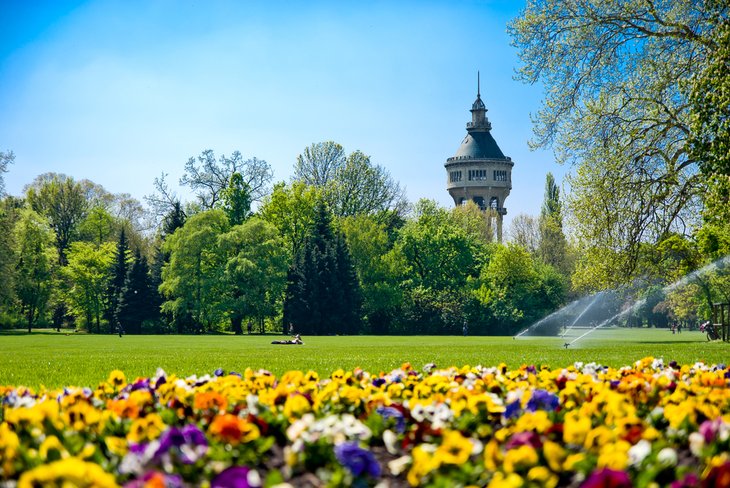
Margaret Island (Margitsziget), barely 2.4 kilometers long and 503 meters wide, is Budapest's main recreation and recuperative center for locals. Thermal spring-fed medicinal baths, carefully tended gardens and paths, as well as the ruins of many historic buildings also serve to attract many tourists, too.
A highlight of any visit is the Palatinus Baths, a huge spa complex that covers more than 17 acres and includes a bath with artificial waves, together with various medicinal, swimming, and children's pools capable of accommodating up to 20,000 bathers at a time.
Other island highlights are the pretty Rose Garden (Rózsakert); the Union Monument, a metal sculpture by István Kiss (1972) in the form of a flower; ruins of the Dominican convent, once home to Princess Margaret, the daughter of King Béla IV; the 51-meter water-tower, built in 1911, with its excellent viewing platform; and a large open-air theater.
Other things to do here include bike rentals or enjoying a meal at one of the many restaurants. If visiting at night, be sure to head to the Margaret Island Musical Fountain for its illuminations.
19. Gellért Spa
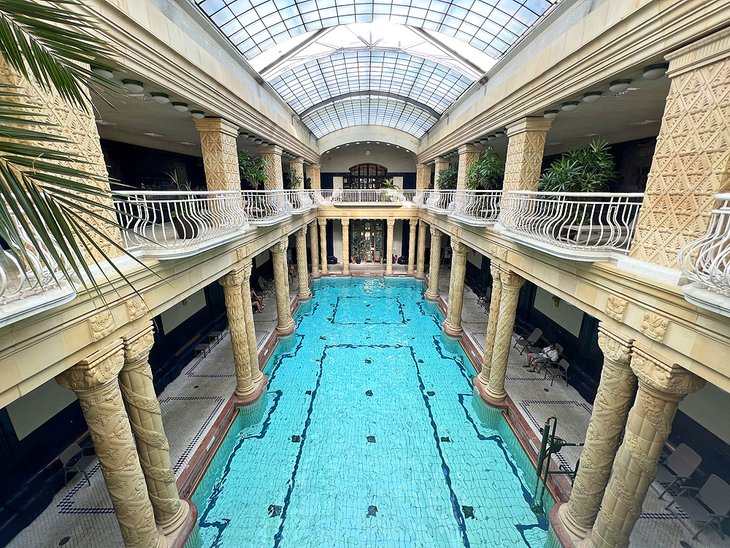
Gellért Spa is another famous thermal bath in Budapest. The Art Nouveau bath palace has welcomed bathers to take to its medicinal waters, fed from deep underground springs, since 1918 (check out the vintage photos on display!).
Inside you can soak your muscles in five thermal baths, get a refreshing chill in two plunge pools, and take a few laps in the stunning swimming pool, flanked by tropical plants and columns. The spa also boasts lovely outdoor facilities, including a wave pool and thermal sitting pool.
Address: Budapest, Kelenhegyi út 4, 1118
Official site: http://gellertspa.com/
20. Labyrinth of Buda Castle
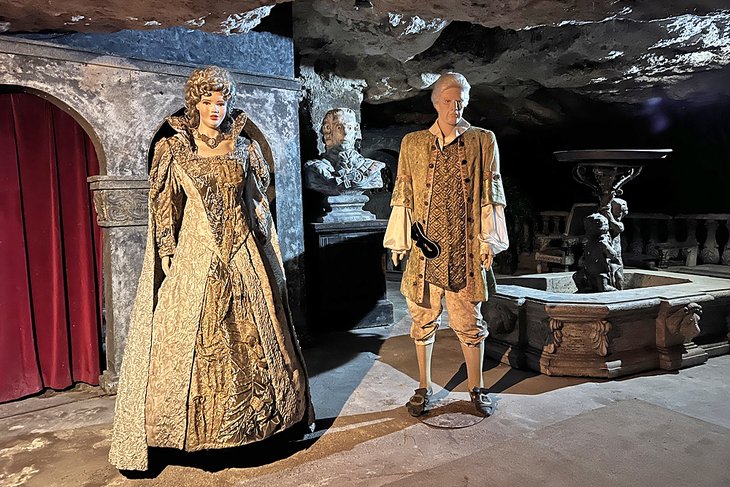
If you're looking for a unique thing to do in Budapest, check out the Labyrinth of Buda Castle.
Located in natural caves beneath Castle Hill, the underground attraction allows you to visit the dank chambers where the man now known as "Dracula" was imprisoned for many years during the 15th century.
You can also see a series of statues of historical Hungarian figures, and try your best to navigate the Maze of Darkness in pitch blackness. Whatever you do, don't let go of the garden hose flanking the wall – it's the key to finding your way around the maze.
Address: Budapest, Úri u. 9, 1014
21. Ferris Wheel of Budapest
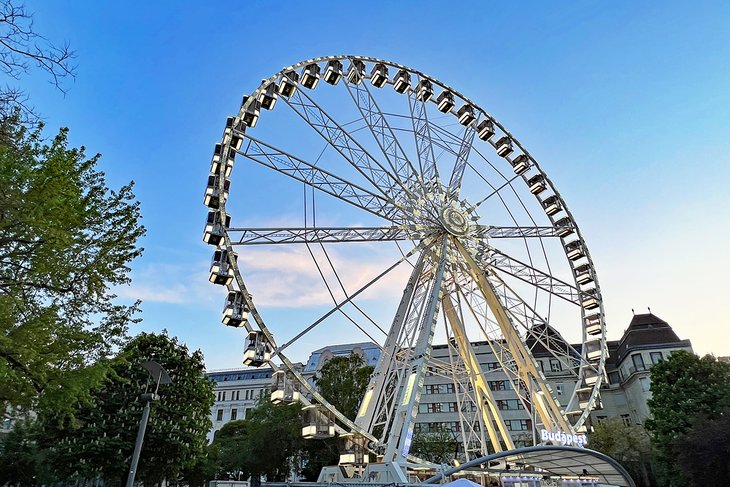
For the best views of the entire city, take a ride on the Ferris Wheel of Budapest in Erzsébet Square. Its 65-meter height allows you to get amazing vantage points of Buda Castle, St. Stephen's Basilica, and the Hungarian Parliament Building from any of the 42 partially open cabins.
You're guaranteed to take at least three full turns on the wheel for a ride that lasts up to 10 minutes.
Hot tip: Sunset is the best time to ride the Ferris Wheel of Budapest, so plan your visit accordingly.
Address: Budapest, Erzsébet tér 1051, 1051
Official site: https://oriaskerek.com/en/
22. The Garden of Philosophers
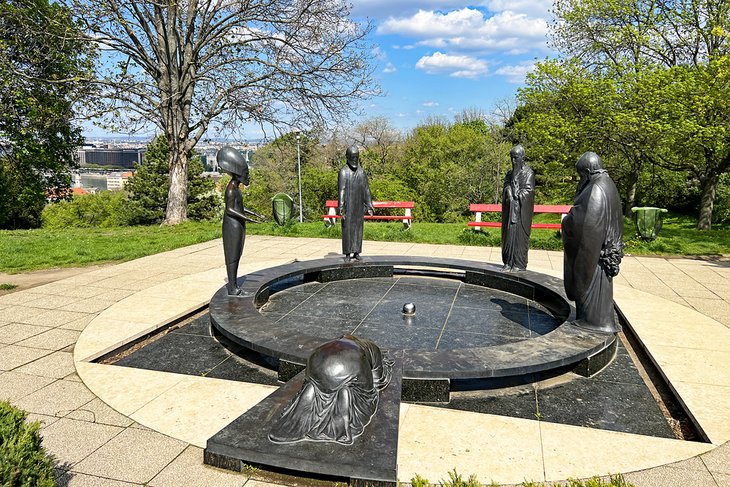
Atop Gellért Hill is a series of serene sculptures called the Garden of Philosophers. The installation was created in the 1990s by Hungarian sculptor Nándor Wagner who wanted his work to inspire a better understanding of the world's religions and philosophies.
It features Buddha, Abraham, Jesus, Laozi, and Akhenaten situated around a shiny orb. You can also see statues of Mahatma Gandhi, Saint Francis, and Bodhidharma along the sidelines.
The beautiful attraction offers the opportunity to take a few moments out of a day of sightseeing for quiet contemplation.
Where to Stay in Budapest for Sightseeing
The best option when it comes to finding accommodations in Budapest is to focus on the Pest side of the Danube (the east bank), home to wide cobbled streets as well as attractions such as the Parliament Buildings and the Museum of Fine Arts.
Luxury Hotels:
- For stunning views over the Danube, try the Four Seasons Hotel Gresham Palace, popular for its large rooms with high ceilings and excellent indoor spa and pool.
- In the heart of Pest's palace district, historic Hotel Palazzo Zichy impresses from the get-go with its palatial foyer and sumptuously decorated, spacious rooms.
- Equally luxurious, the Corinthia Hotel Budapest boasts large, well-appointed rooms, some overlooking a lovely courtyard. Guests can also enjoy the terraced indoor pool.
Mid-Range Hotels:
- Steps from great shopping and dining, the Casati Budapest Hotel offers a relatively quiet, intimate experience of the city due to its small size (check out the sauna and gym in the brick-lined cellar).
- Another boutique hotel in the heart of Pest, Gerloczy Rooms de Lux offers larger rooms with high ceilings, the best with balconies overlooking a picturesque city square.
- A little more modern, the Bo18 Hotel Superior offers well-appointed rooms, along with amenities such as a gym, hot tub, and Finnish and infrared saunas.
Budget Hotels:
- Popular for its affordability and central location in the heart of Pest, Hotel Erzsebet City Center offers good-sized modern rooms.
- Although a little further east of Pest's inner city area, Hotel Chesscom offers large rooms and is close to public transport and the airport.
- Also close to public transport, the charming Kis Gellert Guesthouse offers excellent value in a quiet area of town.
Tips and Tours: How to Make the Most of Your Visit to Budapest
- Sightseeing: For independent sightseeing and to get oriented with the city, the Budapest Big Bus Hop-on Hop-off Tour is a great option. This excellent tour option incorporates bus stops at all major tourist attractions. Tickets are valid for 24, 48, or 72 hours. If you are pressed for time or would like a more in-depth guided tour, the Budapest Half-Day Sightseeing Tour is your best bet. For a unique perspective on this scenic city try a Budapest Night Walking Tour and River Cruise to see the Buda Castle and the Chain Bridge lit up at night and capture some awesome photos.
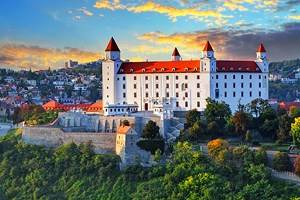
- Day Trips: If you want to see more of this fascinating region than just Budapest, there are some wonderful day trip options. You can visit Slovakia's capital on this Private Bratislava Day Trip from Budapest. The 10-hour tour will show you popular attractions, like Michael's Gate and Bratislava Castle. Nature lovers can also hike the beautiful mountains surrounding Budapest on this One Day Wonder Hiking Trip. A private guide will take you to Prédikálószék peak and Ram Canyon at whatever pace is most comfortable for you, giving you time to appreciate the scenic waterfalls and forest.
Map of Tourist Attractions in Budapest
Budapest, Hungary - Climate Chart
| Average minimum and maximum temperatures for Budapest, Hungary in °C | |||||||||||
| J | F | M | A | M | J | J | A | S | O | N | D |
| 2 -3 | 5 -1 | 11 3 | 17 7 | 22 12 | 25 15 | 27 16 | 27 16 | 23 13 | 16 8 | 9 3 | 4 -1 |
| PlanetWare.com | |||||||||||
| Average monthly precipitation totals for Budapest, Hungary in mm. | |||||||||||
| 41 | 38 | 33 | 41 | 61 | 69 | 46 | 56 | 38 | 33 | 58 | 48 |
| Average minimum and maximum temperatures for Budapest, Hungary in °F | |||||||||||
| J | F | M | A | M | J | J | A | S | O | N | D |
| 35 27 | 41 31 | 51 37 | 62 45 | 71 53 | 77 58 | 80 61 | 80 60 | 72 54 | 61 46 | 47 37 | 38 31 |
| PlanetWare.com | |||||||||||
| Average monthly precipitation totals for Budapest, Hungary in inches. | |||||||||||
| 1.6 | 1.5 | 1.3 | 1.6 | 2.4 | 2.7 | 1.8 | 2.2 | 1.5 | 1.3 | 2.3 | 1.9 |
More Must-See Destinations near Budapest
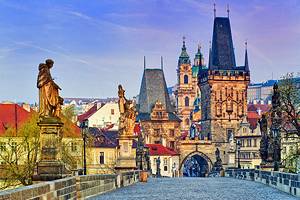
Some of the top destinations in Hungary can be visited on easy day trips from Budapest, which makes it a good base for visitors. A tour of Eastern Europe's capitals combines Budapest with visits to Bucharest in Romania, and the picturesque city of Prague in the Czech Republic. Like Budapest, Prague is crowned by a beautiful hilltop castle.
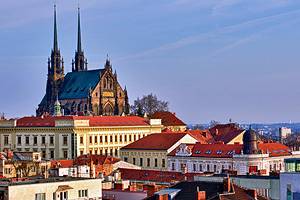
A good stopover en route to Prague is the art-filled city of Brno. Only 2.5 hours by train or a three-hour drive from Budapest is the cultural city of Vienna, on the Danube River in the heart of beautiful Austria.