19 Top-Rated Tourist Attractions in Greece
Home to some of the world's most important historical sites, along with some 6,000 islands, Greece is known for its natural beauty and fascinating culture. Ancient archaeological sites, cliffs tumbling into sparkling blue water, sand and pebble beaches, and a balmy Mediterranean climate make Greece one of Europe's prime places to visit for tourists.
Besides Athens, some of the top things to see on the mainland include Ancient Delphi and the monasteries of Meteora. But most people come here to catch a ferry or a flight to the islands: Santorini, Mykonos, Zakynthos, Corfu, and Crete are the most popular. Plan your trip with our list of the top attractions in Greece.
- 1. Acropolis, Athens
- 2. Acropolis Museum, Athens
- 3. Santorini
- 4. Mykonos
- 5. Delphi
- 6. The Towns and Beaches of Crete
- 7. Corfu
- 8. Metéora Monasteries
- 9. Rhodes Town
- 10. Zákynthos
- 11. Samaria Gorge
- 12. Nafplio
- 13. Thessaloniki
- 14. Corinth Canal
- 15. Mount Olympus
- 16. Palace of Knossos
- 17. Mycenae
- 18. Paros
- 19. Naxos
- 20. Hydra
- 21. Víkos Gorge
1. Acropolis, Athens
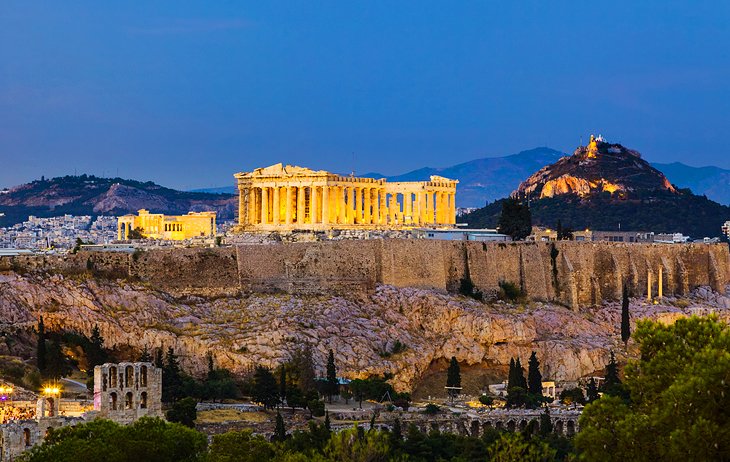
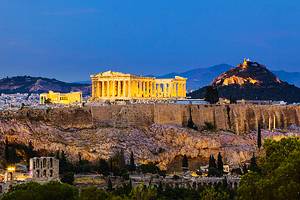
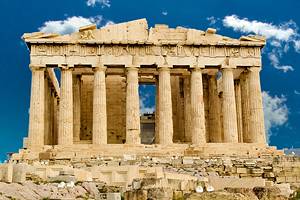
Considered the symbol of Athens and Greece, and indeed of Western civilization, the Acropolis is a rocky mound rising in the heart of modern Athens, crowned by three magnificent temples dating from the 5th century BC. The best known and most distinctive is the Parthenon, originally made up of 58 columns supporting a roof and decorated by ornate pediments and a frieze.
Although the Parthenon steals the show, other highlights on the Acropolis hilltop are also spectacular. The ornate Temple of Athena Nike, the Porch of the Caryatids, and the Propylaea are not to be missed. Tear yourself away from the historic sights and wander over to the edge, panoramic views of the seven historical hills of Athens and the city are laid out below you.
Skirting the foot of the Acropolis and connecting it to the city's other major ancient attractions — the Ancient Agora , the Roman Forum, Kerameikos, and the Temple of Olympian Zeus — is a 2.5-kilometer walking path known as the Archaeological Promenade.
Author's Tips: For a fantastic nighttime view of the Acropolis, make your way to one of the rooftop restaurant patios on the pedestrian-only Apostolou Pavlou. Plan on getting to the Acropolis early to avoid ticket lineups, bus tours, crowds, and the heat if you are visiting in summer.
Read More:
2. Acropolis Museum, Athens
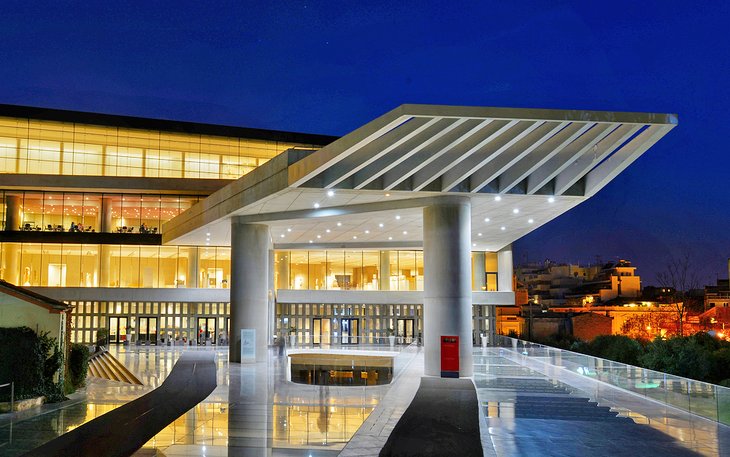
The Acropolis Museum is one of Athens' most-visited tourist attractions. Designed by Swiss architect Bernard Tschumi, it is an ultra-modern glass and steel structure with light and airy exhibition spaces, built specifically to display ancient finds from the Acropolis.
Top things to see here include the 6th-century-BC Moschophoros (statue of a young man carrying a calf on his shoulders), the Caryatids (sculptures of female figures that held up the Erechtheion), and the highly controversial Parthenon marbles. From the museum's cafe-restaurant terrace, you can enjoy amazing views of the Acropolis itself.
3. Santorini
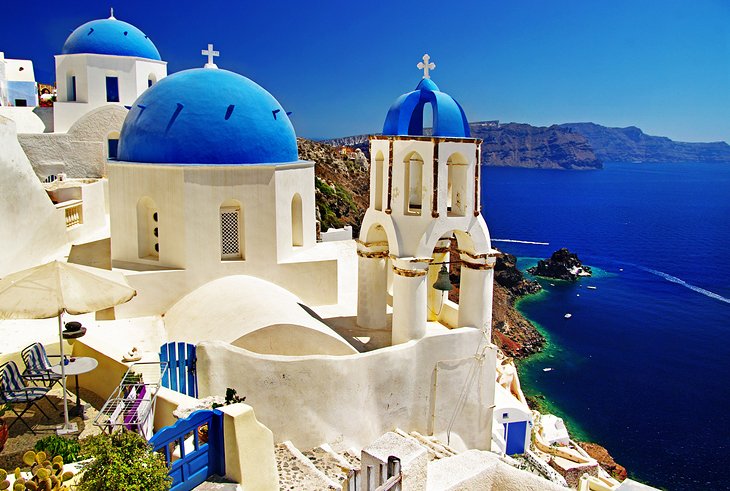
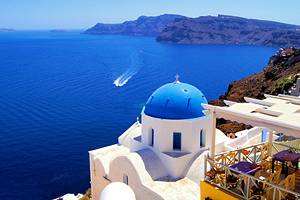
Stunning Santorini is the most dramatic of all the Greek isles. It is best known for the west coast cliff-top towns of Fira and Oia, which appear to hang over a deep, blue sea-filled caldera. Made up of typical Cycladic whitewashed cubic buildings, many of which have been converted into boutique hotels with infinity pools, both Fira and Oia are considered romantic destinations, popular for weddings and honeymoons.
Things to do in Santorini include sunbathing and swimming at the black volcanic-sand beaches on the south and east coasts and visiting the archaeological site of Akrotiri, an Ancient Minoan settlement buried below lava following the volcanic eruption that created the caldera, some 3,600 years ago. The island has an airport and is served by ferries and catamarans from Athens' port, Piraeus.
- Read More: Top-Rated Tourist Attractions on Santorini
4. Mykonos
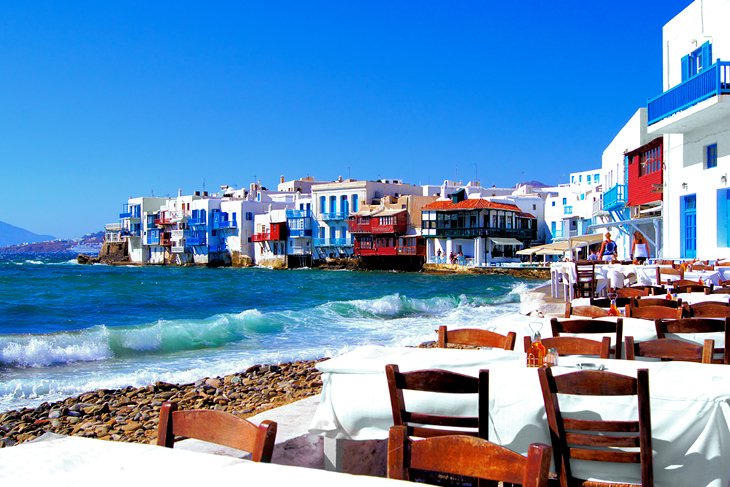
Many people consider Greece's most glamorous island destination to be Mykonos. After-dark activities center on Mykonos Town, noted for its chic boutique hotels, classy seafood restaurants, and live music venues. Other attractions include Paraportiani (a whitewashed church in Mykonos Town) and numerous sandy beaches along the island's south coast (served both by bus and taxi-boat from Mykonos Town).
The island is particularly popular with international celebrities. Mykonos has an airport and is connected by ferry and catamaran to Athens' port, Piraeus, and Rafina.
5. Delphi
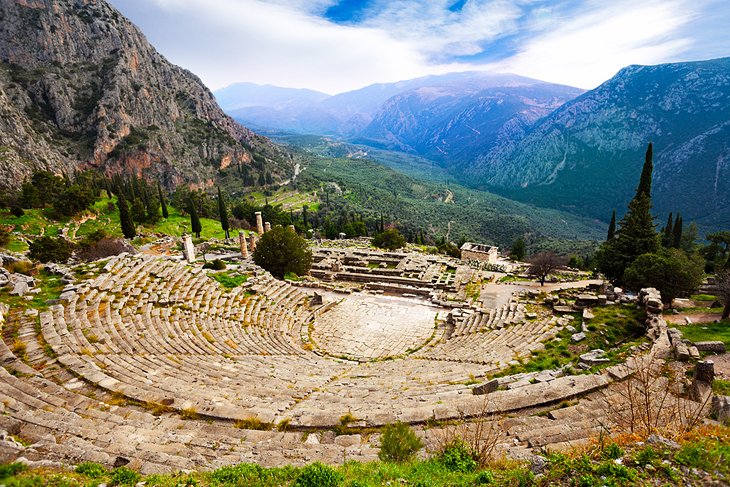
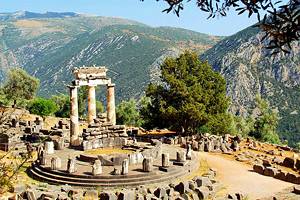
On the Greek mainland, Delphi is a UNESCO World Heritage site. Built on the lower slopes of Mount Parnassus, overlooking a dramatic ravine, the site was sacred to the ancients, who came here on pilgrimages to worship Apollo (god of light, prophecy, music, and healing) and to ask advice from the mythical Oracle.
It is made up of the crumbling ruins of numerous temples, a theater, and a stadium, dating from between the 8th century BC and the 2nd century AD. Nearby, stands the Delphi Archaeological Museum, displaying an impressive collection of finds from the site. Delphi lies 180 kilometers northwest of Athens.
Delphi is about a 2.5-hour drive from Athens. It can easily be done as an overnight trip from the city, or even a day trip if you don't mind a long day.
6. The Towns and Beaches of Crete
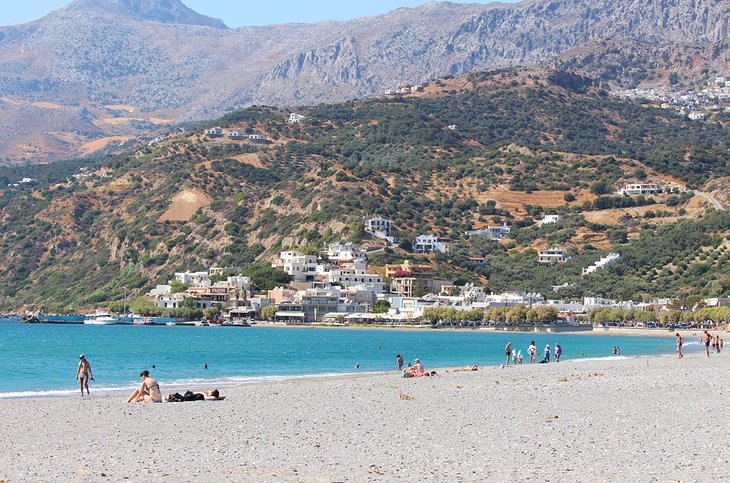
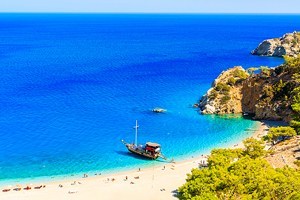
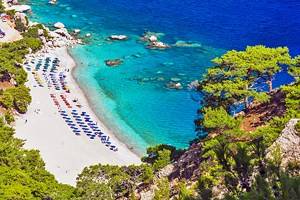
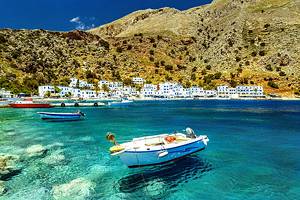
The massive island of Crete is one of the most popular vacation destinations in Greece. Blessed with some of the best beaches in Greece, the island draws visitors from around the world. Some of the most popular beaches on Crete range from small arcs of sand backed by restaurants and promenades to wide-open natural stretches lapped by incredibly clear waters and endless views across the sea.
But Crete is not all about beaches. It has its fair share of notable archeological sites, including the impressive Palace of Knossos, located near the pleasant city of Heraklion. The historical city of Chania and the laid-back town of Agios Nikolaos have wonderful old waterfront areas perfect for spending long afternoons on a café terrace getting lost in the views.
Get away from the bigger communities, and head to smaller towns like Plakias or Matala on Crete's south coast to find more remote beaches and beautiful mountainous backdrops.
If archeological sites, beaches, and historical towns weren't enough, the island has one of the most impressive hikes in the world: the Samaria Gorge.
7. Corfu
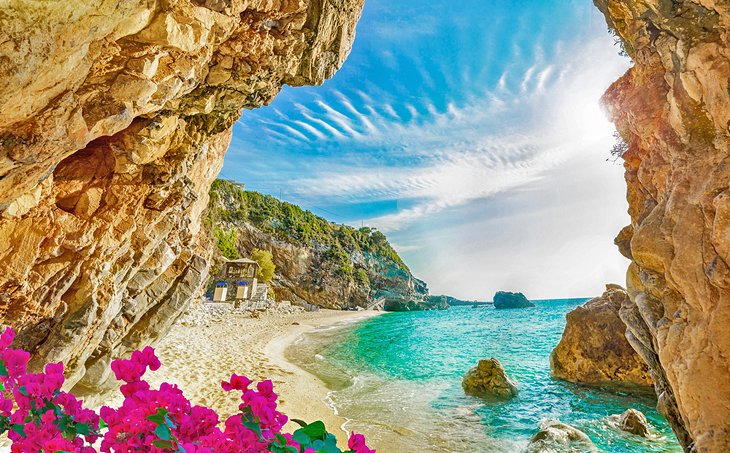
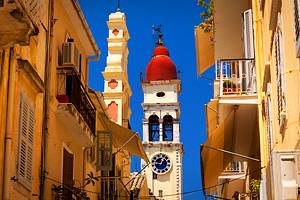
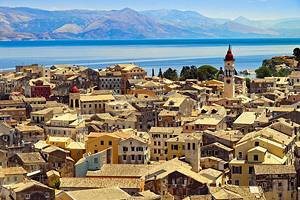
One of Greece's top tourist destinations, Corfu sits in the Ionian Sea off the west coast of the mainland. The capital, Corfu Town, is a UNESCO World Heritage site, thanks to its elegant Italianate architecture — it was ruled by the Venetians for several centuries. Explore its romantic pedestrian-only streets to discover two 16th-century fortresses and the arcaded Liston, lined by old-fashioned cafes.
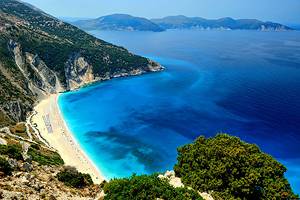
Away from the main town, the island is lushly beautiful, with rugged limestone rocks tumbling into the sea in its north and velvety green hills in its south. The most popular beach area is Paleokastritsa, on the west coast, about 25 kilometers from Corfu Town. Here, you'll find a collection of deep, curving bays sheltering sand and pebble beaches stretching into a clear blue sea. Corfu is served by an airport and ferries from Igoumenitsa and Patras on the Greek mainland. In summer, ferries sailing from Ancona and Venice also stop here.
8. Metéora Monasteries
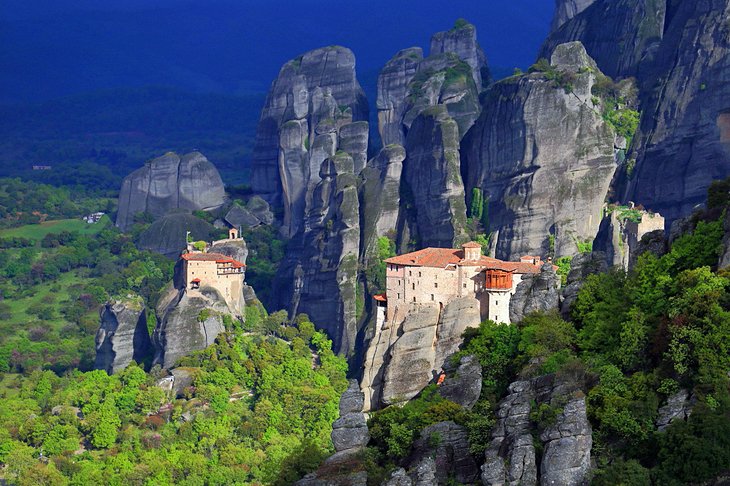
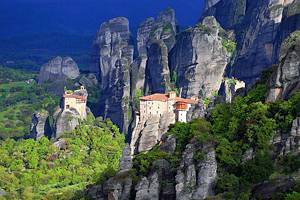
One of the most unusual things to see in Greece has to be the Thessaly Plain, where bizarre rocky outcrops are capped by the centuries-old monasteries of Metéora. On the UNESCO World Heritage list, six of the monasteries are open to the public. You need to climb up several flights of stone steps carved into the rocks to reach each monastery, and inside, you'll find flickering candles, religious icons, Byzantine frescoes, and burning incense.
Opening hours vary, and to see all six monasteries, you need to spend at least one day in the area. The nearest town is Kalambaka. Consider staying here, as it's a pleasant and relaxed place to visit, with small hotels and family-run restaurants serving traditional fare.
- Read More: Top-Rated Tourist Attractions in Metéora
9. Rhodes Town
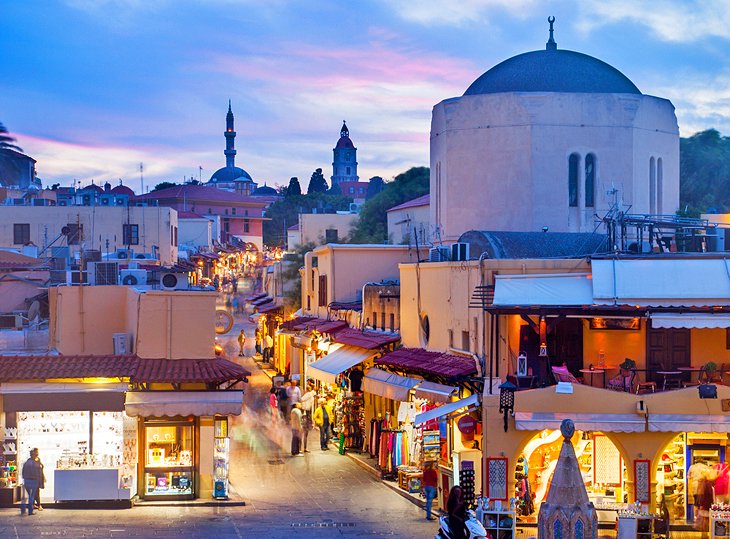
Lying on the Aegean Sea, close to Turkey, Rhodes is the largest of the Dodecanese islands. Its capital, UNESCO-listed Rhodes Town, is one of Greece's top tourist destinations. It is enclosed by an impressive fortification system, including monumental towers and gates built by the Knights of St. John after they took control of the island in the 14th century.
The car-free cobbled streets of the old town are a joy to explore on foot. Nearby attractions include the pretty hillside coastal town of Lindos, and Marmaris on the Turkish coast, which can be visited by excursion boat. Rhodes is served by an airport, as well as regular ferries from Athens' port, Piraeus.
- Read More: Top-Rated Tourist Attractions in Rhodes Town
10. Zákynthos
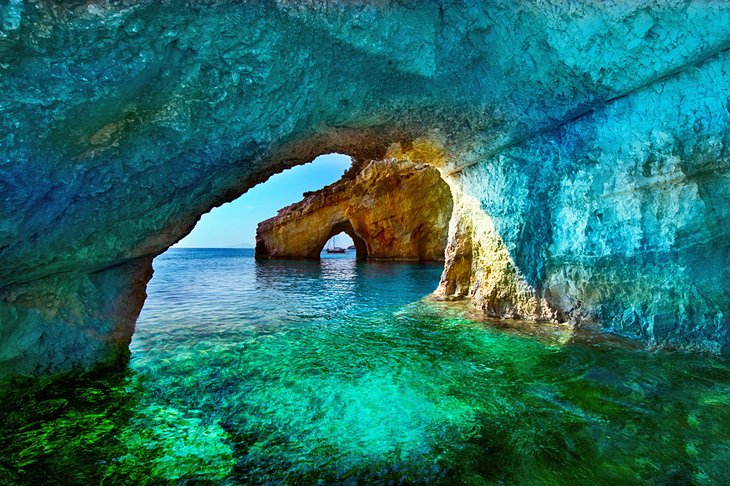
Home to gorgeous scenery both above and under the sea surrounding it, Zákynthos (Zante) island is another top tourist destination in Greece. It is also easy to access, located just 16 kilometers off Peloponnese's west coast in the Ionian Sea.
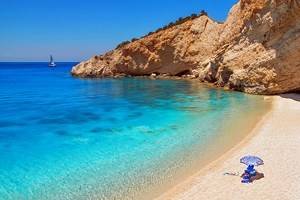
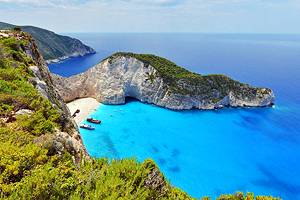
Two of the biggest boasts on this geographically intriguing island are its pebble and sand beaches — Shipwreck Beach is the most famous — and stunning sea caves like the Blue Caves, off the island's northern tip. Inside, the sparkling water reflects the color of the blue sky on the cave walls to create a magical glow. The Blue Caves are only one of the many watery attractions around this island. There is also excellent snorkeling and scuba diving.
11. Samaria Gorge
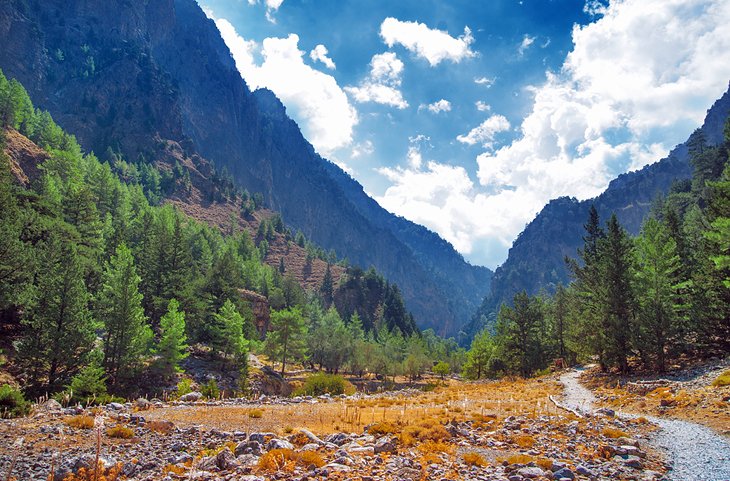
On the island of Crete, the Samaria Gorge is a top attraction for lovers of the great outdoors. Measuring 16 kilometers in length and, at its narrowest point, only four meters wide, it runs from Omalos (1,250 meters) in the White Mountains down to Agia Roumeli, on the Libyan Sea.
Depending on your level of fitness, it will take five to seven hours to walk. It is steep in parts and rocky, so you should wear good hiking shoes and carry plenty of water. The gorge lies within the Samaria National Park, and is on the UNESCO tentative list. Through summer, organized tours depart from Chania and Réthymnon.
- Read More: Top-Rated Tourist Attractions in Chania
12. Nafplio
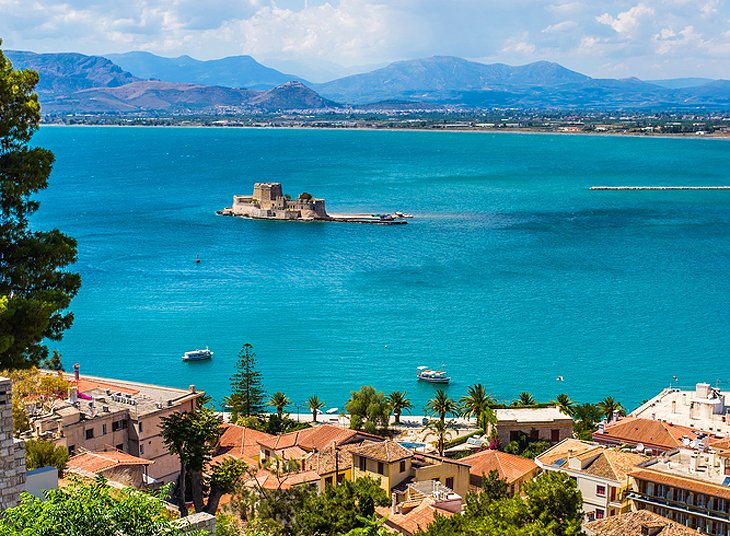
Often cited as Greece's most beautiful city, Nafplio is a popular weekend destination for wealthy Athenians. Built on a small peninsular on the east coast of the Peloponnese, it became the first capital of modern Greece in 1828 before Athens took over in 1834.
Take an afternoon or a day to wander through the old town, this car-free area is filled with Neoclassical mansions and proud churches and overlooked by the 18th-century Palamidi Fortress. Nearby attractions include Tiryns, Epidaurus Theater, and Ancient Corinth.
13. Thessaloniki
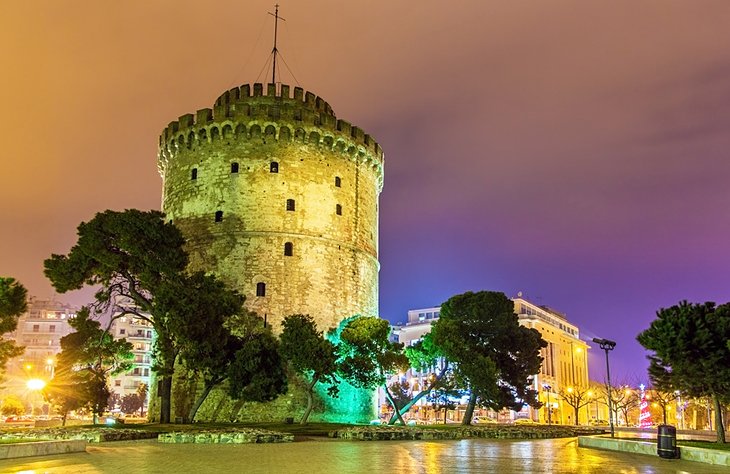
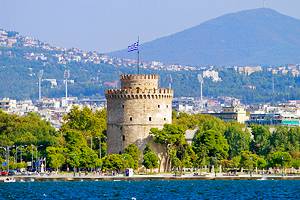
Thessaloniki doesn't seem to mind not being on most people's touring list. The locals are happy to have the place and all its sights to themselves. The main sightseeing attractions are its UNESCO-listed Byzantine churches, but worth investigating are several Roman monuments (including the Triumphal Arch of Galerius and the 4th-century Rotunda), the 15th-century White Tower on the seafront, and an excellent Byzantine Museum.
Overlooking the Aegean Sea in northern Greece, Thessaloniki (Salonica) is the country's second biggest city after Athens. Founded in 316 BC due to its position close to both Bulgaria and Turkey, it has always been a crossroads of various cultures and religions.
One of the top day trips from Thessaloniki is to Mount Olympus, the highest mountain in Greece. Only 80 kilometers away on good roads, this impressive natural sight is well worth visiting. The most popular hiking trails depart from near the town of Prionia.
14. Corinth Canal
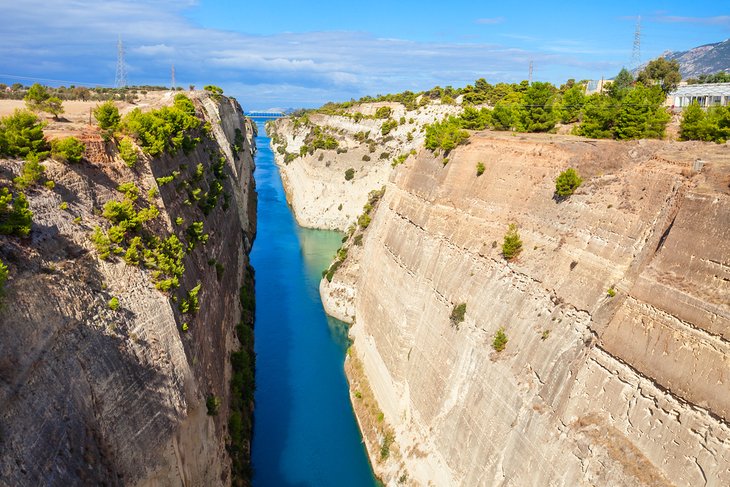
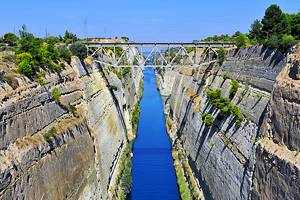
As you drive along the relatively flat highway 8 approaching the Peloponnese Peninsula, be sure to stop in at the lookout over the Corinth Canal. This canal, first dreamed about and attempted in 1 CE, was finally brought to fruition in 1883. Unfortunately for the builders, the canal was never particularly profitable or successful.
Park your car and walk out onto the bridge and give some thought as to how the original builders managed to dig down through the solid rock to carve out the canal.
15. Mount Olympus
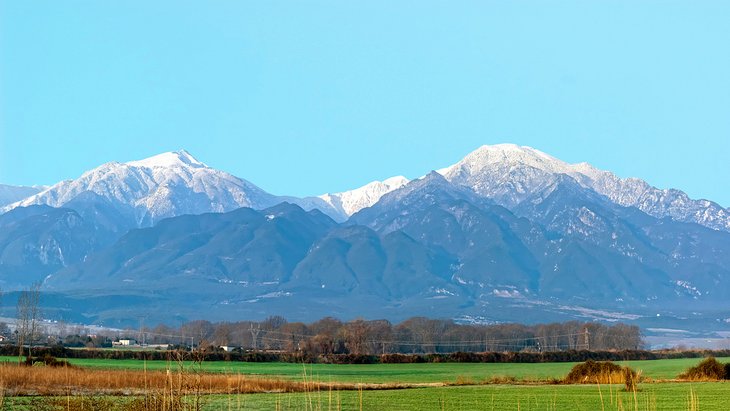
Mount Olympus, famous home of the god Zeus, lies about halfway between Athens and Thessaloniki. Towering over the surrounding countryside at an impressive 2,918 meters, this mountain is a top recreation destination in the summer.
Three hiking trails lead to its summit, although most people take the two-day, one-night Priona trail. From the top, the views are unparalleled and well worth the effort expended to get here. You do not need any special equipment to do this hike, just a good assortment of clothing, sturdy hiking boots, and a taste for adventure.
16. Palace of Knossos
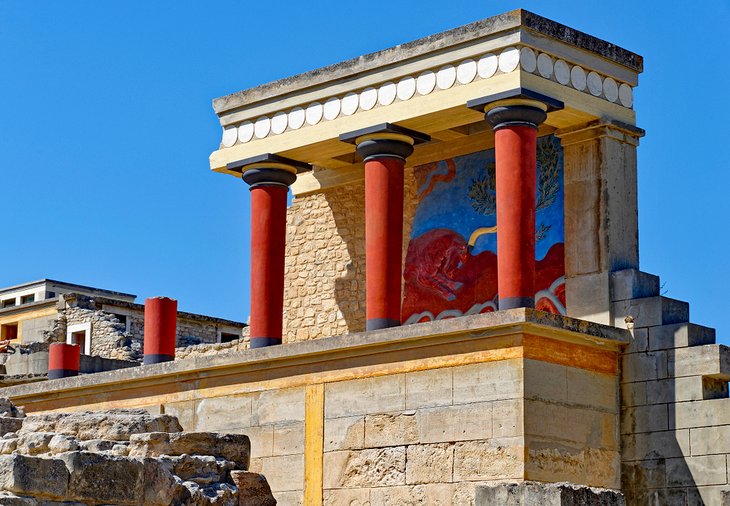
One of the top archeological sites here in Greece, the Palace of Knossos is a must-see when visiting Crete. The site dates from the Late Minoan time period and has been very well restored. Although the standing buildings give you a real sense of what this place once looked like, as with many archeological sites in Greece, some portions require a bit of imagination.
The site is well laid out, with walking trails that wind their way past the main buildings and plazas. Be sure to check out the colorful paintings on some of the major structures near the end of the walkway.
The Palace of Knossos is located just outside of Heraklion, one of the main gateways to Crete. Tours can be easily arranged.
17. Mycenae
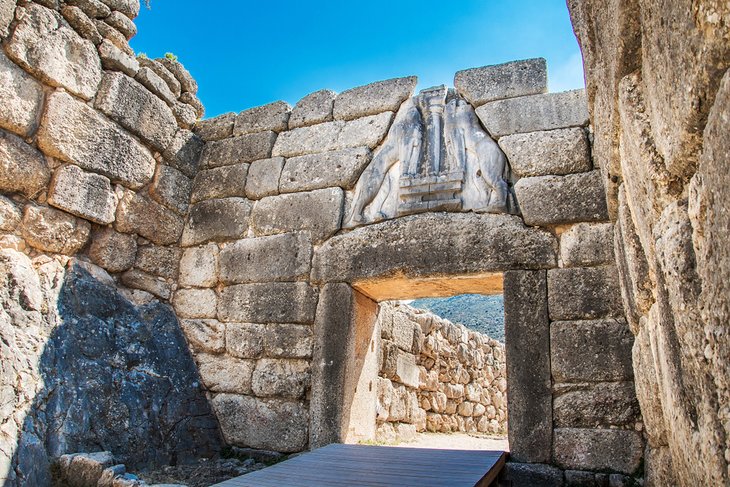
The impressive citadel of Mycenae is one of the top archeological sites south of Athens and well worth a visit for those interested in Greek history. Set impressively on a hill, Mycenae dates from around 1350 BCE, the peak of the Mycenaean civilization.
One of the key sights at Mycenae is the impressive Lion Gate. Set into the side of the hill, the gate is composed of perfectly inlaid stones over a rectangular doorway. This is the site where the famous gold mask was found by the explorer Heinrich Schliemann in the late 19th century. If the sun is getting to you, step inside the impressively domed Treasury of Atreus and enjoy some shade.
18. Paros
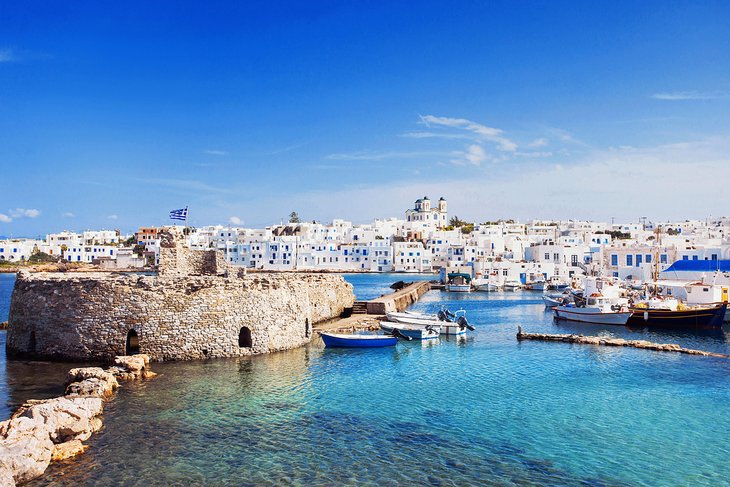
The island of Paros is sometimes overlooked by ferry travelers exploring the Cyclades, intent on visiting the more popular Santorini. However, this is a mistake. This laid-back island has everything that the busier islands offer farther south and north. The same whitewashed towns perched on the waterfront with patios full of laughing and smiling patrons are what you'll find here, but without the crowds.
Paros also has a fine selection of beaches and historical sites to explore. It's also a good spot to go if you are watching your costs; accommodation is cheaper here.
19. Naxos
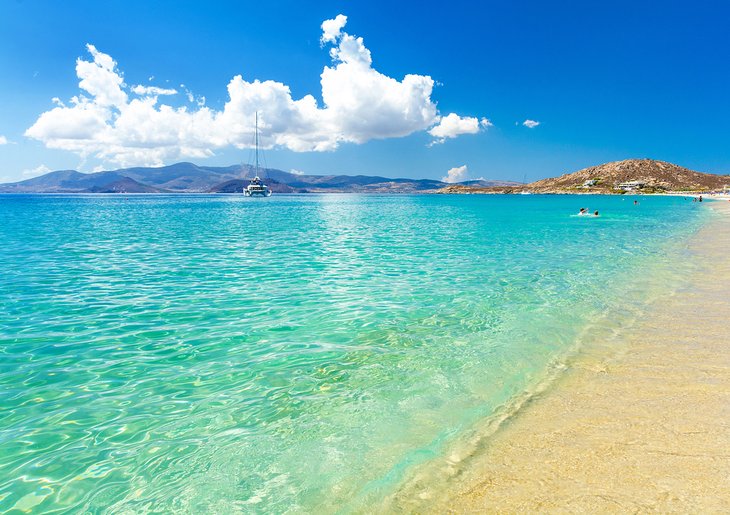
Another popular destination, Naxos is one of the largest Cycladic islands. This huge island is a fun place to explore, and with fewer tourists than places like Santorini or Mykonos. A couple of must-sees when exploring include the small towns of Filoti, Halki, and Apiranthos.
Take some time to wander through the main town, Chora of Naxos, especially the Kastro district. Here, you'll find a variety of shops selling all manner of souvenirs, along with cute restaurants with inviting patios.
If you want to hit the beach, Naxos does not disappoint. A couple to check out include Paradise Beach, Agia Anna, or Agios Prokopios. If you are into kiteboarding, the windswept Mikri Vigla is the place to go.
20. Hydra
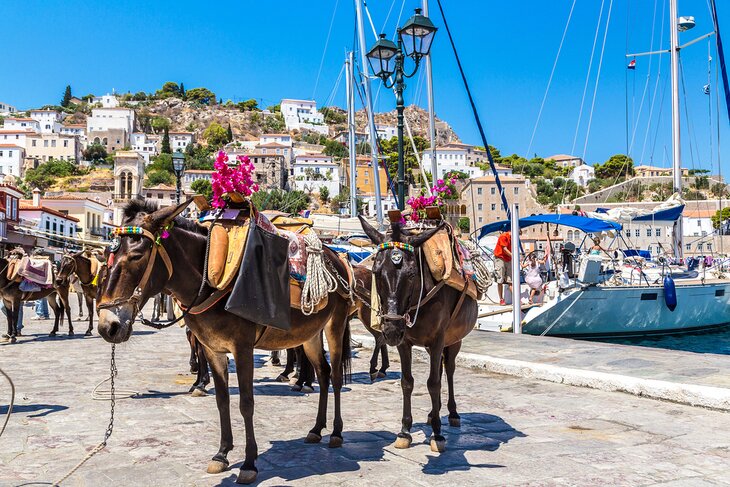
For a taste of quintessential Greece that's only a two-hour ferry ride from Athens, consider the delightful island of Hydra. Home to old mansions and white-washed houses adorned with bougainvillea and cobblestone streets the town has been attracting the creative set for decades.
The island is wonderfully car-free so walking is a pleasure, stroll the busy port area and be sure to check out the early 19th-century cannons along the waterfront. Should you need to get anywhere on the island, donkeys are the main mode of transport on land, and water taxis will be more than willing to take you to a secluded beach lapped by crystal-clear water.
Cat lovers will especially enjoy Hydra, it's known for its feline residents who are generally very friendly and always open for a tasty morsel of seafood.
21. Víkos Gorge
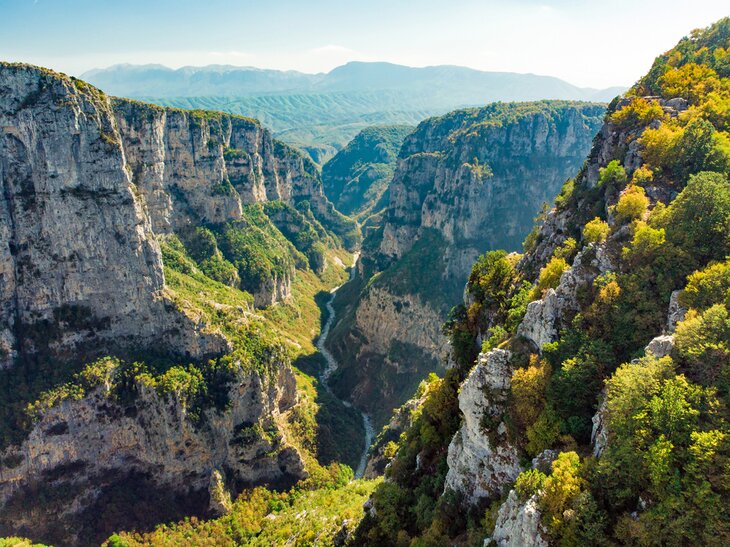
Another one of Greece's premier natural attractions is the Víkos Gorge. Lesser known than the above profiled Samara Gorge on Crete, this incredible natural phenomenon is commonly known as the Grand Canyon of Greece. The gorge is a UNESCO World Heritage site and part of the larger Vikos–Aoös National Park.
An astounding 1,000 meters deep the canyon is one of the most amazing and easily accessible natural sights in the northwest area of Greece. If you want to just see the gorge from a lookout, one of the best is located at Oxya Viewpoint, where you'll be treated to views into the deepest part of the gorge.
For the more adventurous, a well-signposted 13-kilometer hiking trail takes you down into the gorge and back up the other side. The trail starts at Monodendri and ends at Vikos. Halfway through you can go for a dip in the icy cold Voidomatis Springs to cool off. The trail is considered moderately difficult and takes most people 4.5 to 5 hours to complete.