17 Top-Rated Attractions & Places to Visit in Cuba
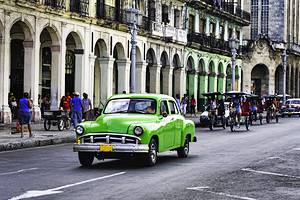
Cuba, the Caribbean's largest island, drips with history, culture, and mystique. Live music wafts through the cobbled squares in Havana's World Heritage-listed Old Town, vintage cars still cruise the streets, and the beautiful old buildings in Cuba's colonial cities evoke the feel of a country frozen in time.
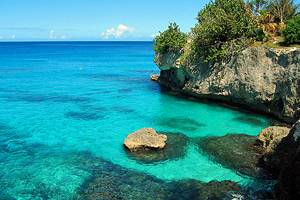
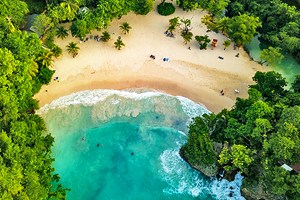
Cuba also abounds in natural beauty. This vast island has more than 5,000 kilometers of coastline, much of it rimmed by dazzling beaches. Coral reefs glimmer in the turquoise waters, and Cuba's lush countryside and sublime islands have played host to presidents; provided refuge to revolutionaries; and inspired writers from around the world, Hemingway among them.
With all this history and beauty, as well as superb diving and fishing, Cuba offers a depth and diversity few Caribbean islands can rival. Explore this captivating country with our list of the top attractions and places to visit in Cuba.
- 1. Old Havana (Habana Vieja)
- 2. Varadero
- 3. Trinidad
- 4. Guardalavaca
- 5. Playa Paraíso, Cayo Largo del Sur
- 6. Cayo Coco
- 7. Parque Nacional Viñales (Valle de Viñales)
- 8. Baracoa
- 9. The Malecon, Havana
- 10. Che Guevara Mausoleum, Santa Clara
- 11. Museo Nacional de Bellas Artes
- 12. Castillo de San Pedro del Morro, Santiago de Cuba
- 13. Peninsula de Zapata (Ciénaga de Zapata)
- 14. El Nicho Waterfalls
- 15. Parque Historico Militar, Havana
- 16. Plaza de la Revolucion (Jose Marti Memorial), Havana
- 17. Fusterlandia
1. Old Havana (Habana Vieja)
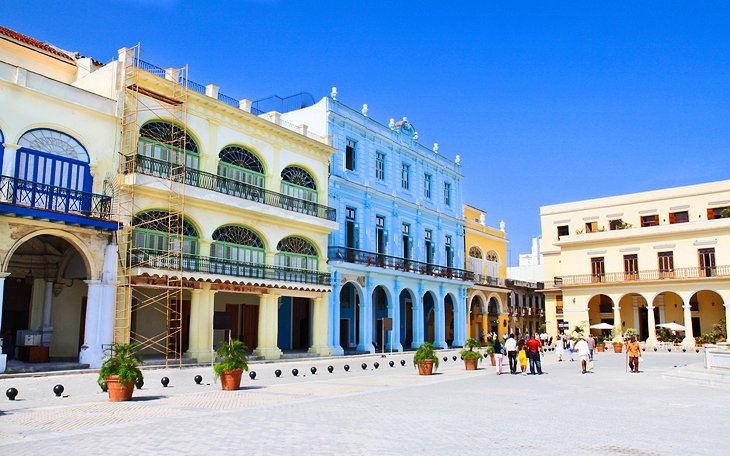
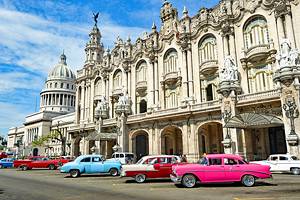
A UNESCO World Heritage site, Habana Vieja or Old Havana is a well-preserved slice of Cuban history. Strolling around the cobbled streets and gazing up at the grand Baroque and neoclassical buildings, it's easy to imagine what life in Cuba was like 200 years ago.
Extensive renovations are now breathing new life into the historic buildings. Major attractions here include the Plaza de la Catedral, home to the Cuban Baroque Catedral de San Cristobal; the legendary restaurant and Hemingway hangout, Bodeguita del Medio; and the military fortress, Castillo de la Real Fuerza.
Also in the Old Town, Plaza Vieja is one of the top places to visit in Havana. This vibrant gathering spot is home to some notable buildings, including the 18th-century Casa del Conde Jaruco, with beautiful stained-glass windows on the first floor. Nearby, the camera obscura offers fantastic views from its 35-meter tower.
The best way to explore Old Havana is to simply get lost along its cobbled streets. Colorful photo ops await around every corner, from the faded pastel-painted buildings to the clothes flapping in the breeze on washing lines and the candy-pink classic cars. Take time to watch kids play soccer in a square or listen to an impromptu musical performance. Allow at least a day to explore the Old Town and more if time permits.
Author's Tip: If you're seeking a more authentic Havana experience where you can connect with the locals, consider dining at paladars, small family-owned restaurants in private homes. They also tend to be cheaper than conventional restaurants. Similarly, if you're looking for an affordable place to stay, book a casa particulare. These homestays with Cuban families are another great way to save money and soak up the local culture.
2. Varadero
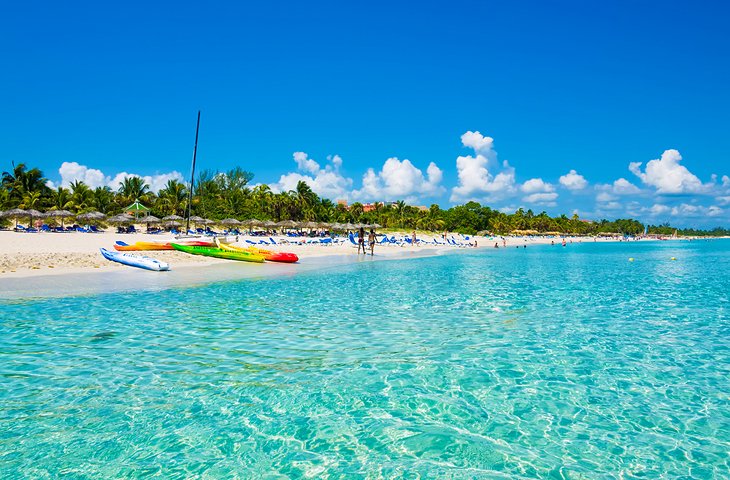
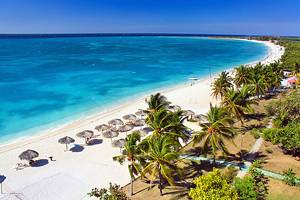
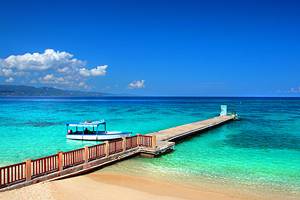
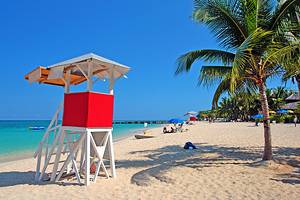
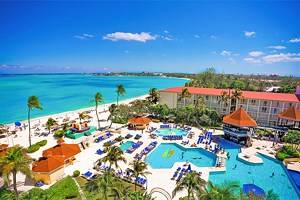
Varadero is one of Cuba's most famous beach destinations, and home to one of the best beaches in the Caribbean. It stretches along the Peninsula de Hicacos, which juts into the sea off the north coast; a drawbridge connects it to the mainland.
More than 50 beach resorts line this popular palm-fringed strip, and its magnificent white-sand beaches draw visitors from around the world.
Varadero highlights include Parque Ecológico Varahicacos (Varadero Ecological Park), and its two caves, Cueva de Ambrosio and Cueva de Musulmanes.
For more subterranean adventures, Saturno Cave (Cueva de Saturno) offers a cool respite from the sun-blasted beach. Take a refreshing dip in the crystal-clear cenote, marvel at the giant stalactites and stalagmites, and jump off the surrounding ledges into the teal-colored pool below.
Also in Varadero, the peaceful Parque Josone is home to lush flower gardens, a restaurant, a swimming pool, and a small lake where you can paddle about in rowboats.
Other popular things to do in Varadero, besides diving and snorkeling, are deep-sea fishing, golf, skydiving, and day trips to cultural attractions.
3. Trinidad
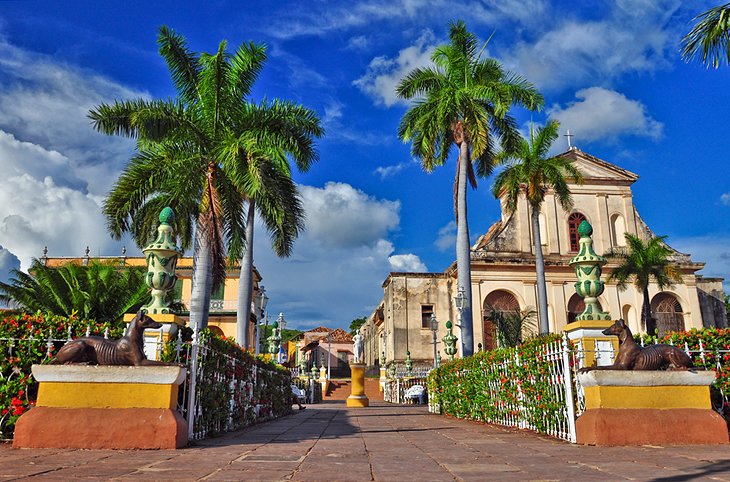
Exploring the town of Trinidad, Cuba, a UNESCO World Heritage Site, is like stepping back in time. The beautifully restored buildings and cobblestone streets in the city center exude a quaint colonial feel. Much of the architecture dates from the 17th to the 19th centuries, when Trinidad prospered from both the sugar and slave trades.
Today, Trinidad is one of the best cities in Cuba to visit, apart from Havana. You can soak up its lively ambience in the cobblestone Plaza Mayor, the city's central square. Above the square stands the neoclassical Church of the Holy Trinity (Iglesia Parroquial de la Santisima Trinidad).
Other Trinidad highlights are the Church and Monastery of Saint Francis (Iglesia y Convento de San Francisco), with its distinctive bell tower and the Palacio Brunet, a grand home built in 1812 and still featuring original frescoes and marble floors.
East of Trinidad, on the road to Sancti Spiritus, the lush World Heritage-listed Valle de los Ingenios contains numerous relics and monuments from the 19th century, when the sugar cane plantations and mills flourished. One of the best things to do in Trinidad, Cuba is simply drive or horseback ride through the beautiful scenery of green sugar cane fields, palm trees, and mountains.
4. Guardalavaca
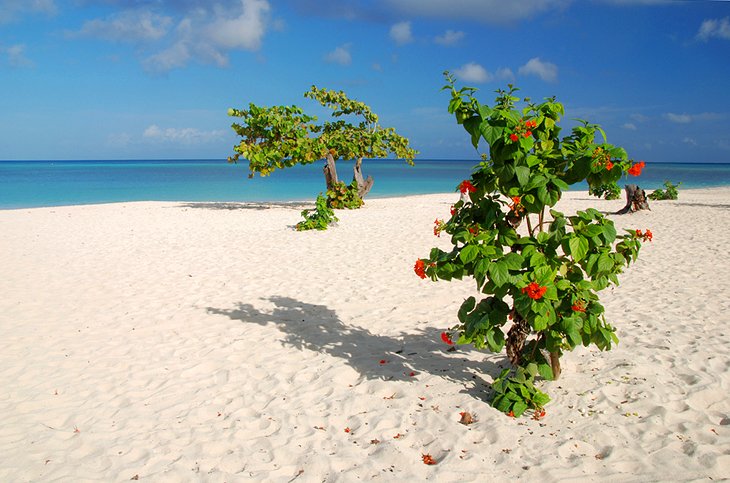
Rimmed by glittering beaches, Guardalavaca, in the Holguin province, is quieter and more remote than Varadero. Lush foliage fringes the sweeping strand of beach here, providing plenty of shady patches for those seeking respite from the tropical sun. Divers and snorkelers can explore a plethora of sea life along the coral reefs.
Day trips from Guardalavaca include jungle adventures, sailing trips, and sightseeing tours of Santiago de Cuba.
West of Guardalavaca, Bahia de Naranjo encompasses a large slice of coast and three islands, including Cayo Naranjo with the popular Dolphinarium, which offers close-up encounters with these gregarious creatures.
Chorro de Maita is another side trip option from Guardalavaca, with a native Indian burial area and a recreated Taino Indian village.
5. Playa Paraíso, Cayo Largo del Sur
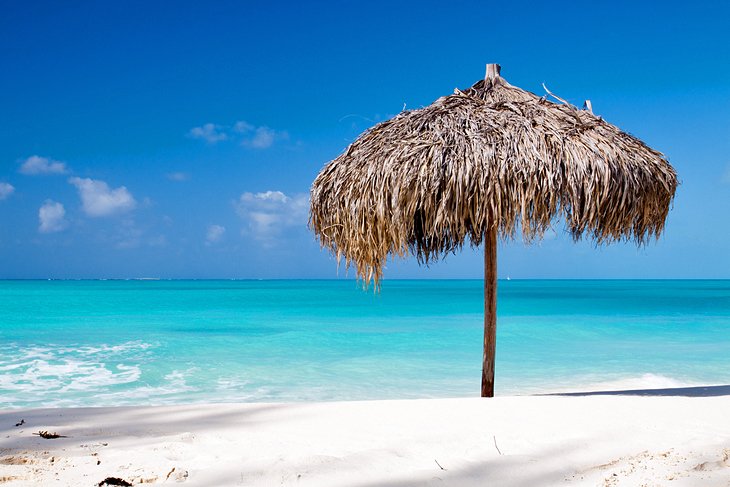
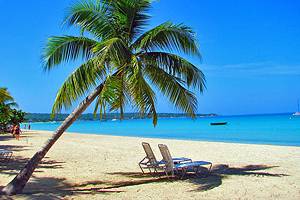
In a country known for its beautiful beaches, Playa Paraíso (Paradise Beach), on the island of Cayo Largo del Sur, is one of Cuba's best. This sublime strand of powdery white sand and baby blue sea skirts the sheltered western edge of the island and merges with the equally ravishing Playa Sirena.
The island of Cayo Largo del Sur is truly a sun seeker's destination with a typically dry, sunny climate and few tourist attractions besides some of the most beautiful beaches in Cuba and many hotels and resorts.
Note that sections of these beaches are clothing optional.
6. Cayo Coco
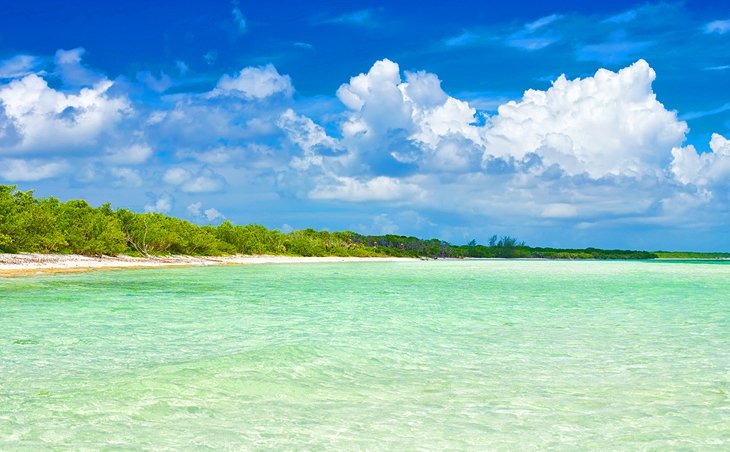
Cayo Coco is another of Cuba's idyllic beach destinations and one of its most isolated. The island starred in Hemingway's novels, Islands in the Stream and The Old Man and the Sea, along with nearby Cayo Guillermo.
As part of the Jardines del Rey, the combined archipelago of Sabana-Camaguey, Cayo Coco is connected to the mainland by a bridge, though most visitors arrive by air.
Sun-splashed beaches are the prime attraction. Playa Los Flamencos, on the Atlantic side of the island, is a standout with its five-kilometer strand of sun-bleached sand, and the quiet and undeveloped Playa Prohibida offers a peaceful nature trail. The island is also known for its excellent birding.
Connected by a causeway to Cayo Coco, Cayo Guillermo also boasts a bevy of beautiful beaches, such as the ravishing Playa Pilar, as well as a string of all-inclusive resorts.
7. Parque Nacional Viñales (Valle de Viñales)
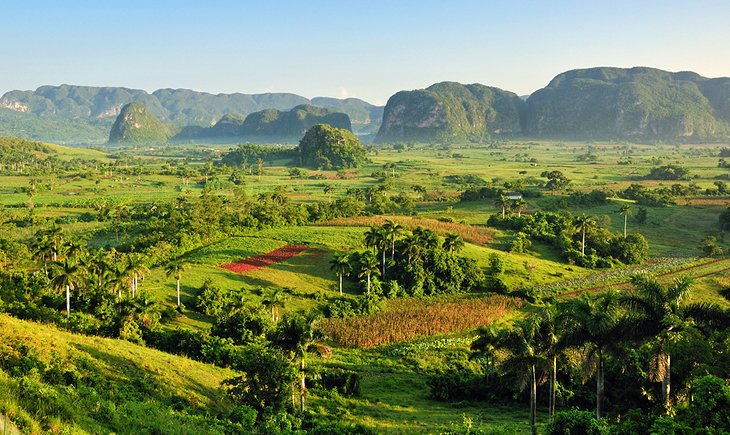
A UNESCO World Heritage Site, the Parque Nacional Viñales is a beautiful, verdant valley in the Sierra de los Organos, north of Pinar del Rio. Steep limestone hills, called mogotes, slice through the valleys, creating a dramatic landscape, and the wildlife
The valley floors in the Parque Nacional Viñales are agricultural areas where tobacco, fruit, and vegetables are grown. For outdoor enthusiasts, the park offers fantastic hiking and horseback riding in the hills. You can also tour coffee plantations, explore caves, and go rock climbing or ziplining here.
Nearby, the charming town of Viñales is a great base for exploring the surrounding area. Tour companies also offer day trips here from Havana.
8. Baracoa
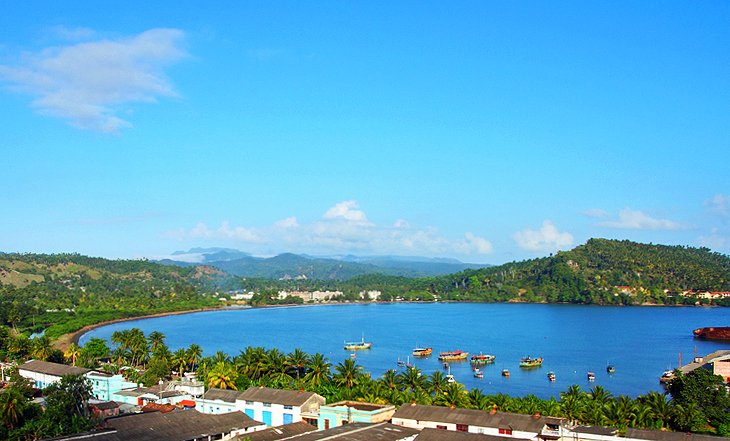
One of the highlights of eastern Cuba is beautiful Baracoa, the oldest city in the country. It was founded in 1511 in the province of Guantanamo, and construction began on the first church here around that time. Cut off from much of the outside world until the 1960s, when the La Farola highway was built, the city still has a remote feel.
Today, visitors come here for the charming colonial architecture and lush countryside, where waterfalls and pretty beaches provide a cool counterpoint to the steamy jungle. The flat-topped peak of El Yunque presides over all this tropical beauty, beckoning hikers to take the guided ascent to its 589-meter summit. The hillside is a UNESCO Biosphere Reserve where rare birds and plants thrive.
To really appreciate the spectacular scenery, take a drive down the winding La Farola highway, a 49-kilometer stretch from Baracoa over the mountains to Cajobabo.
The Museo Municipal is also worth a look. Housed in the Fuerte Matachin military fortress, it provides a glimpse of Baracoa's fascinating history, and the fort itself offers great views over the bay.
About 20 kilometers northwest of Baracoa is one of the area's best beaches: picture-perfect Playa Maguana. If you're looking for something adventurous to do in Cuba, you can rent a bicycle in Baracoa and peddle out here. Flights to Baracoa depart frequently from Havana.
9. The Malecon, Havana
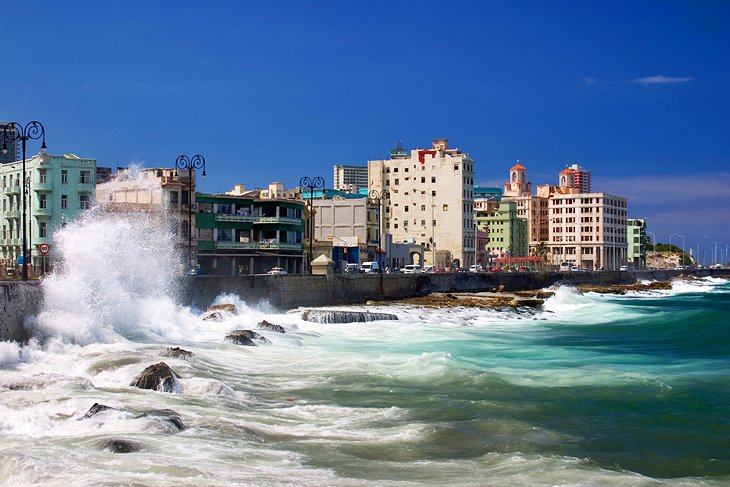
Conceived in 1901 and partly built in 1902 and beyond, the Malecon is Havana's famous seafront promenade. A walk along this top Havana attraction is a stroll through the history of the city.
The promenade runs seven kilometers from the Habana Vieja quarter to the Vedado, the central business district. Along the way, you will find an assortment of well-preserved 20th-century buildings that represent a mixture of architectural styles, including Art Deco and Neo Moorish. Painted in pastel pinks and yellows, the buildings are a photographer's delight, especially in the golden glow of dusk.
People-watching is a favorite pastime here. Young lovers saunter hand-in-hand, local fishermen cast their lines, and children clamber along the sea wall.
10. Che Guevara Mausoleum, Santa Clara
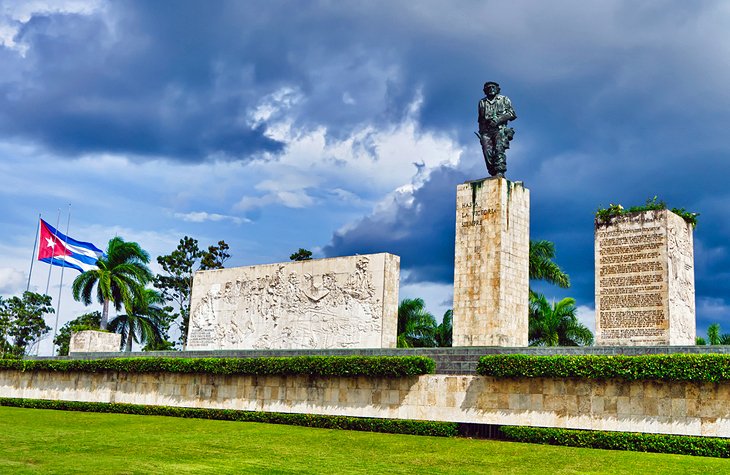
When beach towns and resorts all start to seem the same, and you're looking for unique things to do in Cuba, Santa Clara will add some depth to your Cuban itinerary. This is the famous site of the last guerrilla battle led by Che Guevara in 1958.
Che's body was laid to rest here, and his mausoleum (Mausoleo del Che Guevara) and monument, the Memorial Comandante Ernesto "Che" Guevara, are the town's big attractions. Etched on the bronze statue of Che Guevara in Plaza de la Revolucion is his final letter to Fidel Castro, while the mausoleum lies beneath.
Adjacent to the monument, the Museo Historico de la Revolucion exhibits some of Che's personal items. Che fans should also see the poignant Monumento a la Toma del Tren Blindado, a small boxcar museum and the site of the final battle between Che Guevara and the Batista troops.
11. Museo Nacional de Bellas Artes
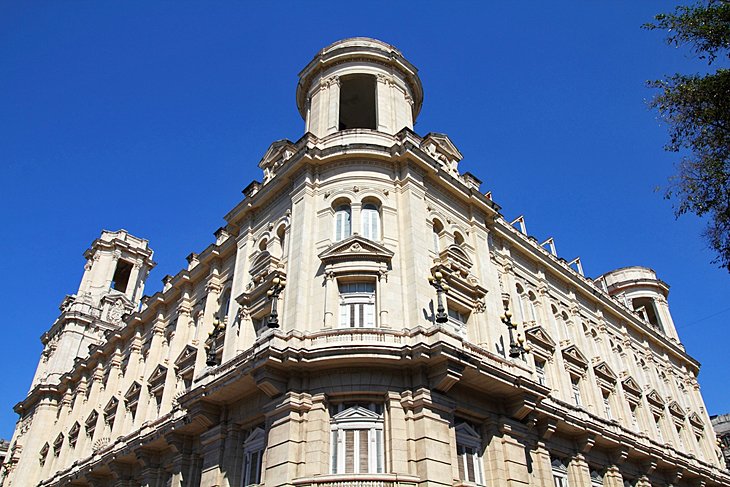
If you're an art lover, don't miss Havana's Museo Nacional de Bellas Artes (National Museum of Fine Arts), with its vast and impressive collection of international and Cuban art.
The collection is housed in two buildings and includes works from ancient times to the present day. Clad in sumptuous Italian marble, the restored Spanish Renaissance-style Palacio del Centro Asturiano was designed in the 1920s by Manuel Bustos. It displays international art, including works by European Masters; ancient art from Greece, Rome, and Egypt; and works from Asia, the United States, and Latin America. The Spanish collection, in particular, is a highlight.
The striking marble sculpture, Form, Space and Light, greets visitors at the entrance to the second venue, which dates from 1959. This Rationalist-style Palacio de Bellas Artes building displays a thought-provoking collection focusing on Cuban Art from the 17th century to the present day, including sculptures, prints, and paintings.
Palacio de Bellas Artes
Address: Trocadero Street e/Zulueta y Monserrate, Old Havana
Palacio del Centro Asturiano
Address: San Rafael, e/Zulueta y Monserrate, Old Havana
12. Castillo de San Pedro del Morro, Santiago de Cuba
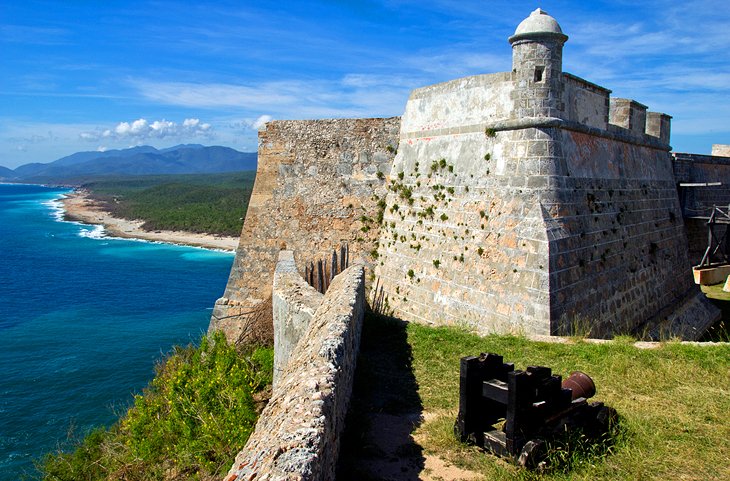
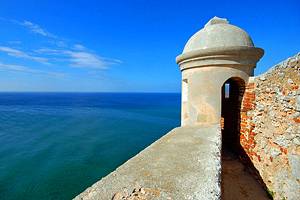
A UNESCO World Heritage Site, Castillo del Morro is one of the best-preserved Spanish fortresses of the 17th century. It stands at the entrance to the Bay of Santiago, about 10 kilometers southwest of Santiago de Cuba, the country's second-largest city.
Perched high atop a cliff, the structure was designed in 1587, but took decades to build and was finally completed at the end of the 17th century. It was originally intended to protect against pirate attacks, but also served as a prison in the late 1700s before being once again converted into a fortress.
Today, you can explore the many different levels of the fort, learn about pirates and the fort history in the small museum, and enjoy impressive views over the bay.
Other cultural highlights of Santiago de Cuba include the Diego Velazquez Museum and Cementerio de Santa Ifigenia, home to the remains of some of Cuba's most famous military figures.
Less than an hour from the city by car, Parque Baconao is a World Heritage Biosphere Reserve where you can tour coffee plantations, wander through beautiful botanical gardens, and enjoy stunning 360-degree views over the mountains and sea from the 1,234-meter summit of Gran Piedra, a large volcanic rock.
13. Peninsula de Zapata (Ciénaga de Zapata)
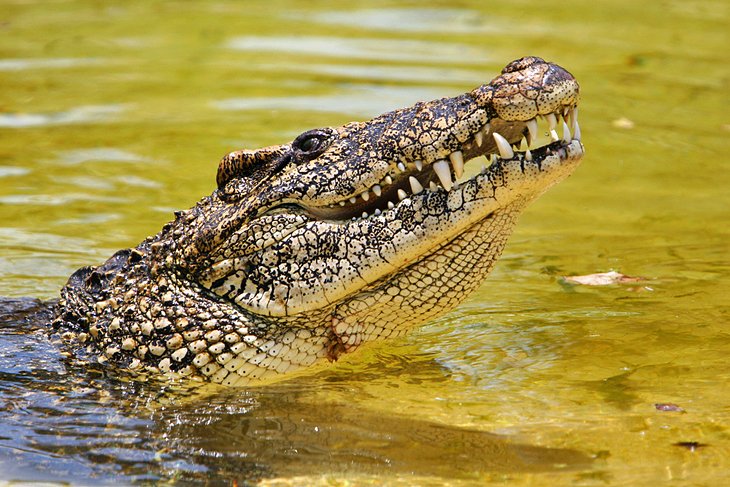
A haven for birders and nature lovers, the Peninsula de Zapata is a remote, sparsely populated area of Cuba with diverse landscapes and one of the largest wetlands in the Caribbean.
The Cienaga de Zapata, or the Zapata Swamp as it is affectionately known, is a UNESCO Biosphere Reserve, home to approximately 150 different species of birds, including waterhens, parrots, and herons. Crocodiles are also common.
One part of the peninsula is a designated nature reserve, the Gran Parque Natural de Montemar, where you can see some of these creatures in their natural habitats.
At the mouth of the Bay of Pigs (Bahia de Cochinos) is Playa Giron, the famous site of the 1961 Bay of Pigs Invasion. You can explore this fascinating history at the small Museo Giron.
At the top of the Bay of Pigs, Playa Larga is home to a long beach backed by lush vegetation. Avid divers can explore the underwater wildlife at numerous dive sites here along the reef.
Boca de Guama is the peninsula's tourist center, and its main attraction is the Criadero de Cocodrilos, a crocodile farm.
14. El Nicho Waterfalls
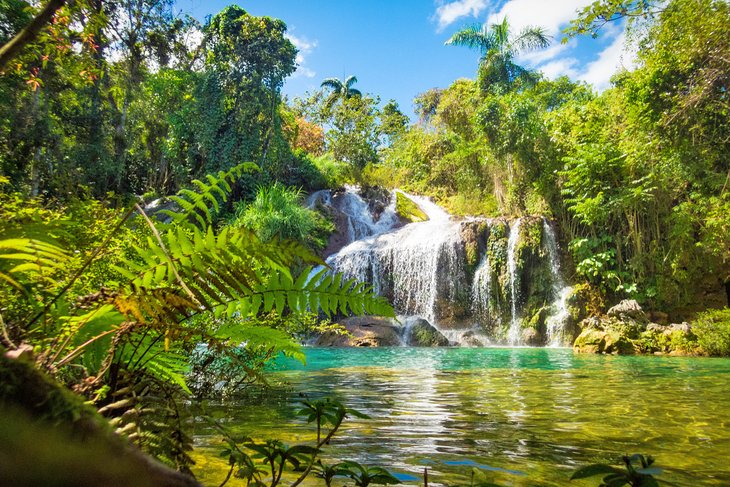
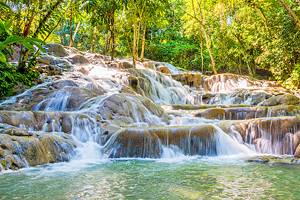
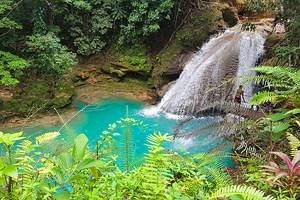
If you're looking for a ravishing slice of nature in central Cuba, head to El Nicho waterfalls. About a 90-minute drive from Trinidad or Cienfuegos, in Parque El Nicho, these multi-tiered falls flow into several jade-green jungle pools — the perfect place to take a cool dip on a hot day.
Driving here along the twisty rutted roads is an adventure in itself, and the scenery is beautiful. Once you arrive and pay the entrance fee, take the 1.5-mile palm-lined trail to the park's most scenic spots. It meanders along a cool river and ascends through thick, tropical forest to the falls, where you can swim and sunbathe. Along the way, keep an eye out for the tocororo, Cuba's national bird, and the beautiful royal palm.
Walk beyond the falls, and you'll end up at a scenic lookout with breathtaking views across lush valleys.
Wondering about things to do with the family in Cuba? This is the perfect back-to-nature excursion. Best of all, the waterfalls gush year-round — even in the dry season.
15. Parque Historico Militar, Havana
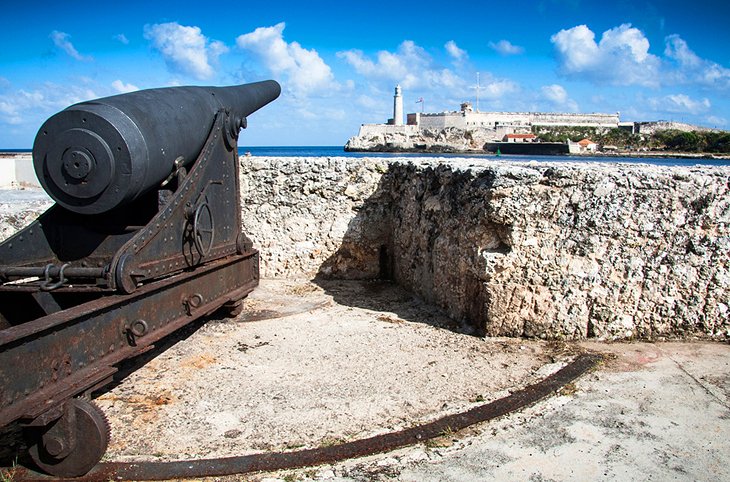
The Parque Historico Militar encompasses two of Havana's famous fortresses: the Castillo de los Tres Reyes del Morro, also known as El Morro, and Fortaleza de San Carlos de la Cabana.
Presiding over the entrance of the Bay of Havana, El Morro was built in the late 16th century and early 17th century to fend off pirates, and looks much the same as it did back then. The lighthouse was replaced with one of stone in the middle of the 19th century, but its original lamp still shines out to sea. You can ascend to the top of the fort to admire impressive views of the ocean and city.
A short stroll from El Morro, Fortaleza de San Carlos de la Cabana, constructed in the 1770s, was the biggest fort the Spanish ever built, as well as the most expensive. The fort became a military prison during the Batista regime and was later used as the headquarters for Che Guevara after the Revolution.
You can explore the museums here, which trace the history of this fascinating fort, but the most popular time to visit is at night when actors dressed in 19th-century costumes perform Ceremonia del Cañonazo, a cannon-firing ceremony, at 9pm.
16. Plaza de la Revolucion (Jose Marti Memorial), Havana
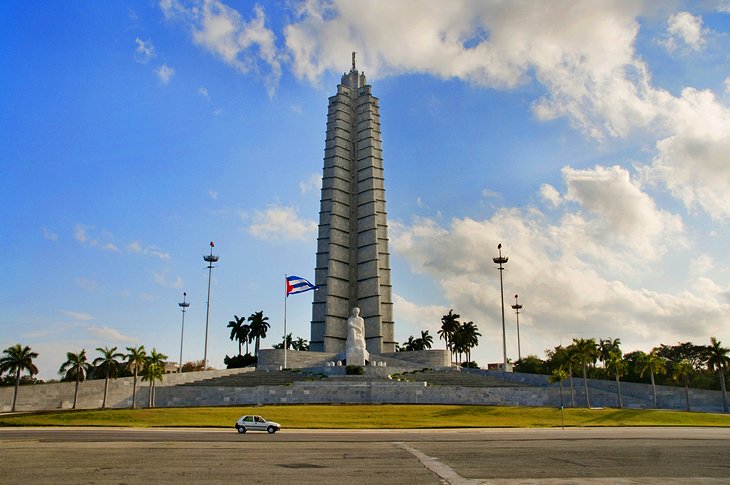
Due to its important place in Havana's history, the Plaza de la Revolucion deserves at least a brief stop if only to absorb the events that transpired here. Castro delivered speeches in this vast square, attracting more than a million people at times. And in 1998, during a visit to Cuba, Pope John Paul II celebrated mass here.
In the center of the Plaza de la Revolucion stands a 109-meter gray tower, a memorial to the Cuban national hero, Jose Marti, while a large, white marble statue of him lies at its base. Below the statue is the entrance to the interior of the Jose Marti Memorial, which contains a museum on Marti. Ascend the tower for incredible views over Havana.
Opposite the memorial, the famous giant portrait of Che Guevara adorns the Ministry of Interior building. This is a popular spot for capturing Instagram photos, and you can also pose next to one of the colorful classic cars parked here.
17. Fusterlandia
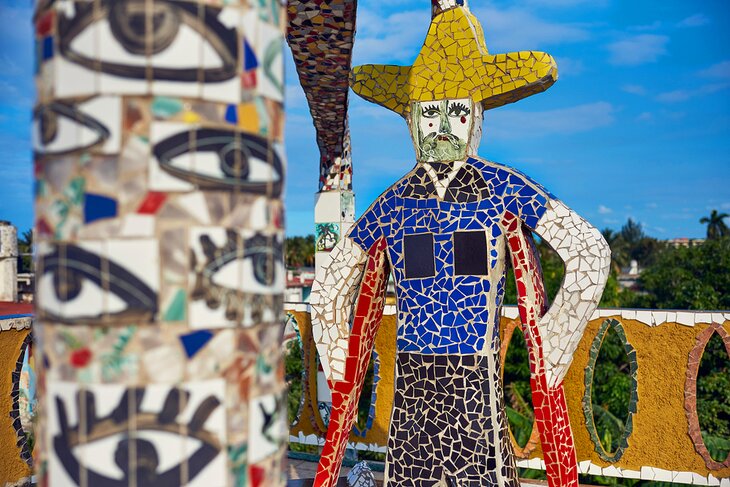
A riot of color and bucketloads of artistic inspiration is what you'll find at Fusterlandia. Mosaics, paintings, and sculptures in every color of the rainbow decorate this small neighborhood, which is actually called Jaimanitas. It's located about a 30-minute drive from Havana.
Local artist José Fuster, often called the Picasso of the Caribbean, is the artistic mastermind who transformed the neighborhood. A painter and sculptor, he created this striking display as a reflection of his life and art, even taking the time to decorate local bus shelters and his neighbors' homes.
After you click away at all the colorful art with your camera, pop by his home studio. Many Havana tours include a visit to this famous neighborhood, but you can also take the hop-on, hop-off tourist bus for a small fee. And if you really want to splash out, you can take a tour in a classic car.