
Rick Steves Loves This Country's Impressive, High-Tech Bathrooms
A heated toilet seat won Rick Steves over on a cold winter trip. Find out what else makes this country's bathrooms a surprising part of the travel experience.
Read More

A heated toilet seat won Rick Steves over on a cold winter trip. Find out what else makes this country's bathrooms a surprising part of the travel experience.
Read More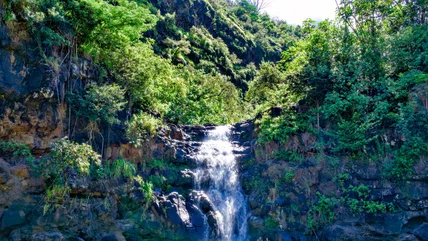
Though tourists flock to its neighboring city for a tropical getaway, this suburb was named the worst place for a staycation in the country.
Read More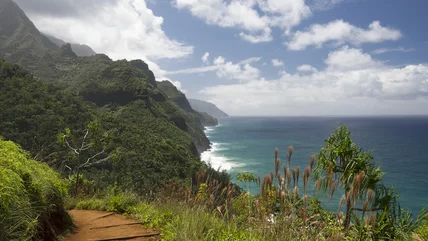
This Hawaiian trail may have gorgeous scenery, but it also comes with unstable terrain, steep elevation gains, and possible inclement weather.
Read More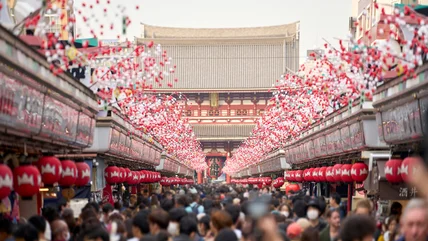
Your next trip to Japan will likely be a little more expensive, but the higher cost is part of the country's strategy to welcome more tourists.
Read More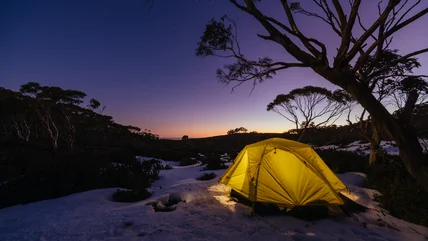
According to a study, this country beats the rest when it comes to camping, with nearly 700 national parks and countless campsites near one-of-a-kind landmarks.
Read More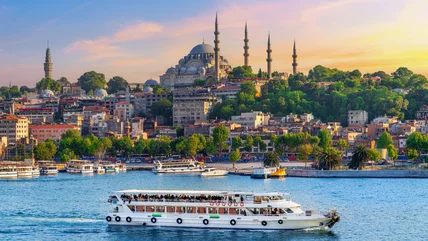
Experience two different continents, plus plenty of historic sites, stunning beaches, and top-tier shopping, without blowing your budget in this destination.
Read More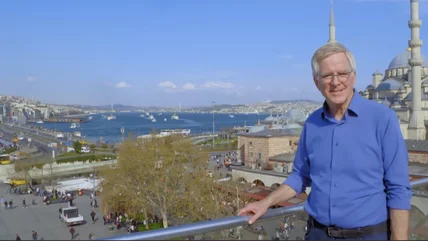
This major tourist destination is one of travel expert Rick Steves' favorites for its rich history, religious influences, and unique clash of cultures.
Read More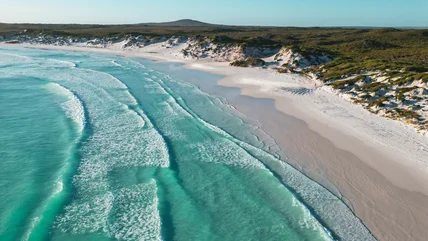
Australia has tons of beaches, but only one has been recognized as the third-best in the world! With its remote location, it's an uncrowded idyllic experience.
Read More
Set to become the largest airport in Australia, this new international travel hub operates 24/7, and will soon be connected by metro right to the city.
Read More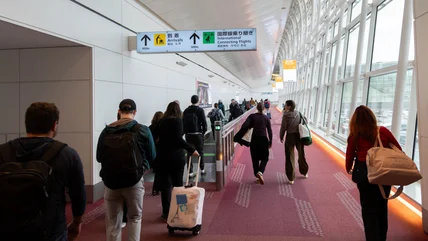
Robot baggage handlers are coming to an airport in Japan. But what do supporters and critics say? We dive into the debate to ask: Is this really the future?
Read More
This nation welcomed a record-breaking 42.7 million international tourists in 2025, and a big part of its appeal lies in how affordable it is to visit.
Read More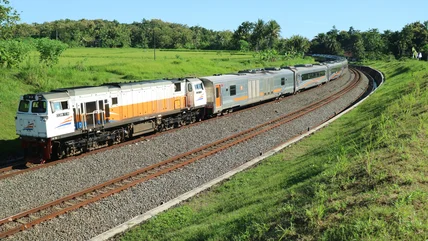
This lesser-known train ride allows you to witness the beauty and diversity of the world's most populated island from a panoramic glass railcar.
Read More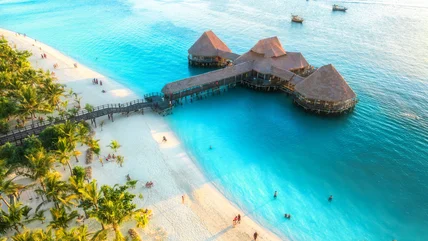
From Europe to Africa to Asia, there are plenty of islands that'll give you the tropical vacation of your dreams without the price tag of Caribbean getaway.
Read More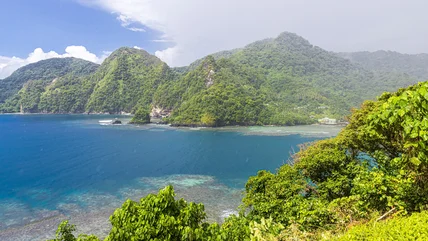
Far from the mainland of the U.S. is an obscure American national park full of island adventures, coastal hikes, historical trails, and sandy beaches.
Read More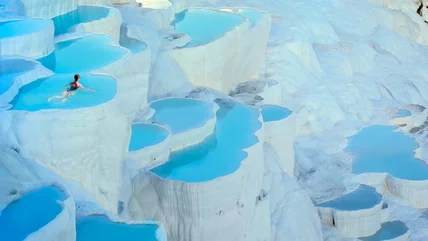
The world's best hot springs offer the perfect combination of natural beauty, rich history, and pure relaxation for the ultimate restorative getaway.
Read More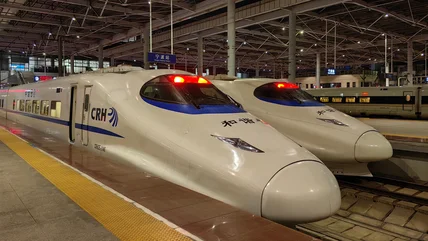
China has built the world's largest high-speed rail network, and its newest bullet train is pushing the limits of how fast passengers can travel by land.
Read More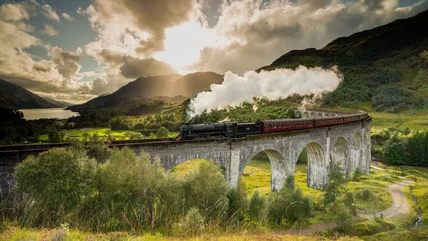
Forget flying, the world's most scenic train rides offer jaw-dropping views of mountains, coastlines, jungles, and deserts from a comfortable seat.
Read More
Traveling off the grid doesn't have to involve camping. There are other ways to take a break from tech -- and some of them are quite luxurious.
Read More
The travel landscape in 2026 looks a little different, with travelers choosing trips and experiences that reflect shifting priorities and new expectations.
Read More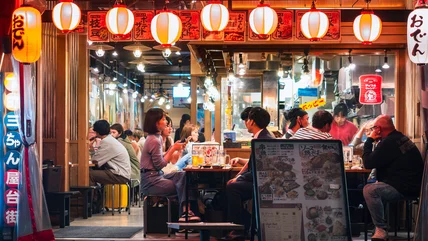
When it comes to eating well in Japan, Google Reviews can be misleading — and learning how locals actually rate their restaurants can be a game-changer.
Read More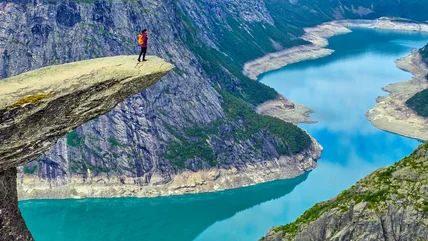
There are many places in the world to add to your bucket list, but these 13 deserve a spot at the top of the list. Get your camera ready for these scenic views.
Read More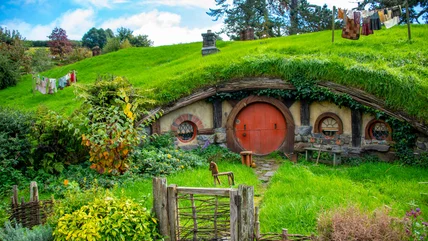
For travelers who love to plan trips around books, these 10 destinations prove that literature and travel can come together to create unforgettable experiences.
Read More
Once built for luxury and prestige, these 11 abandoned hotels now sit frozen in time, marked by events like war, disaster, and sudden collapse.
Read More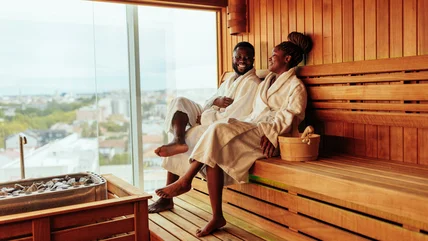
Let's face it: most of us could use a break in 2026. If you need to unwind, a hectic itinerary might not be for you. Consider booking a wellness vacay, instead.
Read More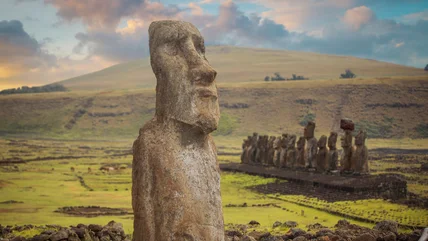
Humans have been all over the planet, but there are plenty of things that have yet to be discovered. And many discoveries remain unexplained.
Read More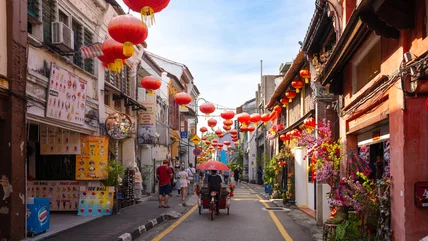
Southeast Asia is filled with food, history, and absolutely stunning scenery. While there were major contenders, this country was the top destination of 2025.
Read More
Traveling to Japan involves more than sightseeing, and there's a commonly overlooked chopstick rule that could embarrass visitors at the table.
Read More