13 Top-Rated Attractions & Things to Do in Capri
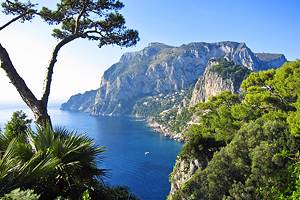
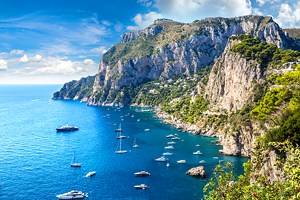
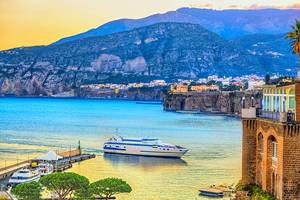
No wonder the emperors Augustus and Tiberius decamped to the idyllic island of Capri to escape the bustle of ancient Rome. Today, it still attracts vacationers from southern Italian cities, along with boatloads of tourists every day. Its rugged 61-meter crags jut precipitously out of the deep blue Tyrrhenian Sea within sight of Sorrento, only 20 kilometers away.
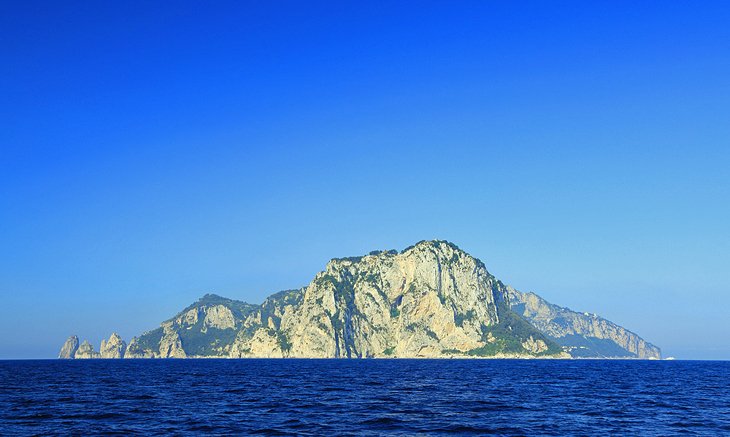
The island is an extension of the steep, mountainous Amalfi peninsula where Sorrento lies. Frequent ferries and hydrofoils for Capri leave from Sorrento (the closest) and from Naples, 43 kilometers away.
Only about six kilometers long and a little more than two kilometers wide, the island has two towns: Capri and high above it, Anacapri. Apart from the glamorous international people-watching scene (the island is a favorite for celebrities and the paparazzi that follow them), the island's chief pleasures are its scenery, natural wonders, and its lush greenery (look for acanthus leaves, the inspiration for Corinthian capitals on columns), all best appreciated from its many walking paths or by boat.
However you choose to explore the island, you'll find the best places to visit with this handy list of the top attractions in Capri.
See also: Where to Stay in Capri
- 1. Marina Piccola
- 2. Grotta Azzurra (Blue Grotto)
- 3. Giardini di Augusto (Gardens of Augustus)
- 4. Villa San Michele
- 5. The Faraglioni and Punta Tragara
- 6. Monte Solaro
- 7. Villa di Tiberio (Villa Jovis)
- 8. Anacapri
- 9. Certosa di San Giacomo
- 10. Piazza Umberto I (Piazzetta)
- 11. Hike the Sentiero dei Fortini Borbonici
- 12. Follow Via Migliera to the Capri Philosophical Park
- 13. Boat Trips
- Where to Stay in Capri for Sightseeing
- Tips and Tours: How to Make the Most of Your Visit to Capri
- Map of Attractions & Things to Do in Capri
- More Places to Visit near Capri
1. Marina Piccola
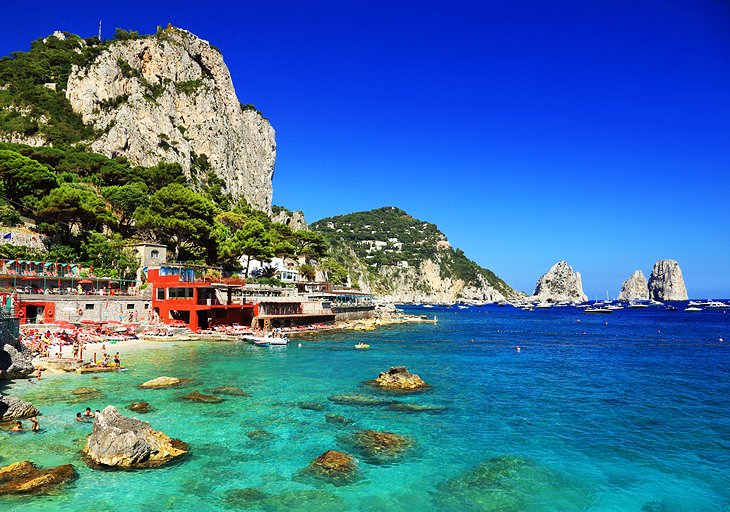
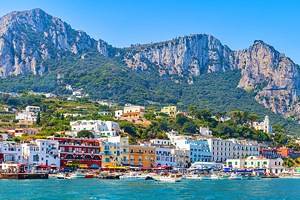
If you imagine this spot before the sun-worshipers and cafés, it's easy to believe that it was the place where the Sirens lured Ulysses. The little harbor on the south coast gets the most sun and is protected from the winds by steep cliffs, so it's often warm enough for sunbathing even in the winter.
Take the bus from Capri town or walk down Via Krupp, continuing down the steps from the little church of Sant'Andrea to find the free beaches of Marina di Pennauro and Marina di Mulo.
2. Grotta Azzurra (Blue Grotto)
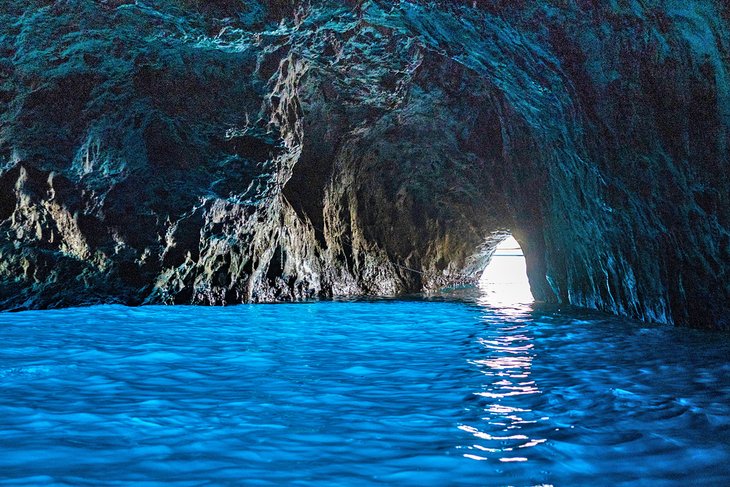
The grotto is a massive flooded cave with an opening into the sea. Reflected sunlight makes the cave appear to be lit from inside with an eerie bright blue glow. Small boats cluster near the entrance to take tourists into the cave through an opening that is barely a meter high - you may have to lie on the floor of the boat to get through, and when the sea is rough, it is impossible to enter.
Romans thought it the home of sea nymphs, but since the 19th century, it has been Capri's major tourist attraction. To access the Blue Grotto, take a boat from Marina Grande or a bus from Anacapri or by the Via Pagliaro (three kilometers) from Anacapri.
There are other dramatic sea caves where the light reflects the intense colors of the Mediterranean: on the opposite side of the island is the Green Grotto, smaller but more approachable by boat and not as crowded.
3. Giardini di Augusto (Gardens of Augustus)
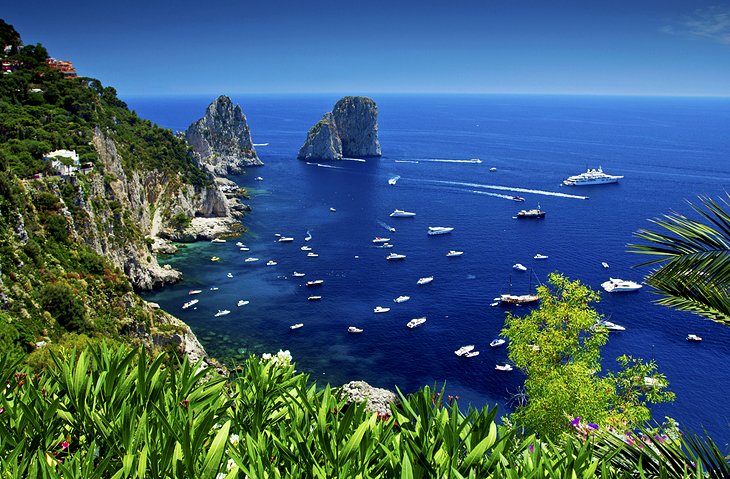
Close to San Giacomo, the beautifully maintained botanic gardens cover a leafy terrace, where flowers and pergolas frame views of the Faraglioni sea stacks standing in the blue-green water below.
Look the other way to see the Bay of Marina Piccola and Via Krupp, a walking path leading down in a series of ribbon-candy loops to Marina Piccola, about 91 meters below. You can follow Via Krupp (built by the German arms manufacturer who vacationed on Capri) and return by bus.
Address: Via Krupp, Capri
4. Villa San Michele
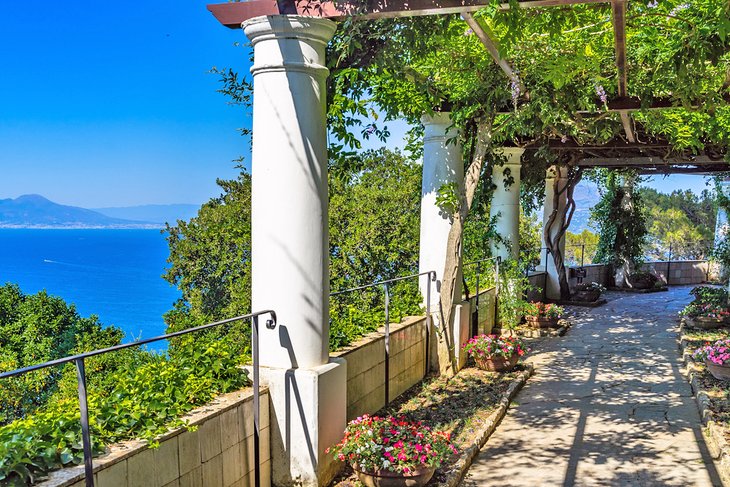
Few homes have such a perfect setting, but Villa San Michele's magic lies not only in its beauty, but in its personality. It was the home of the Swedish doctor Axel Munthe, who immortalized its concept, construction, and his life there in The Story of San Michele.
The house and gardens surrounding it are filled with his personal collections, ranging from priceless archaeological artifacts - Roman, Egyptian, and Etruscan antiquities - to 20th-century art. The views from its gardens, framed by vine-draped pergolas and marble statues, are breathtaking.
Address: 34 Via Capodimonte, Anacapri
Official site: www.villasanmichele.eu
5. The Faraglioni and Punta Tragara
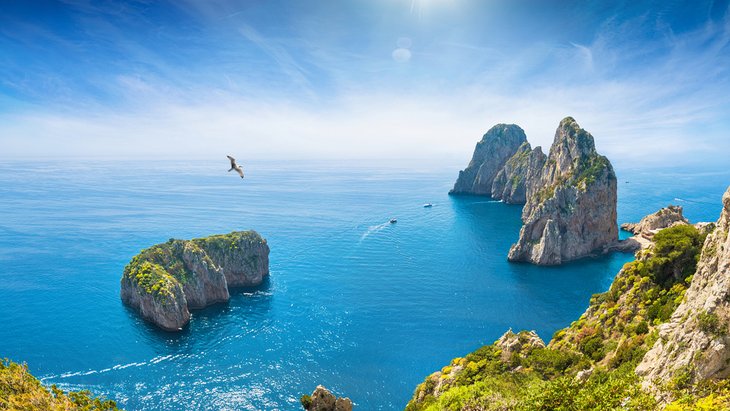
At the southeast tip of Capri, a terrace on the promontory of Punta Tragara overlooks the south coast and the three sea stacks known as the Faraglioni. The view sweeps from the mainland Amalfi peninsula to Monte Castiglione, with its castle, and down to the bay of Marina Piccola.
From the right side of the terrace, a path leads to the Pizzolungo, one of the island's most beautiful walks. Follow the Pizzolungo to the Natural Arch, 15 meters high.
6. Monte Solaro
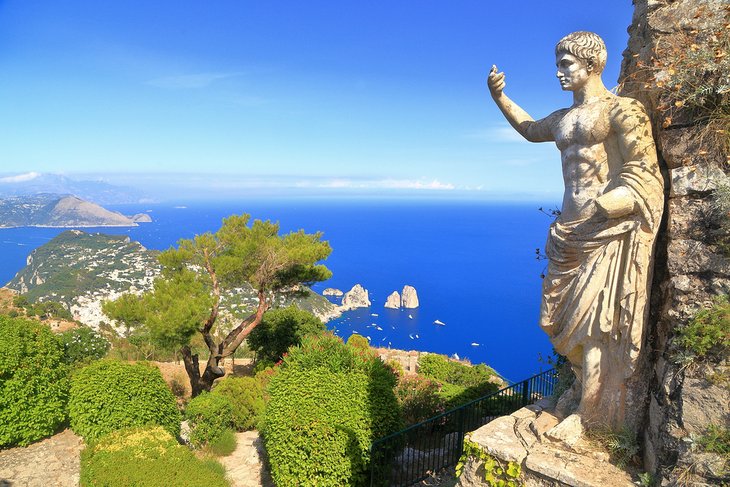
From Piazza Vittoria in Anacapri, a chair-lift (12 minutes) and a footpath (one hour) lead up to the summit of 588-meter Monte Solaro. From this highest point on the island, you can see not only the whole of Capri, the Bay of Naples, and Amalfi peninsula, but as far as the mountains of Calabria.
On the vertical face of the Fortino di Bruto, a defense built during the Napoleonic wars in the early 19th century, is a statue of the Emperor Augustus, the first Roman to arrive on the island. A favorite view of the Faraglioni Rocks rising out of the sea is under the outstretched arm of the statue.
Not far below the summit is the 16th-century monastery of Cetrella, rarely open.
7. Villa di Tiberio (Villa Jovis)
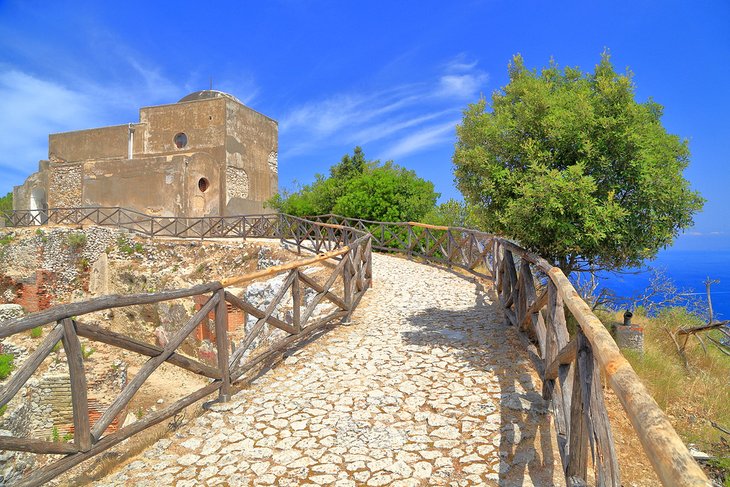
In the extreme northeast of Capri are the surprisingly intact remains of the Villa de Tiberio or Villa Jovis, one of the grandest of the villas of Emperor Tiberius. The ruins rise in terraces to the top of the hill, giving an idea of the size of the villa in which Tiberius is thought to have lived from AD 27 until his death in AD 37. Because of the steep terrain, the villa is split into several levels, in all covering more than 18,000 square meters.
Despite all the luxury, he seems to still have been grumpy, as at the end of the road is Salto di Tiberio, a 274-meter cliff from which he is reputed to have tossed servants and guests who displeased him.
Reach the villa via Via Botteghe, Via Fuorlovado, Via Croce to Via Tiberio, a 45-minute uphill walk from the Piazza.
Address: Via Tiberio, Capri
8. Anacapri
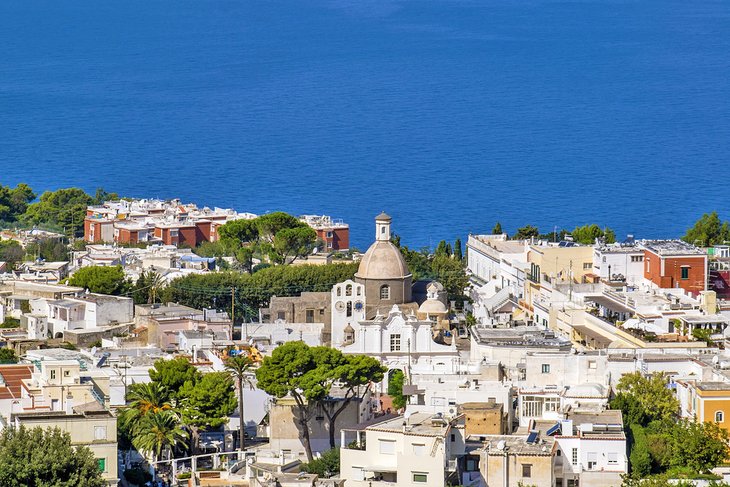
So far from the glitz and celeb-watching of the Piazza in Capri, Anacapri floats in a dream world atop its plateau. The flight of more than 500 stone steps, built in Phoenician times, has been supplanted by a three-kilometer road, which buses connect to the lower town.
The 18th-century church of San Michele in Anacapri is built on an octagonal Greek cross floor plan, and its floor of majolica tiles depicts the expulsion of Adam and Eve from the Garden of Eden.
The town's principal church, Santa Sofia, dates from 1510, but the sacristy and oratory include the remains of an older church of San Carlo. It's hard to miss the red crenelated Casa Rossa, built by an American Civil War veteran; a museum inside displays Roman statues found in the Blue Grotto.
9. Certosa di San Giacomo
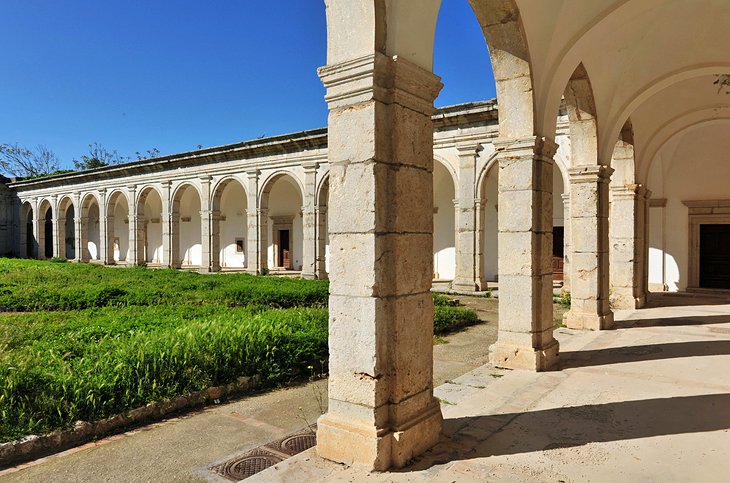
Close to the Gardens of Augustus in the center of the town of Capri is Certosa di San Giacomo. Founded in 1371, it was sacked and burned in 1553, and abandoned after 1807. But at its height, this Carthusian monastery dominated the island.
The church has a Gothic doorway, 17th-century frescoes, and two cloisters. The convent holds the Museo Diefenbach, a collection of works by German Art Nouveau and Symbolist painter Karl Wilhelm Diefenbach, who lived on Capri from 1900 to 1915.
Address: Via Certosa di San Giacomo, Capri
10. Piazza Umberto I (Piazzetta)
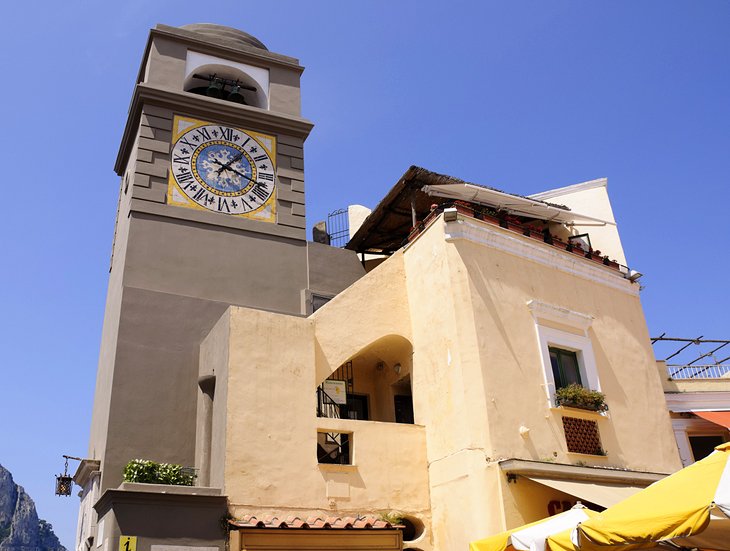
Known simply as the Piazzetta, this lively square under its clock tower is where the funicular drops passengers arriving at Marina Grande. It's one of the favorite places to go, where tourists linger in hopes of spotting celebrities in the cafés that face it.
The piazza and nearby streets are the place for shopping in Capri. The highest concentration of big-name designer stores is on Via Camerelle, and elsewhere, you'll find shops displaying souvenirs, flowers, brightly painted pottery, clothing, locally made perfumes, and Capri's other specialty - sandals custom made in only an hour.
11. Hike the Sentiero dei Fortini Borbonici
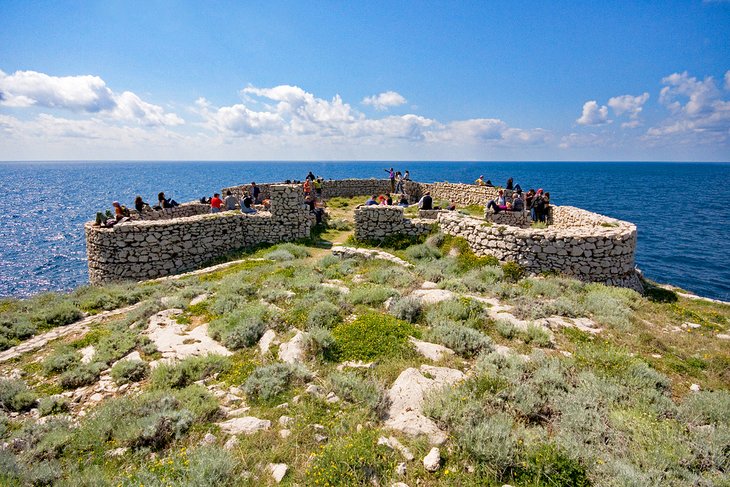
To see Capri's wild side and get away from the crowds, take a two-hour hike along the rugged western shore on the coastal path, Sentiero dei Fortini Borbonici. The trail reveals a series of old fortresses between the Blue Grotto and the Punta Carena Lighthouse (Faro di Punta Carena), as well as some of Capri's rarely seen and most beautiful views.
As the trail skirts the irregular coast, it passes three forts, built in the early 1800s to defend Capri's western coast, between the Blue Grotto and the Punta Carena. The Orrico, Mesola, and Pino forts were built by the English and later strengthened by the French, who took Capri in 1808.
Be sure to take water, and wear sturdy shoes and a hat, as there is little protection from the sun as you walk through the low Mediterranean vegetation. The hike takes about two hours, and if you begin the Blue Grotto end, you can cool off at the small beach at the foot of the cliffs below the lighthouse.
Watching the sunset from the lighthouse is one of the favorite things to do on Capri. You can take a bus from Anacapri to either end of the trail.
12. Follow Via Migliera to the Capri Philosophical Park
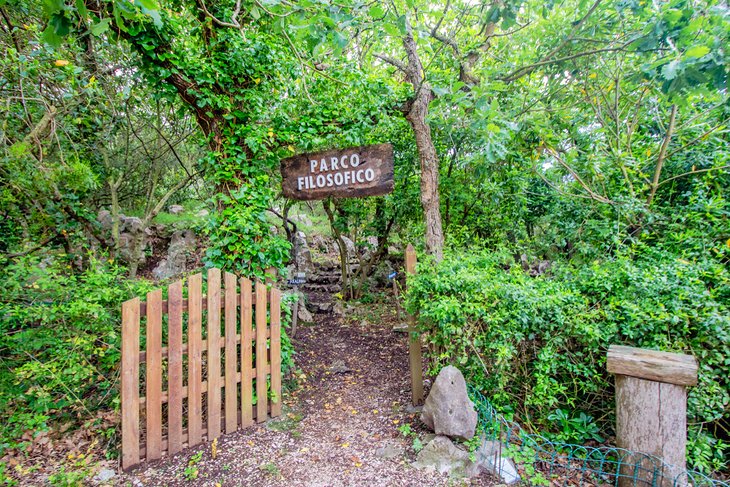
One of the newer things to do in Anacapri is walk the peaceful paths in the Capri Philosophical Park near the end of the Migliera walking trail. Each of the three paths up the hillside is dedicated to a different philosophical theme – Idealism, Realism and Wisdom – and lined with ceramic plaques quoting philosophers and writers from the 7th to the 20th centuries.
Even if you don't want to ponder life's questions or contemplate the wisdom of the ages, the walk along the Via Migliera is a good chance to see the Capri countryside, as it winds from Piazza del Pace past farms and fields to the magnificent views from the Belvedere della Migliara.
13. Boat Trips
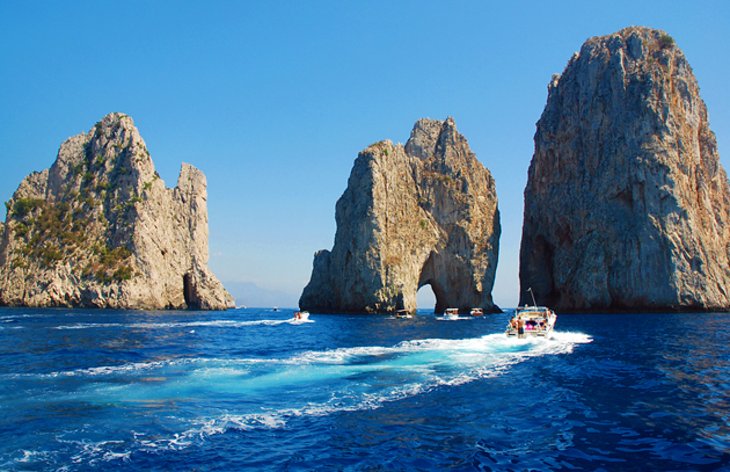
For those who don't have the time to walk along the island's many scenic coastal trails, the best way to see the more remote parts of Capri and its dramatic sea cliffs is on a boat excursion around the island. It takes about two hours by motorboat, three to four hours by rowboat. Shorter trips around and among the Faraglioni sea stacks take about an hour and are one of the most popular things to do on Capri.
Address: Dock 0, Marina Grande, Capri
Where to Stay in Capri for Sightseeing
We recommend these highly rated hotels on the beautiful island of Capri, close to the top tourist attractions:
Luxury Hotels:
- The 18-room La Minerva has been recently renovated, retaining traditional features such as majolica tile floors and vaulted ceilings with modern comforts and furnishings. The hotel has family rooms, ocean-view rooms, and private balconies, close to Via Camerelle shops.
- In the high village of Anacapri, easy to reach by regular bus service, the family-run Casa Mariantonia has a beautiful swimming pool. Surrounded by its extensive gardens of citrus trees and Mediterranean flowers, the villa offers sea and mountain views from the guest rooms.
- Set in a stunning Art Nouveau villa, boutique Hotel Excelsior Parco features elegant décor and gorgeous sea views. The hotel has a rooftop terrace and its own beach club.
Mid-Range Hotels:
- With sweeping views of the iconic Faraglioni rocks from its wide terrace, the family-friendly Hotel Luna is set among gardens. Rooms have private balconies and there is a fitness center. Be sure to be return in time to watch the sunset.
- Occupying the top floors of a distinguished home, Villa Silia offers beautiful suites with original majolica floors and antique furniture. Breakfast features fresh-baked bread and brioches, and there is a concierge to help you plan your days on Capri.
- In the heart of Capri, near the Piazzetta and Via Camerelle designer shops, Gatto Bianco Hotel & SPA has a 24-hour front desk, family rooms, and private balconies. Décor and furnishings are stylish, and the plant-surrounded terrace is a lovely place to relax or enjoy the bountiful breakfast selection.
Budget Hotels:
- Close to the Piazzetta, Hotel La Reginella serves breakfast and afternoon coffee on the terrace, and the hotel's gardens have a solarium. Views from the terrace have been a favorite of generations of artists. Breakfast is included and there are family rooms.
- With stylish and newly renovated modern rooms just off the main Piazzetta, Capri Dolce Vita is in a prime location for sightseeing. It's across the street from the station for buses to Anacapri and three minutes' walk from the funicular to Marina Grande. Breakfast is not served, but cafés are all around it.
Tips and Tours: How to Make the Most of Your Visit to Capri
- Day Trip from Naples or Sorrento: The full-day Capri and Blue Grotto Day Tour from Naples or Sorrento includes round-trip jetfoil transport from either city, as well as travel around the island by minibus. You'll see the island's highlights, with stops for sightseeing and shopping at Anacapri and the village of Capri. A visit to the Blue Grotto is included, and the small group size ensures individual attention from your local guide.
- Day Trip from Positano or Praiano: On the Capri Day Trip from Positano or Praiano, a small group will cruise on a traditional wooden "gozzo" boat from the Amalfi Coast and around Capri to see its rugged coast and famous grottos. After stopping for a swim, the boat docks for four hours of free time to explore island attractions.
- Arriving on Capri: Boats from the mainland arrive at the port of Marina Grande, where you should stop and reserve any boat trips you plan to take. Otherwise, head left to the funicular for the 15-minute ride up the island's main town of Capri.
- Getting around Capri: As much of Capri's best scenery is from belvederes and walking paths, the best way to get around the island is on foot and by the buses that run frequently between Capri and Anacapri. The bus station in Capri is in Piazza Martiri d'Ungheria (on Via Roma); Anacapri's is in Piazza della Pace.
Map of Attractions & Things to Do in Capri
More Places to Visit near Capri
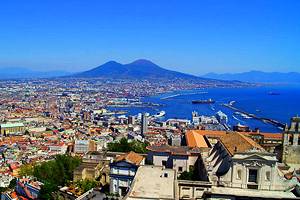
Things to See and Do near Capri: Although some tourists consider Naples merely a starting point for boats to Capri, the city is well worth exploring; our page on the best hotels in Naples can help you find a good place to stay. While here, you'll find it very easy to travel from Naples to Pompeii and Herculaneum.
Places to Go from Capri: The beautiful old holiday town of Sorrento is even closer than Naples, and makes a relaxing place to spend a day or two. Sorrento also makes a good starting point for a trip around the breathtakingly scenic Amalfi Coast, on the south side of the peninsula and one of the best places to visit in Italy.