18 Top-Rated Attractions & Things to Do in Innsbruck
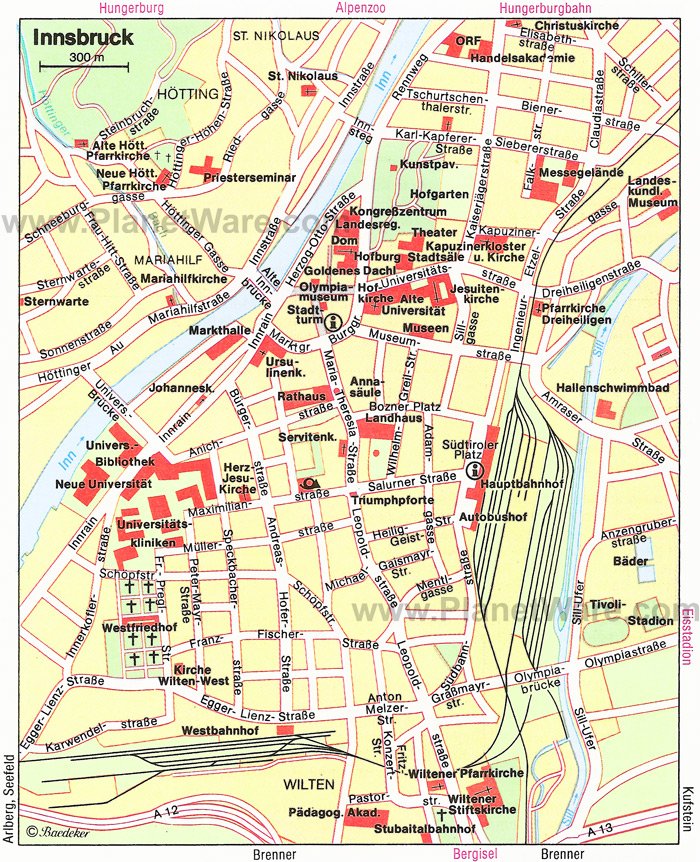
The Austrian Alpine city of Innsbruck lies in the state of Tyrol in the wide Inn Valley at the intersection of two important traffic routes between Germany and Italy, and between Vienna and Switzerland. One of Austria's most popular year-round vacation destinations, Innsbruck has retained its medieval Old Town (Altstadt) with its narrow, twisting streets and tall houses in Late Gothic style.
Many of the city's most popular places to visit are clustered close to the Old Town, whose charming narrow streets provide tourists plenty of things to see and do. It's the perfect spot to begin exploring this historic city, and offers up plenty of excellent dining opportunities, as well as unique (and often classy) places to stay.
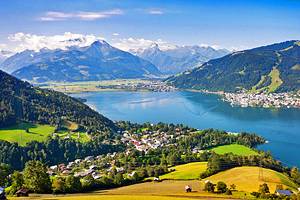
Beautiful vistas of the surrounding ring of mountains are everywhere. To the north rise the jagged peaks of the Nordkette (North Chain), in the Karwendel range. To the south, above the wooded Bergisel ridge, are the 2,403-meter Saile and the Serles group. And to the southeast, above Lanser Köpfe, lies the rounded summit of the 2,247-meter Patscherkofel, popular with skiers.
No surprise then that Innsbruck's also a big draw for outdoor enthusiasts and adventurers. The sports facilities built for the 1964 and 1976 Winter Olympic Games still draw crowds of skiers and are the scene every year of national and international competitions.
To help you make the most of your time, be sure to refer often to our list of the top tourist attractions in Innsbruck, Austria.
See also: Where to Stay in Innsbruck
- 1. Wander Old Town Innsbruck
- 2. Experience the "Top of Innsbruck" from the Nordkette
- 3. Visit the Court Church & Emperor's Tomb
- 4. See the Famous Golden Roof
- 5. Take a Tour of The Hofburg, Innsbruck's Old Imperial Palace
- 6. Catch a Concert at Innsbruck Cathedral
- 7. Get Your Art Fix at the Tyrolean State Museums
- 8. Stroll along Maria-Theresien Strasse
- 9. Explore the Hofburg District
- 10. Grassmayr Bell Foundry & Museum
- 11. Walking Tour along the River Inn
- 12. Alpenzoo Innsbruck
- 13. Visit the Opulent Ambras Castle
- 14. The Bergisel's Olympic Legacy
- 15. Swarovski Kristallwelten
- 16. Seefeld: Scenery and Superb Skiing
- 17. Wilten Parish Church and Basilica
- 18. Take a Day Trip to Feste Kufstein
- Where to Stay in Innsbruck for Sightseeing
- Innsbruck, Austria - Climate Chart
- More Must-See Destinations near Innsbruck
1. Wander Old Town Innsbruck
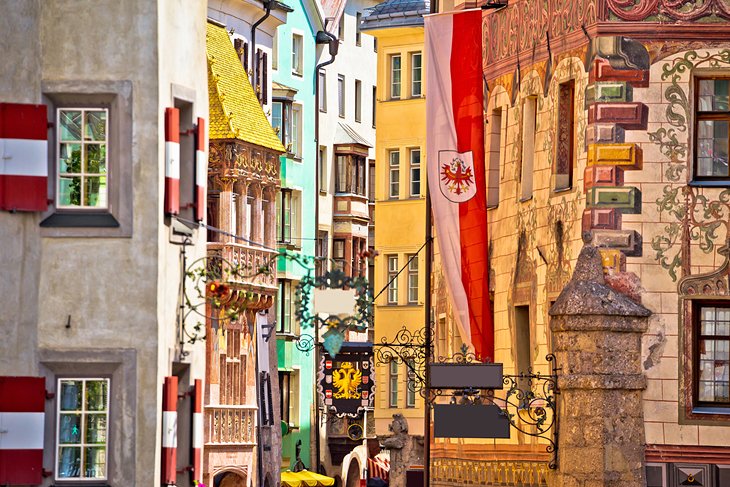
The semi-circular quarter of the Old Town (Altstadt) is enclosed by a ring of streets known as the Graben (Moat) and is now a lovely pedestrian area where you can stroll through 800 years of history. With its narrow housefronts, handsome doorways, oriel windows, buttressed medieval houses, and arcaded-façades, Innsbruck's Old Town is a delight to explore on foot.
And take your time. This well-preserved area is filled with many fine examples of old Tyrolese architecture and southern influences, along with sumptuous Renaissance, Baroque, and Rococo buildings.
Highlights of a walking tour include the beautiful Baroque Helblinghaus, noted for its splendid stucco façade with cherubs and other decorative ornamentation. Nearby is the 16th-century Golden Eagle (Goldener Adler), an old inn once as popular with emperors as it was with writers like Goethe.
Also worth visiting is the 57-meter-high Stadtturm. This impressive medieval watchtower was built in the 14th century along with the adjoining Old Rathaus. Be sure to check them out for their great views of the Old Town.
Other interesting landmarks include the Ottoburg, a residential tower built in 1494, and the Deutschordenshaus (House of the Teutonic Order) built in 1532. Also worth seeing is the Burgriesenhaus (Castle Giant's House), built in 1490 for a court giant.
2. Experience the "Top of Innsbruck" from the Nordkette
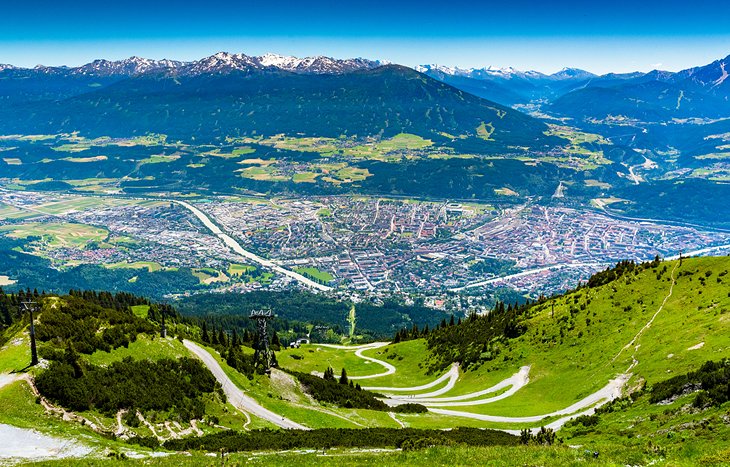
Whether you're looking for fun things to do in winter or summer, you'll find it at the Nordkette, the closest mountain to Innsbruck. The best way to get to the top of the mountain is by riding the city's Hungerburgbahn funicular. Designed by architect Zaha Hadid, this modern funicular railway begins in the very heart of the city and crosses the River Inn before heading up to the Innsbruck suburb of Hungerburg, a journey of just eight minutes.
From here, a short stroll takes you to the platform of the Nordkette Cable Car. This must-do attraction takes you farther up to Seegrube and on to 2,300-meter-high Hafelekar for 360-degree views – a thrilling and scenic experience, whatever the weather.
Restaurants and viewing platforms are situated at each stopping point, and several hiking trails take off across the mountains. The ride is included with the purchase of a handy Innsbruck Card, an affordable pass that allows entrance to all the city's most important attractions.
Another great way to enjoy these two attractions is by purchasing a "Top of Innsbruck" cable car round-trip ticket. This handy pass includes fares on both the funicular and cable car, and allows you to explore the mountain at your own pace.
Address: Rennweg 3, Innsbruck, Austria
Official site: www.nordkette.com/
3. Visit the Court Church & Emperor's Tomb
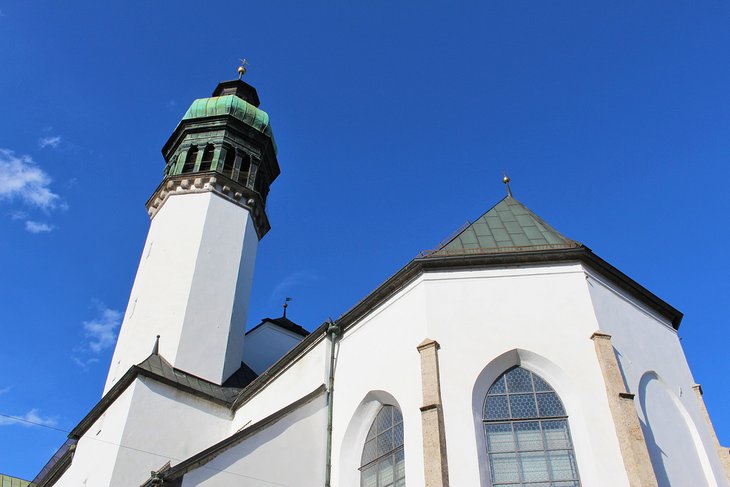
Innsbruck's spectacular Court Church, the Hofkirche, was completed in 1563 in the local Late Gothic style. This three-aisled hall-church, with its narrow chancel and off-center tower, holds many notable interior features, in particular its 18th-century high altar and side altars, and a choir screen from the 17th century.
The most important part of the church, however, is the spectacular Tomb and Museum of Emperor Maximilian I. Built in the 16th century, it's widely considered to be the finest work of German Renaissance sculpture. Conceived as a glorification of the Holy Roman Empire, the central feature of the monument is its massive black marble sarcophagus with a bronze figure of the Emperor from 1584, surrounded by a wrought-iron screen and 24 marble reliefs depicting events in the Emperor's life.
Also of note are the 28 bronze statues of the Emperor's ancestors and contemporaries. These include statues of Count Albrecht IV of Habsburg and King Arthur of England, the latter regarded as the finest statue of a knight in Renaissance art. Handy multi-media guides are provided with admission.
Address: Universitätsstraße 2, 6020 Innsbruck
4. See the Famous Golden Roof
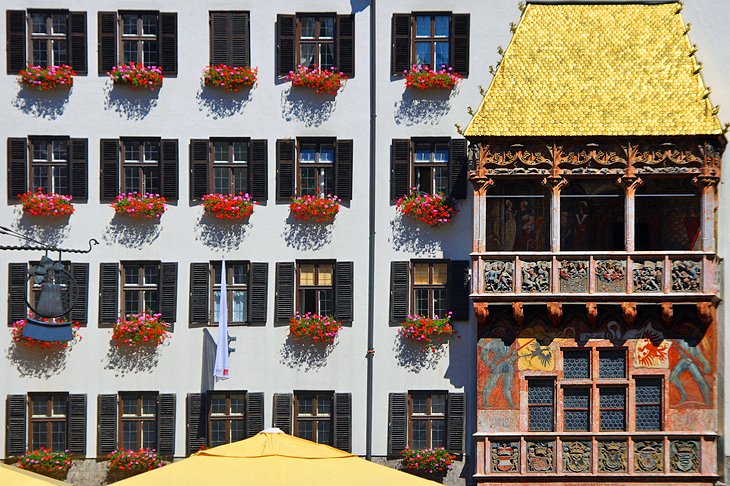
The arcaded Herzog-Friedrich-Strasse, lined with handsome old merchants' houses, enters the Old Town quarter from the south and makes straight for the famous Golden Roof (Goldenes Dachl). This magnificent Late Gothic oriel window, roofed with gilded copper tiles, was built in 1496 to commemorate Maximilian I's marriage to Bianca Maria Sforza and served as a box from which the court watched civic festivities in the square below.
Made up of 2,657 gilded copper tiles, the Golden Roof's lower balustrade is richly decorated with coats of arms, while the open balcony above shows ten figural reliefs. The house behind, the Neuer Hof, was a former ducal palace rebuilt in 1822.
Address: Herzog-Friedrich-Strasse 15, 6020 Innsbruck, Austria
5. Take a Tour of The Hofburg, Innsbruck's Old Imperial Palace
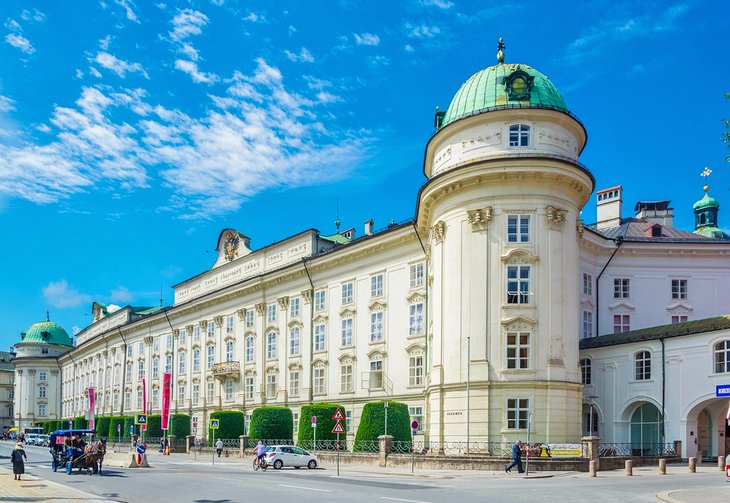
Innsbruck's old Court Palace, the Hofburg – a former imperial palace originally built in the 15th and 16th centuries – was remodeled in Baroque and Rococo style in the 18th century upon instructions from Empress Maria Theresa. The palace has now been set up as a museum, and is best viewed on a guided tour (available in English), which includes its luxurious apartments with their fine painted ceilings.
Particularly memorable is the Giant Hall (Riesensaal). This spectacular grand hall consists of polished marble and is decorated in white and gold, with three large ceiling frescos from 1775. It is also home to a fine collection of portraits of the Imperial family.
Other highlights include Maria Theresa's Rooms, Empress Elisabeth's Apartment, the Ancestral Gallery, the Furniture Museum, and the Painting Gallery.
Address: Rennweg 1, 6020 Innsbruck, Austria
6. Catch a Concert at Innsbruck Cathedral
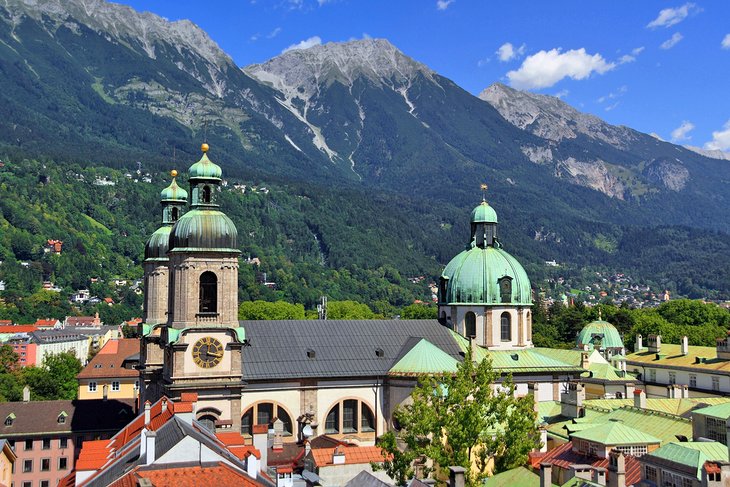
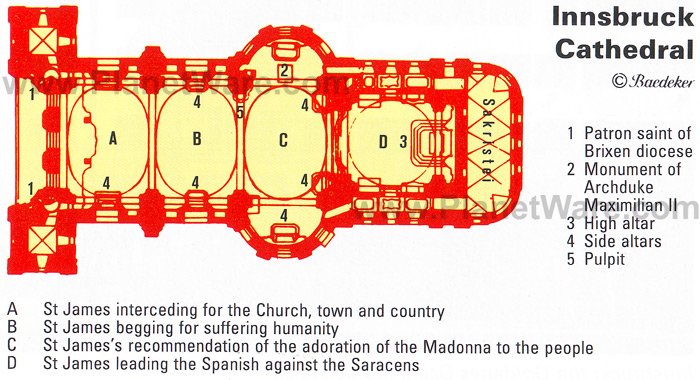
Located in the Domplatz, Innsbruck Cathedral (Innsbruck Dom) – also known as the Cathedral of St. James – was granted cathedral status in 1964. Notable for its imposing twin-towered west front and the high dome over the choir, it was built in Baroque style in 1724 and fully restored after World War II.
Interior highlights include its ceiling paintings, particularly the Glorification of St. James, its rich stucco work by the Asam brothers, and a richly-carved 18th-century pulpit. The High Baroque marble altars from 1732 feature a famous image of the Virgin, Maria Hilf, from 1530.
In the north aisle is the imposing monument designed by Hubert Gerhard dedicated to Archduke Maximilian, Grand Master of the Teutonic Order. The cathedral hosts regular concerts that are open to the public.
Address: Domplatz, 6020 Innsbruck, Austria
7. Get Your Art Fix at the Tyrolean State Museums
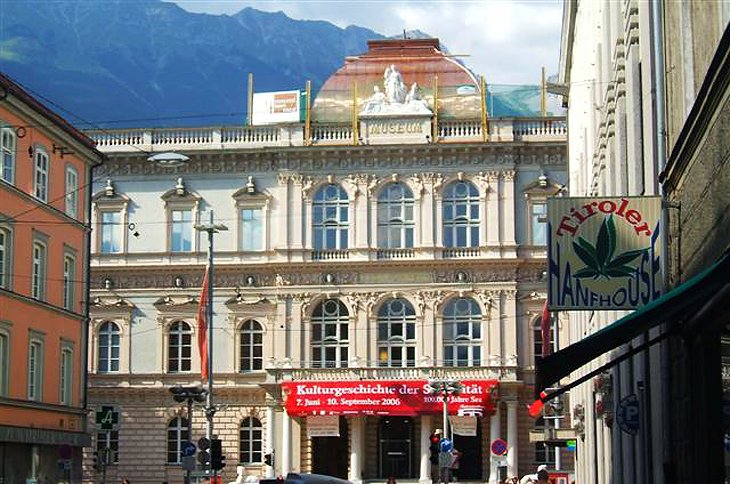
Innsbruck is home to a number of museums of international repute, particularly those that fall under the Tyrolean State Museums umbrella. A must-see is the Tyrolean Folk Art Museum (Tyroler Volkskunstmuseum) adjoining the Hofkirche in the new Abbey (Neues Stift).
Here, you'll enjoy viewing an extensive local art collection representing a variety of Tyrolese themes, along with replicas of traditional brick-built houses with oriel windows from the Upper Inn Valley. Other exhibits include a rich store of costumes, traditional furniture, tools, glass, pottery, textiles, and metalwork.
Also worth seeing, the Tyrolean State Museum (Tyroler Landesmuseum Ferdinandeum) features collections relating to the history and art of Tyrol. Highlights include numerous works from the Gothic period. There's also an impressive gallery of Dutch and Flemish masters, and collections from pre- and early historic times.
Other notable museums worth seeing include the excellent Armoury (Museum im Zeughaus), with its collections of weapons and armor, and the fascinating Tyrol Panorama Museum. The latter is centered around a huge panoramic painting of the city and region.
Address: Universitätsstraße 2, 6020 Innsbruck, Austria
8. Stroll along Maria-Theresien Strasse
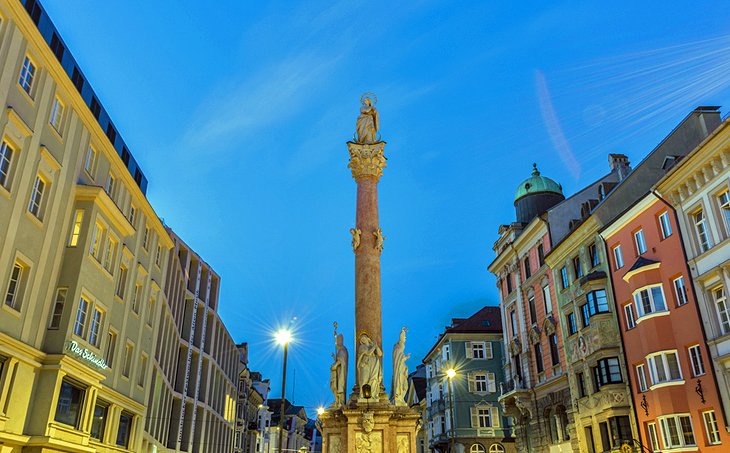
Lined with handsome 17th- and 18th-century houses and numerous shops, bustling Maria-Theresien Strasse is backed by a magnificent vista of the mountains to the north. It's a delight to explore and should feature on your Innsbruck travel itinerary as a "must-do."
In the middle of this wide, old street, directly in front of the Town Hall (Rathaus), stands St. Anne's Column (Annasäule).Erected in 1706 to commemorate the withdrawal three years earlier of Bavarian troops on St. Anne's Day and surmounted by a statue of the Virgin Mary, St. Anne stands on the base near St. George, the patron saint of Tyrol, and other saints.
Also of note is the Altes Landhaus. This monumental Baroque palace was built in 1728 with a sumptuous and elaborately articulated façade. It now houses the Provincial Assembly and Provincial Government (Landesregierung).
Other highlights include a 14-meter-high war memorial; the Alpine Club Museum (Alpenverein Museum), with its extensive collection of Alpine art and historic climbing equipment; and the Servite Church, built in 1615 with a fresco of the Holy Trinity.
The Triumphal Arch (Triumphpforte), located at the southern end of Maria-Theresien Strasse, was erected in 1765. It was built to mark the marriage of her son Leopold (later Emperor Leopold II) to the Spanish Infanta Maria Ludovica.
9. Explore the Hofburg District
In addition to its Imperial Palace and church, the area around the Hofburg offers several attractions worth seeing. Of particular interest is the Silver Chapel, built in 1587 as the burial chapel of Archduke Ferdinand II and named after a silver image of the Virgin and embossed silver reliefs on the altar.
Other highlights are the Old University (Alte Universität), founded in 1562 as a Jesuit college, along with the University Library and the Jesuit Church (Jesuitenkirche). The church is famous for its mighty 60-meter-tall dome built in 1640.
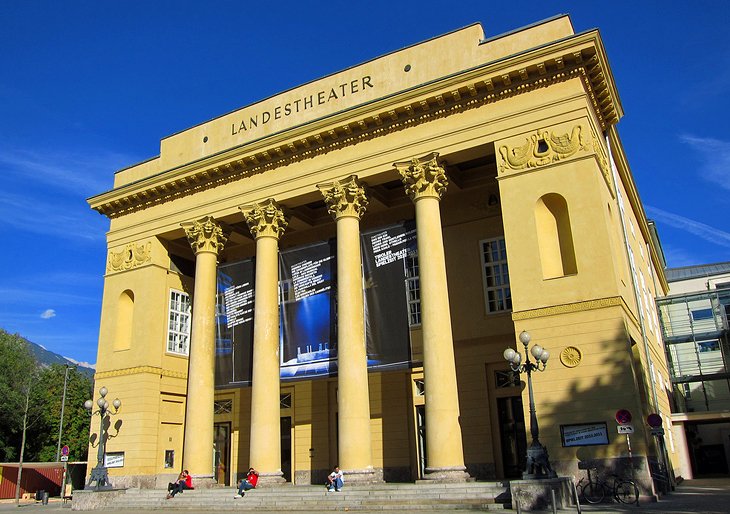
The Capuchin Convent (Kapuzinerkloster) was built in 1593 and is notable for its chapel altar with a painting of the Virgin by Lucas Cranach the Elder from 1528. The Tyrolean Provincial Theater (Tiroler Landestheater Innsbruck), built in 1846, hosts operas, musicals, dance, and theatrical performances. Also worth visiting is the Hofgarten, with its Art and Concert Pavilion.
10. Grassmayr Bell Foundry & Museum
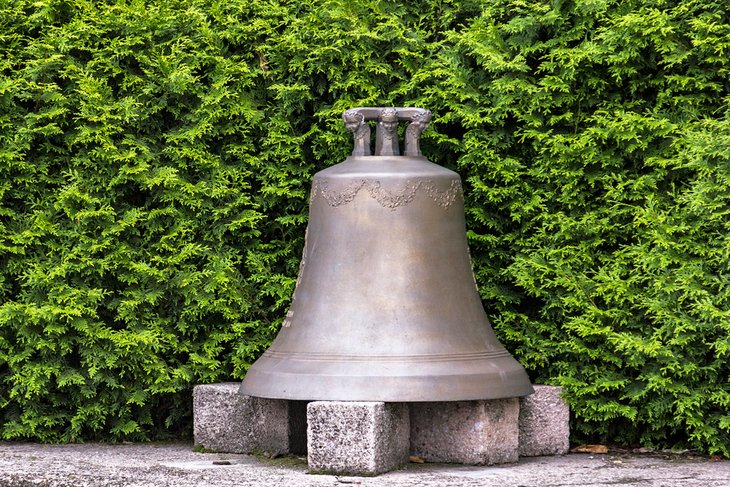
For a truly fascinating experience, be sure to include the Grassmayr Bell Foundry and Museum on your Innsbruck travel itinerary. One of the world's leading makers of church bells, the company was founded in Austria more than 400 years ago.
Now 14 generations later, it's the oldest family-run company in the country. Equally impressive is the fact the company's bells ring out in over 100 countries worldwide, and are in use by eight religions.
A highlight of a visit is seeing the old casting hall. Here, you'll see one of the original furnaces, itself over 200 years old and still used and able to smelt an impressive 10 tons of bronze. A tour will take you behind the scenes, and on a day when castings are being made, you may be lucky enough to see the more modern furnace in use to cast bells weighing up to 37 tons.
Live castings only happen once a month, so try to plan accordingly. The on-site museum showcases the evolution of church bells and their role in western culture.
Address: Leopoldstraße 53, 6020 Innsbruck, Austria
Official site: www.grassmayr.at
11. Walking Tour along the River Inn
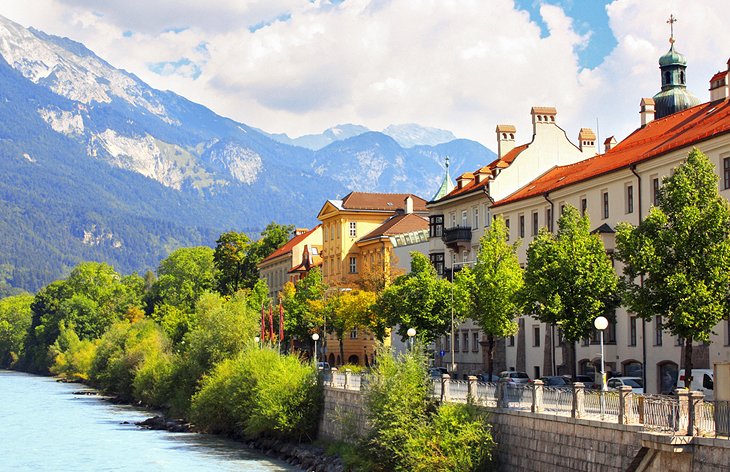
Several interesting sights lie close to the beautiful riverbanks and esplanades of the River Inn. A great place to begin your walk is the Mariahilf District, noted for its Baroque Mariahilf-Kirche from 1649 with its 17th-century frescos, and the beautiful Botanic Garden and observatory.
In the district of Hötting, you'll find the splendid Old Parish Church (Alte Pfarrkirche), with its tower rising above the new parish church, built in 1911. Afterwards, make your way to the Hötting Ridgeway (Höttinger Höhenstrasse) for its fine views of the city and mountains.
A good place to end your walk is in St. Nikolaus District a little farther downstream, notable for its Neo-Gothic church. Back in the center, near the Old Inn Bridge (Alte Innbrücke), you'll find the lively Innsbruck Market. In December, this is the scene of a large Christmas Market that spills into the streets of the Old Town.
12. Alpenzoo Innsbruck
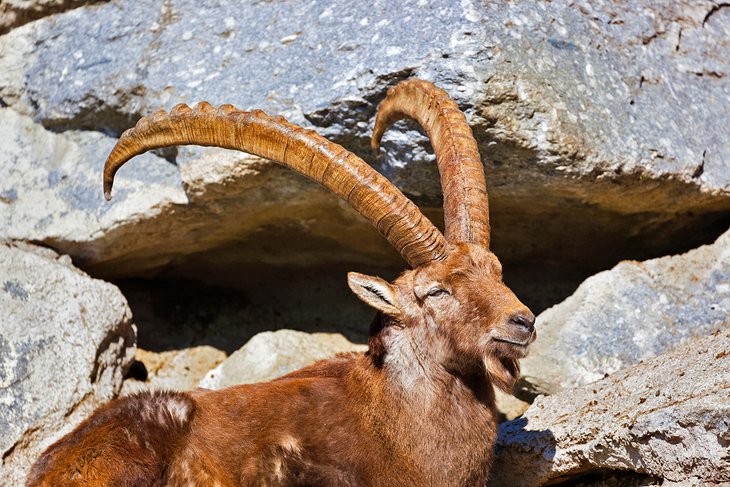
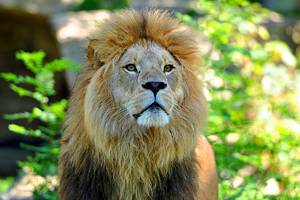
Just one kilometer north of Innsbruck's Old Town center is the 15th-century Schloss Weiherburg, home to Alpenzoo Innsbruck. This beautifully situated zoo is well known for its collection of mountain animals from the world's Alpine regions, including mammals, birds, and reptiles.
More than 2,000 animals from 150 different Alpine species are kept here, along with an abundance of marine life in the world's largest fresh-water aquarium. Two restaurants are located on-site, along with a large adventure plyaground, making this a wonderful outing for kids of all ages. Meanwhile, the kids can play as parents relax and enjoy the views and park-like setting.
Just a little farther downstream from the zoo, on a hill above the River Inn, is the villa suburb of Mühlau, notable for its attractive Baroque church from 1748.
Address: Weiherburggasse 37, 6020 Innsbruck, Austria
Official site: www.alpenzoo.at/en/
13. Visit the Opulent Ambras Castle
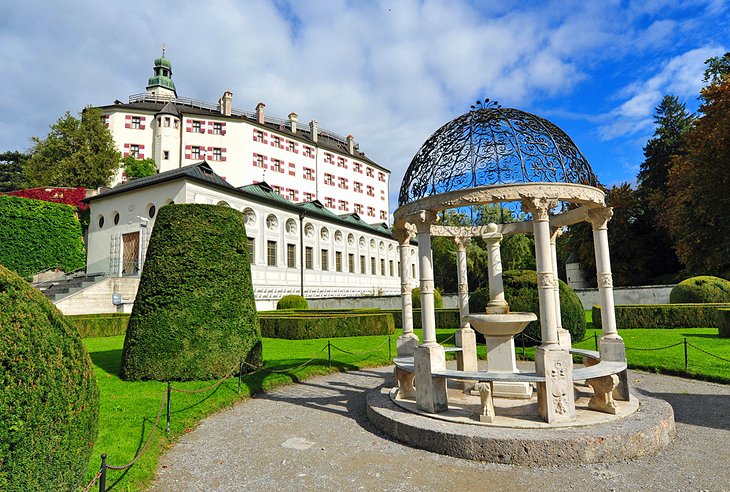
Just a short drive southeast of Innsbruck, the palatial Ambras Castle (Schloss Ambras) was the residence of Archduke Ferdinand from 1563-95. In the Lower Castle (Unterschloss) are two rooms containing a fine collection of arms and armor, while on the first floor of the Kornschüttgebäude is a valuable art collection, including many sculptures and applied arts.
In the Upper Castle (Hochschloss) is the bathroom of Ferdinand's wife Philippine Welser, a rarity as one of the few private bathrooms surviving from the 16th century and featuring a 1.5-meter-deep copper tub.
The splendid Spanish Hall between the Lower and Upper Castles is of the earliest examples of German Renaissance interiors. Constructed between 1507 and 1571, it has a beautiful coffered ceiling and many wonderful frescos of Tyrolese nobles. The grounds and courtyard are also worth exploring.
Address: Schloßstraße 20, 6020 Innsbruck, Austria
Official site: www.schlossambras-innsbruck.at/en
14. The Bergisel's Olympic Legacy
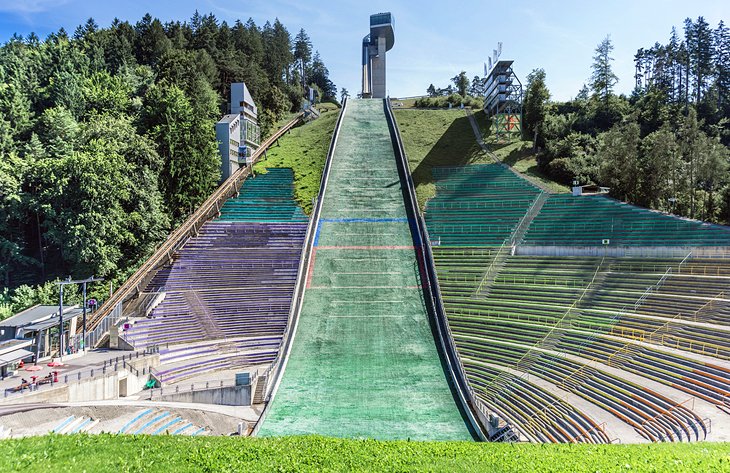
To the south of Innsbruck rises the 746-meter-tall hill known as Bergisel, famous the world over for its superb winter sports facilities. Highlights include the new Olympia ski-jump (Bergiselschanze) – constructed to replace the earlier Olympic structure – along with its stunning new tower, built in 2003, offering superb views over the city.
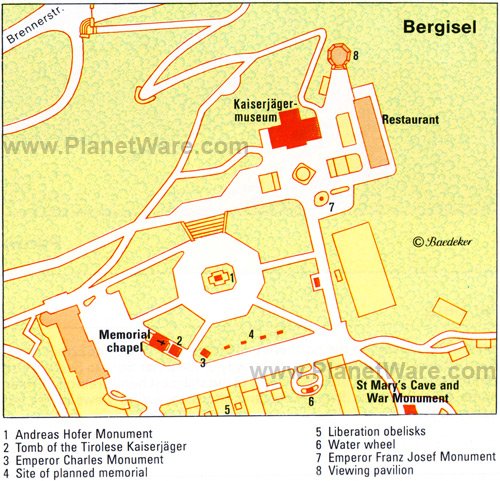
Long before the Olympics, the hill had become famous as the site of the heroic battles of 1809 when Tyrolese peasants freed their capital from French and Bavarian occupying forces. On the north side of the hill, below the ski jump, stands a memorial to those who fought for their freedom, including the Andreas Hofer Monument built in 1893, a memorial chapel from 1909, and the Tomb of the Tyrolese Kaiserjäger (Imperial Riflemen). The hill is easily reached via the scenic Stubai Valley Railway.
15. Swarovski Kristallwelten
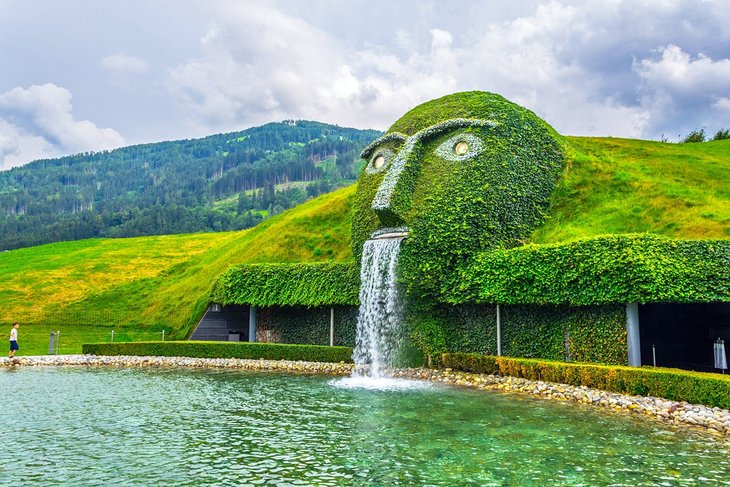
An easy 20-kilometer drive east of Innsbruck is Swarovski Kristallwelten (Crystal Worlds). This excellent museum and art gallery was designed to showcase the world-famous company founded by Daniel Swarovski in 1895.
Its 17 chambers display impressive artworks in crystal, and highlights include the superb Crystal Dome, the Crystal Theatre, and the enchanting Crystal Forest installations. Along the way, you'll see impressive displays of the unique pieces made by contemporary artists from around the world.
The centerpiece of the outdoor features is the fascinating Giant, a large landscaped waterfall in the shape of a human head that spews water from its mouth. A number of art installations and sculptures decorate the surrounding gardens.
A Swarovski store is located on-site, along with a play area for children and a stunning carousel. You can visit independently, or get a Swarovski Crystal Worlds Admission Ticket Including Shuttle Transfer from Innsbruck.
Address: Kristallweltenstraße 1, Wattens, Austria
Official site: https://kristallwelten.swarovski.com
16. Seefeld: Scenery and Superb Skiing
Well known as Austria's leading ski destination, the best of Innsbruck's many slopes are no more than a short bus ride from the city's hotels and resorts. All told, six different ski areas are linked by shuttle services, with a single ski pass covering in excess of 500 kilometers of trails.
The nearby ski village of Igls has spectacular views over Innsbruck and ski runs suitable for all levels. Expert skiers will want to head for the Hungerburg-Seegrube, the gateway to the challenging runs of the Hafelkar. The Axamer-Lizum, the slopes of the village of Axams, 10 kilometers outside Innsbruck, and the Tulfes and Mutters areas also offer good intermediate terrain.
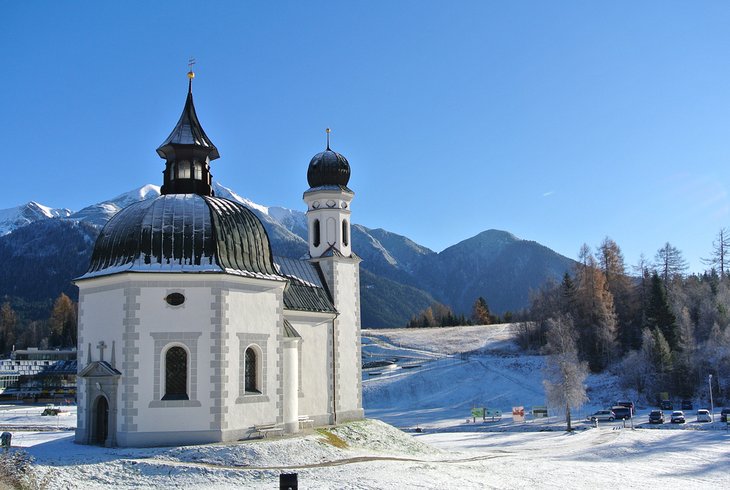
One of the most popular year-round destinations is the small village of Seefeld. Now a popular resort, the village stretches out over the valley. The village's center is marked by the 15th-century parish church of St. Oswald with its fine frescos, sculptures, Gothic font, and wall reliefs.
Also worth visiting is the Wildsee at the southern end of town, an attractive small lake with a beach and swimming pools. Come summer, these same mountains are popular for hiking and mountain biking.
17. Wilten Parish Church and Basilica
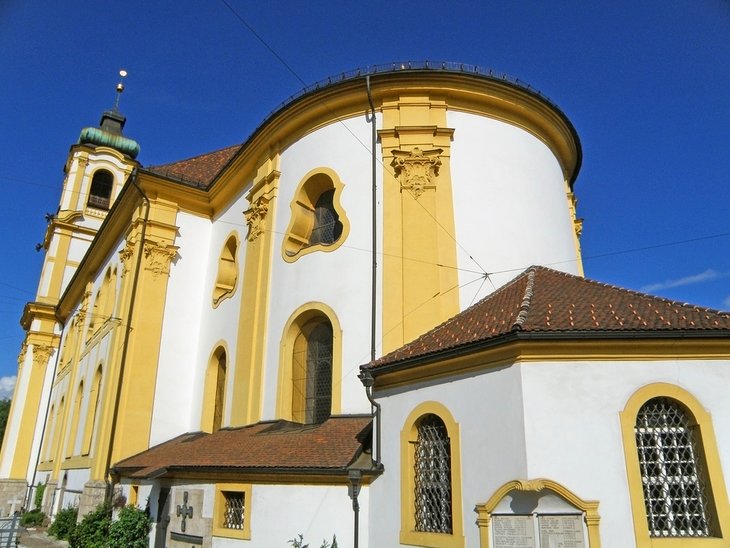
In Innsbruck's southern district of Wilten stands the twin-towered Wilten Parish Church, one of the finest Rococo churches in northern Tyrol. Built in 1755, the building's interior is decorated with superb ceiling frescos by Matthäus Günther and stucco-work by Franz Xaver Feuchtmayer. On the high altar is a 14th-century sandstone figure of Mary under the Four Pillars.
Opposite the church is the large complex of buildings of Stift Wilten, an old abbey founded in 1138 and remodeled in Baroque style in 1695. Highlights include the 17th-century church with its large Gothic figure of the giant Haymon to whom legend attributes a share in the foundation of the monastery, and the Throne of Solomon above the high altar.
18. Take a Day Trip to Feste Kufstein
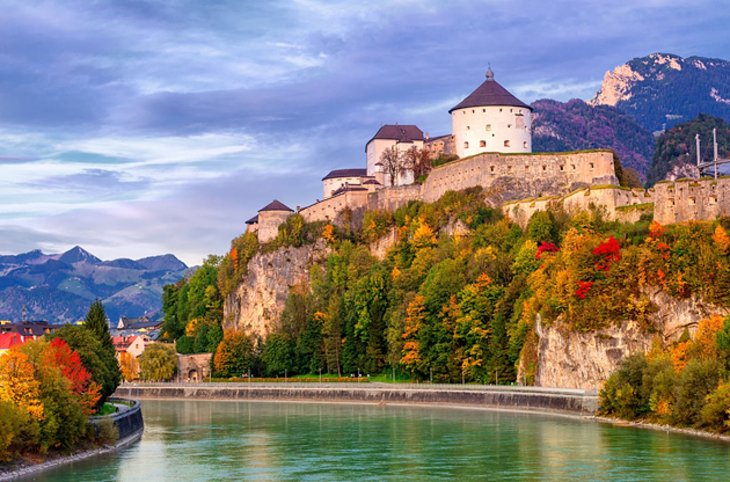
Although an hour's drive from downtown Innsbruck, the beautiful old Tirolese border town of Kufstein is well worth including in your travel itinerary. This popular holiday spot, with its attractive lake scenery, offers superb hiking and climbing adventures in the Kaisergebirge.
One of the top things to do in Kufstein is simply taking a stroll through the town, past the remains of old walls and moated towers, its many pleasant squares with their fountains and monuments, and the many historical buildings. The highlight of a visit, though, is Feste Kufstein (Kufstein Fortress), the beautiful old castle that rears high above the town on a precipitous crag.
First recorded in 1205, the fortress is notable for its 90-meter-high Emperor's Tower (Kaiserturm). The massive Heroes' Organ (Heldenorgel), built in 1931 with 4,307 pipes and 46 stops, plays daily at noon in memory of those who died in two world wars and can be heard many kilometers away.
The Kaiserturm also houses a local history museum, the Heimatmuseum, and is used as a venue for concerts and festivals.
Address: Kristallweltenstraße 1, 6112 Wattens, Austria
Official site: www.festung.kufstein.at/en/herzlich-willkommen.html
Where to Stay in Innsbruck for Sightseeing
Most of Innsbruck's main attractions are in its medieval Old Town, where narrow streets are lined by tall Late Gothic houses. Hotels in the old center – or between it and the train station – are the most convenient, but the streets and esplanades along the opposite bank of the River Inn, in the Mariahilf District, are an easy walk away. Skiers who want to stay in town will find it easy to get to the Seefeld ski slopes, only a short bus ride from the Old Town hotels. Here are some highly rated hotels in Innsbruck:
Luxury Hotels:
- A favorite among those who enjoy luxury accommodations, the 150-year-old Grand Hotel Europa is filled with old-world charm. Situated facing Innsbruck's train station and only three blocks from the Hofburg, this classic hotel offers chic, comfortable rooms, along with great amenities, including a restaurant offering a breakfast buffet, sauna, laundry service, and underground parking.
- Located in the heart of the shopping district at the edge of the Old Town, The Penz Hotel is a modern structure with a smart and stylish contemporary design. Its luxurious rooms and suites are tastefully decorated, featuring earthy colors and wood finishes. A highlight of a stay is enjoying the 5th floor restaurant with its spectacular city views.
- For the ultimate in luxury stays, be sure to check out the chic Adlers Hotel. This modern, centrally located hotel features bright rooms with superb city and mountain views, along with the option to upgrade into larger suites with living rooms. In addition to room service, the hotel has a fine dining restaurant, a rooftop patio, a full-service spa, and a great breakfast.
Mid-Range Hotels:
- The brand-name BEST WESTERN PLUS Hotel Goldener Adler offers a great central location directly opposite the famous Golden Roof on Herzog-Friedrich-Strasse... and great mid-range pricing. Set in a beautifully restored historic building, this family-run hotel is popular for its friendly staff and comfortable, clean rooms. Concierge services are available.
- Also boasting a great central location in the heart of the Old Town – this time on the market square opposite the ski bus stop – the Hotel Maximilian Stadthaus Penz is known for its sumptuous breakfasts. Classy, clean, and comfortable, its rooms come with flat-screen TVs, air-conditioning, and free Wi-Fi. Amenities include luggage storage, a comfortable lounge area, and complimentary newspapers.
- The very modern Hilton Innsbruck on Maria-Theresien Strasse, located between the train station and market square, is another good choice. The quality rooms come with comfortable beds and mountain views, and guests can enjoy a superb breakfast in the on-site restaurant, as well as relax in its elegant lounge area. Also available for guests: a fitness center, babysitting service, and sauna. Some pet-friendly units are available.
Budget Hotels:
- A favorite for budget travelers, Basic Hotel Innsbruck is a cut above your average hotel in this category. Part of the appeal is its location beside the River Inn, just off Marketplatz in the Old Town. Other highlights include 24-hour self-check-in, recently renovated rooms and bathrooms, and a great breakfast.
- Located in a residential neighborhood along the river – close to the city zoo and only a 20-minute walk from the Old Town – Hotel Heimgartl is certainly worth considering staying at. In addition to its clean, bright rooms, the hotel offers luggage storage, parking, and a pleasant terrace on which to relax.
Innsbruck, Austria - Climate Chart
| Average minimum and maximum temperatures for Innsbruck, Austria in °C | |||||||||||
| J | F | M | A | M | J | J | A | S | O | N | D |
| 1 -7 | 4 -4 | 11 -1 | 16 4 | 21 8 | 24 11 | 26 13 | 24 12 | 21 9 | 14 4 | 8 0 | 2 -4 |
| PlanetWare.com | |||||||||||
| Average monthly precipitation totals for Innsbruck, Austria in mm. | |||||||||||
| 53 | 40 | 42 | 57 | 75 | 104 | 121 | 116 | 77 | 61 | 57 | 53 |
| Average minimum and maximum temperatures for Innsbruck, Austria in °F | |||||||||||
| J | F | M | A | M | J | J | A | S | O | N | D |
| 34 20 | 40 24 | 51 31 | 60 39 | 69 46 | 75 52 | 78 55 | 76 54 | 69 49 | 58 40 | 46 32 | 36 24 |
| PlanetWare.com | |||||||||||
| Average monthly precipitation totals for Innsbruck, Austria in inches. | |||||||||||
| 2.1 | 1.6 | 1.7 | 2.2 | 3.0 | 4.1 | 4.8 | 4.6 | 3.0 | 2.4 | 2.2 | 2.1 |
More Must-See Destinations near Innsbruck
The Palaces of Vienna: The beautiful Austrian capital of Vienna offers many fun things to do and beautiful palaces to visit. Topping your list should be the Imperial Hofburg Palace, former home of Austrian royalty and now open for guided tours. The elegant interior of the Schönbrunn Palace is also worth seeing, especially the exquisitely decorated Imperial Apartments. Finally, the Belevdere Palace features two palaces: the Upper and Lower Palaces, and is especially notable for its beautiful gardens.
Top Places to Visit in Austria: The elegant city of Salzburg is rich with cultural history and known the world over for its music (it was the birthplace of Mozart) and art galleries. For a chance to explore Austria's medieval history, be sure to add Old Town Graz, a UNESCO World Heritage Site and one of the top attractions of Graz, to your itinerary. Here, you'll enjoy no end of well-preserved old townhomes and historic buildings. Austria's third largest city, Linz is home to a wide variety of important art galleries and museums, and makes for an excellent day trip.
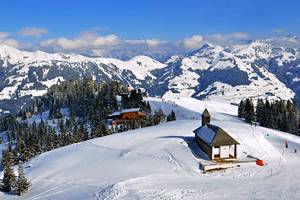
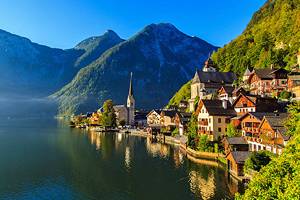
Austria Vacation Ideas: To experience some of the best mountain scenery in Austria, head for the mountainous region of Kitzbühel, an area known for its excellent outdoor activities, including skiing, hiking, biking, and rock climbing. Although less mountainous, the scenery around the pretty city of Klagenfurt is well worth exploring, especially around the Wörthersee, a popular destination for hiking. The Hallstätter See is another lovely area to explore, especially among hikers, backpackers, and bikers.