15 Top-Rated Attractions & Things to Do in Aberdeen
Aberdeen, often referred to as "The Flower of Scotland" due to its many lovely parks and gardens, lies in a picturesque spot on the North Sea between the Rivers Dee and Don. The capital of the Grampian Region, Aberdeen is Scotland's biggest fishing port, an important center for offshore oil, and the ferry terminus for the Orkney and Shetland Islands.
Tourists can enjoy its two miles of sandy beaches, superb golf courses, shop-lined streets, theatrical and dance performances at His Majesty's Theatre, concerts by top-class orchestras in the Music Hall, and a variety of arts festivals during the summer months. Regardless of when you visit, there are always plenty of things to do in Aberdeen by day or night.
Silver-gray granite from nearby quarries gives the city a distinctive character. Indeed, when the sun shines, the mica in the stone sparkles, an interesting architectural effect, which led to Aberdeen's other nickname: "Silver City."
Aberdeen has many interesting places to visit, too, including a number of protected historical buildings, the oldest of which dates from the 16th century. To find out more about these and other points of interest in this fascinating city, have a read through our list of the top attractions and things to do in Aberdeen, Scotland.
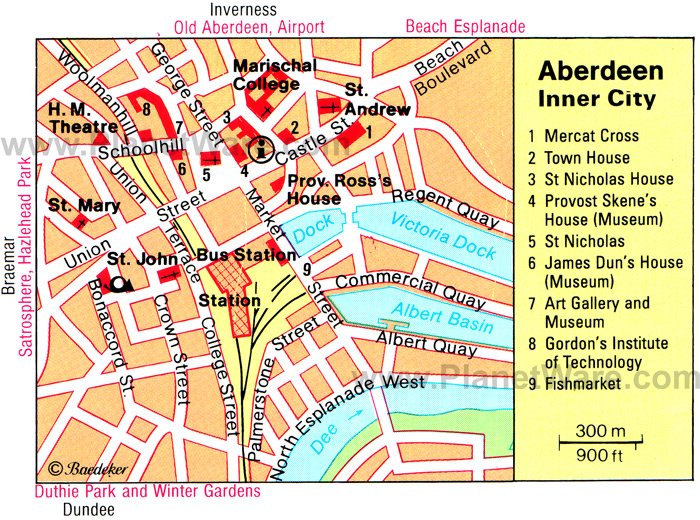
See also: Where to Stay in Aberdeen
- 1. Visit Historic St. Machar's Cathedral
- 2. Head Back to School: Visit the University and King's College of Aberdeen
- 3. Cross Brig o'Balgownie, Scotland's Oldest Bridge
- 4. Visit the Tolbooth Museum, Aberdeen's Most Haunted Building
- 5. See the Mercat Cross
- 6. Get Your Floral Fix at Duthie Park and David Welch Winter Gardens
- 7. Explore the Work of Scottish Artists at Aberdeen Art Gallery
- 8. Tour Aberdeen's Oldest Home: Provost Skene's House
- 9. Take a Drive to Crathes Castle
- 10. Aberdeen Maritime Museum
- 11. Take a Day Trip to Craigievar Castle
- 12. See the Queen's Balmoral Castle
- 13. Follow Your Green Thumb to Cruickshank Botanic Gardens
- 14. Aberdeen Science Centre
- 15. The Gordon Highlanders Museum
- Where to Stay in Aberdeen for Sightseeing
- Frequently Asked Questions
- How do you get from Edinburgh to Aberdeen?
- How do you get from Glasgow to Aberdeen?
- What are the must-visit destinations near Aberdeen?
- Map of Attractions & Things to Do in Aberdeen
- Aberdeen - Climate Chart
1. Visit Historic St. Machar's Cathedral
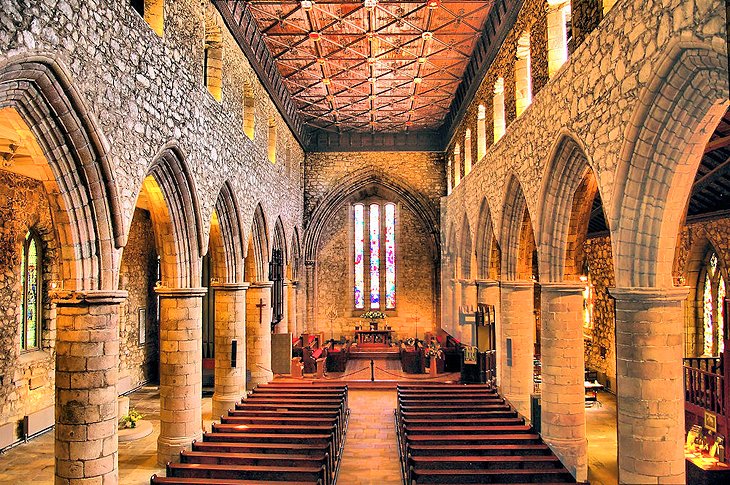
The Cathedral Church of St. Machar — usually referred to simply as St. Machar's Cathedral — is believed to occupy the site of a small Celtic chapel erected by St. Machar in AD 581. The succeeding cathedral was founded in 1136, although the earliest work in the present building dates from the 14th century and was completed in 1552.
Of particular note to visitors are the striking towers on the West front, with their sandstone spires dating from 1518 to 1530, and the 16th-century wooden ceiling painted with coats of arms. Be sure to also pay attention to the stained-glass windows, most dating from the 1870s.
If you can, try to time your visit to coincide with one of the frequent classical or choral concerts held here (details are available on the cathedral website below). A shop is located on-site.
Address: 18 The Chanonry, Aberdeen, Scotland
Official site: www.stmachar.com
2. Head Back to School: Visit the University and King's College of Aberdeen
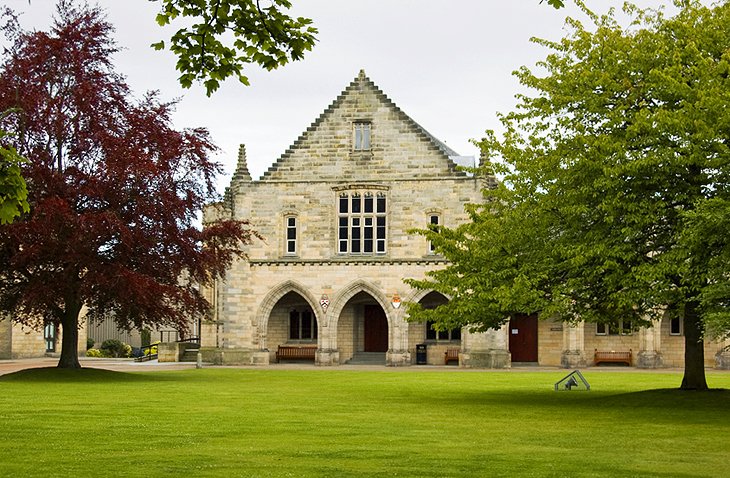
Founded in 1494 in what's known as Old Aberdeen, the University and King's College of Aberdeen received its charter from King James IV.
One of the college's identifying features is its huge tower (1633) and an elegant stone dome, the only remaining structure of its kind in Scotland and notable for the stone replica of the imperial crown of Charlemagne that sits atop it. The 16th-century oak choir stalls and wooden ceiling in the chapel are preserved in their original form, and portraits of the Stuart monarchs are carved in wood.
A visit to the University of Aberdeen Zoology Museum is another must and is rated one of the top free things to do in the city. This fascinating museum covers everything from protozoa to whales. Also of interest is the King's Museum, which features temporary exhibits of artifacts from various university collections.
Self-guided walking tours of the university and its attractions are available from its official website.
Address: King's College, Aberdeen, Scotland
Official site: www.abdn.ac.uk
3. Cross Brig o'Balgownie, Scotland's Oldest Bridge
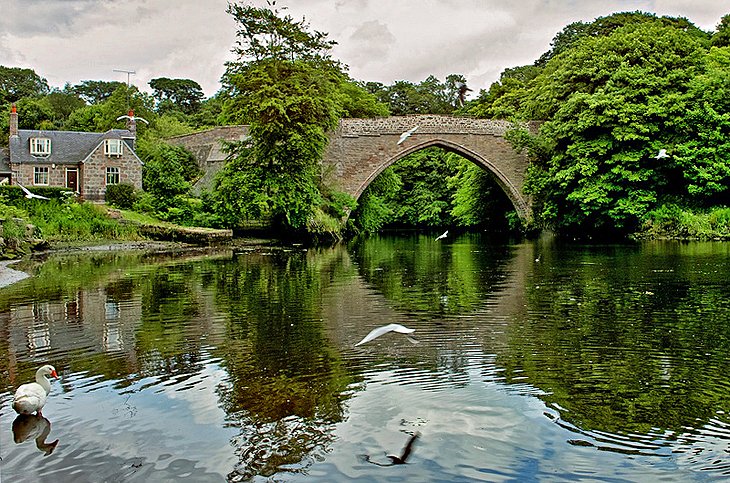
Aberdeen is also home to one of Scotland's most romantic settings: the Brig o'Balgownie. Also known as the Bridge of Don, you can access this attractive stone structure via a short walk through Seaton Park.
Built on the orders of Robert the Bruce around 1320 and restored in 1607, it served as the River Don's main crossing point. Lord Byron, who went to school in Aberdeen for a short time, referred affectionately to the single span bridge in his satirical poem, Don Juan.
Another fine old bridge to visit is Brig o'Dee. Dating from the 1520s, it's decorated with interesting coats-of-arms and inscriptions and is set in lovely Duthie Park, famous for having one of the largest winter gardens in the world.
4. Visit the Tolbooth Museum, Aberdeen's Most Haunted Building
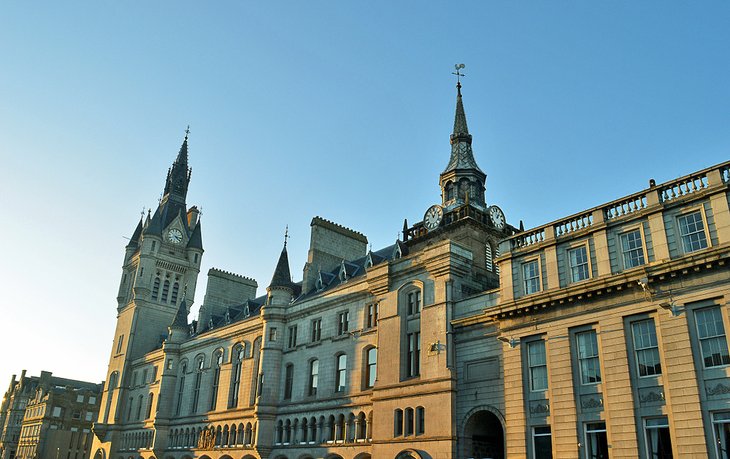
Evidence of Aberdeen's old medieval town can still be seen around Castlegate, which centuries later is still very much the focal point of the city. While there's no longer a castle here, the tower of the 17th-century Tolbooth — formerly the town hall and prison — is Aberdeen's oldest building and home to a museum with fascinating displays on the development of crime and punishment.
Exhibits include original prison cells from the 1600s that were infamously used a hundred years later to house Scots prisoners after the Battle of Culloden. You can also see the infamous "Maiden," the blade from the city's guillotine. This fascinating structure is also said to be Scotland's most haunted building.
Address: Castle Street, Aberdeen, Scotland
Official site: www.aberdeencity.gov.uk/AAGM/plan-your-visit/tolbooth-museum
5. See the Mercat Cross
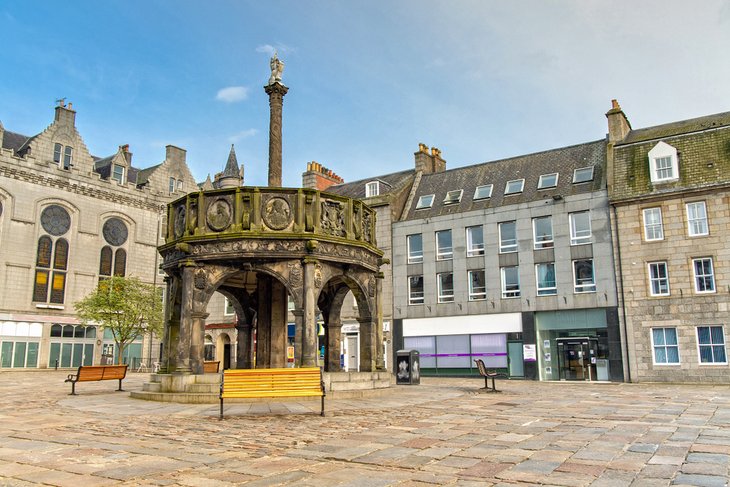
Also in Castlegate, Diagonally opposite the Tolbooth Museum and adorned with a white unicorn, stands the Mercat Cross. This elaborate and highly decorated medieval symbol of Aberdeen's right to hold a market was built in 1686 by the city's guild of merchants.
A staircase in the center of the structure was used to allow news of newly crowned monarchs to be proclaimed to gathered crowds from its roof. Portrait medallions show the heads of the 10 Stuart monarchs from James I through to James VII, Charles I, Charles II, and Mary Stuart.
Another interesting nearby landmark is St. Andrew's Cathedral. And be sure to also take a stroll down Union Street, Aberdeen's busy main street. Over 200 years old, it's a bustling street with plenty of shops, cafés, and shopping arcades.
Address: High Street, Aberdeen, Scotland
6. Get Your Floral Fix at Duthie Park and David Welch Winter Gardens
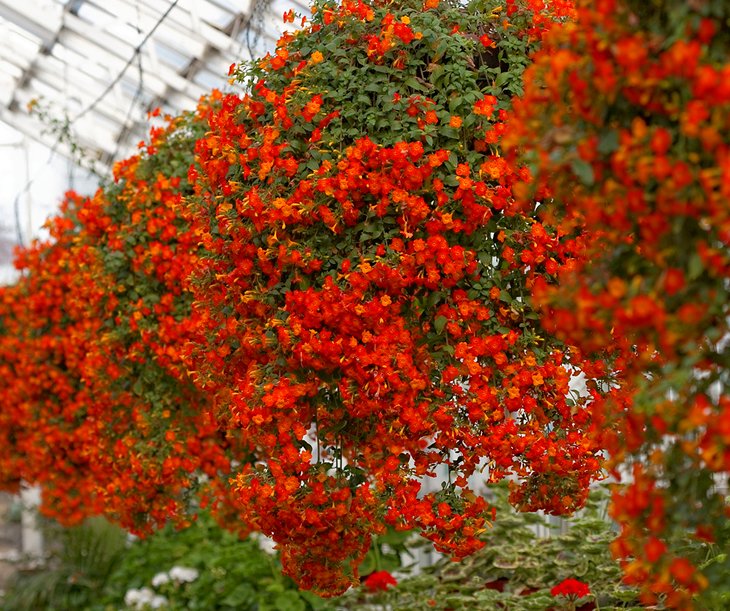
A beautiful year-round floral experience, the David Welch Winter Gardens at Duthie Park is one of the world's top indoor gardens, filled with rare and exotic plants from all over the world. It's a large attraction — the largest indoor gardens in Scotland and one of the largest in the UK — and features an impressive collection of cactus and other succulent plants.
Numerous other plant varieties can be seen in the Temperate House, Tropical House, and Arid House. Be sure to also visit the Victorian Corridor, Corridor of Perfumes, the Fern House, and the Japanese Garden.
Established in 1883, the 44-acre Duthie Park has open green spaces, trees, beautiful seasonal flower beds, and cascading ornamental ponds. Fun things to do in Duthie Park including boating, plus enjoying concerts at the bandstand. Also fun is visiting during the popular Opera in the Park held here each summer.
Address: Polmuir Road, Aberdeen, Scotland
Official site: www.aberdeencity.gov.uk/services/duthie-park
7. Explore the Work of Scottish Artists at Aberdeen Art Gallery
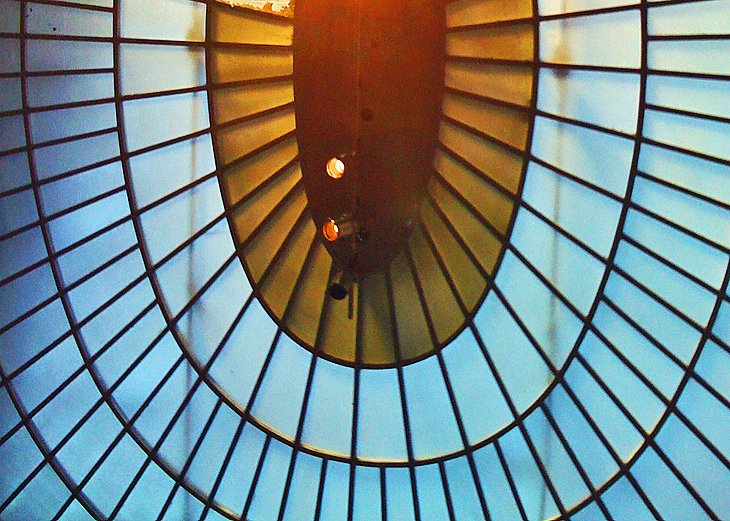
Built in 1884, the Aberdeen Art Gallery houses a comprehensive collection of 17th- to 20th-century paintings. Scottish artists with work displayed here include Charles Rennie Mackintosh, William Dyce, Thomas Faed, John Philip, and other representatives of the Glasgow School. Works by George Jameson, Scotland's first portrait painter (1589-1644), are also on exhibit.
Among the most famous works included in this impressive collection are portraits by Raeburn and works by William Turner, David Hockney, and Impressionist painters including Monet, Sisley, Bonnard, Pissarro, and Renoir. Sculptures by Barbara Hepworth and Jacob Epstein are displayed in the well-lit entrance hall.
The museum also displays interesting collections of British silver, glass, and ceramics. A great little café is located on the premises. Admission to this first-rate art gallery is free.
Address: 61 Schoolhill, Aberdeen, Scotland
Official site: www.aberdeencity.gov.uk/AAGM/plan-your-visit/aberdeen-art-gallery
8. Tour Aberdeen's Oldest Home: Provost Skene's House
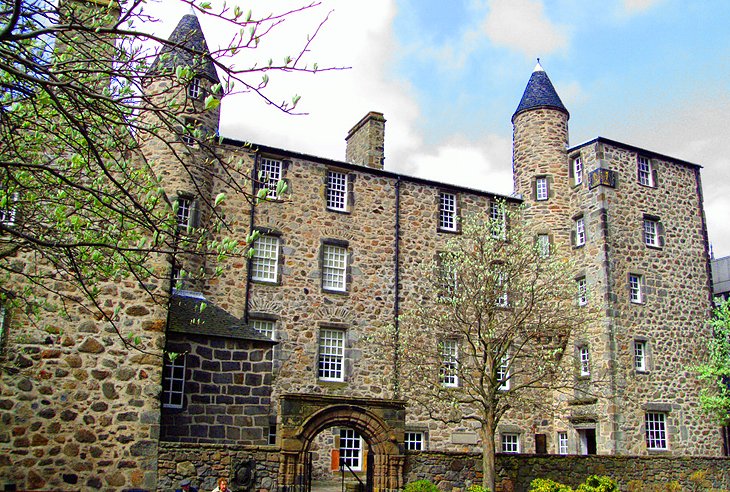
Sir George Skene of Rubislaw, provost from 1676 to 1685, was a prosperous merchant whose wealth came from trade with Gdansk in Poland. His former home — built in 1545 and the oldest standing residence in Aberdeen — now houses an excellent museum with displays of locally excavated artifacts, religious paintings, and period costumes.
The rooms themselves have been furnished to represent lifestyles through the centuries from the 17th to 19th centuries. Also of interest is the plasterwork in the old 17th-century bedroom and the painted wooden ceilings from the same period in the picture gallery. Admission is free, and a popular café is located on-site.
The building underwent major renovations and reopened in October, 2021. A number of excellent exhibits have been added, including displays relating to famous Aberdonians, as well as the building. A souvenir shop has also been added.
Address: 5 Guestrow, Aberdeen, Scotland
9. Take a Drive to Crathes Castle
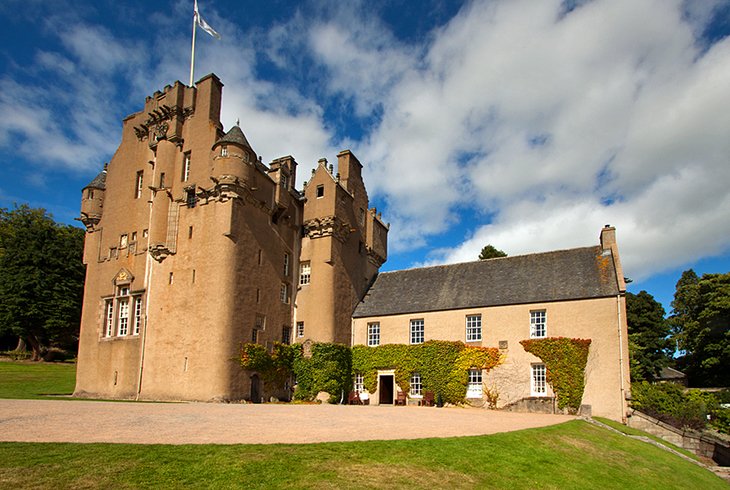
Run by the National Trust for Scotland, Crathes Castle is a classic example of a Scottish baronial-style castle. The tower house, with its small oriel windows and corner towers, was begun in 1553. Its upper stories are worth a tour, if only for a glimpse of the beautifully painted wooden ceilings dating from 1600.
The figures depicted in the Room of the Nine Nobles — typical of the decorative work of the time — are the ancient heroes Hector, Julius Caesar, and Alexander the Great; three Old Testament characters; and three famous rulers, including King Arthur and Charlemagne. There's also a notable collection of artworks worth seeing.
The castle also has its own ghost in the Green Lady's Room, where the ceiling is also painted decoratively. In addition to its lovely gardens, the castle has a visitors center, café, gift shop, an adventure playground, and treetop trekking.
About a 25-minute drive from downtown Aberdeen, Crathes Castle can be reached by bus and a short walk.
Location: Crathes, Banchory, Scotland
Official site: www.nts.org.uk/Property/Crathes-Castle-Garden-and-Estate/
10. Aberdeen Maritime Museum
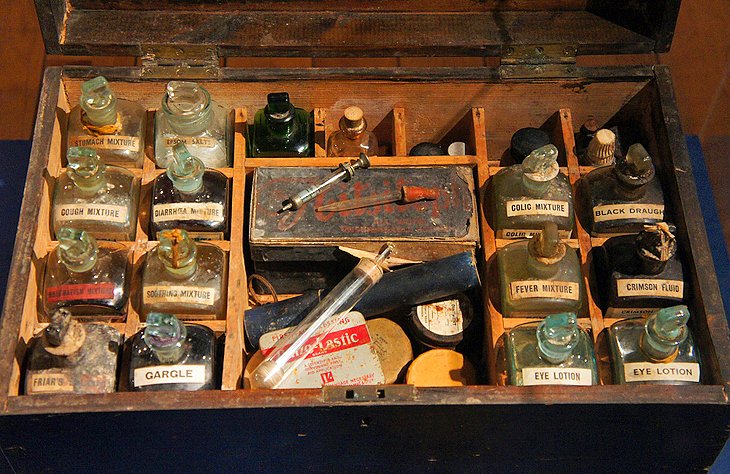
Located in the harborside Shiprow district in an interesting old 16th-century Provost Ross's House, the Aberdeen Maritime Museum is one of the most popular places to visit in the city. Highlights include excellent collections of models, photos, and paintings documenting the development of the Dee estuary's port, as well as the arduous life of the whale-hunters, herring fishermen, and North Sea traders.
Also on display are the legendary Aberdeen clippers that American ship owners used to secure their monopoly over the trade in China tea, including the Stornaway, a prototype produced for Jardine Matheson in 1850. The museum also has exhibits on modern oceanic pursuits and is the only one in the UK with displays about the North Sea petroleum industry.
A shop and café are located on the premises, and provide a great excuse to hang around awhile to watch the boating traffic in the harbor.
Location: Shiprow, Aberdeen, Scotland
Official site: www.aberdeencity.gov.uk/AAGM/plan-your-visit/aberdeen-maritime-museum
11. Take a Day Trip to Craigievar Castle
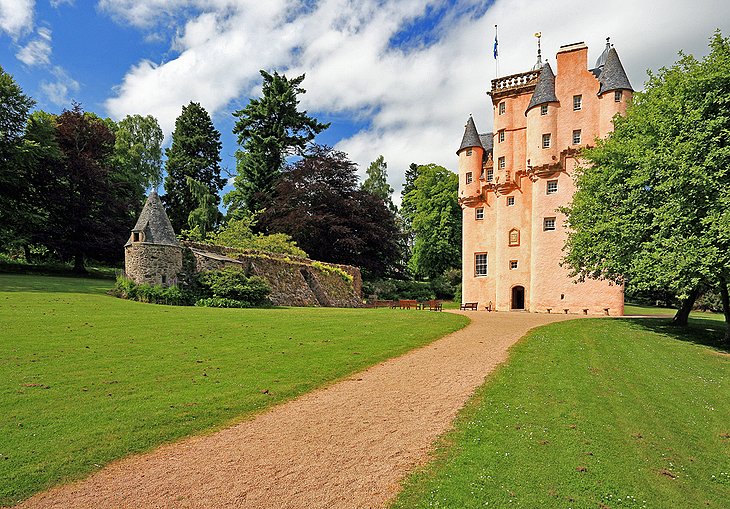
This delightful pink castle with its small towers is almost an hour's drive from downtown Aberdeen and makes for a great and easy day trip. It was first mentioned in documents dating from 1457 when it was owned by the Mortimer family. In addition to its color, it's certainly unique and supposedly the inspiration for the castle motif adopted but Walt Disney.
Featuring crow-stepped gables, oriel windows, conical roofs, ornamental stone cannons, and decorative zigzag console, this towering seven-story residence stands as a symbol of authority and wealth, as well as practicality. Wood for building was in short supply in the Highlands at the time, so architects exploited every inch of space under one small roof.
The plasterwork in the Great Hall, the huge Stuart coat-of-arms above the fireplace, and the carvings on the wall paneling were created in Renaissance style. A secret flight of steps leading up to a small room above a window in the Great Hall forms part of a complicated system of stairs within the tower. Notable collections include weapons and armor, artifacts, and artworks. Guided tours are available.
Location: Craigievar, Alford, Scotland
Official site: www.nts.org.uk/property/craigievar-castle/
12. See the Queen's Balmoral Castle
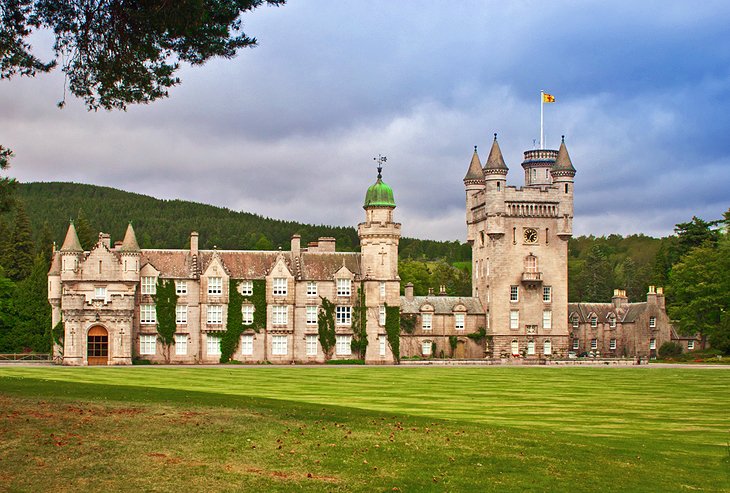
Queen Elizabeth II's summer residence in Scotland has come to embody the Neo-baronial style of the Victorian era. The estate was first mentioned in documents in 1484, and after Queen Victoria bought it in 1852, she commissioned the Aberdeen architect William Smith to implement plans drawn up by her husband, Prince Albert.
Although located 1.5 hours west of Aberdeen, it's worth visiting on the rare days it's open to the public (and only when the Queen is away). If you do visit, you'll have the chance to catch a glimpse of the Ballroom, with its paintings and other objets d'art, and also a collection of coaches.
The extensive parkland is ideal for a relaxing stroll. The estate can also be explored aboard a fun "Safari Tour" that offers opportunities to see local wildlife — as well as the incredible scenery — up close.
The nearby town of Braemar is lovely to explore and is most famous for its annual sporting event, the Braemar Gathering. Known widely as the Highland Games, this Scottish equivalent of the Olympics has been held here every autumn since 1832. If you can't make it for the games, visit the Braemar Highland Heritage Centre, which has exhibits on the history of the games and Scottish traditional sporting.
Location: Balmoral Estates, Ballater, Aberdeenshire, Scotland
Official site: www.balmoralcastle.com
13. Follow Your Green Thumb to Cruickshank Botanic Gardens
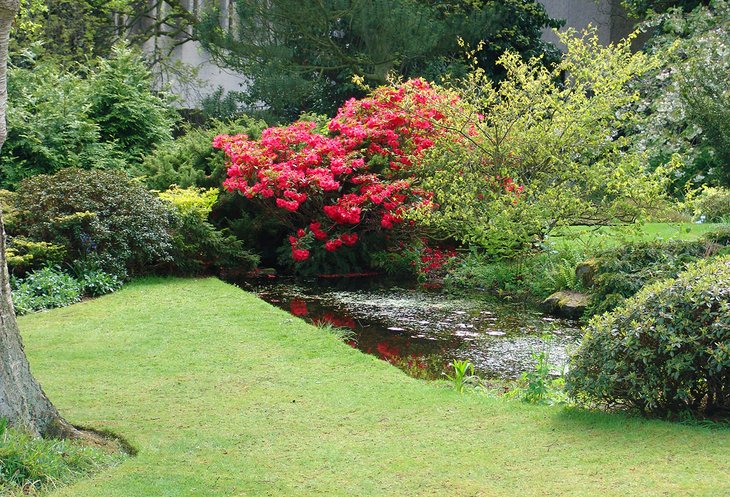
Located on the King's College campus, Cruickshank Botanic Gardens was established in 1898 and is well worth a visit. Highlights include its displays of interesting alpine and subtropical collections, as well as a delightful rock and water garden.
Also of interest in this peaceful 11-acre site are a sunken garden, rose garden, shrubs, as well as herbaceous borders. There's also an arboretum with a fine collection of more than 2,500 plants.
Address: St. Machar Drive, Aberdeen, Scotland
Official site: www.abdn.ac.uk/botanic-garden/
14. Aberdeen Science Centre
Re-opened in 2020 after major renovations, the Aberdeen Science Centre is a great place to visit for those traveling with children. Since it opened in 1988, the museum has provided fun learning opportunities for kids of all ages through interactive displays and exhibits.
The museum's upgrades certainly upped the hands-on aspect of its exhibits. These include everything from rock drilling to playing a tune on a fun solar piano, as well as programming a real robot. The newest attraction here is the fascinating OPITO Theatre of Energy, a state-of-the-art immersive theater production offering a variety of unique and fun experiences.
There's also a good café located on-site.
Address: 179 Constitution Street, Aberdeen, Scotland
Official site: https://aberdeensciencecentre.org
15. The Gordon Highlanders Museum
Another local attraction worth visiting is the Gordon Highlanders Museum. A celebration of one of Scotland's most famous regiments, the museum's highlights include displays of uniforms, medals, weapons, and models.
Guided tours are available, while those wanting to go it alone can make use of the museum's audio guides. A tearoom and gift shop are located on-site. The gardens are also worth a wander around.
Address: St. Luke's, Viewfield Road, Aberdeen, Scotland
Official site: www.gordonhighlanders.com
Where to Stay in Aberdeen for Sightseeing
While the top attractions in this Scottish port are a bit scattered, most are within walking distance of the ferry landing and rail station. Union is the main street, so any hotel close to it will be handy to restaurants and interesting places to visit. King Street heads north to the university, the botanic gardens, and St. Machar's Cathedral, all within walking distance of Union Street. Here are some highly rated hotels in Aberdeen:
Luxury Hotels:
- The upscale apartment-style accommodations at Skene House Rosemount are perfect for those seeking a quality luxury stay in Aberdeen. In addition to the bright rooms and suites, which range in size from one- to three-bedrooms, complete with kitchens, your stay includes free parking and a hearty breakfast, all just steps from the attractions and entertainment of Union Street.
- For those seeking a boutique-style dose of luxury, book into The Chester Hotel. This chic hotel, set in a charming building dating from the 1800s, features bright, cozy rooms with large bathrooms with separate rainfall showers, separate living spaces, and work desks. A number of suites are also available and feature attractive fireplaces. There's a fine dining restaurant on-site, and a great breakfast is included with your stay (afternoon teas are also available).
- Fancy a little 5-star luxury? Then The Marcliffe Hotel and Spa is your place. Although set in an old manor house a few minutes' drive from the city center, it's a small price to pay for the high-level of luxury at this hotel. A mix of rooms and suites can be booked, with the latter featuring separate lounge areas. Amenities include a restaurant, drawing room, plus the full-service spa.
Mid-Range Hotels:
- A good mid-range hotel is Jurys Inn Aberdeen. Perfectly situated right by the train station and ferry terminal, it's also handy to restaurants; great shopping; and the airport shuttle bus, which stops at the hotel's front door. The good-sized rooms sleep families of up to four, and come with free Wi-Fi (upgrades to posher rooms are available). There's a café on-site, as well as a restaurant, meeting rooms, and a business center.
- Just north of Union Street, the centrally located Holiday Inn Express Aberdeen City Centre has free parking and includes breakfast. Bright rooms come with spacious bathrooms, satellite TV, and comfortable beds. Amenities include two meeting rooms plus a business center, a great free breakfast, luggage storage, and free parking.
Budget Hotels:
- While at the higher-end of the budget hotel category, great hotel deals are often available at the Mercure Aberdeen Caledonian Hotel. Located on Union Terrace close to top attractions such as St. Machar's Cathedral and the university, it's also conveniently close to the heart of the city's shopping area, with numerous restaurants an easy walk away. The rooms are bright, clean, and comfortable.
- Right at the harbor, near the bus and train stations, Ibis Aberdeen Centre is a great choice of budget hotel. Set across the street from the Maritime Museum and a few steps from Union Street shops, it features a good casual restaurant that serves guests a great buffet breakfast.
- The Premier Inn Aberdeen City Centre Hotel, just north of Union Street and near the Tolbooth Museum and Aberdeen Art Gallery, is a good choice for those seeking good quality budget accommodations. Breakfast is available for a fee, while kids can enjoy their own menu items in the on-site restaurant. It's also an easy walk to the railway station.
Frequently Asked Questions
How do you get from Edinburgh to Aberdeen?
Thanks to its excellent rail network, Scotland's largest cities – along with a number of remote destinations, too – are easy to get to, no matter where you happen to be based. Traveling from Edinburgh to Aberdeen by train is not only relatively fast and convenient, with frequent departures from Edinburgh Waverley station, it's incredibly scenic.
The just-under-2.5-hour journey begins pretty much at the foot of Edinburgh Castle, which you'll see as you pull out of the station (be sure to sit on the left side of your carriage). Within 30 minutes, you'll then be crossing the spectacular Forth Bridge, a mile-long feat of engineering built in 1890 that's ranked as one of the world's top railway journeys.
From here, it's a mix of spectacular coastline, attractive cities (Dundee), and rolling hills all the way to Aberdeen. And if you're able to book your ticket three months or more in advance, ScotRail offers very heavy ticket discounts.
A journey by road is equally pretty, but with the added benefit of allowing stops at places such as St. Andrews along the way. Expect to spend around 2 hours 20 minutes traveling without breaks — longer, of course, if you stop for some sightseeing. If you're traveling by bus, expect to add at least another hour to the journey.
How do you get from Glasgow to Aberdeen?
Our preferred route to get from Glasgow to Aberdeen is via ScotRail. Taking only slightly longer than the journey from Edinburgh by train, it's equally attractive. This time, though, you pass through the town of Stirling, famous for its castle and battlefields (it was here that both William Wallace and Robert the Bruce beat the English).
The fares are equally attractive if booked far enough in advance. And with 20 trains a day departing from Glasgow Queen Street station, there's plenty of flexibility.
If you're traveling by car, expect to spend around the same amount of time getting from Glasgow to Aberdeen. You'll be following pretty much the same route, passing through Stirling, Perth, and Dundee along the way — all well worth a visit in their own right. If you choose to take the bus, expect to add at least another hour to your trip.
What are the must-visit destinations near Aberdeen?
Aberdeen makes for the perfect jumping-off point from which to explore other Scottish tourist destinations. Visitors traveling north from Edinburgh to Aberdeen along the east coast of Scotland should stop in at Dundee along the way. Scotland's fourth largest city, Dundee is located on the north bank of the Firth of Tay, and is where you'll find the iconic Forth Bridge, one of the top train journey's on the planet.
Nearby St. Andrews will certainly appeal to golfers, and is home to the world's best known golf club: the Royal and Ancient Golf Club of St. Andrews. Head west through the vast and beautiful Cairngorms National Park to reach lovely Inverness, gateway to Scotland's spectacular Highlands, and to the great Glen, a string of lochs that includes the most famous of them, Loch Ness.
Map of Attractions & Things to Do in Aberdeen
Aberdeen - Climate Chart
| Average minimum and maximum temperatures for Aberdeen, United Kingdom in °C | |||||||||||
| J | F | M | A | M | J | J | A | S | O | N | D |
| 6 0 | 6 0 | 8 1 | 10 2 | 13 5 | 16 8 | 18 10 | 18 10 | 16 8 | 13 6 | 8 2 | 7 1 |
| PlanetWare.com | |||||||||||
| Average monthly precipitation totals for Aberdeen, United Kingdom in mm. | |||||||||||
| 81 | 51 | 58 | 53 | 58 | 53 | 61 | 76 | 69 | 76 | 76 | 74 |
| Average minimum and maximum temperatures for Aberdeen, United Kingdom in °F | |||||||||||
| J | F | M | A | M | J | J | A | S | O | N | D |
| 42 31 | 42 31 | 46 34 | 50 36 | 55 41 | 61 46 | 64 49 | 63 49 | 59 46 | 54 41 | 46 35 | 43 33 |
| PlanetWare.com | |||||||||||
| Average monthly precipitation totals for Aberdeen, United Kingdom in inches. | |||||||||||
| 3.2 | 2.0 | 2.3 | 2.1 | 2.3 | 2.1 | 2.4 | 3.0 | 2.7 | 3.0 | 3.0 | 2.9 |