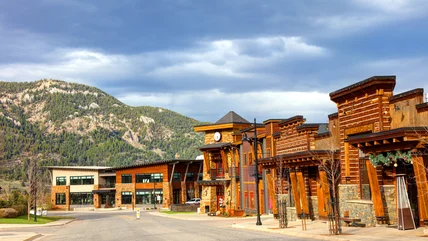
Montana's Vibrant Gateway To The Rocky Mountains Is A Coveted Resort Town
This scenic town in southwest Montana boasts one of the largest ski resorts in the U.S., but remains refreshingly uncrowded compared to other hot spots.
Read More

This scenic town in southwest Montana boasts one of the largest ski resorts in the U.S., but remains refreshingly uncrowded compared to other hot spots.
Read More
Spanning over 175,000 square feet, this massive Virginia waterpark will feature over 40 slides, an adults-only swim-up bar, a surfing simulator, and lazy river.
Read More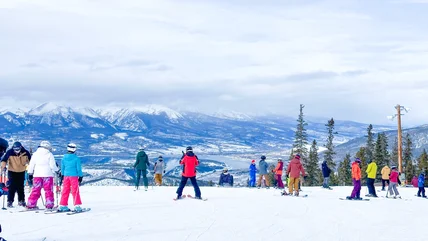
A new luxury resort is bringing elevated winter fun to Keystone, one of Colorado's most popular ski towns, complete with direct access to the slopes.
Read More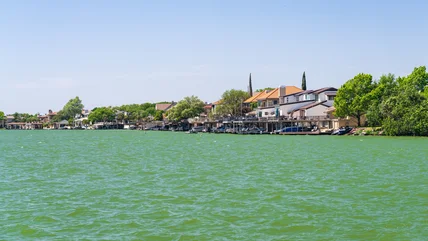
Not far from Austin, this quintessential Texas Hill Country town offers lakefront beauty in abundance, along with top-notch golf and a renowned family resort.
Read More
Sometimes, a disappointing room or a case of bad customer service at a hotel could actually be against the law. Learn how to protect your rights.
Read More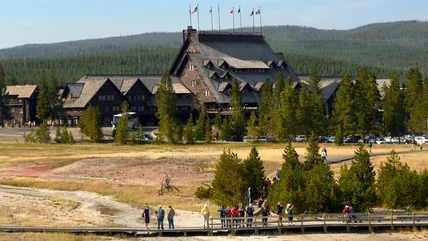
Spend a night (or two) in Yellowstone National Park at this cozy and historic inn with log cabin vibes and easy access to the park's iconic sites.
Read More
Stick to your European travel budget by skipping one common type of accommodation and looking for other specific qualities suggested by Rick Steves.
Read More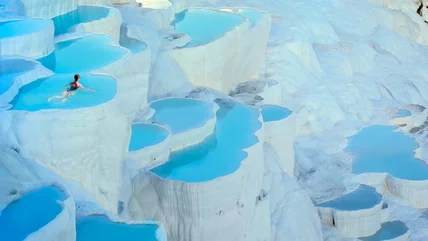
The world's best hot springs offer the perfect combination of natural beauty, rich history, and pure relaxation for the ultimate restorative getaway.
Read More
Though this hotel dining option in Europe can be convenient and relatively budget-friendly, Rick Steves suggests avoiding it to get the most out of your trip.
Read More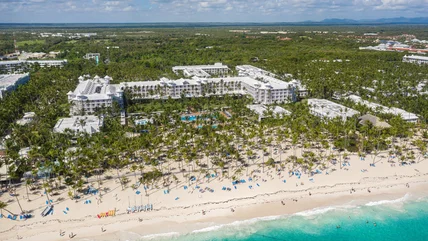
Former guests at this notorious resort are speaking out about their nightmare stays, and their experiences might just save your spring break vacation.
Read More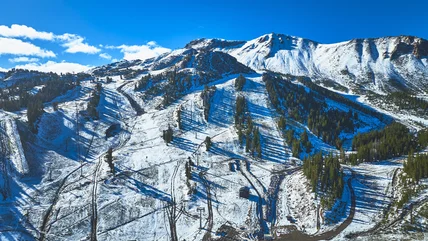
Southern California may be famous for its sand and surf, but winter sports lovers will also find world-class ski resorts within easy reach of Los Angeles.
Read More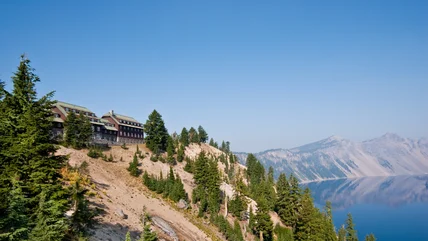
Tucked inside an iconic national park, this historic lodge pairs dramatic natural scenery with cozy accommodations and a timeless mountain feel.
Read More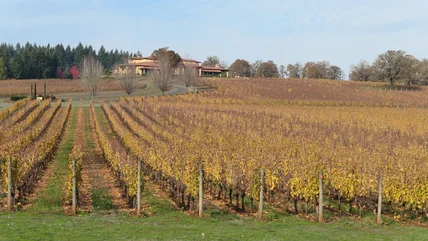
This Oregon city surrounded by vineyards boasts wine tours and tastings, a fascinating aviation museum, and "Oregon's Favorite Main Street."
Read More
While luggage racks are a common amenity in many accommodations, you're better off avoiding them and placing your luggage elsewhere to avoid one major risk.
Read More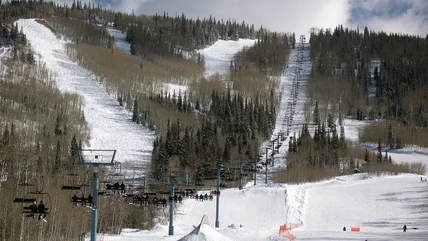
This picturesque Colorado ski resort offers scenic runs, family-friendly slopes, and a laid-back winter atmosphere far away from the state’s busiest slopes.
Read More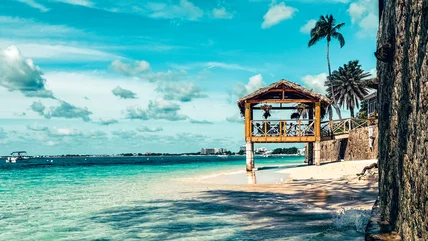
From iconic beachfront stays to secluded island retreats, these Cayman Islands resorts stand out for their design, atmosphere, and unforgettable settings.
Read More
Once built for luxury and prestige, these 11 abandoned hotels now sit frozen in time, marked by events like war, disaster, and sudden collapse.
Read More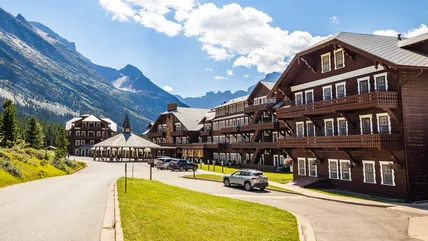
This Glacier National Park lodge offers a glimpse into the area's history, with horseback rides, a nostalgic railway nearby, and Old Hollywood interiors.
Read More
Traveling with the whole family doesn't have to be difficult! An indoor waterpark makes for a great destination any time of year for adults and kids alike.
Read More
With so many hotel booking sites out there, it's hard to know which one to choose — after some investigation, it's clear that some are far better than others.
Read More
This small Texas town may have a population under 2,000, but it's packed with galleries, public art, and history, as well as diverse eateries and cozy hotels.
Read More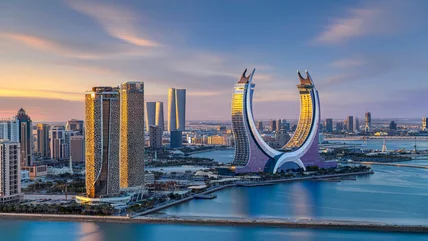
Planning a standout trip in 2026? These 15 expert-approved properties from around the globe deliver unforgettable stays where service and style come first.
Read More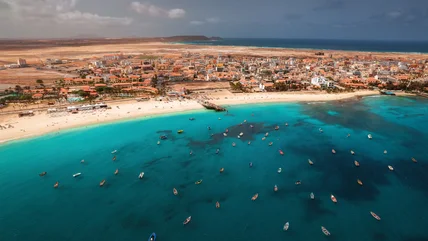
According to one study, this underrated island destination is perfect for a winter getaway, with warm temperatures, plenty of sunshine, and rich culture.
Read More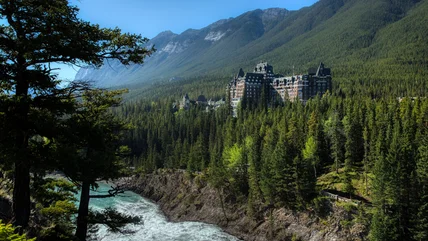
Arguably Canada's most famous luxury hotel, Fairmont Banff Springs serves up romance in every season, surrounded by the majestic Rocky Mountains.
Read More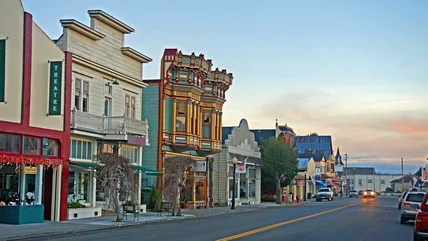
Tucked away in Northern California is this charming city filled with Victorian architecture, local shops and restaurants, and access to stunning nature.
Read More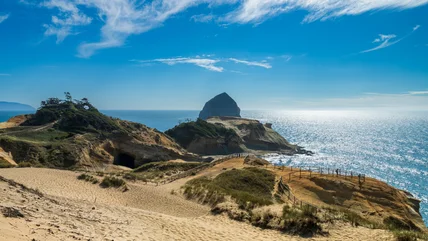
This often overlooked Oregon city boasts photogenic coastal views, surfing, fishing, and plenty of delicious spots for dining and drinking near the beach.
Read More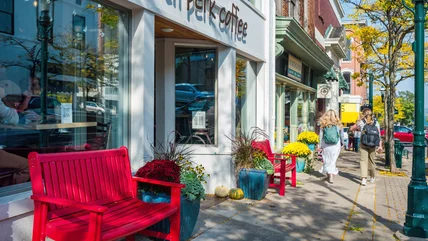
This Michigan destination is a small town that packs a punch, with a charming shopping district, Victorian cottages, and numerous outdoor activities.
Read More