21 Top-Rated Tourist Attractions in Edinburgh
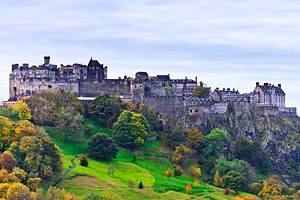
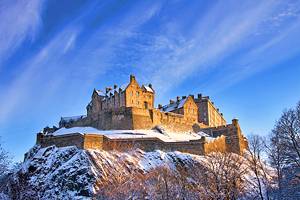
One of the most beautiful cities in all of the UK, Edinburgh rises from the wide Firth of Forth to a high, rocky pinnacle crowned by the stone walls and towers of Edinburgh Castle.
The Scottish capital is a center of culture and the arts, and is especially well-known for its festivals. These include the Edinburgh International Book Festival, which welcomes more than 1,000 authors, to the sparkling Christmas Markets and the Edinburgh Fringe, the world's largest festival of the arts.
Between these and internationally known events such as the Royal Edinburgh Military Tattoo, there are always plenty of fun events and entertainment opportunities here.
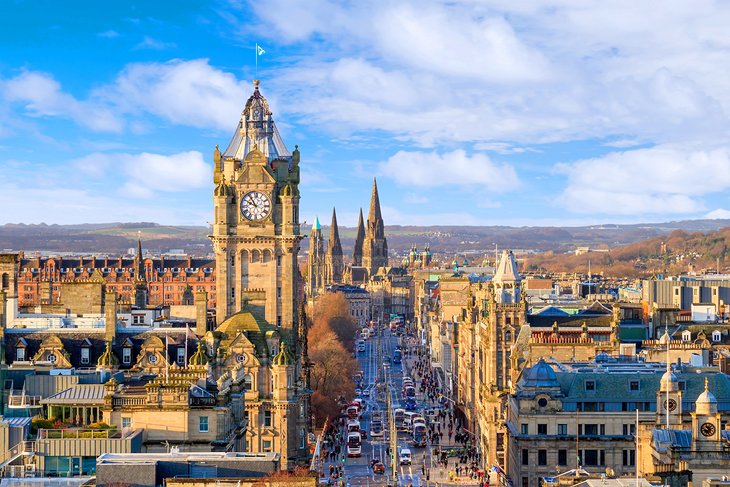
Edinburgh may seem at times to be two separate cities, so different are the 18th-century New Town's elegant Georgian neighborhoods of stately terraces from the Old Town's narrow winding lanes, steep staircases, and hidden passageways.
While many of the most popular tourist attractions are along the Royal Mile, which follows the crest of the hill between the castle and Holyrood Palace and Princes Street, be sure to explore the other side of the hill, where you'll find the picturesque Grassmarket. One of Edinburgh's most important market squares since the Middle Ages, it rings with history. In this pedestrian-friendly area of shops and cafés look for the White Hart Inn, where Robbie Burns once wrote poetry.
To make sure you get the most out of your visit to this extremely romantic Scottish city, be sure to read our list of the top attractions and things to do in Edinburgh.
- 1. Edinburgh Castle
- 2. Palace of Holyroodhouse and Holyrood Abbey
- 3. Stroll the Royal Mile
- 4. Climb to Arthur's Seat and the Salisbury Crags
- 5. Set Sail for Royal Yacht Britannia
- 6. Explore the Past at the National Museum of Scotland
- 7. See the Flowers Bloom at Royal Botanic Garden Edinburgh
- 8. Walk the Length of Princes Street
- 9. See the Camera Obscura & World of Illusions
- 10. Tour the Scottish National Gallery & Portrait Gallery
- 11. Scottish National Gallery of Modern Art (Modern One)
- 12. St. Giles Cathedral
- 13. Take in the Views from Calton Hill and the Scottish National Monument
- 14. Learn about the City's Past at the Museum of Edinburgh
- 15. Greyfriars Church and Greyfriars Bobby
- 16. Edinburgh Zoo
- 17. The Museum of Childhood
- 18. Explore Dynamic Earth: Edinburgh's Science Centre
- 19. Visit the Real Mary King's Close
- 20. John Knox House & Scottish Storytelling Centre
- 21. The Surgeons' Hall Museums
- Where to Stay in Edinburgh for Sightseeing
- Tips and Tours: How to Make the Most of Your Visit to Edinburgh
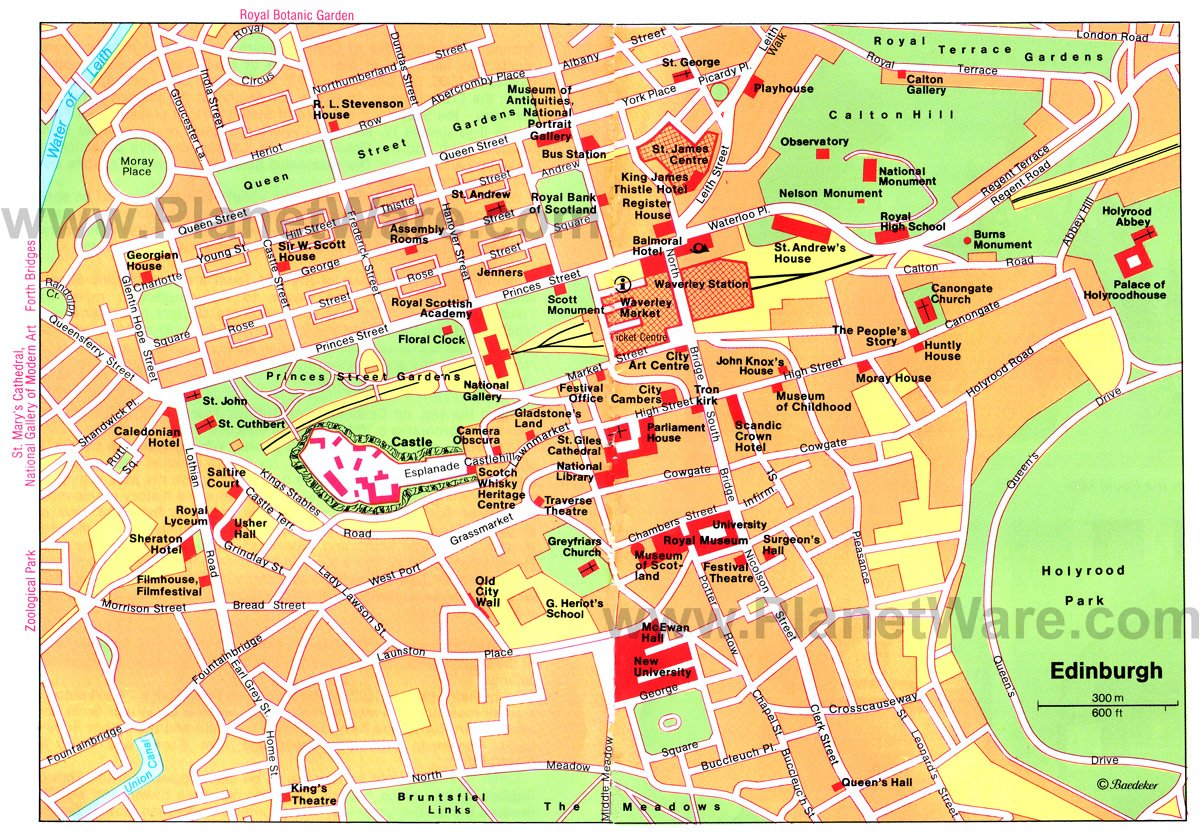
- Map of Tourist Attractions in Edinburgh
- Frequently Asked Questions
- How do you get from Edinburgh Airport to the city center?
- What are the best shopping areas in Edinburgh?
- What are the must-visit destinations near Edinburgh?
1. Edinburgh Castle
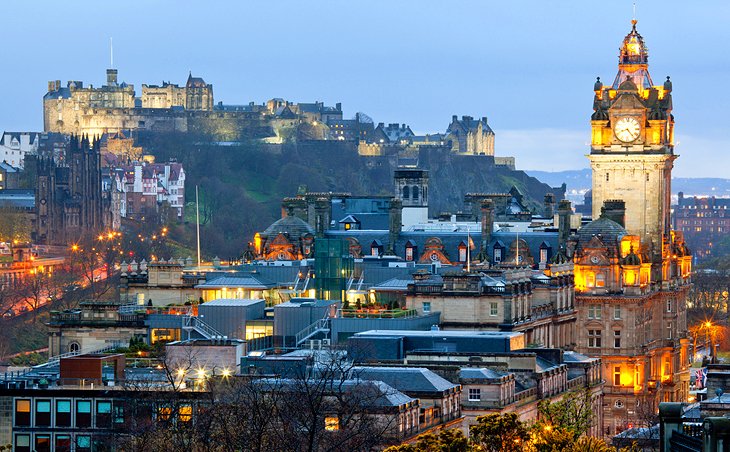
Scotland's most famous landmark, Edinburgh Castle is one of Britain's most visited tourist attractions. Highlights of a visit include hearing the famous One O'clock Salute from Half Moon Battery (cannon fire commemorates the tradition of helping ships synchronize their clocks), the impressive Scottish National War Memorial and National War Museum, and the stunning collection of Crown Jewels housed in the Royal Palace.
Another notable feature is the Stone of Destiny (aka, the Stone of Scone), famously stolen by Edward I and placed under the English throne in London - only returned to Scotland 700 years later in 1996.
If you want to save time, consider purchasing a Skip the Line: Edinburgh Castle Entrance Ticket, so you can spend more time touring the castle instead of waiting in the long lines.
Address: Castle Hill, Edinburgh, Scotland
Official site: www.edinburghcastle.scot
2. Palace of Holyroodhouse and Holyrood Abbey
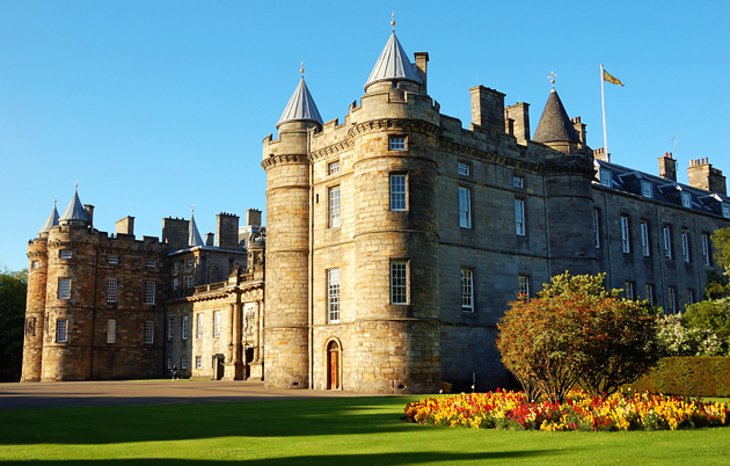
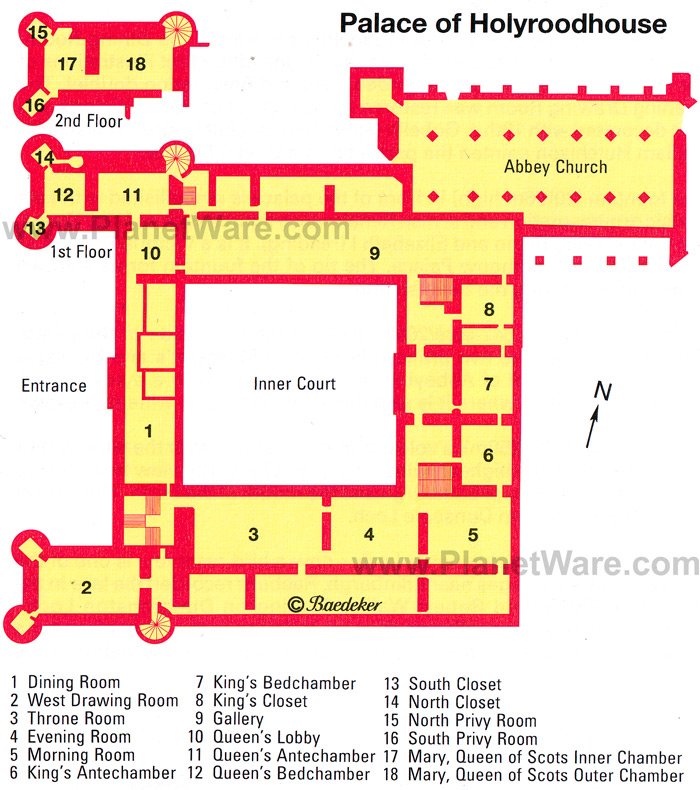
The Palace of Holyroodhouse – usually simply referred to as Holyrood Palace – is the Queen's official Edinburgh residence and has frequently been at the center of Scottish history. Built in 1678, it was where James II and James IV were each married, where James V and Charles I were crowned, and where "Bonnie Prince Charlie" held court in 1745.
When the Queen is away – which is typically 51 weeks of the year, as she's only here for "Royal Week" each summer – public access is permitted. At such times, access is granted to the stunning Historic Apartments (former home of Mary Queen of Scots) and the State Apartments, famous for their fine furnishings, tapestries, and plasterwork.
The Great Gallery displays portraits of Scottish kings, both legendary and real. The Queen's Gallery, opened in 2002 as part of the Golden Jubilee celebrations, hosts changing exhibitions from the Royal Collection. The neighboring 12th-century Holyrood Abbey was founded by King David I.
If you're traveling with kids, be sure to allow them to enjoy dressing up in the costumes in the Family Room; and if you've got time, linger a little longer in the charming café and enjoy a proper afternoon tea. Guided tours are available.
Location: Royal Mile, Canongate, Edinburgh
3. Stroll the Royal Mile
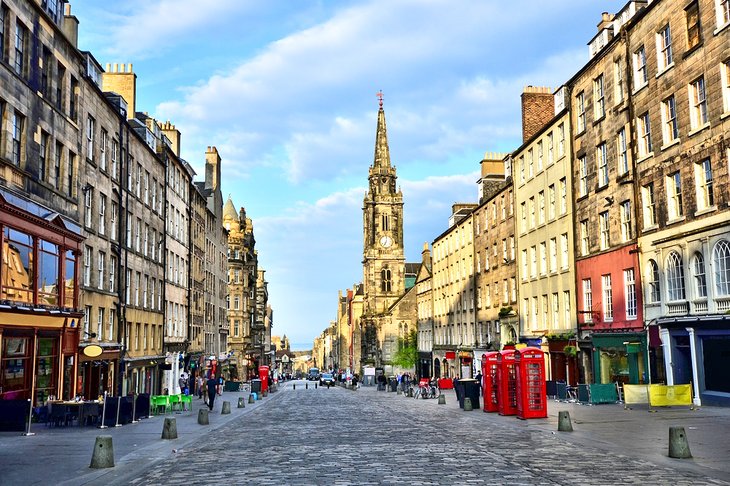
The Royal Mile refers to the streets linking Edinburgh Castle and the Palace of Holyroodhouse. Lined with charming townhouses, churches, and historic landmarks, this splendid thoroughfare is a great place to stroll for its shops (including kiltmakers), inns, museums, cafés, and restaurants.
Many of the buildings are tall, averaging six to 15 stories and are referred to locally as "lands." Narrow little alleys, called "winds," with their quaint hidden backyard "closes," weave in and around them.
Some of the most popular attractions are at the upper end of the Royal Mile – commonly called Castle Hill – and include Outlook Tower and the Camera Obscura and the Tolbooth (St. John's Highland Church) with the city's tallest church tower. It houses the interesting People's Story Museum and Gladstone's Land, a six-story merchant's house with pretty ceiling paintings and original furniture.
Also worthy of a visit is Lady Stair's Close, home to The Writer's Museum. Here, you'll find displays of manuscripts, portraits, etchings, and memorabilia of the poet Robert Burns and writers Sir Walter Scott and Robert Louis Stevenson.
Just around the corner and overlooking Princes Park, the Museum on the Mound is worth checking out for its displays relating to the history of money and economics.
4. Climb to Arthur's Seat and the Salisbury Crags
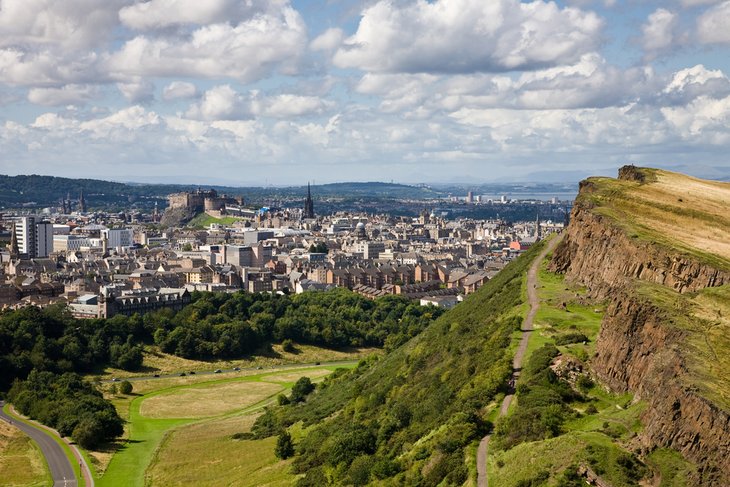
At 820 feet, Arthur's Seat is the highest point in the 640-acre Holyrood Park. The spectacular views from the top encompass the whole city all the way to the mouth of the Forth. The easiest way up is from Dunsapie Loch, where there's a good-sized car park. Alternatively, you can walk from the Old Town, heading up past the Dynamic Earth science center onto a path that leads from Queen's Drive.
Also easy to climb are the dramatic Salisbury Crags, a series of 151-foot cliffs adjacent to Arthur's Seat. Other features in this huge park are the ancient cultivation terraces, some of the earliest and best-preserved examples of ancient farming practices in Scotland, and the picturesque ruins of the medieval St. Anthony's Chapel.
5. Set Sail for Royal Yacht Britannia

The Royal Yacht Britannia is one of Britain's most popular attractions associated with the monarchy. Over the years, the Queen has welcomed heads of state and famous people from around the world to this luxurious vessel. After more than 40 years serving the Royal Family, the 60-year-old yacht was sent to Leith, Edinburgh's port area, as the centerpiece of the Britannia Visitor Centre.
Once aboard, you'll learn about the history of this and other royal yachts as you explore the ship's five main decks. Highlights include the Royal Apartments and bedrooms; the lovely sun lounge; and the onboard Royal Deck Tea Room, where you can stop for tea and cakes.
For those wanting to spoil themselves with a luxury getaway, consider a stay aboard the former lighthouse ship, the Fingal, docked adjacent to the royal yacht.
Address: Ocean Drive, Leith, Edinburgh
6. Explore the Past at the National Museum of Scotland
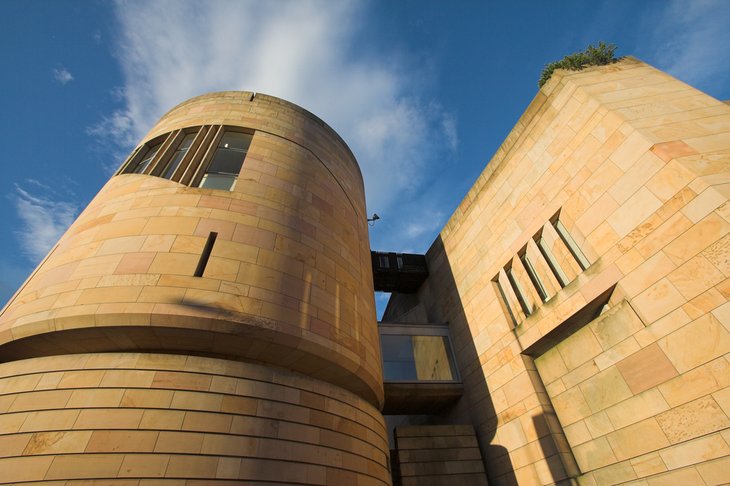
Since opening in 2011, the National Museum of Scotland has become one of Scotland's most popular attractions, and one of the best things to do for free in Edinburgh.
Welcoming over two million visitors each year, it incorporates collections from a number of Edinburgh's older museums, with highlights including national archaeological collections; medieval artifacts; and displays focusing on natural history, geology, art, science, and technology.
In its 16 galleries, containing more than 8,000 artifacts, are Dolly the sheep – the world's first cloned mammal – as well as some of Elton John's more elaborate stage costumes. Traditional museum displays also include material from Ancient Egypt and the infamous Maiden, an early form of guillotine.
There's plenty to see and do here, so expect to spend at least three or four hours exploring. Guided tours are available, and two restaurants are located on-site.
Address: Chambers Street, Edinburgh, Scotland
7. See the Flowers Bloom at Royal Botanic Garden Edinburgh
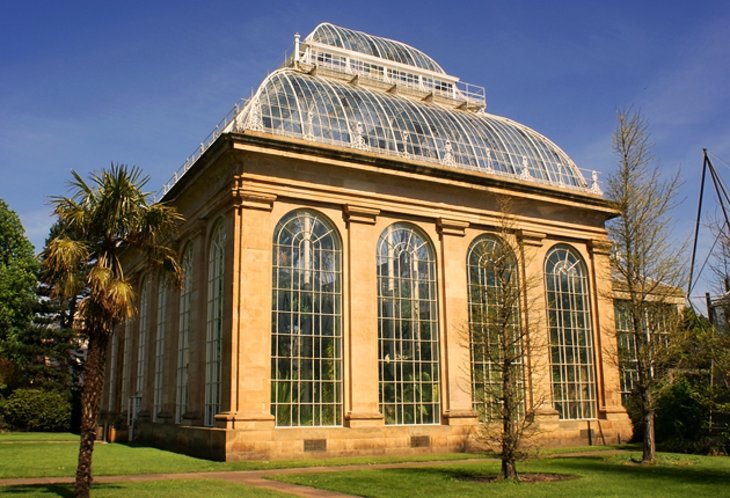
Founded in 1670, the Royal Botanic Garden Edinburgh (RBGE) is the second oldest such garden in Britain. It's also one of the largest, and boasts an impressive 13,200 different plant species.
Within its magnificent 70 acres are a herbarium with a collection of over three million specimens, Britain's biggest palm house, and a tropical house with exotic orchids. There's also an alpine house; a terraced moorland garden; a heather garden; and an extensive arboretum with rare giant trees from the Himalayas, North America, and China.
Other highlights include the woodland garden with its colorful azaleas, hydrangeas, camellias, and rhododendrons. There's also an aquatic house with tropical water plants, such as the pink water lily from India. Touring displays can be enjoyed in the Exhibition Hall.
For a special festive treat, visit for the spectacular light displays over the Christmas period. A variety of educational programs are also available for those wanting a more immersive experience.
Address: Arboretum Place, Edinburgh
8. Walk the Length of Princes Street
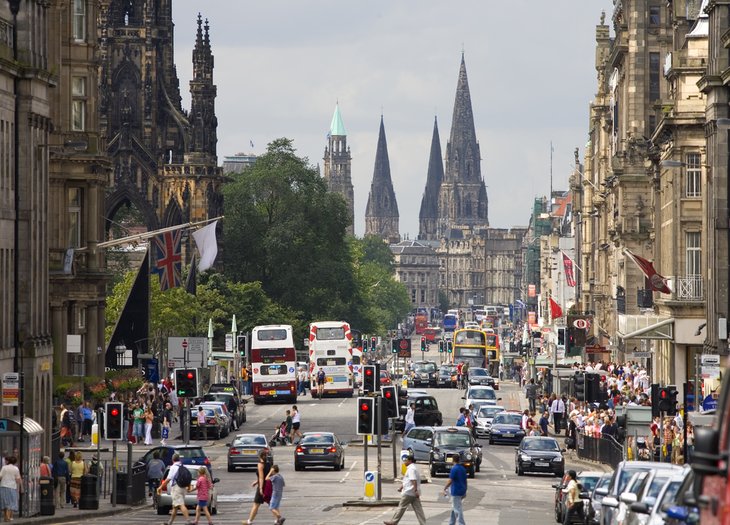
Busy Princes Street is the New Town's main thoroughfare. It extends for almost a mile and is lined with colorful gardens and elegant shops, including the tradition-conscious Jenners of Edinburgh, founded in 1838 and one of the world's oldest department stores.
Also good for shopping is the Princes Mall, popular with its small shops set among fountains and cafés and plenty of places to browse. As well as these temples to consumerism, you'll find restaurants, from fast food to gourmet bistros.
Of interest to those keen on genealogy is New Register House, home to the Scottish National Archives, some of which date as far back as the 13th century. Princes Street's historic landmarks include the 200-foot-tall Sir Walter Scott Monument and the David Livingstone Memorial, a memorial to the missionary and African explorer.
When you're done with all that shopping and history, head for Princes Street Gardens, home to the world's oldest floral clock (1903). From here, you're also afforded spectacular views of Edinburgh Castle, which overlooks the gardens.
9. See the Camera Obscura & World of Illusions
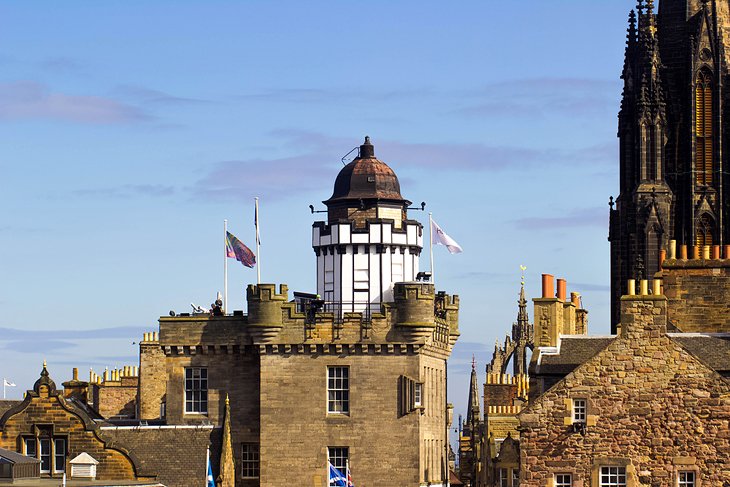
A combination of Edinburgh history, city views from a new perspective, and experience with optical illusions, the Camera Obscura & World of Illusions is an attraction that certainly appeals to all ages.
The centerpiece, set in a Victorian rooftop room, is a pinhole camera that projects live moving images of Edinburgh onto a viewing table. The panorama is created by a combination of mirror and lenses, and it has been entertaining people here since 1853.
The rest of the experience will challenge your faith in your own vision, with a hall of mirrors, a vertigo-inspiring spinning vortex, 3-D holograms, and a whole range of optical experiences
Address: 549 Castlehill, Edinburgh
10. Tour the Scottish National Gallery & Portrait Gallery
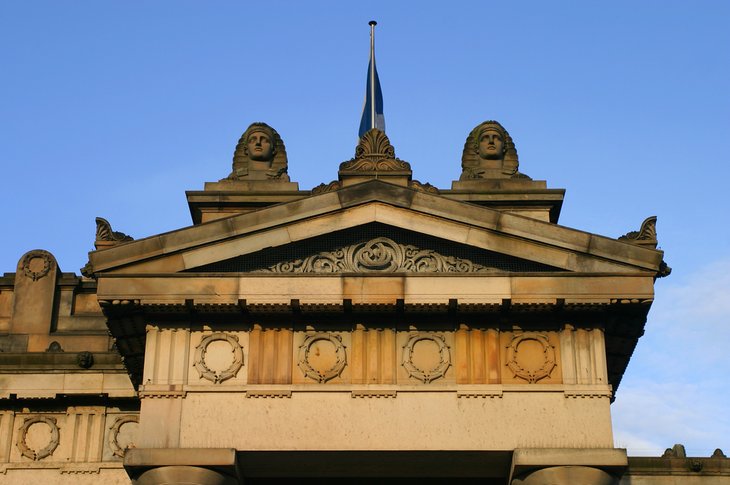
Paintings of Scotland's leading historic figures from the 16th century to the present day can be seen in the Scottish National Portrait Gallery, one of Edinburgh's three major art galleries.
The highlight of the gallery's 65,000-plus pieces is the huge processional frieze showing Scotland's most famous personalities, including Robbie Burns, Sir Walter Scott, Sean Connery, Robert Louis Stevenson, Mary Stuart, and Bonnie Prince Charlie, among others. The gallery is also home to the Scottish National Photography Collection.
Founded in 1859, the Scottish National Gallery is the country's second major art collection and displays Scotland's biggest collection of European paintings and sculptures. Its collection includes works from the Renaissance period right up to the Post-Impressionists.
Tours, lectures, and even art classes are available for visitors to enjoy, along with a restaurant. A handy shuttle bus service is also available that connects these two galleries with the Scottish National Gallery of Modern Art (see below).
Address: The Mound, Edinburgh
Official site: www.nationalgalleries.org/
11. Scottish National Gallery of Modern Art (Modern One)
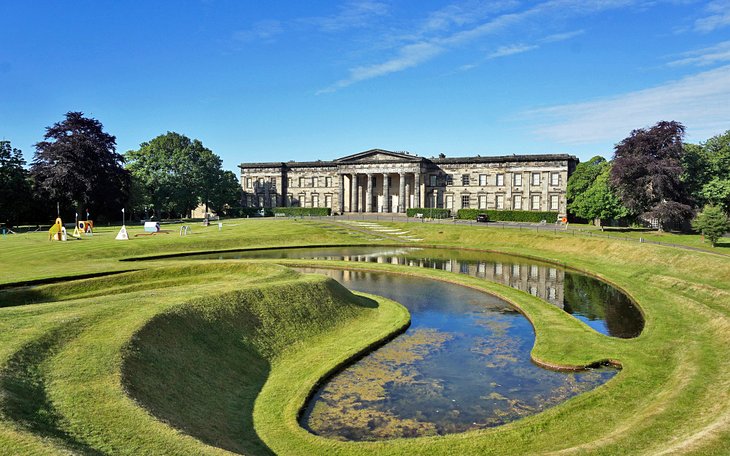
The Scottish National Gallery of Modern Art – also known as "Modern One" – is another must-visit for art enthusiasts. Here, you'll find displays of paintings by Henri Matisse and Pablo Picasso; surrealistic works by Rene Magritte, Joan Miró, and Max Ernst; and contemporary paintings by Bruce McLean, Callum Innes, and Gwen Hardie.
The gallery is also well-known for its impressive collection of sculptures. Notable examples are works by Henry Moore, Barbara Hepworth, and David Hockney. The extensive grounds of this impressive gallery are also worth exploring.
Across the road is what's come to be known as "Modern Two," housed in an old hospital built in the 1830s. Here, you'll see works by Surrealists, including sculptor Eduardo Paolozzi, as well as an impressive recreation of his original London studio. A number of works by Dada are also on display.
If you plan on seeing both locations, as well as the National Gallery and Portrait Gallery, there's a lot of art (and walking) to experience, so you may want to spread your visits over a couple of days.
Address: 75 Belford Road, Edinburgh
12. St. Giles Cathedral
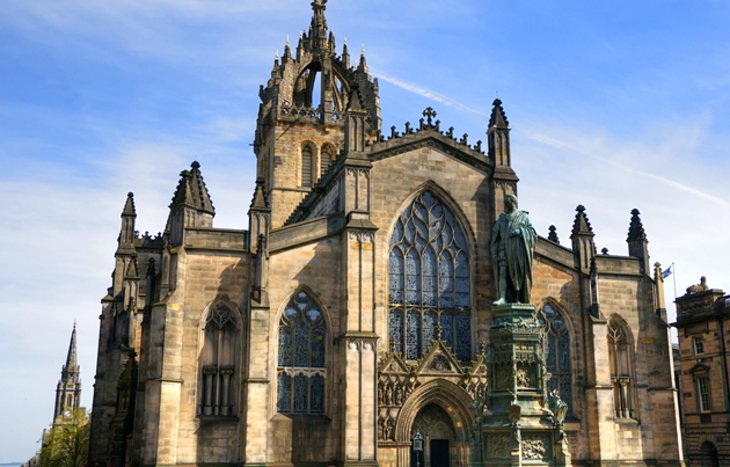
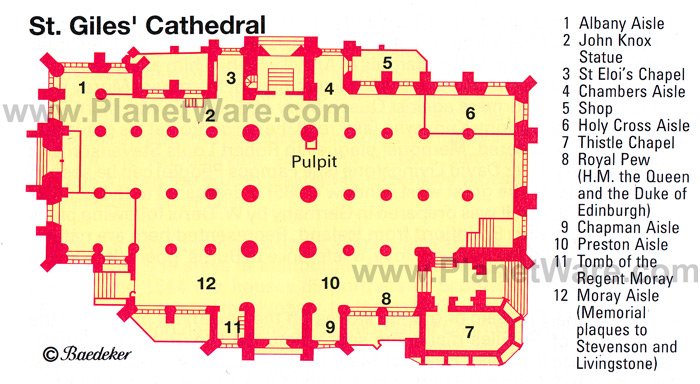
Consecrated in 1243, St. Giles Cathedral – also known as the High Kirk of Edinburgh – is Edinburgh's principal church. It's also one of the city's most popular places to visit, attracting upwards of a million visitors each year.
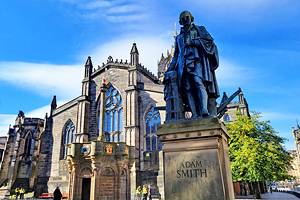
The current structure was built in the 1300s and is notable for its impressive 161-foot-tall central tower with its eight arched buttresses. These form a huge crown (the Crown Steeple), which has become a favorite backdrop for photos and selfies. Interior highlights include memorials to the dead of WWI; lovely stained-glass windows; and a statue of John Knox, leader of the Protestant Reformation (his former home, 45 High Street, is close by and contains a museum).
The Thistle Chapel is also worth checking out and is best known for its oak carvings; heraldic emblems; and seals of the "Knights of the Thistle," Scotland's oldest order of knights. Sir Robert Lorimer designed the chapel in 1911, and it's a superb example of the modern Gothic style. Fun things to do while visiting the cathedral include joining a rooftop tour, or enjoying an afternoon choir concert.
Address: High Street, Edinburgh
13. Take in the Views from Calton Hill and the Scottish National Monument
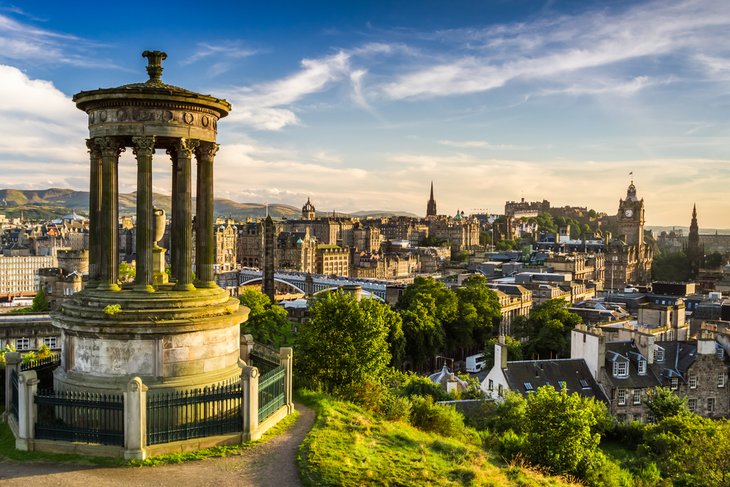
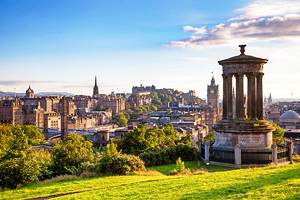
Calton Hill provides a panoramic view of the city, with Princes Street, the castle, and the Old Town silhouetted against Arthur's Seat. To the east and north you can see the Firth of Forth and the docks at Leith. At the foot of the hill stands the 13th-century Royal High School, where Sir Walter Scott was once a pupil.
Perhaps the most important of Edinburgh's many memorials is the impressive National Monument on Calton Hill, erected to remember the dead from the Napoleonic Wars. Henry Playfair designed the memorial using the Parthenon in Athens as his inspiration.
Work began in 1822, but the project had to be abandoned due to lack of money. Nelson's Monument was unveiled in 1816 after Horatio Nelson's victory at the Battle of Trafalgar.
Opposite Calton Hill stands a memorial to famed Scottish poet, Robert Burns. For a spectacular memento of your Edinburgh vacation, be sure to snap a few shots from here over the city at sunset.
14. Learn about the City's Past at the Museum of Edinburgh
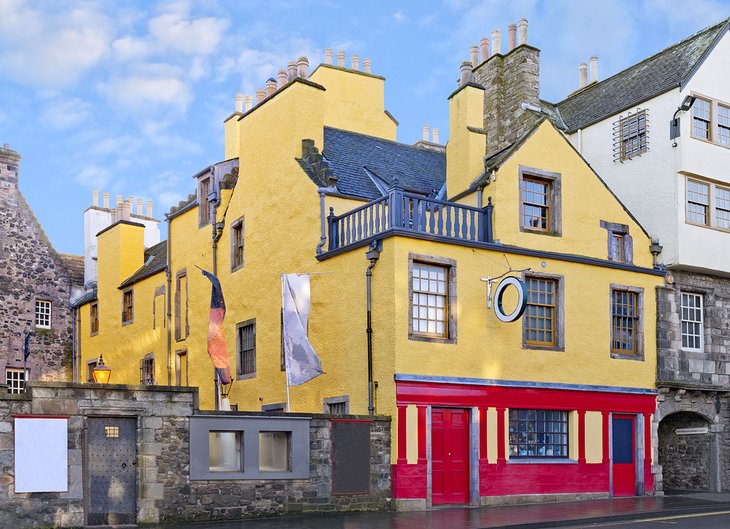
Located on historic Canongate, the Museum of Edinburgh is also worth a look for those with an interest in digging a little deeper into this fascinating city's rich and storied history. The building itself is well worth seeing and was constructed in the late 1500s.
Its fascinating exhibits tell of Edinburgh's origins through artifacts and original documents, as well as tales of its heroes and everyday life. Of note is its important collection of decorative arts, including finely crafted glassware and silverware, 18th-century porcelain, and clocks.
Fans of the popular Outlander TV show should also pay a visit. The museum building and neighboring Bakehouse Close were featured in the show's third series, and make for a great selfie opportunity.
Address: 142-146 Canongate, Edinburgh
15. Greyfriars Church and Greyfriars Bobby
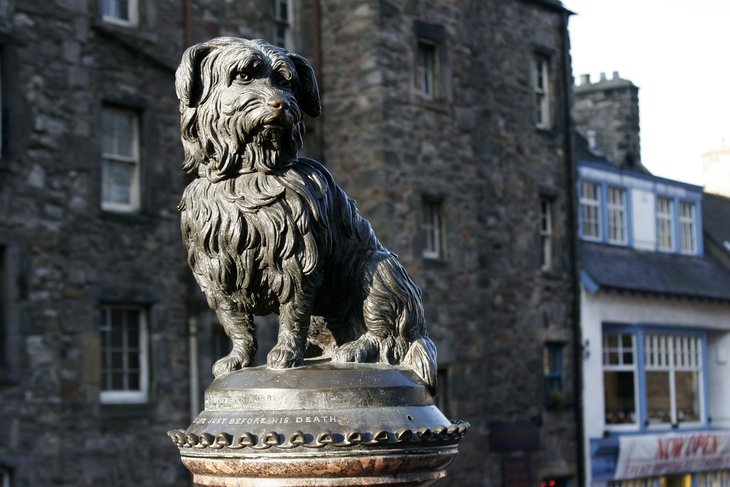
Located at the south end of picturesque Candlemakers Row, Greyfriars Church is a must-visit when in Edinburgh. Here, you'll find the city's oldest graveyard, the final resting place for a number of celebrated Scots, including poet Allan Ramsay (1686-1758).
The first "National Covenant," directed against Charles I's attempt to impose the constitution of the Anglican Church on Scotland, was signed here in 1638, under which framework the church would be subjected to the power of the state. Buried within the Covenanters Prison is James Hutton, considered by many as the father of modern geology.
Perhaps the most famous name associated with the church, however, is Greyfriars Bobby. In 1858, this Skye terrier loyally followed the coffin of his master, John Gray, to the graveyard and until his death 14 years later refused to leave. A kennel was built for him to shelter in, and a famous landmark outside the church is a statue of Bobby erected in 1873.
If visiting on Thursday, be sure to spend time enjoying one of the regular afternoon concerts. A museum is located on-site, and guided tours are available.
Address: 1 Greyfriars, Edinburgh
16. Edinburgh Zoo

Set on 82 acres of land on the edge of Edinburgh, Edinburgh Zoo was established in 1913 and remains one of the top things to do for families visiting the city.
The zoo boasts a diversity of creatures from around the globe, some of whom were born and raised here through its successful breeding programs. Edinburgh Zoo has the distinction of being the only UK zoo park to house koalas and pandas, and was the first to breed penguins. Among its other "star" animals are a troop of chimps and wallabies, as well as an exhibit of smaller creatures, such as amphibians and insects, in an area called "Wee Beasties."
Those wanting to broaden their zoo experience can opt to participate in a variety of special events and animal interaction opportunities, including the popular "keeper experiences," which offer a fun behind-the-scenes look at the day-to-day care of animals.
Also fun are the "Animal Antics" shows, which provide a fascinating insight into the training and care of a variety of species. There's a great garden area to explore, too, plus a number of casual food options and a gift shop.
Address: Royal Zoological Society of Scotland, 134 Corstorphine Road, Edinburgh
17. The Museum of Childhood

Not just for kids, the Museum of Childhood includes excellent collections of old toys, including model trains, dolls, and games from around the world. But it's more than just a place full of old toys (as much fun as they are). The museum – the first of its kind when it opened in the early 1900s – explores other aspects of growing up, including a fun look at schooldays, trends, and fashions.
Adding to the authenticity is a re-creation of a Victorian streetscape complete with outdoor toys, as well as an opportunity to dress up in period costumes and play the kinds of games our ancestors would have enjoyed.
Address: 42 High Street, Edinburgh
18. Explore Dynamic Earth: Edinburgh's Science Centre
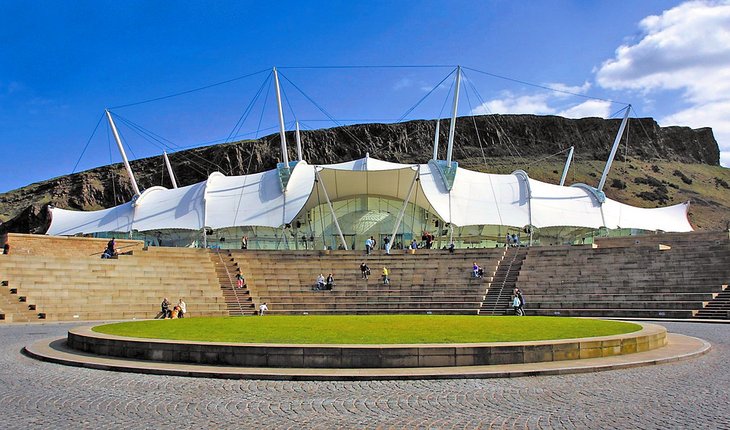
Dynamic Earth is a multi-media presentation that takes visitors on a 500-million-year journey through the Earth's history. Using hi-tech gadgetry and superb special effects, its displays realistically portray natural events such as volcanoes, tropical rainstorms, and glaciation.
Located at the foot of Arthur's Seat near Holyrood Park, this unique science center is housed in an ultra-modern tent-like structure and is particularly fun for kids. And thanks to facilities like the excellent 360-degree Showdome, with its 3D movies, it's as entertaining as it is educational.
The museum's latest addition is 4Dventure flight simulator, where visitors explore evolution and the diversity of the world's climates by "flying" through time and space.
Address: Holyrood Road, Edinburgh
19. Visit the Real Mary King's Close
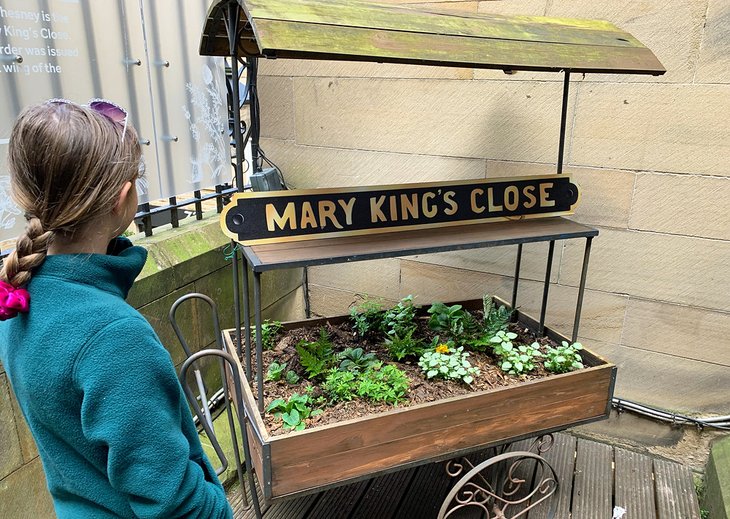
One of the newest attractions in Edinburgh, The Real Mary King's Close offers visitors a fascinating glimpse into one of the oldest sections of the Royal Mile.
Located under the historic Old Town area, Mary King's Close was buried and closed after being partly dismantled in the 1700s to make way for the Royal Exchange. This network of narrow streets, now underground, was once a vibrant neighborhood lined with tenement homes, and has long been the subject of myths of ghosts and murder.
Visitors can now join fun tours led by costumed guides that lead you to some of the best preserved areas of this fascinating underground world. Along the way, you'll learn how, during the time of the plague, some 300 residents were sealed up and forgotten about, so legend has it.
Displays and exhibits are also used to show what the area once would have looked like, as well as sharing details of life during the 17th century. (Editor's Note: Advanced booking is recommended, especially during the busy summer season.)
Ghost tours can also be booked at the Edinburgh Vaults, a series of underground storage chambers built in the 1780s. You can also get a taste for life during medieval times at the popular Edinburgh Dungeon, another underground attraction, this time located on East Market Street.
Address: Warriston's Close, 2, High Street, Edinburgh
20. John Knox House & Scottish Storytelling Centre
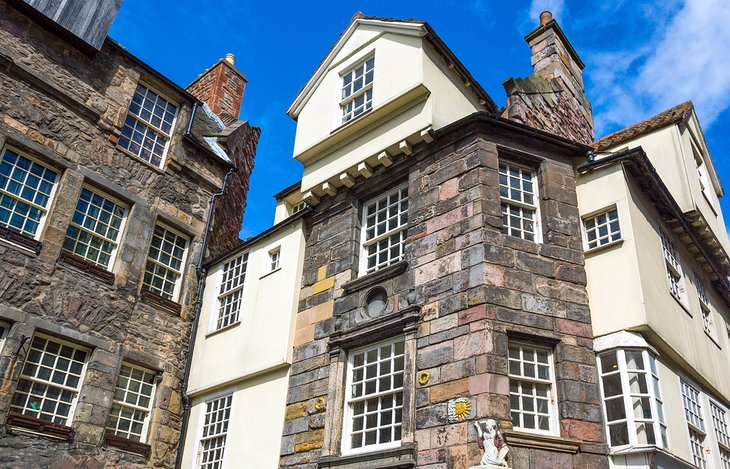
Located on the Royal Mile a short distance from the castle, the John Knox House & Scottish Storytelling Centre attraction is a treat for anyone interested in Scotland's rich cultural heritage. It was built in 1470 and is said to be the one time home of the protestant reformer after which it's named.
A highlight of a visit is exploring the exhibits and displays related to the Scottish Reformation, a pivotal moment in the country's history. Other notable features include a well-preserved hand-painted ceiling from this period and carvings from the 1800s. Guided tours are available.
The adjoining Scottish Storytelling Centre is also worth a visit. Billed as a "home for Scotland's stories," this popular venue hosts regular performances by musicians and actors, as well as readings by leading Scottish writers. A variety of workshops and learning opportunities are also available, with programs aimed at all ages. For a truly memorable experience, book one of the venue's professional storytellers for a personalized story-telling session or workshop. A café is also located on-site.
Address: Scottish Storytelling Centre, High Street, Edinburgh
21. The Surgeons' Hall Museums

The Surgeons' Hall Museums consist of three fascinating attractions in one, all of them dealing with important advancements in medicine and medical procedures. These include the Wohl Pathology Museum, the History of Surgery Museum, and the Techniques and Technologies Dental Collection.
Set in the impressive Royal College of Surgeons building, these fascinating museums feature collections of tools and material relating to medicine and surgical procedures. Workshops and other learning opportunities are held here frequently, along with the occasional themed special events at Halloween and Christmas.
Address: Nicolson Street, Edinburgh
Where to Stay in Edinburgh for Sightseeing
If you're visiting Edinburgh for the first time and want to see all the best places to visit in this beautiful part of Scotland, the city center makes a great base, especially the areas of Old Town, with the Royal Mile, and New Town, with the fabulous shops of Princes Street. The more affordable West End is also a popular and convenient place to stay. These areas put you in close range of the city's top historic attractions, such as Edinburgh Castle and the Palace of Holyroodhouse and Holyrood Abbey, as well as museums, galleries, and restaurants. Here are some highly rated hotels in these central locations:
Luxury Hotels:
- Set in one of the most picturesque corners of Edinburgh, The Balmoral Hotel is perhaps the poshest place to stay in the city. Just two minutes' walk from Waverley station and close to Edinburgh Castle, its bright, contemporary-styled rooms and suites feature classy marble bathrooms, and a great breakfast. Amenities include a fine-dining restaurant, afternoon tea, a full-service spa, indoor swimming pool, and a fitness center.
- Just steps away from the Royal Mile, Cheval Old Town Chambers offers fantastic value – especially for families and extended-stay travelers – with its luxurious contemporary apartments. Each is unique, with features such as exposed stone from the 15th century and gabled ceilings. Amenities include a 24-hour front desk and concierge services, laundry facilities, and luggage storage.
- For those who prefer a large chain hotel, the Sheraton Grand Hotel & Spa is a great choice of luxury accommodations. Only 10 minutes on foot from Edinburgh Castle, its well-appointed rooms feature media hubs and glass-walled bathrooms, along with free Wi-Fi. Larger suites are also available (be sure to request one that overlooks the castle). On-site amenities include a good-size indoor swimming pool and a full-service, rooftop spa.
Mid-Range Hotels:
- Sitting right on the Royal Mile in a historic old bank building, The Inn on the Mile offers great-value, stylish rooms with iPod docks, and wonderful city views, all just five-minutes' walk from the castle and Princes Street. This charming boutique hotel also features a restaurant that's popular with guests and locals alike and known to serve great locally sourced dishes, including freshly caught fish.
- Located in the heart of Edinburgh New Town, the Ibis Styles Edinburgh Centre St. Andrew Square features bold, colorful décor throughout, along with plush bedding and a great breakfast (some pet-friendly rooms are available). Just 12-minutes' stroll from the Royal Mile, the hotel is popular with families for its kids programs.
- Another excellent mid-range chain option located in the heart of the city is the Premier Inn Edinburgh City Centre (Princes Street) Hotel, featuring clean, bright rooms with comfortable beds and bedding. You're also within easy walking distance of the castle and the Royal Mile, as well as Edinburgh's best museums and galleries. The hotel's on-site restaurant features excellent views of the castle.
Budget Hotels:
- The great-value Travelodge Edinburgh Central Princes Street is set in a fantastic location opposite Edinburgh-Waverley train station and close to shops, restaurants, and the Royal Mile. Popular with families, this budget hotel offers clean, comfortable rooms with free Wi-Fi and HD TVs.
- Also popular in this category, the Cairn Hotel Edinburgh features compact, clean rooms within the theater district and less than a 10-minute walk from the city center. A breakfast buffet is available, along with a lounge area and coffee shop.
- About a 15-minute walk from the Royal Mile, Regent House Hotel offers a mix of brightly decorated guest rooms and family rooms with period furniture, comfy beds, large screen TVs, and free Wi-Fi. Amenities include a 24-hour front desk, luggage storage, and a hearty free breakfast buffet.
Tips and Tours: How to Make the Most of Your Visit to Edinburgh
- Sightseeing Tours: If you're planning to see the city's top attractions, the Royal Edinburgh Ticket Including Hop-On Hop-Off Tours and Edinburgh Castle Admission will save you the hassle of finding your way around the city. Hop aboard the open-top, double-decker sightseeing bus and cruise around the sites, listening to the audio commentary and jumping off at your favorite attractions. The tour is valid for 48 hours. Best of all, it includes admission to prime sights such as the Palace of Holyroodhouse and the Royal Yacht Britannia, as well as fast-track entry to Edinburgh Castle.
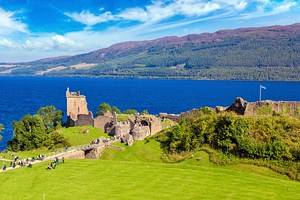
- Day Trip Tours: Breathtaking countryside, quaint villages, and the famous Scottish Highlands beckon not far from Edinburgh. And you can save time and trouble if you explore the surroundings on a day trip tour. Let an experienced driver take you through the countryside in the comfort of a Mercedes van on the Loch Ness, Glencoe and the Highlands Small-Group Day Trip from Edinburgh. This full-day guided tour includes a visit to beautiful forested lochs, tiny villages, Glencoe, Cairngorms National Park, Fort Augustus, and the chance to search for the Loch Ness monster. Also focusing on the Scottish Highlands is the West Highland Lochs and Castles Small Group Day Trip from Edinburgh. Castles, lakes, breathtaking scenery, and small villages are the highlights on this full-day guided tour, which includes discounts at select local restaurants, shops, and attractions. You don't have to be a golfer to enjoy the St. Andrews and Fife Small Group Day Trip from Edinburgh. It includes a visit to the fishing villages of East Neuk, Falkland Palace, and, of course, a visit to St. Andrews, known as the home of golf as well as Scotland's oldest university. If you have more time and want to see the dramatic scenery of Scotland's northwest coast, consider the 3-Day Isle of Skye Small-Group Tour from Edinburgh. In the comfort of a Mercedes van, you'll visit the Scottish Highlands, with stops at Glencoe and Loch Ness, and the Isle of Skye. Included in the tour are a professional driver and guide, two nights at a B&B or three-star hotel, and two breakfasts.
- Free in Edinburgh: A surprising number of Edinburgh attractions are free. Top things to do for free in Edinburgh include the National Museum, the Botanic Garden, the National Galleries, and the city's many churches. Also free is the sightseeing bus that shuttles visitors between the various National Galleries.
Map of Tourist Attractions in Edinburgh
Frequently Asked Questions
How do you get from Edinburgh Airport to the city center?
Located just eight miles west of the city center, Edinburgh Airport is well served by public transit. From here, an easy journey by Edinburgh Trams and a change to the mainline train will get you to Waverley station in under 30 minutes. The same journey by car (taxis are plentiful, and Uber is available) takes around 25 minutes. Buses are available and offer good connections to other parts of the city.
What are the best shopping areas in Edinburgh?
Whether you're looking for souvenirs or traditional Scottish crafts and clothing – and who wouldn't want to buy a kilt? – Princes Street and the Royal Mile are your best bets. Both are home to a number of large department stores. If you're looking for the big-name fashion outlets, head to Waverley Mall, just steps from the city's train station – you'll find shops in a bright, modern-looking building.
If you're planning on visiting the Royal Yacht Britannia, be sure to add the Ocean Terminal, in the old docklands area, to your list of places to shop. There are also many great restaurants and entertainment options here, too.
What are the must-visit destinations near Edinburgh?
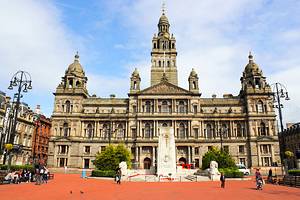
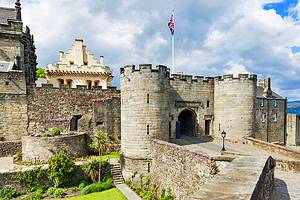
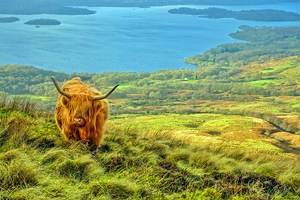
Some of the best places to visit in Scotland can be enjoyed on easy day trips from Edinburgh. Highlights include several castles, including famous Stirling Castle, which is easy to get to by train or by road. Scotland's cultural capital, Glasgow, is also only a short train ride to the west. From here, you can grab a quick bus connection to Loch Lomond. Said to be the country's prettiest loch, it's a great area for outdoorsy-types to explore, thanks to its many hiking and biking trails.
Also within reach is one of Europe's most scenic train rides. Made famous by the Harry Potter movie franchise, the journey from Balloch to Oban, gateway to the Isle of Skye and the Hebrides, travels over the spectacular Glenfinnan viaduct. North of Edinburgh, St. Andrews is of interest not just to golfers, but to history enthusiasts. But wherever you plan to travel in Scotland, you'll find Edinburgh a good starting point.