15 Top-Rated Attractions & Places to Visit in the US Virgin Islands
The U.S. Virgin Islands are among the top places to visit in the Caribbean. Located in the Lesser Antilles, between the North Atlantic Ocean and the Caribbean Sea, this American territory includes about 50 islands and cays, the largest of which are St. Thomas, St. Croix, and St. John.
Natural beauty is one of the main attractions of the US Virgin Islands. Lush mountains, tropical forests, curving beaches, and rocky coves are sprinkled throughout all the islands, and the crystal-clear waters and steady winds lure sailors and boaters, who like to anchor in the sheltered bays.
Each island exudes its own character. St. Thomas is the most visited of the islands and the gateway to the archipelago. Its main town, Charlotte Amalie, is the capital of the U.S. Virgin Islands and a major cruise ship port, with plenty of shopping, dining, and entertainment options. St. Thomas is also home to most of the bigger resorts in the US Virgin Islands.
St. Croix, the largest of the three islands, is less tourism-driven than its sister islands. Top attractions here are the historic district of its largest town, Christiansted, as well as the sugar plantations, gardens, and coastal scenery on the Heritage Trail. St. Croix is also home to beautiful Buck Island Reef, the nation's first underwater monument.
Eco-travelers will find an oasis on St. John, where two-thirds of the island is designated as the Virgin Islands National Park. Hiking, diving, snorkeling, fishing, and kayaking, are popular things to do here.
Plan your sightseeing with our list of the top attractions and places to visit in the US Virgin Islands.
- 1. Virgin Islands National Park, St. John
- 2. Trunk Bay Beach & Underwater Snorkel Trail, St. John
- 3. Buck Island Reef National Monument, St. Croix
- 4. Magens Bay, St. Thomas
- 5. Cruz Bay, St. John
- 6. Charlotte Amalie, St. Thomas
- 7. Cinnamon Bay, St. John
- 8. Coral World Ocean Park, St. Thomas
- 9. Heritage Trail, St. Croix
- 10. Christiansted, St. Croix
- 11. Sandy Point National Wildlife Refuge
- 12. Frederik Lutheran Church, St. Thomas
- 13. 99 Steps & Blackbeard's Castle, St. Thomas
- 14. Government House, St. Thomas
- 15. Emancipation Garden, St. Thomas
- The U.S. Virgin Islands - Climate Chart
1. Virgin Islands National Park, St. John
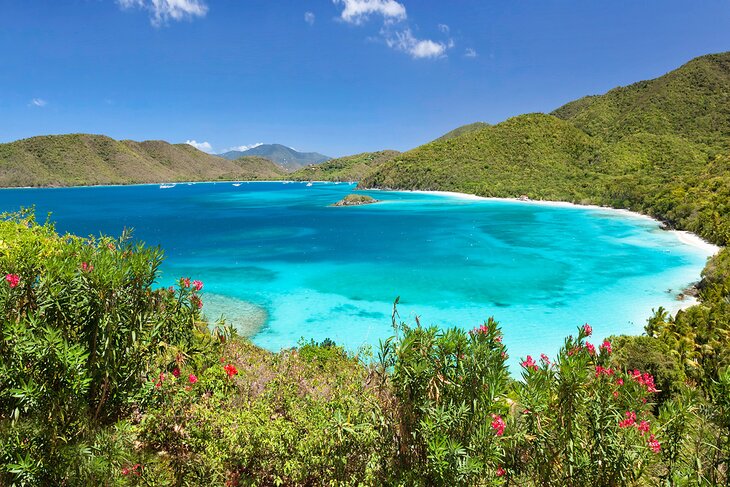
A Caribbean jewel, Virgin Islands National park attracts more than one million visitors each year, making it the single largest tourist attraction in the entire archipelago. If possible, make this one of the top places to visit on your US Virgin Islands itinerary.
Laurence Rockefeller donated 5,000 acres of land to establish the National Park in 1956. Today, the park covers two-thirds of the emerald island of St. John and includes hiking trails, protected bays, stunning beaches, underwater sea gardens, petroglyphs, and the ruins of historic sugar mills.
The Reef Bay Guided Hike, one of St. John's most popular walking trails, is a great way to explore some of these attractions.
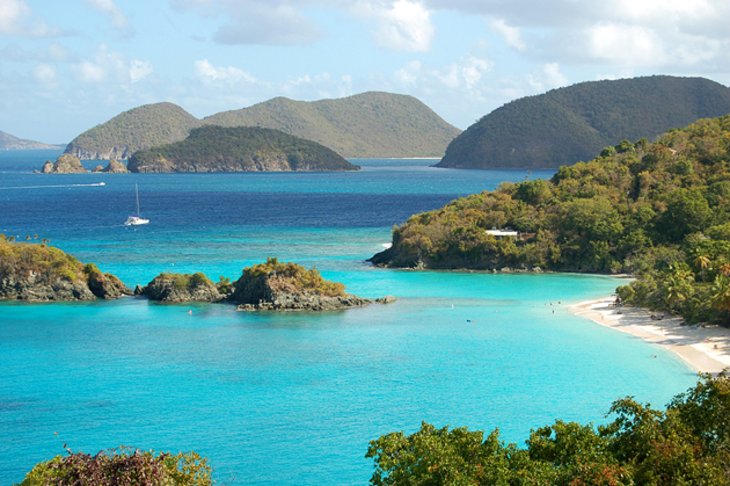
Nature lovers delight in the park's ecological diversity. More than 800 species of plants and 30 species of tropical birds are found within its borders. In addition to many coconut palms, sea grape, and bay rum trees, the park is home to the native night-blooming cereus, which attracts bats and moths with its vanilla scent. Other wildlife includes green iguanas, geckos, hawksbill turtles, and a diversity of marine life.
Not surprisingly, the park's waters are excellent for swimming, diving, and snorkeling. Highlights include Watermelon Cay, Maho Bay, Caneel Bay, and Cinnamon Bay.
Exploring all this natural beauty is among the most popular things to do in the Virgin Islands, and offers an experience nature lovers will treasure for a lifetime.
Address: 1300 Cruz Bay Creek, St. John
Official site: http://www.nps.gov/viis/index.htm
2. Trunk Bay Beach & Underwater Snorkel Trail, St. John
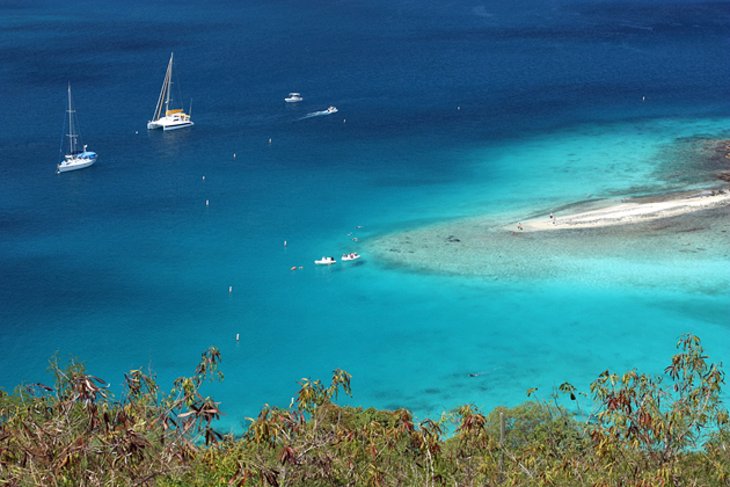
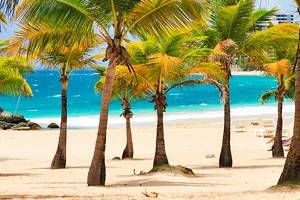
Nestled in the Virgin Islands National Park, Trunk Bay's long and arching curve of creamy sand and turquoise water is the most photographed beach on St. John. Fringed by sea grapes and coconut palms, this is also one of the best beaches in the Caribbean.
The Trunk Bay Underwater Snorkeling Trail lies just offshore from the spit of land jutting out into the bay. In the crystal-clear waters here, you can spot up to 30 different species of fish. Underwater signposts label key features of the coral reef.
Address: 1300 Cruz Bay Creek, St. John
3. Buck Island Reef National Monument, St. Croix
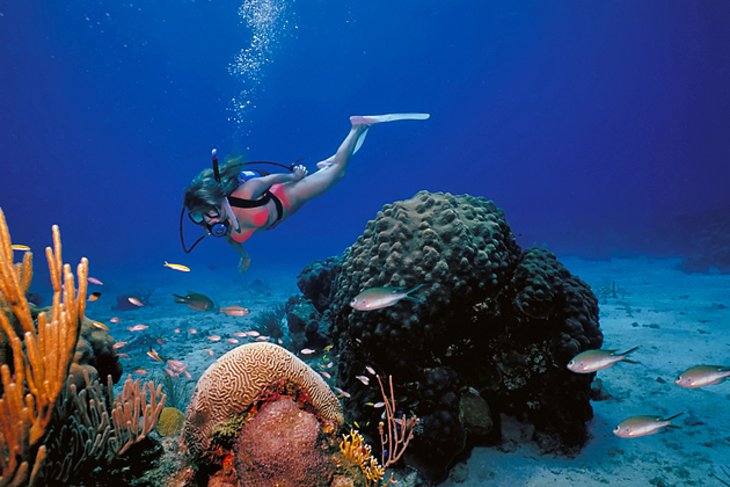
Beautiful Buck Island and its surrounding sea gardens are one of the most visited attractions on St. Croix. Lying 1.5 miles off the northeast coast of St. Croix, in the center of a vast marine sanctuary, Buck Island Reef was guaranteed protection when U.S. President John F. Kennedy named it the first U.S. underwater national monument in 1961.
The reef here features elkhorn coral grottoes and is one of the best dive sites in the U.S. Virgin Islands. Along the marked trail, snorkelers and divers can spot many tropical fish, such as blue tang and barracuda. Wreck dives are found off the north coast.
Buck Island also offers protected beaches, picnic sites, and cooking grills, as well as a hiking trail through a forest of giant tamarinds to the island's scenic ridge.
Address: Buck Island, St. Croix
Official site: www.nps.gov/buis/index.htm
4. Magens Bay, St. Thomas
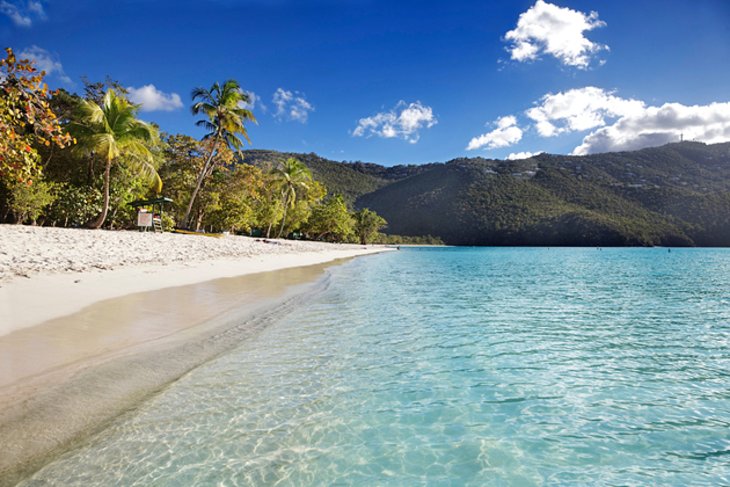
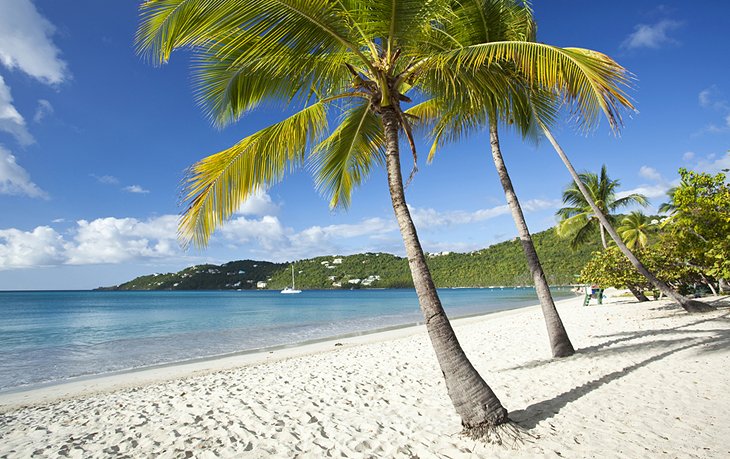
Fringed by green hills and coconut palms, Magens Bay frequently graces lists of the world's most beautiful beaches. The typically calm seas along this horseshoe-shaped bay are excellent for snorkeling, swimming, kayaking, and other water sports.
Also in the Magens Bay watershed, the Tropical Discovery Hike, leads participants through a 75-acre preserve owned by the Nature Conservancy. This unique area includes diverse habitats, ranging from dry forest hilltops to mangrove wetlands with numerous native and migratory bird species. The two miles of well-maintained trail wind downhill under tree canopies to beautiful Magens Bay beach, where you can cool off with a swim.
5. Cruz Bay, St. John
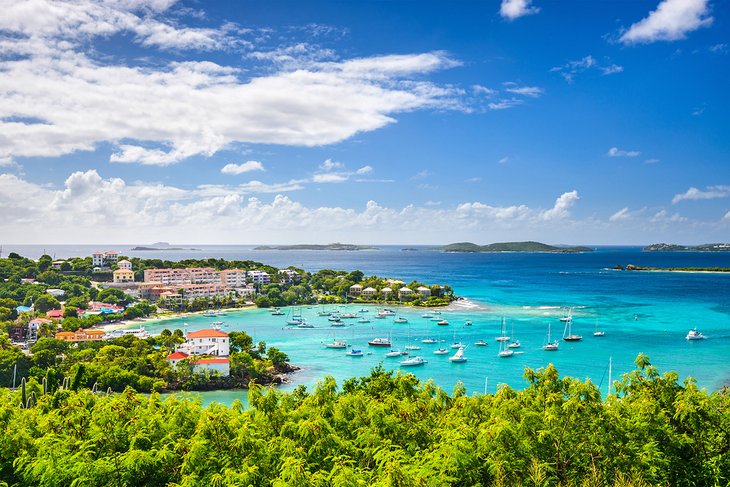
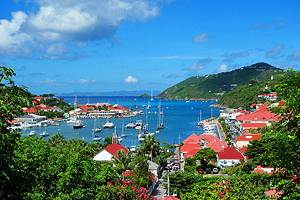
Set in a yacht-filled harbor backed by steep hills, Cruz Bay is the "downtown" of St. John. Until the 1970s, Cruz Bay was a quiet customs port without much activity. Today, the small town of around 3,000 people has evolved into a hip center, acquiring the nickname "Love City."
Many options for shopping and dining are found among the pastel-colored houses dotting the hills on the outskirts of the village, and the town is a launching point for excursions to Virgin Islands National Park.
A worthwhile attraction in town is the Elaine Ione Sprauve Library & Museum, housed in a restored plantation great house. The museum exhibits the history of St. John through displays of photographs, newspaper articles, and native Indian and colonial artifacts. Galleries display the work of local artists.
Nearby lies beautiful Maho Bay and Hawksnest Beach, a popular snorkeling spot.
6. Charlotte Amalie, St. Thomas
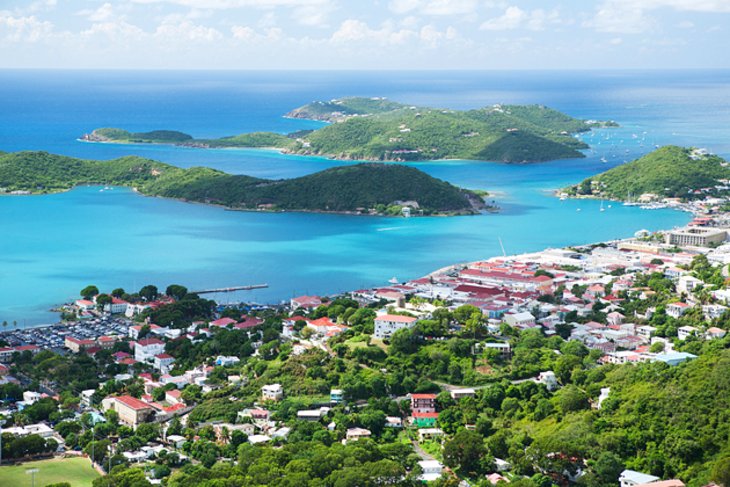
The capital of the U.S. Virgin Islands, Charlotte Amalie is one of the most popular cruise ports in the Caribbean. It's named after a Danish queen, and sits mid-island on the south shore of St. Thomas, where pretty pastel homes with red roofs sprinkle the steep green hills.
Apart from many restaurants and entertainment options, Charlotte Amalie also offers the largest number of boutiques and jewelry shops in the Caribbean, as well as several picturesque beaches for swimming and snorkeling.
Popular things to do in Charlotte Amalie include stopping in at the serene St. Thomas Synagogue, famous for its sand floor; and exploring Fort Christian, the island's oldest structure. Blackbeard's Castle is also a major landmark here, but it is being restored after hurricane damage.
Other famous landmarks include the Emancipation Garden, the elegant three-story Government House, and the distinctive honey-hued Frederick Lutheran Church with red shutters.
7. Cinnamon Bay, St. John
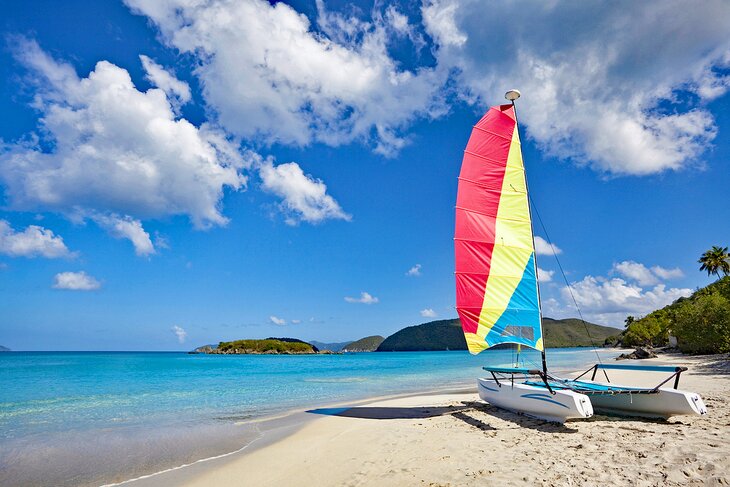
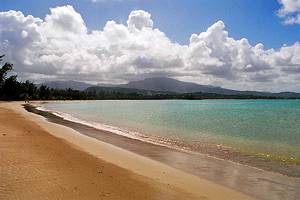
Cinnamon Bay Beach, in the beautiful Virgin Islands National Park, is the longest beach on St. John. It offers a half mile of powdery white sand that leaves tourists plenty of room to spread out and enjoy the water.
The cay at Cinnamon Beach is an excellent spot for snorkeling, with a protected reef on the shore side. It's only about 40 feet from the entry point on the beach, and this area is great for beginners, offering plenty of coral and fish to explore in shallow waters.
It's also a great beach for families thanks to a very gradual shoreline, and there are plenty of amenities to make a worry-free beach day, including food vendors, water sports equipment rentals, and shops with beach supplies and toys.
While in the area, be sure to visit the nearby ruins of Cinnamon Bay Plantation, founded in 1717 by Danish settlers to process sugar. A half-mile loop of maintained trails winds through the remains of stone walls and buildings, and interpretive signage explains the site's history, including archaeological discoveries of prior use by native Taino peoples.
8. Coral World Ocean Park, St. Thomas
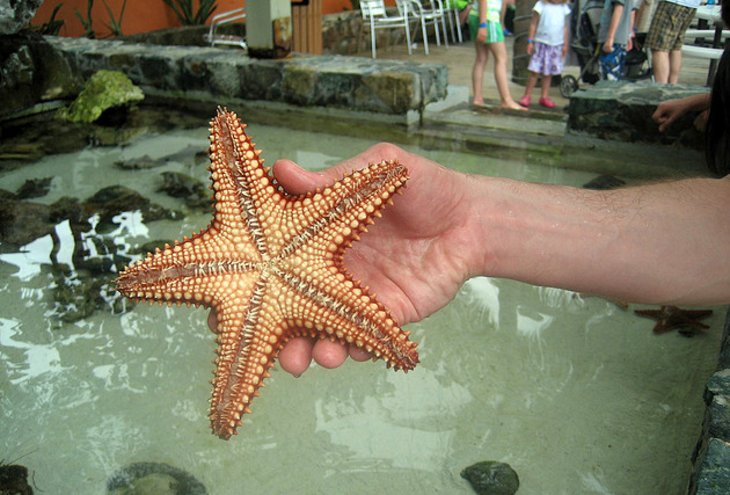
Looking for somewhere fun for the whole family? Coral World Ocean Park offers an interactive marine experience that everyone will love. The park features an underwater observatory, a tropical nature trail, the Marine Gardens Aquarium, and a huge glass-enclosed coral reef tank.
Animal lovers can get up close with turtles, sea lions, dolphins, and sharks. You can hand-feed a stingray, swim with dolphins and sea lions, and come face to beak with rainbow lorikeets.
Other popular things to do here include SNUBA, parasailing, and a Sea Trek helmet dive, where you can walk along the floor of the Caribbean Sea. The park also offers a Nautilus semi-sub.
While you're here, keep an eye out for the wild iguanas roaming the park.
Address: 6450 Estate Smith Bay, Charlotte Amalie, St. Thomas
Official site: http://www.coralworldvi.com
9. Heritage Trail, St. Croix
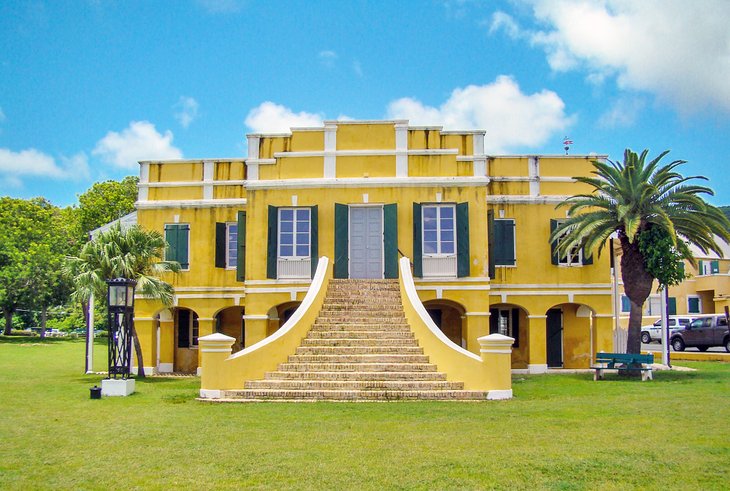
The St. Croix Heritage Trail is a 72-mile self-guided driving tour of the island's historical and natural attractions. Road signs guide you along the route between Frederiksted and Christiansted, north to Hamm's Bay in the west and to Point Udall, the easternmost point in the United States.
The Heritage Trail winds along the scenic coastline, through tropical forests, cattle country, and historic seaport towns. This is a great way to independently experience some of St. Croix's most popular attractions, including the Estate Whim Plantation Museum, the lush St. George Village Botanical Garden, and Fort Frederik.
10. Christiansted, St. Croix
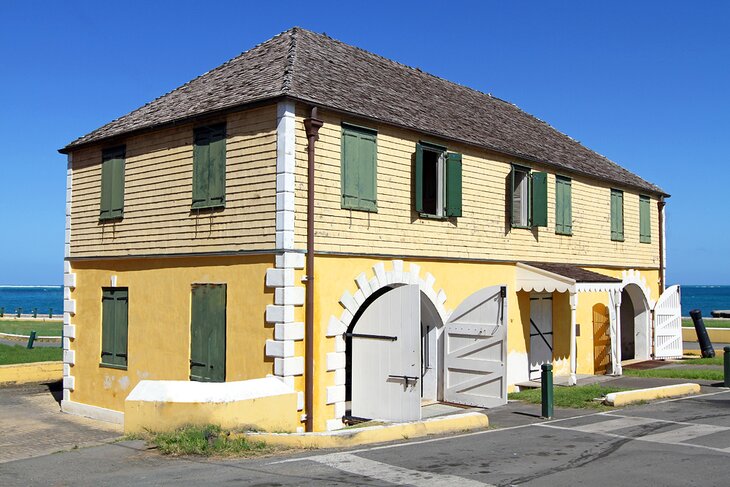
St. Croix's largest town, Christiansted, lies on the north coast of the island between steep hills and a reef-protected, shallow harbor. At one point, the bustling port of Christiansted was the capital of the territory under Danish rule, and the attractive, six-block historic district reflects the glory days of Danish prosperity.
Designed using Norway's town of Christiania (now Oslo) as a model, the town features elegant pink and gold Neoclassical buildings and offers a broad range of accommodation, dining, and entertainment.
A great start for a walking tour is the Christiansted National Historic Site encompassing five classic colonial buildings, including Fort Christiansvaern, Customs House, and the Steeple Building. Other city highlights include Apothecary Hall, Government House, and the beaches and water sports of Protestant Cay. Several cruise ships dock at Christiansted's harbor each week.
About five miles west of Christiansted, the Salt River Bay National Historic Park marks the only known point where Christopher Columbus landed on U.S. soil. It's now an ecological reserve and a popular place to visit for kayak tours through the mangroves, especially for night bioluminescence tours with Virgin Kayak Tours.
11. Sandy Point National Wildlife Refuge
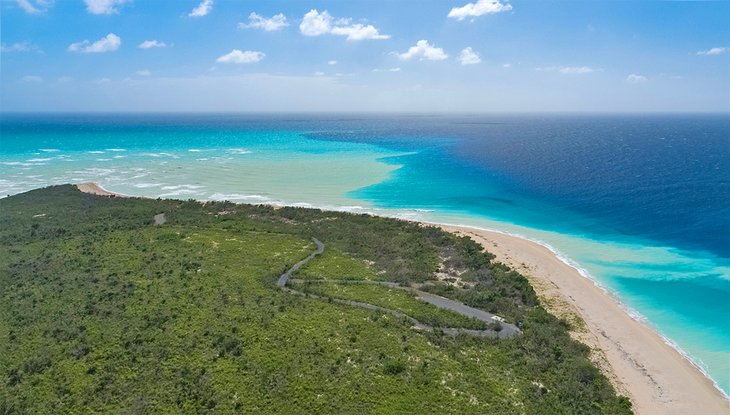
If you're looking for a pristine stretch of sand and sea without the crowds, head to Sandy Point National Wildlife Refuge. About 15 miles southwest of Christiansted, the refuge features a two-mile stretch of dazzling white sand and turquoise sea.
The refuge protects leatherback sea turtles, as well as many species of birds. Check opening times before you go during turtle nesting season, as it is only open certain days of the week (usually Saturday and Sunday). Make sure you bring your own food, water, and sun protection, too, as you won't find any facilities here.
Movie fans will be interested to know that the final scene of The Shawshank Redemption was filmed along this beach.
12. Frederik Lutheran Church, St. Thomas
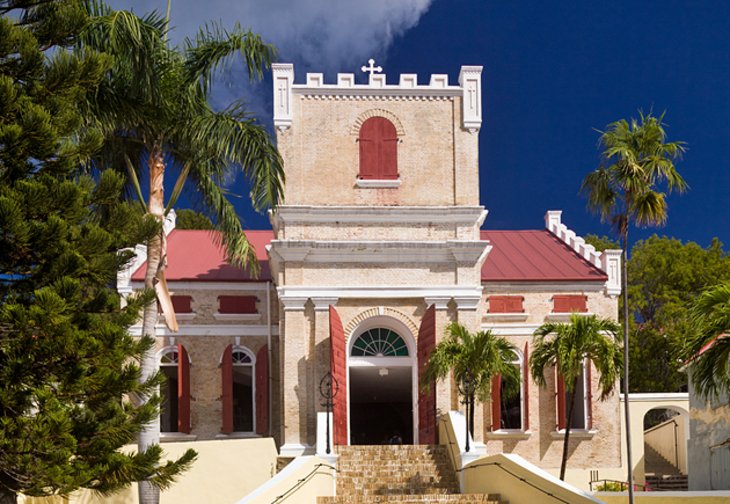
Centuries of history lie within the walls of Frederick Lutheran Church in Charlotte Amalie. This architectural gem was built between 1789 and 1793 in the Georgian style. Restored twice in the 19th century, the church now features Gothic Revival elements such as a gable tower.
The entrance to the church features a "welcoming arms" stairway (flaring at the base) typical of West Indian architecture. During the 19th century, the congregations of the church were segregated into West Indian and Danish groups.
Services are still held in the church, and tourists are welcome.
Address: Norre Gade, Charlotte Amalie, St. Thomas
13. 99 Steps & Blackbeard's Castle, St. Thomas
A relic from the mid-1700s, the 99 steps (actually 103 steps) were built during Danish colonial times out of ship-ballast brick. One of several stairways built to accommodate the island's hilly landscape, this one is worth a climb for the beautiful views of St. Thomas Harbor and Charlotte Amalie from the rustic brick-paved stairway.
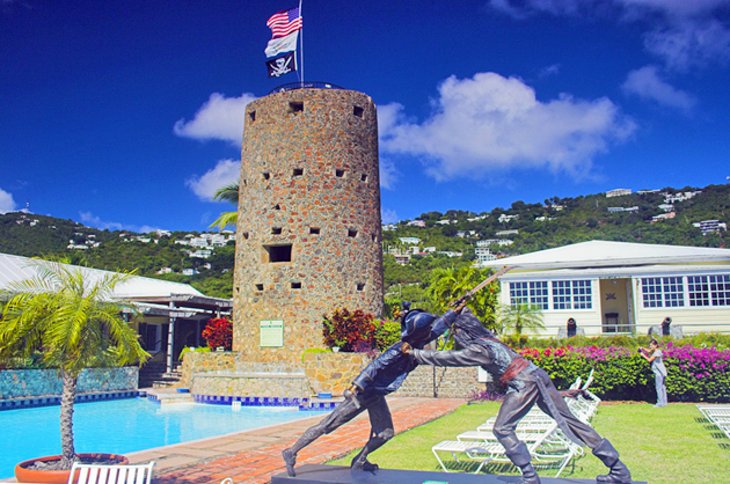
You can continue up the hill to see Blackbeard's Castle, a five-story masonry tower, which is the only one of its kind in the Caribbean. Known during colonial times as Skytsborg, the watchtower was built by the Danish in 1678. Legends claim the tower was a lookout post for the pirate Blackbeard (Edward Teach) in the 18th century.
From the top of the tower, you can enjoy wonderful views of the city, but unfortunately the site is temporarily closed for repair after damage from Hurricane Irma. The area surrounding the tower has several historic manors that sit among terraced tropical gardens.
Address: 1001 Blackbeard's Hill, Charlotte Amalie 00802, St. Thomas
Official site: www.blackbeardscastle.com
14. Government House, St. Thomas
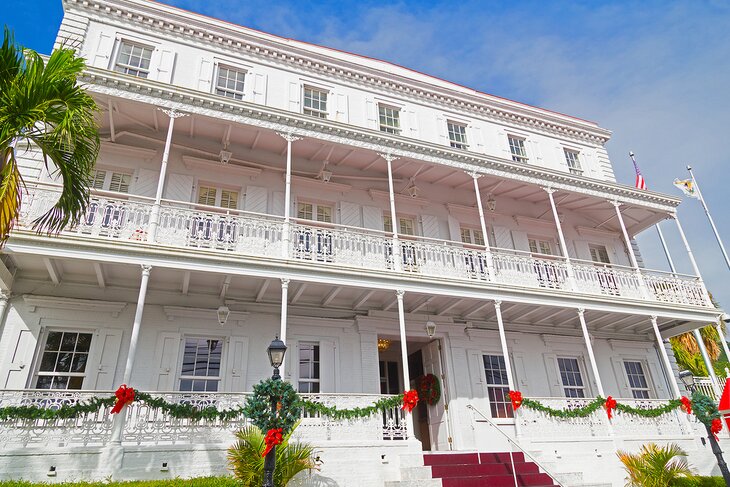
Government House is a worthwhile stop on a walking tour of Charlotte Amalie. This three-story, hipped-roof white mansion features two floors of cast-iron verandas.
Built between 1865 and 1867, Government House was restored in 1994 and presently houses the offices of the territorial governor. Inside are many beautiful paintings by local artists, including St. Thomas native Camille Pissarro.
The first and second floors of Government House are usually open to the public for touring, but the building is currently being repaired after hurricane damage.
Address: King St., Charlotte Amalie, St. Thomas
15. Emancipation Garden, St. Thomas
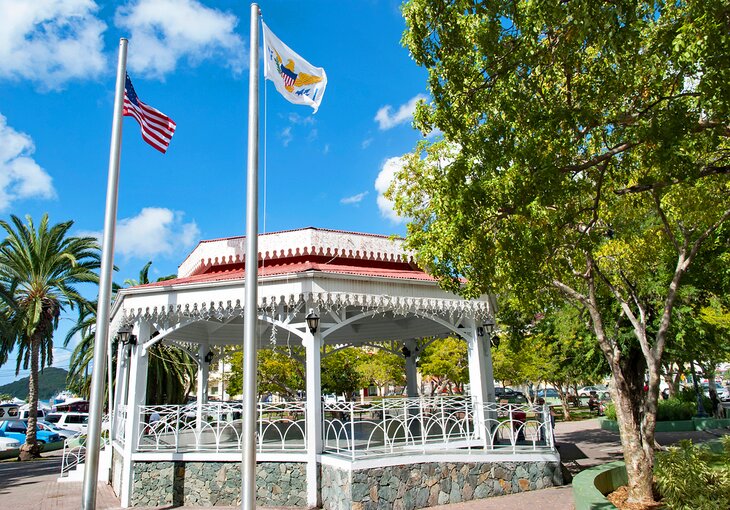
The Emancipation Garden is the site where the Emancipation Proclamation was read on July 3, 1848, freeing the slaves of St. Thomas. The event took place after officials received word that governor Peter von Scholten had freed the slaves on St. Croix.
Today, the park features benches, a gazebo, and plenty of shade, and it's a good place to relax or catch occasional concerts. The garden is also converted into a Carnival Village during the festival in April.
In the corner of the park sits a replica of the Philadelphia Liberty Bell.
Address: Between Tolbod Gade and Ft. Christian, Charlotte Amalie, St. Thomas
The U.S. Virgin Islands - Climate Chart
| Average minimum and maximum temperatures for Christiansted, VI in °C | |||||||||||
| J | F | M | A | M | J | J | A | S | O | N | D |
| 28 22 | 28 22 | 28 22 | 29 23 | 30 24 | 31 25 | 31 24 | 31 24 | 31 24 | 31 24 | 30 23 | 29 22 |
| PlanetWare.com | |||||||||||
| Average monthly precipitation totals for Christiansted, VI in mm. | |||||||||||
| 56 | 39 | 43 | 61 | 89 | 62 | 73 | 98 | 145 | 128 | 152 | 79 |
| Average minimum and maximum temperatures for Christiansted, VI in °F | |||||||||||
| J | F | M | A | M | J | J | A | S | O | N | D |
| 83 72 | 83 71 | 83 72 | 85 73 | 86 75 | 87 77 | 87 76 | 88 76 | 88 76 | 88 75 | 86 74 | 84 72 |
| PlanetWare.com | |||||||||||
| Average monthly precipitation totals for Christiansted, VI in inches. | |||||||||||
| 2.2 | 1.5 | 1.7 | 2.4 | 3.5 | 2.5 | 2.9 | 3.9 | 5.7 | 5.0 | 6.0 | 3.1 |