17 Top Tourist Attractions & Places to Visit in Calgary
Despite being Alberta's largest city and Canada's oil capital, Calgary has never shaken off its "Cowtown" nickname. It's a reference to the city's long history as the center of a vast cattle-rearing region and is a name that has been of immense value to tourism marketers, conjuring up romantic ideas of cowboys, cattle drives, and an untamed Wild West.
This is why, when you pay a visit to this dynamic city, you'll find many related things to do, from catching the famous Calgary Stampede each July to exploring the city's pioneer-era Heritage Park, an especially fun activity for families.
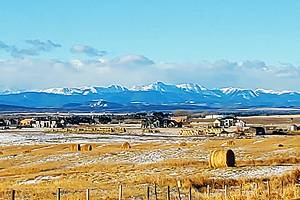
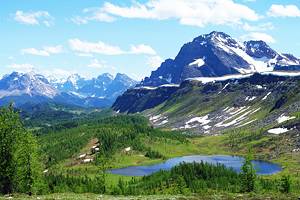
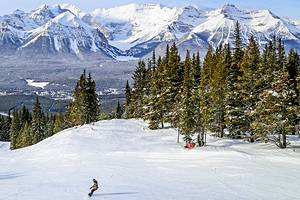
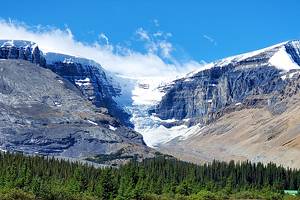
It's also a particularly stunning place to visit for those who enjoy beautiful vistas, too. Look to the western horizon and the Rocky Mountains appear like an insurmountable barrier rising up from the plains. The proximity of these mountains, with their well-known national parks, makes Calgary an excellent choice for skiing, hiking, or sightseeing vacations.
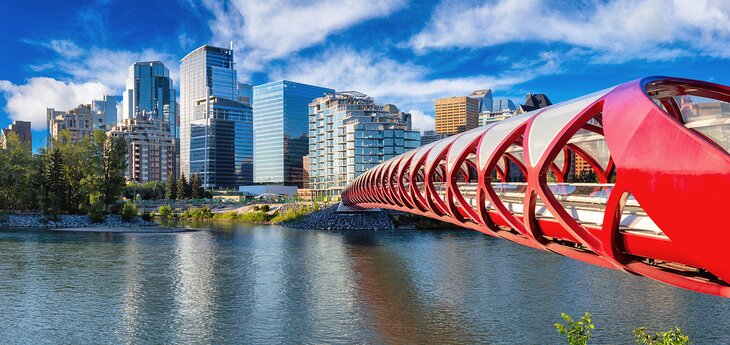
For those seeking entertainment right in the city itself, there are also plenty of tourist attractions to include on your Calgary itinerary. Walking the city's huge Prince's Island Park and across the iconic Peace Bridge is especially fun at night, either before or after enjoying a great restaurant in the downtown core.
To help you cram as much as possible into your travel itinerary, be sure to read our detailed list of the top attractions and things to do in Calgary, Alberta.
- 1. Visit during the Calgary Stampede
- 2. Take a Day Trip to Banff & Lake Louise
- 3. Take the Kids to Calgary Zoo
- 4. Learn about Calgary's Past at Heritage Park
- 5. See the Views from Calgary Tower
- 6. WinSport: Canada Olympic Park
- 7. Take a Walk to Prince's Island Park
- 8. Take the Train: Rocky Mountaineer Rail Journey
- 9. Visit the Glenbow Museum
- 10. Studio Bell, Home of the National Music Centre
- 11. Hike around Fish Creek Provincial Park
- 12. Enjoy the Seasons at Bowness Park
- 13. See the Planes at the Hangar Flight Museum
- 14. Visit the Home of the Mounties at Fort Calgary
- 15. Visit the Military Museums of Calgary
- 16. Tour the Stables at Spruce Meadows
- 17. Take a Seat in the Devonian Gardens
- Where to Stay in Calgary for Sightseeing
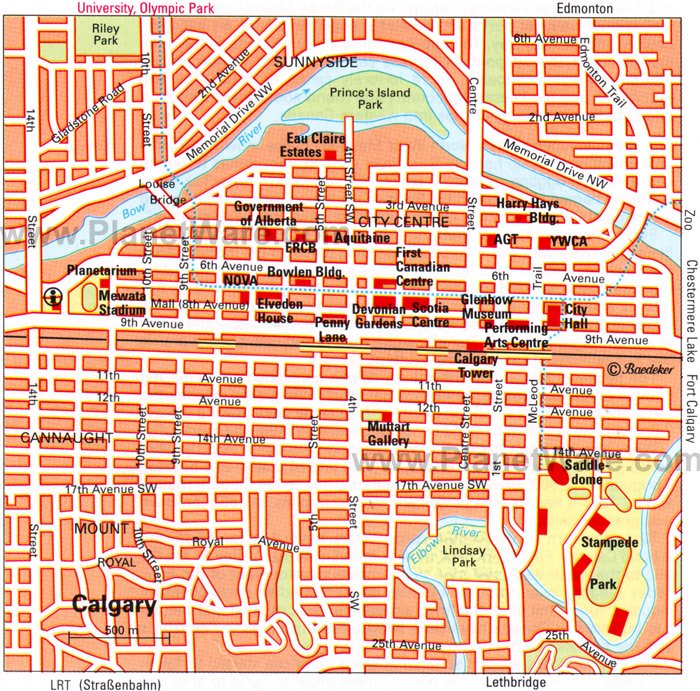
- Map of Tourist Attractions & Things to Do in Calgary
1. Visit during the Calgary Stampede

The 10-day Calgary Stampede can trace its roots all the way back to the 1880s and is the highlight of Calgary's summer calendar of events. Having cemented the Alberta capital's reputation as Canada's "Stampede City," this famous rodeo is now widely regarded as one of the top attractions in Alberta. It is held each July and includes all kinds of cowboy- and rodeo-style entertainment and exhibitions.
Billed as "The Greatest Outdoor Show on Earth," the Calgary Stampede now attracts millions of visitors who join the local population to dress up for the event in blue jeans and brightly colored Stetsons. Highlights of this must-visit event include a huge parade, rodeo competitions, thrilling chuck wagon races, and an authentic First Nations village. Numerous concerts and stage shows are also held here, along with a fun fair, pancake breakfasts, as well as agricultural shows.
Getting to Stampede Park, the festival's permanent home, is easy either by public transit or car, with plenty of parking available. And even if you're here in the off-season, a visit and tour, or possibly taking in a concert, remain one of the top things to do in Calgary.
Address: 1410 Olympic Way SE, Calgary
2. Take a Day Trip to Banff & Lake Louise
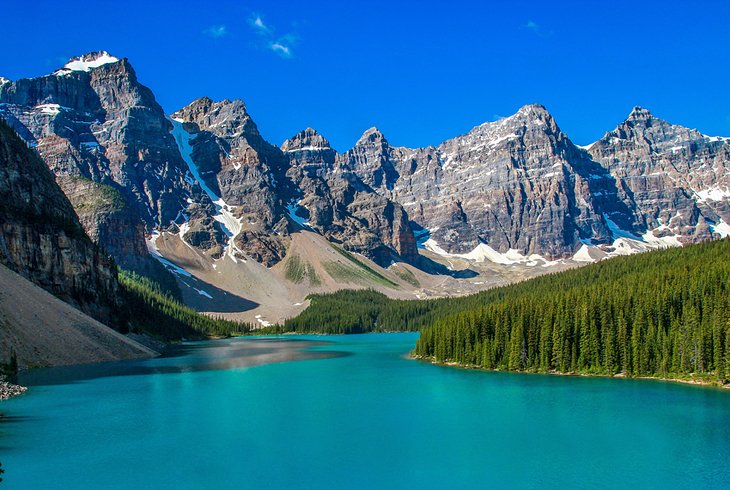
Undoubtedly one of the best places to visit in Canada due to its picture-perfect mountain setting, Banff National Park and the town of Banff make for a perfect day trip from Calgary.
While there are a variety of ways to get from Calgary to Banff, if you prefer to take your time and have the opportunity to stop and see the sites whenever the urge strikes, taking a car (either your own or a rental) may be the best option.
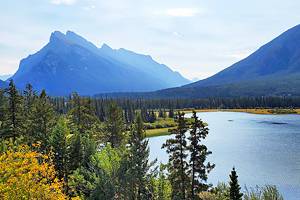
Drivable in under 90 minutes, the route itself is nothing short of spectacular. You'll take in incredible mountain vistas shortly after leaving the city, and they never let up along the way. After passing Canmore, another great place to stop for some sightseeing, you'll enter the park gates to find yourself in the town of Banff, the only community located in the magnificent Banff National Park.
It's a great place to explore either before or after touring the park, and features plenty of shopping and dining opportunities. You'll also find a wide range of first-rate accommodation options in Banff, too.
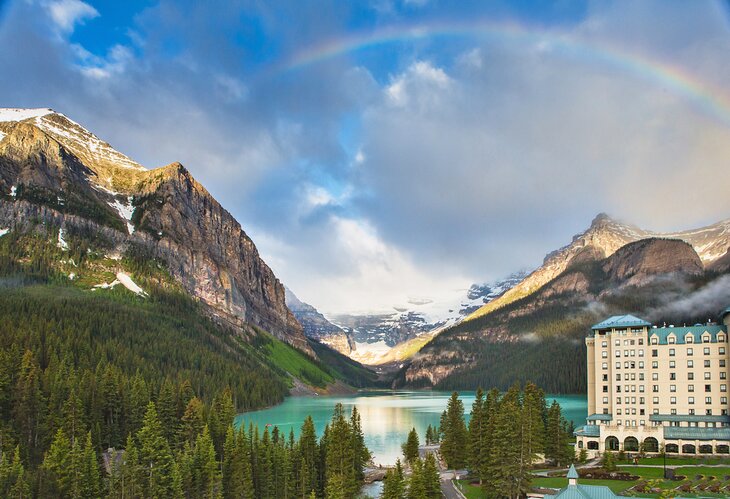
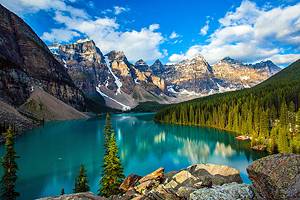
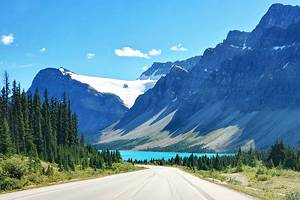
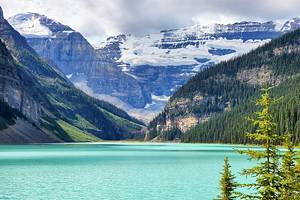
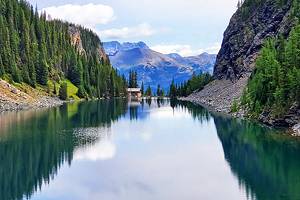
One of the highlights of your visit, though, will be seeing Lake Louise. Famous for its dazzling turquoise waters framed by stunning snowcapped mountains, the tallest reaching heights of over 3,000 meters, it's the ultimate safe selfie spot, especially with the handsome Fairmont Château Lake Louise in the background. It's also a great place to pause and reflect on the splendor and natural beauty of this beautiful part of the world.
Other fun things to do in Lake Louise include strolling along the lovely lakeshore trail or enjoying a canoe ride. You can also take the Lake Louise Gondola for the chance to enjoy some great views of the lake.
If you find yourself wanting to cram as much as possible into a single day's visit to this beautiful area, you may want to consider joining a fun full-day tour of Lake Louise and the Icefields Parkway. Including round-trip travel from Banff, your adventure takes in some of the area's most spectacular scenery in comfort and style, and under the guidance of a professional tour guide. Along the way, you'll take in such sightseeing highlights as spectacular Bow Falls and Moraine Lake.
Read More:
3. Take the Kids to Calgary Zoo
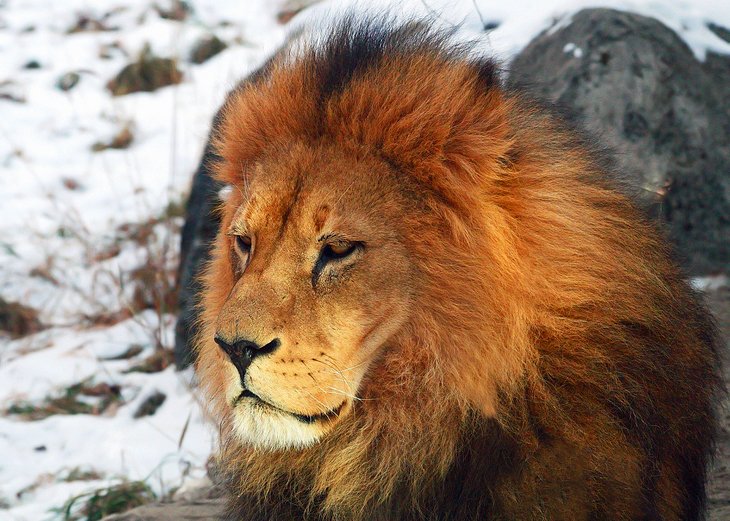
Tracing its roots back as far as 1917, Calgary Zoo is one of the city's most popular family attractions and Canada's largest and most visited zoological park. Spread across a 120-acre site on St. George's Island in the Bow River, the zoo is home to over 1,000 animals representing some 272 species, including many examples of rare and endangered species.
There are also botanical gardens on the property, which are always fun to visit in spring. Spring's also a good time to visit due to the arrival of newborn animals; check the zoo's website for news and details of its animal residents.
Popular must-see sections include the Land of Lemurs, Destination Africa, and the Canadian Wilds. It's at the latter that you'll enjoy up-close views of fascinating creatures, including grizzly bears and the newest arrivals, a pair of pandas.
Other fun things to do include spending time exploring the six-acre prehistoric park attraction with its full-size replica dinosaurs. For those traveling in winter, be sure to visit the nighttime Zoolights Christmas festival held here each year.
Address: 210 St. George's Drive NE, Calgary, Alberta
4. Learn about Calgary's Past at Heritage Park
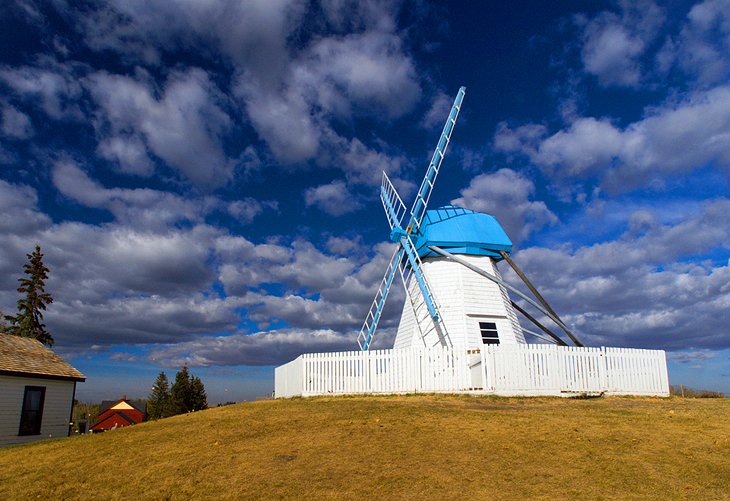
Calgary's Heritage Park is a typical village from the pioneering period, with dozens of reconstructed historical buildings and lively costumed interpreters from four different time periods. Along with exhibits and buildings ranging from an 1860 fur-trading fort to a 1930s town square, a highlight of a visit is riding the old steam engine, which provides transport around the park.
There's also a paddlewheel tour boat that offers scenic cruises across the Glenmore Reservoir, which offers plenty of great sightseeing and photo ops. The reservoir is also a popular spot for outdoor activities such as sailing, canoeing, and rowing.
Be sure to allocate a little extra time in your Heritage Village itinerary to visit the Gasoline Alley Museum. This fun attraction is popular for its hands-on, interactive experiences and one-of-a-kind vintage vehicles.
Address: 1900 Heritage Drive SW, Calgary
5. See the Views from Calgary Tower
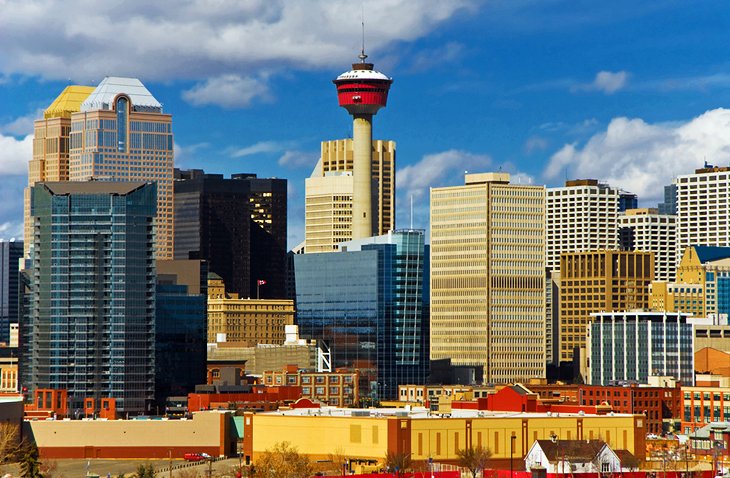
At the top of the Calgary Tower, a viewing platform with a glass floor and revolving restaurant enables sightseers to enjoy the thrilling sensation of being 191 meters above the city in one of its landmark buildings.
Opened in 1968 and until 1984 the tallest structure in the city, the tower still offers excellent views out over the city and beyond to the mountains. It is particularly beautiful at night, and the tower itself is lit up each evening to stunning effect.
In 1988, the tower's giant torch bore witness to the spirit of the Olympics, and is still lit on special occasions. A fun movie, shown regularly in the building, highlights the construction of the tower.
Address: 101 9 Ave SW, Calgary
6. WinSport: Canada Olympic Park
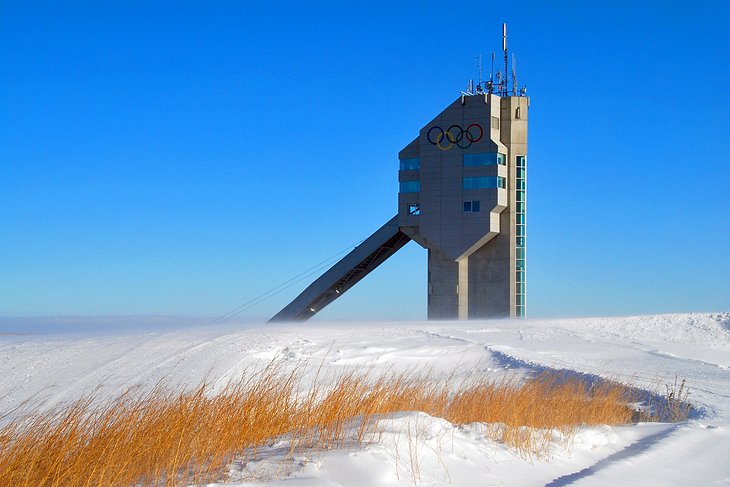
In the foothills of the mountains to the west of the city rise the strange-looking towers of WinSport, home to the Calgary Olympic Park. In 1988, this was the primary site for the XV Olympic Winter Games.
Today, the hill is still open to skiing and snowboarding, and there are opportunities to bobsled, zipline, toboggan, snow tube, and mountain bike down the slopes and hills. Indoor ice skating is also available, including professional competitions, casual sessions, and programming for tourists and locals to enjoy.
Guided Ski Jump Tower Tours give a panoramic view of the Calgary skyline from the top of the ski-jump slope. Canada's Sports Hall of Fame is located in the park as well.
Address: 88 Canada Olympic Road SW, Calgary
7. Take a Walk to Prince's Island Park
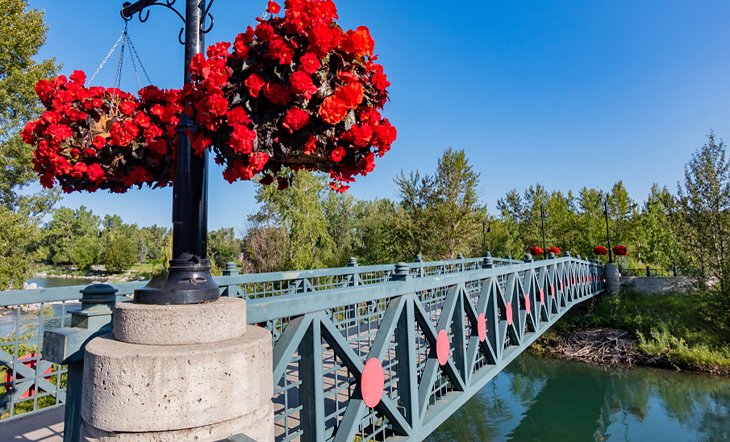
Prince's Island Park is a large 50-acre green space located to the north of downtown Calgary. Set on an island in the Bow River, the park is adjacent to Eau Claire Market, and many tourists make a joint visit to these two top attractions.
Connected to the mainland by three pedestrian bridges, the park offers walking and biking areas, as well as outdoor concerts and plays during the summer months. A popular restaurant is located on the island.
Address: 698 Eau Claire Ave SW, Calgary
8. Take the Train: Rocky Mountaineer Rail Journey
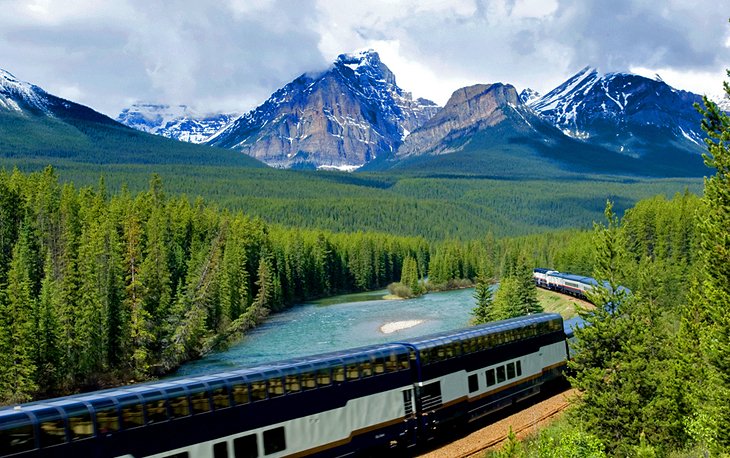
The award-winning, luxuriously appointed, and privately owned Rocky Mountaineer rail tour runs between Calgary or Jasper and Vancouver, the company's base, cutting westward on the historic Canadian Pacific line through the soaring mountain wall of the Rockies. At Canmore, providing the weather is good, there is a fine view of the snow-capped Three Sisters, a grouping of mountain peaks that make for a stunning backdrop to your journey.
Soon afterward, the popular resort of Banff is reached. Other highlights in this mountainous section, where peaks top 3,600 meters, are Lake Louise, Kicking Horse Pass, and Rogers Pass. A variety of day trip options are also available, and you can even break your trip up. A popular option for outdoor enthusiasts is to stop over in Banff for a few days of hiking in Banff National Park.
However you choose to tackle this epic rail journey, a word of warning: as one of North America's busiest scenic rail adventures, it's a good idea to plan your excursion well in advance, especially if you have a hankering to ride the first-class GoldLeaf dome car.
9. Visit the Glenbow Museum
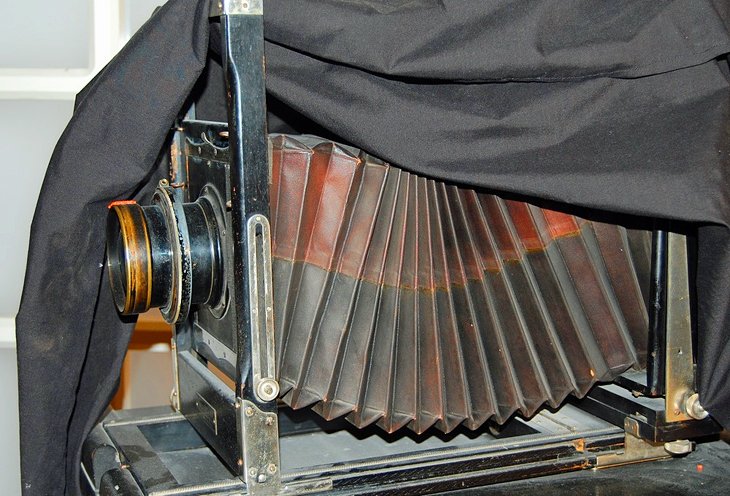
Established in 1966, the Glenbow Museum features some rare exhibits illustrating the historical development of Western Canada. The museum travels back in time, exploring the lives of early fur traders and the North West Mounted Police, Métis uprisings under Louis Riel, and the development of the oil industry.
This fascinating art and history museum also hosts temporary exhibitions from around the world. Guided tours and educational programming are also available.
Another good museum to visit is Telus Spark. Perfect for families to explore together, this first-rate science museum features a variety of fascinating interactive exhibits and multimedia presentations, as well as lectures and educational workshops.
Address: 130 9 Ave SE, Calgary
10. Studio Bell, Home of the National Music Centre
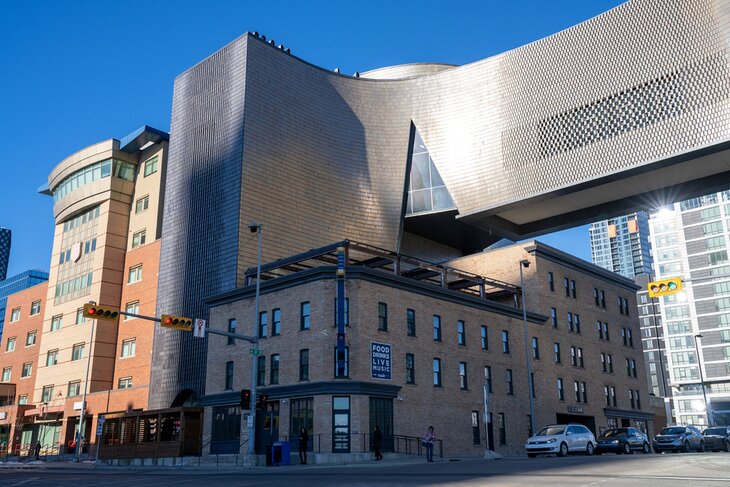
Situated in Calgary's East Village area, Studio Bell, Home of the National Music Centre, opened in its new state-of-the-art facility in 2016. Able to trace its roots back as far as 1987, the huge structure houses a number of music-related attractions, including the Canadian Music Hall of Fame, the Canadian Songwriters Hall of Fame, and the Canadian Country Music Hall of Fame Collection.
Together, these museums boast an impressive collection of 2,000 music-related artifacts, including numerous old and rare instruments. Among the larger exhibits are a mobile recording studio that once belonged to the Rolling Stones and a piano once owned by Elton John.
The building itself is simply stunning, especially its interior, which features more than 226,000 attractive terra-cotta tiles. In addition to its many exhibits-many of them hands-on and interactive-Studio Bell offers a diverse program of educational events and workshops, daily performances, as well as concerts.
Guided tours are available, along with a fun backstage pass tour that includes time playing some of the instruments you'll see.
Address: 850 4 Street SE, Calgary, Alberta
11. Hike around Fish Creek Provincial Park
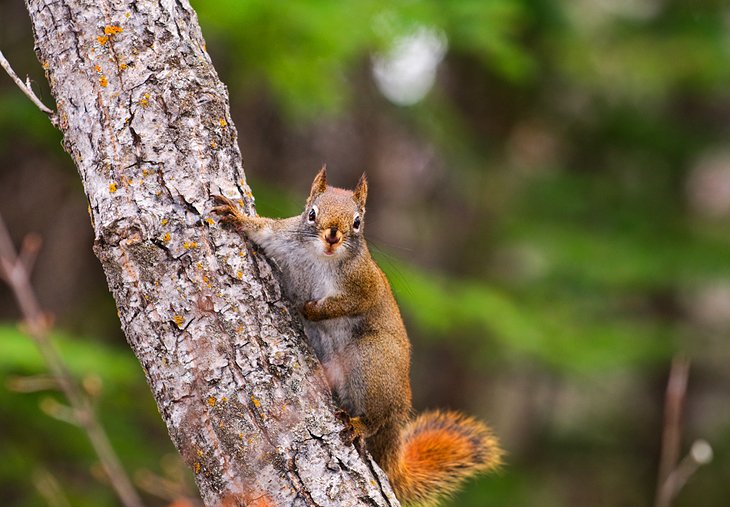
Canada's second-largest urban park, Fish Creek Provincial Park covers an area of nearly 14 square kilometers. Located in Calgary's far south, this huge green space is popular for its many pleasant walking and hiking trails, which lead through forest areas and along the creek, and some of which connect to other trails that crisscross the city.
Fish Creek Park has been designated a natural area, and as such is perfect for people looking for a taste of nature. It's a popular spot for bird-watching, with some 200 different species identified as living here.
Other fun things to do include fishing, swimming, biking, and participating in an organized nature tour. There are also a number of heritage buildings within the park that are fun to explore, as well as a visitor center and a restaurant.
Address: 15979 Bow Bottom Trail SE, Calgary
12. Enjoy the Seasons at Bowness Park
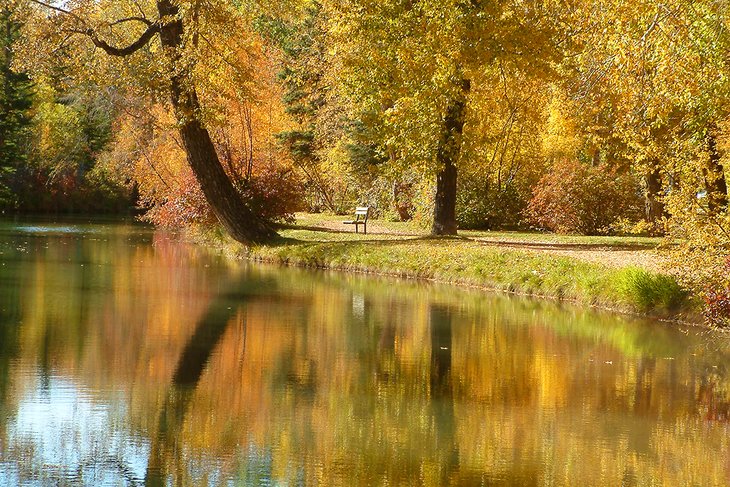
If there's time left in your Calgary travel itinerary for another park visit, try to also squeeze in Bowness Park. Located in the city's northwest corner, this large 74-acre urban green space is especially popular for families and is a great spot for picnics or barbecues, with fire pits provided.
There's even a fun paddleboat ride in summer. Traveling with kids? They'll want to climb aboard the great little train that's available for kids to enjoy.
Come winter, the fun revolves around skating, as well as a fun new experience called "ice biking" (yes, it's literally a bike on skates!). Other winter activities include hockey, curling, and cross-country skiing. It's an especially nice place to visit in the fall when the leaves change color.
Address: 8900 48 Ave NW, Calgary
13. See the Planes at the Hangar Flight Museum
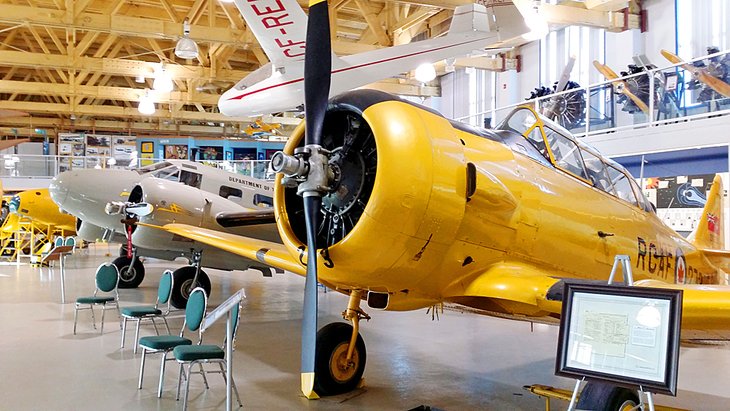
The Hangar Flight Museum focuses on the history of Canadian aviation and Western Canada in particular. Canadian pilots who fought in WWII started the museum, which has now grown dramatically since to exhibit a variety of aircraft. At last count, 24 planes and helicopters were on display here-simulators, aviation art prints, radio equipment, and information on aviation history.
There's also a fascinating display of artifacts and information related to Canada's space programs. The museum is located in a large building near the Calgary Airport. A variety of programming is also available, including lectures, tours, events, and aircraft-related movie nights.
Address: 4629 McCall Way NE, Calgary
14. Visit the Home of the Mounties at Fort Calgary
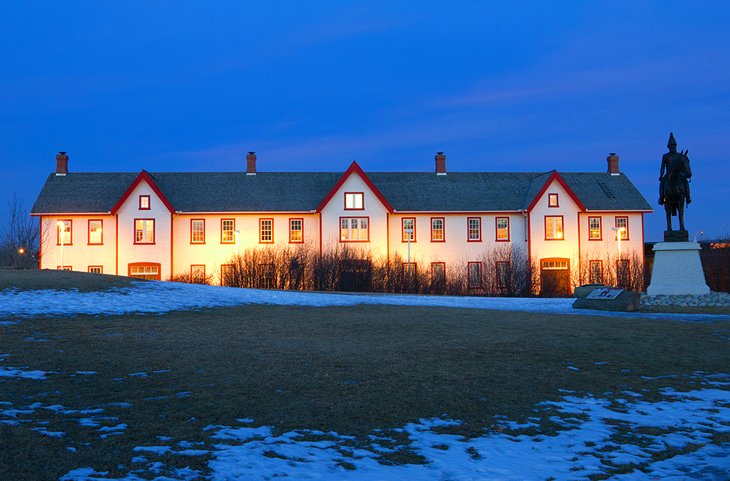
The first outpost of the North West Mounted Police, Fort Calgary was set up in 1875 at the confluence of the Elbow and Bow Rivers. The foundations of the original fort can still be seen, and the Fort Calgary Museum helps interpret the founding of the city. On the other side of the bridge stands Deane House, built in 1906 for the fort commandant.
Also on-site is a gift shop, which sells souvenirs and RCMP collectibles, and a theater showing related movies. If visiting on a Sunday, arrive early and partake in the facility's popular brunch (reservations recommended).
Address: 750 9th Ave SE, Calgary
15. Visit the Military Museums of Calgary
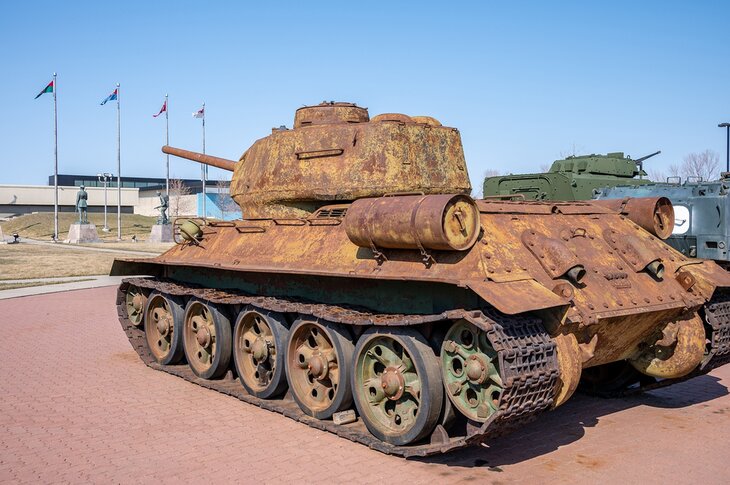
The Military Museums of Calgary is an impressive collection of Canadian Forces museums that explore the history of Canada's Navy, Army, and Air Force. Exhibits emphasize interactive experiences, whether it's walking through WWI trenches or steering a ship from a wheelhouse.
A variety of military vehicles are located on-site, including several tanks, and there's also a library that's available for public use. The museum hosts events and lectures throughout the year, and a gift shop is located on-site.
Address: 4520 Crowchild Trail SW, Calgary
16. Tour the Stables at Spruce Meadows

A world-renowned equestrian facility, Spruce Meadows welcomes visitors throughout the year to tour the stables, watch show jumping and dressage champions in training, and stroll the pleasant grounds.
Outdoor tournaments take place in the spring, with indoor competitions in other seasons. There's also a football stadium located on the 505-acre site, as well as retail vendors and dining options.
Address: 18011 Spruce Meadows Way SW, Calgary
17. Take a Seat in the Devonian Gardens
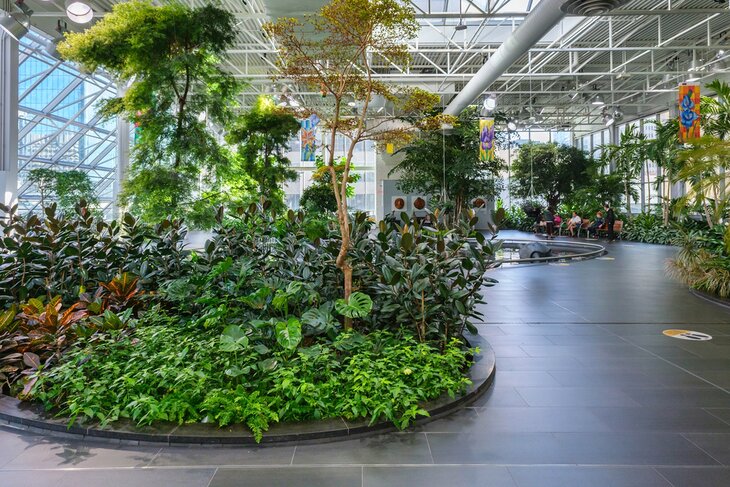
On the 4th level of the Core Shopping Centre, visitors will come somewhat unexpectedly upon the floral paradise of Devonian Gardens. Covering about 2.5 acres, the indoor gardens feature some 550 trees, including lovely tropical palms, along with sculptures, fish ponds, fountains, and a 900-square-foot living wall.
About 10,000 plants make up the displays, and despite Calgary's cold winters, they thrive under a glass ceiling. A children's play area is located on-site. The Devonian Gardens are free for the public to wander.
Address: 400 - 317 7 Ave SW, Calgary
Where to Stay in Calgary for Sightseeing
The best places to stay when visiting Calgary are in the vibrant downtown area, which is central to many of the major attractions. Staying near the Bow River, which runs right through the city center, will put you near walking trails and lovely parks. Another popular area of downtown is 17th Avenue, with plenty of fun things to do, such as shopping in its trendy shops and dining in its world-class restaurants. Below are some highly rated Calgary hotels in convenient locations:
Luxury Hotels:
- The elegant Hotel Le Germain Calgary, located in the central business district, is within walking distance of the Calgary Tower and EPCOR Center for the Performing Arts.
- The modern and conveniently located Hyatt Regency Calgary features rooms with city views, a rooftop sundeck, and an indoor pool, and is connected to the Telus Convention Center.
Mid-Range Hotels:
- Right downtown, just a short walk from Prince's Island Park in the Bow River and offering large suites at an affordable price, is the upscale International Hotel.
- The award-winning, boutique Hotel Arts, an easy stroll from the Calgary Tower, has custom contemporary décor in all its rooms.
- South of downtown, but very close to Fish Creek Provincial Park, is the Wingate by Wyndham Calgary. With an indoor pool and waterslide, this hotel is a good choice for families.
Budget Hotels:
- A good downtown budget option is the BEST WESTERN PLUS Suites Downtown, with extra-large rooms that include either a full kitchen or kitchenette.
- The Fairfield Inn & Suites offers large suites with city views and a complimentary breakfast.
- Just south of downtown, near the Stampede grounds, is the BEST WESTERN PLUS Calgary Centre Inn with very reasonable rates.
Map of Tourist Attractions & Things to Do in Calgary
More Related Articles on PlanetWare.com
Canada's Big Cities: Canada's largest city of Toronto hosts countless visitors each year, drawn here for its many exciting tourist attractions perfect for families, such as the CN Tower, the Royal Ontario Museum, and the huge Ripley's Aquarium of Canada. In Quebec, the old historic district of Montreal is a taste of old Europe that's a delight to explore on foot. Not to be outdone, beautiful Vancouver, on the country's west coast, is where you'll enjoy the natural splendor of the excellent (and vast) Stanley Park, along with the traditional market place vibe of Granville Island.
The Great Outdoors: Canada is known the world over for its vast stretches of wilderness, none more impressive than the outstandingly beautiful area around Tofino BC, popular for adventure seekers including hikers, bikers, and surfers. Of its many parks, perhaps the best known is Banff National Park, famous for its proximity to the turquoise waters of Lake Louise and Moraine Lake. Although more remote, the rugged splendor of Nahanni National Park Reserve in the spectacular Mackenzie Mountains straddling the Yukon and the Northwest Territories has much to attract adventure seekers.
Canada Vacation Ideas: No visit to Ontario should be considered without a day or two being spent in Niagara Falls, famous for thrilling, timeless attractions including the Maid of the Mist and the Journey Behind the Falls. Canada's capital of Ottawa is also a must-visit and features the amazing Rideau Canal, which, come winter, is transformed into the world's longest skating rink. The center of Quebec City is another great place to visit, any time of year, especially around historic Place Royale.