14 Top-Rated Museums and Art Galleries in Berlin
As Germany's capital and one of the leading cultural cities in Europe, Berlin boasts more museums and art galleries than one could expect to tour in a single visit to this dynamic world-class travel destination. Little surprise, then, that this vibrant city of more than 3.6 million people is home to some of the world's leading museums of antiquities and art.
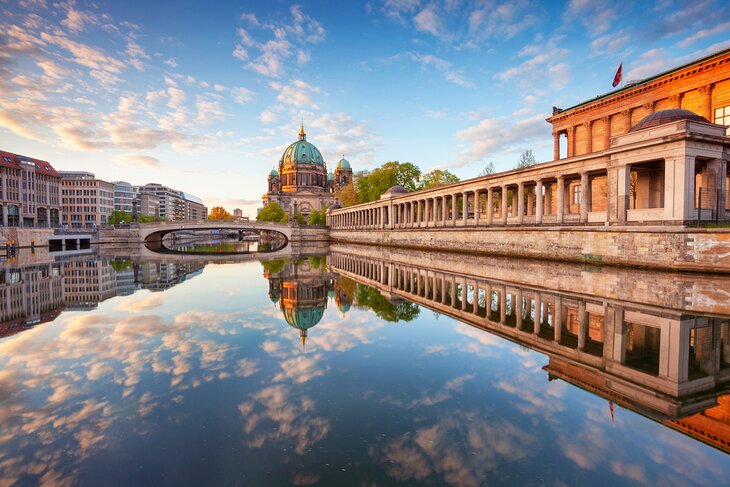
One of the top things to do in Berlin is to spend time exploring the magnificent Museum Island area. Now a UNESCO World Heritage Site, this beautiful corner of the city has been drawing crowds of museum and gallery goers to major attractions such as the Pergamon Museum for close to two centuries.
All told, Berlin boasts in excess of 170 museums and somewhere in the region of 300 art galleries, from large publicly owned affairs to smaller private establishments. To get the most out of your visit, be sure to check each location's website for news of monthly free admission days, late openings, as well as special events such as musical concerts and behind-the-scenes tours.
Learn more with our list of the top museums and art galleries in Berlin.
- 1. The Pergamon Museum
- 2. The Humboldt Forum
- 3. The Neues Museum: Home to the Egyptian Museum of Berlin
- 4. The German Museum of Technology
- 5. The Museum of Decorative Arts
- 6. Home of the Old Masters: The Gemäldegalerie
- 7. The Topography of Terror
- 8. The New National Gallery
- 9. Bode-Museum
- 10. The Old National Gallery
- 11. Jewish Museum Berlin
- 12. Brücke Museum
- 13. German Historical Museum
- 14. DDR Museum
- Map of Museums and Art Galleries in Berlin
1. The Pergamon Museum
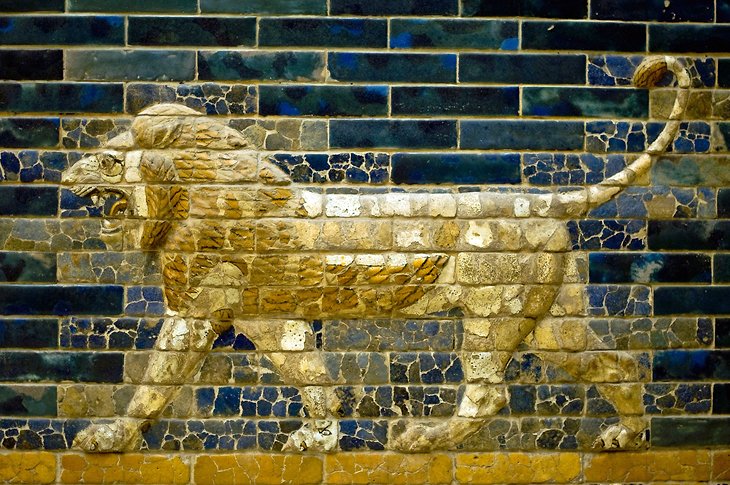
Berlin's most famous museum, and certainly one of its most popular, with more than a million visitors annually, the superb Pergamon Museum is the centerpiece of the city's Museum Island district. Opened in 1930 to house a collection of full-size reconstructions of ancient monumental buildings, the Pergamon is really a number of unique museums under a single roof, including the Antiquities Collection, the Middle East Museum, and the Museum of Islamic Art.
The star exhibit, of course, is the Pergamon Altar. Considered one of the wonders of the ancient world, this massive monument was dedicated to Zeus and Athena and was built in the ancient city of Pergamon in Turkey around 180 BCE.
Other important exhibits include examples of Hellenistic architecture, including the gate of the Roman market in Miletus from 165 BCE, and a restored 3rd-century BCE mosaic floor. Also of interest are examples of Neo-Babylonian architecture from the time of Nebuchadnezzar II, including the monumental Ishtar Gate, the Processional Way, and part of the façade of the Throne Room from Babylon.
The Islamic Museum's most valuable exhibit is the 8th-century façade of the desert castle of Mshatta in Jordan, while the Folk Museum displays restored furniture, textiles, pottery, and ceramics. English-language guided tours are available, as well as an on-site shop and restaurant.
A great way to ensure you get to see this museum and many others is to join a special Skip-the-Line Pergamon and New Museum tour. In addition to gaining priority access and avoiding the long line-ups to get into these two popular tourist attractions, this three-hour guided adventure includes a pass allowing admission to the remaining museums in this historic neighborhood, too.
Address: Bodestraße 1-3, 10178 Berlin
2. The Humboldt Forum
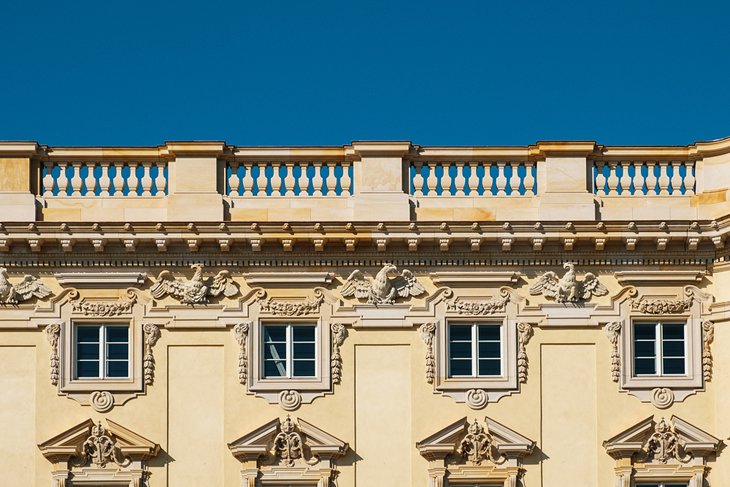
Located on Museum Island in the huge Berlin Palace, The Humboldt Forum is the new home of two of the city's most important museum collections: the Museum of Ethnography (Ethnologisches Museum), the world's largest collection of crafts and popular arts from Europe's many diverse cultures; and the Museum of Asian Art Museum (Museum für Asiatische Kunst), Germany's largest collection of non-European artifacts and treasures.
Said to rival the great British Museum in London, The Humboldt Forum has numerous displays of large portions of a massive collection of some 40,000-plus artifacts. It also houses an impressive collection of more than 60,000 historical sound recordings of music from around the world.
Also of note are numerous art pieces from China, Korea, and Japan dating from 3000 BCE to the present day, including bronzes, ceramics, paintings, and sculptures. Particular favorites are its 63 Chinese bronze mirrors dating from the 6th to 9th centuries, and the 17th-century throne of a Chinese emperor.
There are two restaurants on-site, along with a movie theater, a traditional theater for shows and performances, as well as a shop.
Address: Schloßpl. 7, 10178 Berlin
3. The Neues Museum: Home to the Egyptian Museum of Berlin
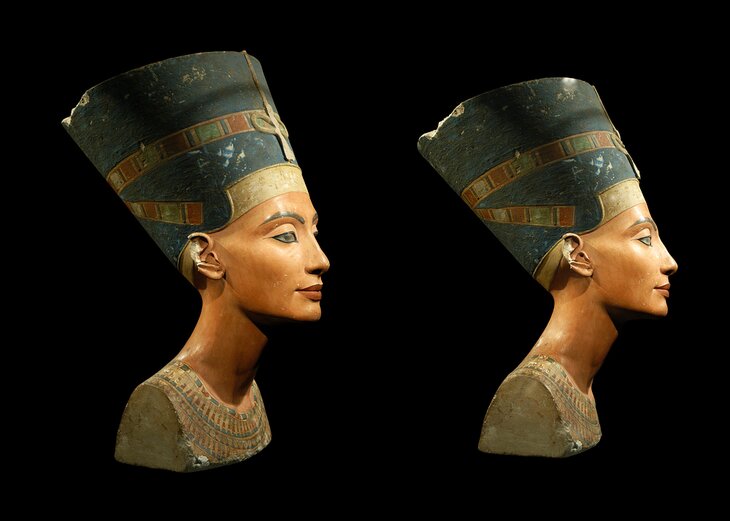
The Egyptian Museum of Berlin (Ägyptisches Museum und Papyrussammlung) is the most important part of the Neues Museum on Museum Island. It includes numerous important artifacts from Egypt's rich past, including an impressive Papyrus Collection.
Also on display are some 1,500 works of art and culture from 5000 BCE to CE 300, including a limestone head of Queen Nefertiti, wife of the Pharaoh Echnaton, from around 1350 BCE; and the Amarna family altar depicting Nefertiti and Echnaton with three of their six daughters.
Other highlights include portrait masks; a small ebony head of Queen Teje, Echnaton's mother from 1370 BCE; and the funerary slab of a royal sculptor named Bak and his wife. Also of note are works from the Fifth Dynasty from around 2400 BCE, including a portrait of an anonymous married couple.
The Neues Museum is also home to the Museum of Pre- and Early History, as well as artifacts from the Collection of Classical Antiquities. The museum building itself is something of an attraction, with its bright, airy exhibition spaces designed by leading architect David Chipperfield in 2009. English language guided tours are available.
Address: Bodestraße 1-3, 10178 Berlin
4. The German Museum of Technology
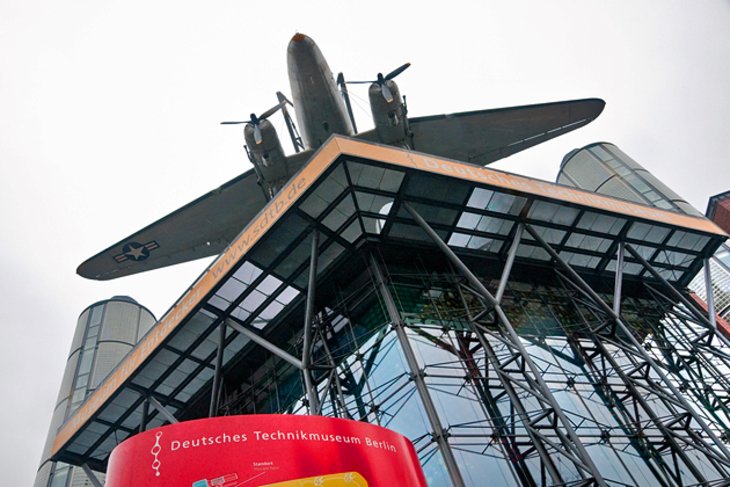
Opened in 1983, the German Museum of Technology (Deutsches Technikmuseum Berlin) hosts numerous excellent permanent displays related to the country's role as Europe's industrial powerhouse. Highlights include a fascinating look at the Industrial Revolution, along with a reconstructed workshop and equipment from the country's first factories.
The road transport exhibit contains a variety of bicycles, horse-drawn carts, motorcycles, and cars. The bigger transportation machines are found in the rail transportation segment, which includes locomotives and coaches dating back to 1843.
For a special treat, visit the museum's Transport Depot in September for a tour and a fun ride aboard the Museum Train, a 1934 engine that runs between this outpost and the main museum; this fun service operates on Sundays only, and is included with museum admission.
The museum is also noted for its aviation displays, with everything from gliders to man-powered and engine-driven aircraft, both military and civilian. English language guided tours are available, and a restaurant, shop, and picnic area are available for public use.
Address: Trebbiner Straße 9, D-10963 Berlin-Kreuzberg
5. The Museum of Decorative Arts
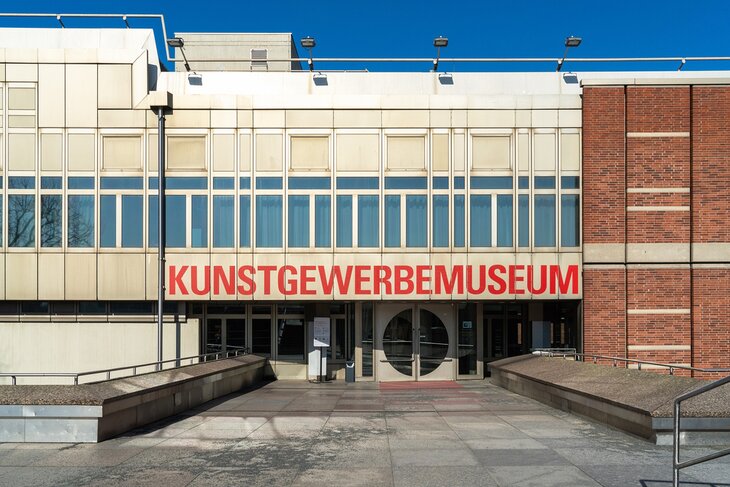
Berlin's Museum of Decorative Arts (Kunstgewerbemuseum) was founded in 1868 and remains one of the city's most important, and most visited, art galleries. Highlights include displays dealing with all spheres of European applied art from the early Middle Ages to the present day.
Exhibited on four floors are ceramics, porcelain, glass, bronzes, gold enamel, and work by Byzantine goldsmiths. You'll also see rare examples of silver vessels, furniture, clocks, textiles, embroidery, decorative carpets, as well as important Baroque, Art Nouveau, and Art Deco works.
Particular mention should be made of the Guelph Treasure, a fascinating collection of objects, mainly relics, portable altars, and crucifixes, dating from the 11th and 12th centuries, which once formed part of the treasures of the Cathedral of St. Blasius in Brunswick. Also of note is the 15th-century Lüneberg municipal silver collection with Spanish and Italian ceramics from the 16th century, plus the Imperial Goblet from 1564.
A variety of English language tour options are available, and audioguides are included with the cost of admission tickets. A good cafe and a bookshop are also located on-site.
Address: Matthäikirchplatz, 10785 Berlin
6. Home of the Old Masters: The Gemäldegalerie
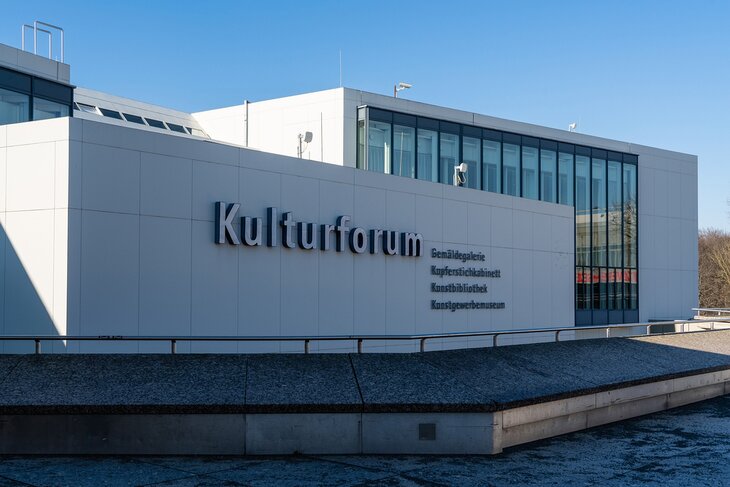
The Gemäldegalerie, or "picture gallery" in English, is home to the Berlin State Museum's main collections and is highly regarded for its superb collection of European paintings from the Middle Ages to the Neo-Classical period. The nucleus of this impressive gallery was provided by the former royal collections and considerably enlarged in the 20th-century.
Highlights include its Dutch and Flemish paintings, particularly works by Rembrandt, Hieronymus Bosch, Van Dyck, and Rubens. French paintings of importance are three works by Poussin, a landscape by Claude Lorrain, and pictures by George de la Tour and the Le Nain brothers from the 17th century.
German masterpieces are represented with works by Dürer, including the Young Woman from Vienna and famous portraits by Hieronymus Bosch and Jakob Muffel. Other countries represented include Spain (El Greco and Goya), England (Gainsborough and Reynolds), and Italy (Bellini).
A variety of interesting educational programs and workshops are available, along with informative English language guided tours.
Address: Matthäikirchplatz, 10785 Berlin
7. The Topography of Terror
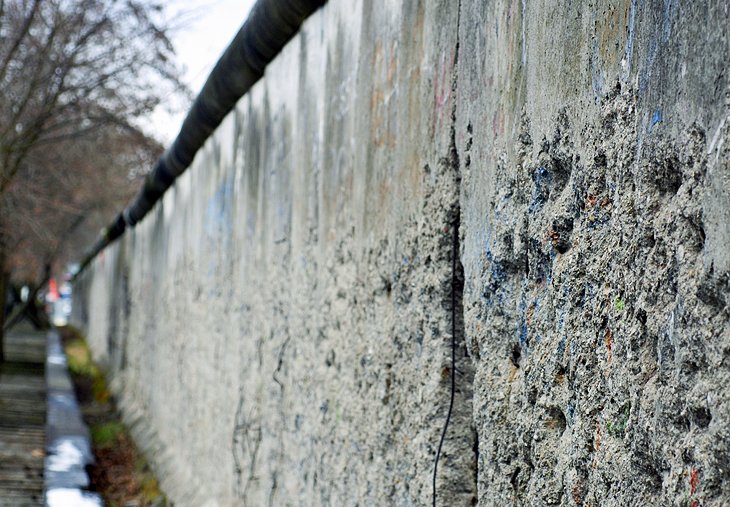
The Topography of Terror (Topographie des Terrors), one of Berlin's most thought-provoking museums, is also one of its most visited, attracting 1.5 million tourists a year.
This unique indoor/outdoor facility is built on the site of the former headquarters of the Nazi's notorious SS and Gestapo. It's also notable as the site also marks the boundary between the eastern and western zones of Berlin and contains a preserved section of the former Berlin Wall.
A sobering reminder of the terrors of both the Nazi and Soviet eras, highlights of a visit include the excavated cellar walls of the Gestapo HQ, lined by numerous covered displays regarding the site's role as a place of terror. Also of note is the new Documentation Center, focusing on the central institutions of the SS and their crimes, and the role of the regime's propaganda machine, and the Nazi Forced Labour Documentation Centre, located on the nearby site of a former camp used to house the regime's slave labor.
Free English language guided tours are available each Sunday, and private tours can also be arranged for a fee. Educational workshops are also on offer.
Address: Niederkirchnerstraße 8, 10963 Berlin
8. The New National Gallery
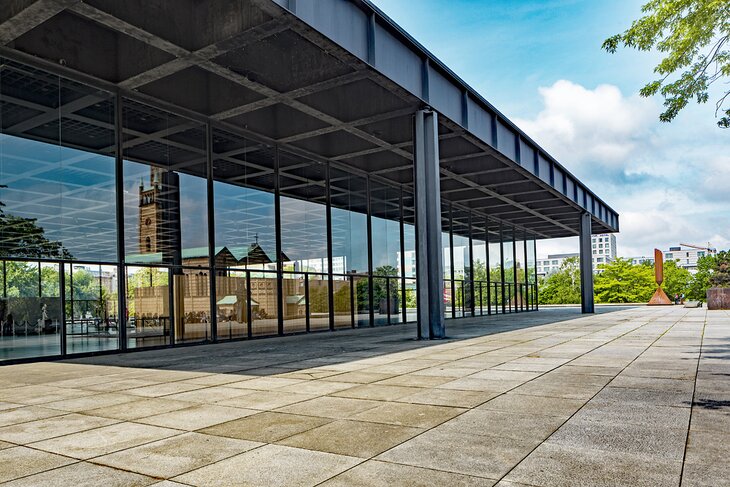
The New National Gallery (Neue Nationalgalerie) is housed in a two-part steel and glass structure built in 1968. It was completely renovated in 2018 and consists of a square hall and a pleasing terrace containing a number of sculptures by Alexander Calder and Henry Moore.
The collection consists of numerous important paintings, sculptures, and drawings of the 19th and 20th centuries including the Realists, the German school in Rome, French and German Impressionists, the Expressionists, the Bauhaus movement, and the Surrealists, as well as a good selection of American paintings. Among its most important artists are Adolph von Menzel, Edouard Manet, Auguste Renoir, Edvard Munch, and Max Ernst.
The gallery also hosts periodic special exhibitions and is regarded highly for its workshops, including programs highlighting the restoration of paintings and drawings. English language tours are available, and a restaurant and bookshop are located on-site.
Address: Potsdamer Strasse 50, 10785 Berlin
9. Bode-Museum
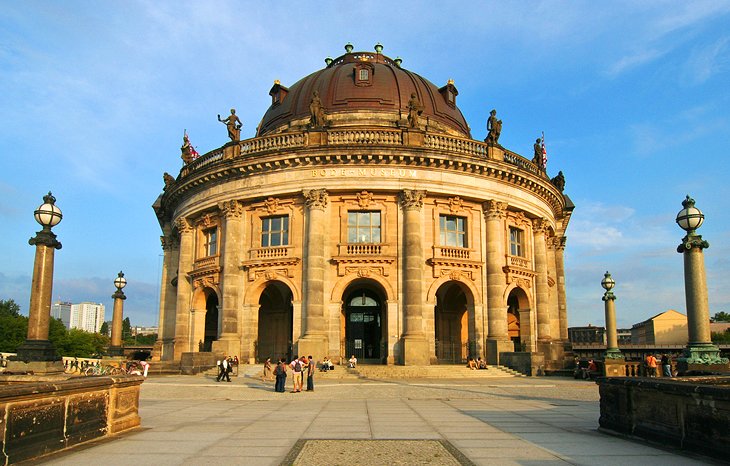
Standing at the north end of Museum Island, the attractive Bode Museum was established in 1904 as a "Sanctuary of Art and Science" and remains one of Berlin's most visited and most architecturally pleasing tourist attractions.
Under the museum's Great Dome is a bronze cast of Schlüter's statue of the Great Elector on horseback, along with four large sandstone figures in the entrance hall, also sculpted by Schlüter in 1712, while under the Little Dome are two groups by sculptor Adriaen de Vries.
Also of interest is the infamous "Flora" bust, a controversial artwork purchased by the museum in 1910 in the belief, despite strong evidence to the contrary, that it was the work of Leonardo da Vinci; it's actually considered more likely to be of 19th-century English origin.
Perhaps its most important collection, however, is the Coin Cabinet (Münzkabinett), one of the largest such collections in the world, with more than 500,000 rarities dating from every period and illustrating the development of coining techniques from antiquity to the present day. Its sculpture collection is also noteworthy and contains fine pieces from Germany, Venice, and Florence covering the Romantic to Early Classical periods.
A variety of educational programming is available, including workshops for kids and teens, and English language tunes and tours. There's also a great cafe and a bookshop on-site.
Address: Am Kupfergruben, 10117 Berlin
10. The Old National Gallery
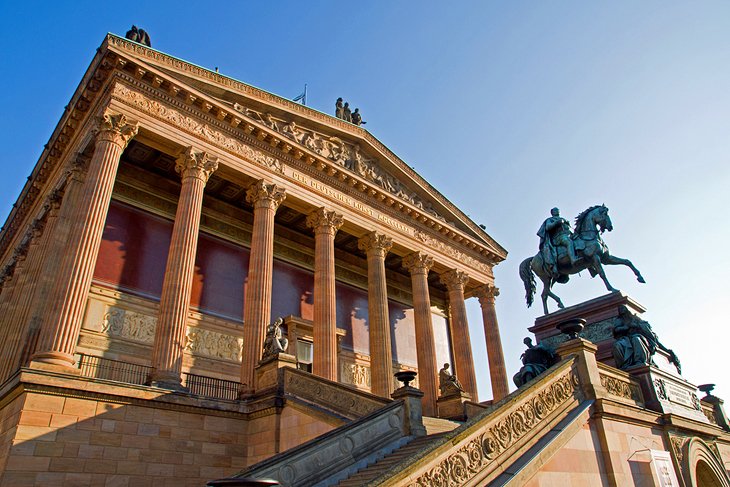
Originally built as a hall for receptions and ceremonial occasions in 1876, Berlin's Old National Gallery (Alte Nationalgalerie) on Museum Island resembles a Corinthian temple set on a high base and is approached by an imposing flight of steps. Its outdoor exhibits are almost as impressive as those inside and include a large bronze equestrian statue of Frederick Wilhelm IV from 1886, along with notable female figures in its gardens.
Part of Berlin's impressive National Gallery group of museums, collection highlights include examples from the Neoclassical and Romantic movements, as well as French Impressionists such as Manet and Monet. Numerous German artworks and sculptures are also featured, including von Menzel's famous The Iron Rolling Mill (Eisenwalzwerk) and Schadow's double statue of Prussian princesses.
English language tours are available, and there's a great bookshop on-site with many English titles related to the museum's collections.
Address: Bodestrasse 1-3, 10178 Berlin
11. Jewish Museum Berlin
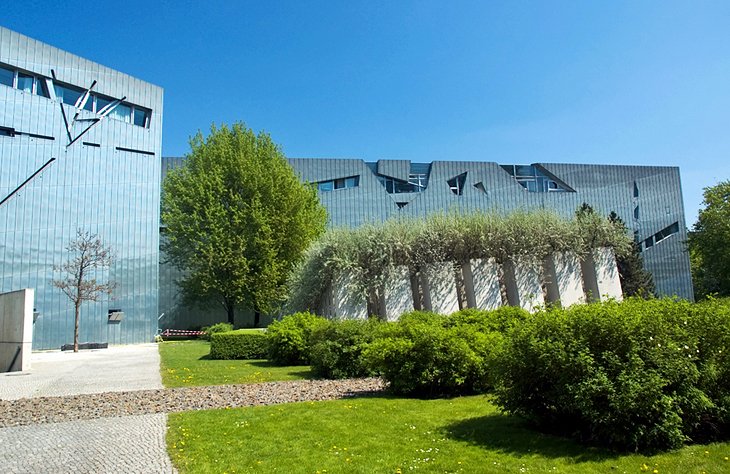
One of the largest museums of its kind in Europe, and certainly one of the most interesting architecturally, the Jewish Museum Berlin includes numerous interesting exhibits focusing on German-Jewish history and culture over a period of some 2,000 years. Collections on display feature everything from rare documents to ceremonial objects, paintings, photos, and sculptures, as well as many rare books, scripts, and textiles.
Of particular note are its displays relating to Jewish life in medieval settlements along the Rhine, as well as the Baroque period. Particularly poignant are the displays dealing with life under the Nazis. Exhibits also deal with experiences during the post-war period.
Also of interest is the partially reconstructed New Synagogue, the splendid mid-19th-century façade of which has been rebuilt. Today the synagogue houses a memorial and museum. English language guided tours and audioguides are available.
Address: Lindenstrasse 9-14, 10969 Berlin
12. Brücke Museum
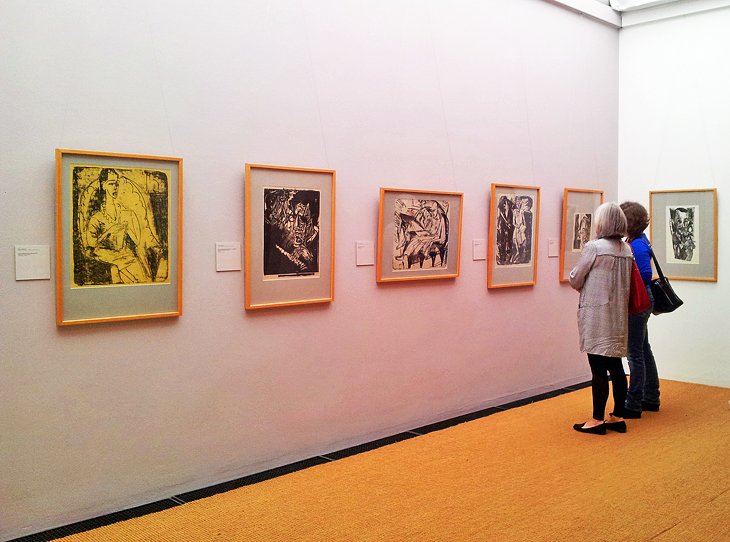
Located in Berlin's Grunewald district, the city's large wooded park, Brücke Museum was built in 1967 as a gallery and archive for the works of a group of Expressionist painters founded in Dresden in 1905 known as Die Brücke (The Bridge).
The initiative of Berlin artist Karl Schmidt-Rottluff, one of the founders of the group whose work is included here, the museum features numerous paintings, watercolors, drawings, and sculptures by fellow-members Erich Heckel, Ernst Ludwig Kirchner, Otto Mueller, and Max Pechstein.
The museum also has works by other painters, including Otto Herbig, Max Kaus, Emil Nolde, and Emy Röder, who had stylistic or personal affinities with Die Brücke. English language tours are available on Sundays.
Address: Bussardsteig 9, 14195 Berlin
13. German Historical Museum
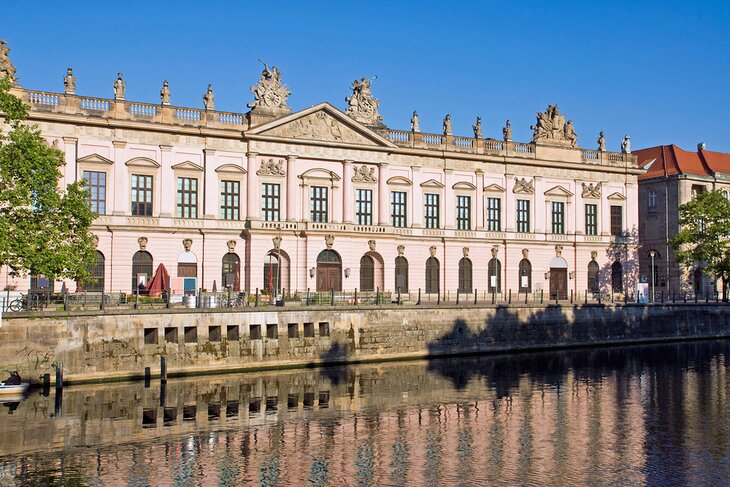
Since it opened in 1987, the German Historical Museum (Deutsches Historisches Museum) has done a great job introducing visitors to Berlin's history. It can take a few hours to explore, so be sure to allow plenty of time to wander through its fascinating exhibits.
Highlights include displays portraying war and post-war periods, including the fall of the infamous Berlin Wall. Along the way you'll also learn about the city's important role in the fields of religion, industry, and medicine, as well as displays of old armor and weaponry.
Address: Unter den Linden 2, 10117 Berlin
14. DDR Museum
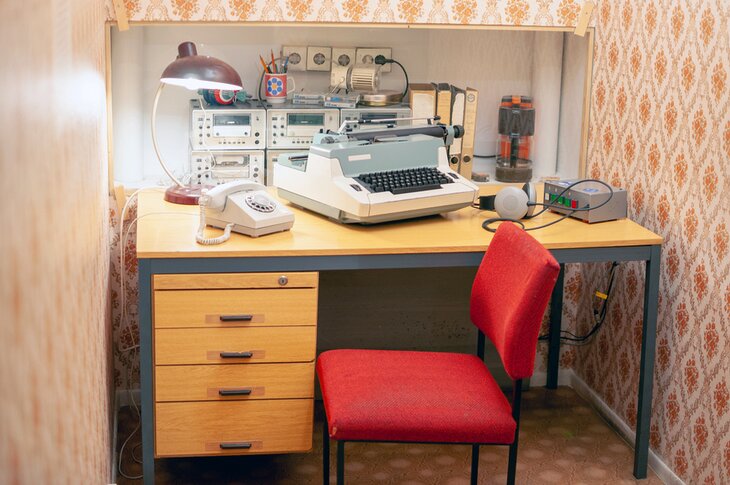
Focusing on the decades when East Berlin was under communist rule, the DDR Museum paints a grim picture of the lives of this part of the city's residents. Set in a Soviet-era building, highlights of a visit include seeing how spies operated, how prisoners and ordinary citizens were treated, as well as hands-on displays and interactive exhibits.
Other highlights include a tower block, an example of a prison cell, and an authentic interrogation room. A number of historic vehicles are also on display.
Address: Karl-Liebknecht-Str. 1, 10178 Berlin