24 Top-Rated Tourist Attractions in Berlin
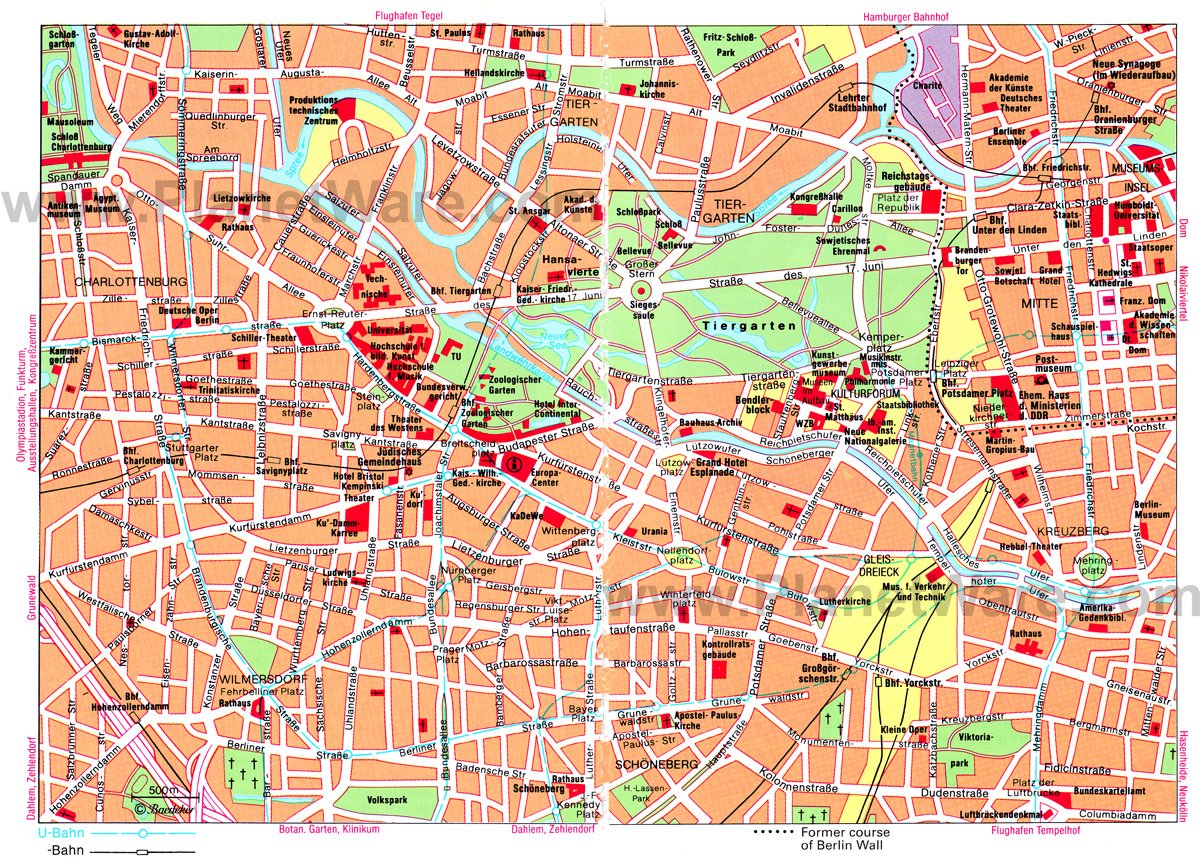
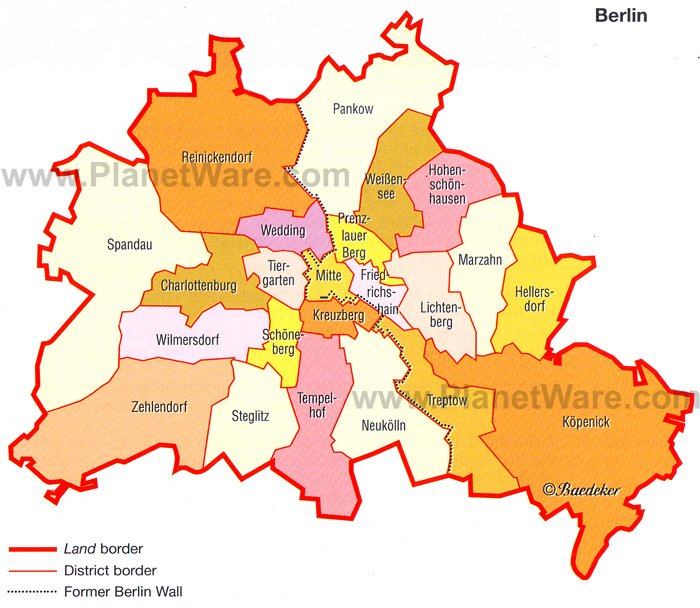
Berlin, the capital of Germany and the country's largest city, is also a major center of politics, culture, media, and science.
Noted for its cultural attractions, Berlin is home to the world-famous Berlin Opera and Berlin Philharmonic Orchestra, while its diverse art scene encompasses numerous events, galleries, and museums, including those on Museum Island, a UNESCO World Heritage Site.
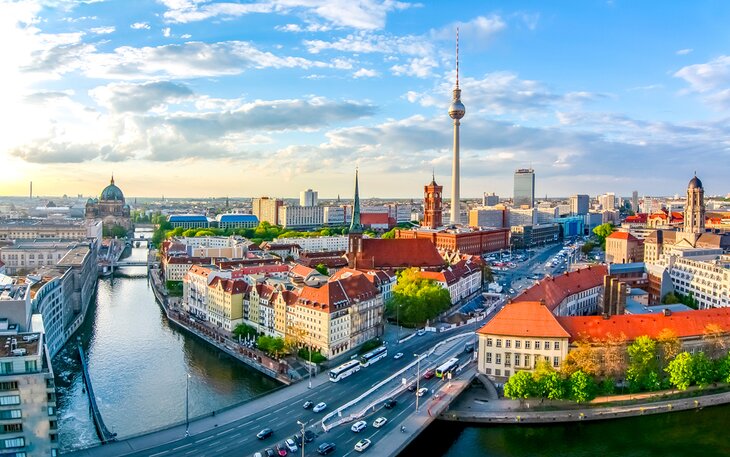
Despite the devastation of WWII, and following decades of decay to the east of the infamous Berlin Wall, the city has been rebuilt in a way that celebrates its successes while acknowledging a dark past.
Today, Berlin has earned a reputation as something of a youthful, hip tourist destination that offers an eclectic mix of places to visit, including new and classic architectural landmarks, dynamic entertainment, shopping, and a wide variety of sports and cultural institutions.
Whatever your interests, to help you get the most out of your sightseeing adventures, be sure to refer often to our list of the top tourist attractions in Berlin, Germany.
- 1. The Brandenburg Gate
- 2. The Rebuilt Reichstag
- 3. Museum Island
- 4. The Berlin Wall Memorial
- 5. German Historical Museum
- 6. Berliner Fernsehturm: Berlin's Television Tower
- 7. Mauer Museum (Checkpoint Charlie Museum)
- 8. Charlottenburg Palace and Park
- 9. Gendarmenmarkt
- 10. Jewish Museum Berlin
- 11. The German Museum of Technology
- 12. Memorial to the Murdered Jews of Europe
- 13. Grosser Tiergarten and the Victory Column
- 14. Pergamon Museum
- 15. The Humboldt Forum
- 16. Berlin Cathedral Church
- 17. The Topography of Terror
- 18. Berlin Zoological Gardens
- 19. Tierpark Berlin
- 20. Berlin-Dahlem Botanical Garden and Botanical Museum
- 21. DDR Museum
- 22. The Nikolai Quarter
- 23. Kaiser Wilhelm Memorial Church
- 24. Französischer Dom and the Huguenot Museum
- Where to Stay in Berlin for Sightseeing
- Tips and Tours: How to Make the Most of Your Visit to Berlin
- Berlin, Germany - Climate Chart
1. The Brandenburg Gate
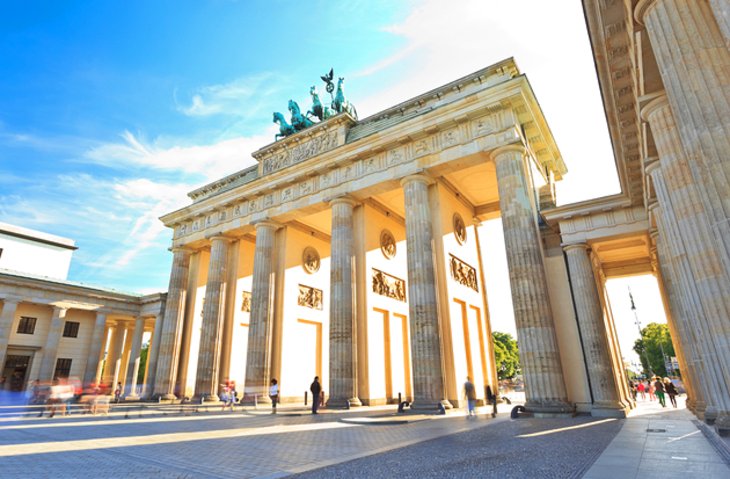
Berlin's most famous historic landmark is undoubtedly the Brandenburg Gate (Brandenburger Tor). Once a symbol of a divided nation, it now stands as a symbol of unity and peace.
This impressively large Neoclassical gate was commissioned by King Frederick Wilhelm II in 1788, and its design was inspired by the Propylaea in Athens' Acropolis. The sandstone monument is 26 meters tall, standing in the Mitte district's Pariser Platz, just a block from the Reichstag building.
During the Cold War, its physical and symbolic position as a blocked gate along the Berlin Wall made it a frequent site for demonstrations by West Berliners. It's also famous for being the backdrop of US President Ronald Reagan's 1987 entreaty to Soviet leader Mikhail Gorbachev to tear down the wall.
It was also the scene of a poignant gesture in 1999, when political leaders from a variety of countries—including Germany's Angela Merkel, Russia's Mikhail Gorbachev, and Poland's Lech Walesa—together walked through the gate to commemorate the tearing down of the Berlin Wall 10 years earlier.
Visiting the Brandenburg Gate at night is a special treat, and undoubtedly one of the top free things to do in Berlin.
Address: Pariser Platz, 10117, Berlin
2. The Rebuilt Reichstag
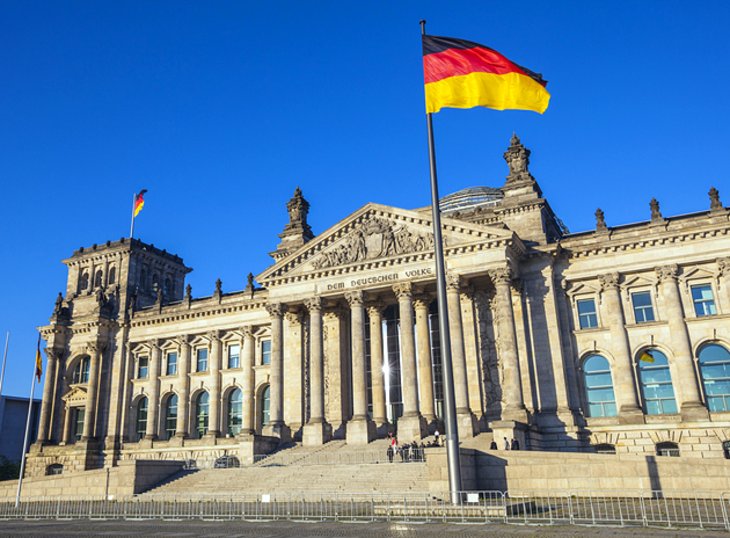
The Reichstag (Reichstagsgebäude) was originally completed in 1894 where the Neo-Renaissance palace served as the home of the German Empire's Imperial Diet until it burned in 1933. It was not used again until after the reunification of Germany, at which point it underwent a 10-year reconstruction and finally became the home of the German Parliament in 1999.
A highlight of this magnificent reconstruction is the replacement dome, the Kuppel. Made of glass, it offers superb views of the surrounding city, especially at night from the Rooftop Restaurant. If you're visiting in the summer months, be sure to check into the schedule of light shows and film nights for a memorable Berlin experience.
Note that entry to the Dome and Terrace is ticketed, and due to demand, it's recommended that tickets be requested in advance. While registration is available on the day, you should expect a two- or three-hour wait. Free English language audio guides are available.
Address: Platz der Republik 1, 11011, Berlin
3. Museum Island
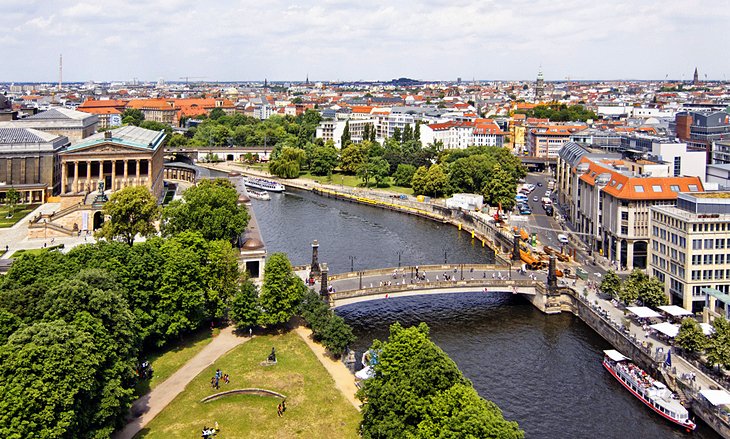
Sandwiched between the River Spree and the Kupfergraben in a 400-meter-long canal, Spree Island—better known as Museum Island (Museumsinsel)—is one of the city's most important UNESCO World Heritage Sites.
Here, you'll find many of Berlin's oldest and most important museums, including the Old Museum (Altes Museum), built in 1830 to house the Crown Jewels and other royal treasures.
The New Museum (Neues Museum), destroyed during WWII, was rebuilt and opened again in 2009. It serves as the home of extensive collections from the Egyptian Museum, the Papyrus Collection, and the Collection of Classical Antiquities.
The Old National Gallery (Alte Nationalgalerie), opened in 1876, displays Neoclassical sculpture and paintings from 1815-1848, as well as Impressionist and early Modernist pieces. The Bode Museum houses a collection of Byzantine art, as well as a large sculpture collection spanning from medieval times to the late 1700s.
The city's most popular museum, the Pergamon features a Museum of Islamic Art, the Ishtar Gate, and reconstructed historic buildings from the Middle East. The newest museum attraction, the Humboldt Forum opened here in 2019 and houses the Ethnological Museum of Berlin and the Museum of Asian Art.
Address: Bodestraße 1-3, 10178 Berlin
4. The Berlin Wall Memorial
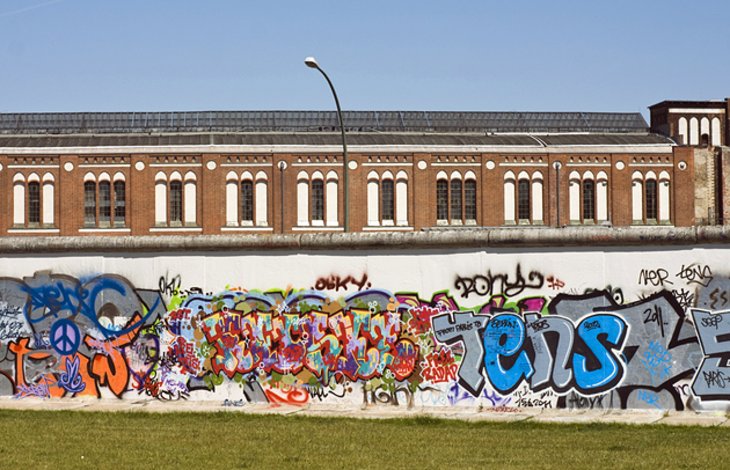
The Berlin Wall originated in 1961 when East Germany sealed off that half of the city to prevent citizens from fleeing to West Germany. By the time it was torn down in 1989, the four-meter-high wall extended 155 kilometers, dissected 55 streets, and possessed 293 observation towers and 57 bunkers.
Today, only small stretches of this graffiti-covered travesty remain, including a 1.4-kilometer stretch preserved as part of the Berlin Wall Memorial (Gedenkstätte Berliner Mauer). It stands as a chilling reminder of the animosity that once divided Europe.
Highlights of a visit include the Marienfelde Refugee Center Museum, with its exhibits relating to the one-and-a-half million people who passed through Berlin as refugees; the Günter Litfin Memorial, a former watchtower now set up as a memorial, which pays tribute to the first civilian killed trying to cross from east to west; and the Monument in Memory of the Divided City and the Victims of Communist Tyranny.
Be sure to also check out the Window of Remembrance and the Visitor Center with views over the remains of the wall. Guided tours are available in English.
Address: Bernauer Straße 111, 13355 Berlin
5. German Historical Museum
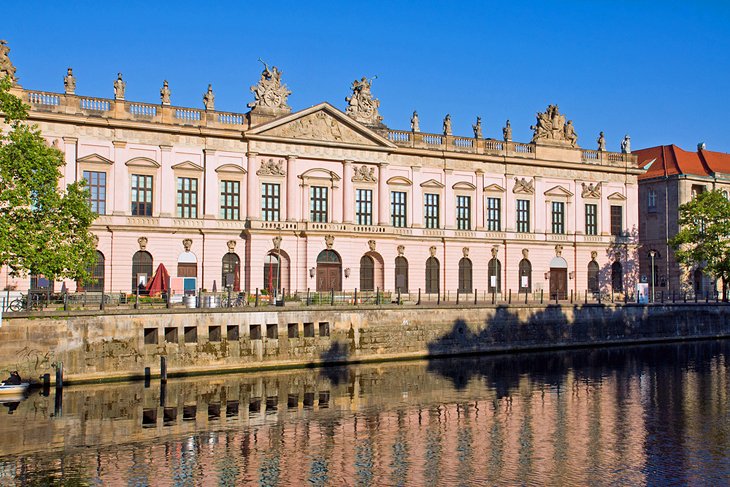
Established to mark Berlin's 750th anniversary in 1987, the German Historical Museum (Deutsches Historisches Museum, or DHM) is a must-visit for those interested in learning more about the city's remarkably rich history.
This much-visited attraction consists of a number of historic exhibition halls jam-packed with fascinating displays of artifacts relating to various periods and events from the country's founding right up to the fall of the Berlin Wall.
Other highlights include exhibits relating to medicine, fashion, religion, printing, art, and photography. Military buffs are also well catered to with the museum's vast collection of historic armor, weapons, and uniforms.
There's also a cinema located on-site, and a research library that's open to the public. English language guided tours are available, and for those expecting a longer stay (you'll want to, there's that much to see), there's a handy cloakroom and café.
Address: Unter den Linden 2, 10117 Berlin
6. Berliner Fernsehturm: Berlin's Television Tower
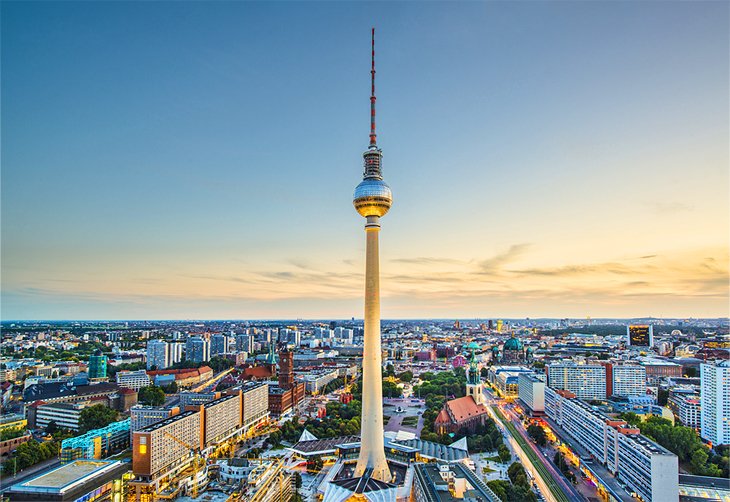
Despite its age—it celebrated its 50th anniversary in 2020—the 368-meter-tall Berliner Fernsehturm (Berlin Television Tower) has lost none of its appeal to visitors to the city.
Since opening in 1970, Europe's third-tallest freestanding structure has attracted over 60 million visitors, most of them drawn for the spectacular views over Germany's capital.
Originally constructed to mark the prowess of communism (it's located in the former East Berlin district), the landmark can be picked out from pretty much every corner of the city, making it more significant as a symbol of the city's reunification in the 1980s.
Be sure to include the structure's observation deck in your visit, and if you're able to linger awhile, book a reservation at the 207-meter-high revolving restaurant.
Address: Panoramastraße 1 A, 10178 Berlin
7. Mauer Museum (Checkpoint Charlie Museum)
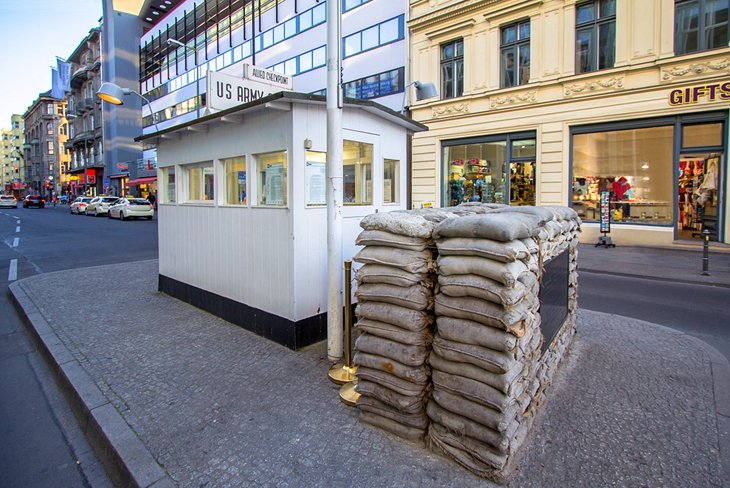
Also of interest is the Checkpoint Charlie Museum (Museum Haus am Checkpoint Charlie). Marking the best-known crossing point between East and West Berlin, this fascinating tourist attraction features numerous displays and artifacts tracing the history of human rights, along with exhibits dealing specifically with the history of the Berlin Wall, and Checkpoint Charlie.
Situated next to the original guardhouse, the museum also highlights some of the most interesting attempts made by those trying to escape communist rule. These include an original homemade air balloon used in one successful attempt.
Also of interest is the nearby open-air BlackBox Cold War exhibit, which features sections of the Berlin Wall and related information stations.
Address: Friedrichstraße 43-45, 10969 Berlin
8. Charlottenburg Palace and Park
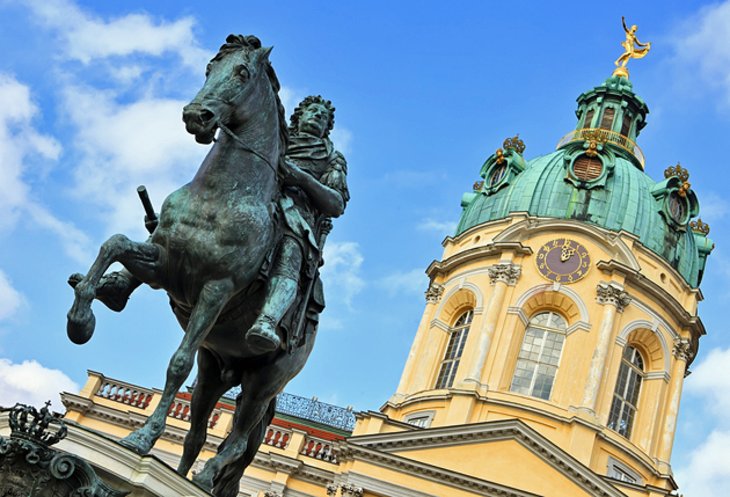
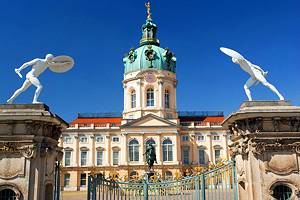
Berlin's oldest and largest Prussian estate, the late 17th-century Charlottenburg Palace was for decades the primary residence of German royalty.
Now beautifully restored, this huge palace has many extraordinary features, including a massive 50-meter-high central dome, opulent Baroque and Rococo décor throughout its expansive rooms, and a large garden that was inspired by the gardens at Versailles.
A highlight of the property's tour program is a visit to the New Wing, with its State Apartments and fine Banqueting Halls. Built in 1746, it's here visitors get a glimpse of the splendor in which the Prussian Kings and Electors lived, from Frederick I's bedroom and study with their fine furnishings and paintings, to the State Dining Room and 42-meter-long Golden Gallery with its rich, gilded stucco.
Over in the Old Palace is the Porcelain Cabinet, a room dedicated to a large historic porcelain collection and special exhibits, including the Crown Jewels and other royal items.
Other highlights are the Palace Park dating from 1697 and home to the New Pavilion (Neue Pavilion), built in 1788 in the style of a Neapolitan villa, and the Belvedere Teahouse with its fine collection of Berlin porcelain.
Be sure to visit the Mausoleum with its royal tombs, as well as the Grand Courtyard with its large statue of the Great Elector, Frederick William of Brandenburg. One of the top things to do in Berlin in winter is visit the Charlottenburg Palace Christmas Market, a spectacular display of more than 250 vendors and artisans exhibiting seasonal wares.
Address: Spandauer Damm 10, 14059 Berlin
9. Gendarmenmarkt
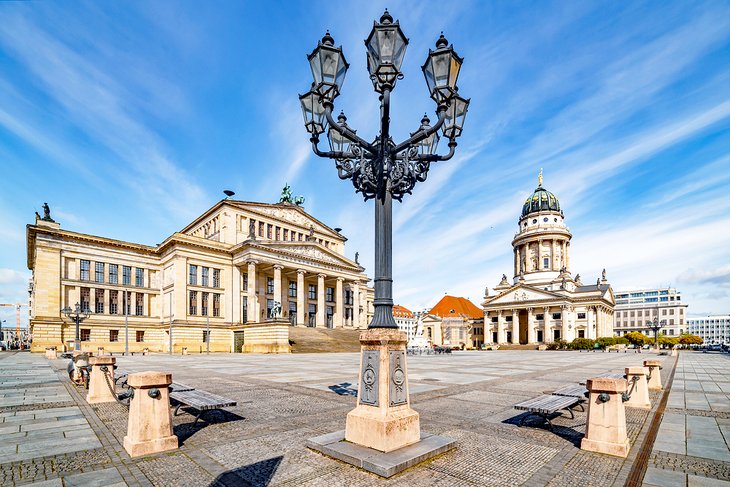
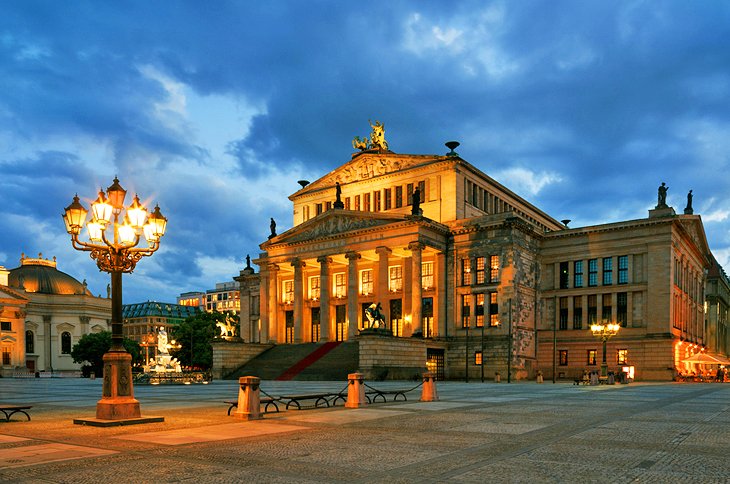
The Gendarmenmarkt, one of Berlin's largest squares, is dominated by three historic landmark buildings: the Konzerthaus, the French Cathedral (Französischer Dom), and the German Cathedral (Deutscher Dom).
This picturesque 17th-century square is now one of Berlin's top tourist attractions and hosts numerous public events each year, including classical concerts on the steps of the Konzerthaus theater in the summer.
Come winter, the entire plaza becomes one of the most famous Christmas markets in Germany.
Konzerthaus: The Konzerthaus, built in 1821, is as famous for its architectural splendor as it is for the first-rate performances of Konzerthausorchester Berlin, one of the country's most popular symphony orchestras.
In front of the building stands a statue of the German poet Friedrich Schiller surrounded by four female figures who represent the artistic elements of Lyric Poetry, Drama, History, and Philosophy.
Cathedrals: The cathedrals are so named for their domes ("dom" is also the German word for cathedral) and are in fact not churches. The French Cathedral is home to the Huguenot Museum, and the German Cathedral exhibits the history of the German Parliament.
Alexanderplatz: Another well-known square in Berlin, Alexanderplatz was the center of East Berlin life and is now home to the World Time Clock, a popular meeting place. Nearby is the Television Tower (nicknamed Telespargel) with panoramic views of the city.
Address: Gendarmenmarkt, 10117 Berlin
10. Jewish Museum Berlin
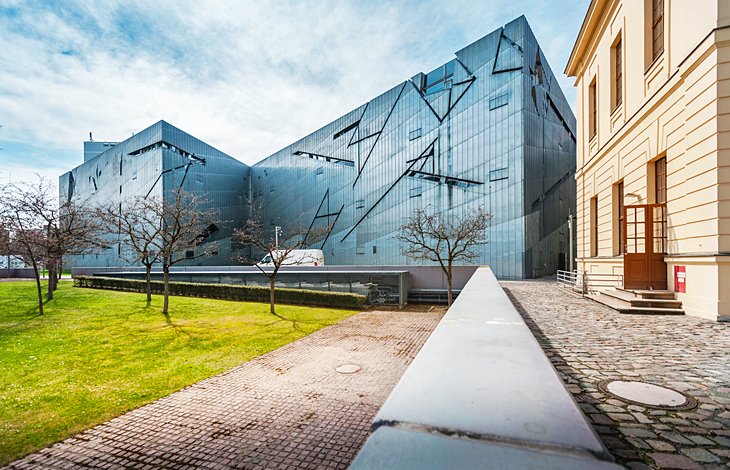
Designed by architect Daniel Libeskind, the Jewish Museum Berlin (Jüdisches Museum Berlin) features a distinctive zinc-paneled exterior that makes it one of Berlin's most striking landmarks.
It was established in 2001, and inside visitors will find a wide range of historical artifacts and donated collections that illustrate the long history and struggle of Jewish Germans, from the Middle Ages to the present.
Exhibits include artwork, religious objects, and 24,000 photographs that have been preserved and recovered. Especially poignant is The Memory Void, where you'll find an installation called "Shalekhet," or "Fallen Leaves," a collection of some 10,000 iron faces spread across the ground. Sobering, to say the least.
The museum is also home to an extensive library and archives at the Academy of the Jewish Museum Berlin, where there are frequent educational programs. Museum galleries include sections dedicated to Hanukkah, anti-semitism, Middle East conflict, the history and culture of Jerusalem, and the life of Munich rabbi Leo Baerwald.
A variety of themed tour options are available, along with English language audioguides.
Address: Lindenstraße 9-14, 10969 Berlin
11. The German Museum of Technology
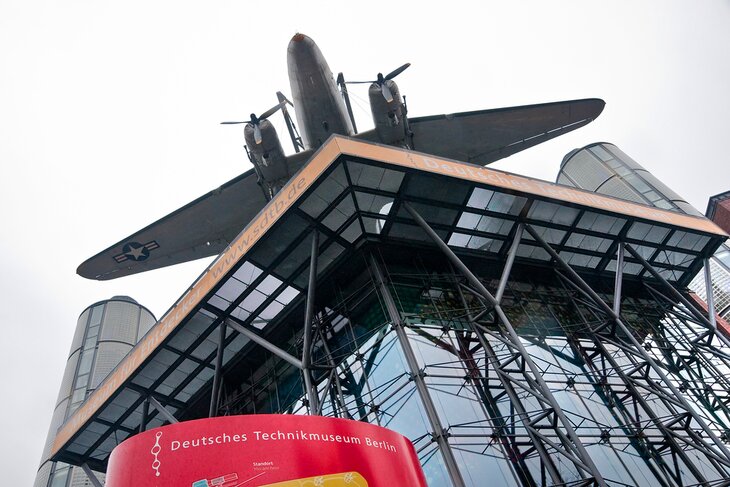
The must-see German Museum of Technology (Deutsches Technikmuseum Berlin) was established in 1983 to showcase and celebrate Germany's industrial and technological prowess.
There are plenty of fun things to do for kids and families in this popular museum, including taking in displays related to the Industrial Revolution, getting some hands-on experience in a reconstructed workshop. In addition, the museum offers a fascinating look at the vehicles that evolved alongside this rise in mechanization.
There are plenty of vehicles and aircraft on display, including a number of preserved steam engines dating back as far as 1843. Other highlights include riding in a vintage 1930s train from the museum to its locomotive depot on the weekends.
Guided tours are available in English. For those wanting to make a day of it (which is recommended), there's a restaurant and picnic spot located on-site.
Address: Trebbiner Straße 9, D-10963 Berlin-Kreuzberg
12. Memorial to the Murdered Jews of Europe
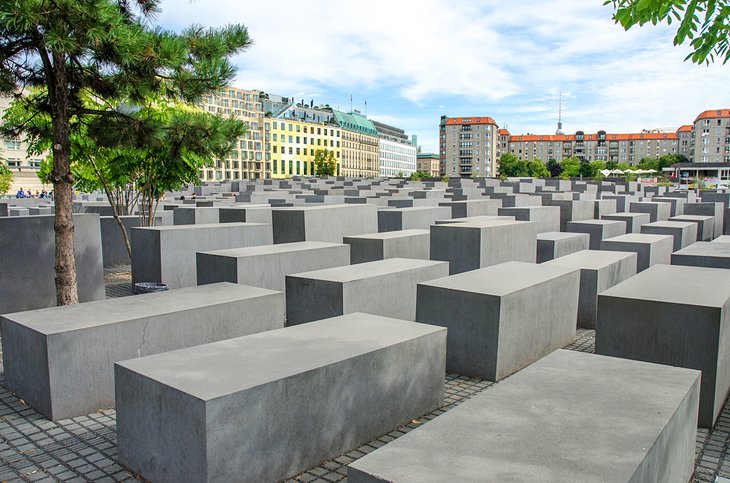
A remarkable testament to the people of Germany and their commitment to never turn a blind eye to the atrocities of the past, the Memorial to the Murdered Jews of Europe (Denkmal für die ermordeten Juden Europas)—also known as the Holocaust Memorial—is another Berlin landmark that attracts tourists from all over the world.
Sitting on the eastern side of Tiergarten, this collection of 2,711 concrete slabs covers 19,000 square meters of uneven ground. Below the sprawling memorial is an information center that houses the letters, diaries, and photographs of Holocaust victims. An audioguide is available in English.
Address: Cora-Berliner-Straße 1, 10117 Berlin
13. Grosser Tiergarten and the Victory Column
Literally translated as the "Large Animal Garden," Berlin's Grosser Tiergarten has long been a major tourist attraction. Originally a royal hunting reserve in which deer, wild pigs, and other game were kept, it was transformed into a public park in 1700.
Attractively laid out with an abundance of trees and shrubs and expanses of grass and flower borders, the Tiergarten covers 210 hectares and is a favorite spot for relaxation, walking, and boating.
The park also contains numerous statues and monuments, including the 1880 Statue of Queen Luise, which depicts her with a relief recalling her care of wounded soldiers during the War of 1806. There's also an 1849 Monument to Frederick Wilhelm III, with reliefs reflecting the King's peace-loving disposition.
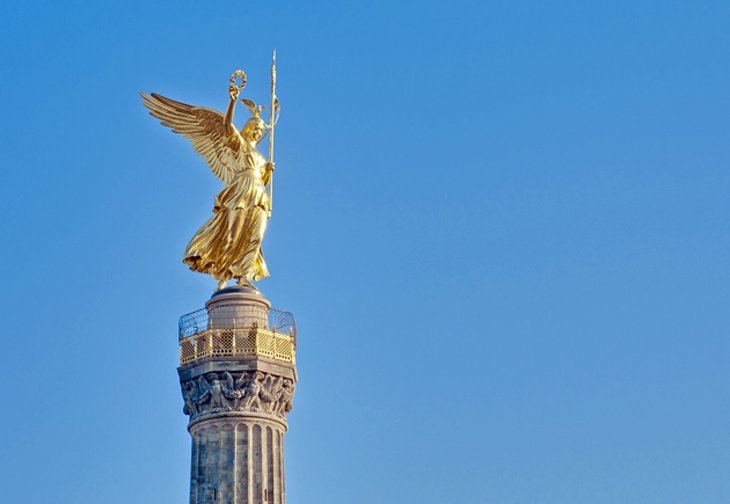
The most famous of the Tiergarten's monuments is the massive Victory Column (Siegessaule), a 70-meter-tall structure crowned by an eight-meter-high gold statue of Victoria. The statue, dubbed Golden Lizzy by locals, was completed in 1873.
It's well worth climbing the 285 steps to the top of this magnificent monument for the views over the Tiergarten. And if you look closely, you'll still see evidence of bullet damage caused during WWII.
Address: Str. des 17. Juni, 10785 Berlin
14. Pergamon Museum
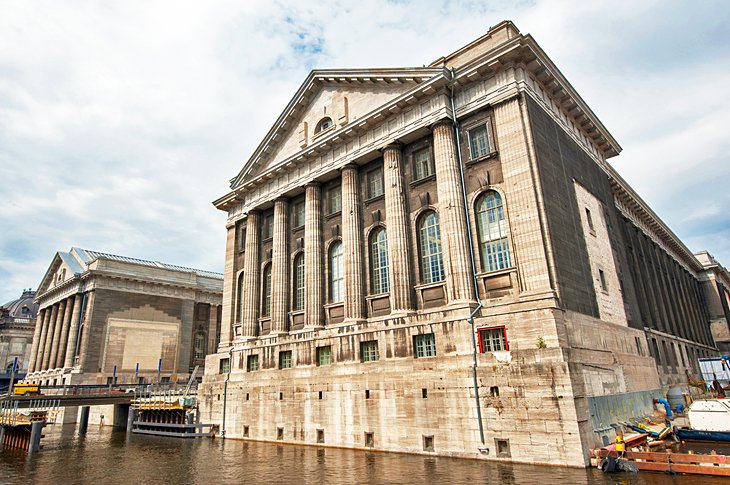
The Pergamon, the most visited of the Museum Island attractions, is also one of Berlin's top sightseeing destinations. It is home to three main galleries, each occupying a wing of the massive building, including the Middle East Museum, the Islamic Art Museum, and the Antiquity collection.
The artifacts, which narrowly escaped harm during WWII, were collected by German archaeologists during the 19th and 20th centuries from excursions to Egypt, the Middle East, and Asia.
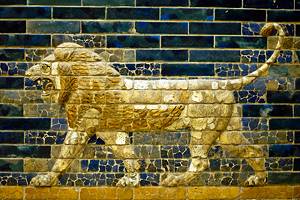
Primarily focused on architectural marvels, including ornate façades and gates, some of the museum's most famous pieces are the Ishtar Gate of Babylon, the Roman Market Gate of Miletus, and the Mshatta Façade. A café and bookshop are located on-site.
Address: Bodestraße 1-3, 10178 Berlin
15. The Humboldt Forum
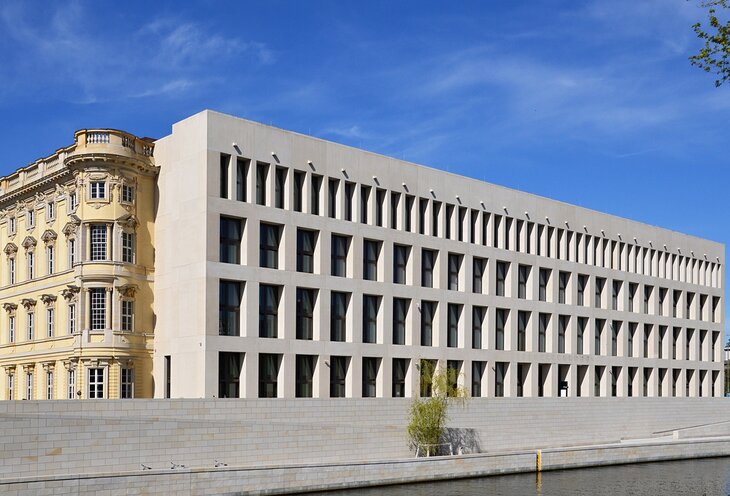
One of the most popular attractions on Museum Island—a place that's already busting at the seams with great sightseeing opportunities—is the newly opened Humboldt Forum.
Established in 2019, this remarkable feat of construction sees two of Berlin's leading museum collections—the Museum of Ethnography (Ethnologisches Museum) and the Museum of Asian Art Museum (Museum für Asiatische Kunst)—now housed under a single roof: that of a completely reconstructed Berlin Palace. Both are considered to be the equal of leading museums around the world.
Visitors can now easily explore Germany's largest collections of non-European treasures, including a trove of more than 400,000 artifacts from across the globe.
Notable highlights include displays of ancient art from Asia, along with sizable collections focusing specifically on China. In addition to its theaters, the facility houses two restaurants and a shop.
Address: Schloßpl. 1, 10178 Berlin
16. Berlin Cathedral Church
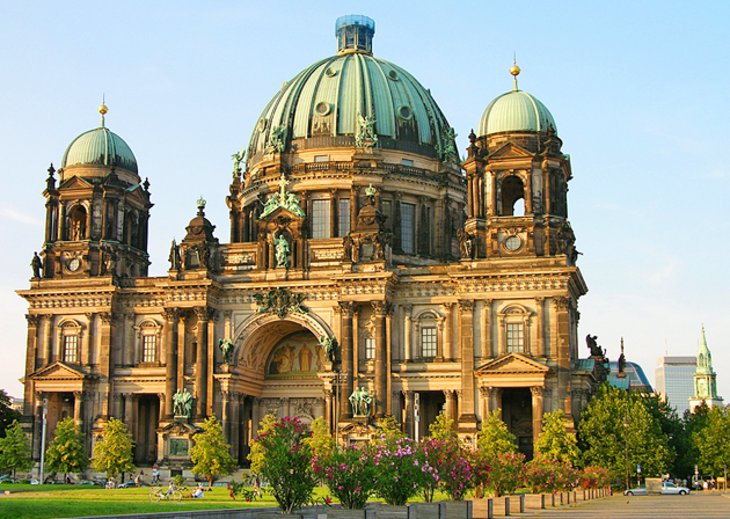
Located on Museum Island next to the Lustgarten, the Berlin Cathedral (Berliner Dom) is one of the complex's most imposing buildings thanks to its 75-meter-high dome.
Built in the New Baroque style, the building is the largest church in Berlin and is divided into three main sections: the Memorial Church, the Baptismal and Nuptial Church, and the Parish Church. After decades of painstaking work to repair war damage, the church has been returned to its former glory.
Highlights of a visit include the Imperial Staircase, decorated with bronze cornices and 13 tempera paintings by Berlin landscape painter Albert Hertel in 1905. You should also plan to see the Imperial Gallery with its splendid views of Berlin.
Another popular feature is the Hohenzollern Crypt, which contains nearly 100 sarcophagi, coffins, and monuments from the 16th to 20th centuries.
Try to time your visit for one of the cathedral's many concerts, organ recitals, or special visitor services, and be sure to climb the 270 steps to the Dome for superb views over Museum Island. English language guided tours are available, and a café and shop are located on-site.
Address: Am Lustgarten, 10178 Berlin
17. The Topography of Terror
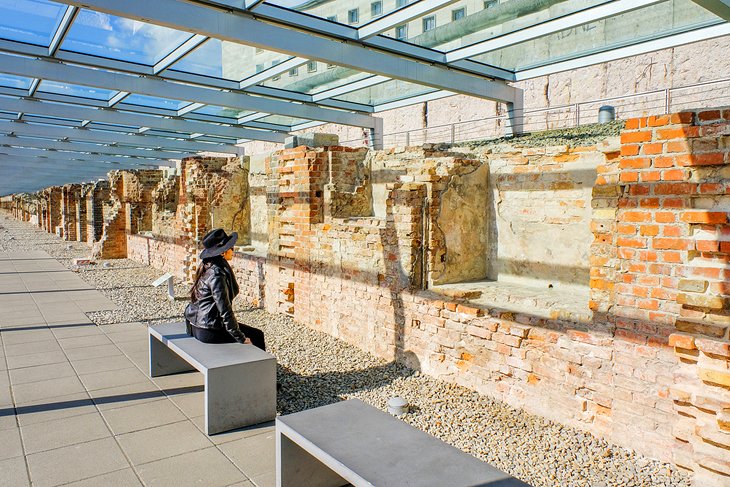
Also known as the Museum of the Gestapo, the Topography of Terror (Topographie des Terrors) occupies the buildings that were once the central offices and prison of the Secret State Police and the headquarters of Gestapo operations during WWII.
The main exhibit focuses on the SS and police during Nazi rule, highlighting the terrible crimes that were committed and giving visitors a sense of the constant state of terror that was everyday life for Europeans under their control.
Exhibits include documents, photographs, audio, and film, and explore various themes, including persecution and extermination, occupied countries, and the postwar era.
Visitors are also invited to tour the historic grounds, which include remains of the Berlin Wall and the outdoor exhibition Historic Wilhelmstraße. Informative English language tours are available on Sundays.
Address: Niederkirchnerstraße 8, 10963 Berlin
18. Berlin Zoological Gardens
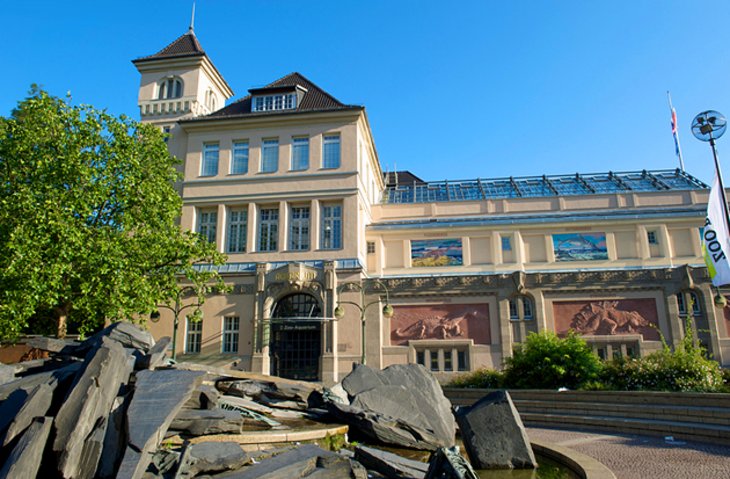
Berlin Zoological Gardens (Zoologischer Garten Berlin) is the oldest zoo in Germany and remains one of Berlin's most popular attractions, welcoming 3.5 million guests each year.
Established in 1844 and completely rebuilt after WWII, the zoo has earned a reputation for its many successful breeding programs and is known for providing authentic habitats for the animals.
The zoo is home to nearly 20,000 animals big and small, from Arctic wolves to zebras. Famous residents include a pair of giant pandas, two species of giraffe, and a flock of diminutive African penguins.
The Zoological Gardens are also home to Europe's biggest aviary, as well as Aquarium Berlin, where you can watch more than 9,000 creatures swim in its 250 tanks, including reef and tiger sharks, jellyfish, tropical fish, reptiles, and insects.
Address: Hardenbergplatz 8, 10787 Berlin
19. Tierpark Berlin
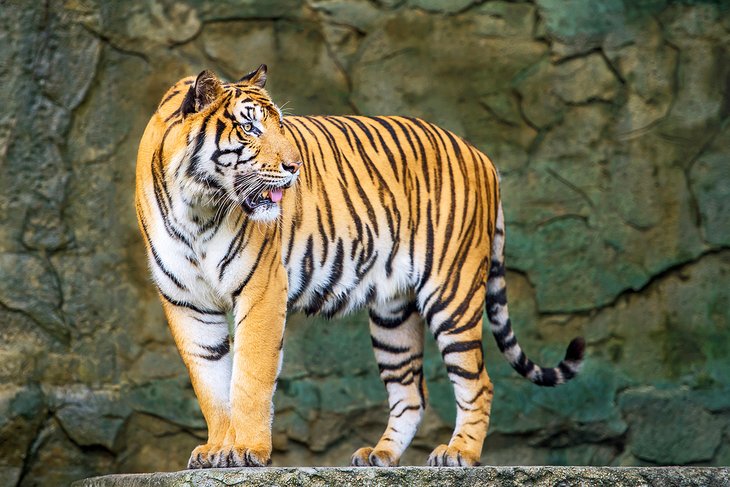
Another zoo of interest is Tierpark Berlin. Spread across 400 acres and home to some 7,250 animals from 846 different species.
Opened in the 1950s, it's very nearly the equal of Berlin Zoo and is well worth a visit, especially if you're traveling with kids. Star creatures include its elephants (the zoo is known for its breeding program), polar bears, as well as a large herd of muskox.
If you're visiting in summer, be sure to time your visit to coincide with one of the regular late openings. And check out the zoo's website for details of special kids' programs, feeding schedules, as well as tours and unique animal experiences.
Address: Am Tierpark 125, 10319, Berlin
20. Berlin-Dahlem Botanical Garden and Botanical Museum
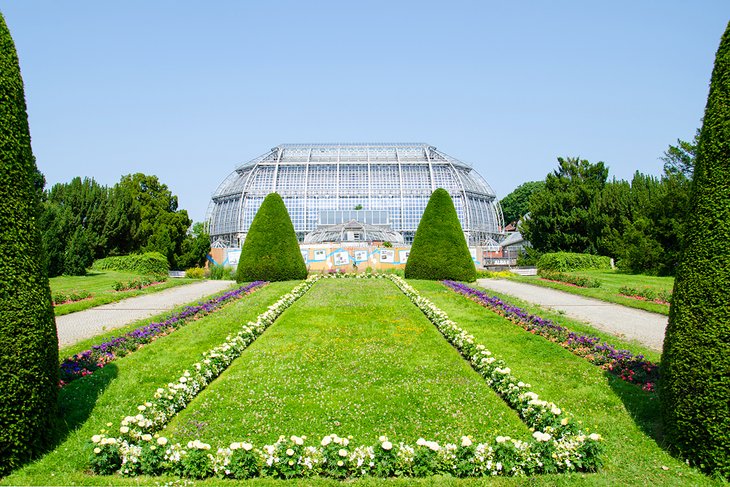
Originally the kitchen and herb garden of the Royal Palace, the Berlin-Dahlem Botanical Garden and Botanical Museum (Botanischer Garten und Botanisches Museum Berlin-Dahlem) was built in 1679 on the instructions of the Grand Elector.
Covering 126 acres, it is one of the world's largest botanical gardens, home to more than 20,000 species of plants that represent the flora of not only Europe but also tropical and subtropical environments in the Great Tropical House.
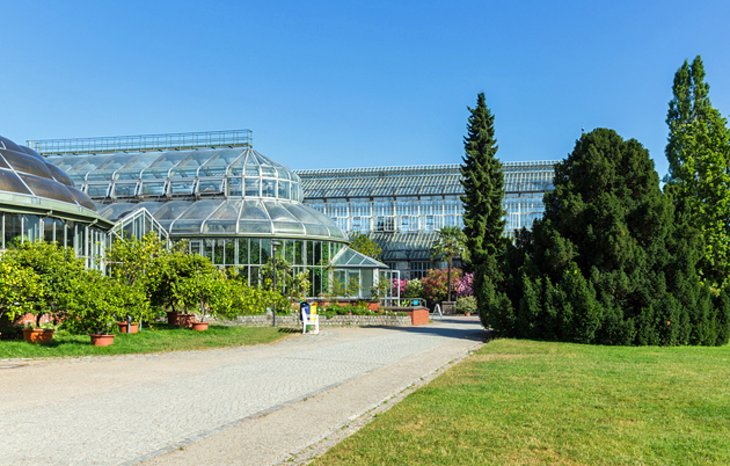
There are also gardens of medicinal plants and a large pond forming the centerpiece of the biotope for marine and marsh plants.
If you can, try to visit at Christmas, or during the attraction's annual "Botanical Night" event, considered one of the most romantic things to do in Berlin in winter.
Also worth seeing is the Electoral Garden with its 17th-century garden greenery, the garden restaurant, and the excellent Botanical Museum with its herbarium featuring more than two million plants and an extensive library.
Address: Königin-Luise-Strasse 6-8, 14195 Berlin
21. DDR Museum
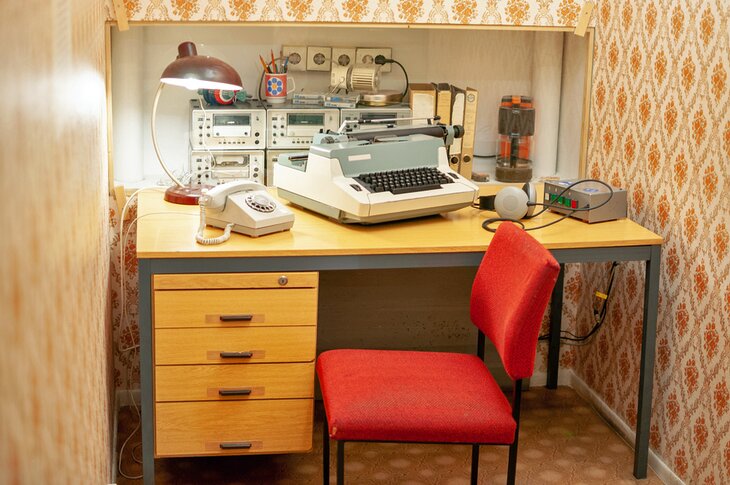
One of Berlin's newer tourist attractions, the DDR Museum opened in 2006 and offers a sobering look at life in East Berlin under communist rule.
Located in the old government district of East Berlin, this popular attraction features a variety of hands-on, interactive exhibits related to such areas of life as surveillance, the privations of everyday life, as well as a replica tower block.
Other highlights of a visit include a replica prison cell, interrogation room, cinema, along with accompanying information. Be sure to try out the Trabant simulator, which provides a realistic driving experience along the Berlin Wall in a classic East German vehicle.
A large collection of authentic artifacts from this time period are also on display.
Address: Karl-Liebknecht-Str. 1, 10178 Berlin
22. The Nikolai Quarter
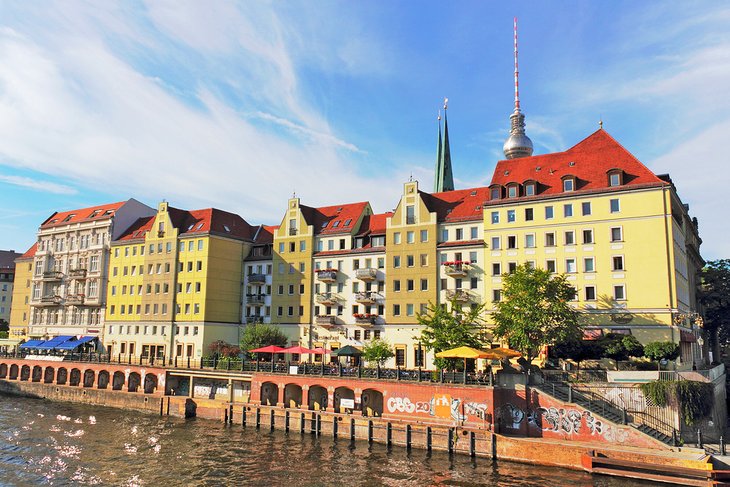
Berlin's Nikolai Quarter (Nikolaiviertel) is in the heart of the old city, and is where you'll find many of its oldest and most popular attractions, as well as plenty of interesting things to do beyond the usual places to visit.
This pedestrian-friendly quarter is known for its many small buildings set along narrow streets full of nooks and crannies, home to restaurants, cafés, and shops, along with craft workshops selling everything from basketry to wooden crafts.
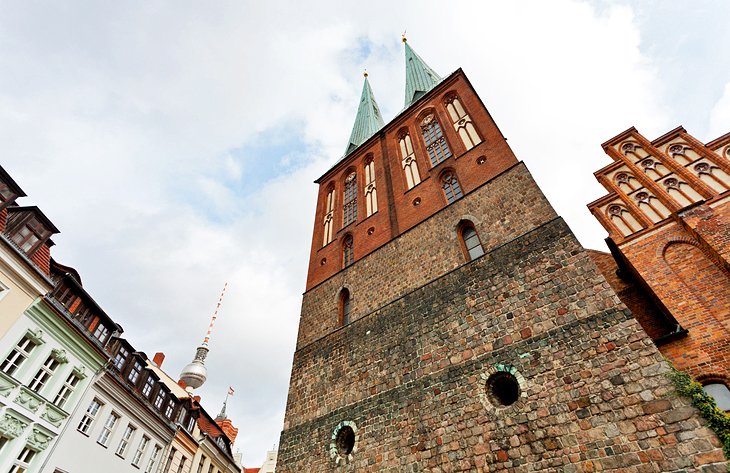
Highlights include the district's many old fountains, lanterns, and lattice-windows on the older houses and historic buildings such as Ephraim Palace, built in the 1760s, which has exhibits dedicated to Berlin's rich artistic and cultural history, as well as an exquisite grand staircase.
Also of note is Knoblauch House, built in 1760 and representative of the former homes of the city's wealthy Jewish merchants and tradesmen.
Another favorite tourist spot is Berlin's most famous street, Unter den Linden. This broad avenue stretches some 1,400 meters and connects Pariser Platz in front of the Brandenburg Gate to the Lustgarten.
Today, the two car lanes on the Unter den Linden are separated by a wide, central pedestrian area that extends much of the street's length and provides a wonderful place to relax and take in the bustling city around you. Popular attractions are the Gendarmenmarkt, the Opera House, and St. Hedwig's Cathedral.
Address: Nikolaikirchplatz, 10178 Berlin
23. Kaiser Wilhelm Memorial Church
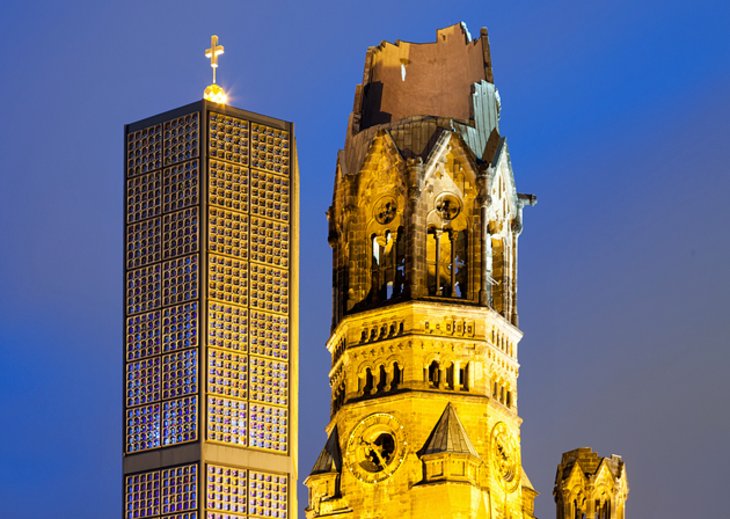
One of Berlin's most interesting landmarks, Kaiser Wilhelm Memorial Church (Kaiser-Wilhelm-Gedächtniskirche) is in many ways two churches: the ultra-modern new church designed in 1961, and next to it, the ruins of the original, including most of the 63-meter-high tower.
Completed in 1895 in honor of Emperor Wilhelm I, the original was destroyed in 1943, but its remains were incorporated into the new complex.
The result is now a major Berlin landmark that also serves as a war memorial, with exhibits installed containing mosaic remains, architectural remnants, and photos. The centerpiece is a figure of Christ from the old church and a Cross of Nails from Coventry Cathedral, destroyed by German bombs earlier in WWII.
Guided tours are available, and visitors are welcome to participate in Sunday services; Evening Music Services featuring cantatas, organ recitals, and choral music; and regular weekday services. A very popular Christmas Market is held outside the church each winter.
Address: Breitscheidplatz, 10789 Berlin
24. Französischer Dom and the Huguenot Museum
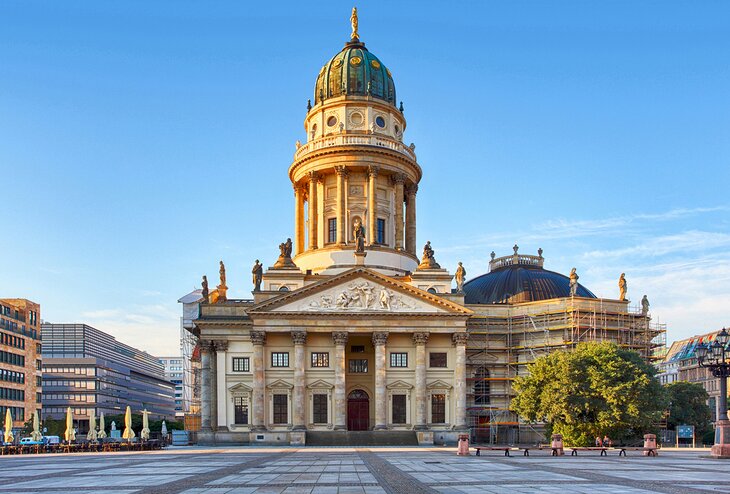
The Französischer Dom (French Cathedral) was constructed in 1705 by and for French Calvinists (Huguenots) who came to Berlin in the late 17th century seeking religious freedom. Its ornate dome was later added in 1785, and repaired in the 20th century after sustaining damage during WWII.
The church's tower is one of the best places to get a bird's-eye view of the city of Berlin, offering panoramic views over the Gendarmenmarkt and nearby landmarks like the Berliner Dom and Pergamonmuseum on Museum Island.
The freshly renovated Huguenot Museum is located in the tower of the cathedral, dedicated to the history of those who were forced to relocate as a result of the Reformation. The exhibits focus on the contributions made by these immigrants who, at the time the church was built, made up around 25 percent of the city's population.
The museum includes paintings, photographs, books, and furniture, and also hosts lectures and special programs throughout the year. It is open Tuesdays through Sundays from 12 noon to 5pm.
Address: Gendarmenmarkt 7, 10117 Berlin,
Where to Stay in Berlin for Sightseeing
For those wanting to be within walking distance of top attractions such as the Brandenburg Gate and Museum Island, the best place to stay is Berlin's Mitte district, the city's historic center. Here are some highly rated hotels to consider in or near this area:
Luxury Hotels:
- One of Berlin's most iconic hotels is the magnificent SO/Berlin Das Stue, centrally located and overlooking the western section of the beautiful Tiergarten. This boutique hotel features the Michelin-starred Cinco restaurant, as well as high-end amenities like electric vehicle charging, on-site spa services, and in-room breakfast.
- At the Tiergarten's opposite end, the Regent Berlin and Hotel Adlon Kempinski Berlin are just steps away from the historic Brandenburg Gate and are perfectly positioned to explore the city's famous Museum Island. Both are also just a short walk from the tree-lined Unter den Linden, famous for its boutiques, cafés, and restaurants.
Mid-Range Hotels:
- Just minutes away from the Tiergarten and close to excellent dining and shopping, the Hampton by Hilton Berlin City West is a great base from which to explore other areas of Berlin thanks to its proximity to the city's excellent subway (U-Bahn) system.
- Another popular option is The Circus Hotel, just minutes from Museum Island. Renovated in 2020, this eco-conscious boutique hotel offers a lovely garden courtyard, as well as a rooftop terrace.
- Also of note is the funky, modern Hotel Gat Point Charlie, which as its name suggests, is adjacent to one of Berlin's most famous landmarks. It's also just steps away from the Friedrichstrasse shopping area, and guests can rent bicycles on-site for exploring the city.
Budget Hotels:
- For those on a tight budget, city-center options worth considering include the Ibis Berlin Kurfurstendamm Hotel, a short walk from the Tiergarten, and Motel One Berlin-Hackescher Markt, not far from the city's museum district.
- A fun stay can be enjoyed at the unique CUBE Lodges Berlin Mitte, a collection of bungalow-style "cubes" capable of sleeping up to four people and set around activities including volleyball courts and bike rentals, all just a short walk from the Berlin Wall Memorial.
Tips and Tours: How to Make the Most of Your Visit to Berlin
- Sightseeing: There are several great ways to see Berlin, whether by bus, bike, or on foot. One of the easiest ways to get around the city and learn a little about the history is on a double-decker, open-air Berlin City Hop-on Hop-off Bus Tour. This tour offers 20 stops at various points of interest, with the option to get off or stay on the bus. For a more in-depth, feet-on-the-ground experience, the Explore Berlin Walking Tour offers a three-hour guided walking tour that includes major attractions, from the Brandenburg Gate and Checkpoint Charlie to Hitler's former bunker. If you really want to get active, take a 4.5-hour guided Berlin Bike Tour to see the city's top attractions and learn about their history along the way.
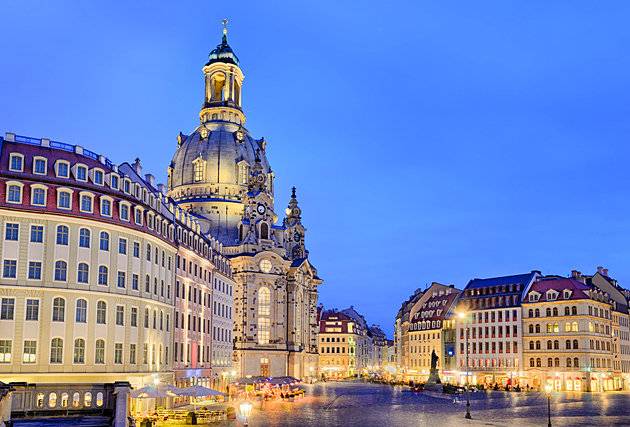
- Day Trips: The Sachsenhausen Concentration Camp Tour from Berlin is a six-hour day trip to one of the first concentration camps established by the Third Reich. Today, it is a national memorial. This is a historian-led tour and includes admission to the site. If you would like to visit iconic tourist attractions like Zwinger Palace and Frauenkirche, the Dresden Day Trip from Berlin provides an opportunity to get a guided walking tour of the historic city and then enjoy the afternoon exploring Dresden and the banks of the River Elbe at your leisure.
Berlin, Germany - Climate Chart
| Average minimum and maximum temperatures for Berlin, Germany in °C | |||||||||||
| J | F | M | A | M | J | J | A | S | O | N | D |
| 2 -3 | 4 -2 | 8 1 | 13 4 | 19 8 | 22 11 | 23 13 | 23 12 | 19 9 | 13 6 | 7 2 | 3 -1 |
| PlanetWare.com | |||||||||||
| Average monthly precipitation totals for Berlin, Germany in mm. | |||||||||||
| 43 | 38 | 38 | 43 | 56 | 71 | 53 | 66 | 46 | 36 | 51 | 56 |
| Average minimum and maximum temperatures for Berlin, Germany in °F | |||||||||||
| J | F | M | A | M | J | J | A | S | O | N | D |
| 35 26 | 38 28 | 46 32 | 55 39 | 65 46 | 71 52 | 73 55 | 73 54 | 65 48 | 55 42 | 44 35 | 37 30 |
| PlanetWare.com | |||||||||||
| Average monthly precipitation totals for Berlin, Germany in inches. | |||||||||||
| 1.7 | 1.5 | 1.5 | 1.7 | 2.2 | 2.8 | 2.1 | 2.6 | 1.8 | 1.4 | 2.0 | 2.2 |
More Related Articles on PlanetWare.com
Germany's Other Big Cities: The old imperial city of Frankfurt should be on your Germany itinerary, and in addition to is lovely setting on the River Main is well known for its cultural events, including being home to the Frankfurt Book Fair. Historic Munich is also a must-visit, especially for its stunning cathedral and Marienplatz, the city's central square, popular for people watching and enjoying a picture-perfect, pedestrian-only experience. In the north of the country, the port city of Hamburg-the country's second biggest city-is a delight to explore on foot, especially its old historic quays, canals, and docks.
Germany's Incredible Scenery: Picture Germany, and you'll no doubt conjure up the kind of images associated with picturesque Bavaria, the country's largest state and home to the kind of traditional sights of forests, mountains, and quaint little villages. The Black Forest is another area often visited by tourists, and is as famous for its thick forests as it is for its old farmhouses and pretty villages. For the country's most dramatic scenery, head to Garmisch-Partenkirchen, a mountainous region as popular with skiers in winter as it is hikers and mountain bikers in the summer.
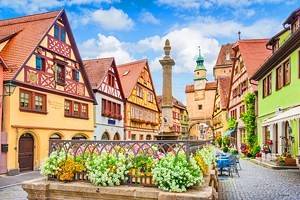
Top Germany Travel Ideas: For a look at old Germany, be sure to include the romantic town of Rothenburg on your travel itinerary, as famous for its old walls and towers as it is for its remarkably preserved medieval architecture. The magnificent Rhine Valley region also makes for a great German vacation, especially one that takes in a Rhine River cruise through the stunning UNESCO World Heritage Site that is the Rhine Gorge. A similar experience can be enjoyed in the equally attractive Mosel Valley, home to the old Roman city of Trier.